
 Pin it
Grief can make an ordinary day feel strange, unreal, and impossible to explain. This guide offers steady steps for moving through loss without rushing yourself or pretending you are fine. Think of the pale blue promise as a small commitment to keep meeting the next day with care, support, and honesty.

Name the loss in plain terms
Start by saying or writing what happened in the simplest words you can manage. MedlinePlus explains grief as a reaction to a major loss, and naming the loss can help you stop fighting the fact that your mind is trying to process. You do not have to feel accepting, calm, or ready.

Let your reactions happen without judging them
Grief can include numbness, crying, anger, anxiety, sadness, confusion, changes in appetite, and sleep problems. The NHS notes that grief affects people differently, so avoid measuring yourself against someone else's timeline or personality. If all you can do today is notice what you feel, that still counts.

Tell one safe person what you are carrying
Choose one trusted person, counselor, faith leader, or support group and tell them what feels hardest today. The CDC recommends leaning on trusted support and seeking grief counseling when needed. Ask for something specific, such as a walk, a meal, help with errands, or quiet company.
Keep your body on a simple routine
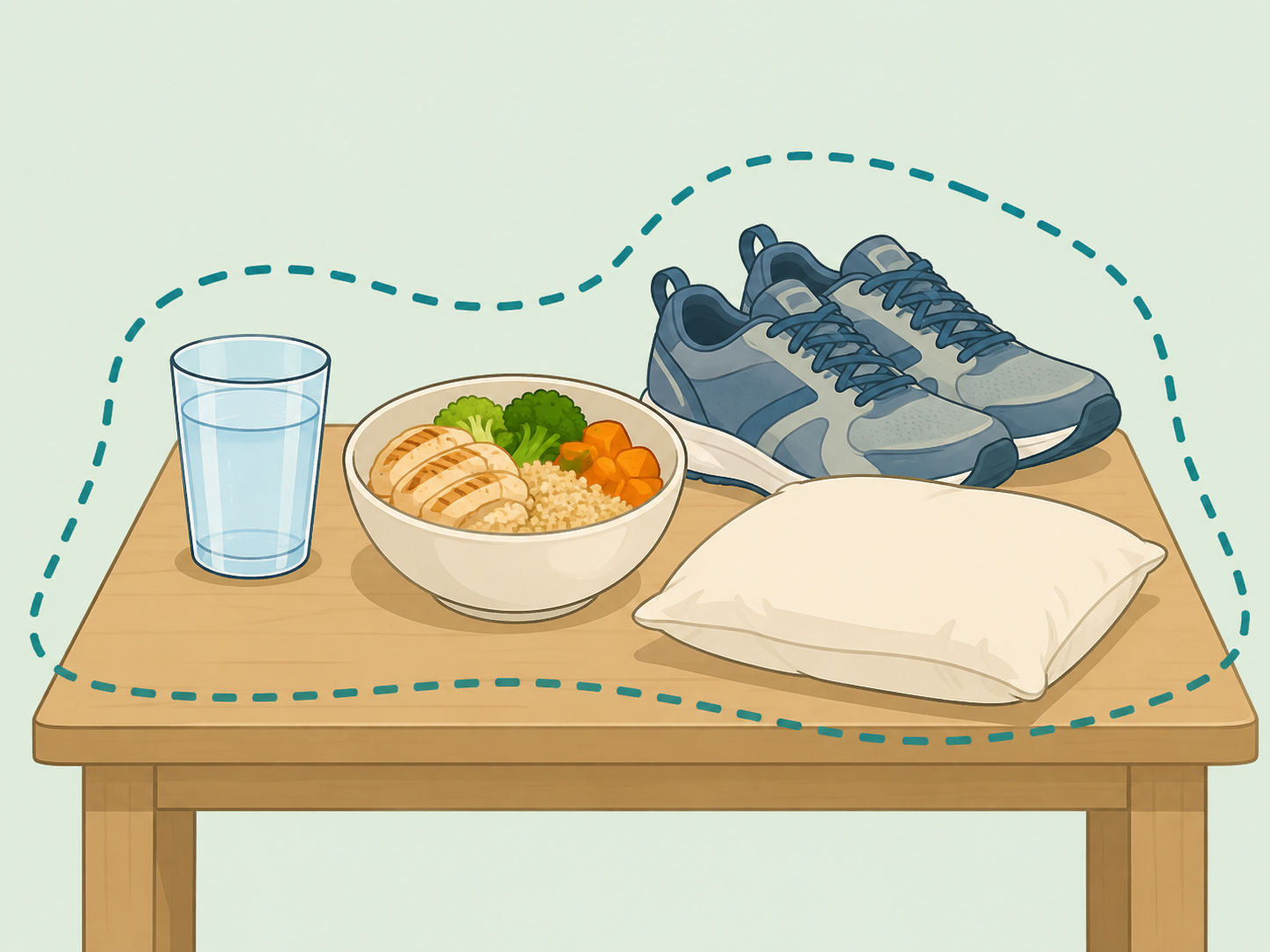
Grief can make basic care feel like too much, so shrink the routine until it is doable. Try regular meals, water, a consistent bedtime, and light movement, since Cleveland Clinic describes physical symptoms of grief such as fatigue, appetite changes, and trouble sleeping. Aim for care, not perfection.
Plan for reminders and hard dates
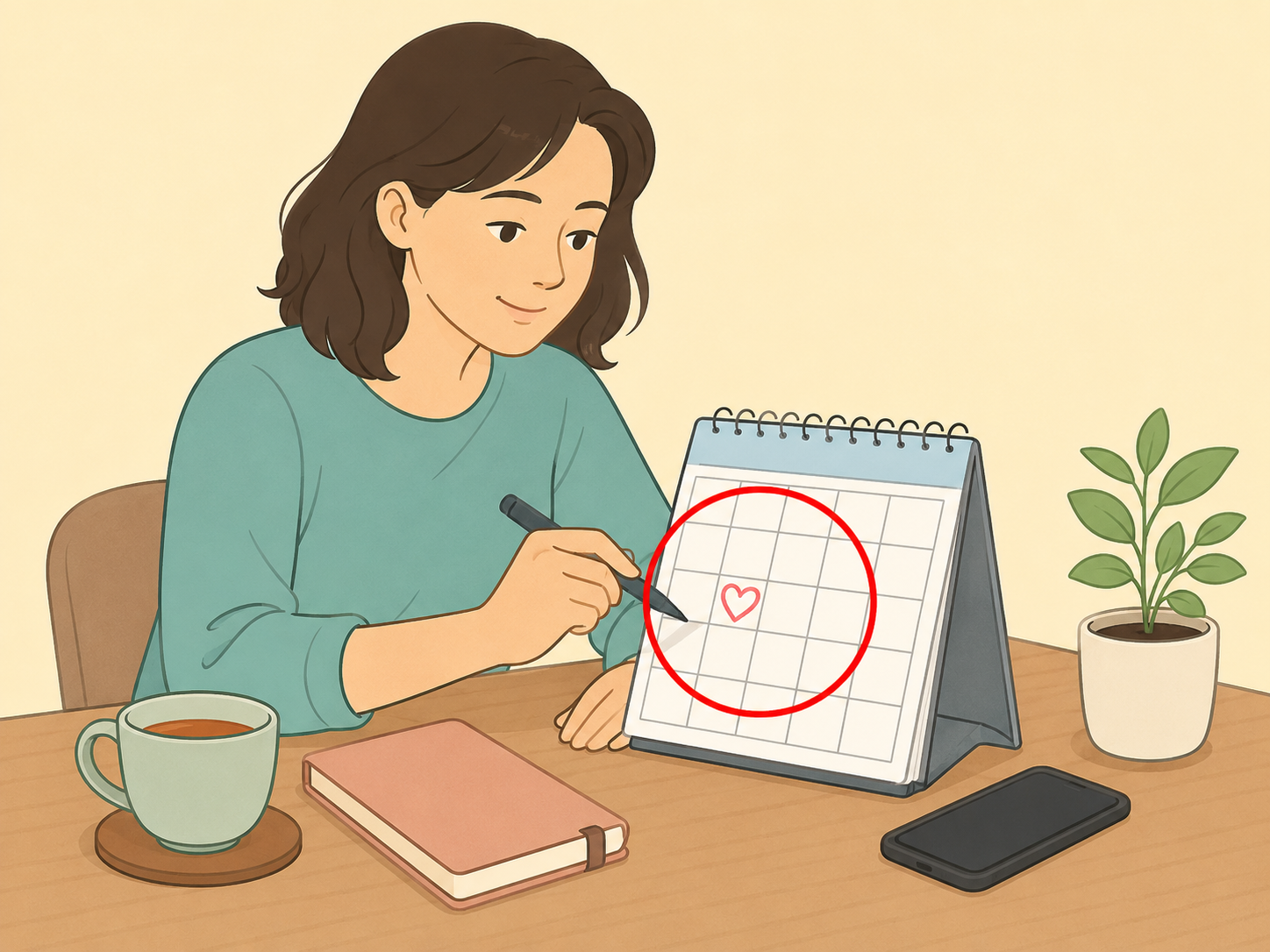
Birthdays, anniversaries, songs, places, and ordinary objects can bring grief back suddenly. Before a difficult day, plan one supportive action: visit someone, stay off work if possible, cook an easy meal, or set aside time to cry. A plan will not remove the pain, but it can make the day less chaotic.
Create one small ritual of remembrance
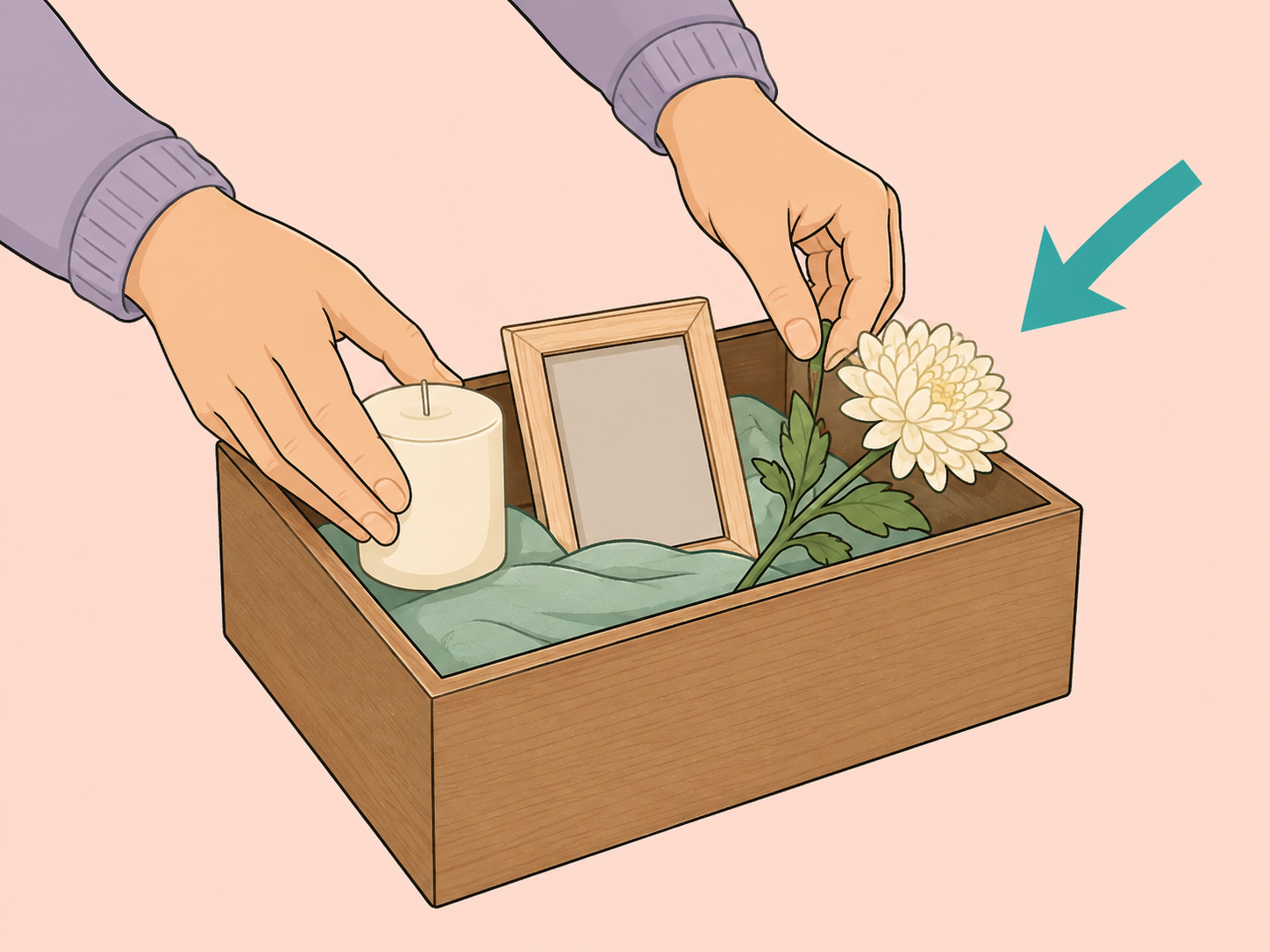
Honor the person, relationship, dream, or life chapter you lost in a way that fits your beliefs and culture. The National Cancer Institute describes mourning as the outward expression of grief, and rituals can give that expression a place to go. Light a candle, make a memory box, cook a meaningful meal, plant something, or write a letter you do not need to send.
Reduce pressure to solve the whole future
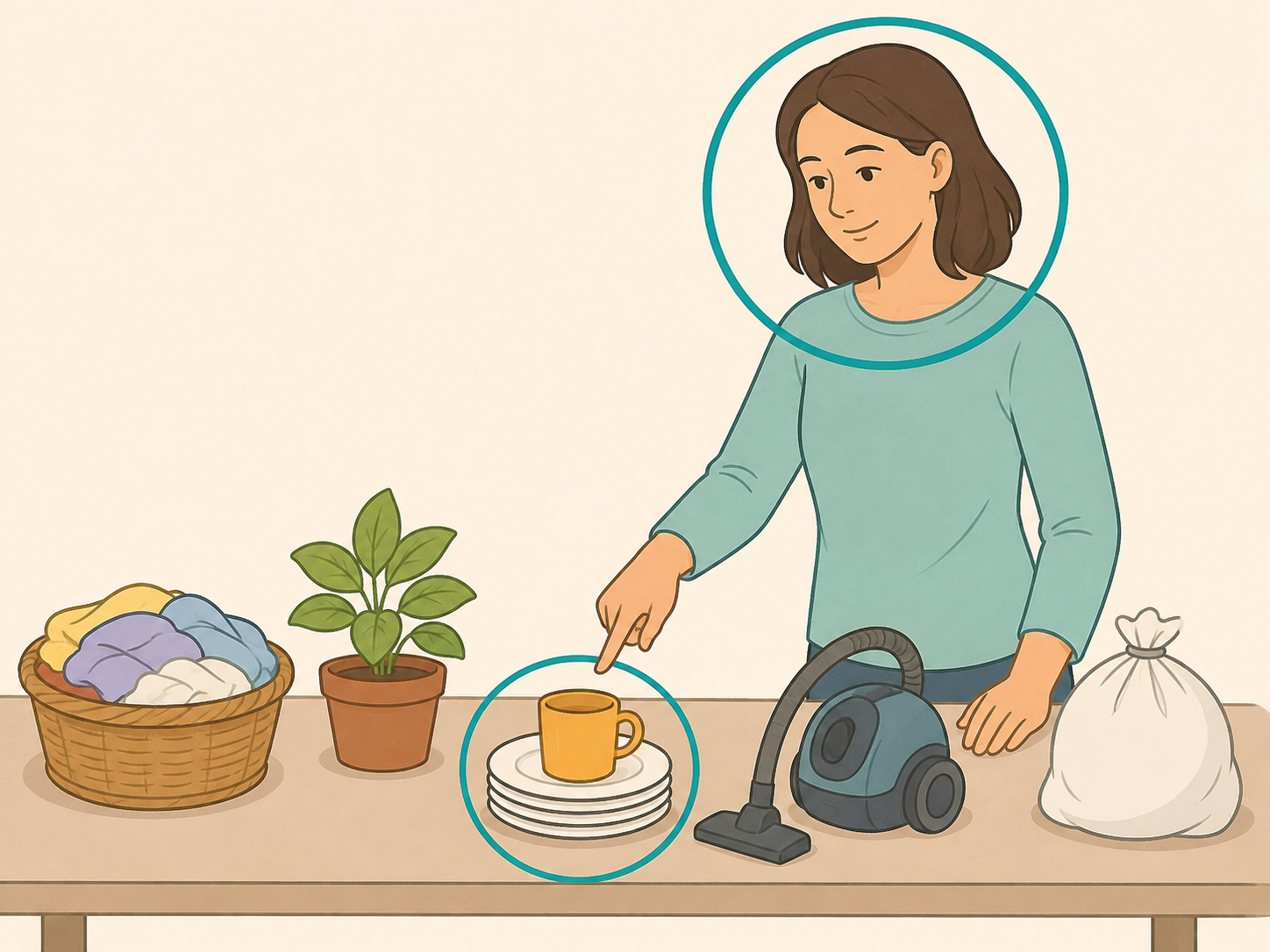
When the truth feels impossible, focus on the next honest step instead of the rest of your life. Pick one manageable task, such as opening the curtains, answering one message, or making one appointment. Small actions can help you regain a little control while you continue grieving.

Seek professional help when grief interferes with life
Talk to a doctor or mental health professional if you cannot cope, feel very depressed, use alcohol or drugs to get through the day, or have grief that keeps you from functioning. Cleveland Clinic explains complicated grief as persistent grief that can affect daily responsibilities, relationships, and health. Get urgent help immediately if you have thoughts of harming yourself or someone else.
Summary
The bottom line: grief does not follow a neat schedule, and you do not have to force acceptance before you are ready. Small routines, honest support, remembrance, and professional help when needed can make the next step more manageable.
Frequently Asked Questions
- Is it normal for grief to feel unreal?
Yes. Shock, numbness, disbelief, sadness, anger, and trouble sleeping can all happen during grief. Feeling unreal does not mean you are grieving incorrectly.
- How long does grief usually last?
There is no exact timetable. Some intense grief eases over months, while milder feelings can last a year or longer, and reminders may bring emotions back later.
- What if I feel relief, guilt, or anger after a loss?
Mixed emotions are common, especially when the relationship or circumstances were complicated. Try to notice the feeling without judging it as right or wrong.
- Should I try to move on as quickly as possible?
No. It is usually healthier to move at a realistic pace, taking care of daily needs while allowing grief to exist. Moving forward does not mean forgetting the person or loss.
- Can a routine really help with grief?
A simple routine can give your day structure when everything feels uncertain. Meals, sleep, movement, and one small task can help you care for your body while your emotions catch up.
- When should I get professional help for grief?
Talk to a doctor, counselor, or qualified mental health professional if grief keeps you from functioning, becomes more intense over time, leads to heavy alcohol or drug use, or includes thoughts of self-harm. Seek urgent help right away if you may hurt yourself or someone else.
References
Reliable references aided in composing and refining this content.
- https://medlineplus.gov/ency/article/001530.htm
- https://www.nhs.uk/mental-health/feelings-symptoms-behaviours/feelings-and-symptoms/grief-bereavement-loss
- https://www.cdc.gov/howrightnow/emotion/grief/index.html
- https://my.clevelandclinic.org/health/diseases/24787-grief
- https://my.clevelandclinic.org/health/diseases/24951-complicated-grief
- https://www.cancer.gov/about-cancer/advanced-cancer/caregivers/planning/bereavement-pdq