
 Pin it
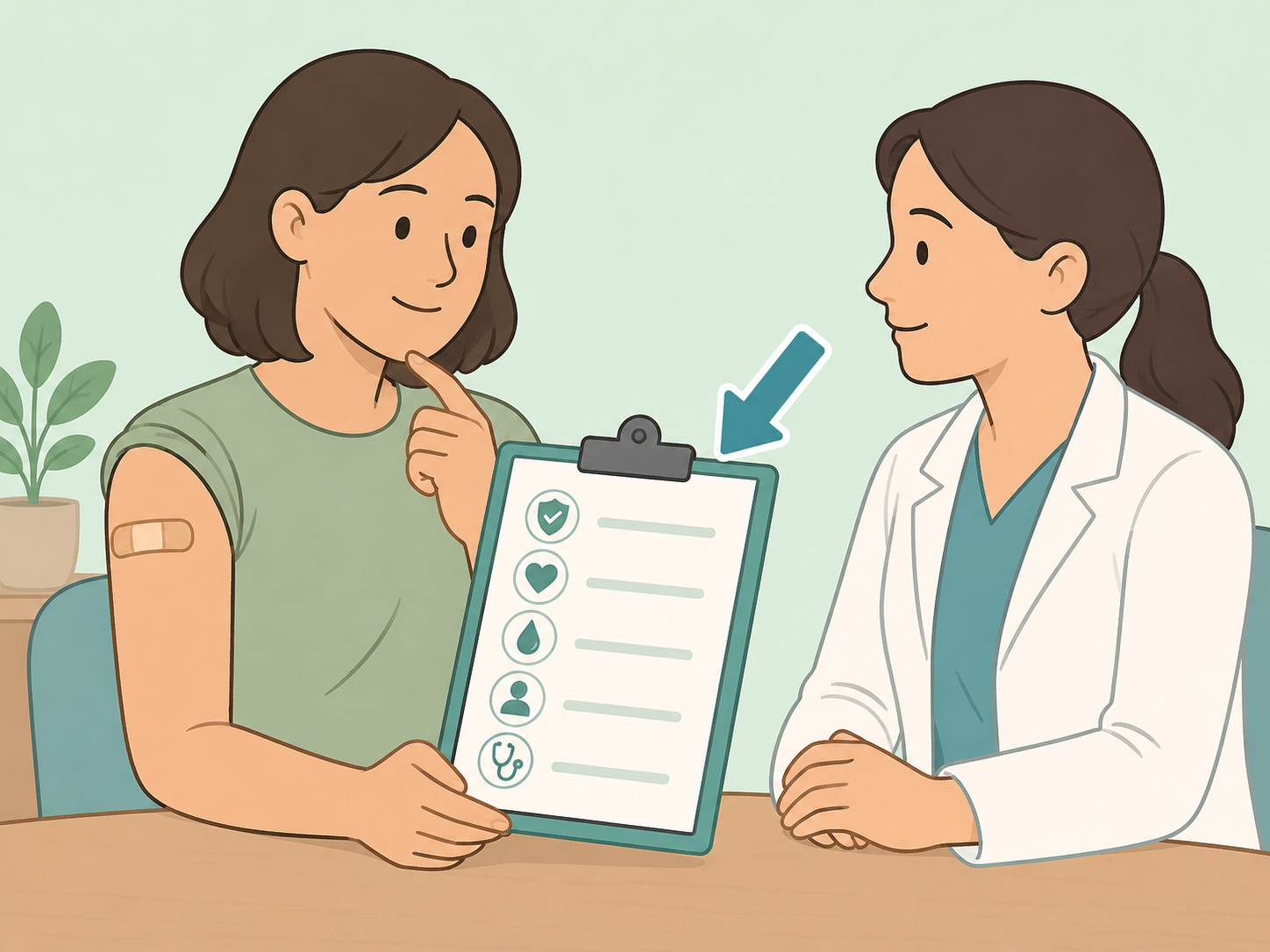
Online warnings about COVID-19 vaccines can be confusing, especially when they use vague phrases like “may happen” without context. This guide explains how to watch for common side effects, recognize the rare warning signs that need medical help, and use trusted sources instead of rumors. It is meant to help you respond calmly and safely after vaccination.
Start with trusted vaccine safety facts
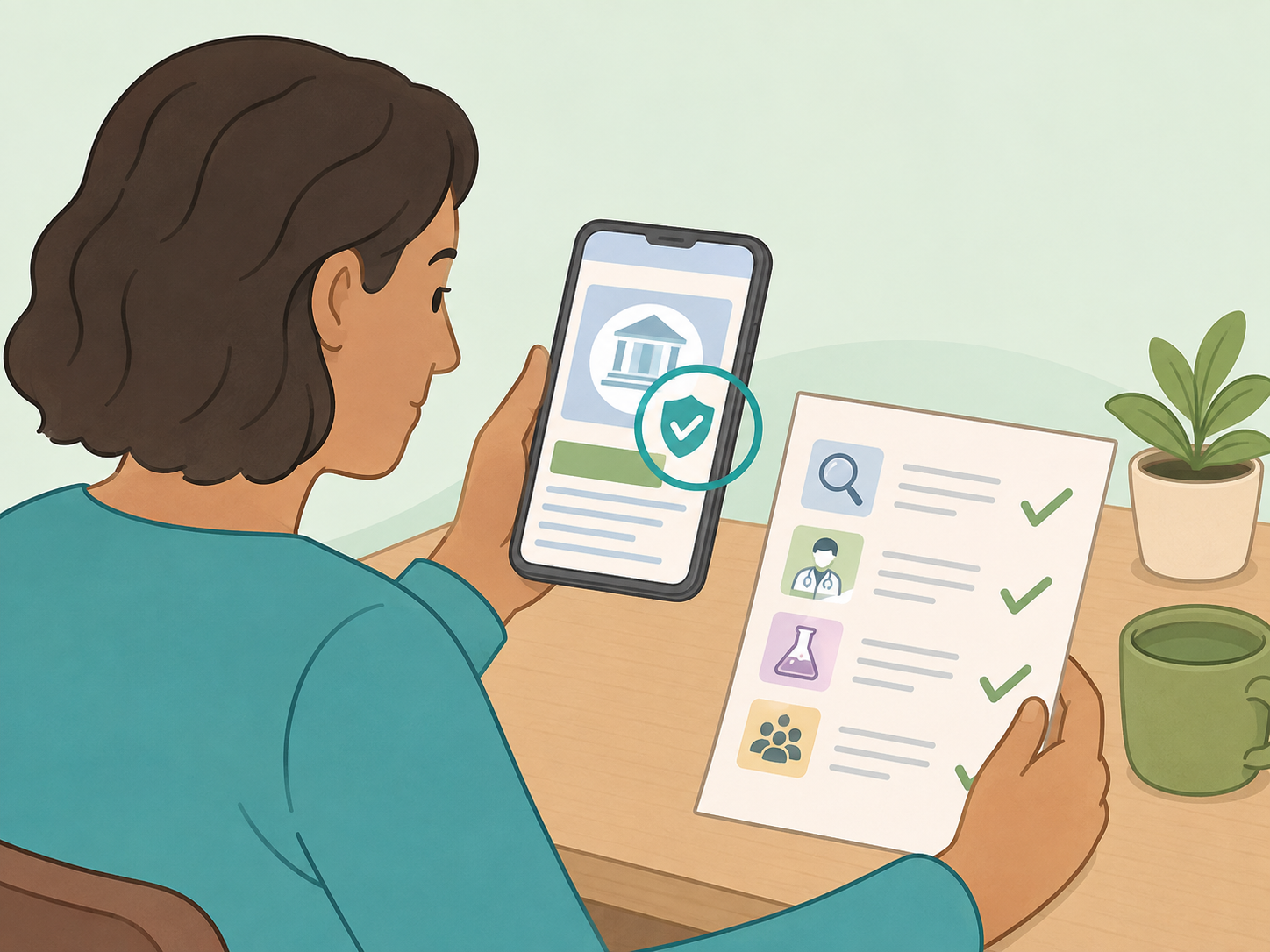
Before reacting to an online warning, compare it with a reliable medical source. The CDC explains that COVID-19 vaccines are monitored through several safety systems, and Mayo Clinic notes that serious side effects are extremely rare. Avoid sharing claims that do not name a real medical source or explain the actual risk.
Expect mild symptoms for a few days
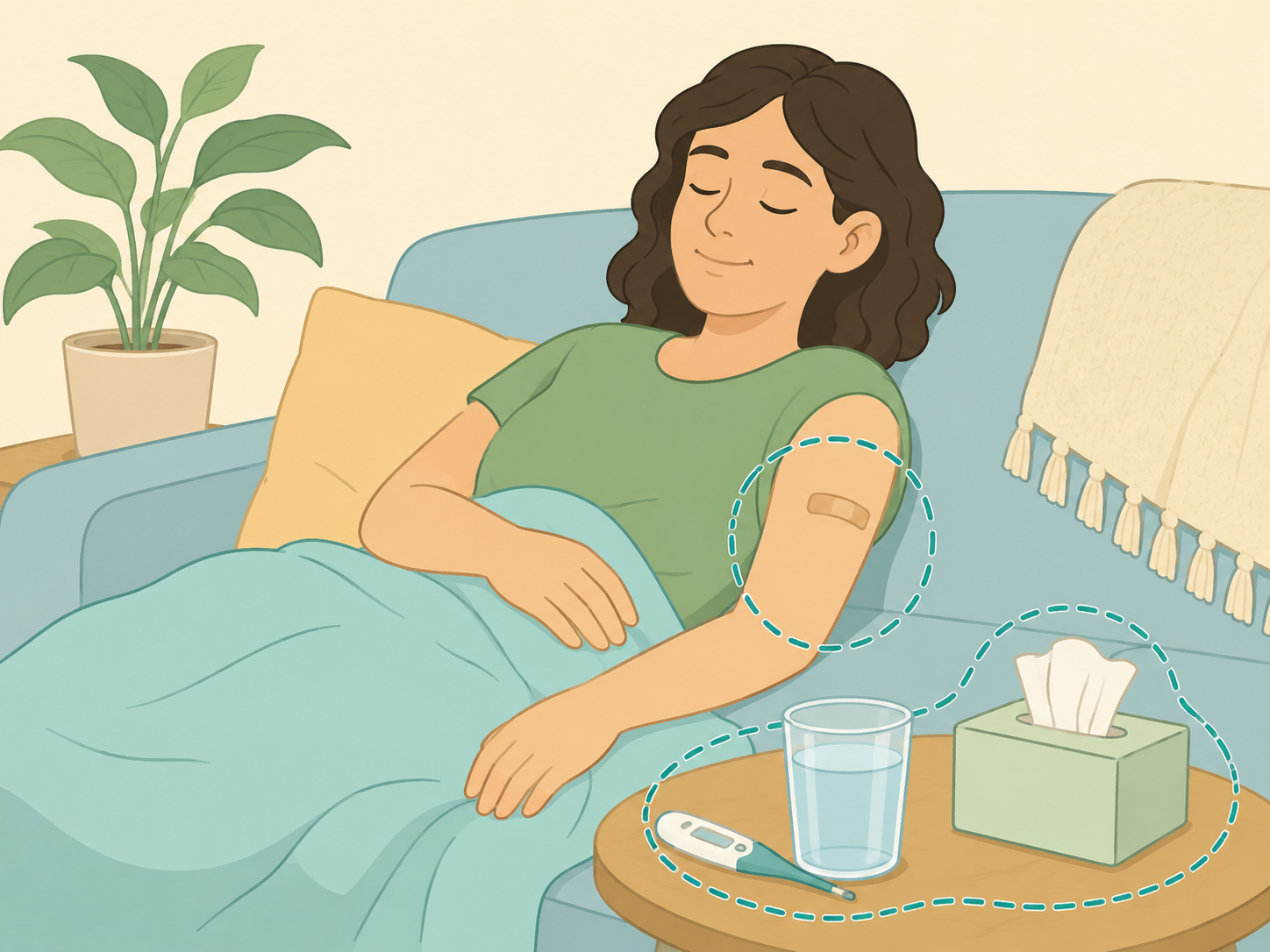
Common side effects can include pain, redness, or swelling where the shot was given, along with tiredness, headache, muscle pain, joint pain, chills, fever, nausea, or vomiting. These symptoms are listed by the CDC’s COVID-19 vaccine safety page and usually do not mean something dangerous is happening. Rest, fluids, and monitoring how you feel are usually enough for mild symptoms.
Stay near the clinic after the shot
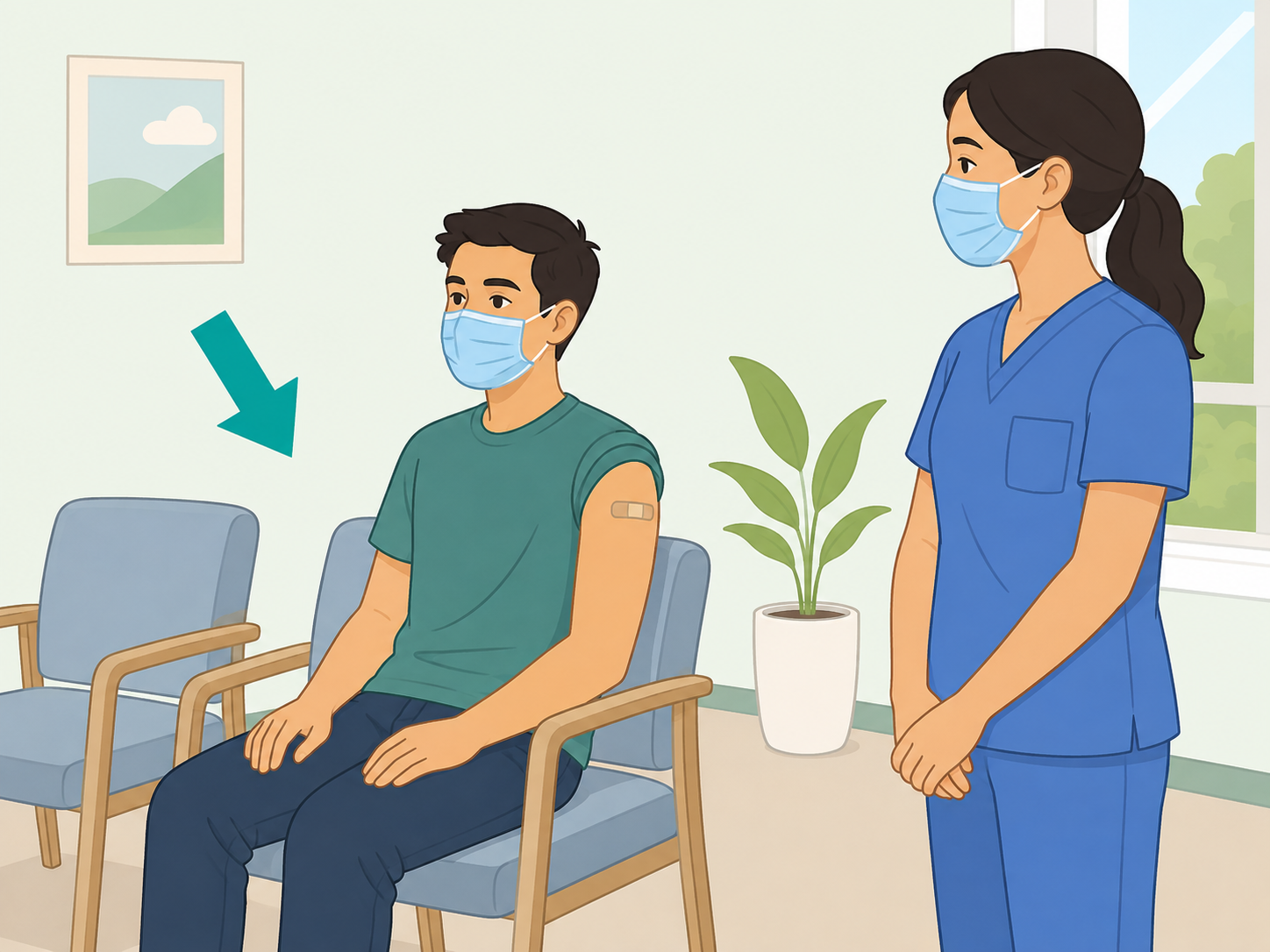
Follow the observation instructions at the vaccination site. The CDC says people may be monitored for at least 15 minutes after vaccination, and some people with a history of non-severe allergic reactions may be observed longer. Tell the staff right away if you feel dizzy, weak, short of breath, or suddenly unwell.
Watch for severe allergic reaction signs
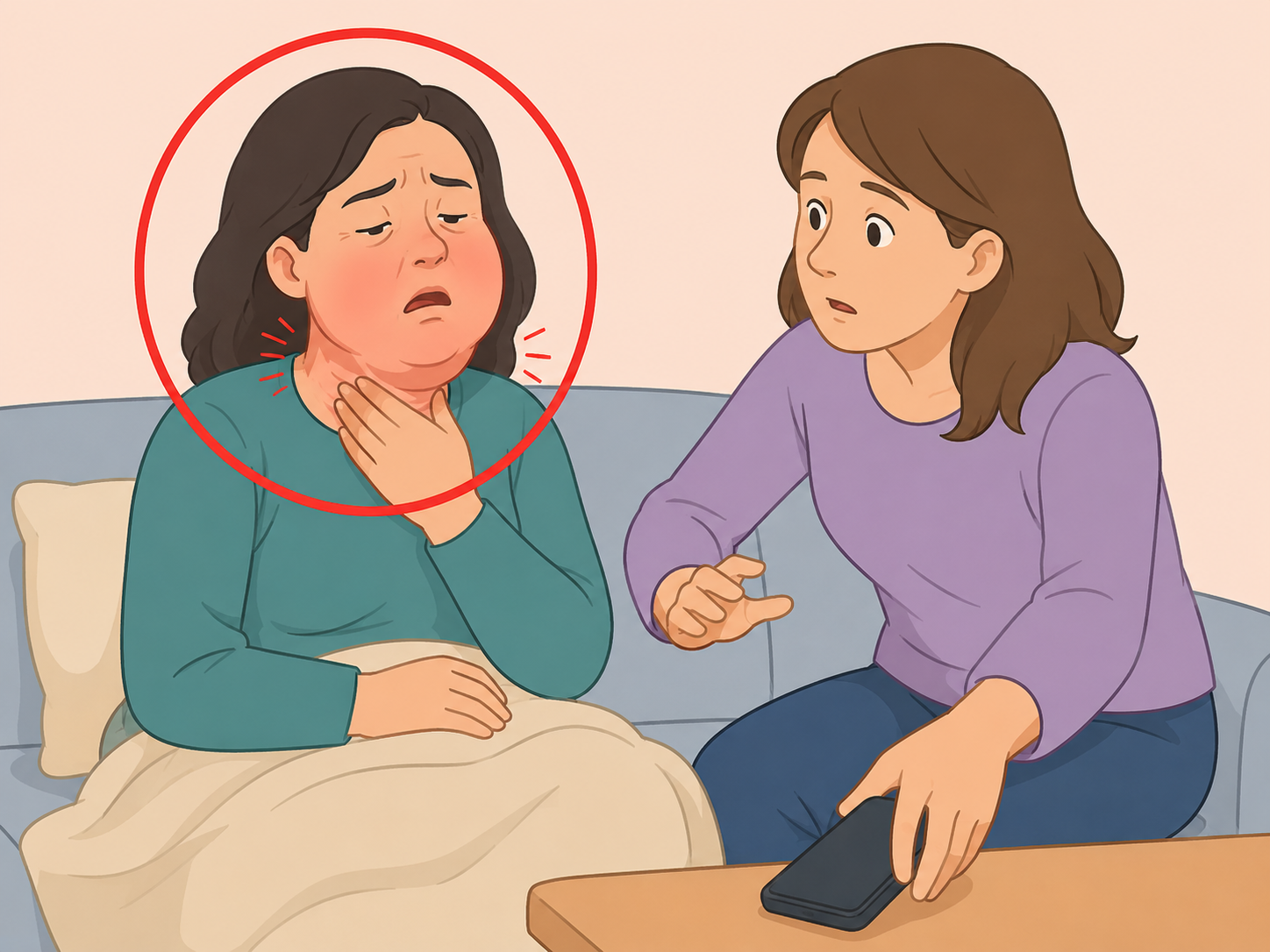
Get emergency help if you notice trouble breathing, swelling of the face or throat, a fast heartbeat, dizziness, weakness, or widespread hives. The CDC advises calling 911 for symptoms of a severe allergic reaction after vaccination. Do not wait to see whether severe breathing or throat symptoms improve on their own.
Pay attention to chest symptoms in the first week
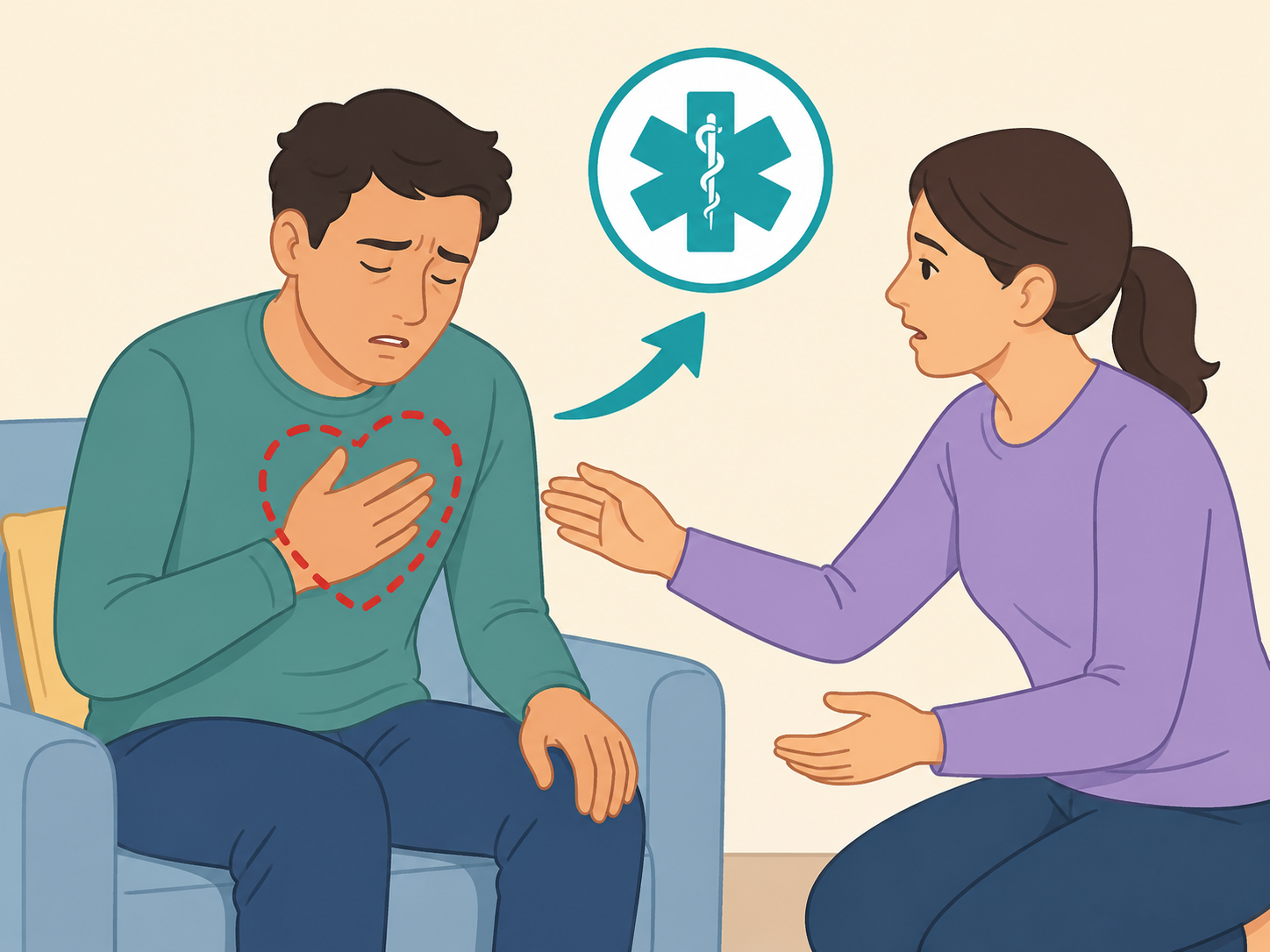
Myocarditis and pericarditis have been reported rarely after COVID-19 vaccination, most often in adolescent and young adult males, though cases can occur in other groups. The CDC safety considerations say to seek care for chest pain, shortness of breath, or a fast-beating, fluttering, or pounding heart, particularly in the week after vaccination.
Call a healthcare professional for symptoms that worsen
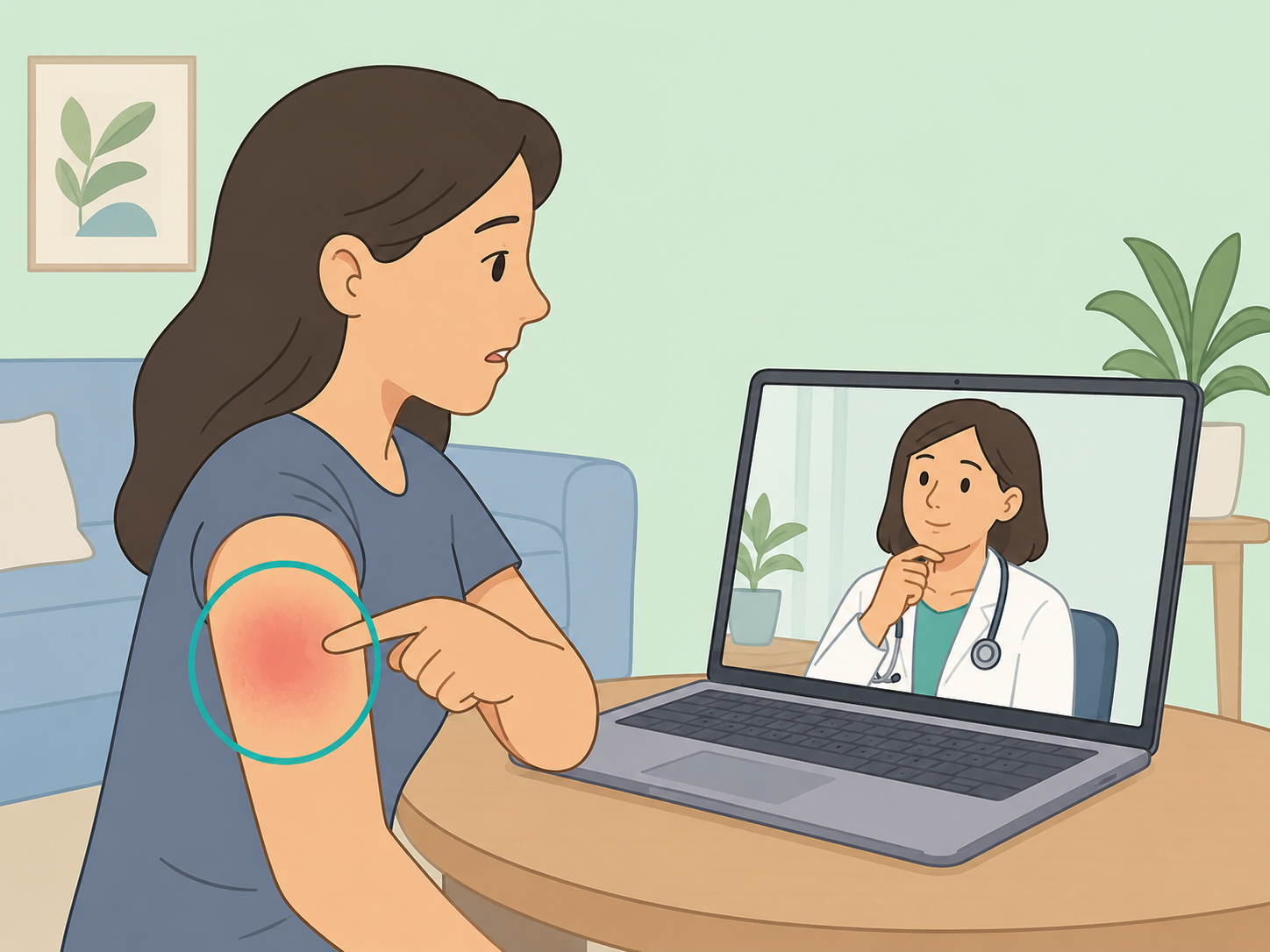
Contact a healthcare professional if side effects bother you, last longer than expected, or get worse after the first day. Mayo Clinic advises contacting a healthcare professional if the shot area gets worse after 24 hours or if you are worried about any side effects. A clinician can help decide whether you need an exam, testing, or simple home care.
Report serious or unusual reactions
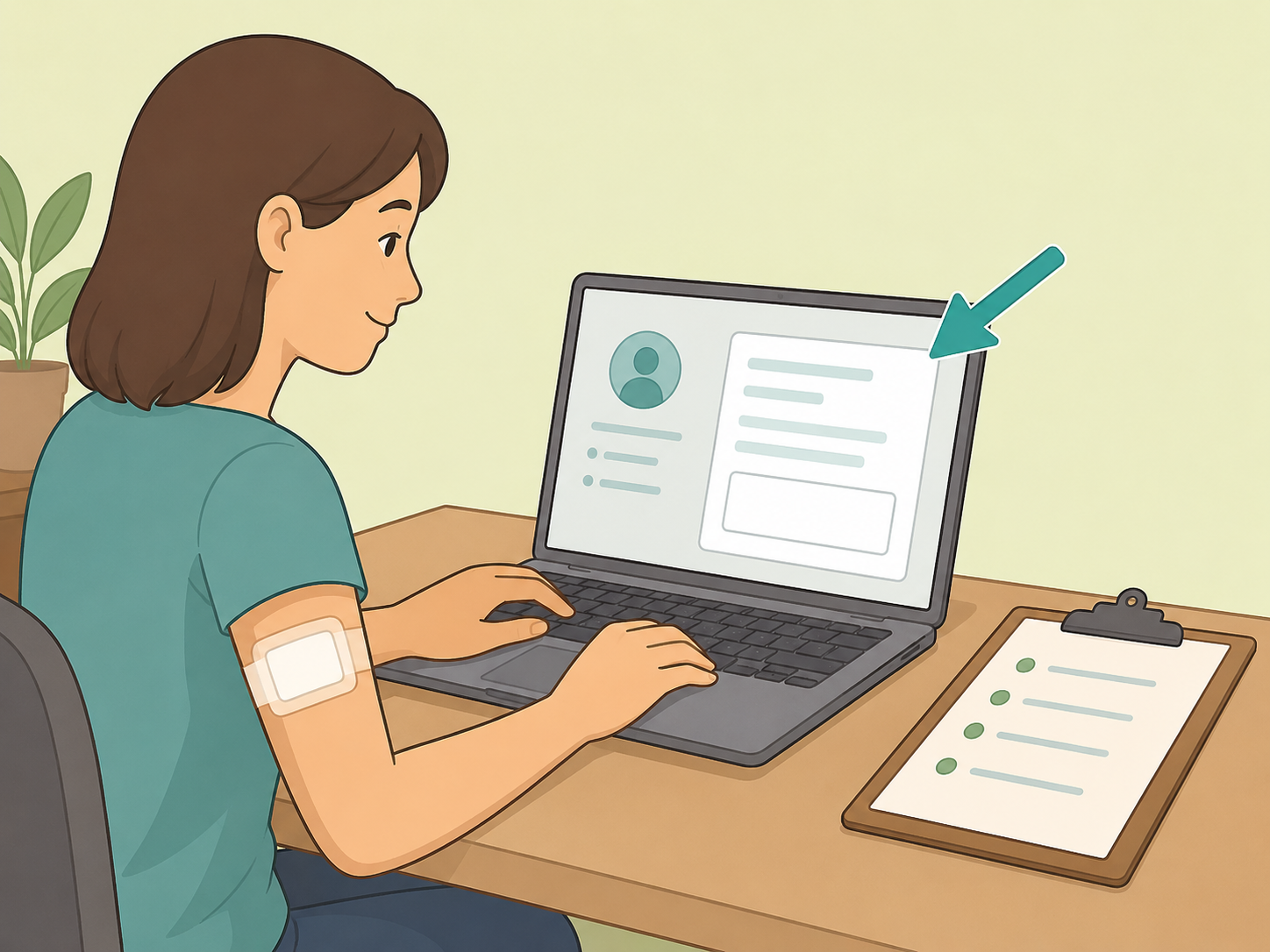
If you have a serious or unusual health problem after vaccination, ask your healthcare professional whether it should be reported. The CDC says patients and caregivers can submit reports to VAERS, which helps safety experts watch for possible patterns. A report does not prove the vaccine caused the problem, but it helps official monitoring systems collect information.
Discuss future doses before making changes
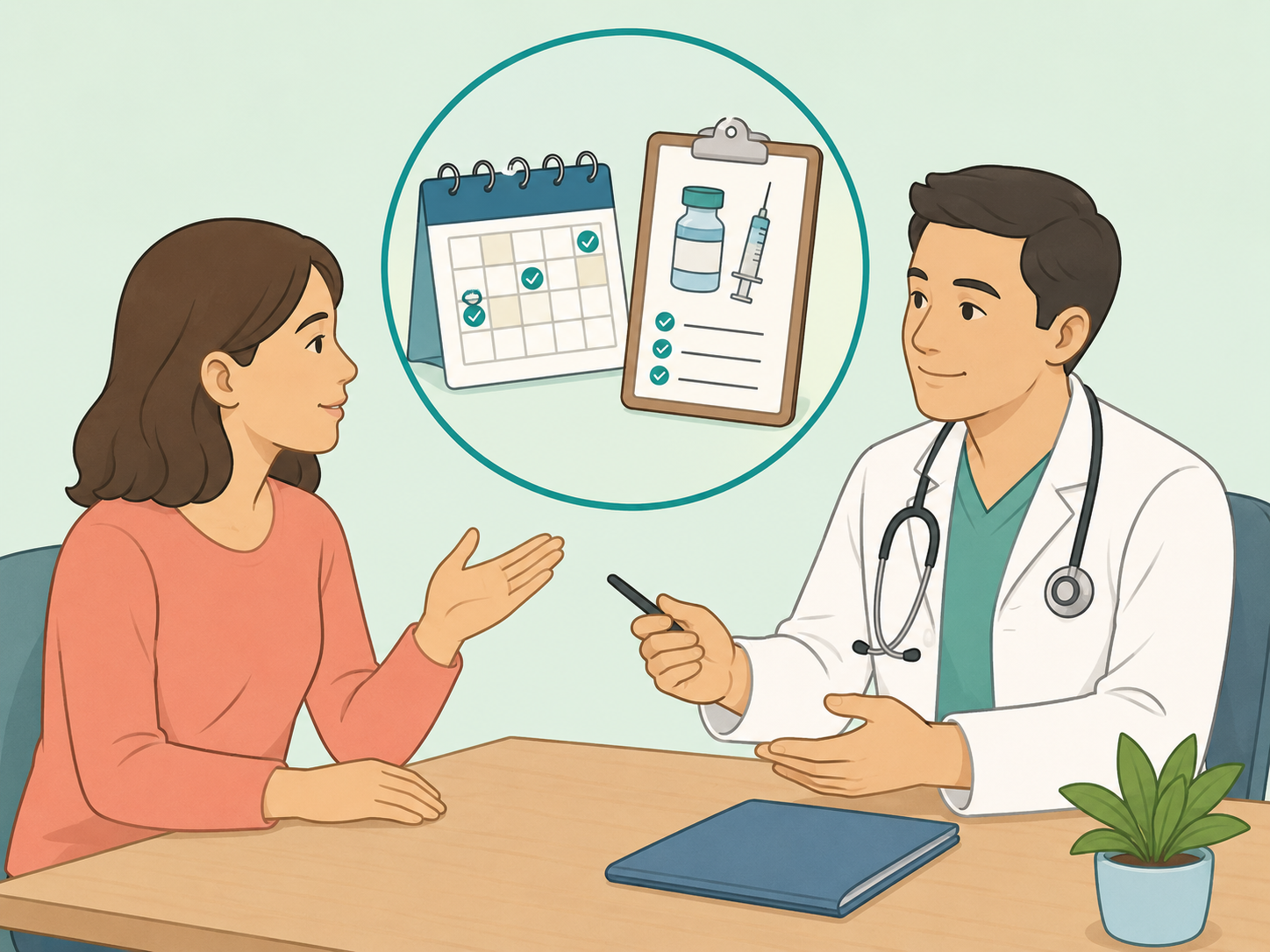
Do not skip, delay, or repeat a vaccine dose based only on an online warning. The CDC lists certain allergy histories, moderate or severe illness, and recent myocarditis or pericarditis after vaccination as situations that need clinical guidance. If you are unsure, talk with a doctor, pharmacist, or vaccination provider and review current recommendations from the CDC’s COVID-19 vaccine guidance.
Summary
The bottom line: mild soreness, tiredness, headache, chills, fever, and muscle aches can happen after a COVID-19 vaccine, but severe allergy symptoms or heart-related symptoms should be treated urgently. Use trusted health sources, contact a healthcare professional for symptoms that worry you, and report serious or unusual reactions through official safety systems.
Frequently Asked Questions
- Are COVID-19 vaccine side effects usually serious?
No. The CDC says most common side effects are mild, such as soreness, fatigue, headache, chills, fever, muscle pain, or joint pain.
- How long do common side effects usually last?
Many common symptoms improve within a few days. If symptoms are getting worse, do not go away, or concern you, contact a healthcare professional.
- When should I call 911 after a COVID-19 vaccine?
Call 911 for signs of a severe allergic reaction, such as trouble breathing, swelling of the face or throat, widespread hives, dizziness, weakness, or a fast heartbeat.
- What heart symptoms should I watch for after vaccination?
Seek medical care right away for chest pain, shortness of breath, or a fast-beating, fluttering, or pounding heart, especially within the week after vaccination.
- Should I skip future COVID-19 vaccines if I had side effects?
Do not decide based only on fear or an online claim. Talk with a healthcare professional, especially if you had an allergic reaction, myocarditis, pericarditis, or another serious reaction after a previous dose.
- Can I report a reaction myself?
Yes. The CDC says patients and caregivers can report concerning health problems after vaccination to VAERS, even if they are not sure the vaccine caused the problem.
References
Reliable references aided in composing and refining this content.
- https://www.cdc.gov/vaccine-safety/vaccines/covid-19.html
- https://www.cdc.gov/covid/hcp/vaccine-considerations/safety-considerations.html
- https://www.cdc.gov/covid/hcp/vaccine-considerations/contraindications-precautions.html
- https://www.cdc.gov/covid/vaccines/stay-up-to-date.html
- https://www.mayoclinic.org/diseases-conditions/coronavirus/in-depth/coronavirus-vaccine/art-20484859