
 Pin it
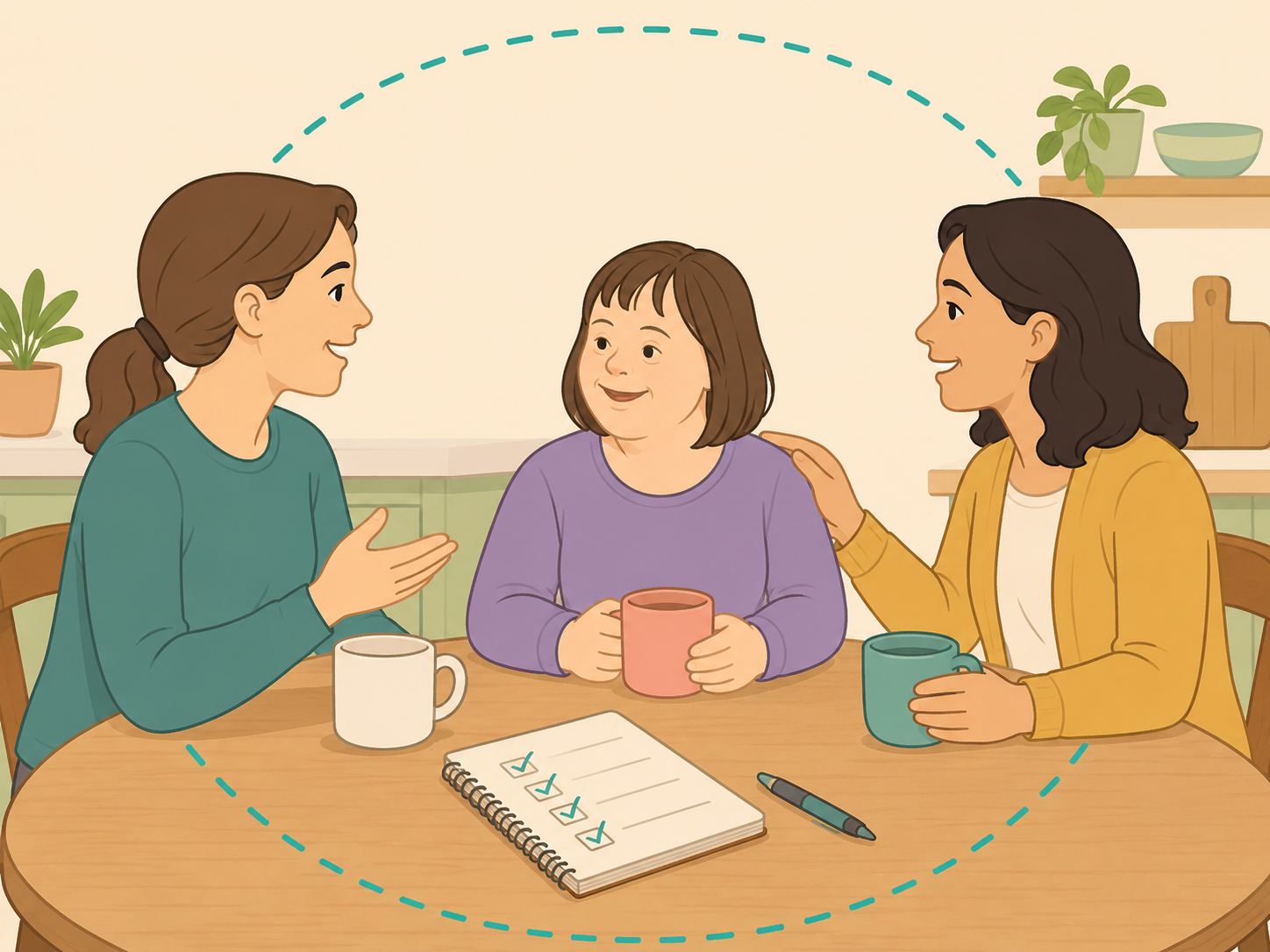
When someone spends years helping a sibling with Down syndrome, the care can be loving, complicated, and tiring all at once. The best support is not dramatic; it is respectful, practical, and steady. This guide explains how to show up for your friend while honoring the dignity and choices of the person with Down syndrome.

Learn the basics before you offer advice
Start with reliable information: Down syndrome is a genetic condition involving an extra copy of chromosome 21, and it can affect body and brain development in different ways. MedlinePlus explains that each person has different abilities, strengths, needs, and limitations. Knowing this helps you avoid stereotypes and ask what this family member actually needs.
Use respectful person-first language
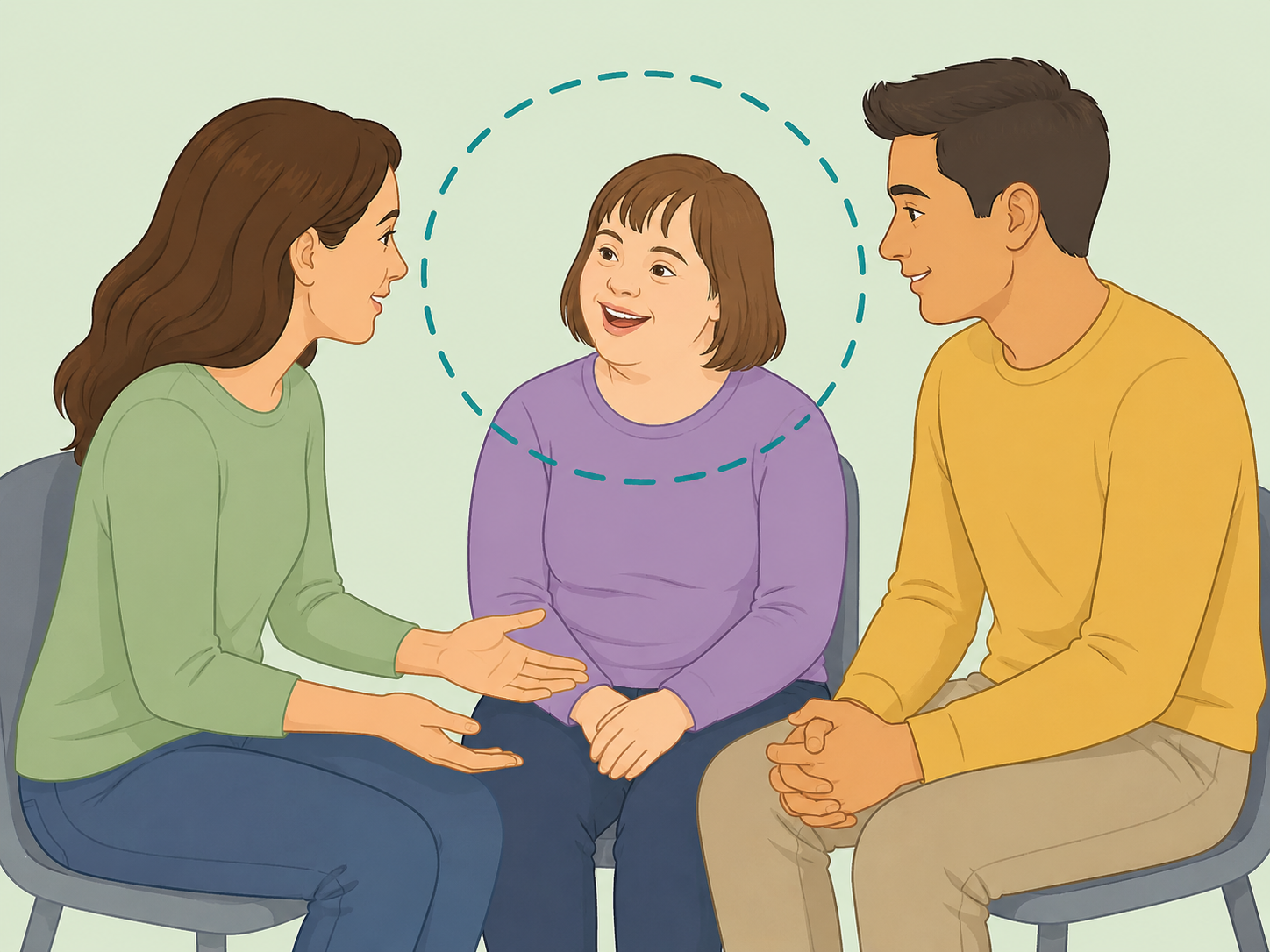
Say "person with Down syndrome" rather than defining someone by the condition. The National Down Syndrome Society recommends person-first language and advises against saying that someone "suffers from" Down syndrome. Respectful wording matters because it signals that you see the person, not just the caregiving role around them.
Ask what would lighten your friend’s day
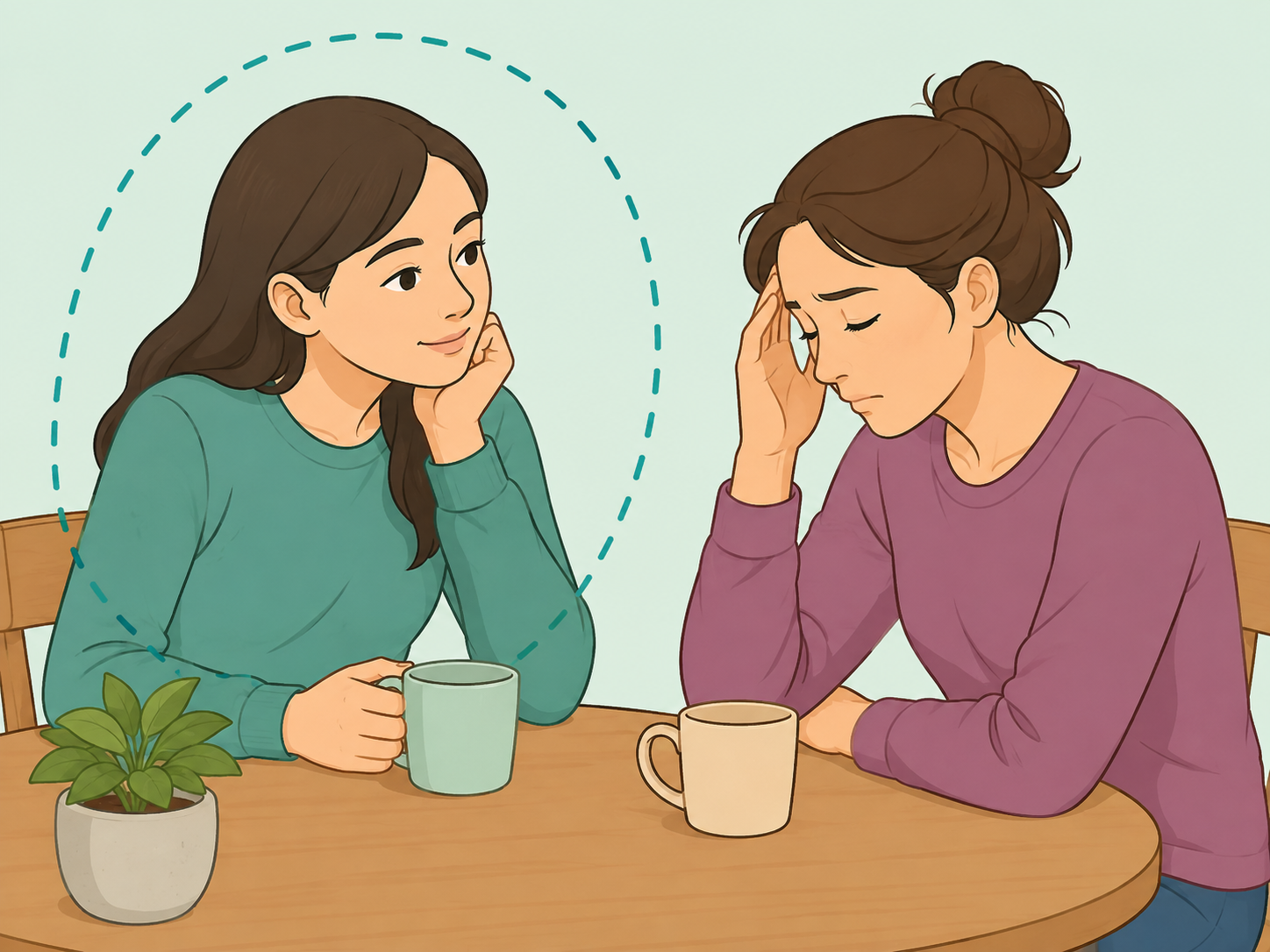
Do not guess which task matters most; ask your friend what is genuinely hard this week. The CDC notes that family and friends can support caregivers in many specific ways, from practical help to emotional backup. Keep the question simple, then listen without correcting, minimizing, or turning it into your own story.
Offer specific help instead of vague support
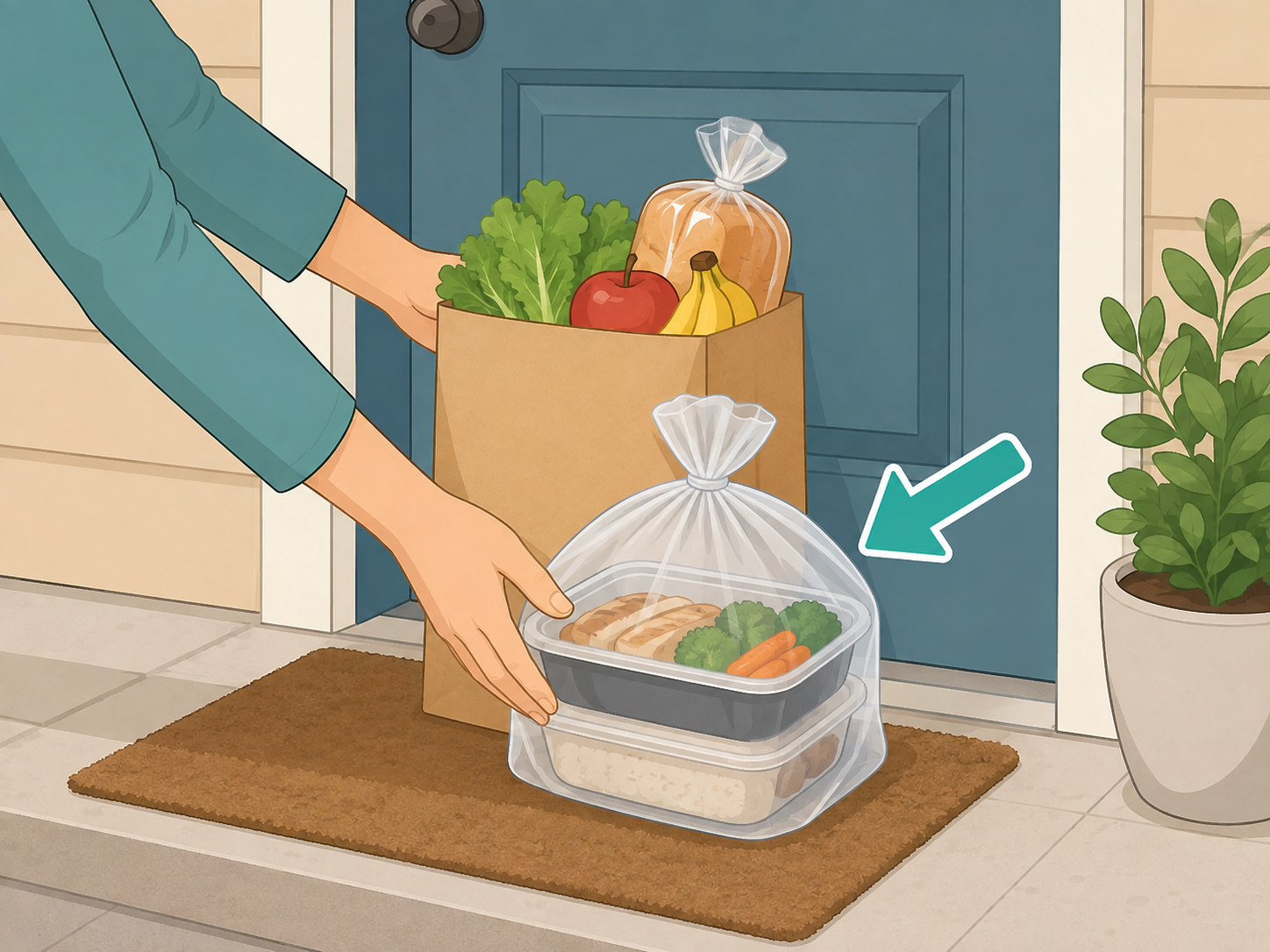
Concrete offers are easier to accept than broad promises. Mayo Clinic suggests that caregivers make a list of ways others can help, such as meals, errands, walks, appointments, or household tasks. Try offering one clear option with a time attached, then follow through exactly as agreed.
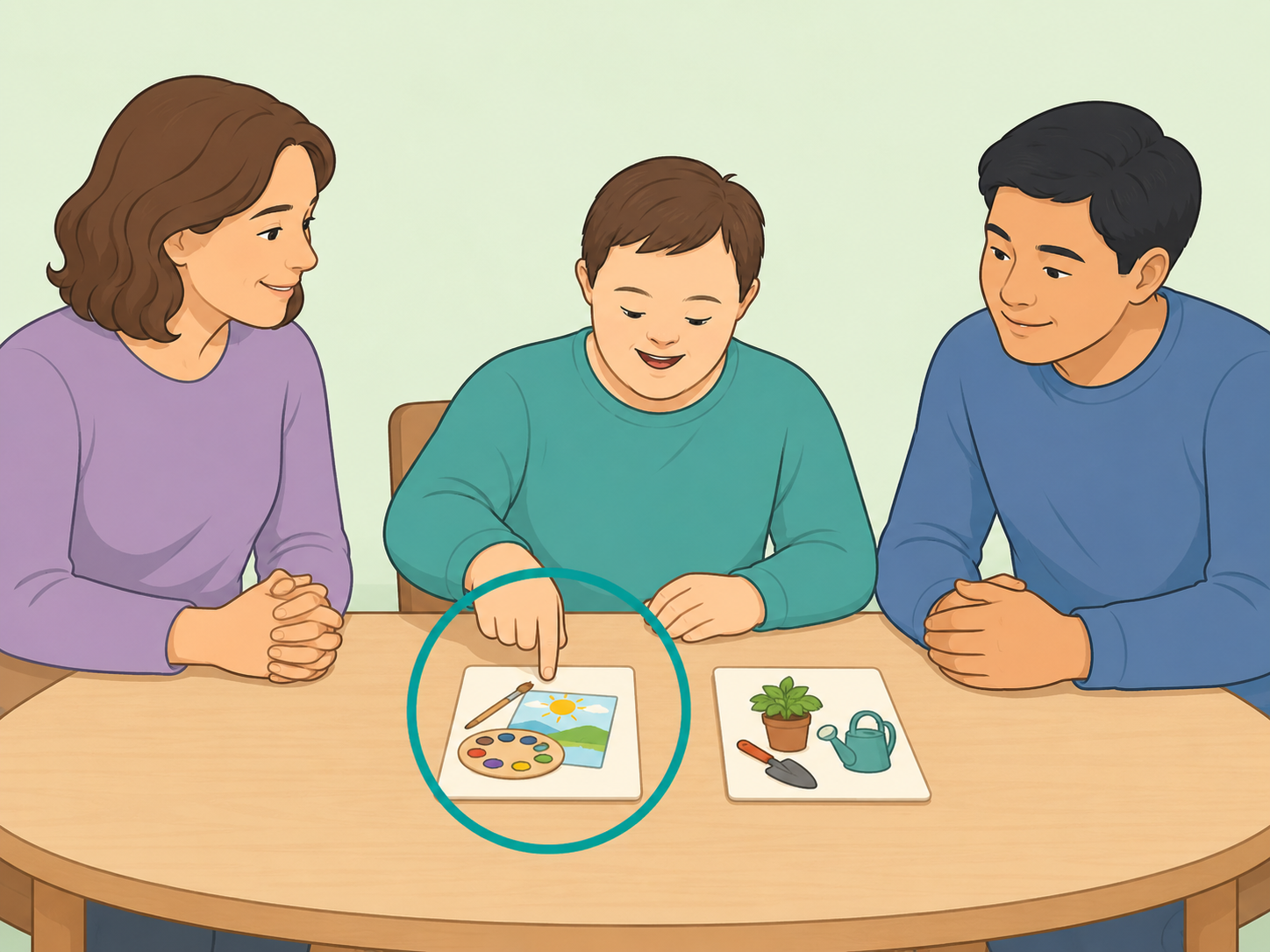
Include the sibling in choices whenever possible
Support should not erase the person receiving care. The CDC encourages caregivers to focus on what the person with a disability can do and let them answer when possible. Ask about preferences, wait for responses, and treat independence as something to support, not something to rush past.
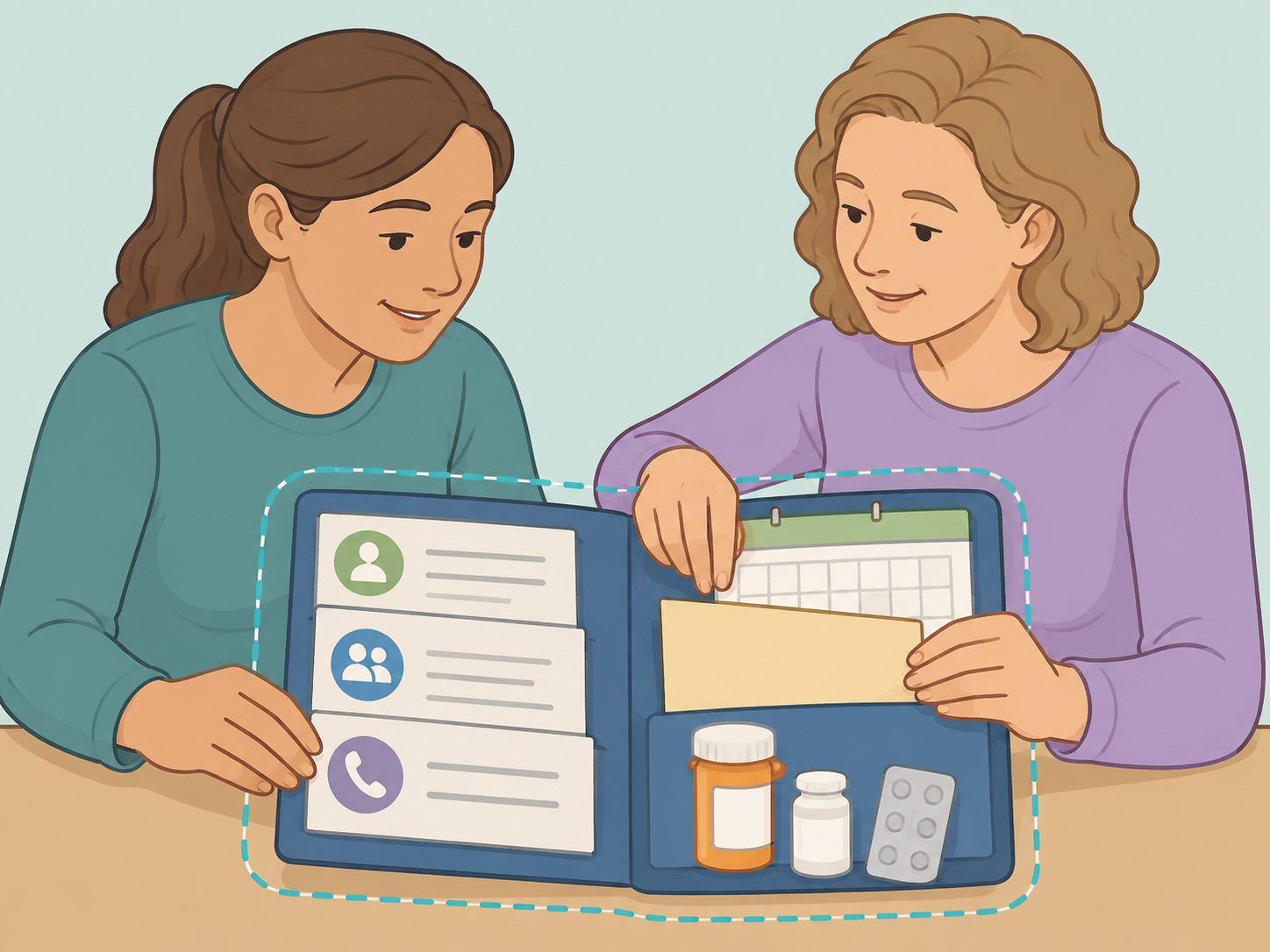
Help create a backup plan if you are invited
If your friend wants help organizing, write down key contacts, routines, medications, allergies, appointments, transportation needs, and calming strategies in one shared place. The CDC recommends that caregivers document medical history and keep it current, and MedlinePlus notes that people with Down syndrome may need regular medical care and extra health screenings. Do not take over private information unless your friend and the person receiving care agree.
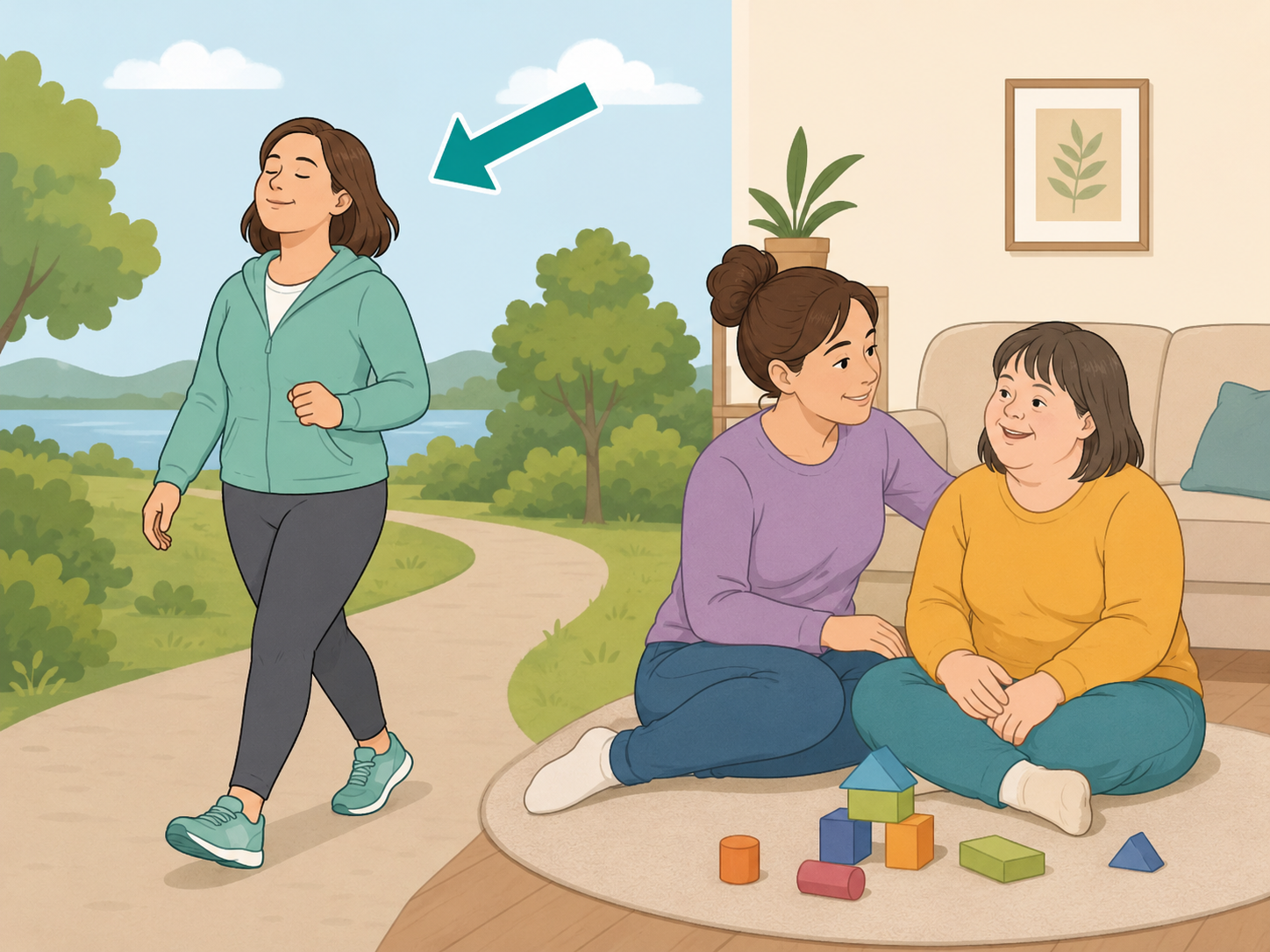
Encourage real breaks before stress builds
Breaks are part of responsible care, not a sign of failure. The National Institute on Aging explains that respite care gives primary caregivers short-term relief, ranging from a few hours to longer stays depending on the service. Offer to help research local options, cover a trusted routine, or simply protect time when your friend is off duty.
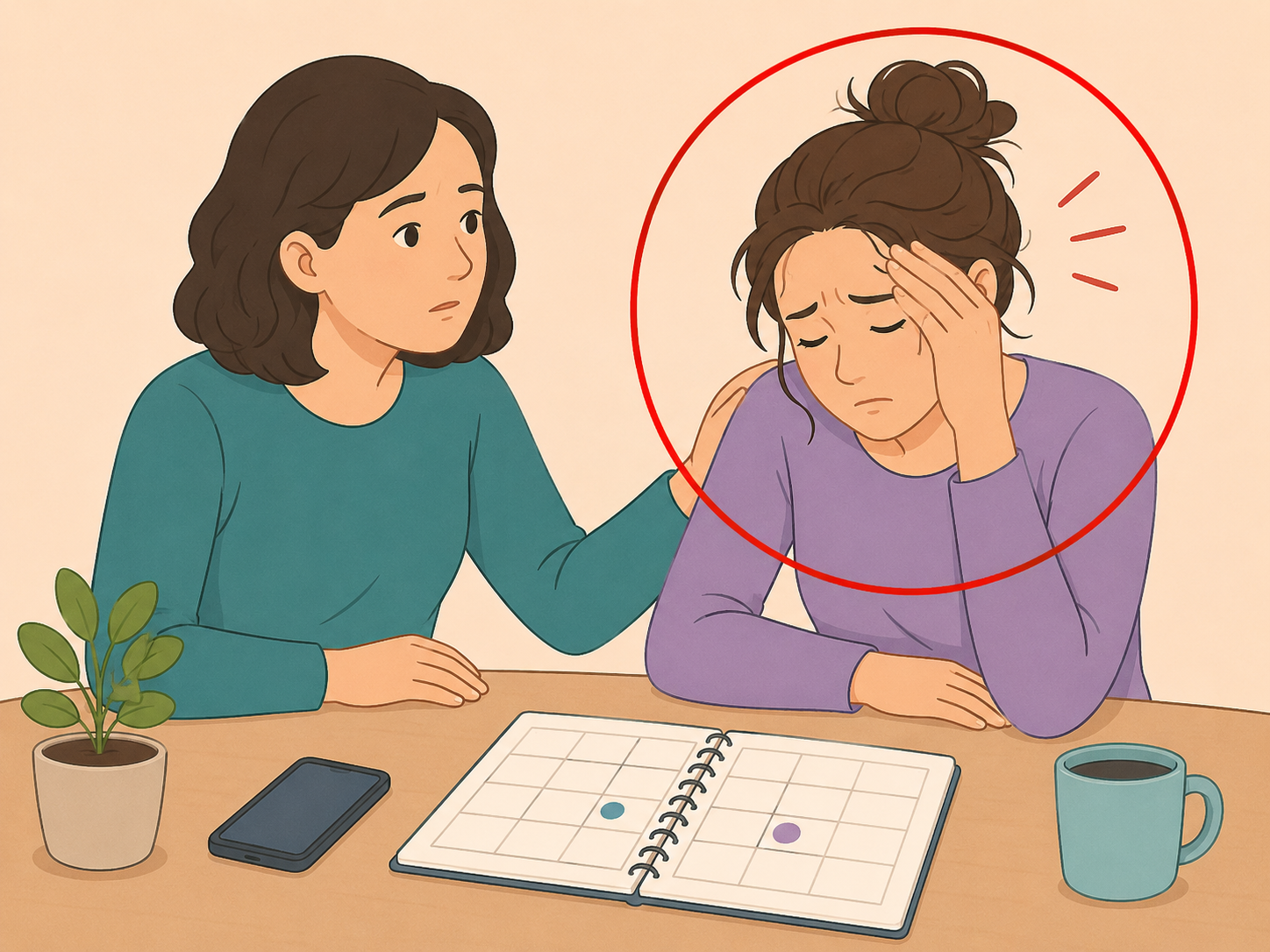
Watch for caregiver stress and seek help when needed
Caregiver stress can show up as exhaustion, sleep changes, irritability, sadness, headaches, isolation, or missing personal medical appointments. Mayo Clinic advises caregivers to tell a health professional about symptoms and the caregiving role, and MedlinePlus recommends asking for help, staying organized, and keeping up with your own health. If you are worried about neglect, harm, or immediate danger, contact local emergency or protective services right away.
Summary
The bottom line: learn the basics, use respectful language, offer concrete help, and make breaks part of the plan before stress becomes overwhelming. Good support protects both the caregiver and the person receiving care.
Frequently Asked Questions
- Should I speak directly to my friend's sibling with Down syndrome?
- Yes, when it is appropriate and welcome. Speak to the person directly, use an age-appropriate tone, and let them answer for themselves whenever they can.
- What is the most helpful thing to say to a caregiver friend?
- Try something specific and practical, such as, "I can bring dinner Tuesday" or "I can sit with your sibling while you go to your appointment." Clear offers are easier to accept than a general "let me know if you need anything."
- Is every person with Down syndrome affected the same way?
- No. People with Down syndrome have different strengths, needs, health issues, communication styles, and levels of independence. Ask what works for this person instead of relying on assumptions.
- What if my friend keeps refusing help?
- Respect the no, but keep the door open. Offer small, low-pressure help, such as running one errand or checking in by text, and avoid making your friend manage your feelings about wanting to help.
- Is respite care only for older adults?
- No. Respite means short-term relief for a primary caregiver, and options vary by location, age, disability, insurance, and local programs. Families may use trusted relatives, trained aides, day programs, or short stays when available.
- When should a caregiver talk to a health professional?
- A caregiver should consider professional support if stress, sleep problems, sadness, anxiety, anger, or physical symptoms are interfering with daily life. If anyone may be in immediate danger, contact local emergency services right away.
References
Reliable references aided in composing and refining this content.
- https://www.cdc.gov/birth-defects/about/down-syndrome.html
- https://medlineplus.gov/downsyndrome.html
- https://www.cdc.gov/disability-and-health/about/information-for-family-caregivers.html
- https://www.mayoclinic.org/healthy-lifestyle/stress-management/in-depth/caregiver-stress/art-20044784
- https://medlineplus.gov/caregiverhealth.html
- https://www.nia.nih.gov/health/caregiving/what-respite-care?page=1&services=26&topics=89&types=BSC.Article
- https://ndss.org/preferred-language