
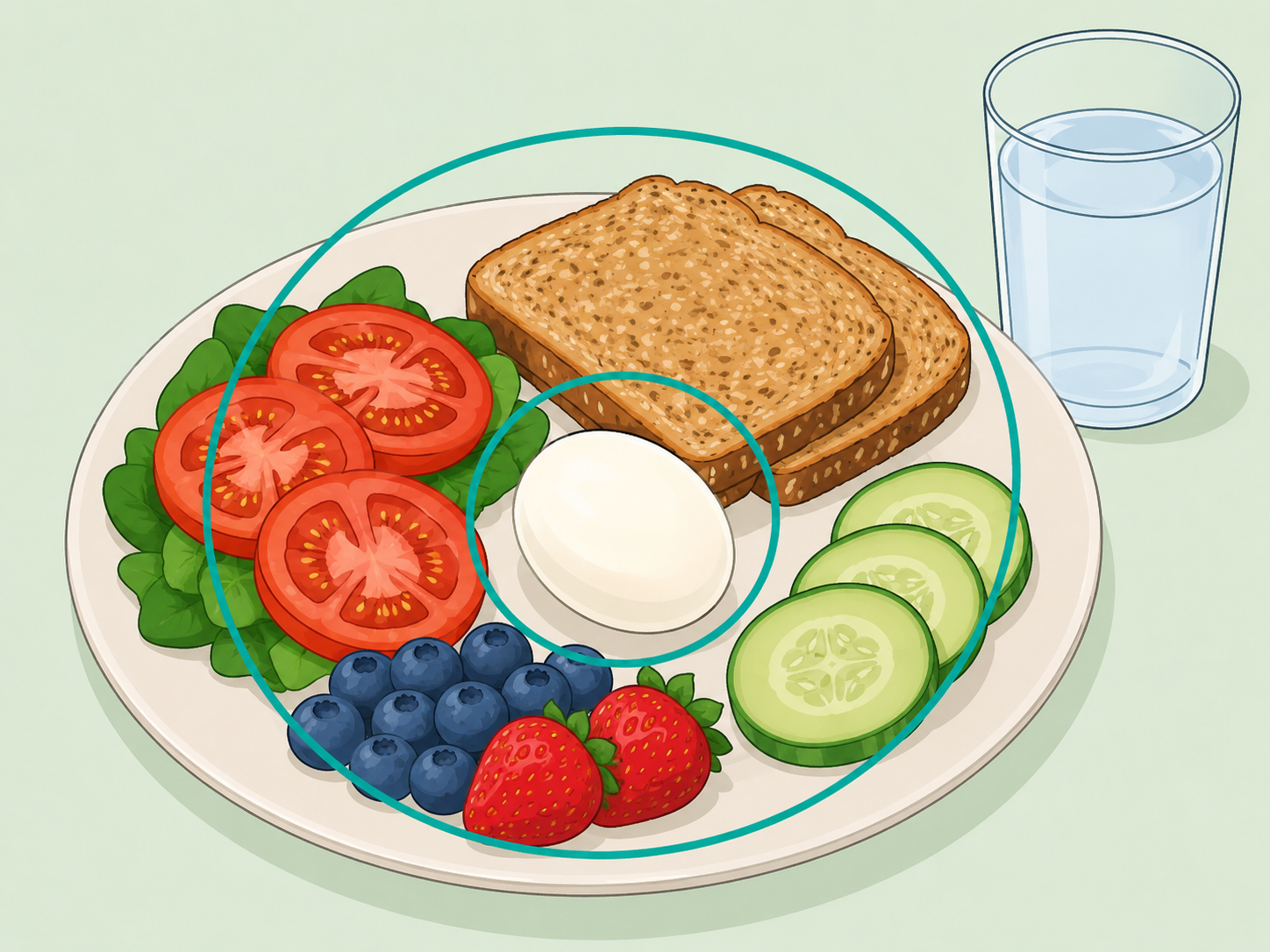
 Pin it
Claims about boiled eggs in the morning often sound more dramatic than the evidence supports. For most healthy adults, eggs can fit into a balanced breakfast, but cholesterol needs, heart health, diabetes risk, and food safety all matter. This guide explains how to eat boiled eggs in a steady, practical way without treating them as a miracle food.
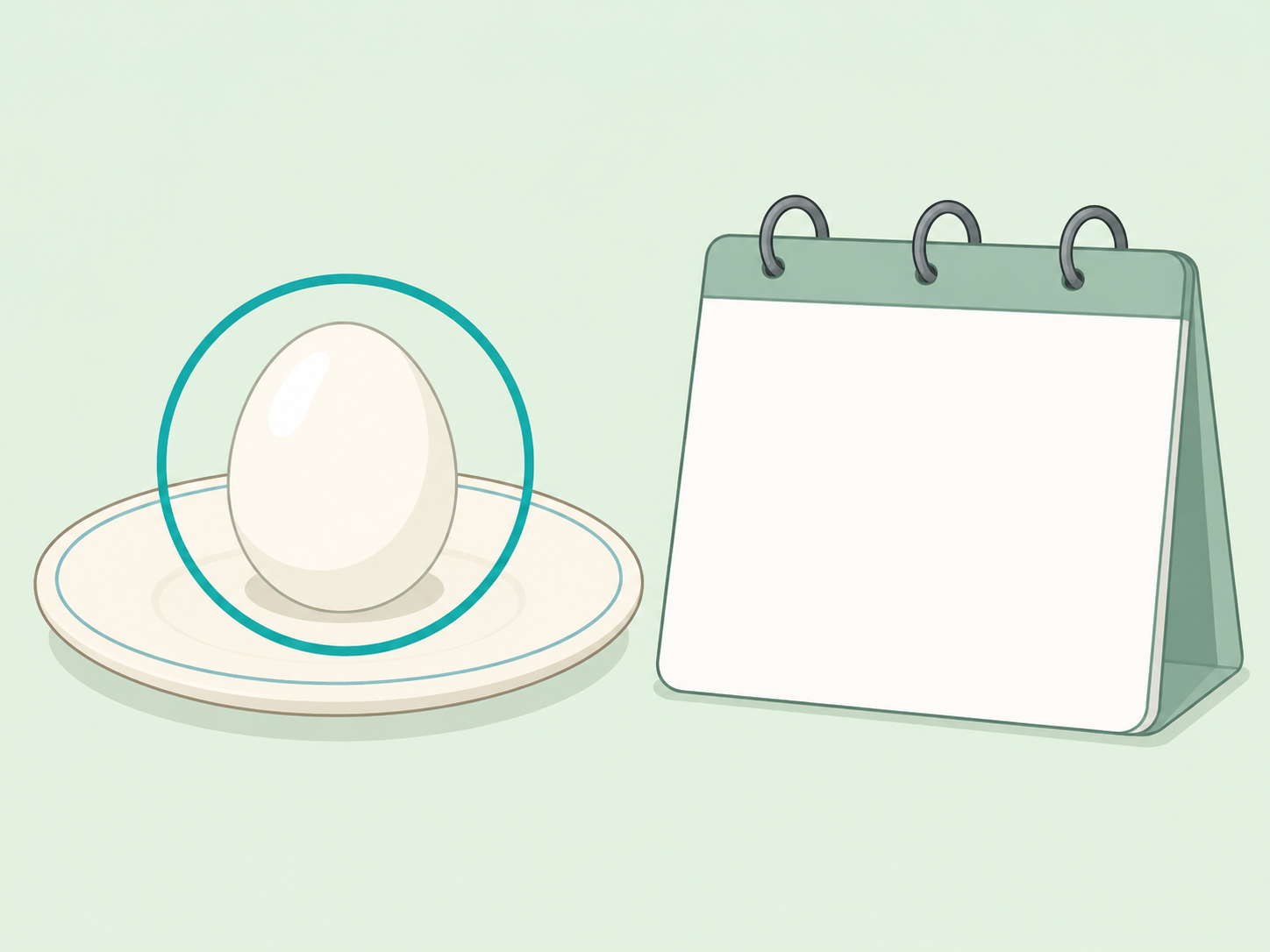
Start with one boiled egg if it fits your diet
For many healthy adults, a boiled egg can be a convenient morning protein, and Mayo Clinic notes that most healthy people can eat up to seven eggs a week without raising heart disease risk. Treat that as a general range, not a rule for everyone. Your usual cholesterol intake, health conditions, and what you eat the rest of the day still matter.
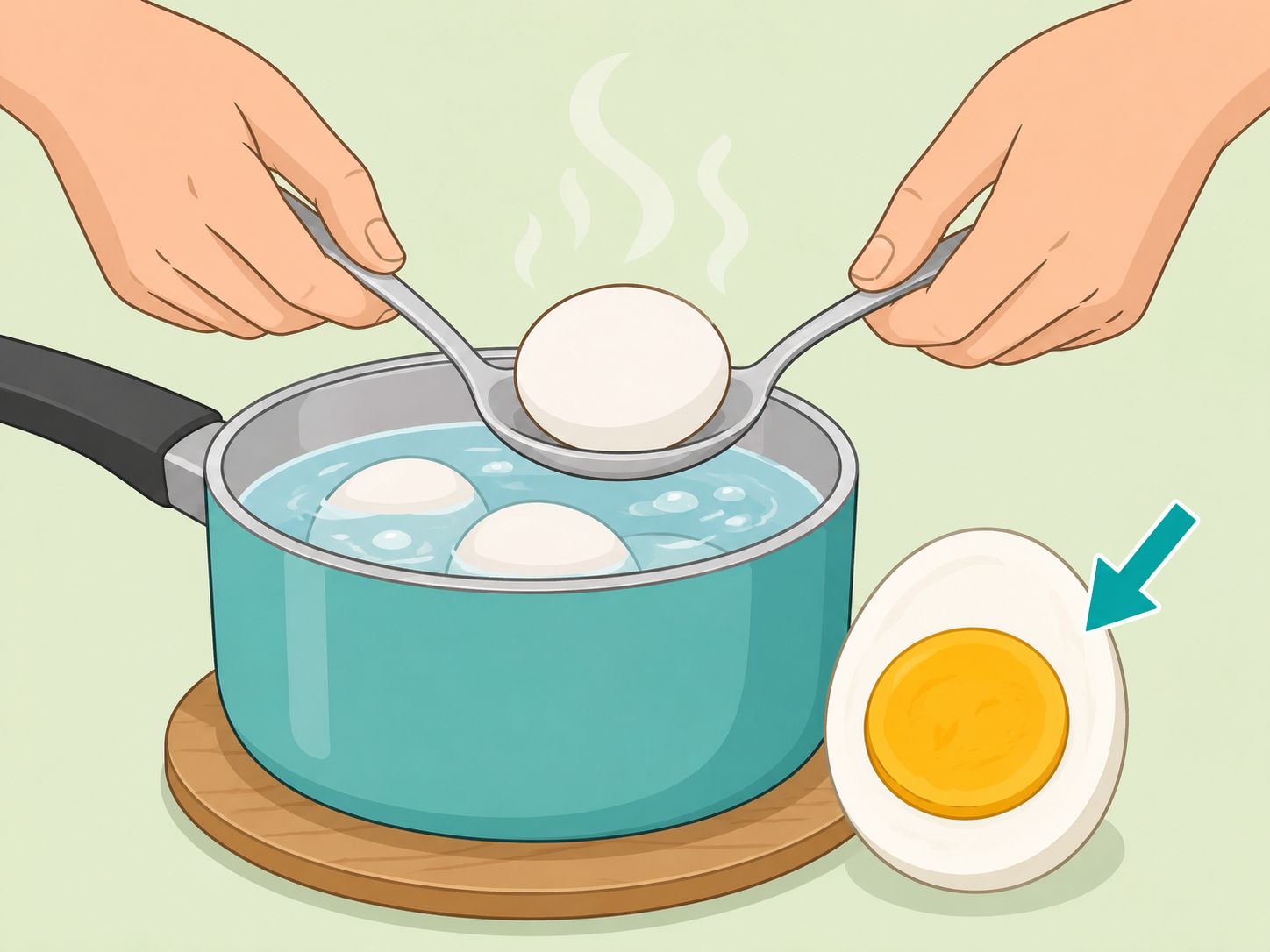
Boil eggs until the yolk and white are firm
Cook eggs fully before eating them, especially if you are pregnant, older, immunocompromised, or serving children. The FDA advises cooking eggs until both the yolk and white are firm to reduce the risk of Salmonella. Avoid tasting raw egg mixtures or using cracked eggs.
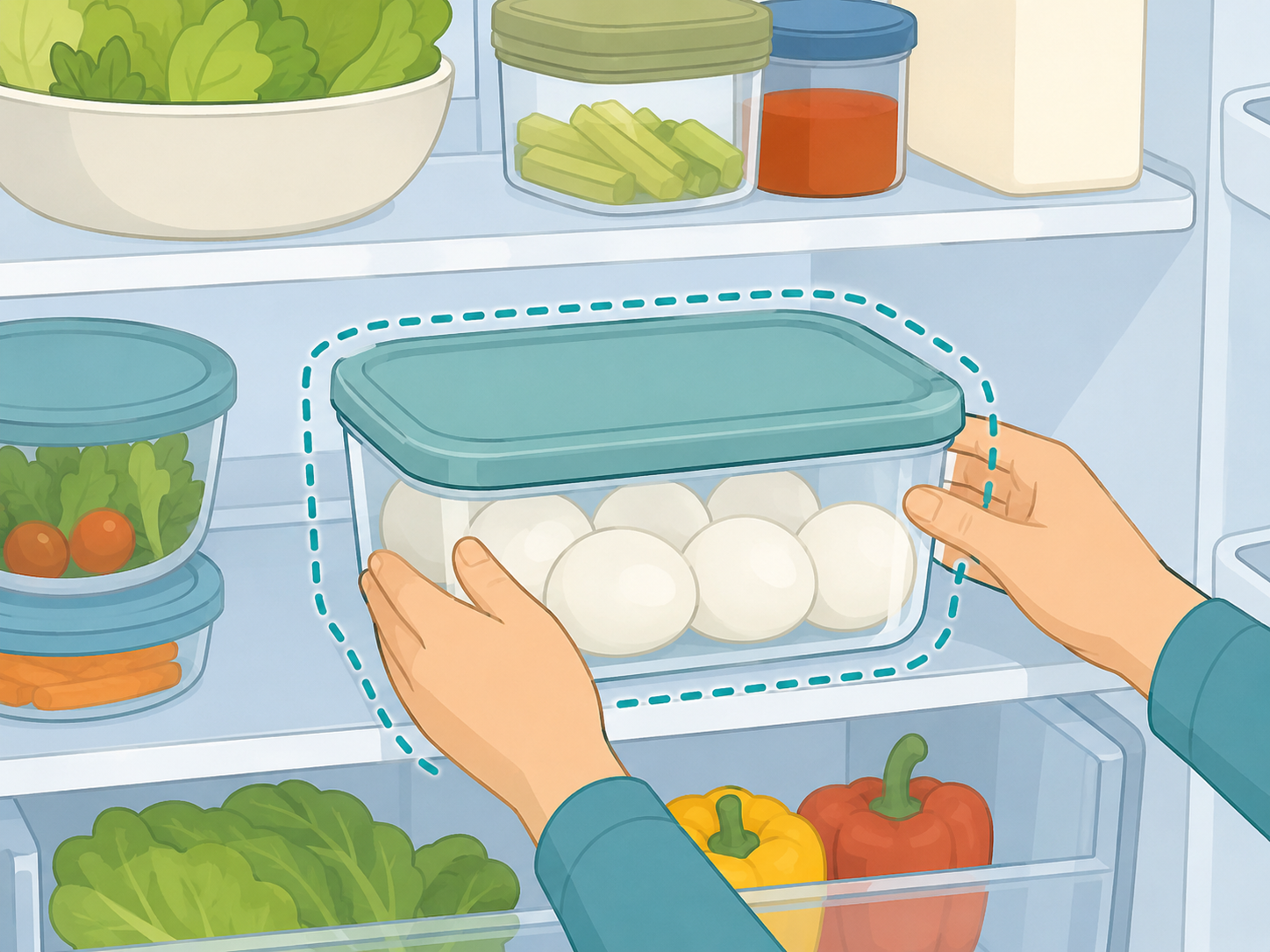
Keep boiled eggs refrigerated
Put boiled eggs in the refrigerator soon after cooking instead of leaving them on the counter. The FDA recommends storing eggs at 40 degrees F or below and using hard-cooked eggs within 1 week. If eggs have sat out for more than 2 hours, it is safer to throw them away.
Pair eggs with fiber-rich foods
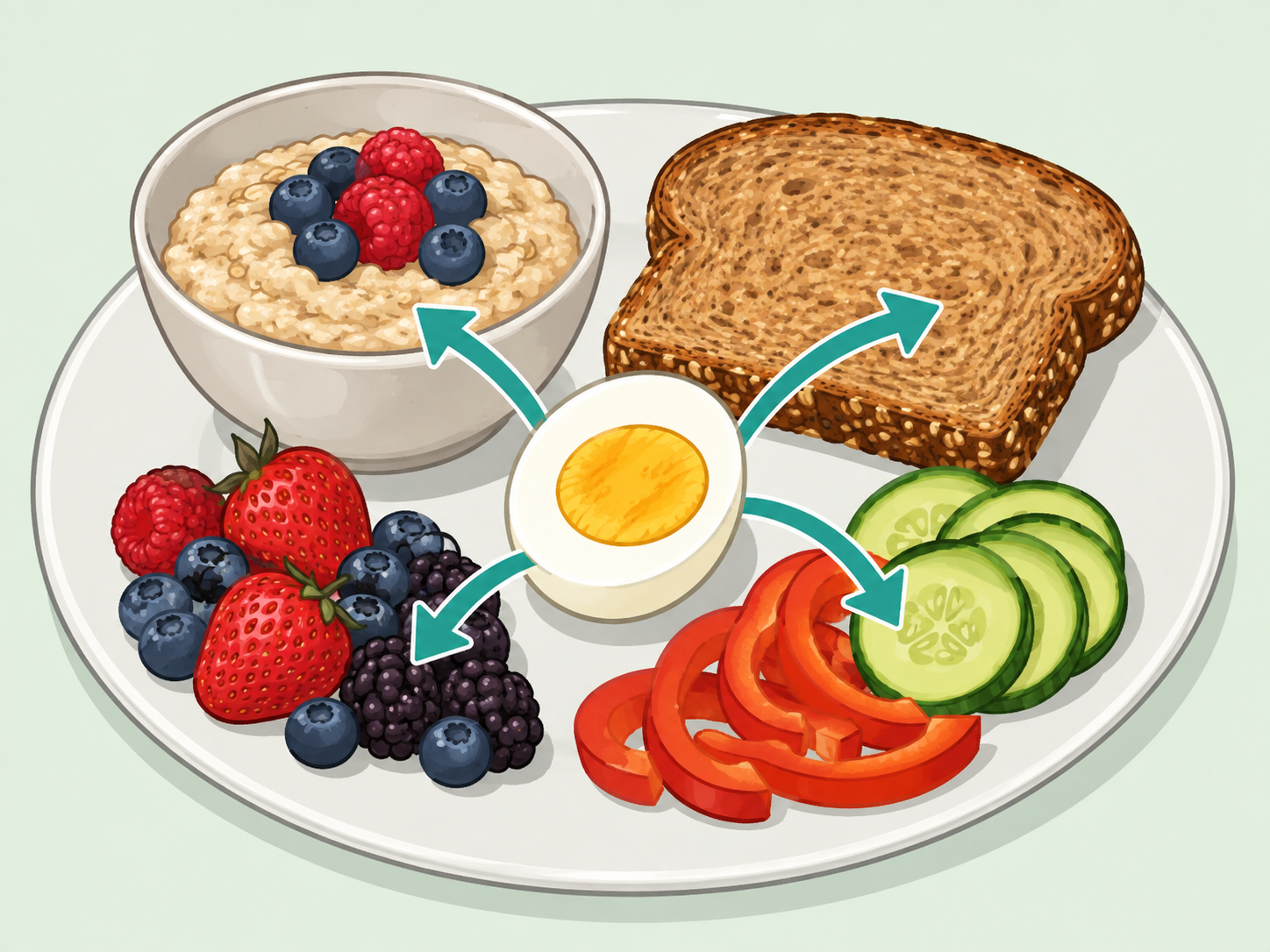
Make the egg part of a balanced plate instead of the whole breakfast. The CDC recommends meals that include protein foods along with vegetables, fruits, healthy fats, and whole grains. Try a boiled egg with oatmeal and fruit, whole-grain toast and tomato, or vegetables and beans.
Limit processed meats and buttery sides
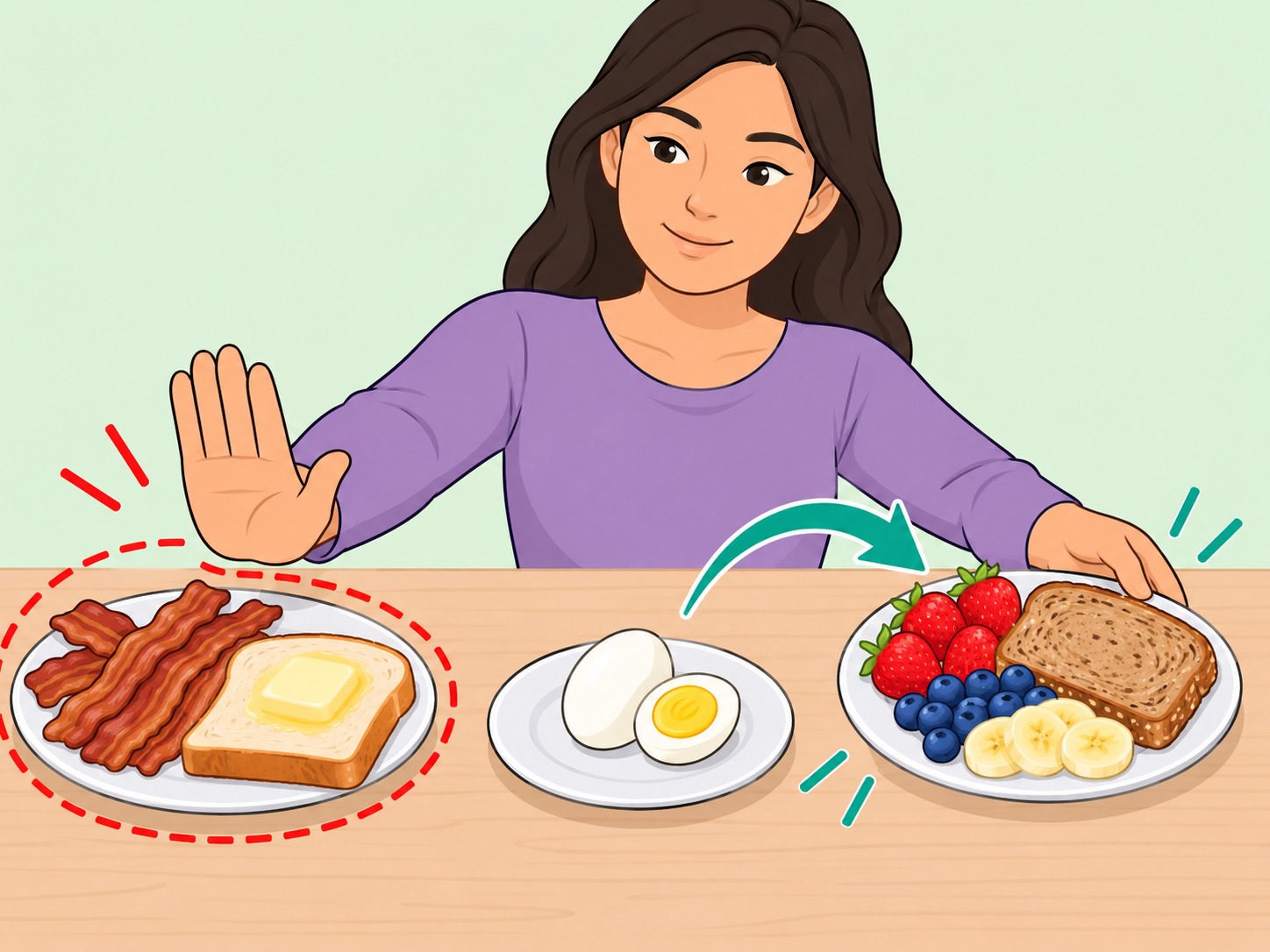
Boiled eggs are often healthier when they replace, rather than join, bacon, sausage, buttery toast, or fried breakfast foods. MedlinePlus explains that saturated fat can raise LDL cholesterol, so the sides and cooking fats around eggs can matter as much as the egg itself. Choose fruit, vegetables, whole grains, or unsaturated fats more often.
Use egg whites when you need less cholesterol
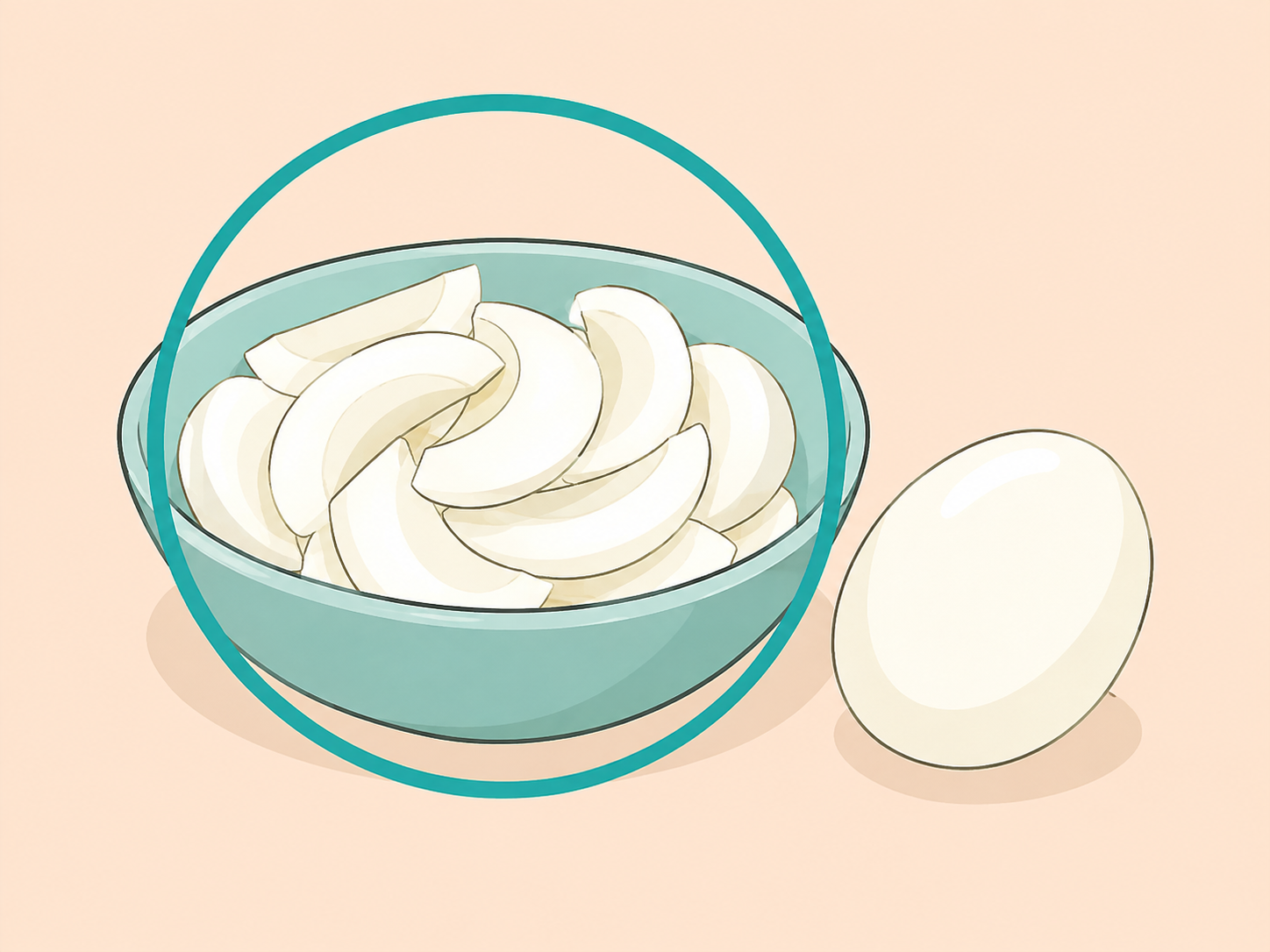
If you enjoy eggs but are watching cholesterol, use one whole egg with extra whites or choose whites on some days. Mayo Clinic states that egg whites contain protein without cholesterol, while cholesterol is in the yolk. Do not change a prescribed diet or medication plan without your clinician's guidance.
Adjust portions if you have heart disease, diabetes, or high cholesterol
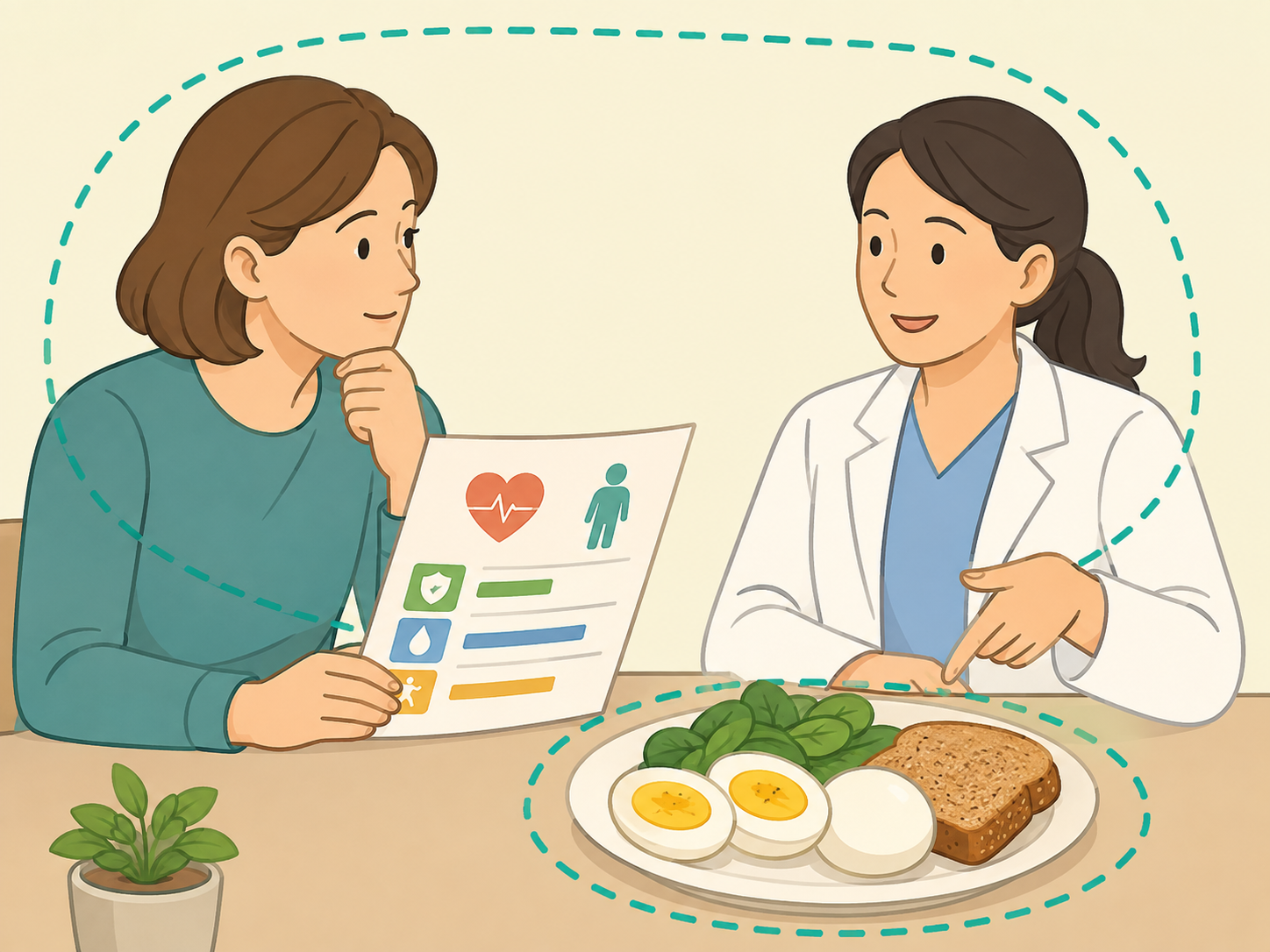
Your safe amount may be lower if you have cardiovascular disease, high LDL cholesterol, diabetes, or a strong family history of heart disease. Cleveland Clinic advises more caution with daily whole eggs for people with these risks. Ask your doctor or registered dietitian how many yolks fit your lab results and treatment plan.
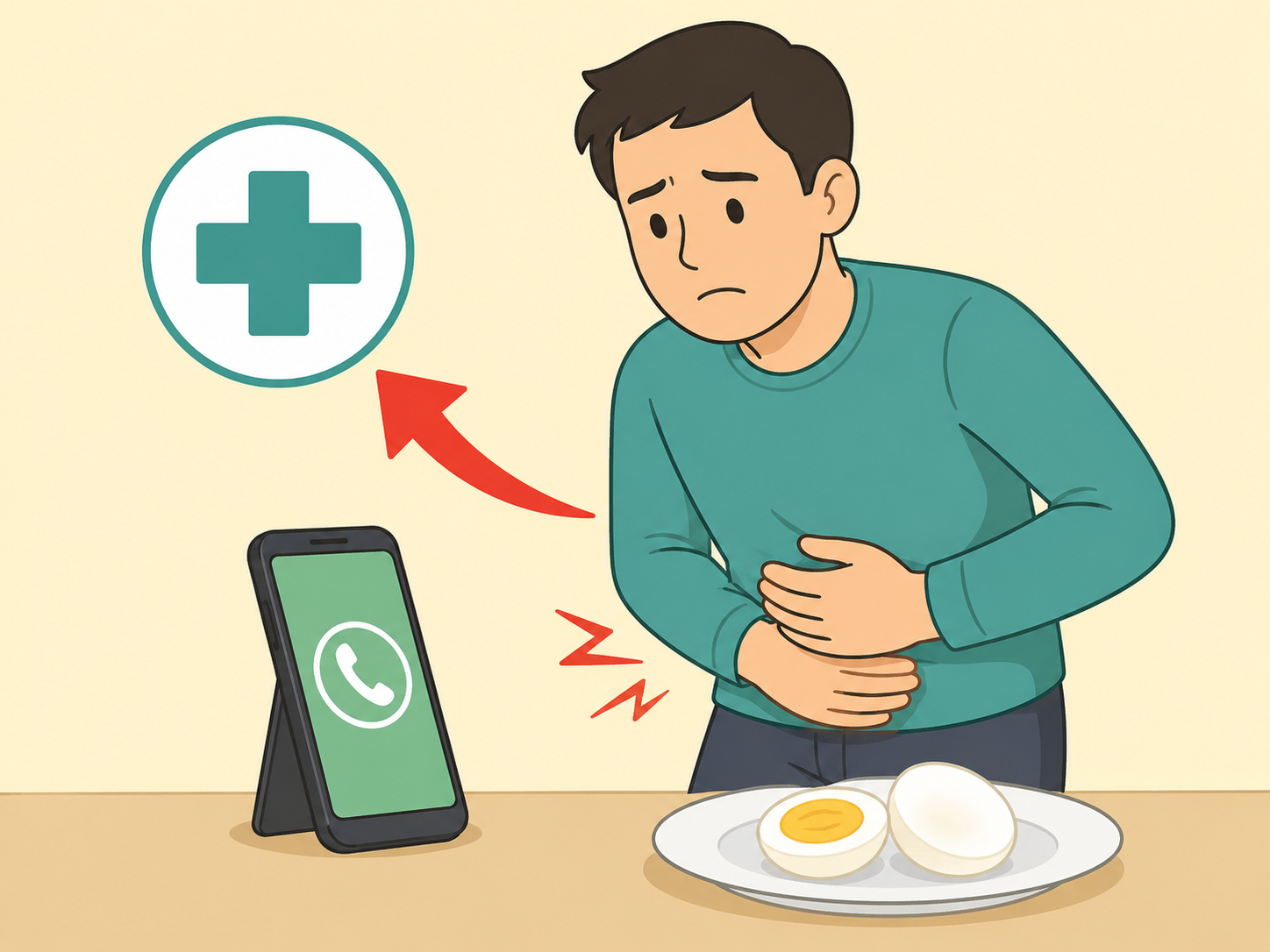
See a doctor for symptoms or personal nutrition advice
Get medical help promptly if you develop hives, swelling, wheezing, repeated vomiting, severe diarrhea, or signs of dehydration after eating eggs. For long-term questions, a clinician can check cholesterol, diabetes risk, allergies, and medication interactions before giving personalized advice. General nutrition guides cannot replace care based on your own health history.
Summary
The bottom line: a boiled egg can be a useful breakfast protein, especially when it is cooked fully and paired with whole grains, fruit, or vegetables. Keep your overall diet low in saturated fat, adjust yolks if your doctor has warned you about cholesterol, and get personal advice if you have heart disease, diabetes, or food allergies.
Frequently Asked Questions
- Is it healthy to eat boiled eggs every morning?
For many healthy adults, one egg a day can fit into a healthy eating pattern. Your answer may be different if you have high cholesterol, heart disease, diabetes, or another condition that changes your nutrition goals.
- Do boiled eggs cause high cholesterol?
Egg yolks contain cholesterol, but blood cholesterol is also strongly affected by saturated fat, trans fat, genetics, weight, activity, and overall diet. If your cholesterol is high, ask a clinician how many yolks are appropriate for you.
- Are egg whites better than whole eggs?
Egg whites provide protein without the yolk's cholesterol. Whole eggs also contain nutrients in the yolk, so the better choice depends on your health needs and the rest of your diet.
- What should I eat with boiled eggs for breakfast?
Pair boiled eggs with fiber-rich foods such as oatmeal, whole-grain toast, fruit, beans, or vegetables. This makes the meal more balanced than eating eggs with processed meats or buttery pastries.
- How long are boiled eggs safe in the fridge?
The FDA says hard-cooked eggs, peeled or unpeeled, should be used within 1 week after cooking when stored in the refrigerator.
- Should children or pregnant people avoid boiled eggs?
They do not usually need to avoid fully cooked eggs unless they have an allergy or specific medical guidance. People at higher risk of foodborne illness should be especially careful to eat eggs cooked until the yolk and white are firm.
References
Reliable references aided in composing and refining this content.
- https://www.mayoclinic.org/diseases-conditions/high-blood-cholesterol/expert-answers/cholesterol/faq-20058468?p=1
- https://www.fda.gov/food/buy-store-serve-safe-food/what-you-need-know-about-egg-safety
- https://www.cdc.gov/healthy-weight-growth/healthy-eating/meals-snacks.html
- https://medlineplus.gov/howtolowercholesterolwithdiet.html
- https://medlineplus.gov/ency/article/002093.htm
- https://health.clevelandclinic.org/can-you-eat-eggs-every-day?slug=can-you-eat-eggs-every-day