
 Pin it
Surprising health and wellness claims can look convincing online, especially when they are shared by friends, influencers, or polished websites. This guide shows you how to slow down, check the source, compare the claim with trusted information, and decide when to ask a qualified health professional.
Pause before you share or act
Treat a surprising claim as a prompt to check, not as proof. MedlinePlus advises asking questions before trusting health information, especially when it comes from the internet, news, or social media. If the claim affects your health, money, medication, or care, take extra time before doing anything with it.
Identify who made the claim
Look for the original source, not just the person who reposted it. A trustworthy health website should make it clear who runs it, how to contact them, and why the information exists, according to MedlinePlus guidance on evaluating websites. If you cannot tell who created the information, treat it as unverified.
Check the date and review process
Health information can become outdated as research and recommendations change. MedlinePlus recommends checking when online health content was written, reviewed, or updated, and looking for information about medical review or editorial standards. Be cautious with old pages that do not explain whether they have been reviewed recently.
Separate evidence from testimonials
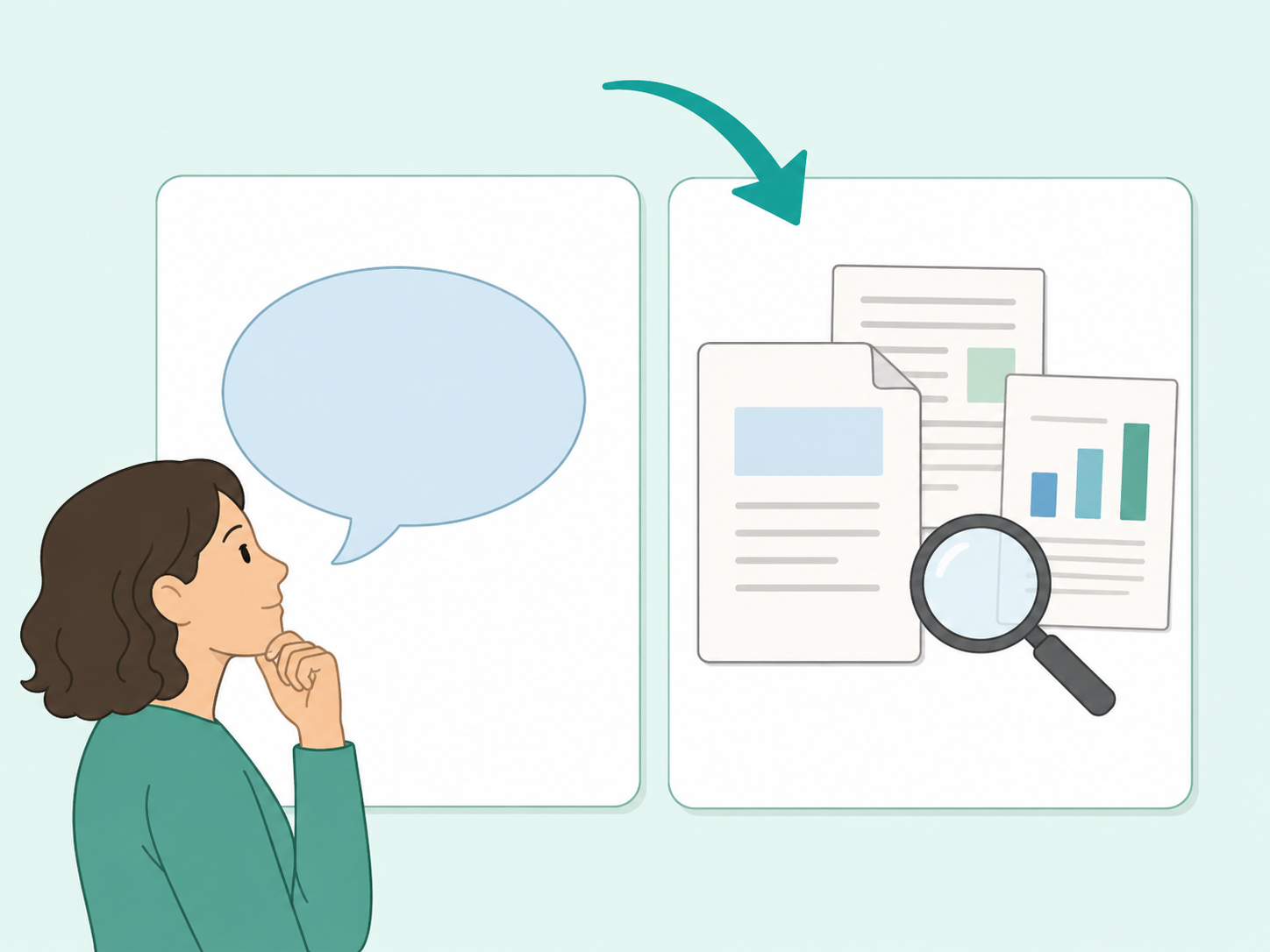
Look for links to research, medical organizations, or other evidence behind the claim. NCCIH explains that anecdotes, testimonials, unsupported claims, and opinions are not the same as evidence-based information. A personal story may be honest, but it does not prove that the same result will happen for you.
Look for money or pressure behind the message
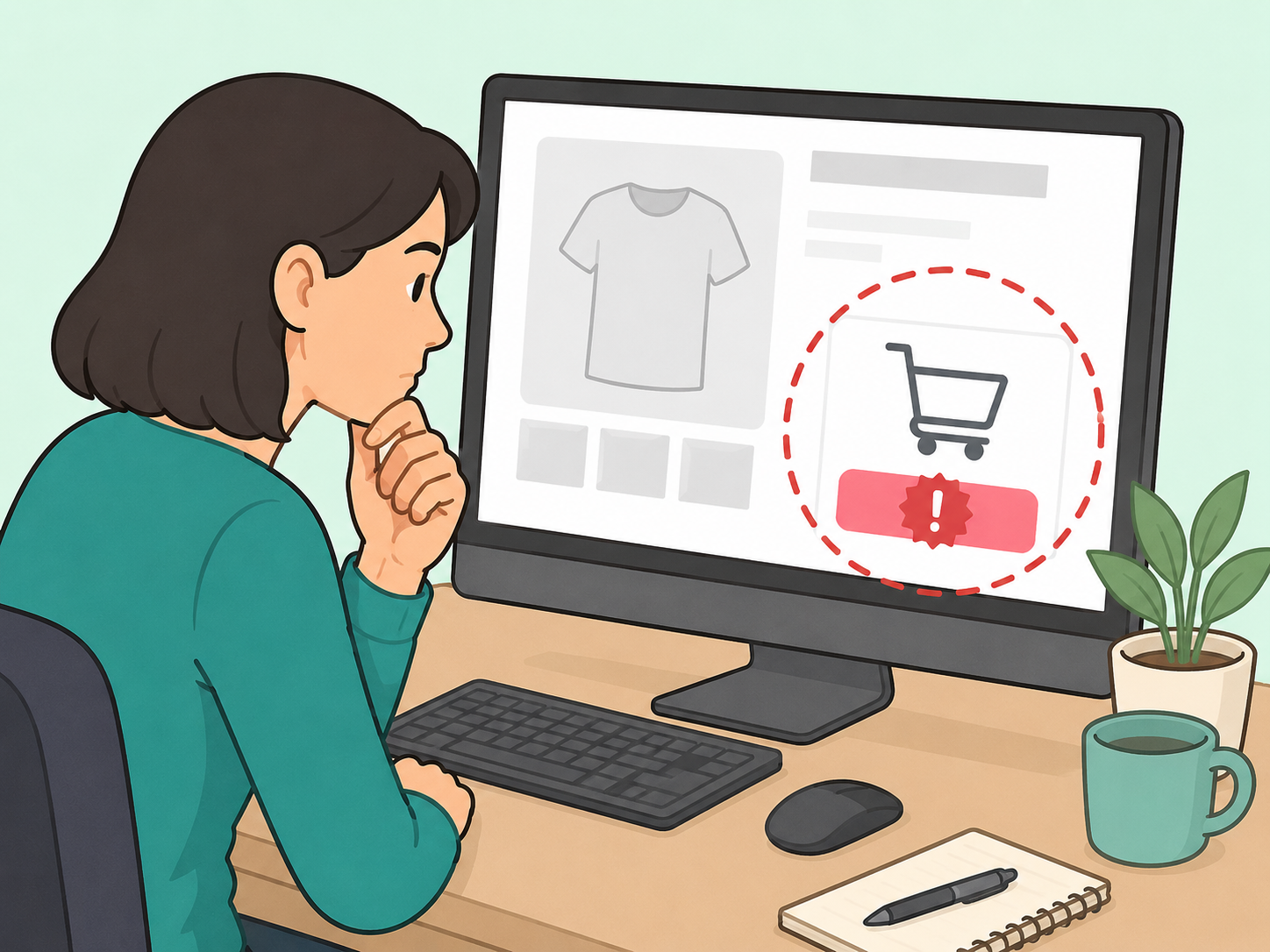
Ask whether the post, video, or website is trying to sell a product, collect your data, or push you to act fast. NCCIH recommends checking who created a social media source, what it promises, where the information comes from, and why it exists. Strong sales pressure is a reason to slow down.
Compare the claim with trusted sources
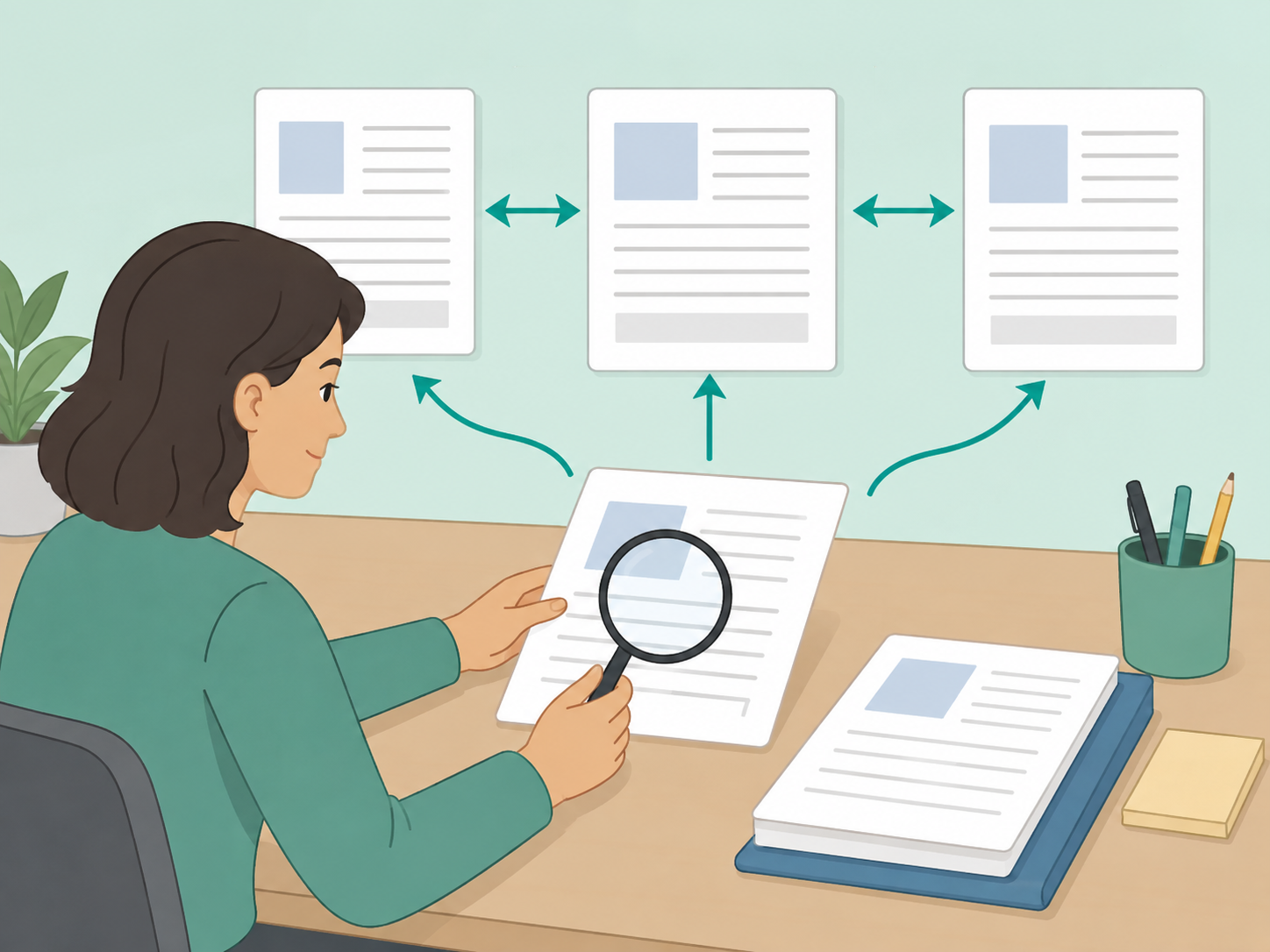
Search the same claim on established health sources such as MedlinePlus, CDC, NIH, major medical centers, or professional health organizations. MedlinePlus recommends comparing information across more than one reliable site instead of relying on a single page. If reputable sources do not support the claim, soften your confidence in it.
Watch for miracle-cure language
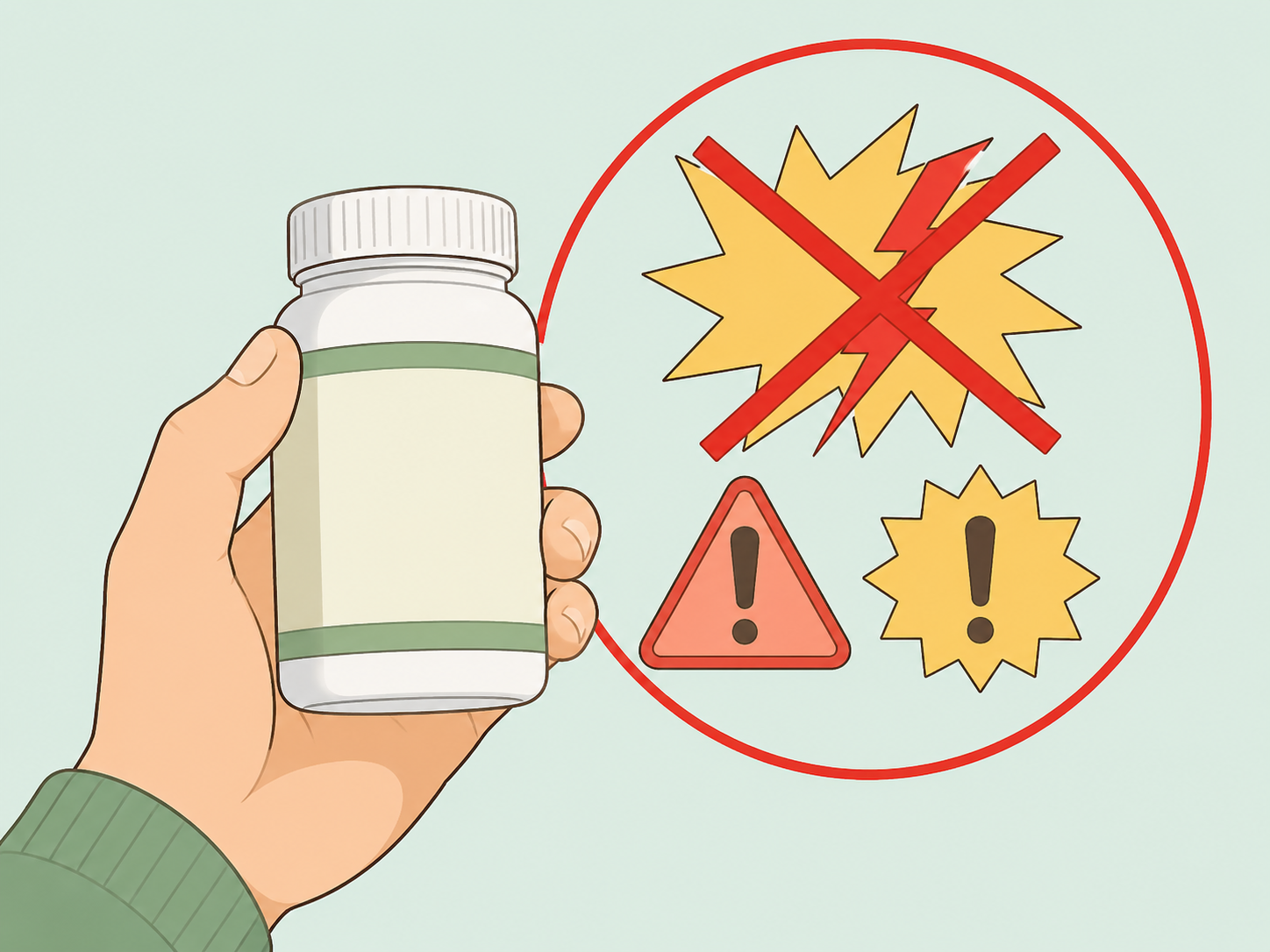
Be skeptical of claims that one product cures many conditions, guarantees fast results, or uses dramatic language such as a secret breakthrough. The FTC lists miracle results, cure-all promises, fake endorsements, and urgency as common signs of health scams. No online post should pressure you to ignore established care or buy immediately.
Ask a health professional before you change care
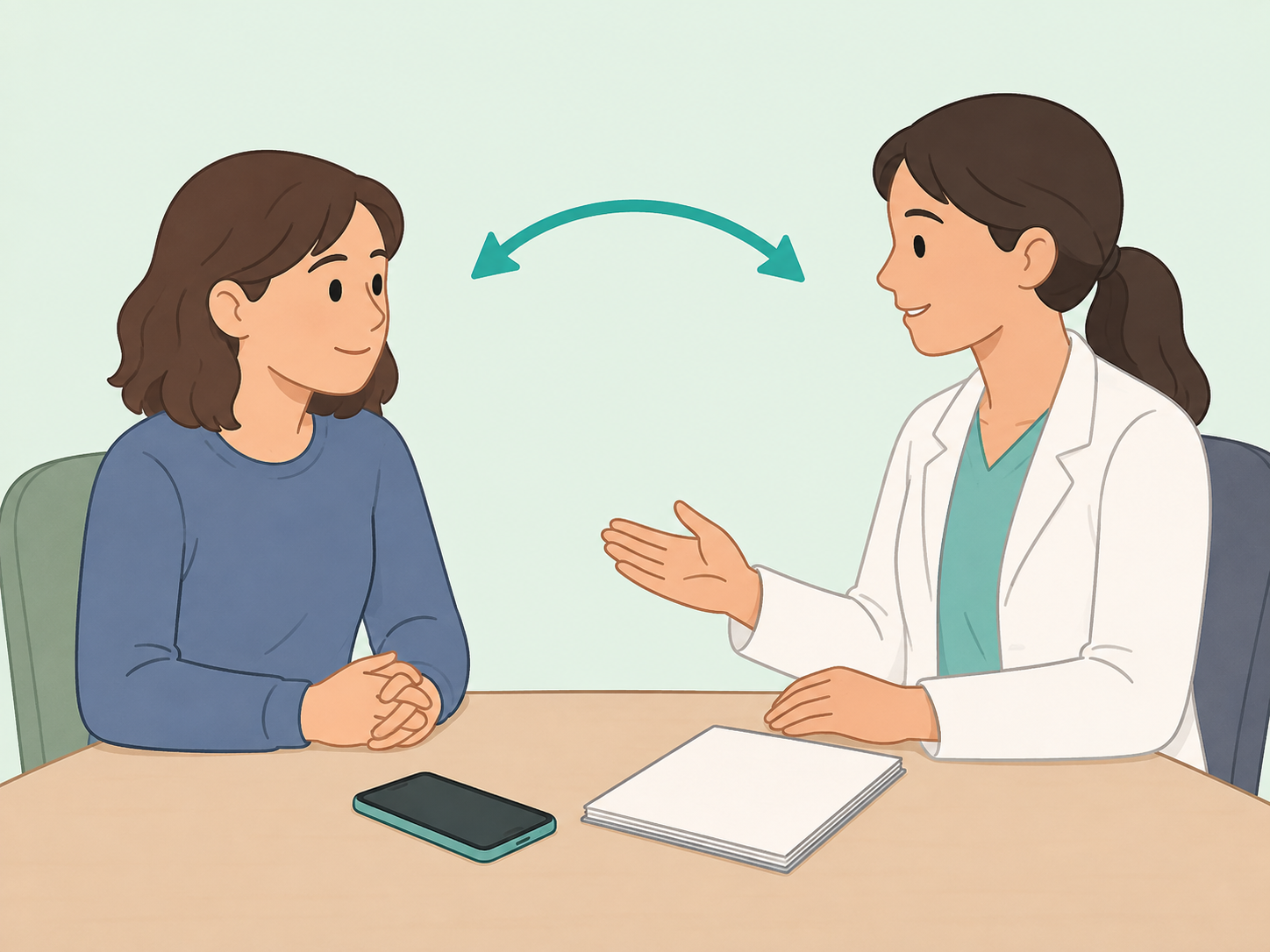
If the claim could affect your symptoms, medication, supplement use, diet, treatment, or a condition you have, bring it to a doctor, pharmacist, or qualified health professional. MedlinePlus says online health information cannot replace a conversation with your provider. This is especially important before starting a supplement, stopping a treatment, or delaying care.
Summary
The bottom line: treat surprising health claims as something to check, not something to act on right away. A trustworthy claim should have a clear source, current evidence, balanced wording, and support from more than one reputable organization.
Frequently Asked Questions
- Is a .org website always reliable?
No. MedlinePlus notes that .gov, .edu, and many .org sites can be good places to start, but you should still check who runs the site, who pays for it, and whether the information is reviewed and current.
- Can I trust a health claim if a doctor appears in the video?
Not by that alone. Check whether the person is clearly identified, whether the claim links to evidence, and whether the post is selling something, which are questions the NCCIH recommends asking about social media health information.
- Are personal stories good evidence?
Personal stories can be meaningful, but they are not the same as research evidence. NCCIH explains that testimonials and anecdotes should not be treated as objective evidence for a health claim.
- What should I do if trusted sources disagree?
Do not rush to act. Compare several reputable sources, look for the date and type of evidence, and bring the question to a doctor, pharmacist, or other qualified health professional who knows your situation.
- Should I buy a product that promises fast health results?
Be cautious. The FTC warns that miracle-cure language, pressure to act quickly, and promises that one product treats many problems are common warning signs of health scams.
- Can I share a health post while I am still checking it?
It is better to wait. MedlinePlus advises that if you are not sure whether social media health information is trustworthy, you should avoid sharing it with others.
References
Reliable references aided in composing and refining this content.
- https://medlineplus.gov/evaluatinghealthinformation.html
- https://medlineplus.gov/ency/patientinstructions/000869.htm
- https://www.nccih.nih.gov/health/know-science/finding-and-evaluating-online-resources/finding-health-information-online/how-do-you-know-the-information-is-accurate
- https://www.nccih.nih.gov/health/know-science/finding-and-evaluating-online-resources/finding-health-information-on-social-media/five-quick-questions-to-ask-when-checking-out-social-media-for-health-information
- https://www.nccih.nih.gov/health/tips/10-things-to-know-about-the-science-of-health
- https://consumer.ftc.gov/articles/common-health-scams