
 Pin it
Purslane is a tangy, succulent leafy green that many people eat raw or cooked. If you eat it every day after age 60, your body may get extra vitamins, minerals, water-rich greens, and plant omega-3 fats, but it will not detox your body or reverse aging. This guide explains how to add purslane safely and when to check with a health professional.
Confirm that the plant is edible purslane
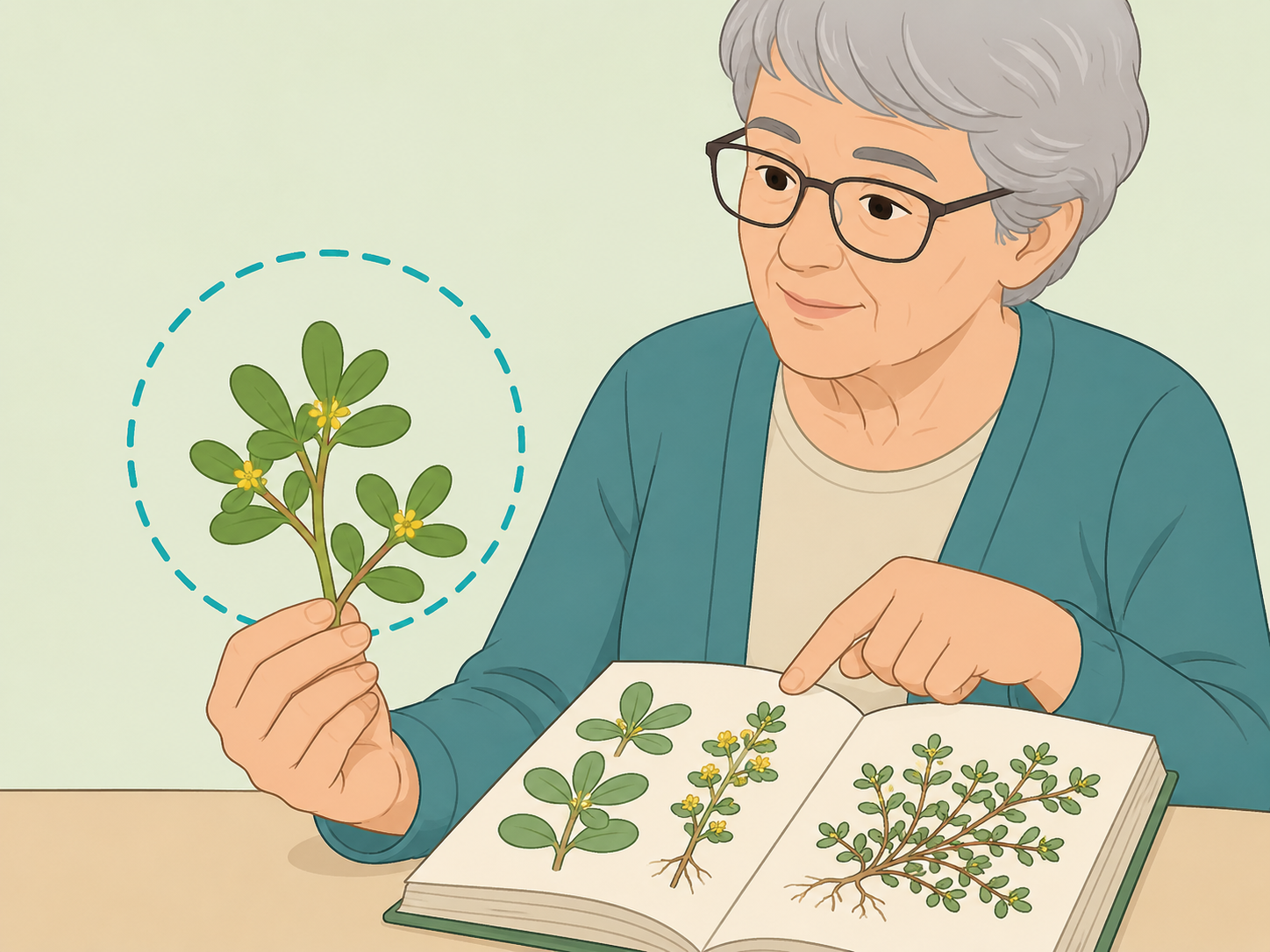
Use only common purslane that you can identify with confidence, or buy it from a reliable food source. The University of Florida IFAS Extension notes that edible purslane has thick succulent leaves and stems, small yellow flowers, and should not be confused with fuzzy or questionable look-alikes; when unsure, ask a local Extension office or knowledgeable plant expert before eating it. Also avoid plants from areas that may have been sprayed with pesticides or exposed to pet waste, road runoff, or industrial soil contamination.
Treat it as a small serving of leafy greens
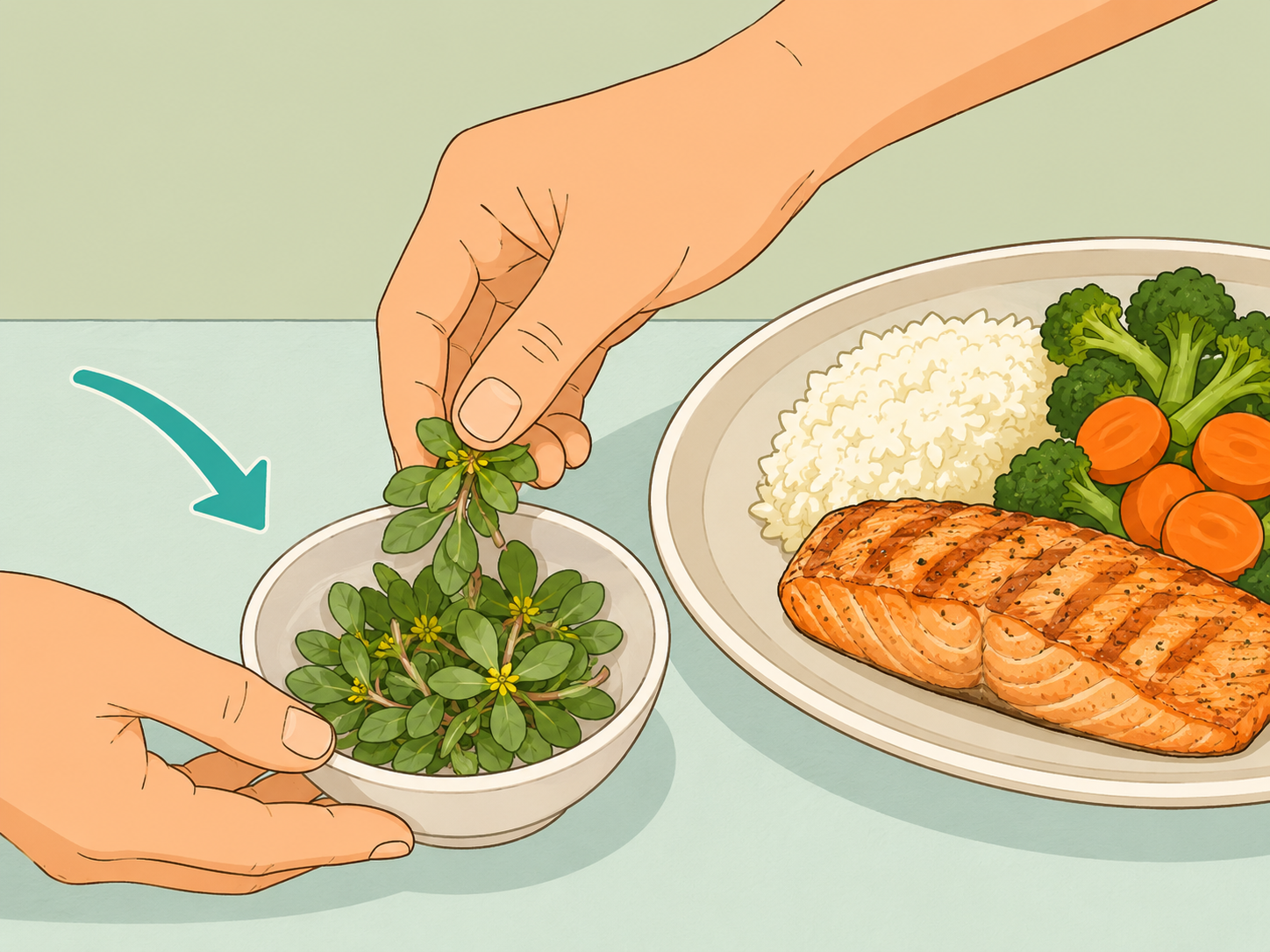
Start with a small handful or side-dish portion rather than a large bowl every day, especially if your digestion is sensitive. Raw purslane is low in calories and contains vitamin A, vitamin C, vitamin E, magnesium, potassium, and other nutrients according to UF/IFAS Extension's purslane nutrition overview. The main body effect is that you are adding another nutrient-dense vegetable, not creating a cure or cleanse.
Expect nutrition, not dramatic anti-aging changes
Purslane can support a healthy eating pattern because it contributes plant nutrients, but it cannot reverse aging, prevent disease by itself, or replace medical care. The NIH explains that vitamin A supports vision, immune function, and normal organ function, and purslane contains provitamin A carotenoids from plants. Think of daily purslane as one useful food choice among many, not as a supplement or treatment.
Understand its omega-3 limits
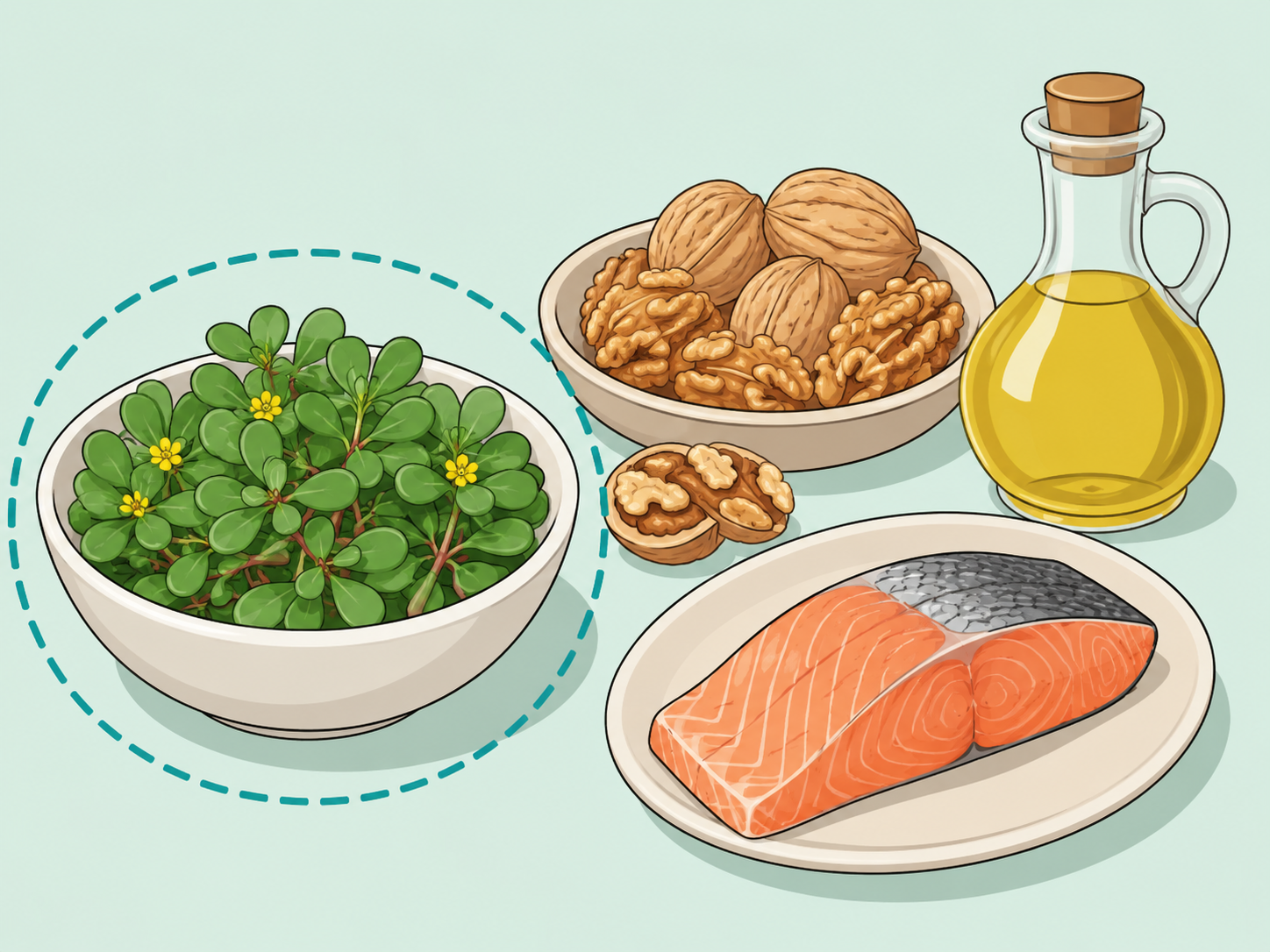
Purslane is often praised because it contains alpha-linolenic acid, or ALA, a plant omega-3 fat. The NIH Office of Dietary Supplements explains that ALA is essential but converts to EPA and DHA only in very small amounts. That means eating purslane may add plant omega-3s, but it should not be treated as the same as eating fatty fish or taking a clinician-recommended omega-3 supplement.
Pair it with balanced meals
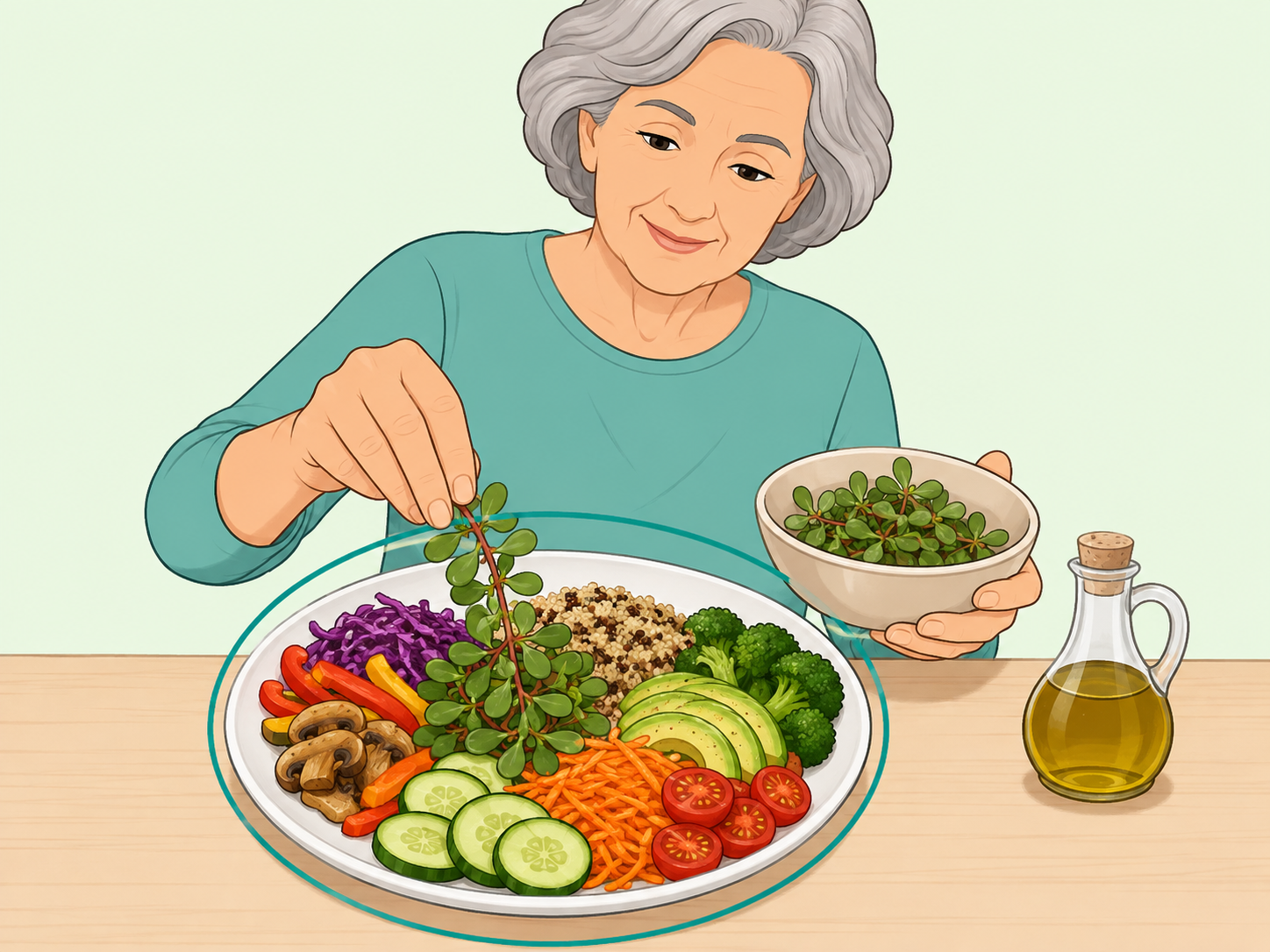
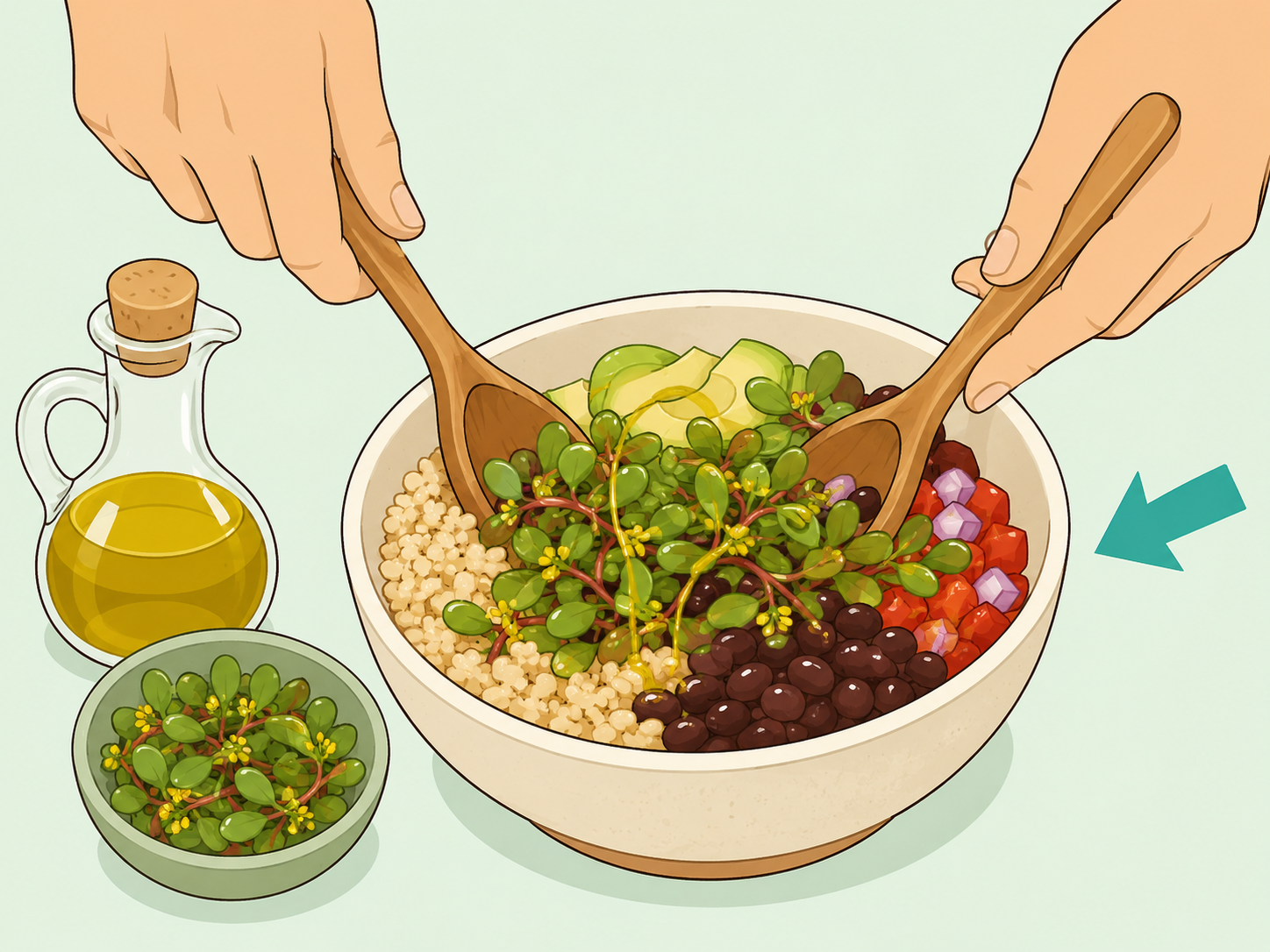
Use purslane the way you would use other leafy greens: in salads, soups, omelets, grain bowls, or cooked vegetable sides. Pairing it with protein, whole grains, beans, yogurt, fish, eggs, or another balanced meal helps keep it from crowding out calories and protein, which many adults need to watch more carefully with age. A little olive oil or another healthy fat also makes the meal more satisfying and fits well with its tangy flavor.
Limit it if you are prone to kidney stones
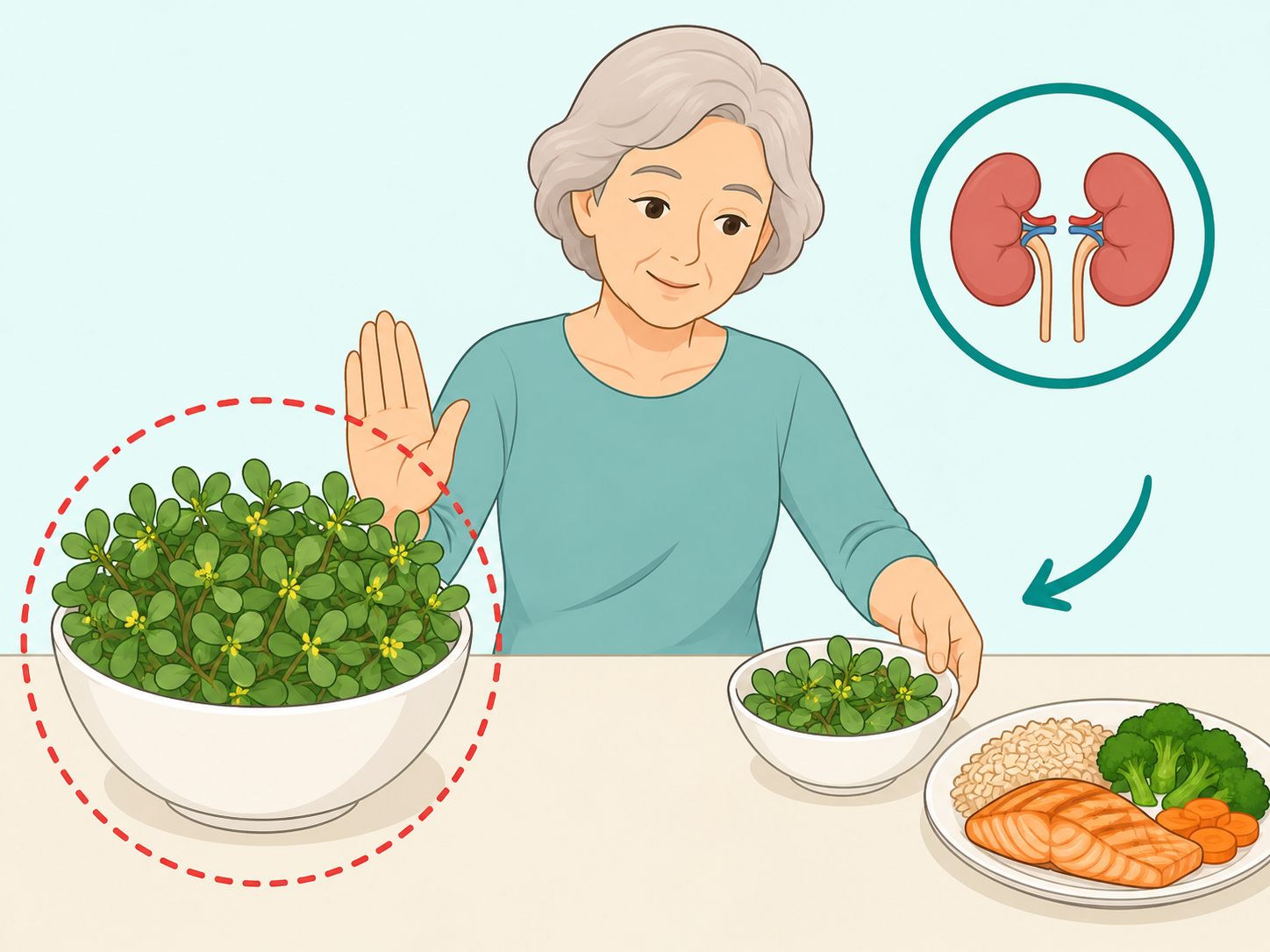
Purslane is high in oxalates, and high-oxalate foods can matter for people who form calcium oxalate kidney stones. NIDDK advises that people with calcium oxalate stones may need to adjust oxalate, sodium, calcium, fluids, and protein with professional guidance, while Mayo Clinic notes that eating large amounts of high-oxalate foods can raise risk for hyperoxaluria or stones in some situations. A published case report also described acute kidney injury in elderly patients after high dietary purslane intake, so daily large portions are not a safe experiment if your kidneys are vulnerable.
Keep medication routines in mind
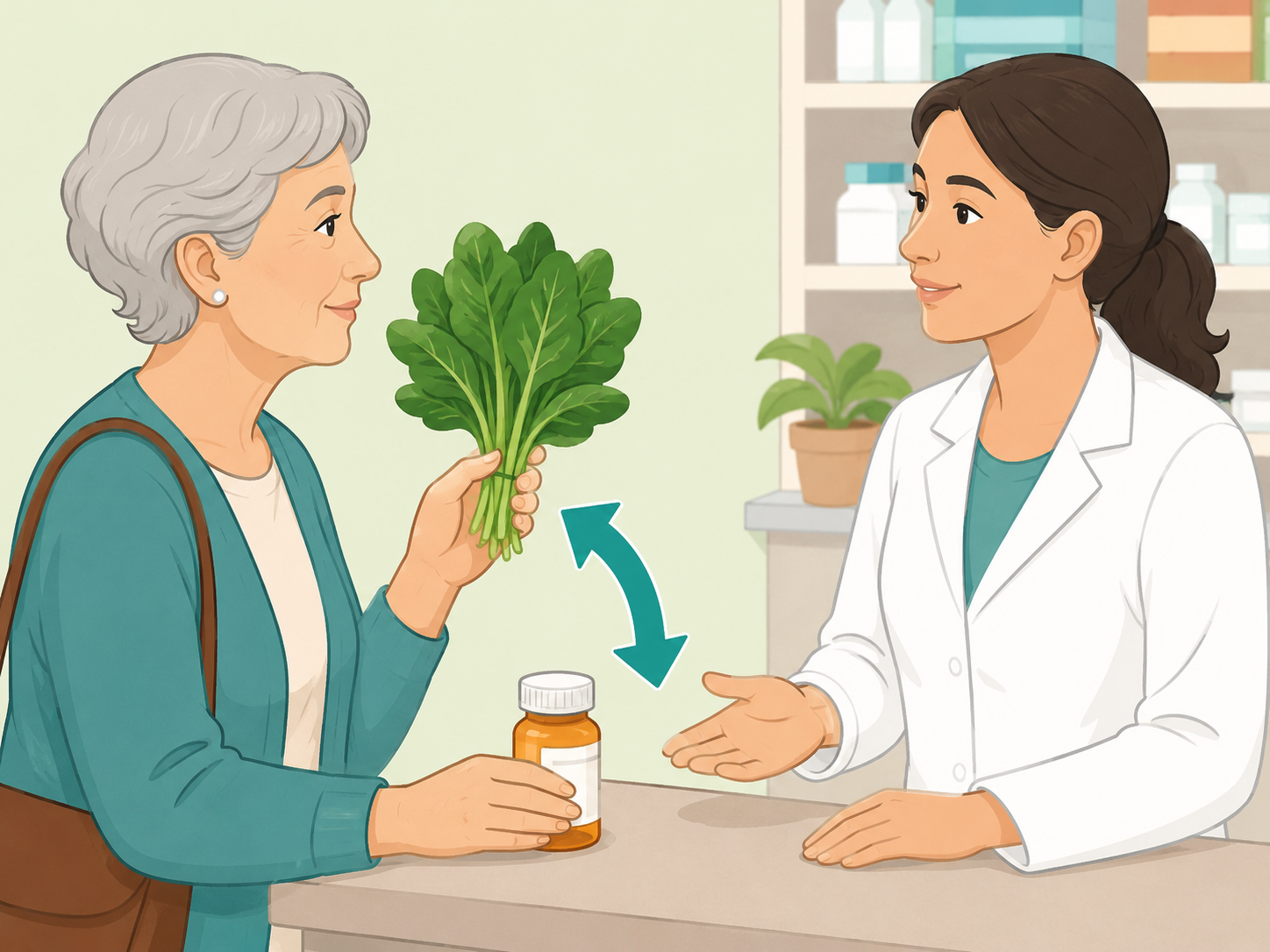
If you take warfarin or another blood thinner, do not suddenly add large daily servings of leafy greens without asking your prescriber or pharmacist. NIH guidance on vitamin K says people taking warfarin need to keep vitamin K intake consistent because big changes can affect anticoagulation control. This does not mean everyone must avoid greens; it means consistency and medical guidance matter.
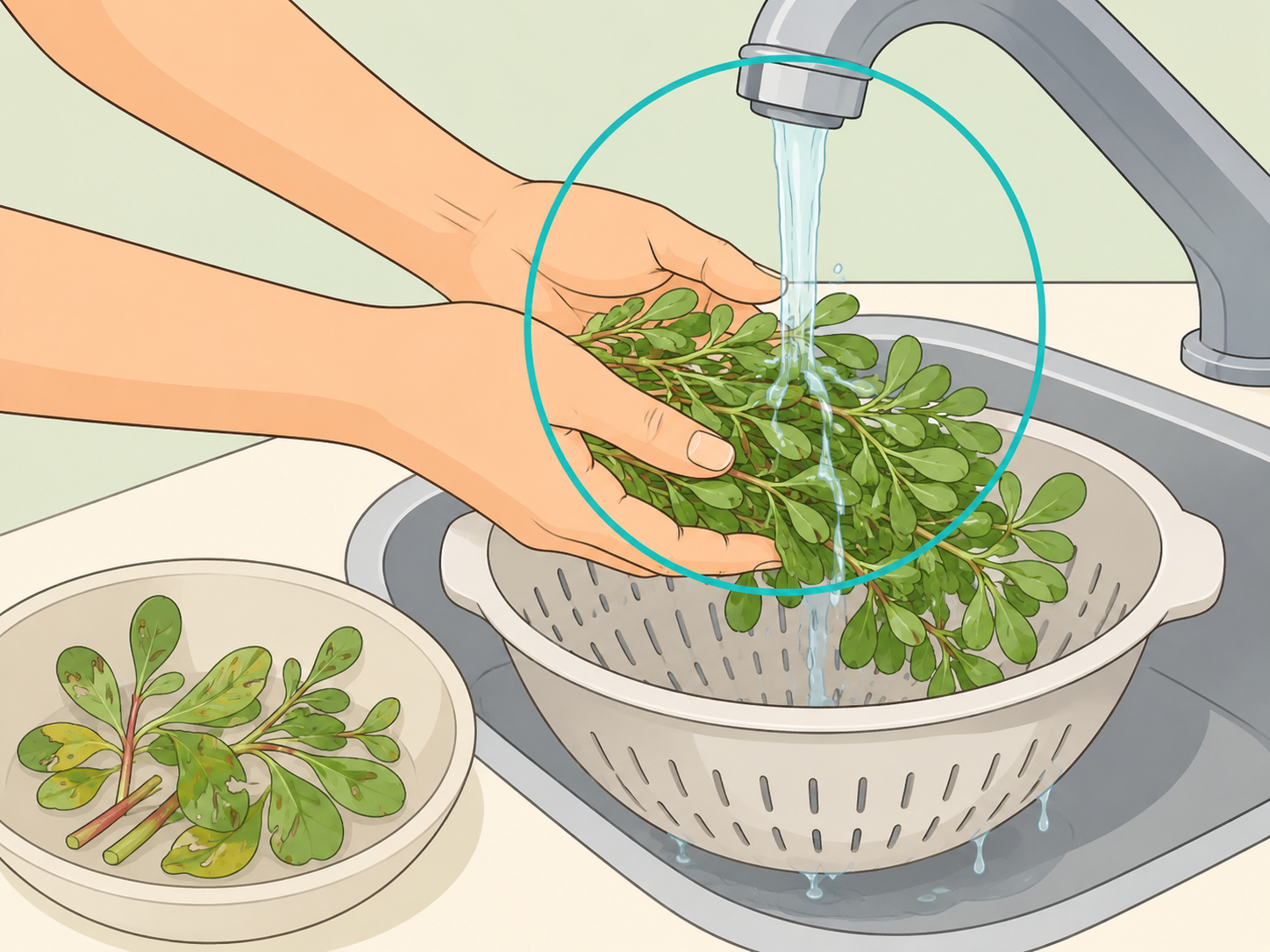
Wash and store it like fresh produce
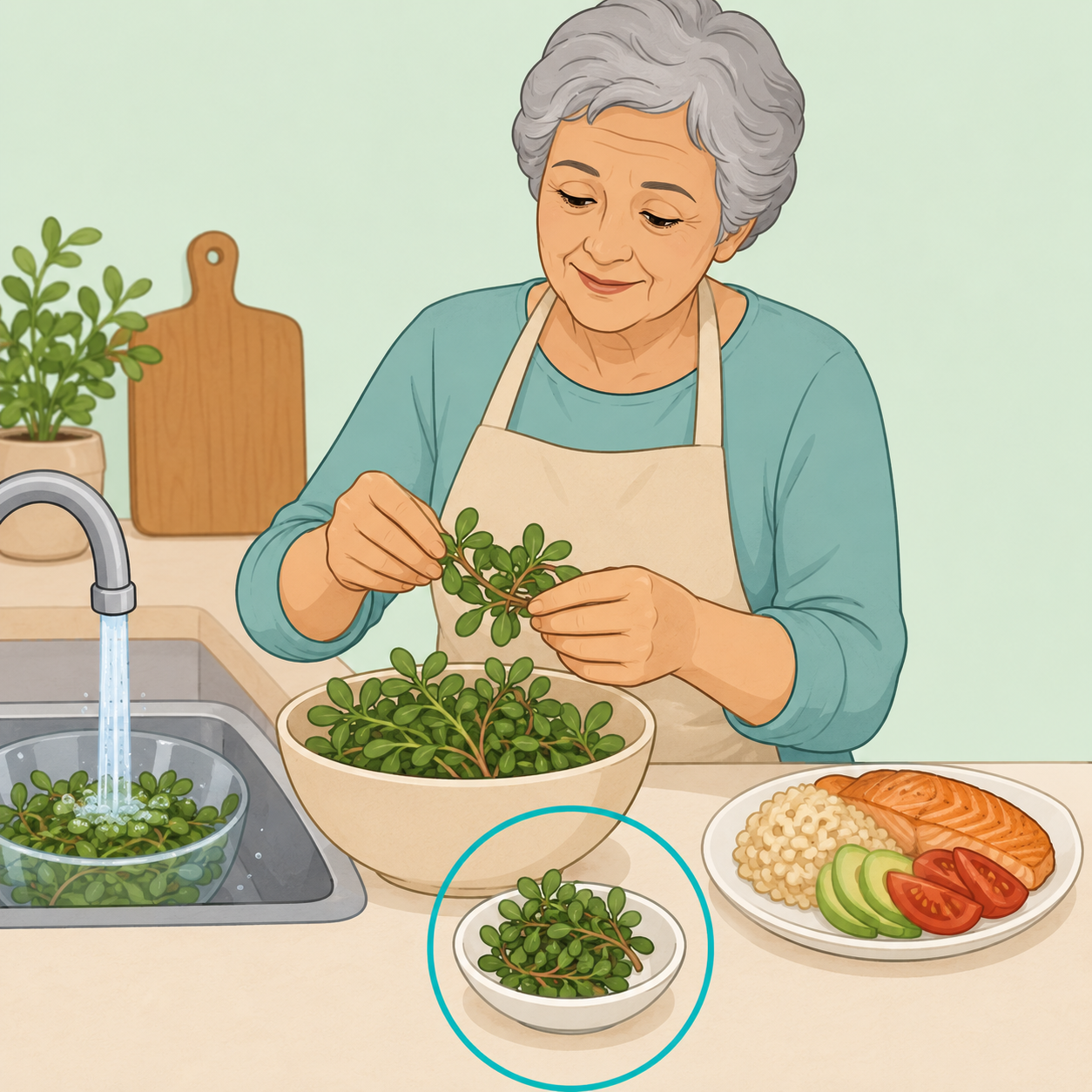
Before eating purslane raw or cooked, wash your hands, remove damaged pieces, and rinse the leaves and stems under running water. The FDA recommends washing fresh produce under running water and avoiding soap, detergent, or commercial produce wash because produce can carry bacteria from soil, water, storage, or handling. Refrigerate fresh purslane promptly and cook it if you want an extra margin of food-safety caution.
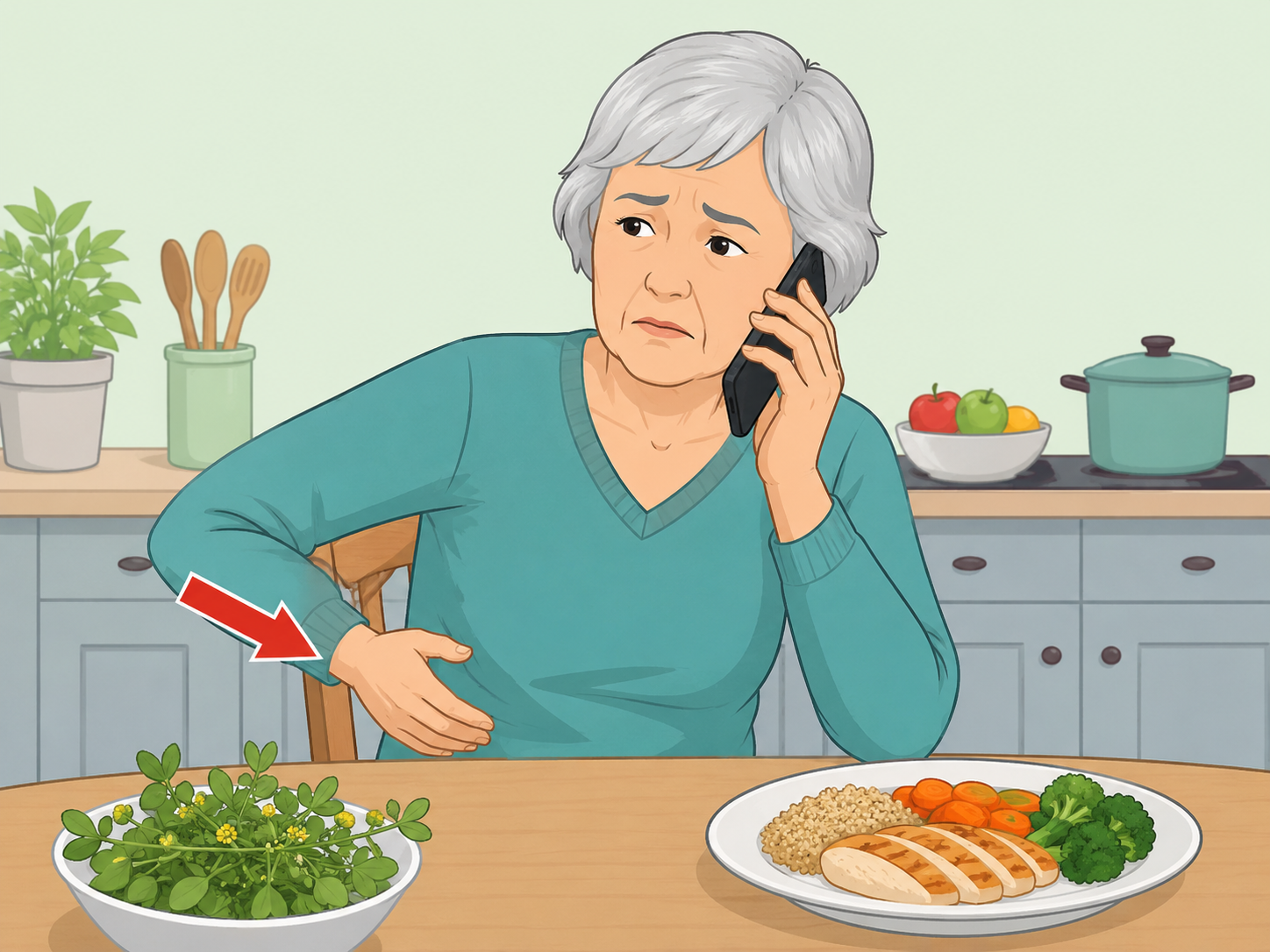
Know when to ask a doctor
Stop eating purslane and seek medical advice if you develop severe side or back pain, blood in the urine, fever, chills, vomiting, or cloudy or foul-smelling urine. MedlinePlus lists these as reasons to contact a provider when kidney stones are a concern. Also ask a doctor or registered dietitian before making purslane a daily habit if you are over 60 and have kidney problems, frequent dehydration, major digestive disease, or several prescription medications.
Summary
The bottom line: purslane can be a nutritious daily green for some adults, but keep portions modest, identify and wash it carefully, and avoid making it a health treatment. After 60, it is especially important to consider kidney stone history, kidney disease, digestive changes, and medication routines before eating it every day.
Frequently Asked Questions
- Is purslane safe to eat every day after 60?
- It may be safe for some people as a small food serving, but daily use is not right for everyone. Ask a doctor or dietitian first if you have kidney disease, a history of kidney stones, digestive absorption problems, or complex medications.
- What happens to your body if you eat purslane daily?
- You may add more water-rich leafy greens, vitamins, minerals, and plant omega-3 ALA to your diet. The effects are usually nutritional and gradual, not dramatic or medicinal.
- Can purslane replace fish oil or fatty fish?
- No. Purslane contains plant omega-3 ALA, but the NIH explains that the body converts ALA into EPA and DHA only in very small amounts, so it should not be treated as a direct replacement for seafood or prescribed supplements.
- Is purslane bad for kidney stones?
- It can be a concern for people who form calcium oxalate stones because purslane is a high-oxalate plant. If you have had kidney stones, follow your clinician's advice about oxalate, fluids, sodium, and calcium.
- Should purslane be eaten raw or cooked?
- Both are common, but cooking can soften the texture and may be easier for some people to tolerate. Wash it thoroughly either way, and avoid wild purslane from sprayed or contaminated areas.
- Can purslane lower blood pressure or blood sugar?
- Do not rely on purslane to treat blood pressure, blood sugar, or any medical condition. It can be part of a balanced eating pattern, but medication and treatment decisions should come from a qualified health professional.
References
Reliable references aided in composing and refining this content.
- https://ask.ifas.ufl.edu/publication/HS1484
- https://ods.od.nih.gov/factsheets/Omega3FattyAcids-Consumer
- https://ods.od.nih.gov/factsheets/VitaminA-Consumer
- https://ods.od.nih.gov/factsheets/Vitamink-healthProfessional
- https://www.niddk.nih.gov/health-information/urologic-diseases/kidney-stones/eating-diet-nutrition
- https://www.mayoclinic.org/diseases-conditions/hyperoxaluria/symptoms-causes/syc-20352254
- https://medlineplus.gov/ency/patientinstructions/000135.htm
- https://pmc.ncbi.nlm.nih.gov/articles/PMC10347717
- https://www.fda.gov/food/buy-store-serve-safe-food/selecting-and-serving-produce-safely