
 Pin it
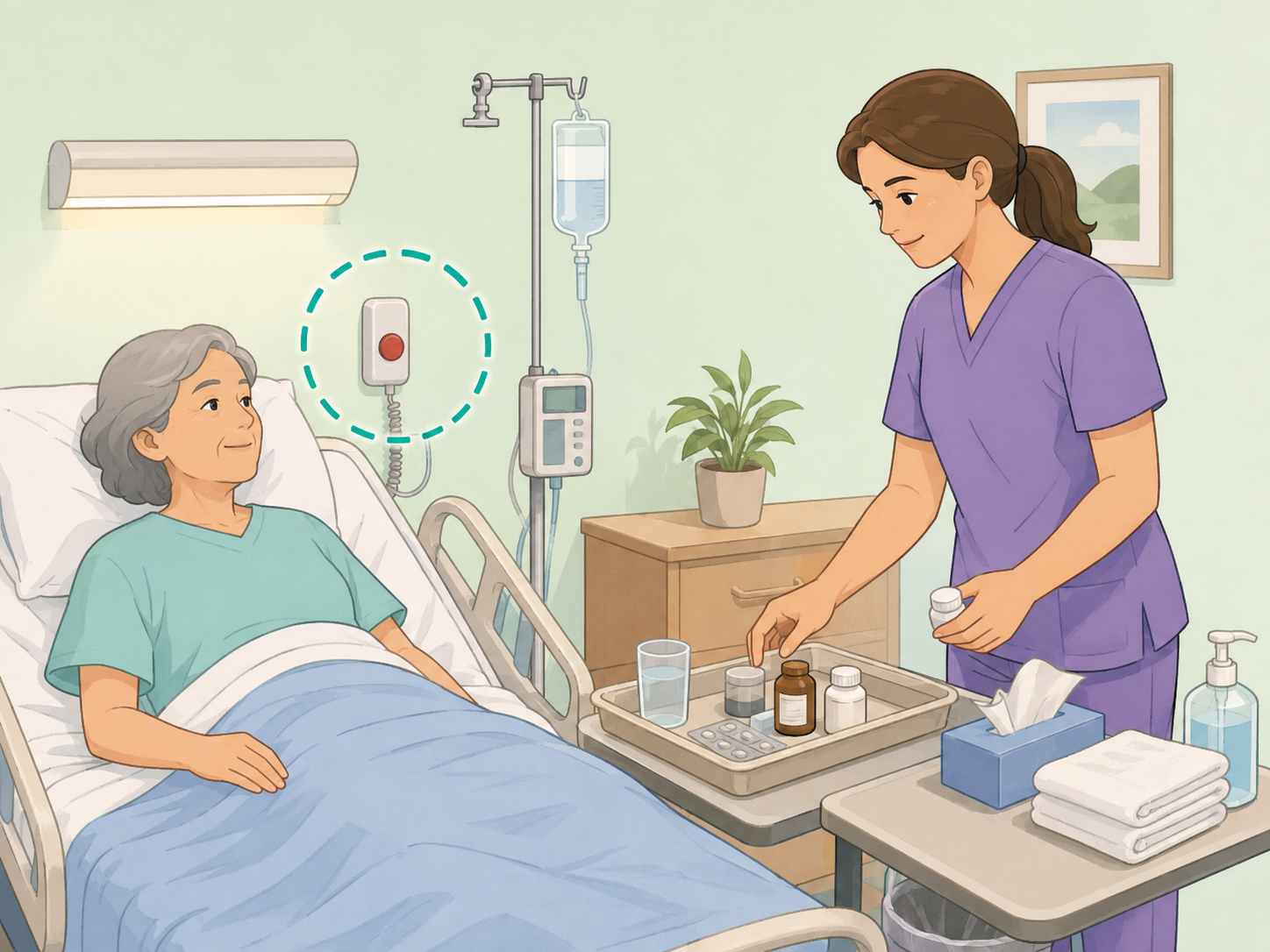
A hospital picture puzzle can be fun, but the useful skill is learning which details could signal a safety problem. The CDC explains that healthcare-associated infections can spread through unclean hands or improperly handled equipment, and about 1 in 38 hospital patients has at least one HAI on a given day. Use this guide to scan a hospital image calmly, clue by clue, without treating a picture as proof of what happened in real care.
Start with the care task
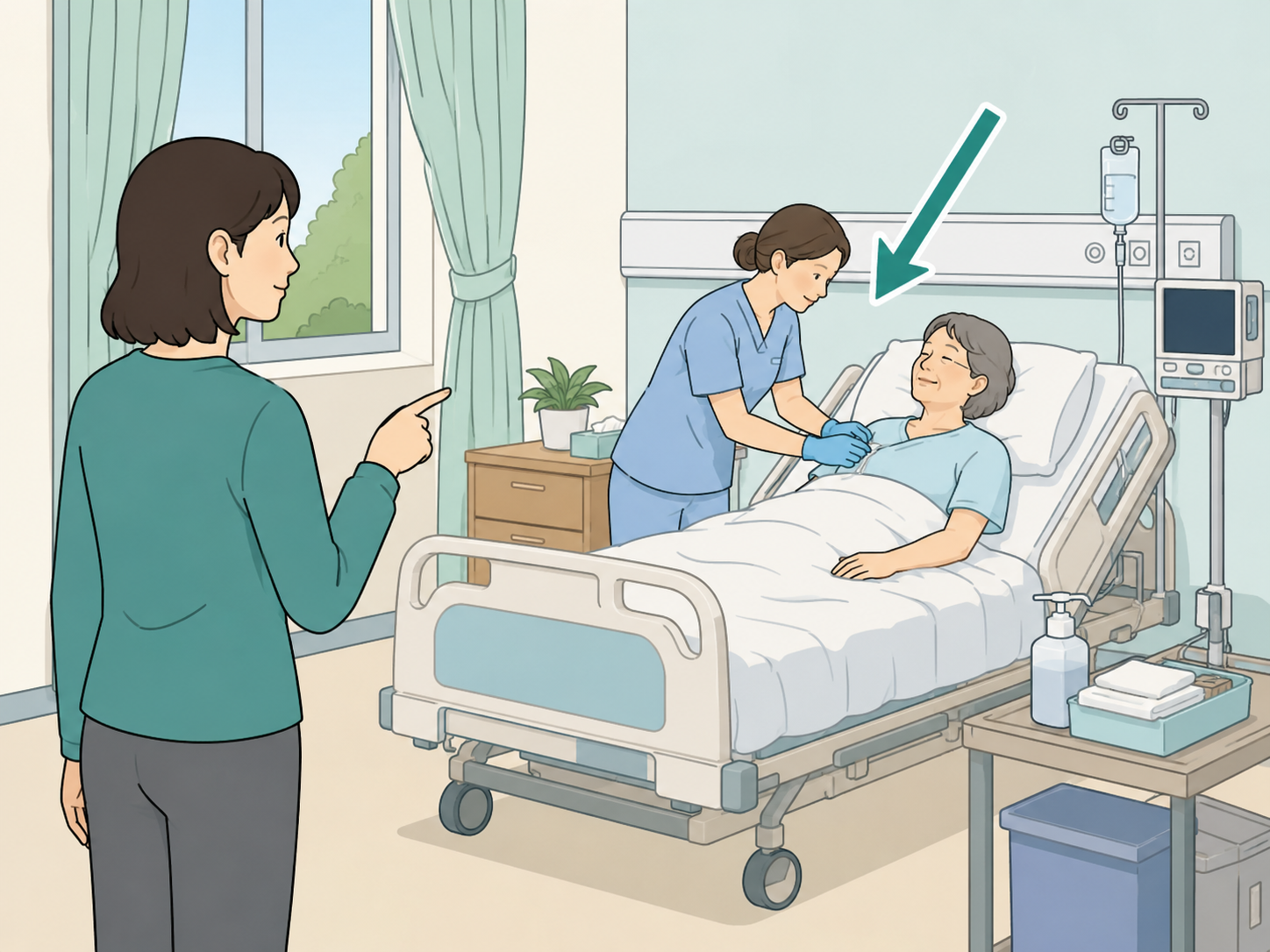
Before hunting for the hidden mistake, decide what is supposed to be happening in the picture: an exam, medication, wound care, a transfer, or a discharge. Safety clues depend on the task, and AHRQ encourages patients to ask questions and take part in care decisions rather than guessing silently.
Look for hand hygiene before contact
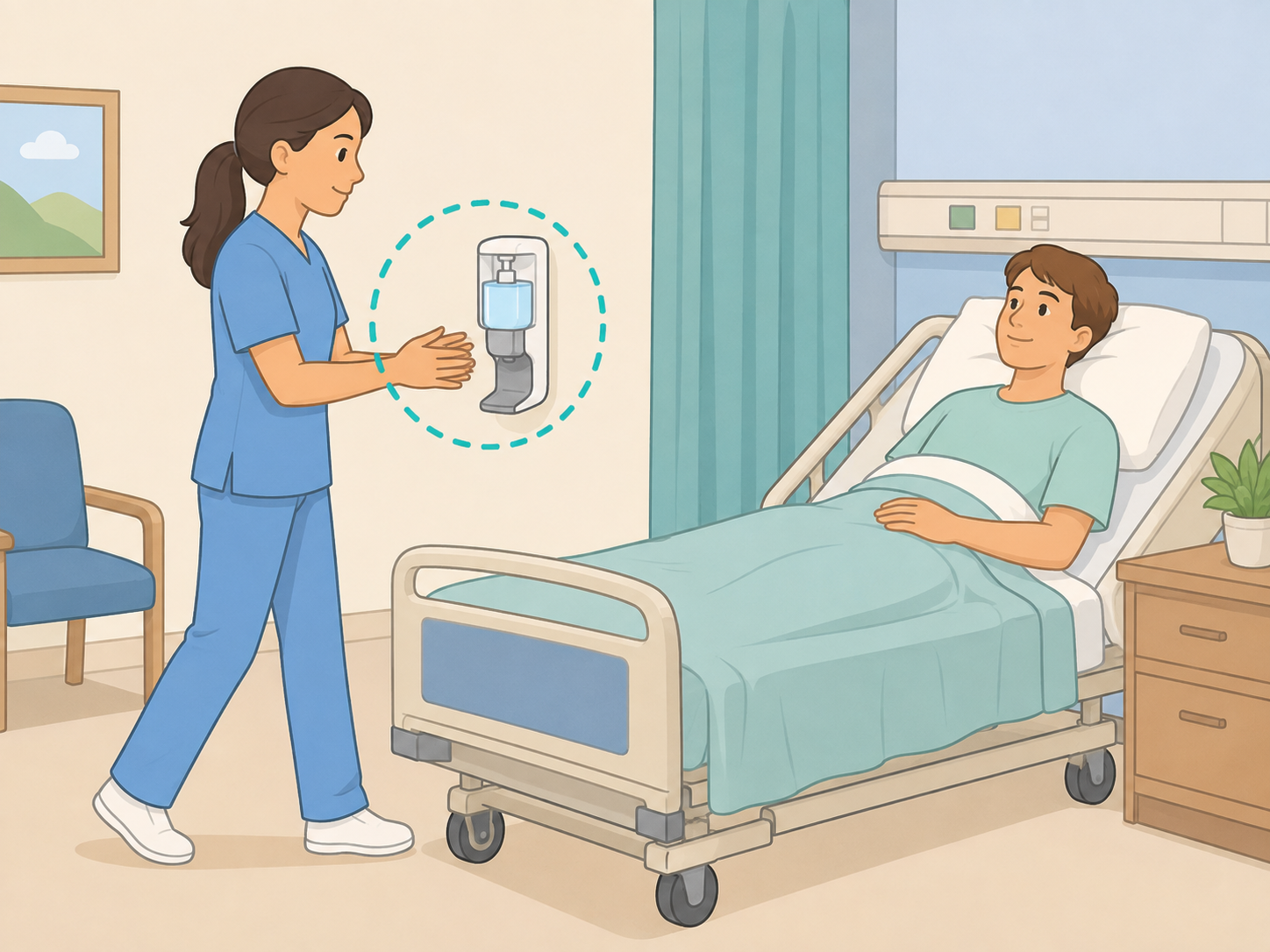
Check whether anyone is about to touch the patient, a wound, a catheter, or nearby equipment without first cleaning their hands. The CDC says patients and visitors can help by asking healthcare personnel to clean their hands, especially before direct contact or dressing changes.
Separate clean items from soiled items
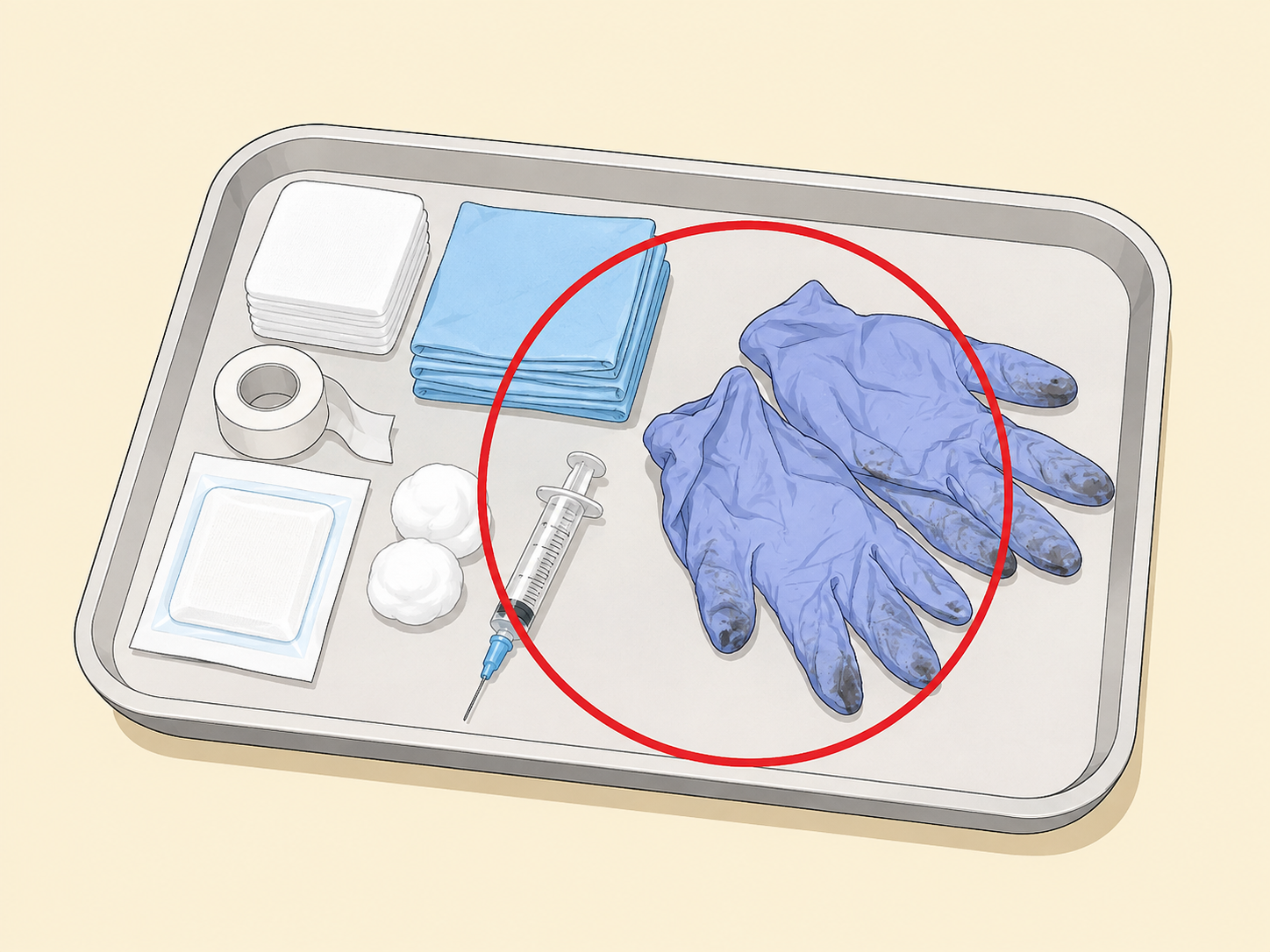
Scan trays, counters, beds, and sinks for mixed supplies, such as clean gauze next to used gloves or equipment sitting in a dirty area. CDC core practices call for environmental cleaning and separation of clean and soiled reusable equipment to reduce cross-contamination.
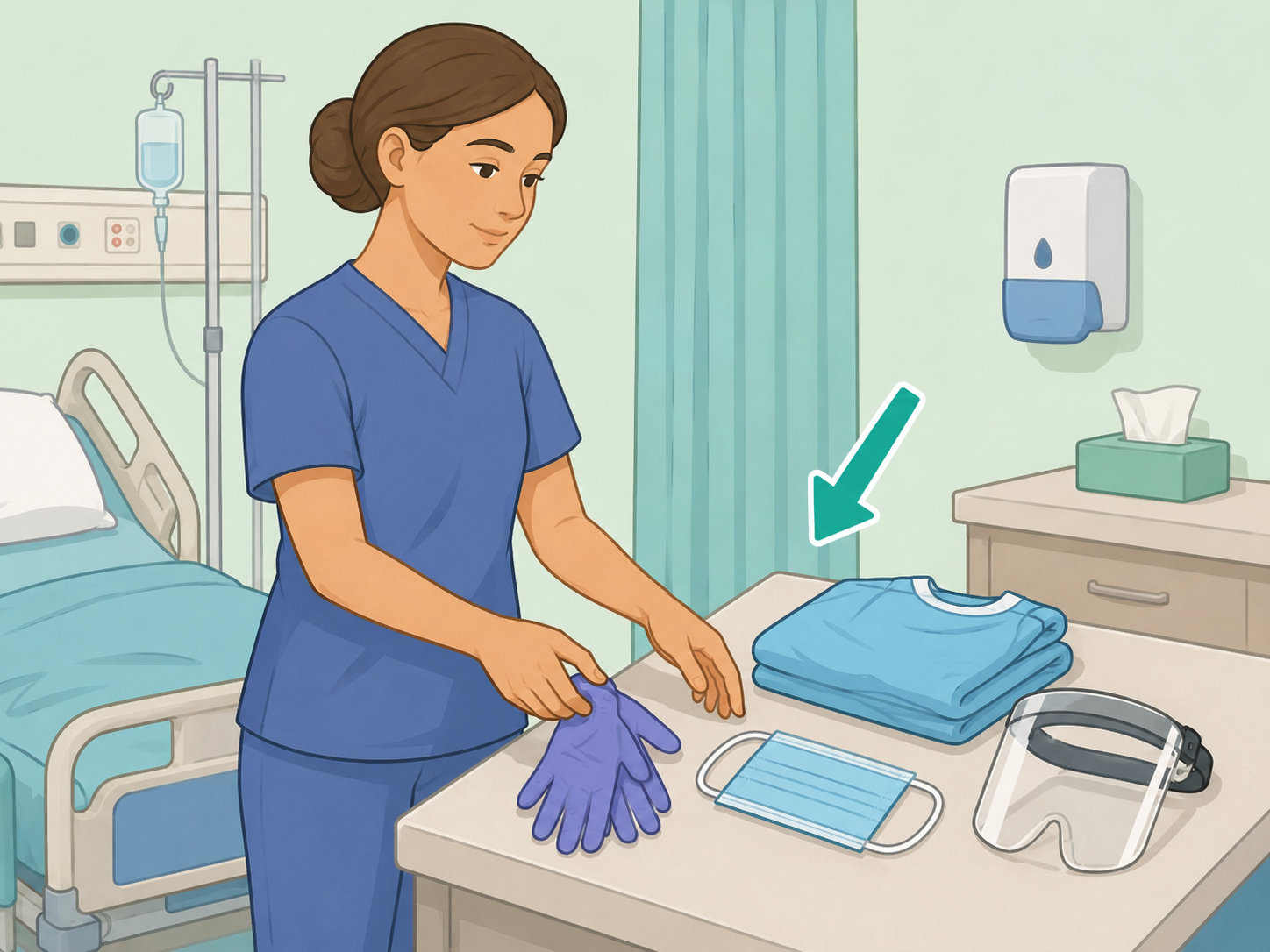
Match protective gear to the risk
Notice whether gloves, gowns, masks, or eye protection fit the situation shown. CDC guidance says protective equipment should be selected based on the possible exposure to blood, body fluids, mucous membranes, non-intact skin, contaminated equipment, or splashes.
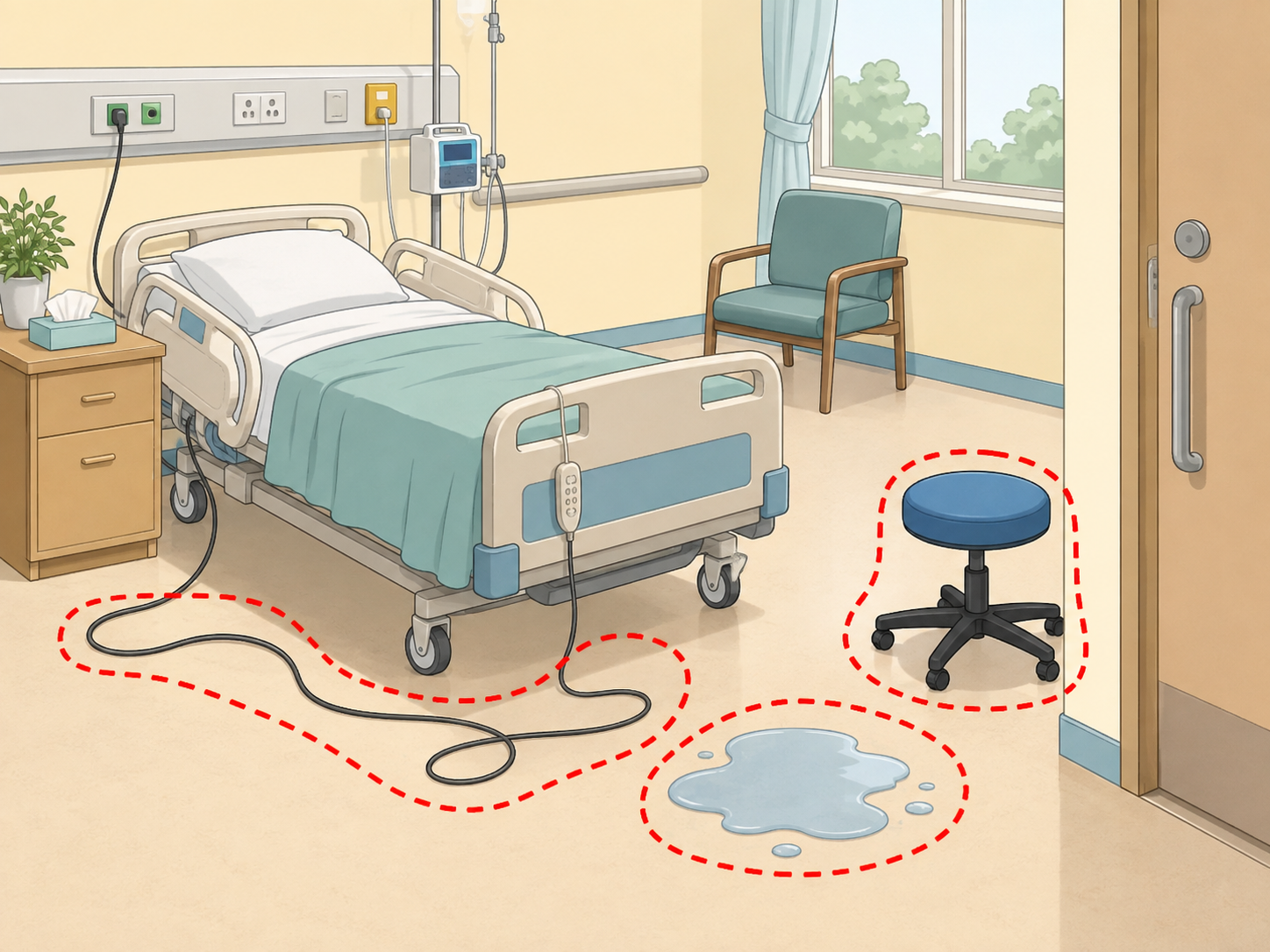
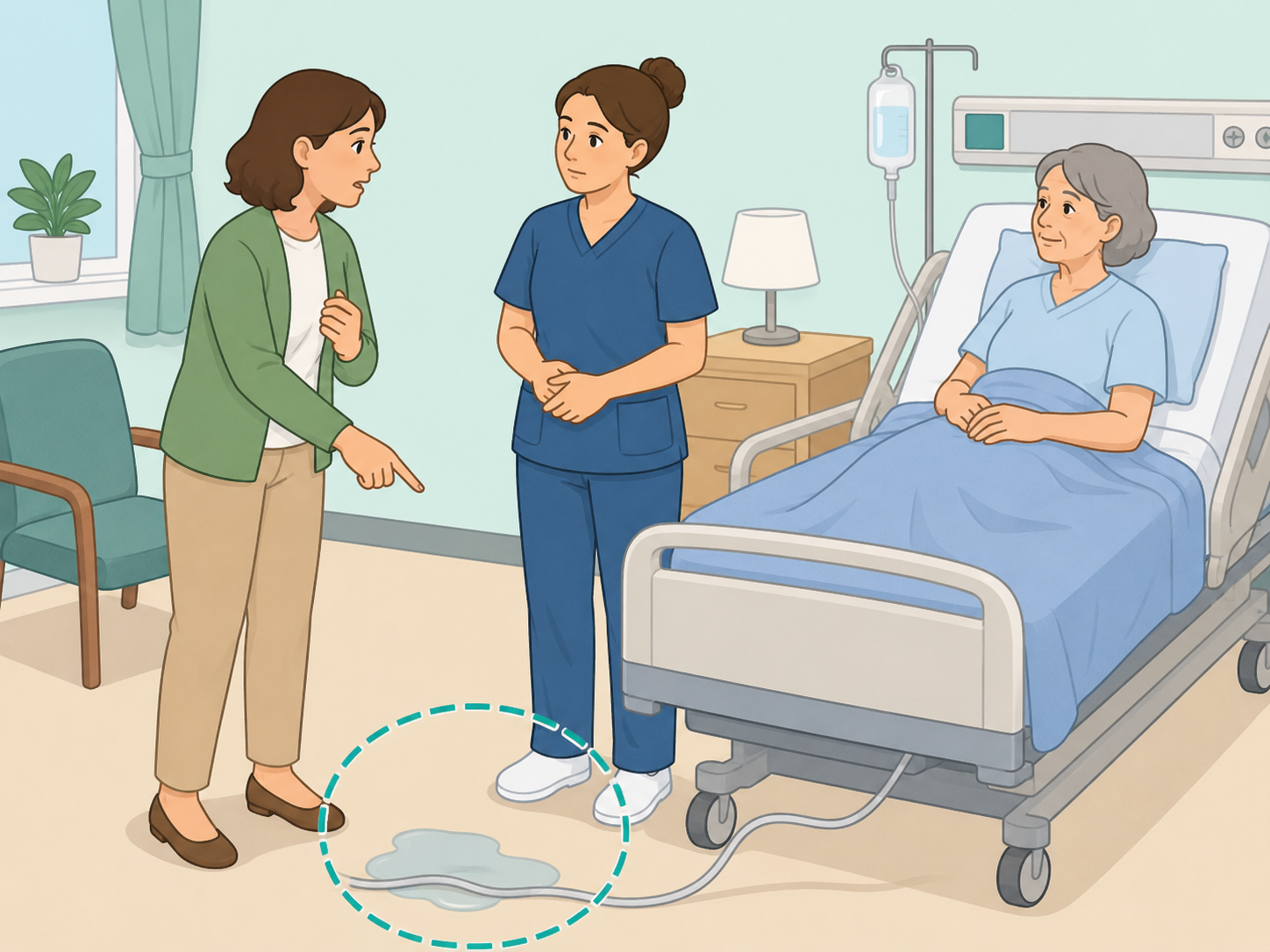
Spot fall hazards around the bed
Look at the floor, bed area, cords, furniture, lighting, and walking path. MedlinePlus lists poor lighting, slippery floors, equipment in the way, weakness, confusion, and unfamiliar surroundings as factors that can increase fall risk in the hospital.
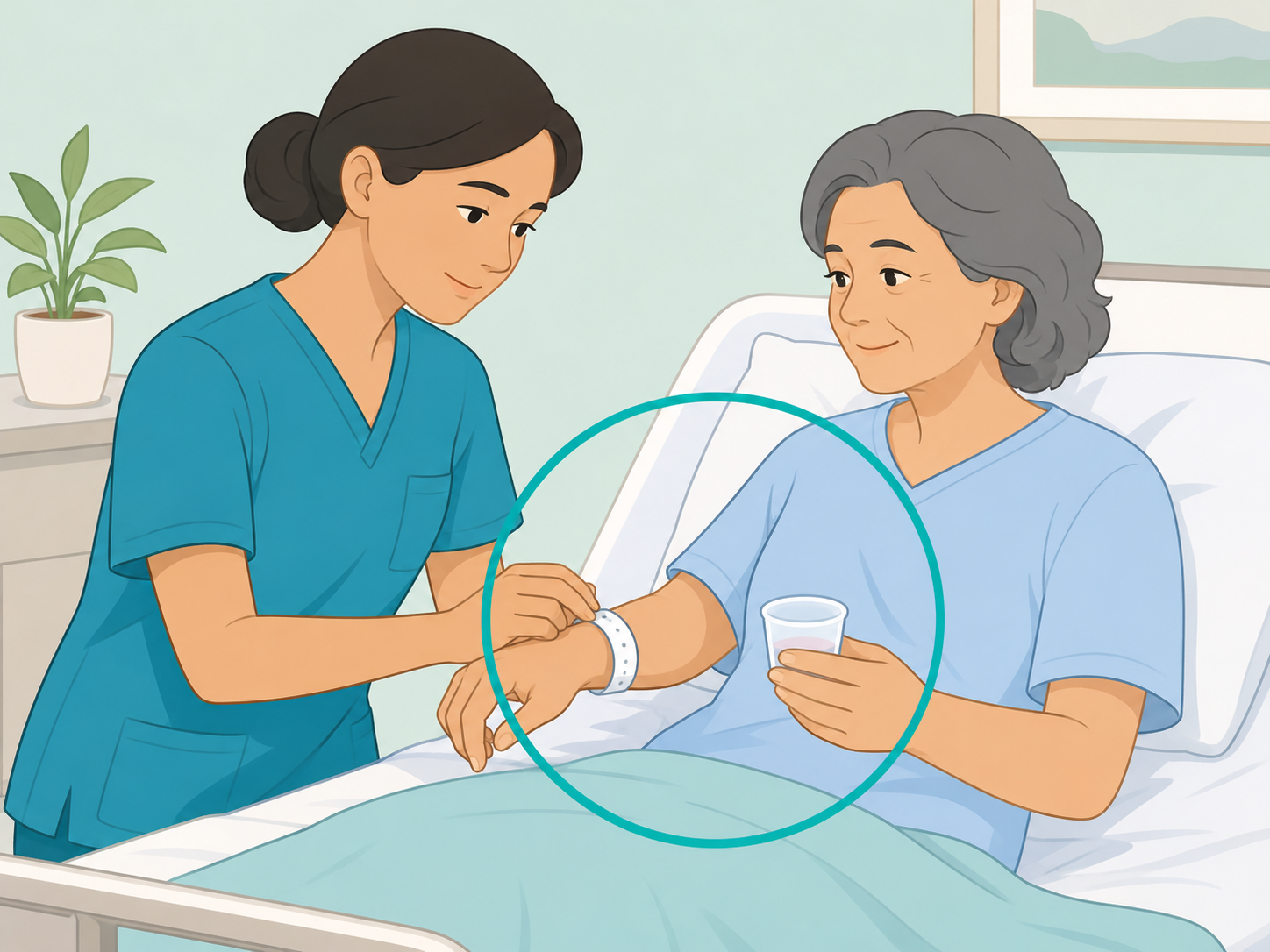
Check identity clues before treatment
If the scene shows medicine, a test, a meal for a special diet, a specimen, or a procedure, look for patient identification clues such as an attached ID band or a staff member confirming details. The Joint Commission explains that patient identifiers help match care, treatment, or services to the correct person, and a room number is not a unique identifier.
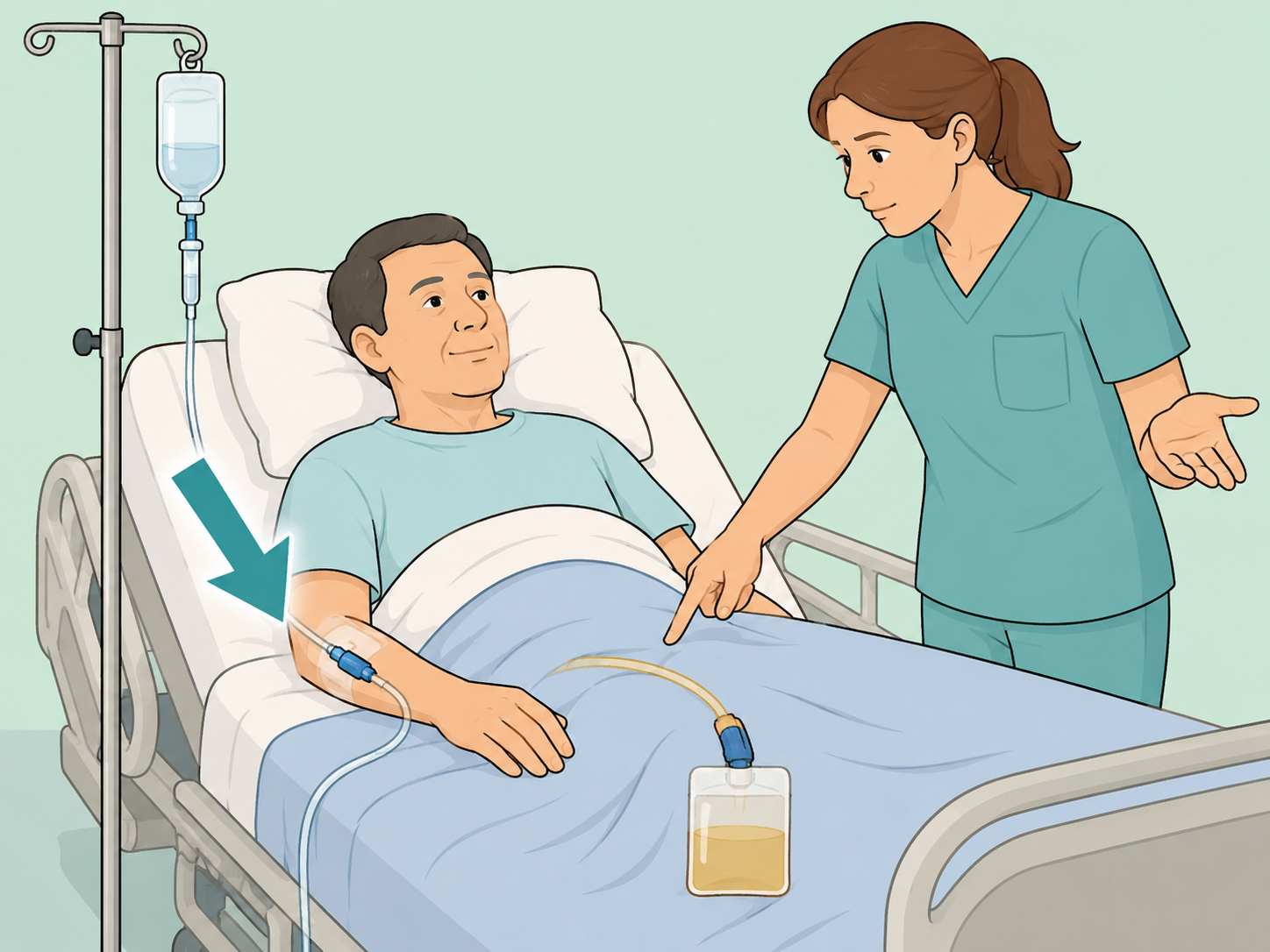
Question tubes, catheters, and lines
Notice whether the picture includes an IV line, urinary catheter, central line, or other device with no obvious reason. The CDC advises patients with urinary or central line catheters to ask each day when they can be removed, because leaving a catheter in too long can increase infection risk.
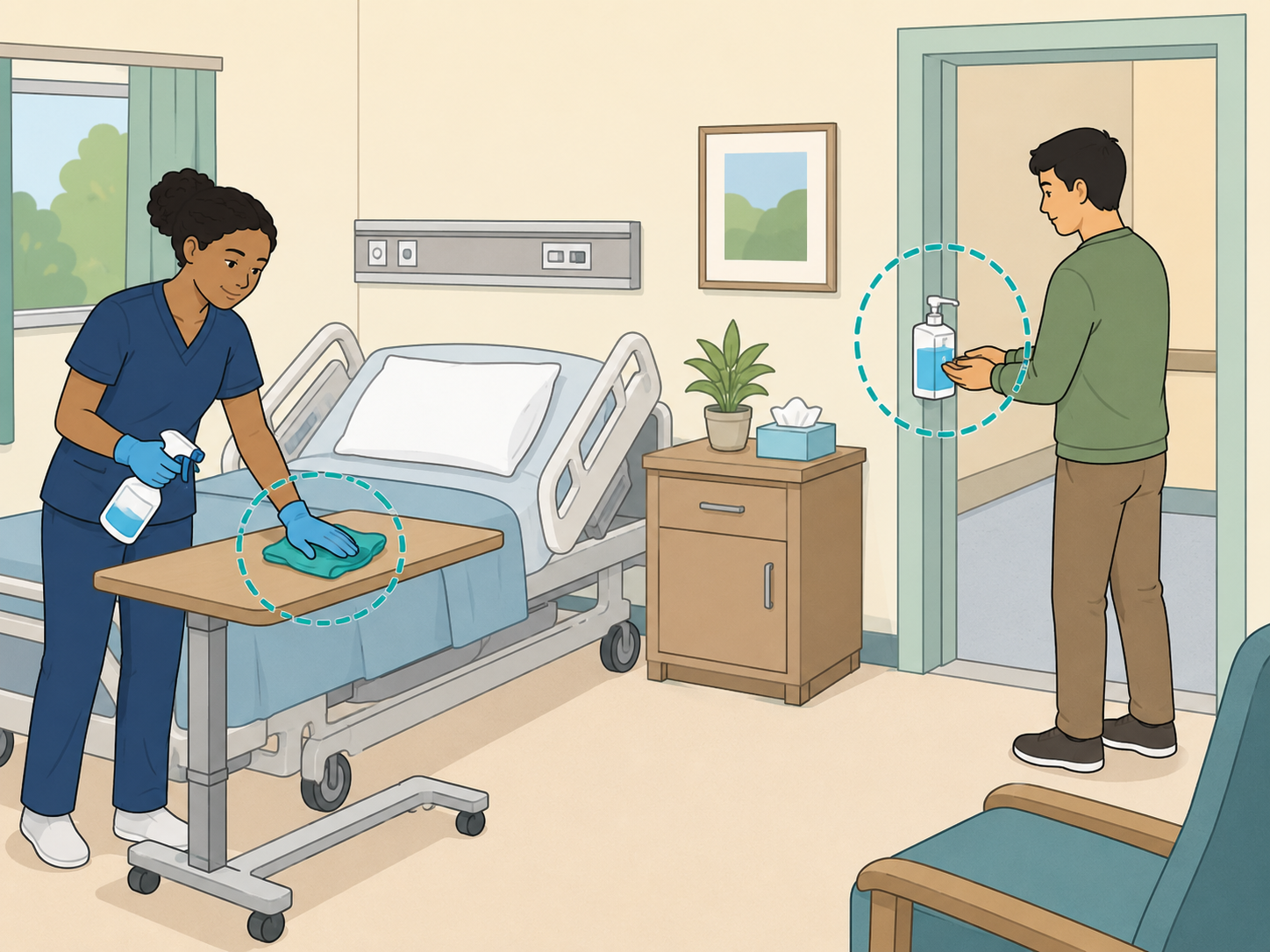
Notice room cleaning and visitor clues
Check whether the room looks clean enough for care and whether visitors appear to be following basic precautions. The CDC tells patients not to delay room cleaning and says healthcare workers may wear gowns and gloves to prevent germs from spreading on hands and clothing.
Seek help if the clue is real
If you are looking at an actual hospital room, not just a puzzle, tell a nurse, doctor, or qualified staff member if you see a possible hazard, a fall, worsening infection signs, a medication concern, or unclear discharge instructions. AHRQ says discharge plans should explain medicines, follow-up appointments, and who to call if a problem arises, so ask for help before leaving if anything is confusing.
Summary
The bottom line: the hidden mistake is easiest to find when you scan the picture in a steady order. Start with the care task, then check hands, clean equipment, protective gear, fall hazards, patient identity, tubes, cleaning, and whether a real concern should be raised with staff.
Frequently Asked Questions
- What should I look for first in a hospital picture puzzle?
- Start by identifying what care is happening, such as an exam, dressing change, medication, transfer, or discharge. Then check whether the safety details match that task.
- Is missing hand hygiene a real hospital safety concern?
- Yes. The CDC says clean hands help prevent the spread of germs in healthcare settings, and patients or visitors can politely remind staff or loved ones to clean their hands.
- Does a picture prove that a hospital made a mistake?
- No. A single image may be staged, edited, incomplete, or missing context. Treat it as a learning exercise unless you are actually present and a real patient may be unsafe.
- What is a common hidden mistake in hospital scenes?
- Common visual clues include a missing ID band, clutter near the bed, clean supplies placed near soiled items, staff touching a patient without visible hand hygiene, or tubes and devices with no clear purpose.
- When should someone speak up in a real hospital room?
- Speak up right away if you see a possible fall risk, a missed hand-cleaning moment before patient contact, worsening signs of infection, a medication or ID concern, or anything that makes the patient feel unsafe.
- Can visitors help prevent hospital infections?
- Visitors can help by cleaning their hands, staying away when sick, avoiding clutter around the bed, and following staff instructions about masks, gowns, or gloves.
References
Reliable references aided in composing and refining this content.
- https://www.cdc.gov/healthcare-associated-infections/about/index.html
- https://www.cdc.gov/Clean-Hands/About/Hand-Hygiene-for-Healthcare.html
- https://www.cdc.gov/infection-control/hcp/core-practices
- https://www.cdc.gov/patient-safety/about/index.html
- https://www.ahrq.gov/questions/resources/20-tips.html
- https://medlineplus.gov/ency/patientinstructions/000441.htm
- https://www.ahrq.gov/questions/resources/going-home/index.html
- https://www.jointcommission.org/en-us/knowledge-library/support-center/standards-interpretation/standards-faqs/000001463