
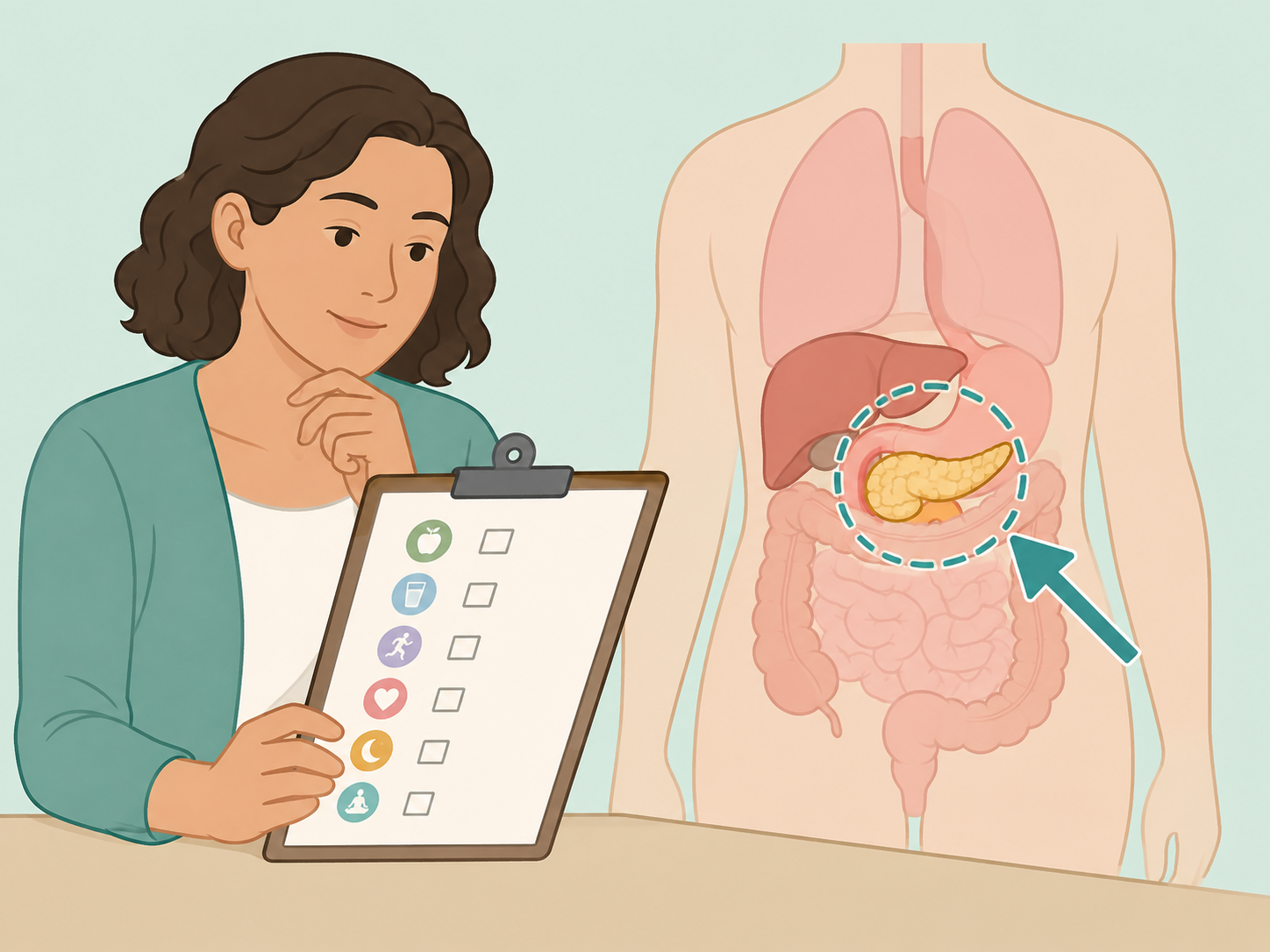
 Pin it
Pancreas failure is not one single diagnosis, but people often use the phrase when they mean pancreatic diseases that affect digestion or blood sugar. The pancreas makes digestive juices and hormones that help control blood sugar, so problems can show up in several everyday ways, according to MedlinePlus. This guide explains signs to notice, what patterns matter, and when to seek medical help.
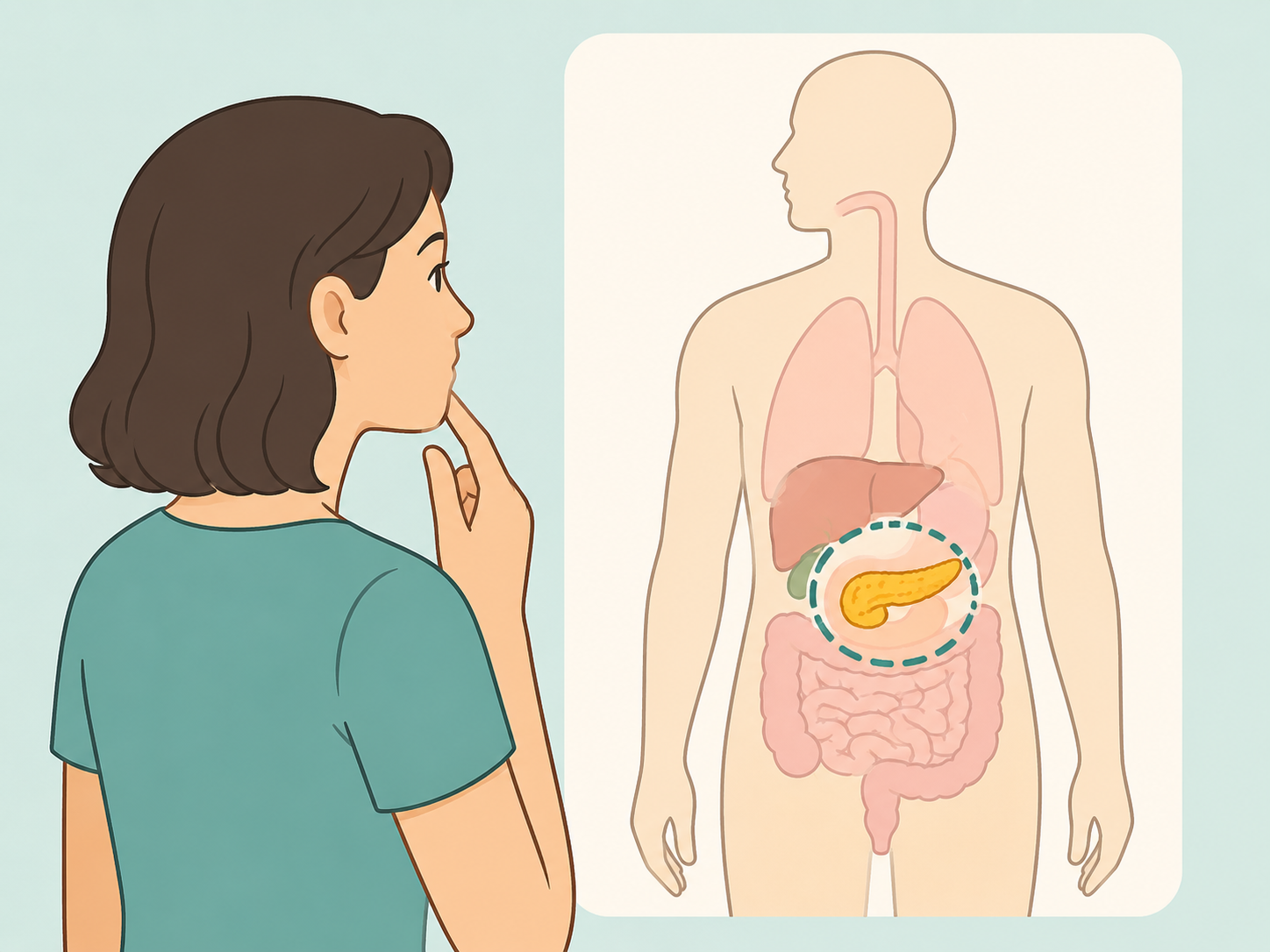
Learn what the pancreas does
Start by understanding why symptoms can seem unrelated. The pancreas helps digest food and helps regulate blood sugar, so pancreatic diseases may cause digestive symptoms, weight changes, or diabetes-like symptoms, according to MedlinePlus. Avoid using online lists to diagnose yourself because several common conditions can cause the same symptoms.
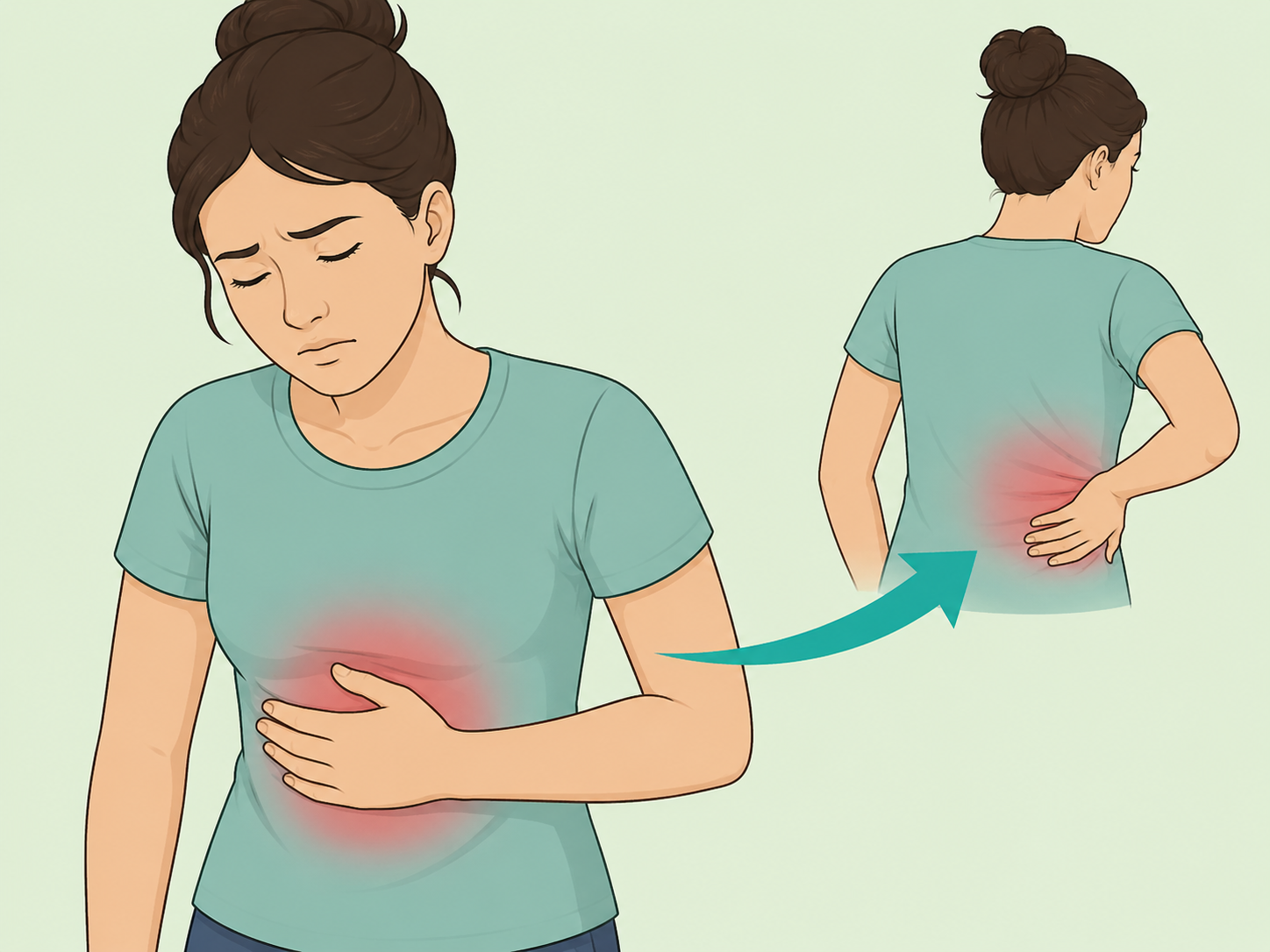
Notice upper belly pain that reaches your back
Pay attention to pain in the upper abdomen, especially if it spreads to the back or shoulders, becomes constant, or feels worse after eating. Mayo Clinic lists these as possible symptoms of pancreatitis. Mild indigestion is common, but pain that is new, persistent, or severe should not be brushed off.
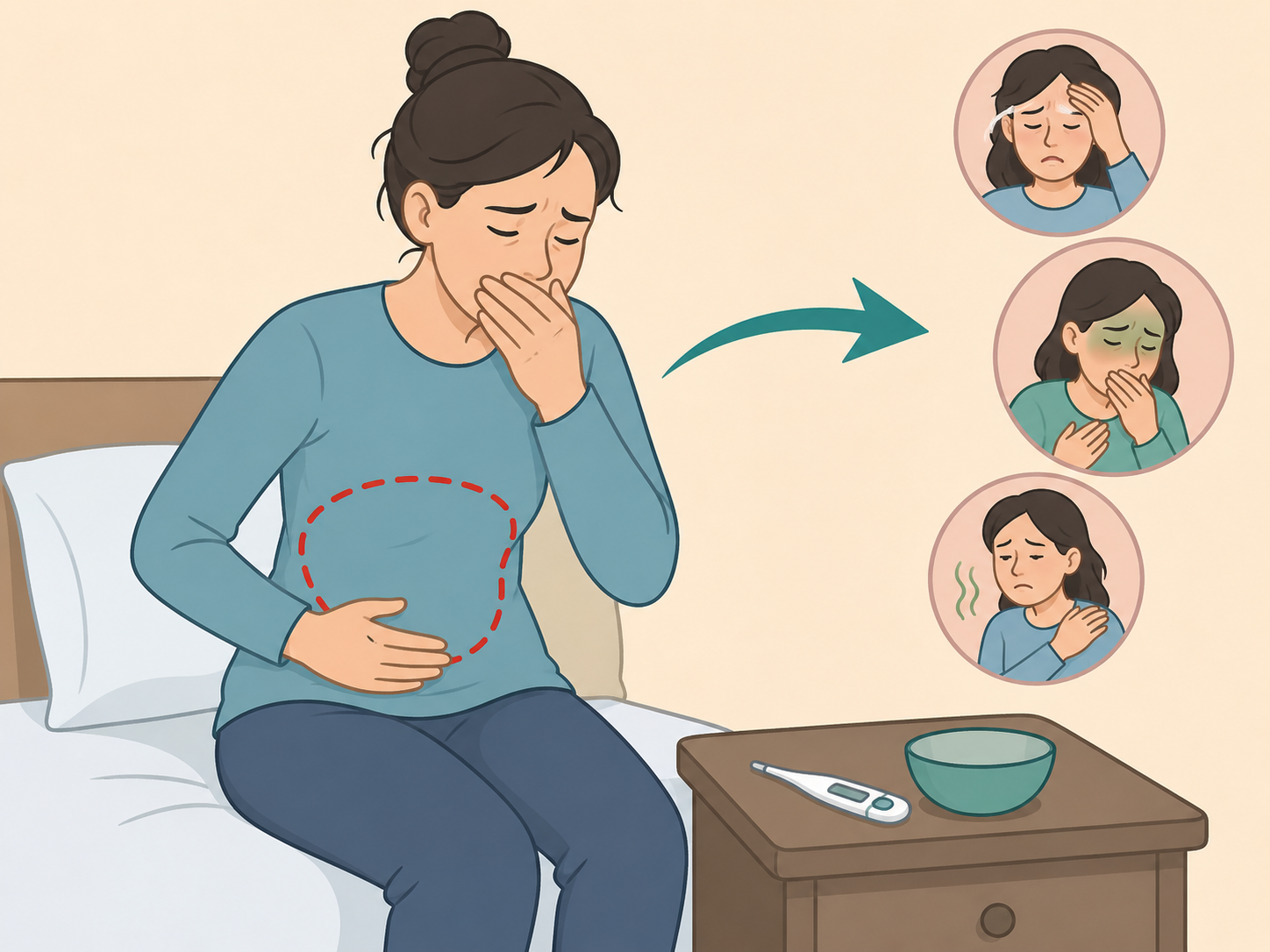
Watch nausea, vomiting, fever, or a racing heartbeat
Take stomach upset more seriously when nausea or vomiting comes with upper abdominal pain, fever, sweating, or a fast heartbeat. These symptoms can occur with pancreatic inflammation, and MedlinePlus notes that lipase testing may be used when symptoms suggest a pancreatic problem. Seek urgent care if vomiting will not stop or you feel very ill.
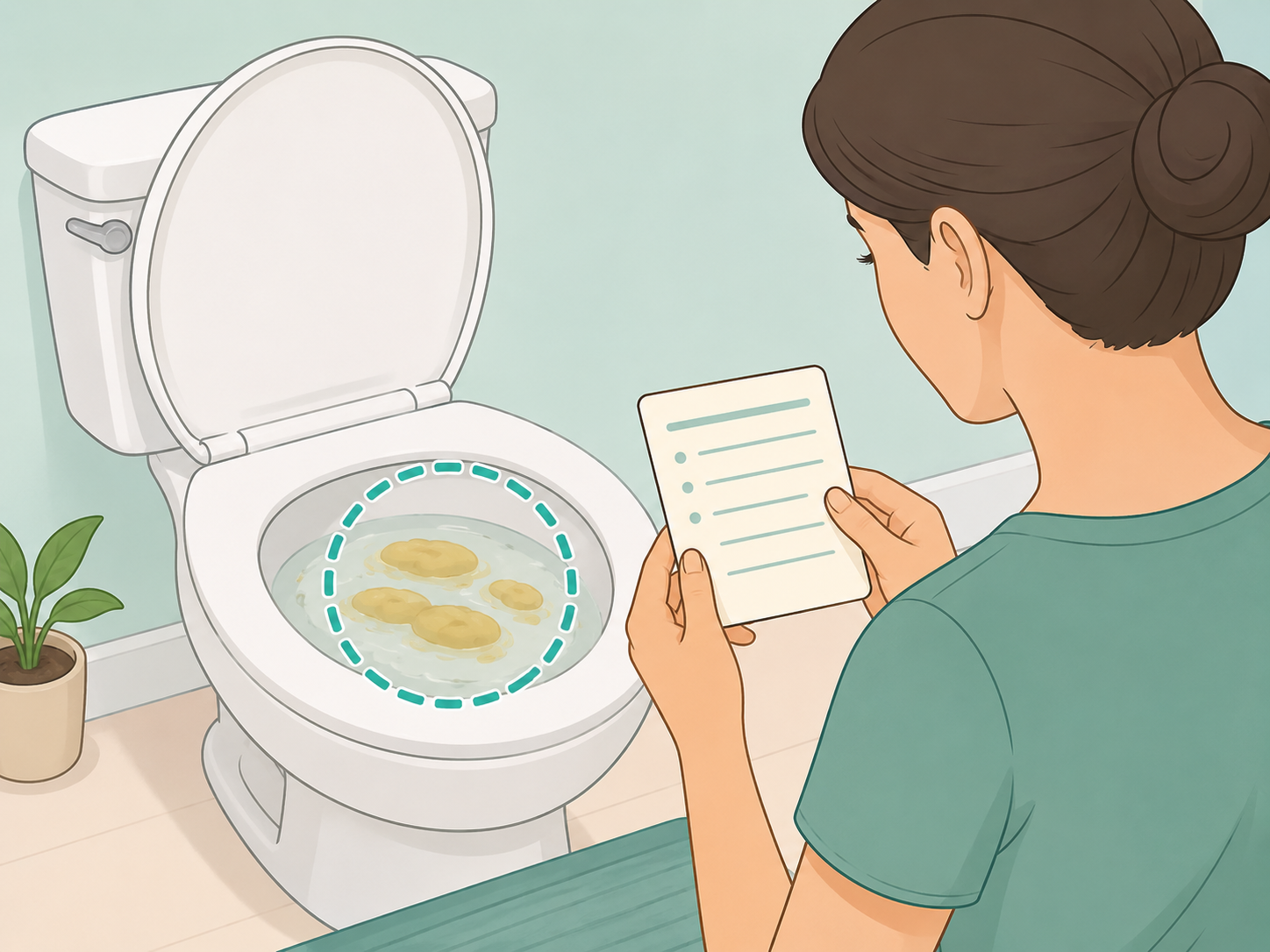
Check for oily, pale, floating, or foul-smelling stools
Look for stool changes that keep happening, such as diarrhea, pale stools, greasy residue, floating stools, or unusually foul odor. NIDDK says exocrine pancreatic insufficiency can cause bloating, cramps, pain, diarrhea, and problems absorbing nutrients. Mention these details clearly because they can help your clinician decide what to test.
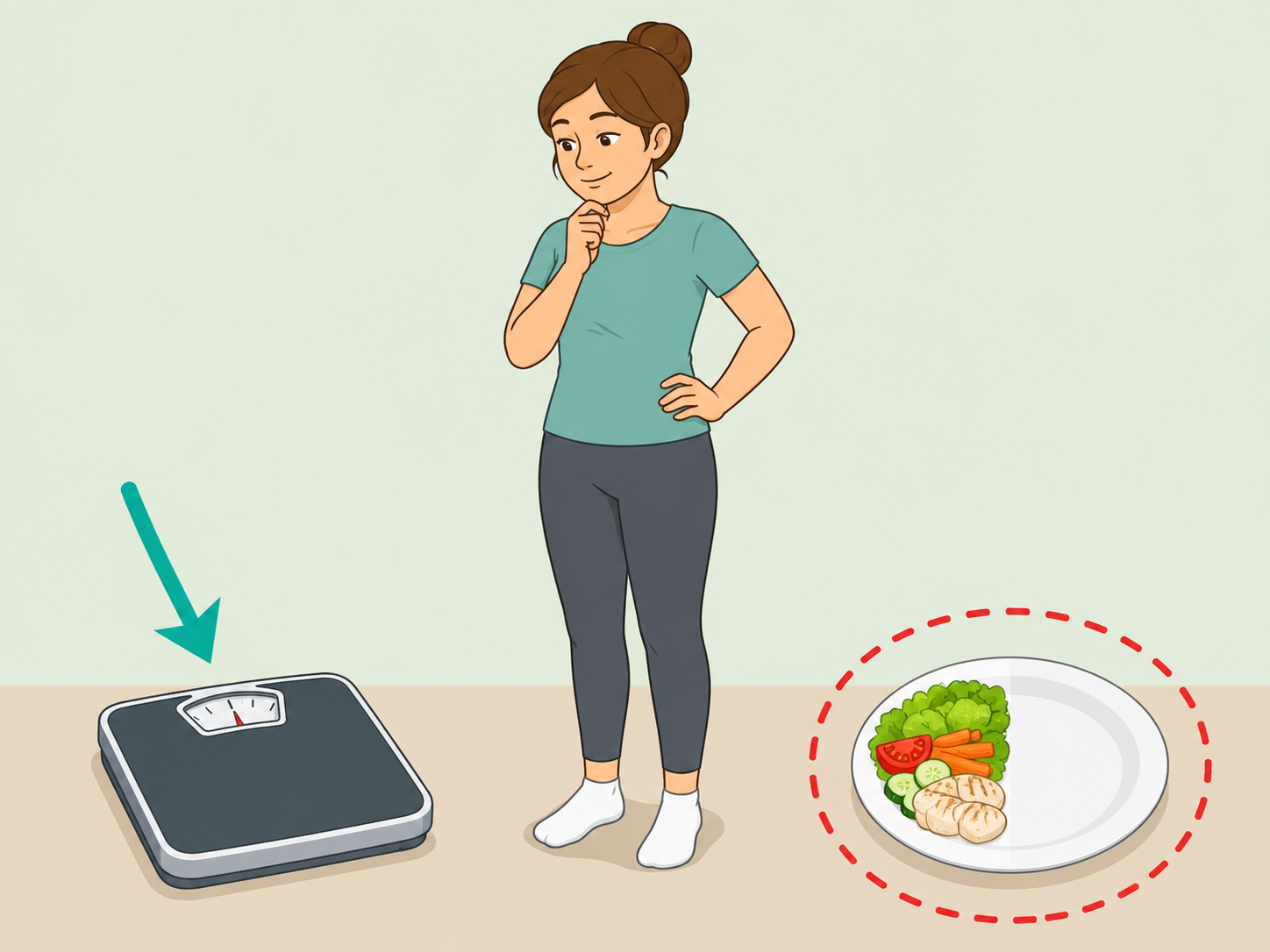
Take unexplained weight loss or appetite loss seriously
Track weight loss, loss of appetite, or feeling full much sooner than usual when you have not changed your eating or activity habits. Unexplained weight loss can appear with chronic pancreatitis and is also listed by Mayo Clinic among possible pancreatic cancer symptoms. These signs do not prove cancer, but they do deserve a medical visit.
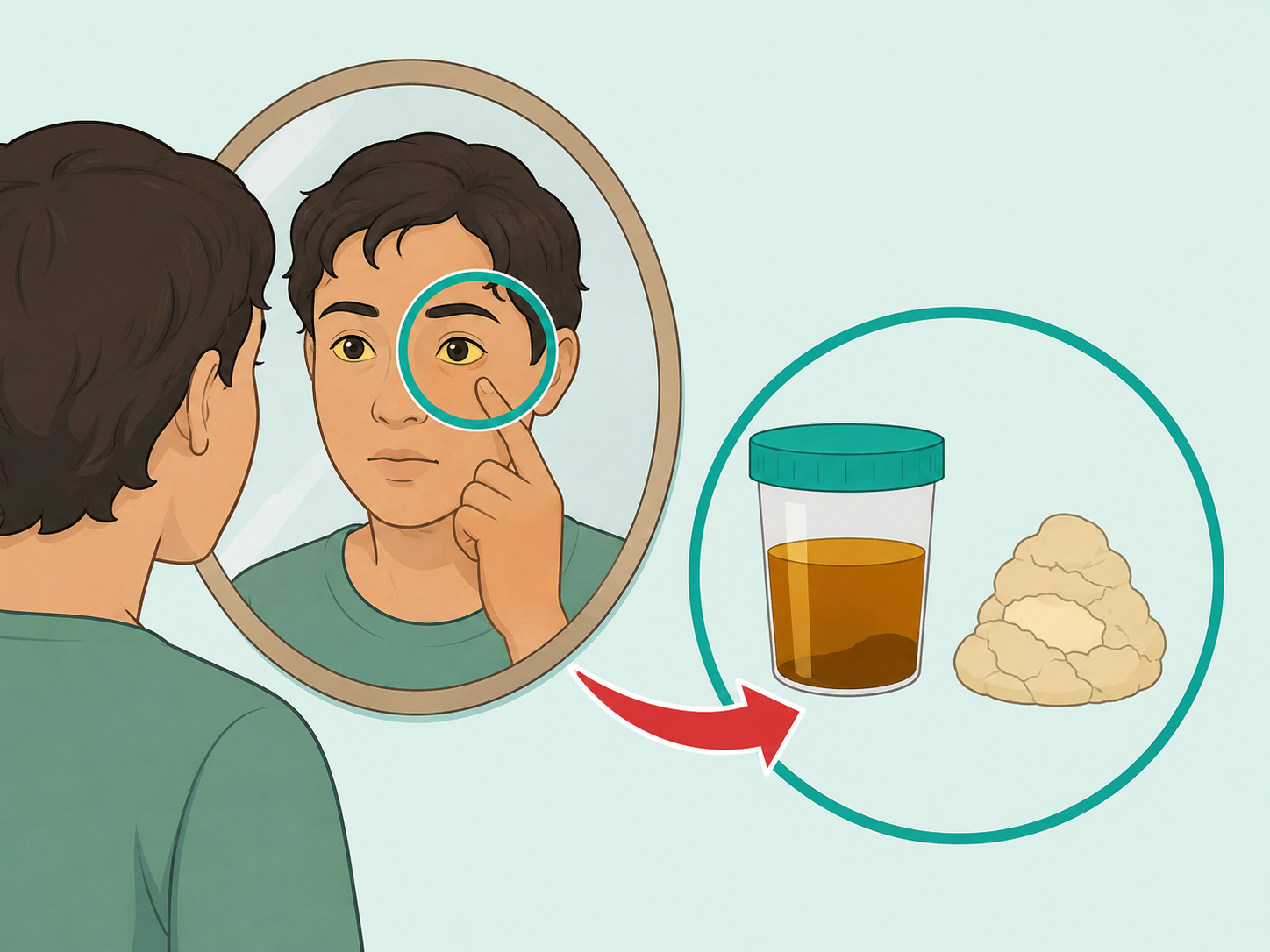
Look for yellow eyes, dark urine, itching, or pale stool
Check your eyes, skin, urine, and stool if you feel generally unwell or notice digestive changes. The NHS lists jaundice, itchy skin, darker urine, and paler stool as symptoms that can occur with pancreatic cancer, while also noting that these symptoms can have other causes. Yellowing of the eyes or skin should be checked urgently.
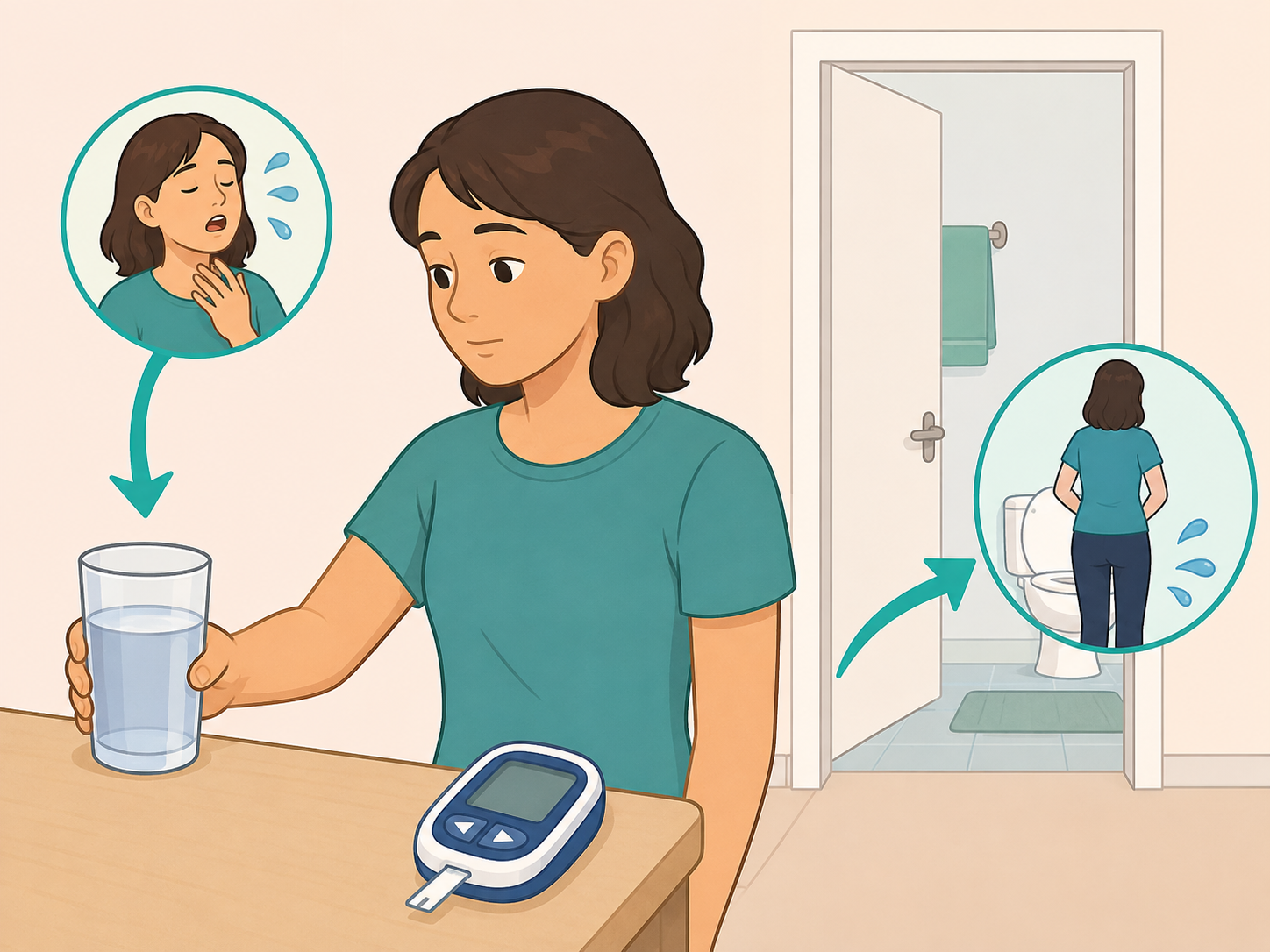
Track thirst, urination, hunger, fatigue, or blurry vision
Notice new or worsening blood sugar symptoms, especially frequent urination, increased thirst or hunger, tiredness, blurry vision, or losing weight without trying. The CDC lists these as possible diabetes symptoms, and the pancreas is involved in insulin production. If you already have diabetes and it becomes harder to control, tell your clinician.

Review your risk factors without assuming the cause
Make a simple list of factors that may matter, such as a history of gallstones, heavy alcohol use, smoking, obesity, diabetes, family history of pancreatic disease, or past pancreatitis. Mayo Clinic identifies several of these as pancreatitis risks or causes. This context helps your doctor, but it should not replace a proper evaluation.

Keep a short symptom log before your appointment
Write down when symptoms started, where pain is located, whether meals make it worse, stool changes, weight changes, vomiting, fever, alcohol use, medicines, and any diabetes readings if you monitor them. For pancreatic concerns, Mayo Clinic notes that evaluation may include history, exam, blood tests, imaging, stool tests, or pancreatic function tests. Bring your notes rather than trying to remember everything during the visit.

Seek medical help for severe, sudden, or persistent symptoms
Get immediate medical help if abdominal pain is severe, you cannot sit still or find a comfortable position, you have yellow eyes or skin, or vomiting does not stop. Make a prompt appointment for symptoms that are new, worsening, unexplained, or lasting more than a couple of weeks, especially weight loss, stool changes, or ongoing upper belly pain. Early evaluation is safer than waiting for symptoms to become obvious.
Summary
The bottom line: pancreatic problems can look like ordinary stomach trouble at first, but persistent upper belly pain, oily stools, jaundice, unexplained weight loss, or new blood sugar symptoms deserve medical attention. Use these signs as a reason to get checked, not as a way to diagnose yourself.
Frequently Asked Questions
- Does having these symptoms mean my pancreas is failing?
- No. Many of these symptoms can come from common digestive illnesses, gallbladder problems, infections, diabetes, or other conditions. They are reasons to get checked by a health professional, not proof of pancreatic disease.
- What does pancreas pain usually feel like?
- Pancreatic inflammation can cause upper belly pain that may spread to the back or shoulders and may feel worse after eating, according to Mayo Clinic. Severe or persistent pain should be evaluated.
- Why are oily or floating stools linked with the pancreas?
- The pancreas makes enzymes that help digest fat. When too few enzymes reach the intestine, stools may become pale, oily, foul-smelling, loose, or floating, as described by NIDDK.
- Is jaundice always caused by pancreatic cancer?
- No. Yellow skin or eyes, dark urine, pale stools, and itching can have several causes, including liver or bile duct conditions. Because jaundice can be serious, it should be checked urgently.
- Can diabetes symptoms be related to the pancreas?
- Yes. The pancreas helps regulate blood sugar by releasing insulin, and diabetes symptoms can include frequent urination, increased thirst or hunger, fatigue, blurry vision, and unexplained weight loss.
- What tests might a doctor use for possible pancreatic problems?
- Depending on your symptoms, a clinician may consider blood tests, stool tests, ultrasound, CT, MRI, endoscopic ultrasound, or other tests. Ask what each test is looking for and how the result will guide next steps.
References
Reliable references aided in composing and refining this content.
- https://medlineplus.gov/pancreaticdiseases.html
- https://www.mayoclinic.org/diseases-conditions/pancreatitis/symptoms-causes/syc-20360227
- https://www.mayoclinic.org/diseases-conditions/pancreatic-cancer/symptoms-causes/syc-20355421
- https://www.niddk.nih.gov/health-information/digestive-diseases/exocrine-pancreatic-insufficiency
- https://www.cdc.gov/diabetes/signs-symptoms/index.html
- https://medlineplus.gov/lab-tests/lipase-tests
- https://www.mayoclinic.org/diseases-conditions/pancreatitis/diagnosis-treatment/drc-20360233
- https://www.nhs.uk/conditions/pancreatic-cancer/symptoms