
 Pin it
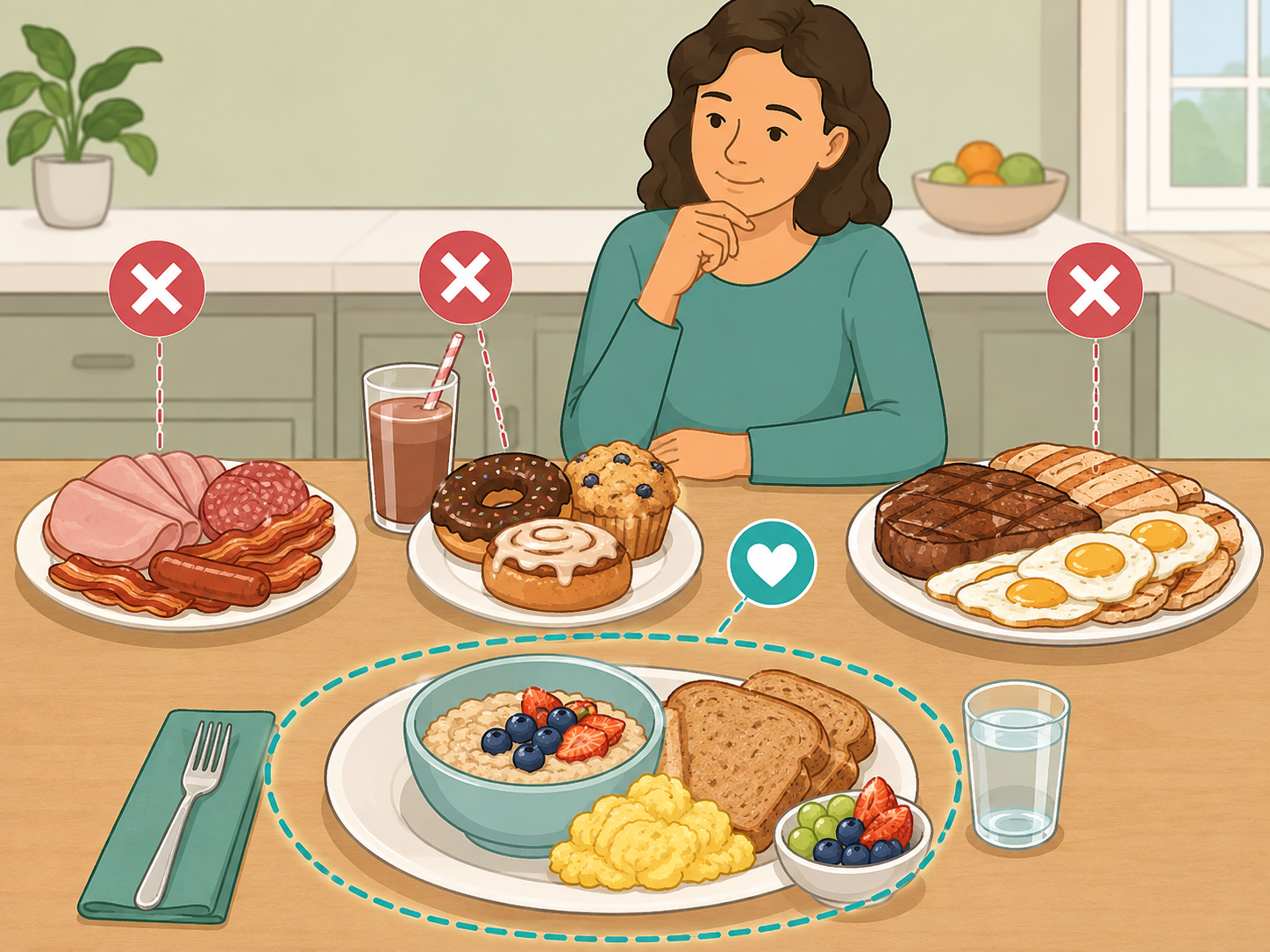
No single breakfast automatically damages healthy kidneys, but repeated choices can add pressure if they raise blood pressure, blood sugar, or waste products your kidneys must filter. This guide explains three breakfast patterns to watch: salty processed meals, sugary refined-carb meals, and oversized high-protein meals. It also shows how to build a calmer, kidney-aware breakfast without trying to diagnose or treat yourself.
Check your personal kidney risk first
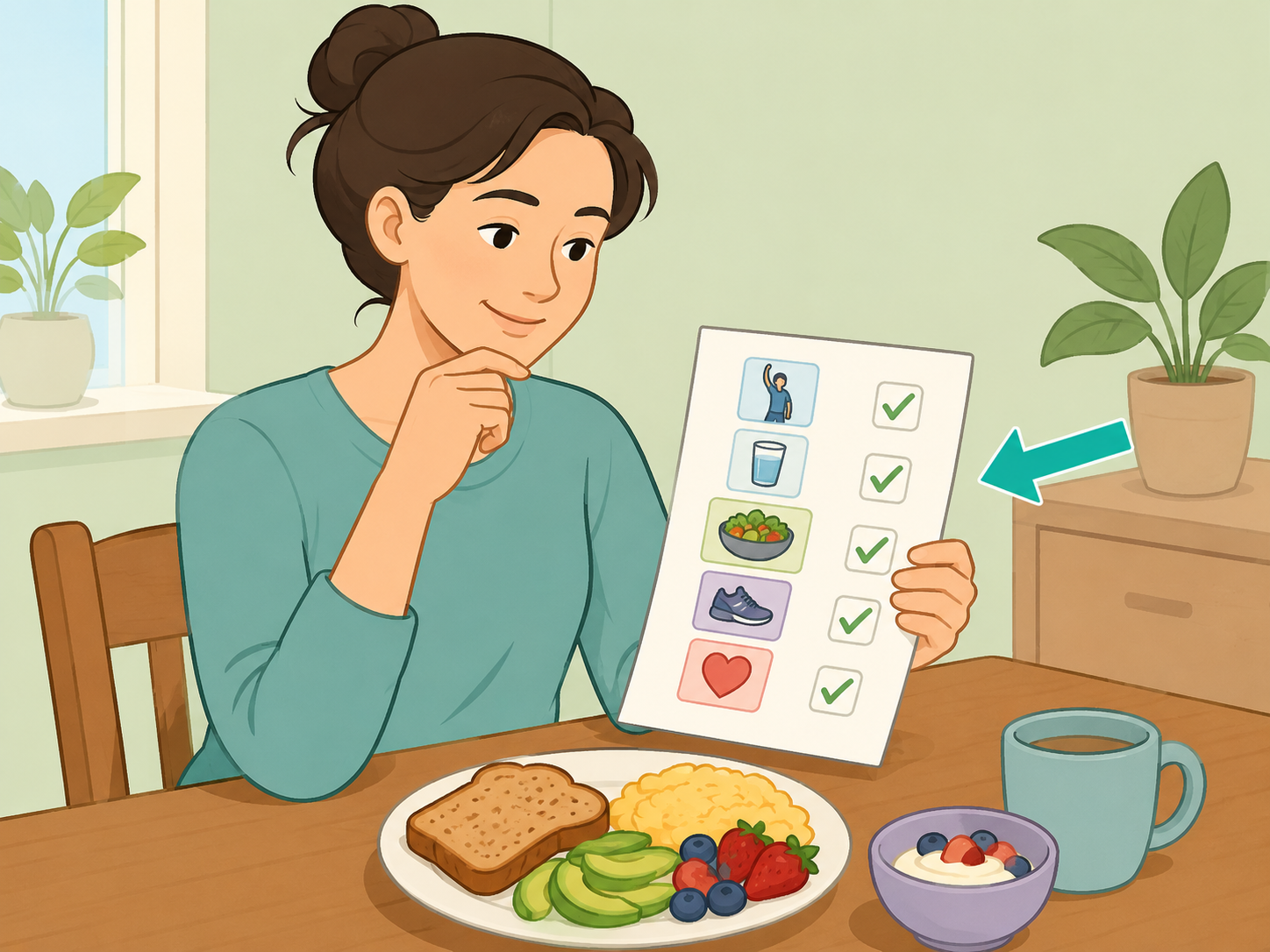
Be cautious with kidney headlines because risk is not the same for everyone. The NIDDK lists diabetes, high blood pressure, heart disease, and family history of kidney failure as important risk factors, and early kidney disease may have no symptoms. If you already have CKD, your safest breakfast plan should be based on your lab results and medical advice.
Limit salty processed breakfasts
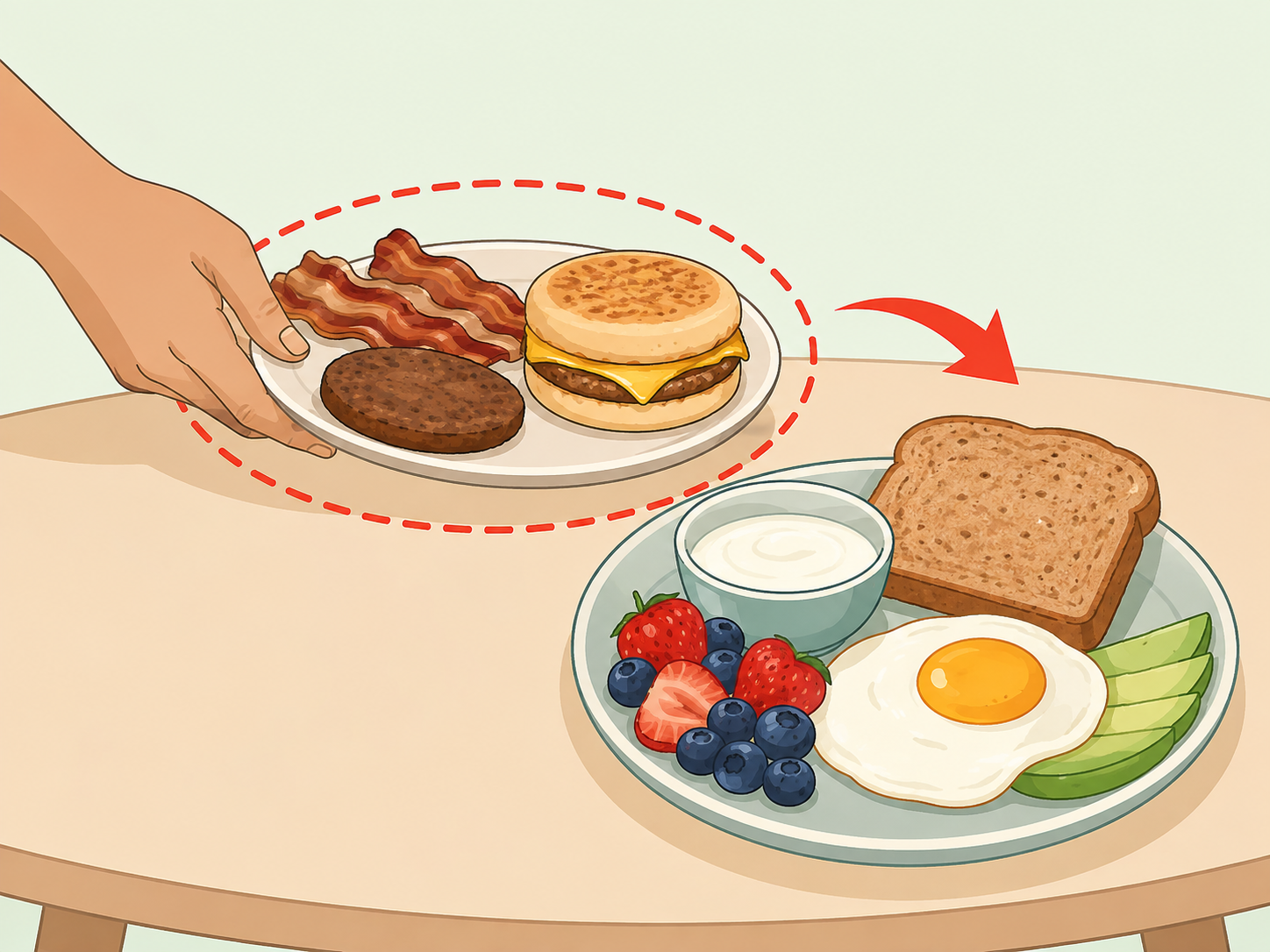
Watch breakfasts built around bacon, sausage, ham, fast-food sandwiches, salty biscuits, and packaged hash browns. Mayo Clinic explains that sodium can build up when kidneys cannot remove enough of it, increasing blood volume and pressure. For people with CKD, NIDDK also notes that many processed meats and restaurant foods can be high in sodium.
Cut back on sugary refined-carb breakfasts
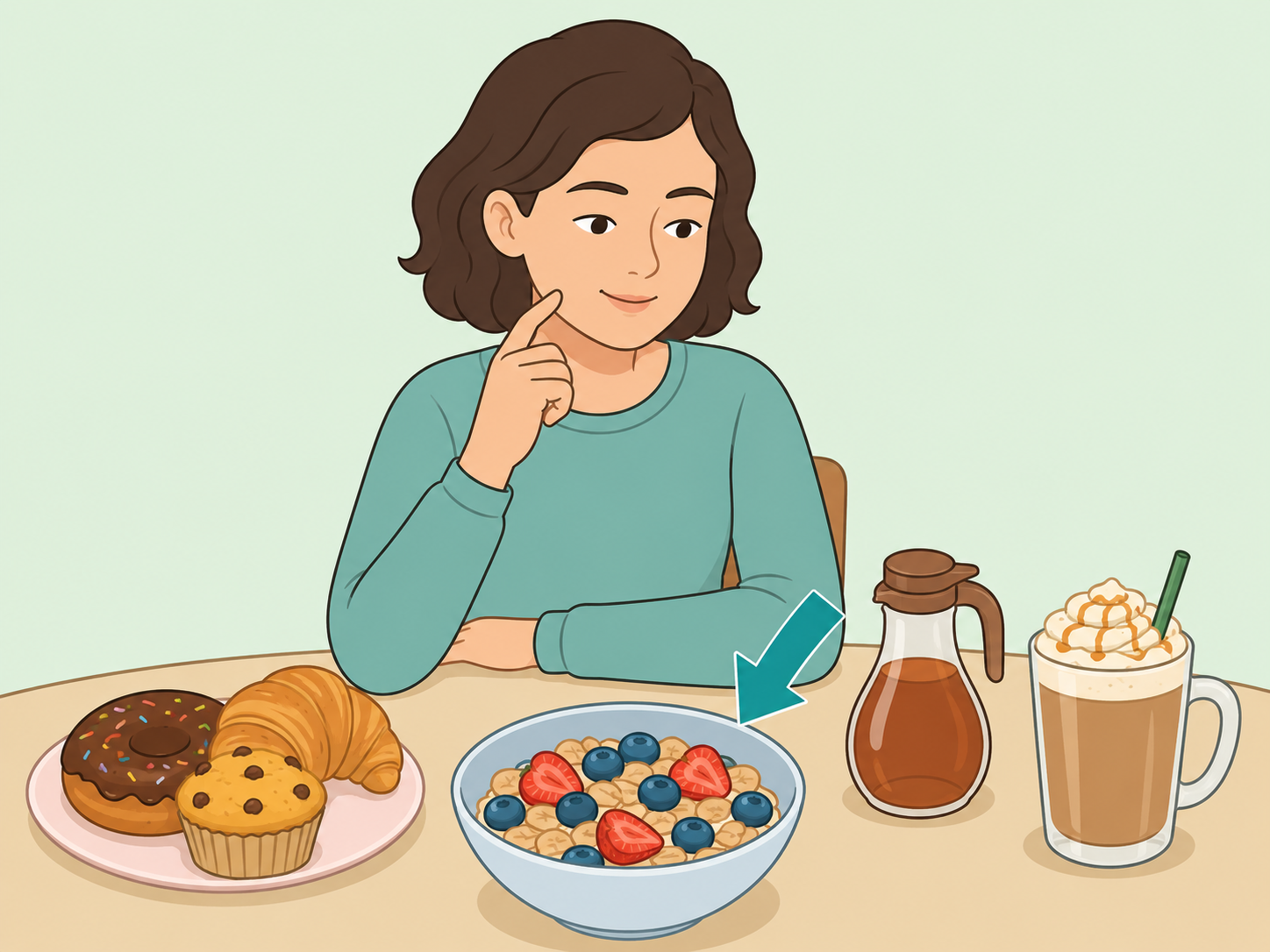
Pastries, sweet cereals, toaster desserts, syrup-heavy pancakes, sweet coffee drinks, and juice-only breakfasts can push added sugar and refined carbohydrates high early in the day. The CDC advises people managing diabetes and CKD to eat less salt, sugar, and refined carbs because blood sugar control helps protect the kidneys. Choose a breakfast with fiber, protein, and unsweetened drinks instead of making sugar the main event.
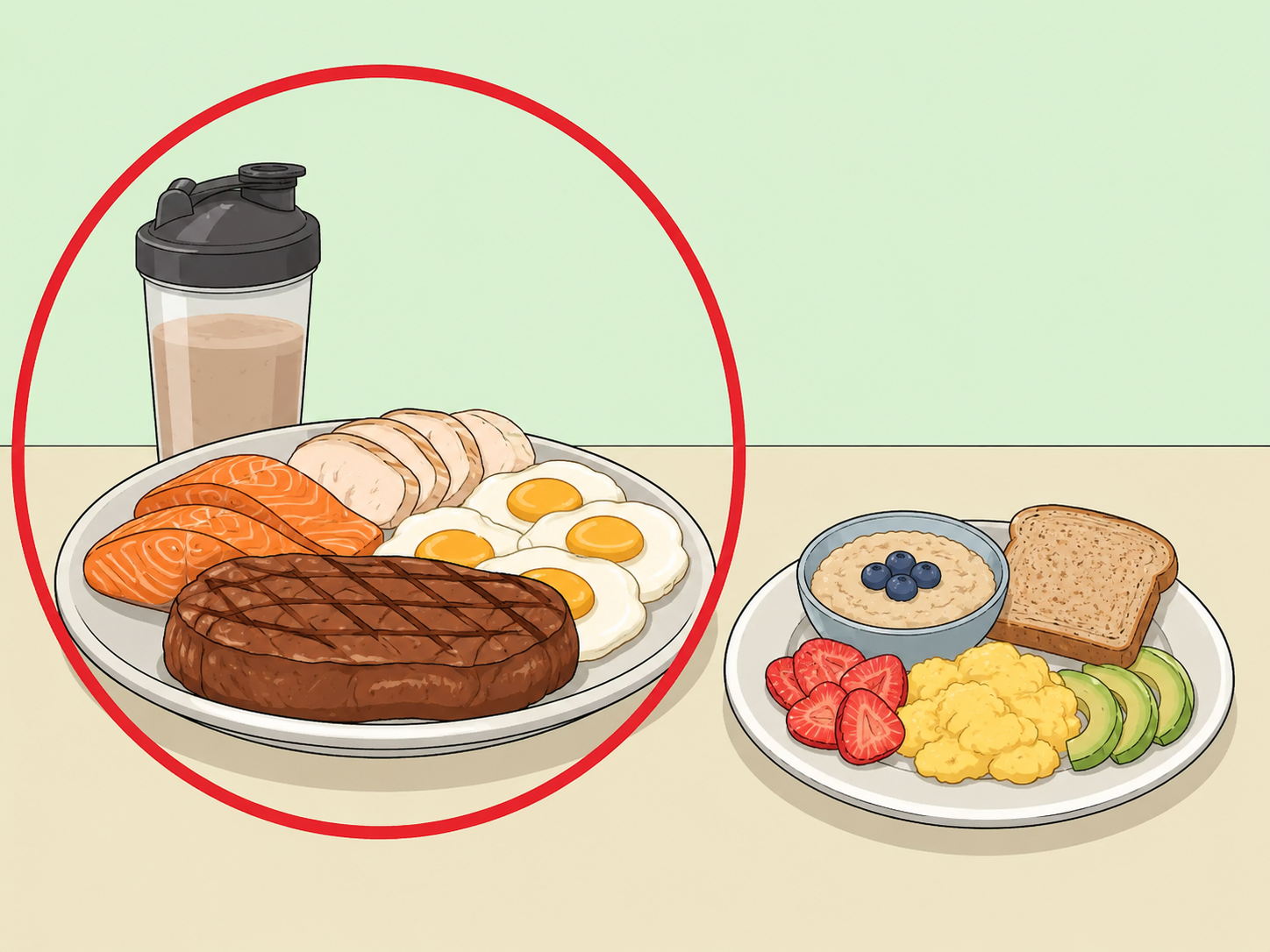
Avoid oversized high-protein breakfasts unless prescribed
Large portions of steak, multiple meat patties, protein shakes, and high-protein snack bars can be too much for some people with kidney disease. NIDDK says some people with CKD may need to adjust protein amounts because protein waste is removed by the kidneys. Do not cut protein on your own, especially if you are losing weight, older, pregnant, or on dialysis.
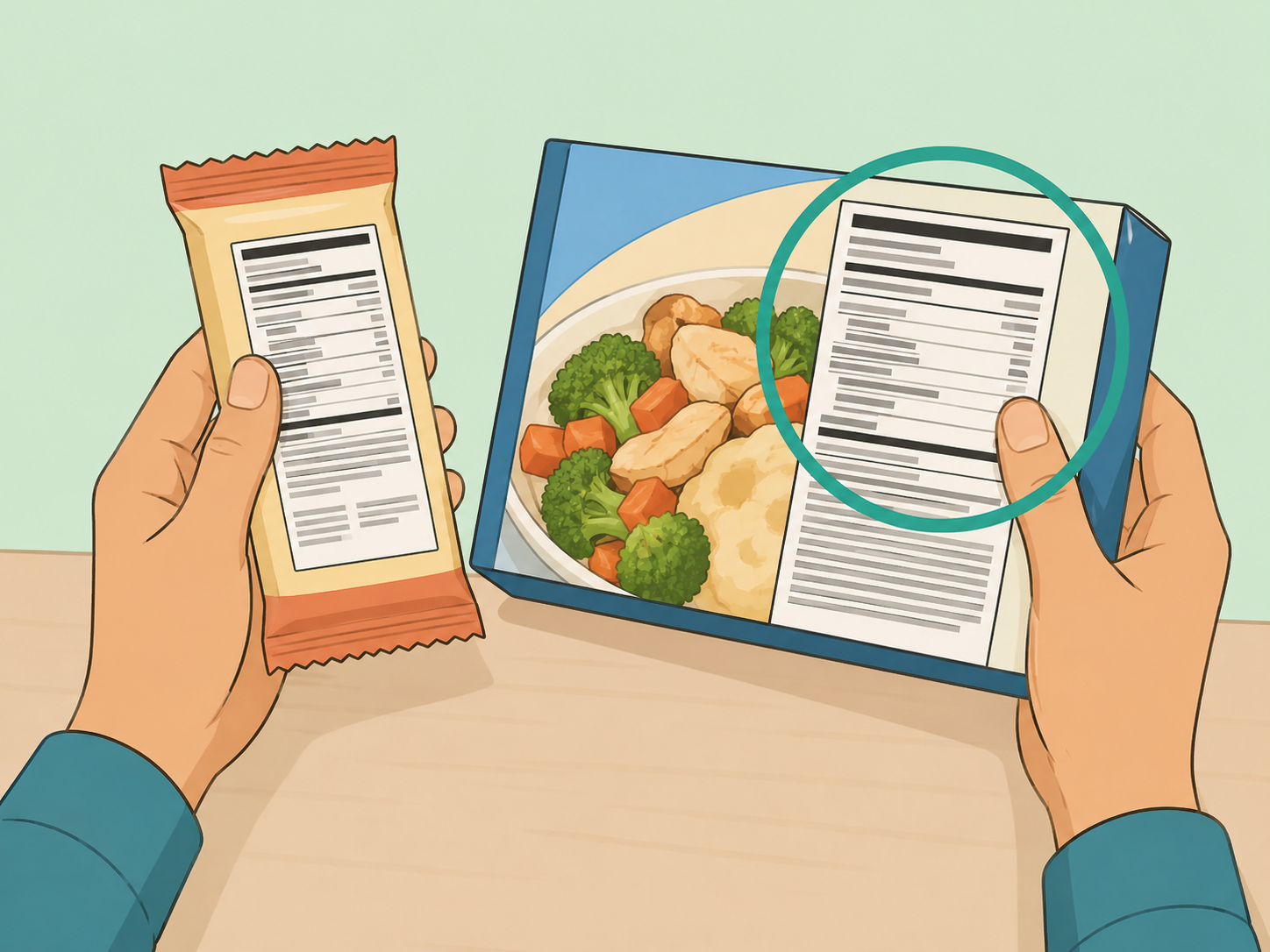
Read labels for phosphorus and potassium additives
Packaged breakfast meats, flavored drinks, protein bars, frozen breakfast bowls, and some processed baked goods may contain additives that matter for people with CKD. NIDDK recommends checking ingredient lists for phosphorus words such as phosphoric acid or phosphate, and it notes that potassium chloride can also appear in packaged foods. These limits are not universal, so match them to your blood test results.
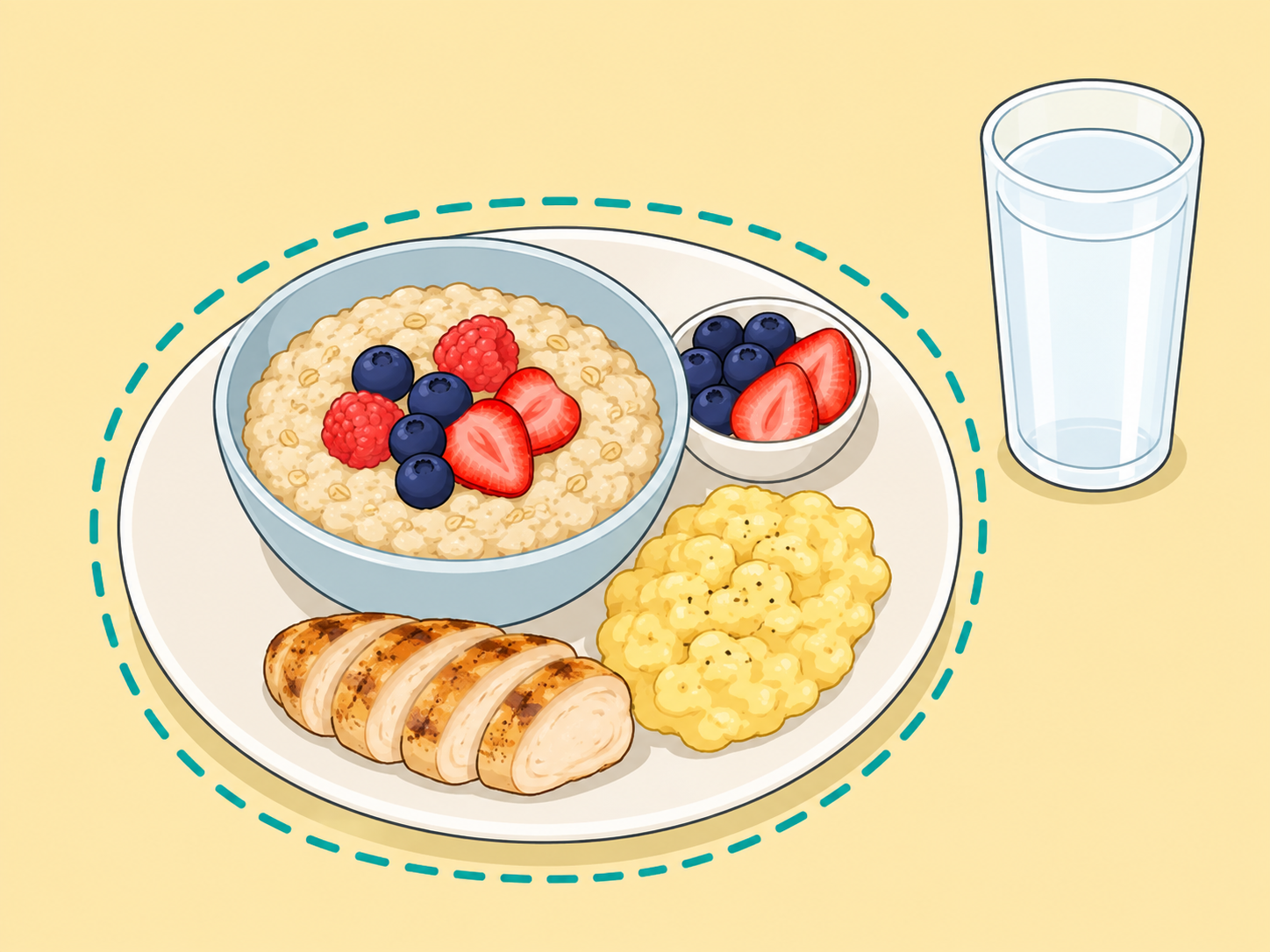
Build a steadier breakfast plate
Use a simple pattern: a modest protein portion, a whole-grain or lower-sugar starch if it fits your plan, fruit or vegetables that fit your potassium needs, and an unsweetened drink. For general kidney prevention, NIDDK recommends healthy meals with less salt and added sugar, along with fruits, vegetables, whole grains, and lower-fat dairy when appropriate. If you have CKD, your version may look different from a general healthy plate.

Choose drinks that match your condition
Water, unsweetened tea, or plain coffee may be better everyday choices than sweetened coffee drinks, soda, or large juices. If you have diabetes and CKD, the CDC gives examples of lower-potassium drink choices and notes that orange juice may not fit some kidney diets. If you are on dialysis or have fluid limits, follow the amount your care team gives you.
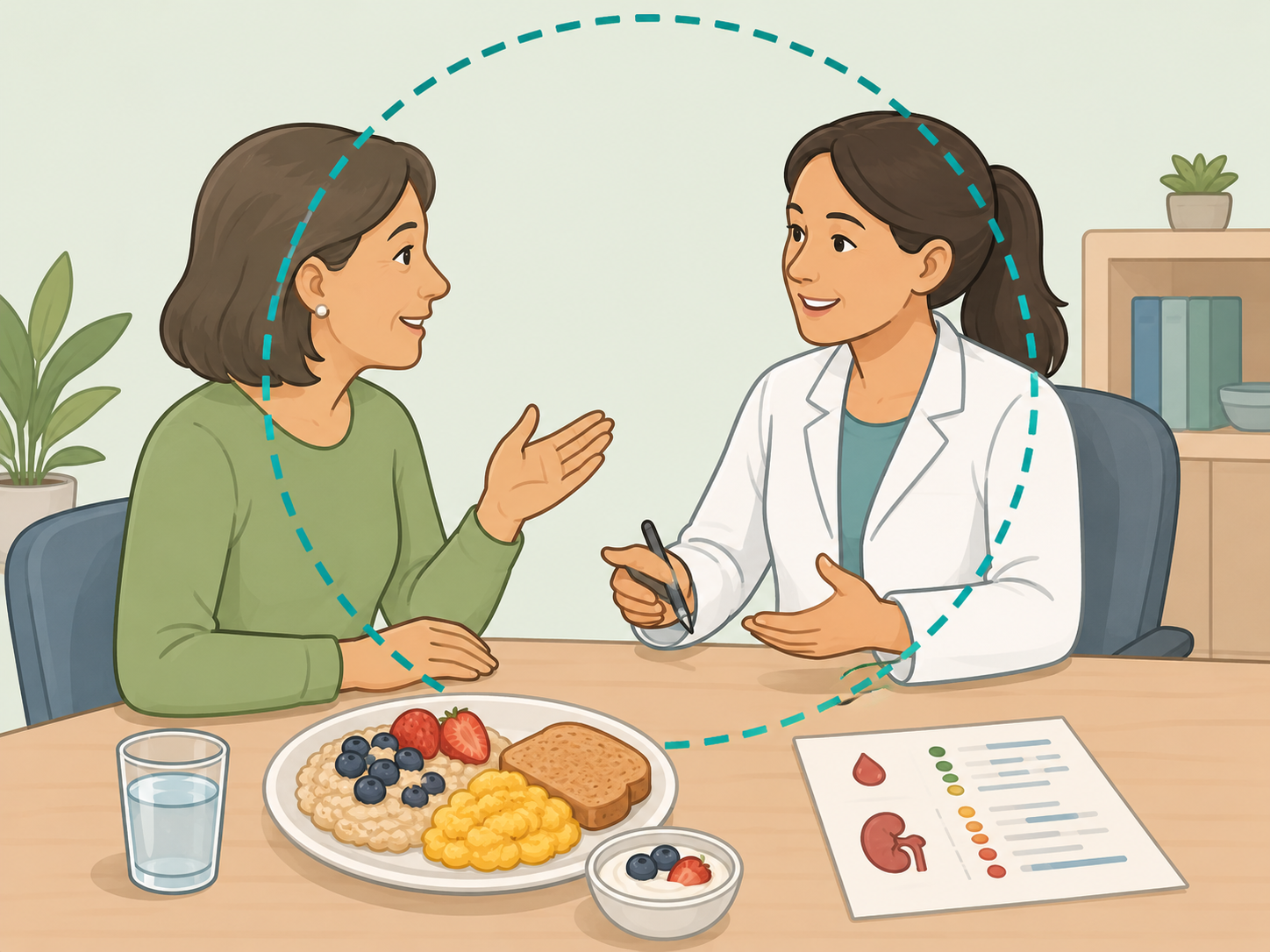
Ask for kidney tests or diet advice when you are at risk
Make an appointment if you have diabetes, high blood pressure, heart disease, swelling in your face or legs, changes in urination, or a family history of kidney failure. NIDDK says blood and urine tests are used to check for diabetic kidney disease, and MedlinePlus notes that CKD diets may change by disease stage. A doctor or renal dietitian can tell you whether sodium, potassium, phosphorus, protein, or fluids need limits for you.
Summary
The bottom line: kidney-friendly breakfast habits are mostly about pattern and balance. Choose less sodium and added sugar, keep protein portions sensible, read labels on packaged foods, and get personalized advice if you have CKD, diabetes, high blood pressure, or abnormal kidney tests.
Frequently Asked Questions
- Can breakfast really damage your kidneys?
One breakfast is unlikely to damage healthy kidneys by itself. The concern is a repeated pattern of meals that are very high in sodium, added sugar, or excessive protein, especially for people with CKD, diabetes, or high blood pressure.
- What are the 3 breakfast types to limit for kidney health?
The three patterns to watch are salty processed breakfasts, sugary refined-carb breakfasts, and oversized high-protein breakfasts. The risk depends on your overall diet, kidney function, blood pressure, blood sugar, and medical history.
- Is oatmeal good for kidneys?
Plain oatmeal can fit many healthy breakfast plans, but people with CKD may need individualized advice about potassium, phosphorus, portions, and toppings. Ask a renal dietitian if you have kidney disease or abnormal lab results.
- Are eggs bad for kidneys?
Eggs are not automatically bad for kidneys. Protein needs vary, and people with CKD may be told to adjust protein intake, while people on dialysis may need more protein, so follow your clinician's plan.
- Should I stop eating bananas or orange juice for my kidneys?
Not everyone needs to avoid them. If you have CKD or high potassium, your health care professional may advise lower-potassium choices; the CDC notes that apple, grape, or cranberry juice may be better than orange juice for some people with diabetes and CKD.
- When should I ask a doctor about my kidneys?
Ask about kidney testing if you have diabetes, high blood pressure, heart disease, a family history of kidney failure, swelling, changes in urination, or abnormal blood or urine tests. Early kidney disease may not cause symptoms, so testing matters.
References
Reliable references aided in composing and refining this content.
- https://www.niddk.nih.gov/health-information/kidney-disease/chronic-kidney-disease-ckd/prevention
- https://www.niddk.nih.gov/health-information/kidney-disease/chronic-kidney-disease-ckd/healthy-eating-adults-chronic-kidney-disease?dkrd=nkdep.nih.gov/resources/eating-right.shtml
- https://www.cdc.gov/diabetes/healthy-eating/diabetes-and-kidney-disease-food.html
- https://www.mayoclinic.org/healthy-lifestyle/nutrition-and-healthy-eating/in-depth/sodium/art-20045479
- https://www.niddk.nih.gov/health-information/diabetes/overview/preventing-problems/diabetic-kidney-disease
- https://medlineplus.gov/ency/article/002442.htm