
 Pin it
Claims about a guaranteed lifetime pension for chronic illness can be confusing. In the United States, the main official programs are Social Security Disability Insurance and Supplemental Security Income, and neither is automatic based on a diagnosis alone. This guide shows how to check the official rules, gather useful records, and know when to ask for medical or benefits help.

Verify the benefit before you trust the claim
Start by checking the official program being discussed, not a social media post or ad. In the U.S., Social Security Disability generally requires both a qualifying disability and enough work history, while SSI disability also looks at income, resources, and other eligibility rules. Treat any promise of an automatic or guaranteed lifetime pension as a reason to verify the source.
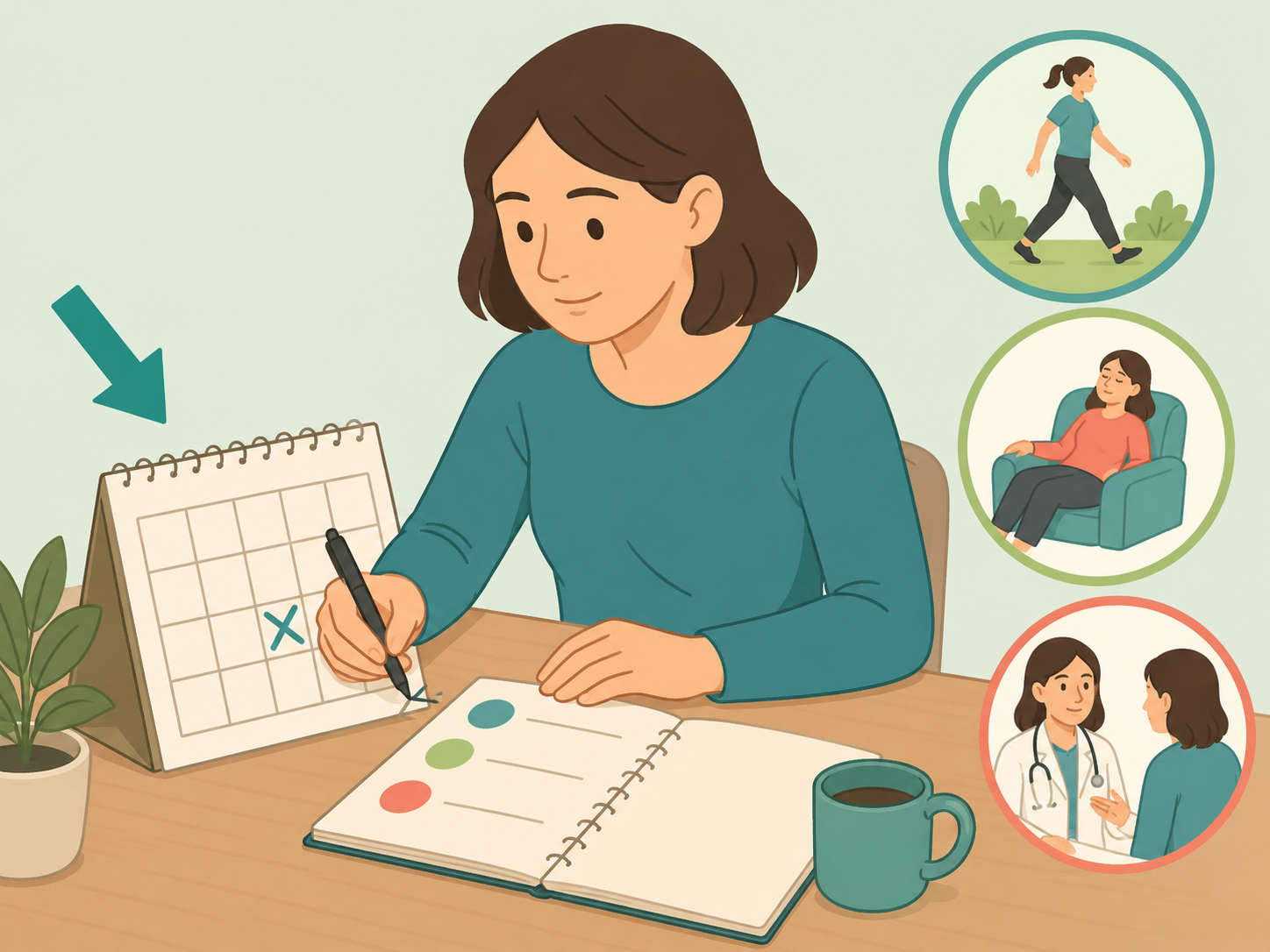
Check whether your condition is long-term and work-limiting
A chronic disease is generally a condition that lasts 1 year or more and needs ongoing medical care or limits daily activities, according to CMS. For SSA disability, the condition must affect your ability to work for a year or more or be expected to result in death. Focus on what you can and cannot do consistently, not just the name of the diagnosis.
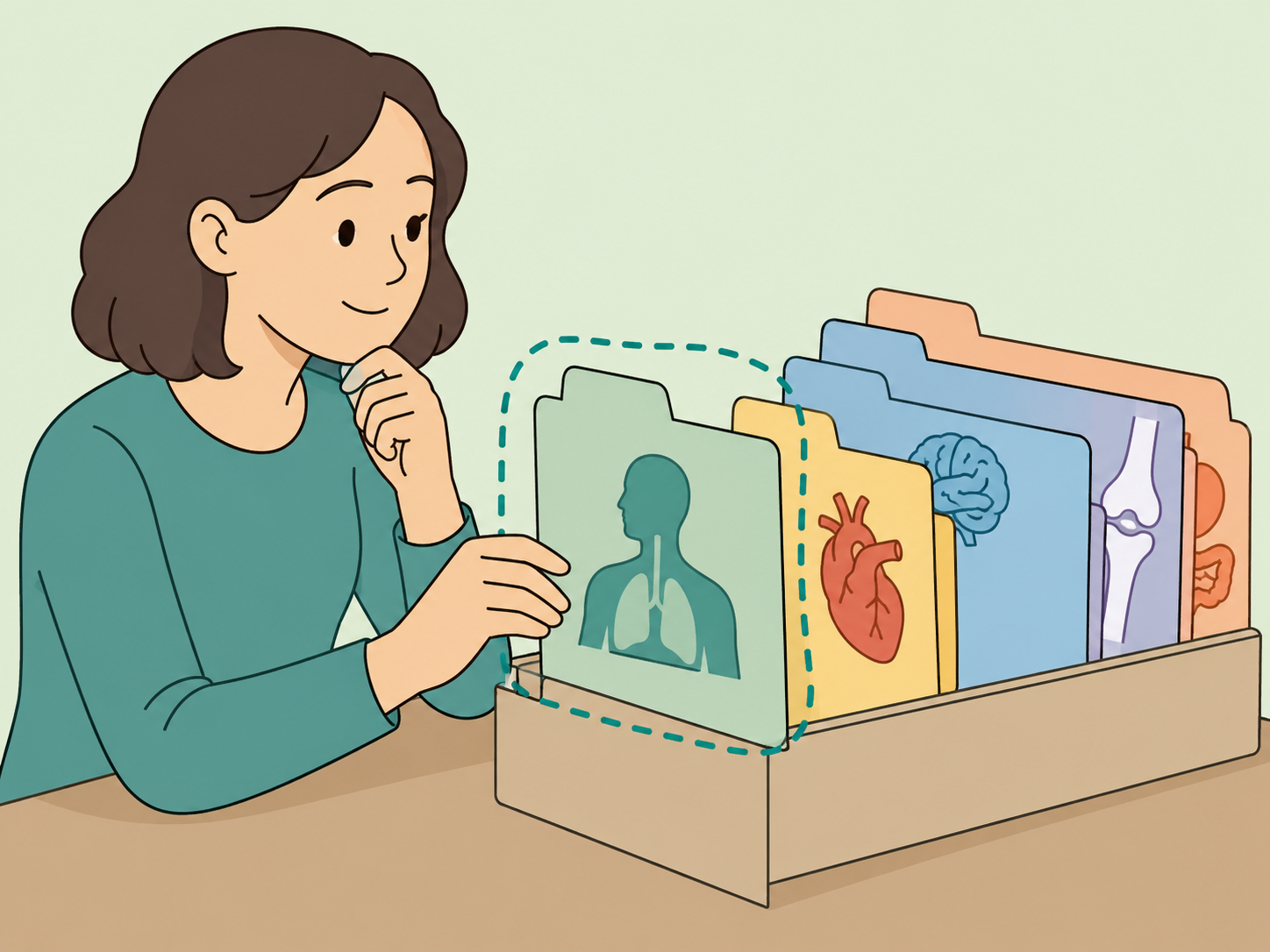
Compare your illness with SSA listing categories
Open the SSA Listing of Impairments and look for the body system that matches your condition, such as respiratory, cardiovascular, neurological, mental, cancer, kidney, immune, skin, or musculoskeletal disorders. These listings describe medical criteria SSA uses during review. A diagnosis alone is not enough; the evidence must show severity, duration, and functional limits.
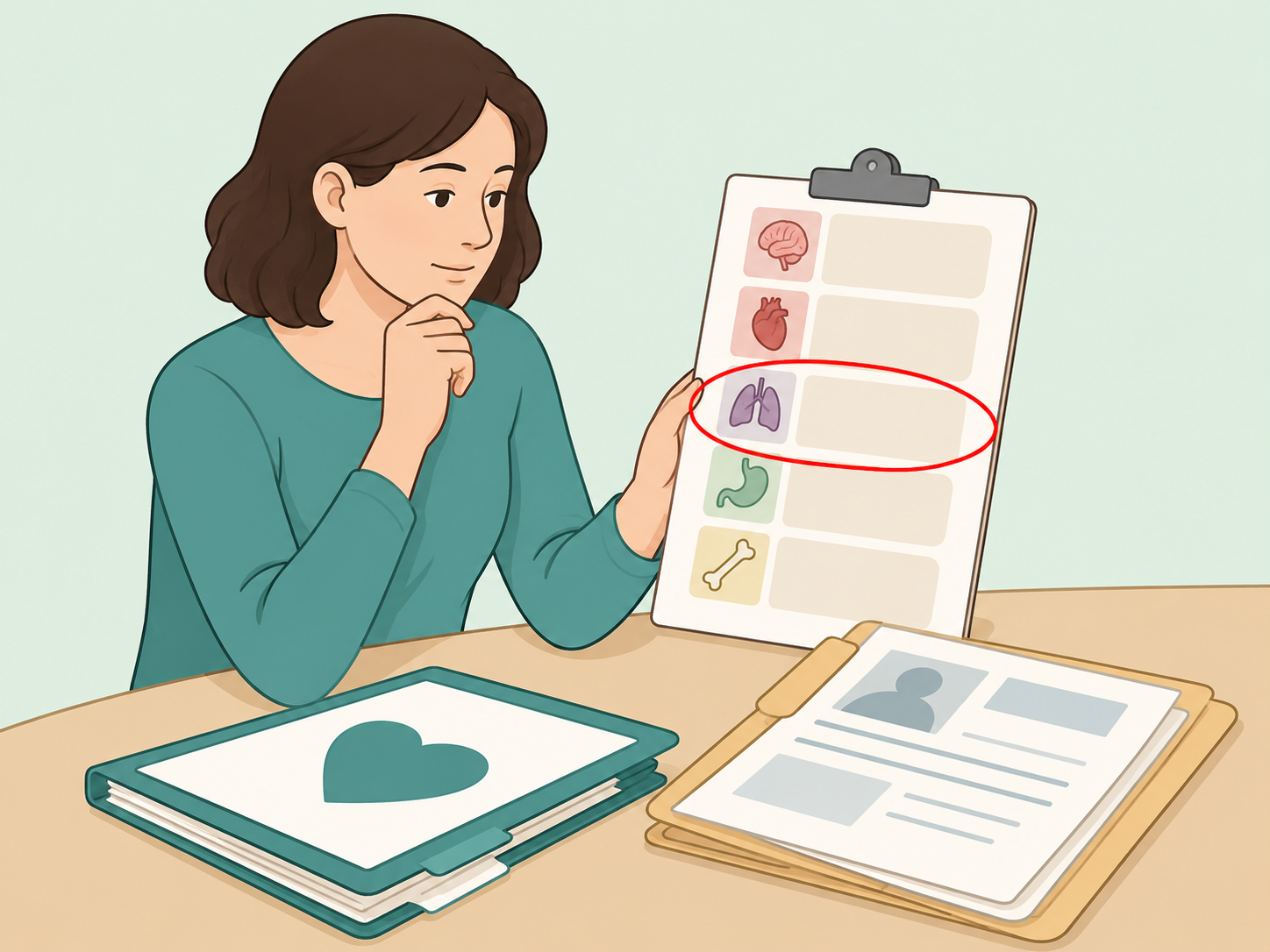
Look for Compassionate Allowances if the illness is severe
Some serious diseases are on SSA's Compassionate Allowances condition list, including certain advanced cancers, ALS, transplant wait-list situations, rare genetic disorders, and severe neurological conditions. This list is not a separate pension program. It helps SSA identify cases that may be reviewed faster when the medical evidence supports the diagnosis.
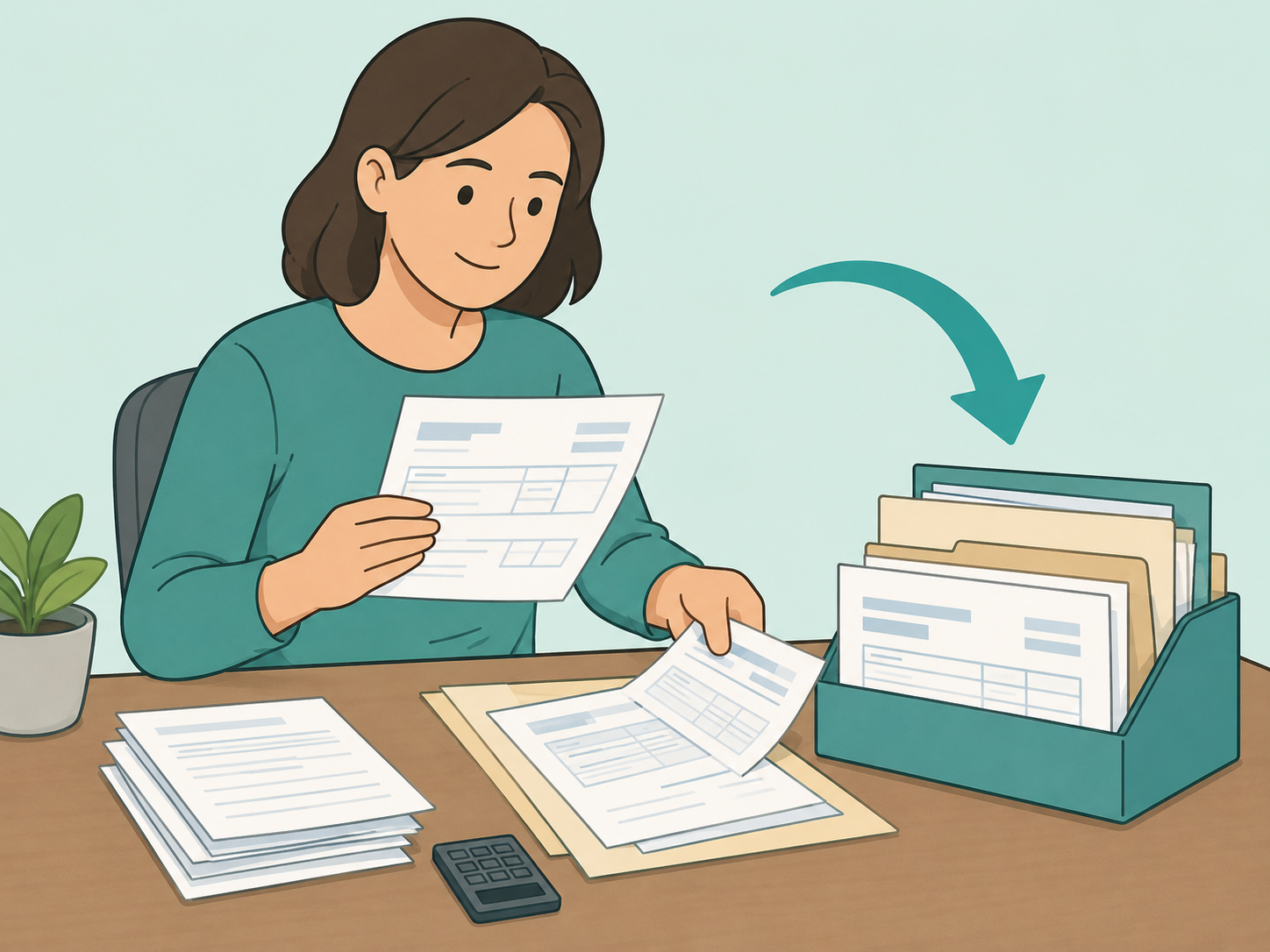
Review the work, income, and resource rules
For SSDI, SSA says you generally need enough recent work history, often at least 5 of the last 10 years, although younger workers may need less. SSA also looks at substantial gainful activity, and the 2026 SSI disability rules list $1,690 per month, or $2,830 for people considered blind, as the general earnings levels. SSI has separate income and resource limits, so check both programs if money is tight.
Gather complete medical and work records
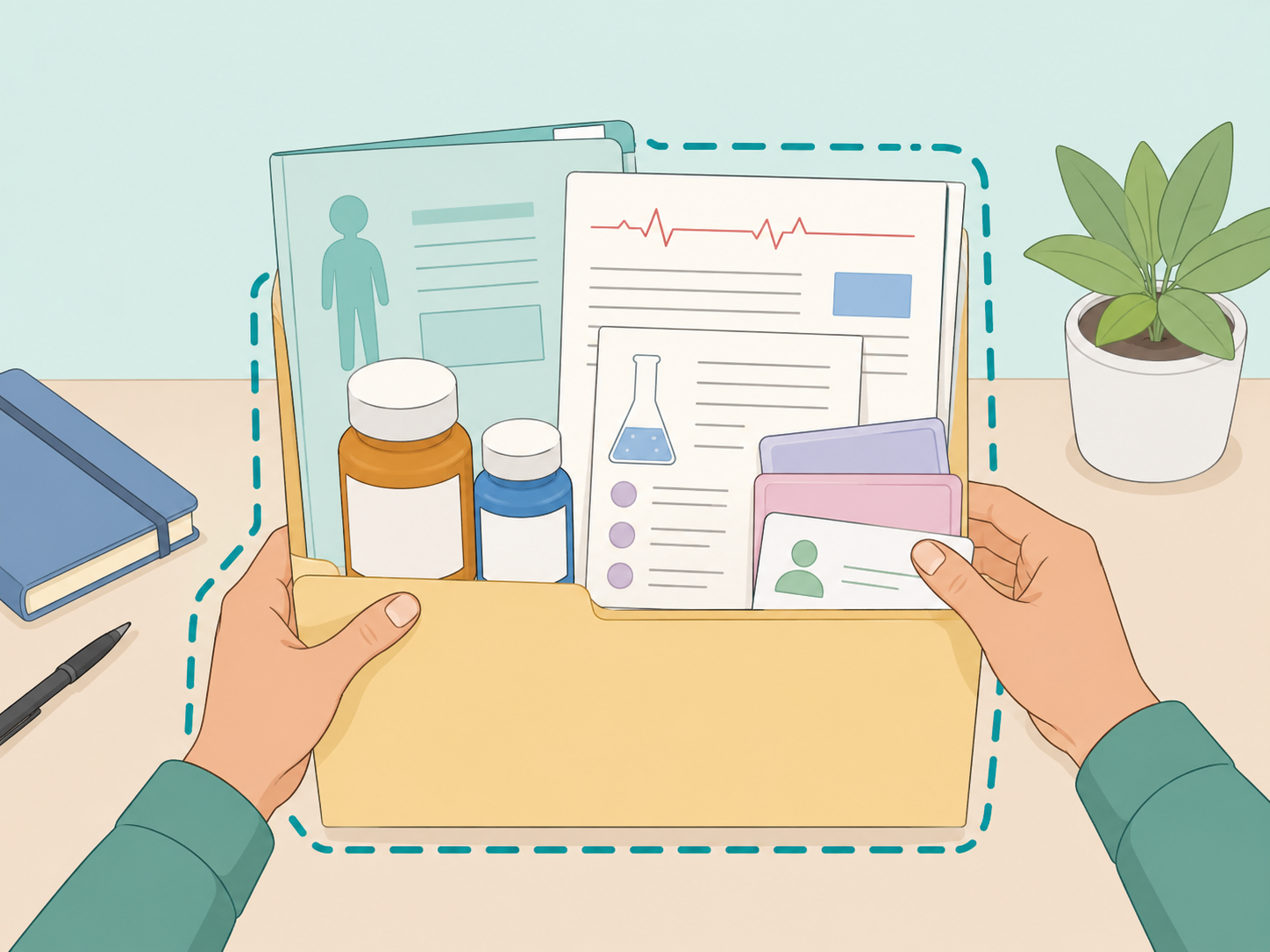
Use the SSA Disability Starter Kit to organize doctor names, hospitals, dates of treatment, medications, tests, and work history. SSA may ask for details about the work you did in the 5 years before you became unable to work. Complete records help reviewers understand how your illness affects daily function and job tasks.
Ask your doctor to document functional limits
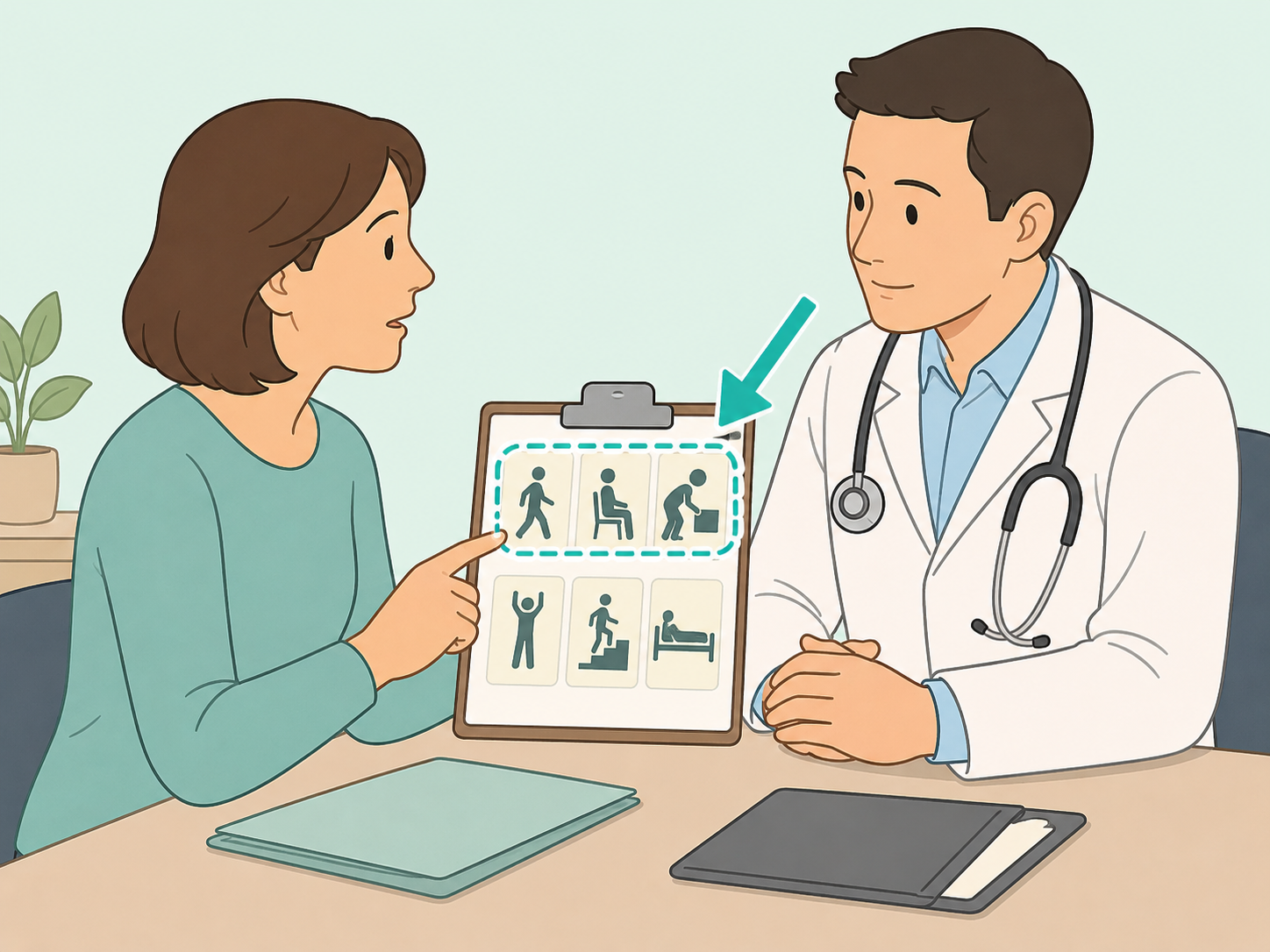
At appointments, explain specific limits such as standing, walking, lifting, concentrating, remembering instructions, using your hands, or handling changes in a work setting. SSA considers medical evidence, test results, treatment history, and how the impairment limits basic work activities. If living with chronic illness is affecting your mood, independence, or finances, MedlinePlus notes that counseling, support groups, and reliable health information can help.
Seek medical and benefits help when needed
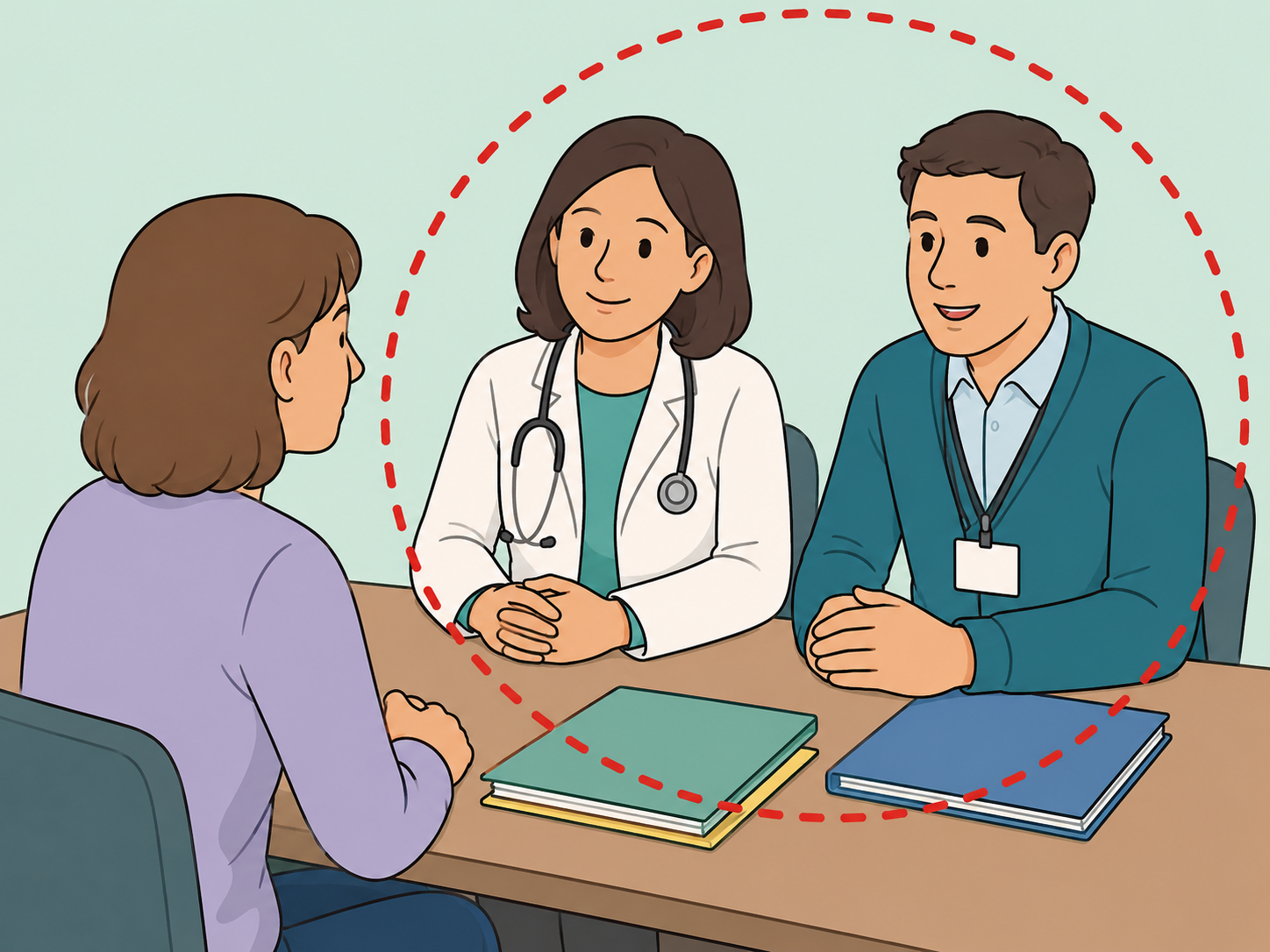
See a doctor promptly if symptoms worsen, new symptoms appear, side effects make treatment hard to follow, or your illness is affecting your ability to care for yourself. For benefits questions, use SSA's official information, a qualified benefits counselor, legal aid office, or accredited representative rather than anyone promising approval. SSA says disability benefits may include a monthly payment and Medicare coverage in some cases, so review what disability benefits may include before you apply.
Summary
The bottom line: do not rely on a viral list or promise of a guaranteed pension. Check the official SSA rules, match your medical evidence to how your condition limits work, gather complete records, and get professional help when your health or application is hard to manage.
Frequently Asked Questions
- Is there really a guaranteed lifetime pension for chronic illness?
No. A chronic illness does not automatically create a guaranteed lifetime pension. Official SSA disability programs require medical evidence and non-medical eligibility, and benefits can be reviewed over time.
- Which chronic illnesses may qualify for disability benefits?
SSA evaluates many categories, including musculoskeletal, respiratory, cardiovascular, digestive, kidney, blood, skin, endocrine, neurological, mental, cancer, and immune system disorders. The key question is whether the condition meets SSA criteria or otherwise prevents substantial work.
- Does being on the Compassionate Allowances list guarantee approval?
No. The Compassionate Allowances list helps SSA identify certain serious conditions for faster review, but the application still needs supporting medical evidence.
- Can I qualify if I am still working part time?
Possibly, but SSA looks at work activity and earnings. In 2026, SSA generally treats earnings over $1,690 per month, or $2,830 for people considered blind under its rules, as substantial gainful activity.
- What is the difference between SSDI and SSI?
SSDI is tied to disability and work history, while SSI is for people who are disabled, blind, or older and also meet income and resource limits. Some people may qualify for both programs.
- Do I need a lawyer to apply?
You can apply without a lawyer, and SSA provides starter kits and checklists. Consider getting help from a qualified benefits counselor, legal aid office, or representative if your claim is complex, denied, or difficult to document.
References
Reliable references aided in composing and refining this content.
- https://www.ssa.gov/disability/eligibility
- https://www.ssa.gov/disability/amount
- https://www.ssa.gov/ssi/text-disable-ussi.htm
- https://www.ssa.gov/disability/disability_starter_kits.htm
- https://www.ssa.gov/disability/professionals/bluebook/AdultListings.htm
- https://www.ssa.gov/compassionateallowances/conditions.htm
- https://medlineplus.gov/copingwithchronicillness.html
- https://www.cms.gov/priorities/innovation/key-concepts/preventive-care