
 Pin it
Stroke symptoms are often sudden, not slow signs that reliably appear exactly one month before. However, a transient ischemic attack, or TIA, can cause temporary stroke-like symptoms and may warn of a higher stroke risk. This guide explains how to recognize the signs, respond quickly, and talk with a health professional about risk.
Treat sudden symptoms as urgent
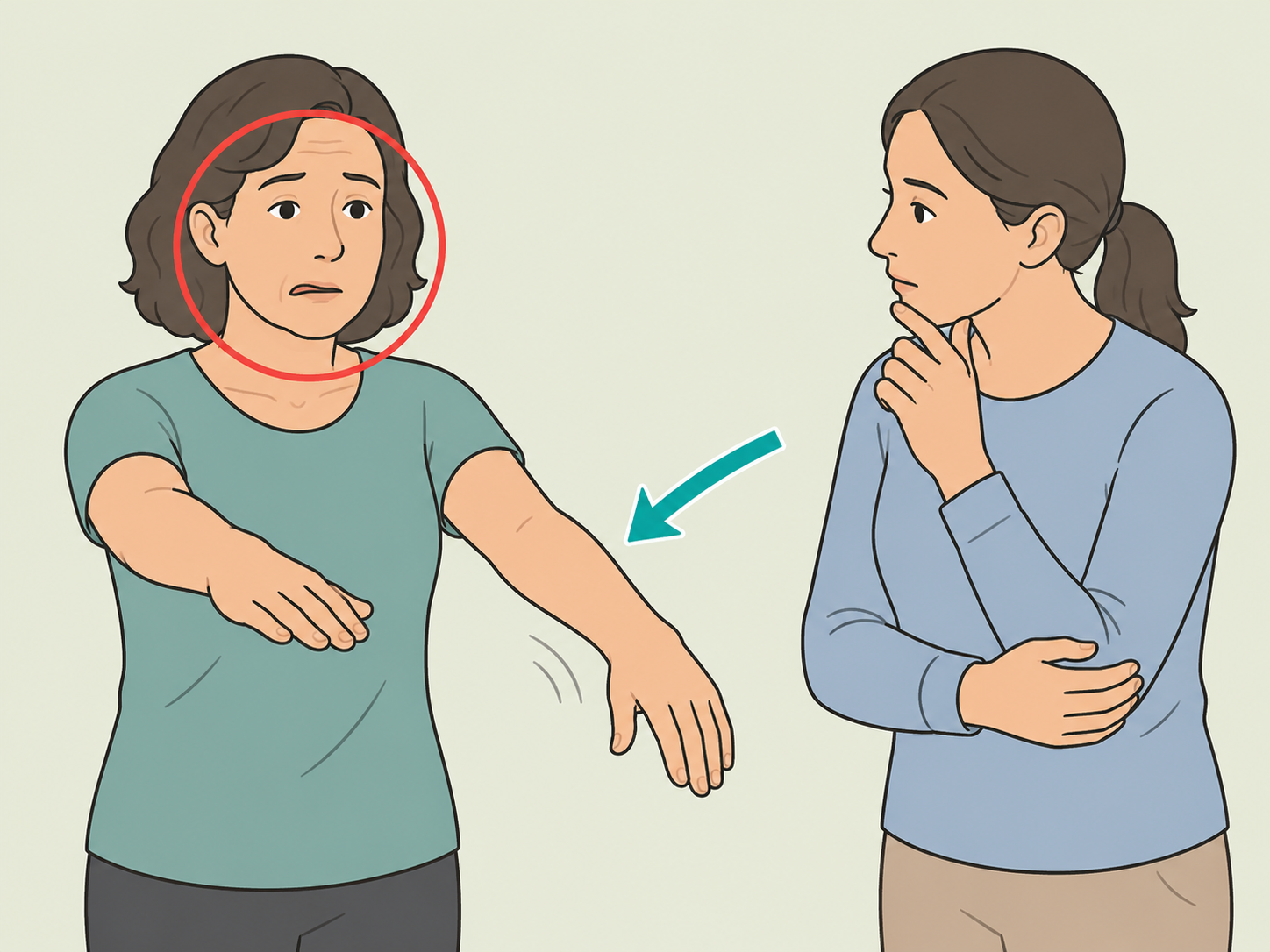
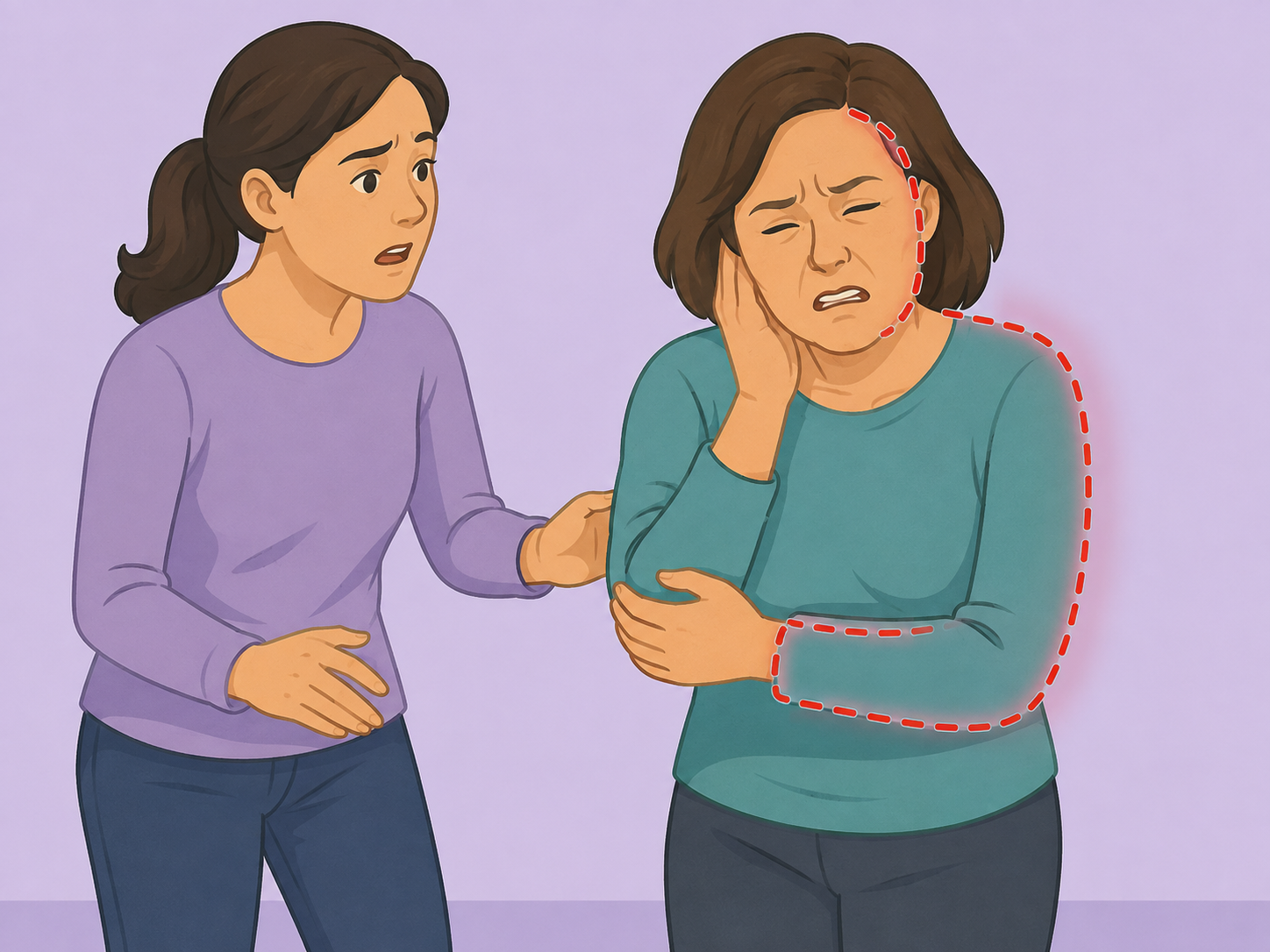
Stroke warning signs usually appear suddenly, so do not rely on a slow one-month countdown. The CDC lists sudden numbness or weakness, confusion, trouble speaking, vision trouble, dizziness, balance loss, and severe headache as symptoms that need immediate action.
Use BE FAST to check the main signs
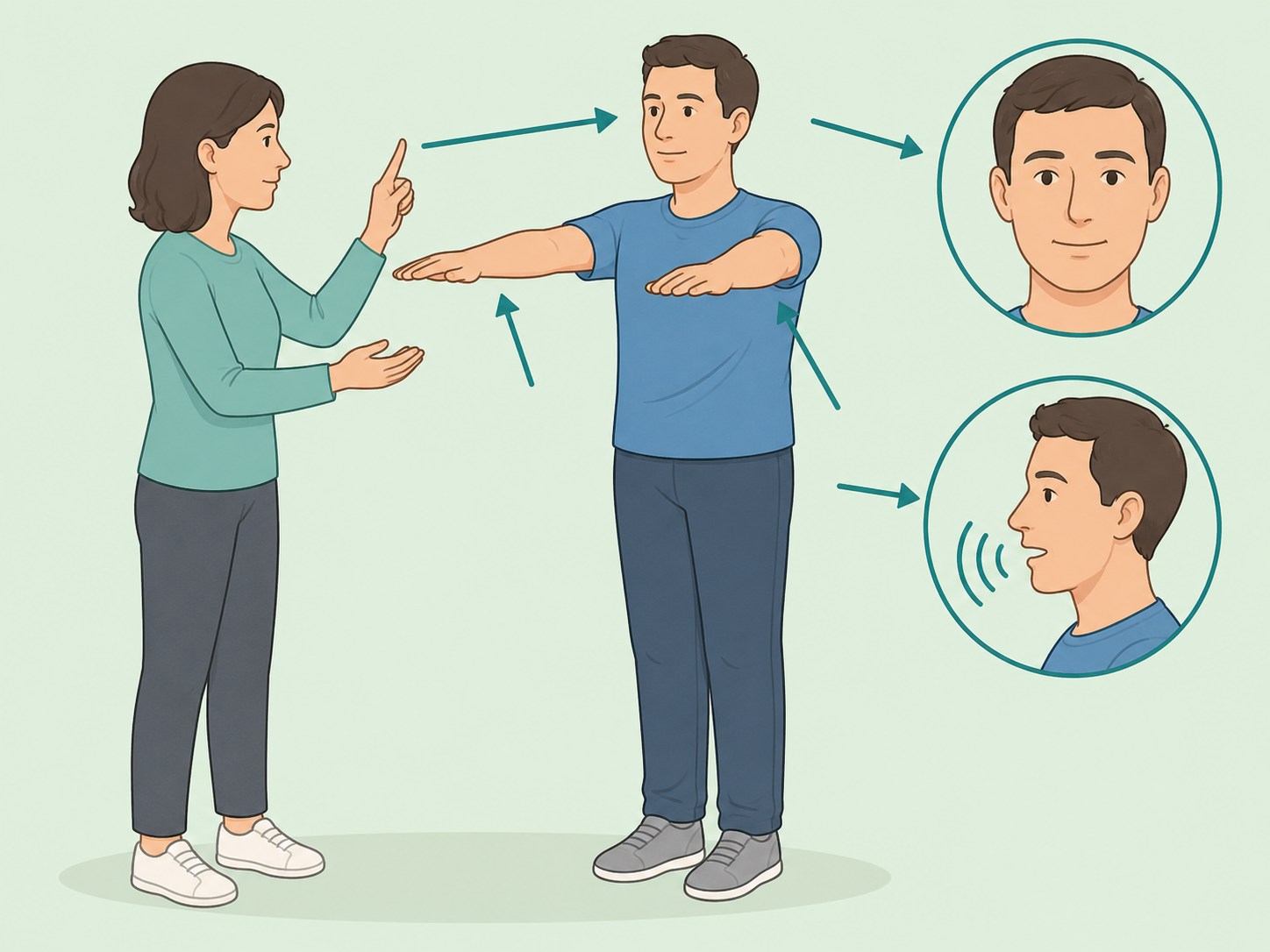
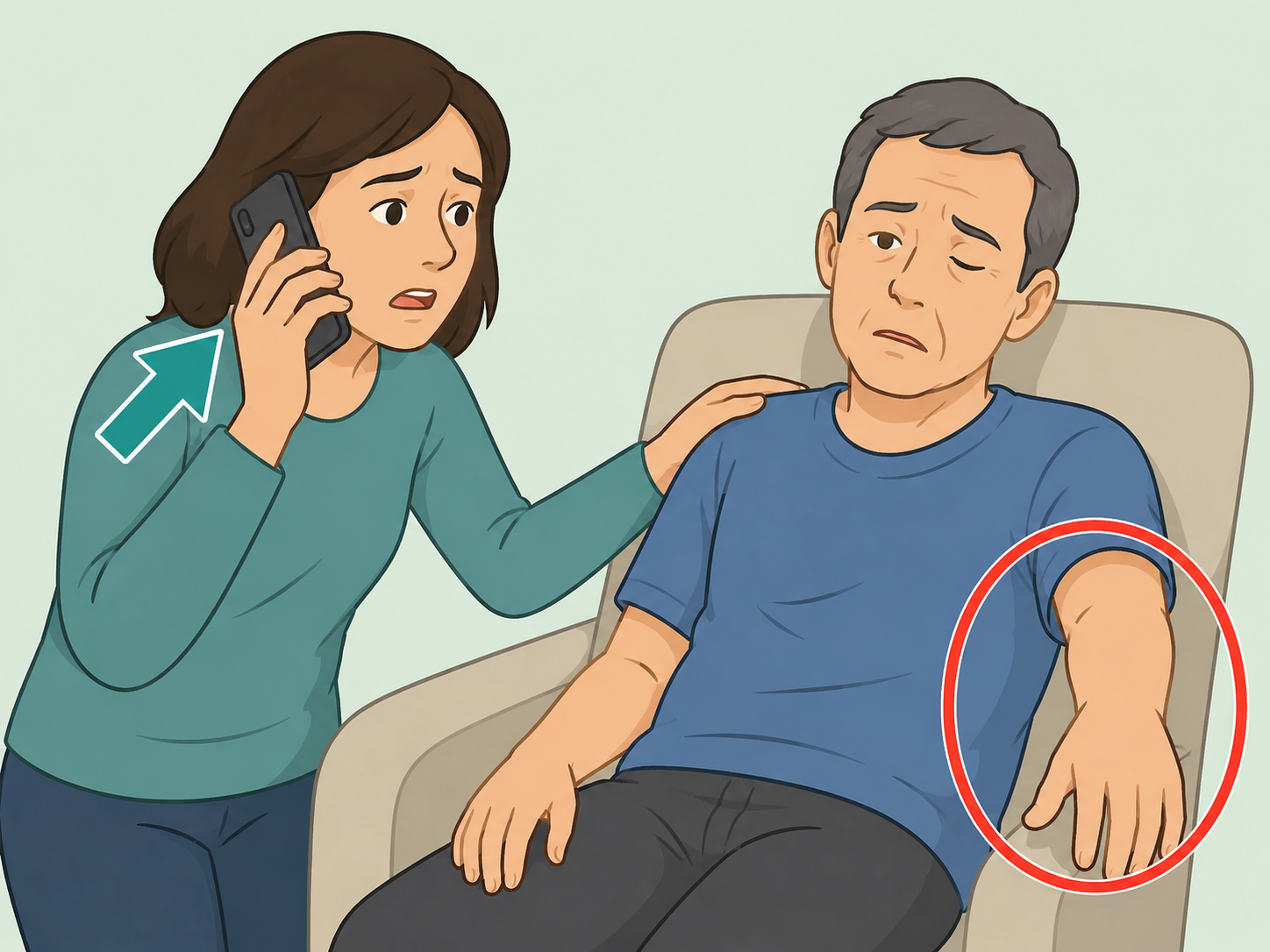
Check balance, eyes, face, arms, speech, and time. Ask whether the person suddenly seems off-balance, has vision changes, has a drooping face, cannot keep both arms raised, or has slurred or strange speech; the CDC advises calling 911 right away if any of these signs appear.
Take brief symptoms seriously
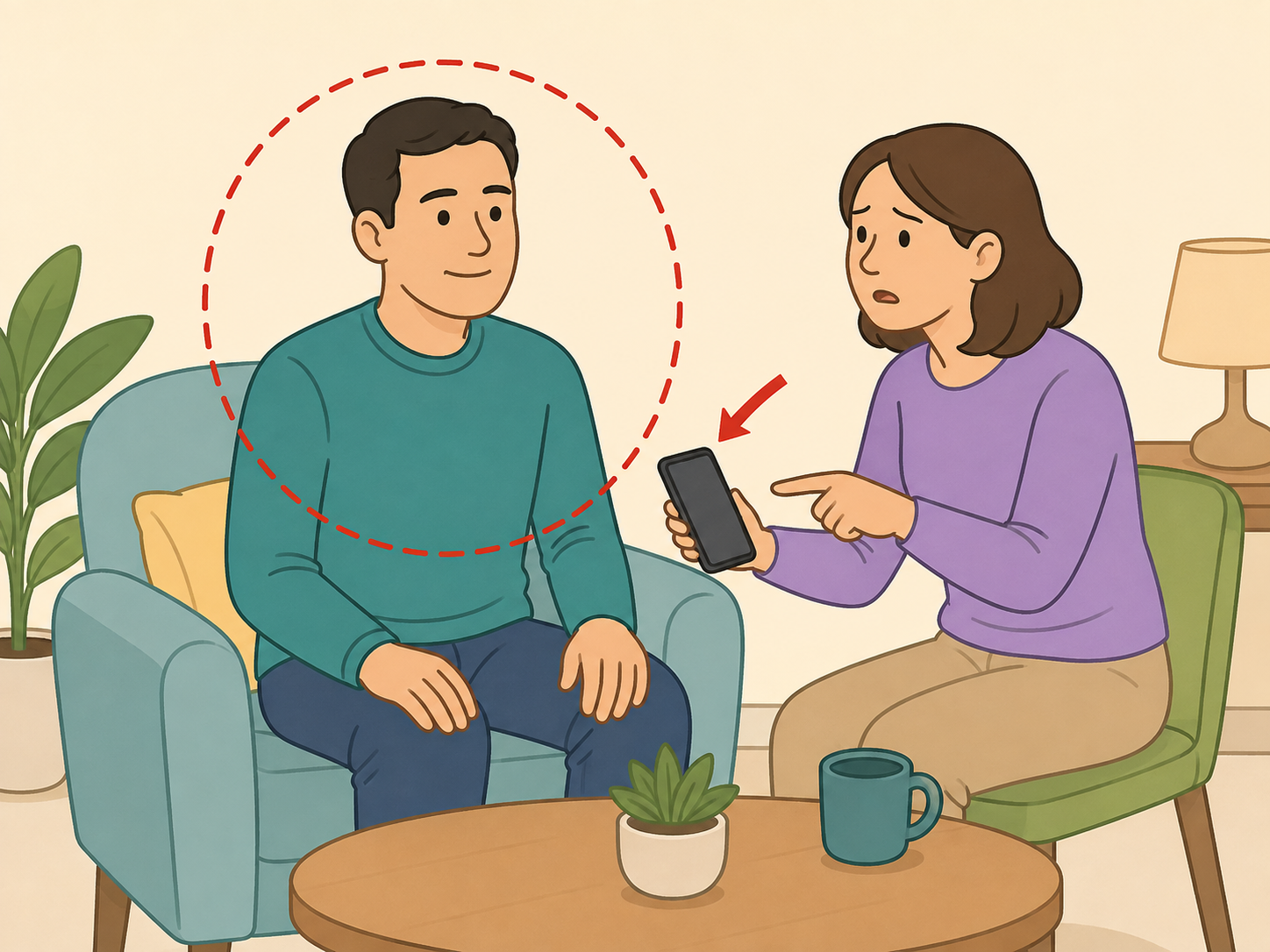
If stroke-like symptoms disappear, they may have been a transient ischemic attack, or TIA. MedlinePlus explains that TIA symptoms are like stroke symptoms but usually do not last as long, and you cannot tell at home whether symptoms are from a TIA or a stroke.
Call emergency services instead of waiting
Call 911 or your local emergency number if you suspect stroke or TIA. Mayo Clinic notes that TIA symptoms can last minutes or up to 24 hours and still need medical help, so do not wait to see whether they return.
Write down when symptoms started
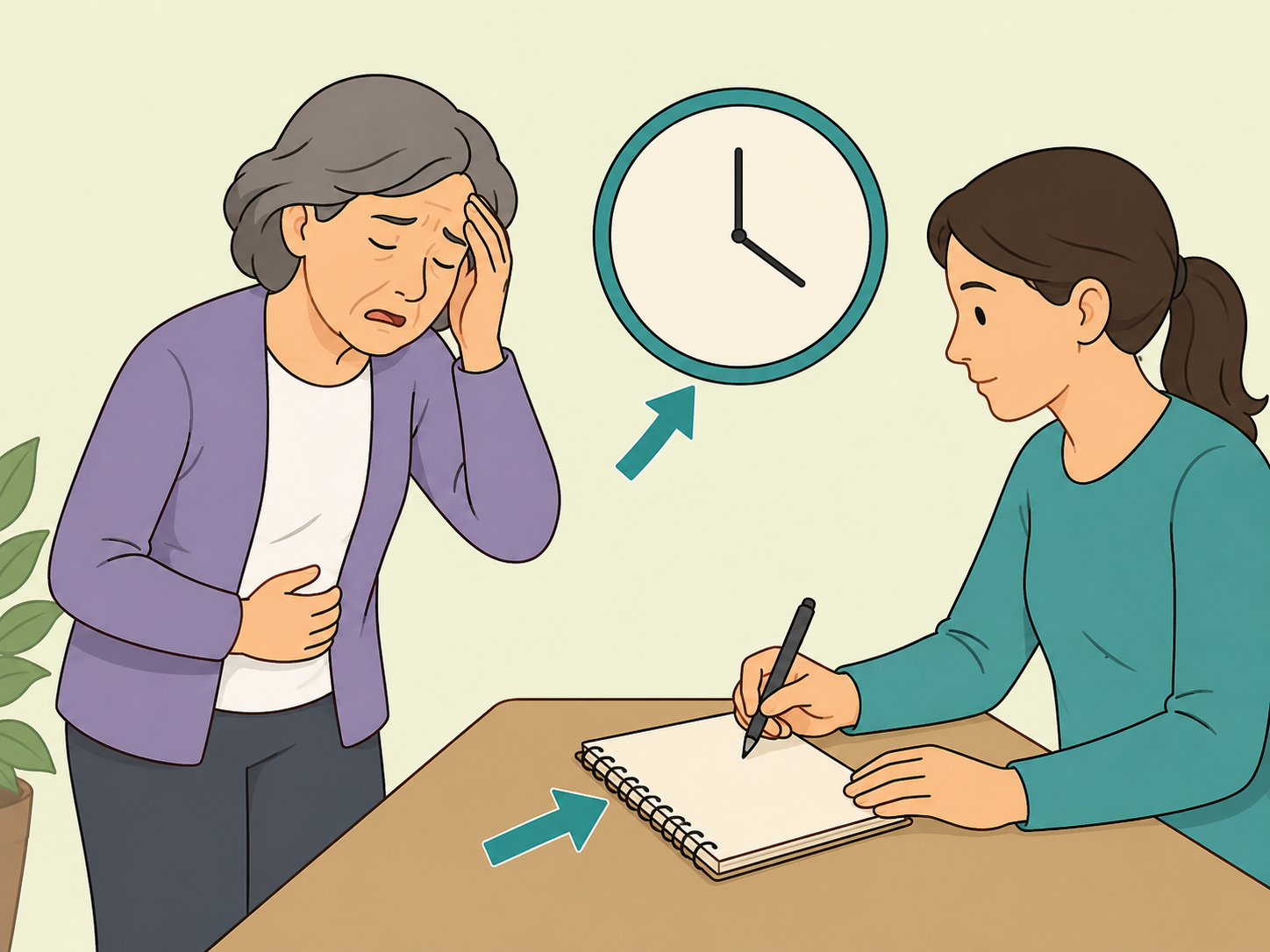
Note the exact time the first symptom appeared, even if it later improves. Timing helps health professionals decide which stroke treatments may be appropriate, and some treatments are time-sensitive.
Watch for high-risk patterns
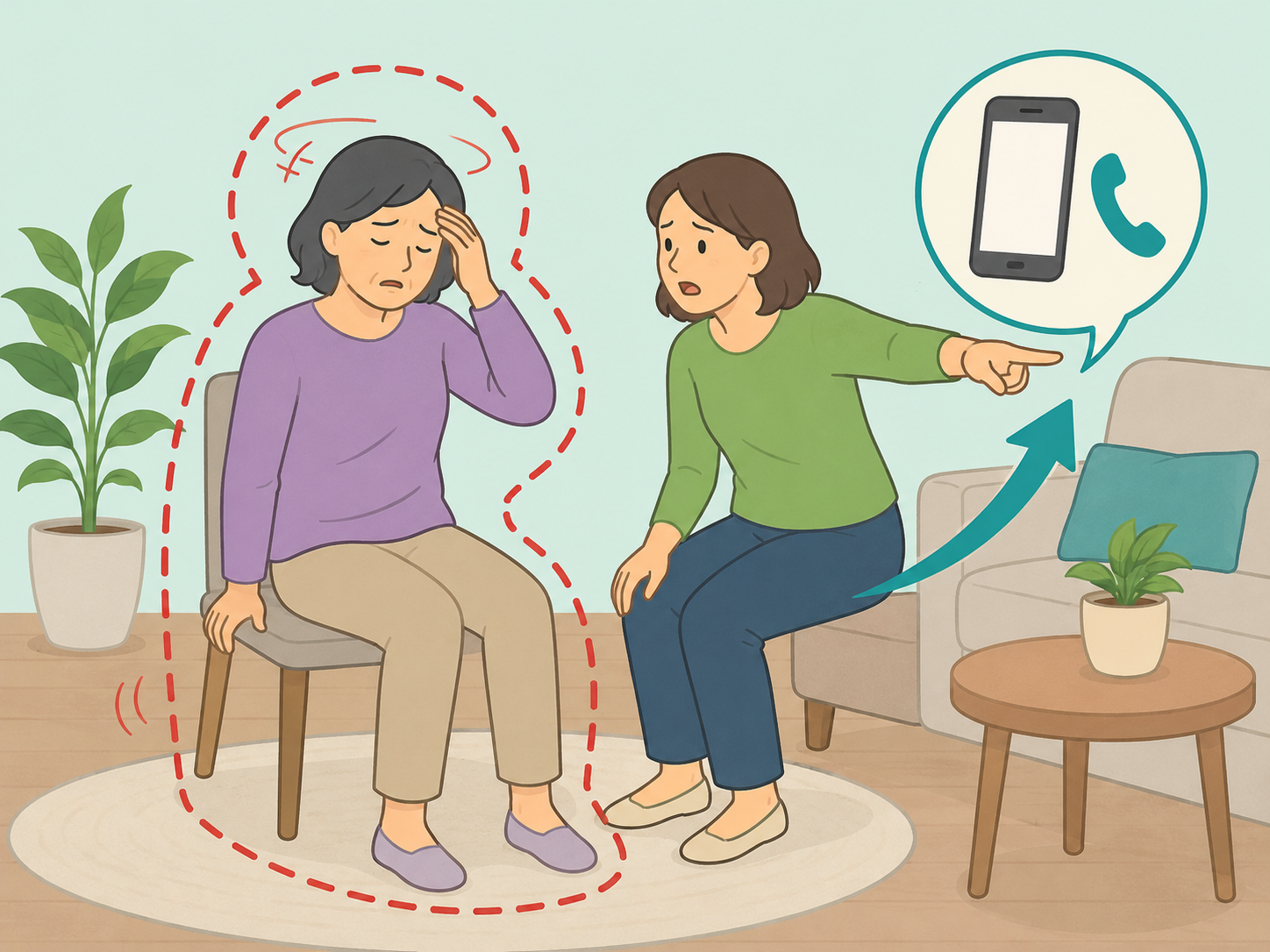
A TIA is sometimes called a warning stroke because future stroke risk can be higher after it. The American Heart Association says stroke symptoms that disappear within an hour still need emergency assessment because some people have a full stroke soon afterward.
Review your personal risk factors
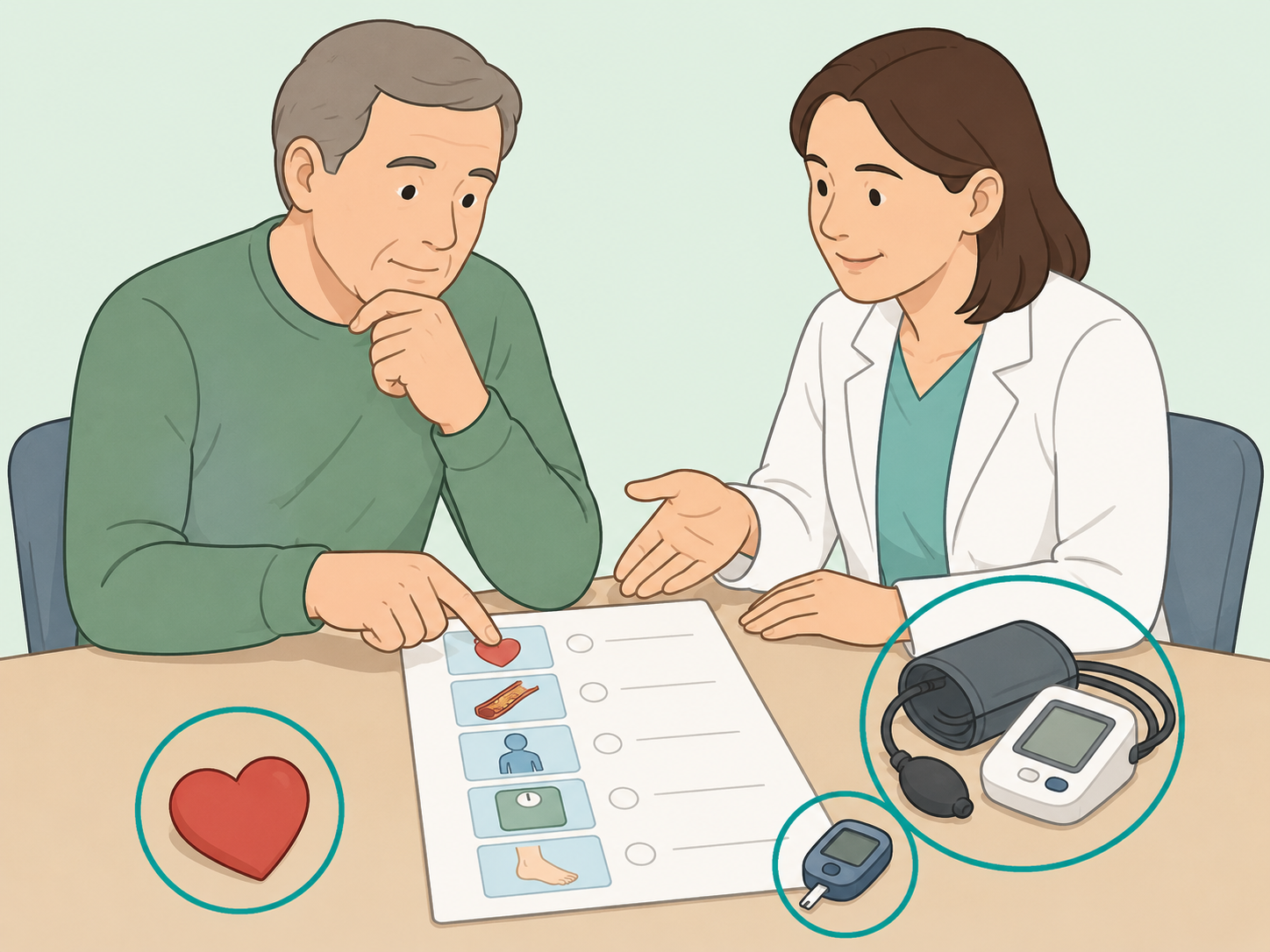
Ask a doctor about your risk if you have high blood pressure, high cholesterol, diabetes, heart disease, atrial fibrillation, a past stroke or TIA, or if you smoke. The CDC identifies these medical and lifestyle factors as important stroke risks.
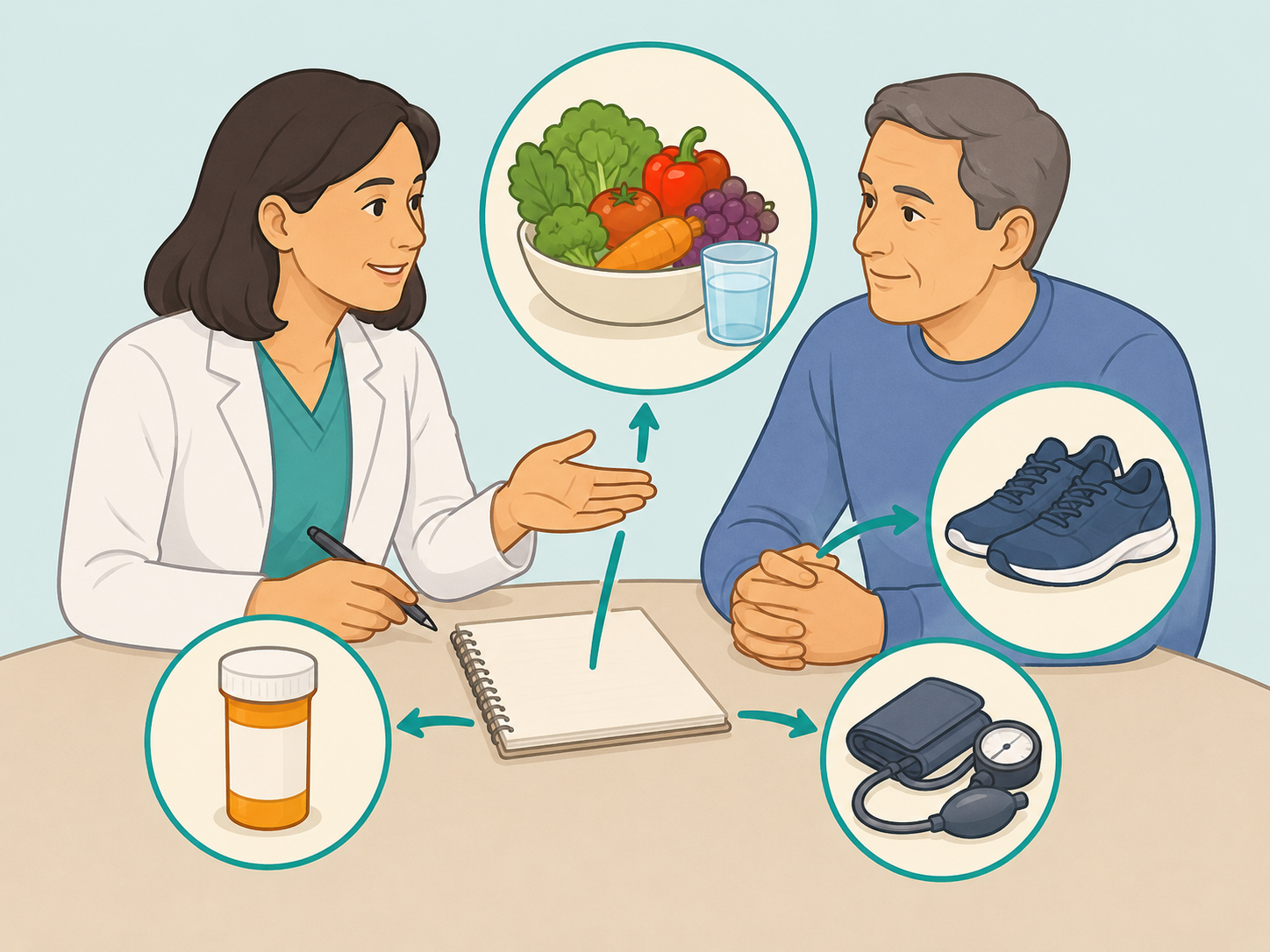
Build a prevention plan with a clinician
Stroke prevention is personal, especially if you already had a TIA or stroke. The CDC recommends working with your health care team to manage blood pressure, cholesterol, diabetes, heart conditions, medications, smoking, alcohol, food choices, activity, and weight.
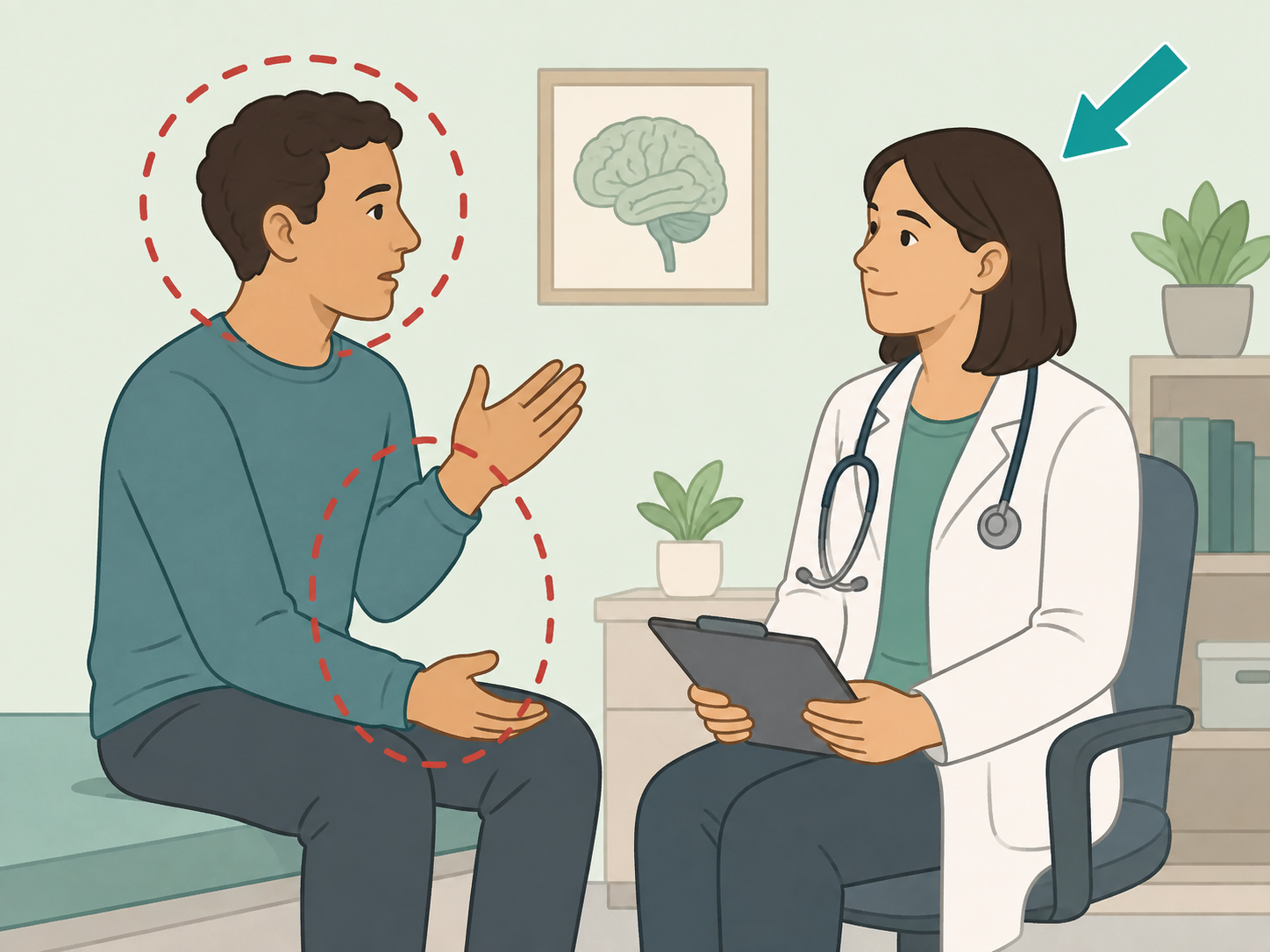
See a doctor about concerning changes
Make a prompt medical appointment for new or recurring neurological symptoms, even if they are mild and not happening now. If symptoms are sudden, happening now, or occurred within the last day, treat it as an emergency rather than a routine appointment.
Summary
The bottom line: do not wait for stroke symptoms to prove themselves. Sudden face, arm, speech, vision, balance, numbness, confusion, or severe headache symptoms need emergency help, even if they disappear.
Frequently Asked Questions
- Can stroke signs really appear one month before?
There is no dependable checklist of symptoms that appears exactly one month before a stroke. A TIA can happen days, weeks, or months before a stroke, but its symptoms are sudden and temporary, so it should be treated as urgent.
- What is the fastest way to remember stroke symptoms?
Use BE FAST: balance, eyes, face, arms, speech, and time to call emergency services. Any sudden problem in these areas can be a stroke warning sign.
- What if the symptoms go away after a few minutes?
Get emergency assessment anyway. Temporary symptoms can be a TIA, and doctors may need imaging and heart or blood vessel checks to find the cause.
- Should I drive myself to the hospital if I suspect a stroke?
No. Call emergency services. Paramedics can start assessment on the way and take you to a hospital prepared to treat stroke quickly.
- Are headaches always a stroke sign?
No. Many headaches are not strokes. A sudden, severe headache with no known cause, especially with weakness, speech trouble, confusion, vision changes, or balance loss, needs emergency care.
- Can younger adults have strokes?
Yes. Stroke is more common with older age, but it can happen at any age, especially when risk factors such as high blood pressure, diabetes, smoking, heart disease, or high cholesterol are present.
References
Reliable references aided in composing and refining this content.
- https://www.cdc.gov/stroke/signs-symptoms/index.html
- https://medlineplus.gov/transientischemicattack.html
- https://www.mayoclinic.org/diseases-conditions/transient-ischemic-attack/expert-answers/mini-stroke/faq-20058390
- https://newsroom.heart.org/news/stroke-symptoms-even-if-they-disappear-within-an-hour-need-emergency-assessment
- https://www.cdc.gov/stroke/risk-factors/index.html
- https://www.cdc.gov/stroke/prevention/index.html