
 Pin it
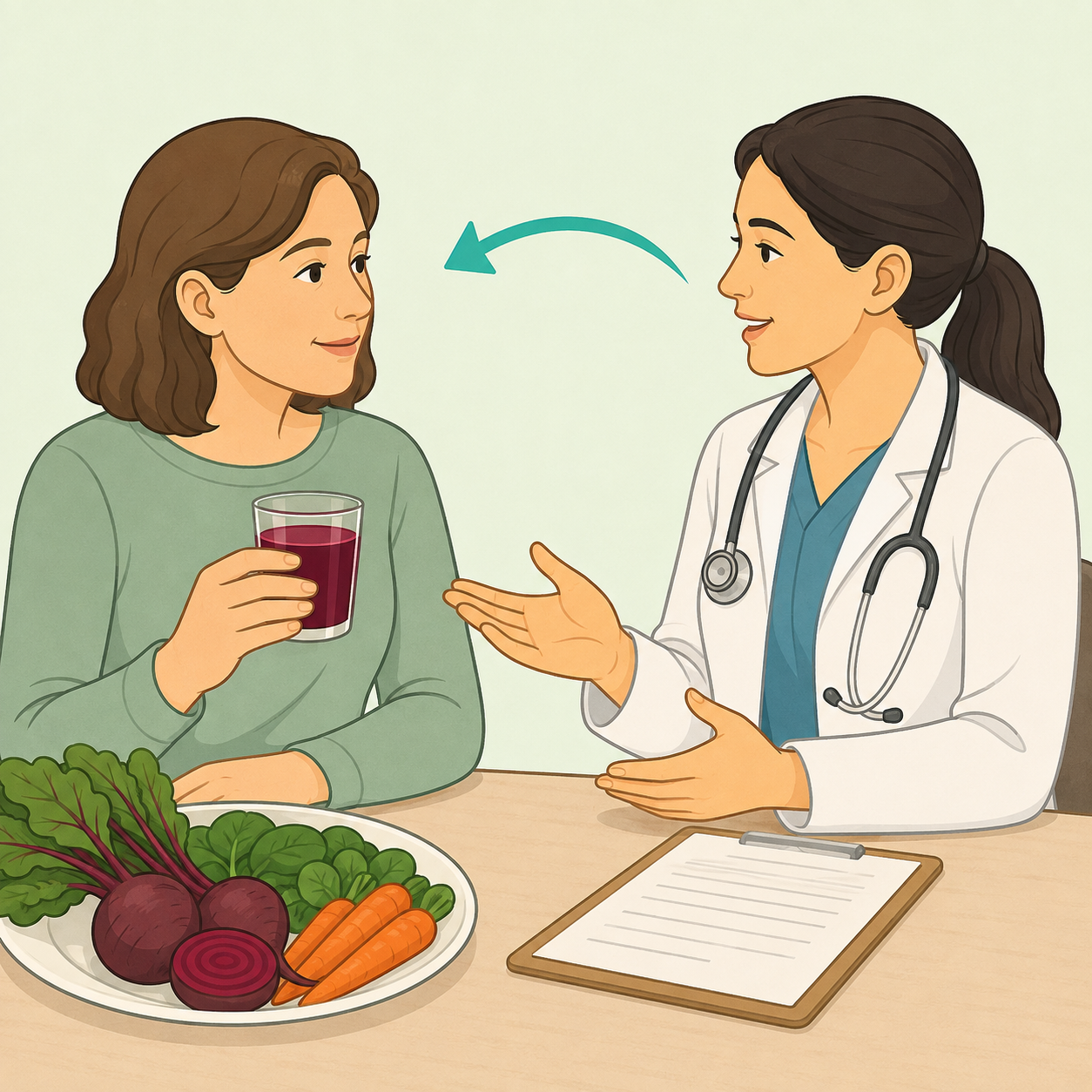
Claims that beetroot juice kills cancer or is safer than conventional treatment are not supported by reliable medical evidence. Beetroot can be part of a normal diet for some people, but cancer treatment decisions should stay with a licensed oncology team. This guide shows how to check the claim, spot red flags, and talk about beetroot juice safely.
Treat cure claims as unproven
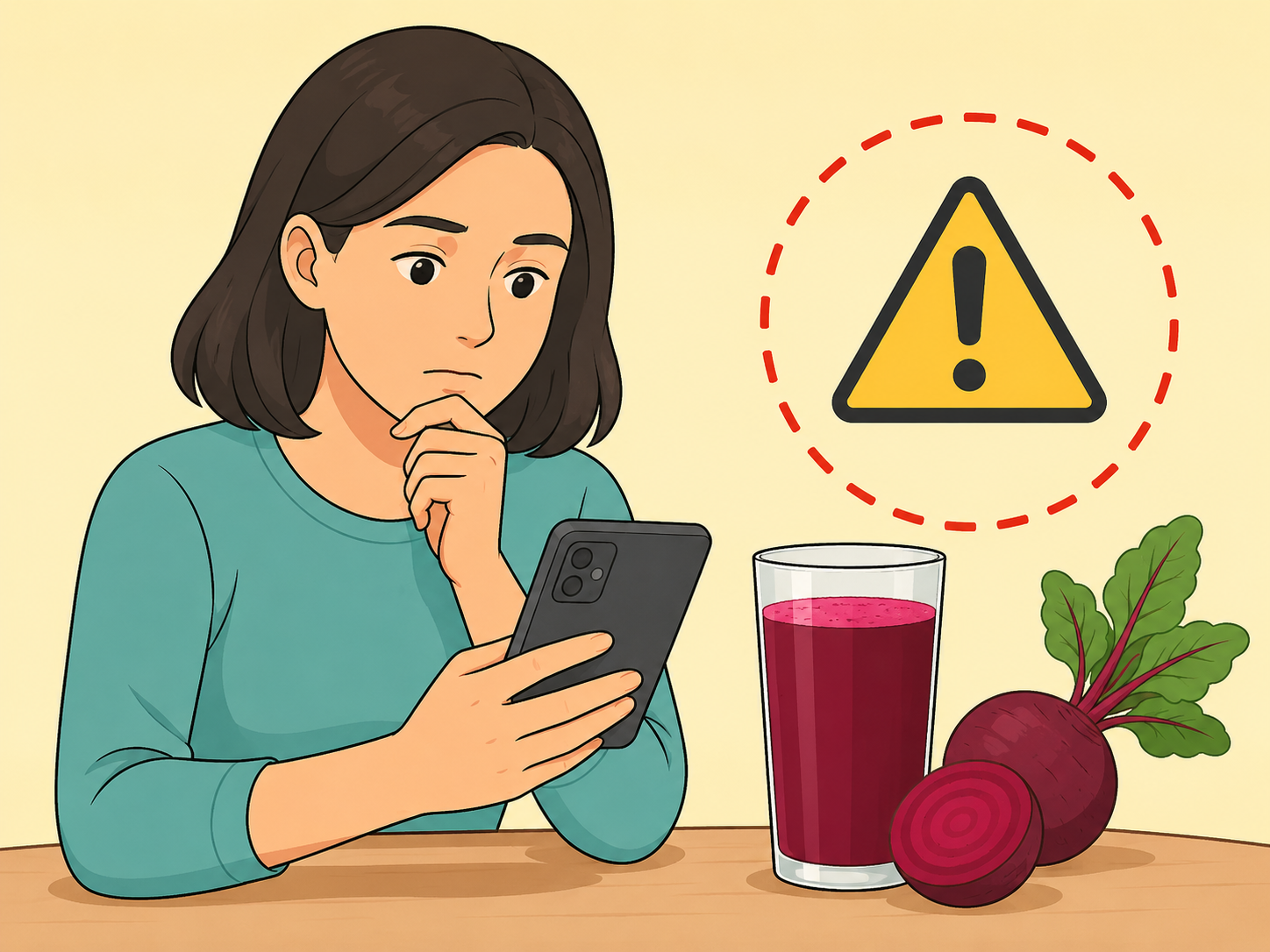
Start by separating food advice from treatment claims. The National Cancer Institute says there is no proof that any food, diet trend, herb, vitamin, mineral, supplement, or combination of these can slow cancer, cure it, or keep it from coming back. A beetroot juice claim that promises to kill cancer should be treated as an unproven health claim, not as medical guidance.
Keep cancer treatment decisions with your oncology team
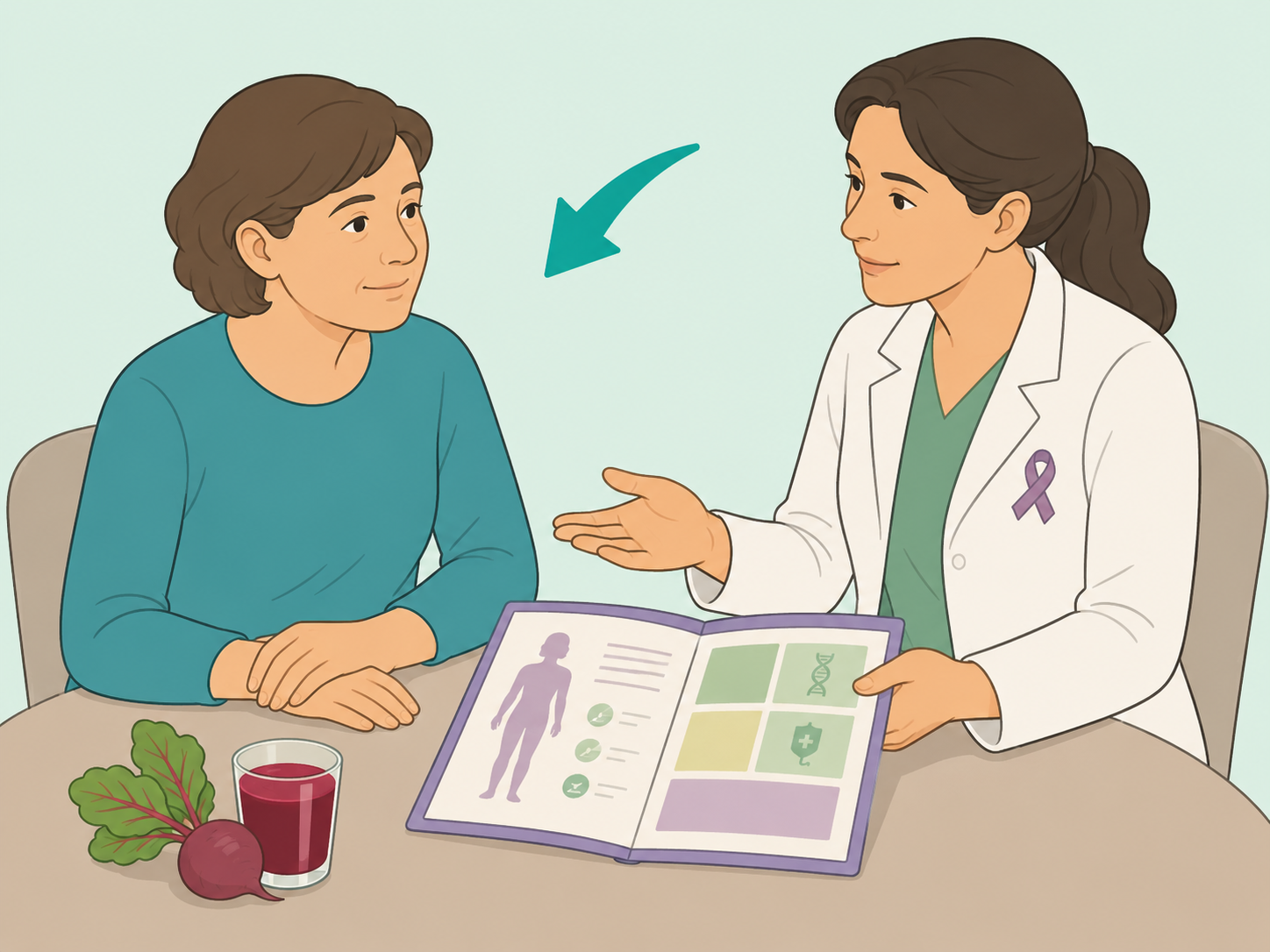
Do not use beetroot juice, juicing, supplements, or any natural remedy instead of standard cancer care. The NCI explains that complementary approaches are used along with standard medical treatment, while alternative approaches are used instead of it and are less studied. Your doctor can explain which treatments have evidence for your specific cancer.
Ask before adding beetroot juice or supplements
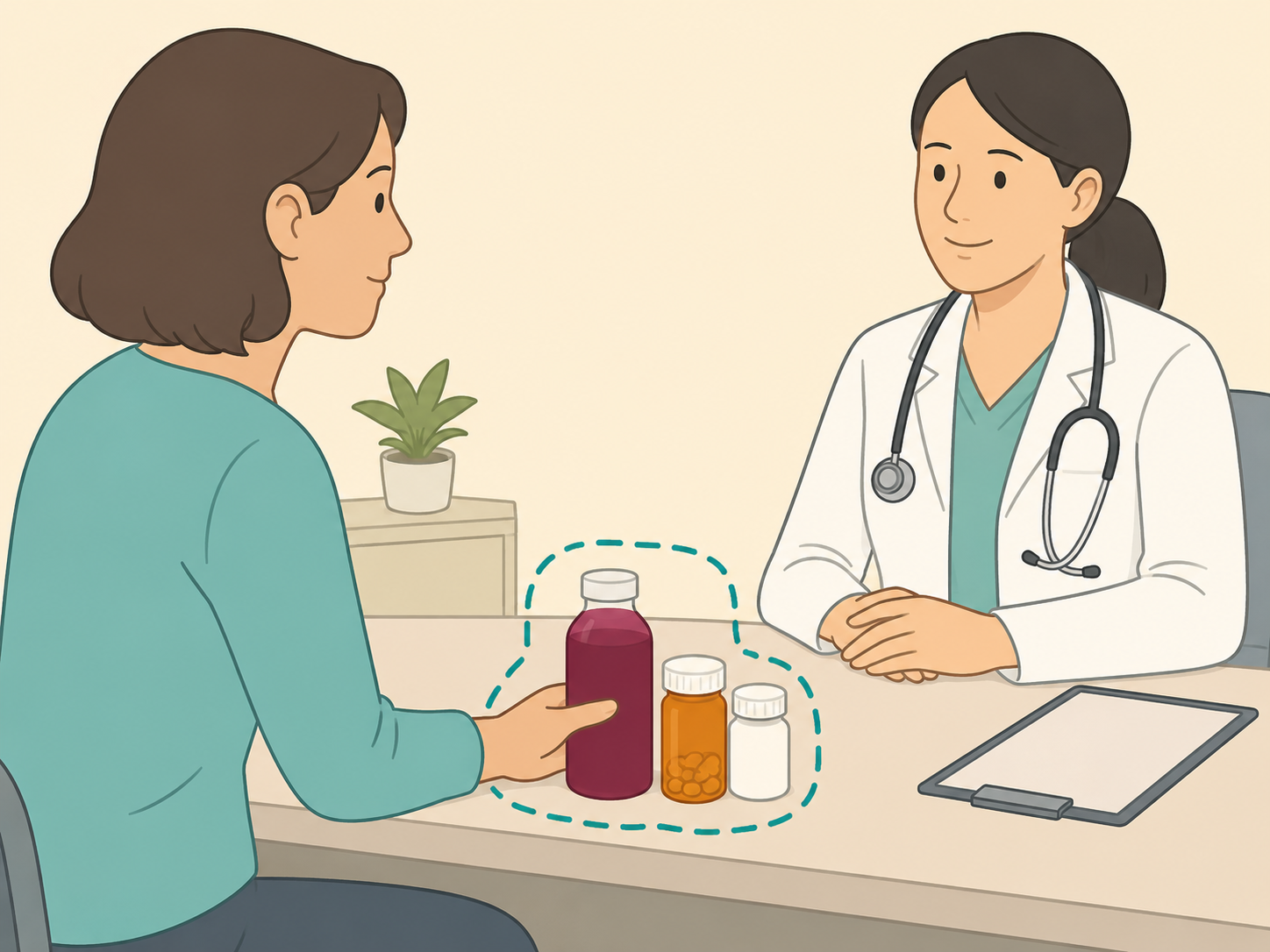
Bring up beetroot juice before you start drinking it regularly, especially if you are having chemotherapy, immunotherapy, radiation, surgery, or taking prescription medicines. The NCI warns that dietary supplements, herbs, and some CAM products can change how cancer drugs work in the body. Even simple-seeming products are worth discussing because your treatment plan is specific to you.
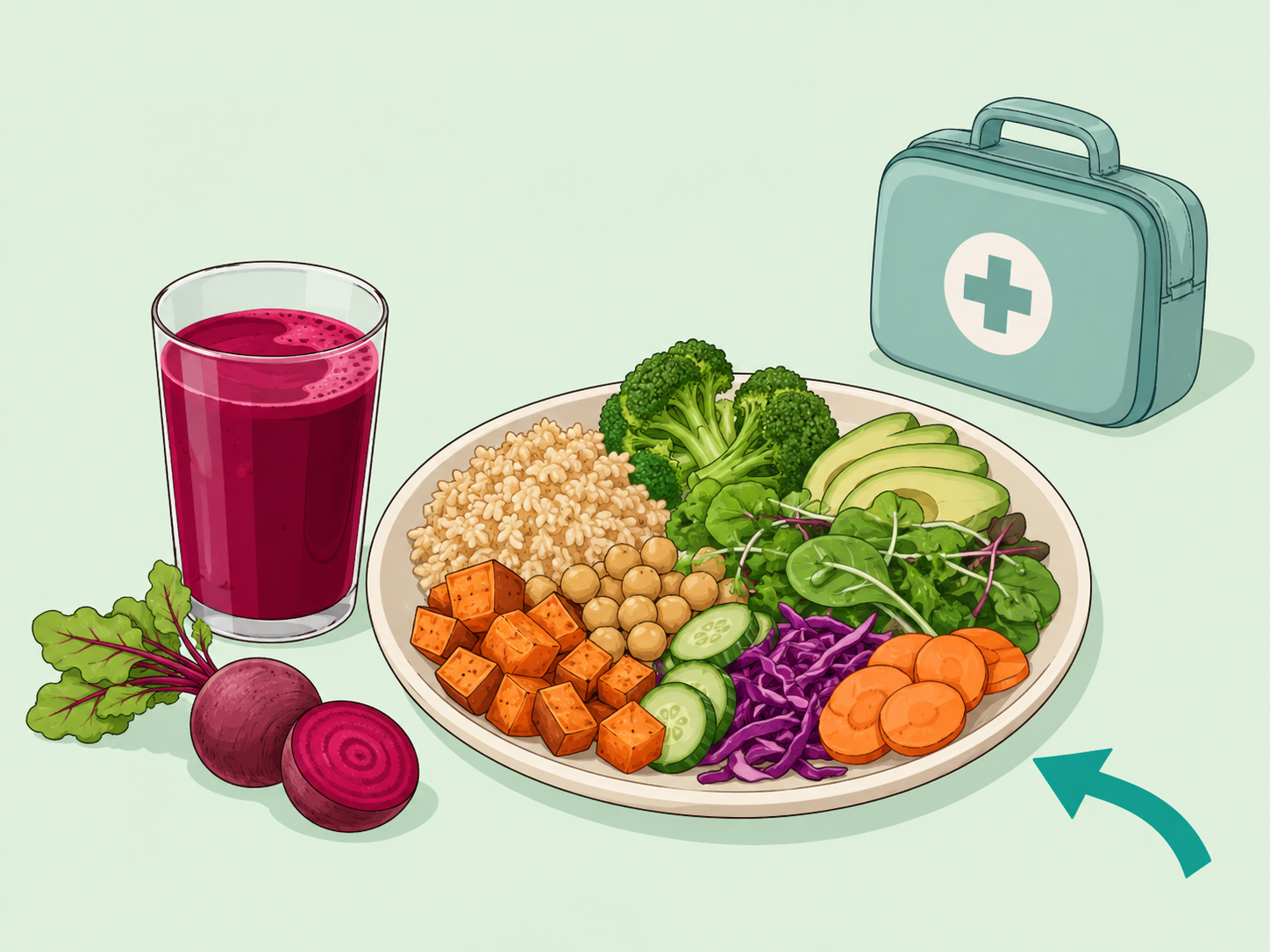
Use beetroot as food, not medicine
If your care team says it is fine for you, treat beetroot juice as a food you enjoy rather than as a cancer treatment. Cleveland Clinic notes that beet juice contains dietary nitrates and may have a small blood-pressure effect for some people. That possible heart-related effect does not mean beetroot juice treats tumors.
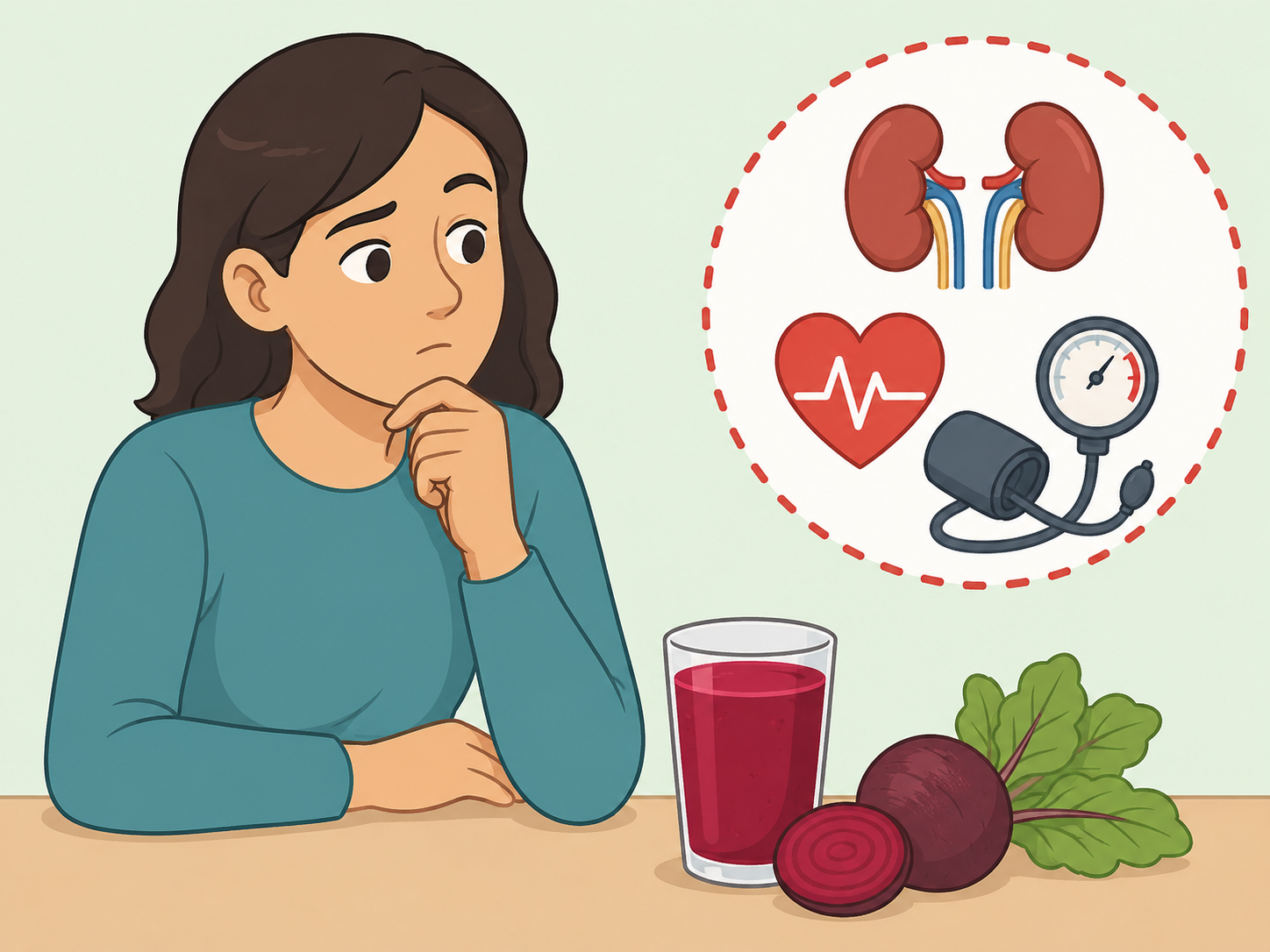
Watch for personal risks
Ask for individual advice if you have kidney stones, kidney disease, low blood pressure, gout, digestive problems, or take blood pressure medicine. MedlinePlus lists beets among foods that may need limiting for some people with calcium oxalate kidney stones. Beet juice can also turn urine or stool red, which can be harmless but confusing if you are watching for treatment symptoms.
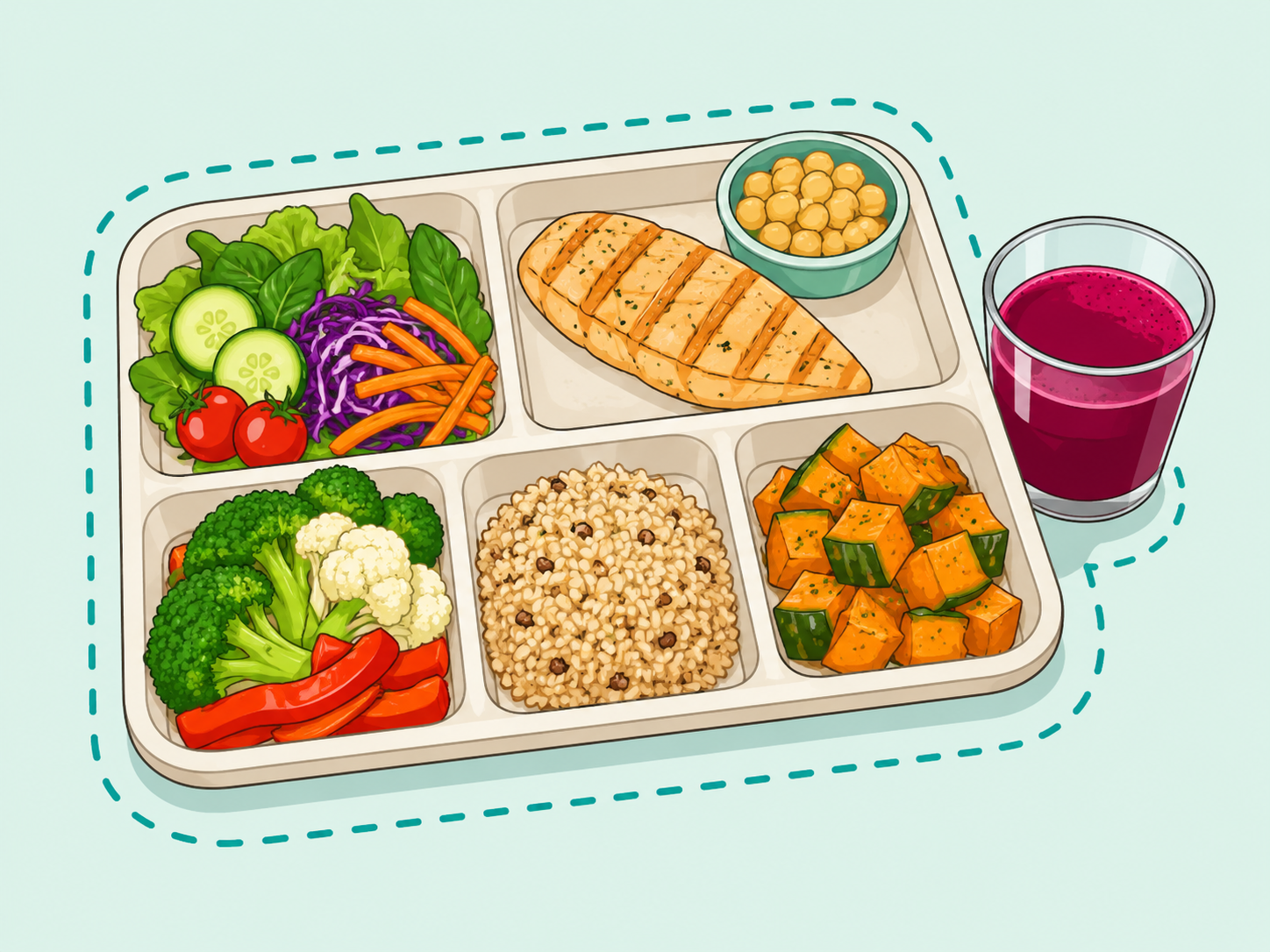
Build meals around variety
Do not let one juice crowd out the wider nutrition your body needs during cancer care. The NCI advises that a healthy, balanced diet matters, but no single food or popular diet has proved to treat cancer. If eating is hard during treatment, ask for a referral to an oncology dietitian.
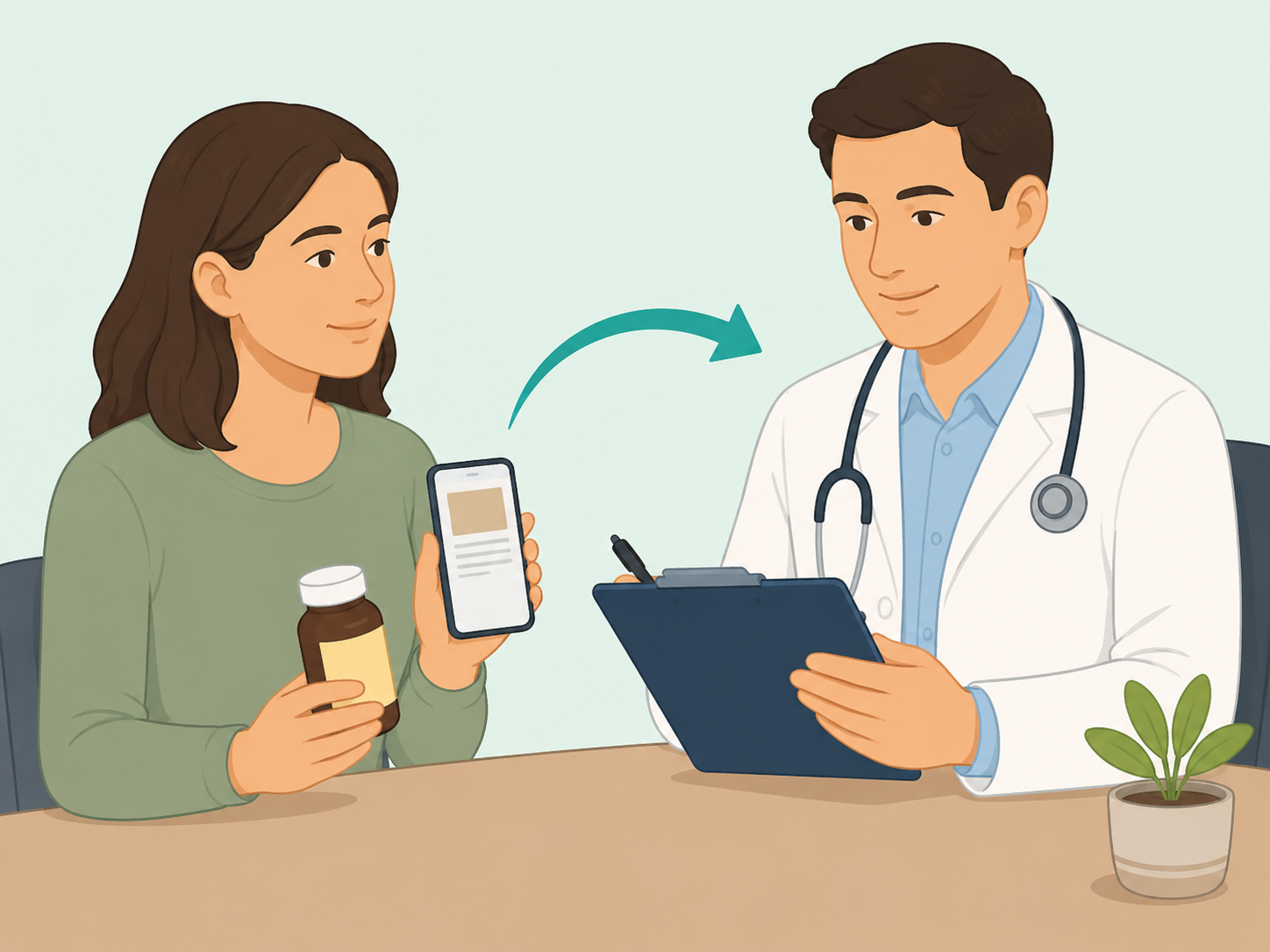
Save the claim and questions for your appointment
Take screenshots, product labels, ingredient lists, or links to your next visit so your care team can review the exact claim. NCCIH recommends discussing complementary health products and practices with healthcare providers before deciding, especially when you are being treated for cancer. Ask, "Could this interact with my treatment?" and "Is there evidence it helps with my goal?"
Seek medical help instead of delaying care
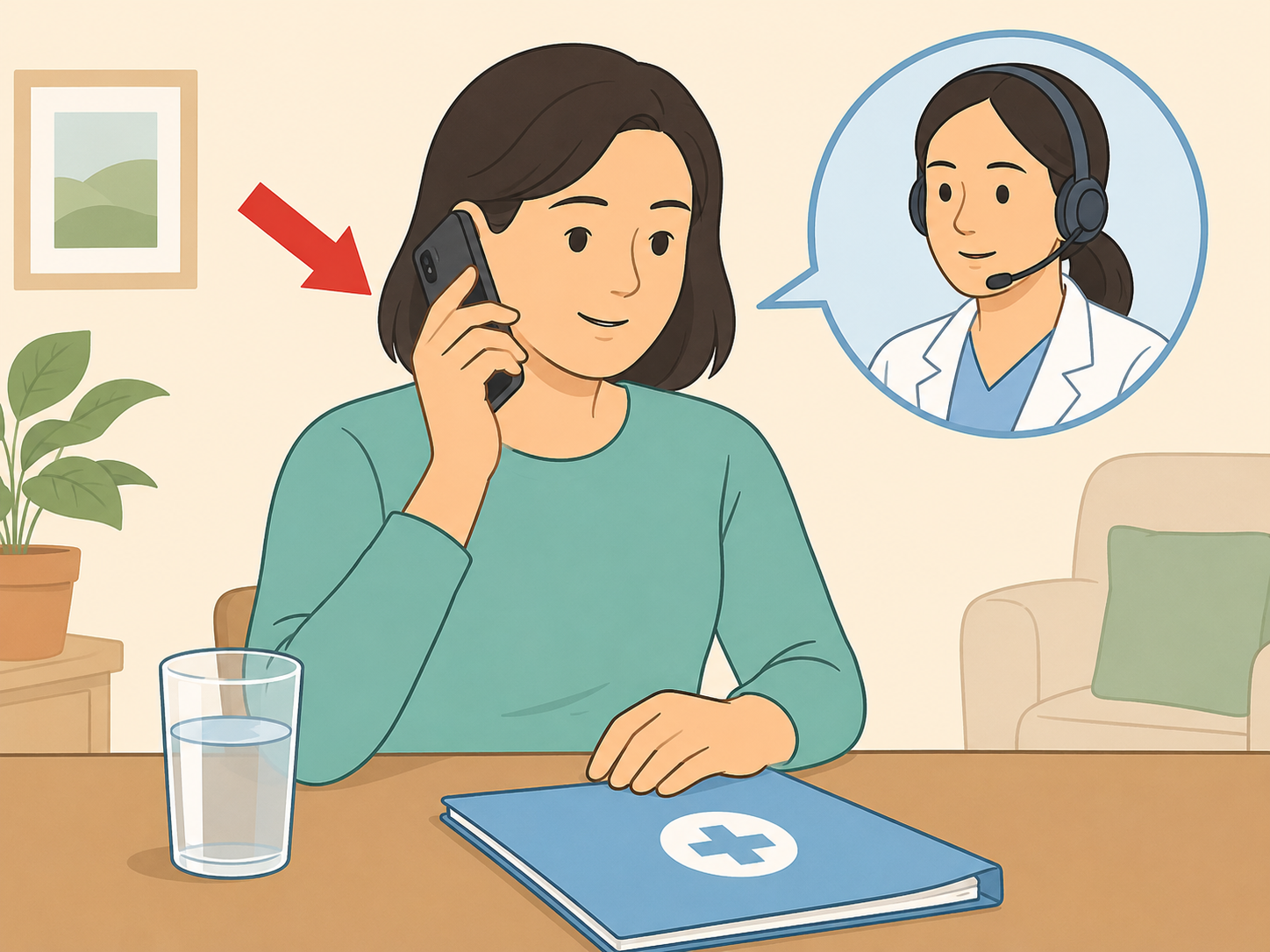
Contact your doctor promptly if you have new symptoms, worsening side effects, unexplained bleeding, severe pain, fever, dehydration, or trouble keeping food or fluids down. NCCIH warns that unproven cancer approaches can be harmful when they delay effective medical treatment. If you are tempted to pause treatment because of a natural-cure claim, call your oncology team first.
Summary
The bottom line: beetroot juice may fit into some healthy eating plans, but it should not be used to treat cancer, replace proven care, or delay medical help. Bring any supplements, juices, or natural products you want to try to your cancer care team first.
Frequently Asked Questions
- Can beetroot juice cure cancer?
No. The National Cancer Institute says there is no proof that a food, supplement, herb, or diet trend can slow cancer, cure it, or keep it from coming back.
- Is beetroot juice safer than chemotherapy or radiation?
That comparison is misleading. Cancer treatments and their risks depend on the cancer type, stage, and person, so ask your oncology team what benefits and side effects apply to your situation.
- Can I drink beetroot juice during cancer treatment?
Maybe, but ask your doctor, nurse, or dietitian first. The NCI warns that foods, supplements, and CAM products can interact with cancer drugs.
- Does beetroot juice have any health benefits?
Beet juice contains dietary nitrates, and Cleveland Clinic notes it may have a small effect on blood pressure for some people. That does not make it a cancer treatment.
- Who should be careful with beetroot juice?
People with kidney stone concerns, kidney disease, low blood pressure, or blood pressure medicines should ask a clinician first. MedlinePlus lists beets among foods that may need limiting for some people with calcium oxalate stones.
- What should I do if someone tells me to skip cancer treatment for beetroot juice?
Do not stop or delay prescribed cancer care based on that advice. Contact your oncology team and ask them to review the claim with you.
References
Reliable references aided in composing and refining this content.
- https://www.cancer.gov/about-cancer/treatment/cam/diets-supplements
- https://www.cancer.gov/about-cancer/treatment/cam
- https://www.cancer.gov/about-cancer/treatment/cam/patient/dietary-interactions-pdq
- https://www.nccih.nih.gov/health/cancer-and-complementary-health-approaches-what-you-need-to-know
- https://www.nccih.nih.gov/health/know-science/how-medications-and-supplements-can-interact/talk-with-your-health-care-providers
- https://www.fda.gov/consumers/consumer-updates/products-claiming-cure-cancer-are-cruel-deception
- https://health.clevelandclinic.org/drinks-to-lower-blood-pressure
- https://medlineplus.gov/ency/patientinstructions/000135.htm