
 Pin it
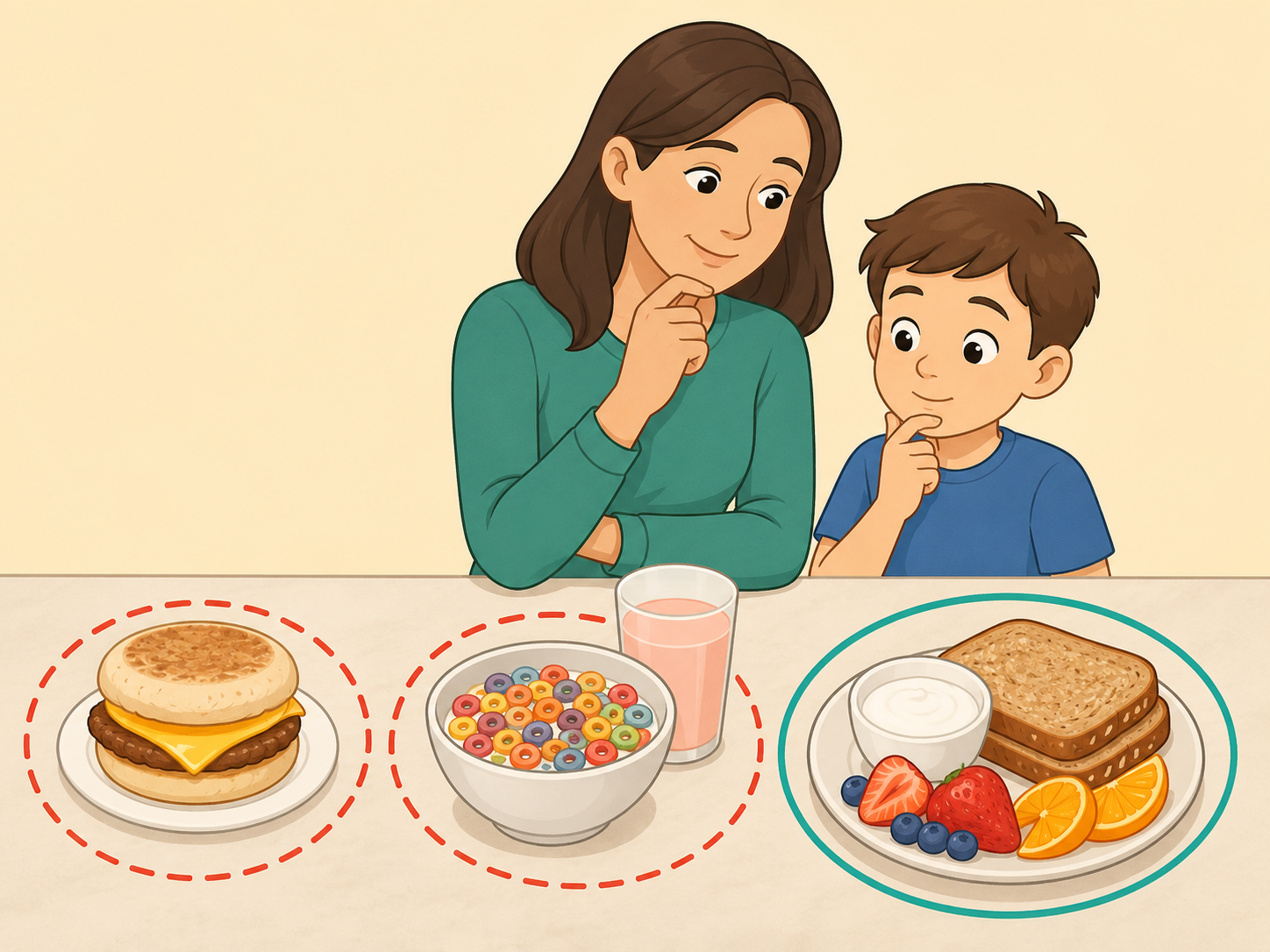
No single breakfast ruins a child's kidneys, but repeated habits can matter over time. This guide explains three breakfast patterns to limit: salty processed or fast-food breakfasts, sugary cereals and drinks, and oversized protein-heavy meals. It also shows safer swaps and when to ask a doctor for individual advice.
Think in breakfast patterns, not scare foods
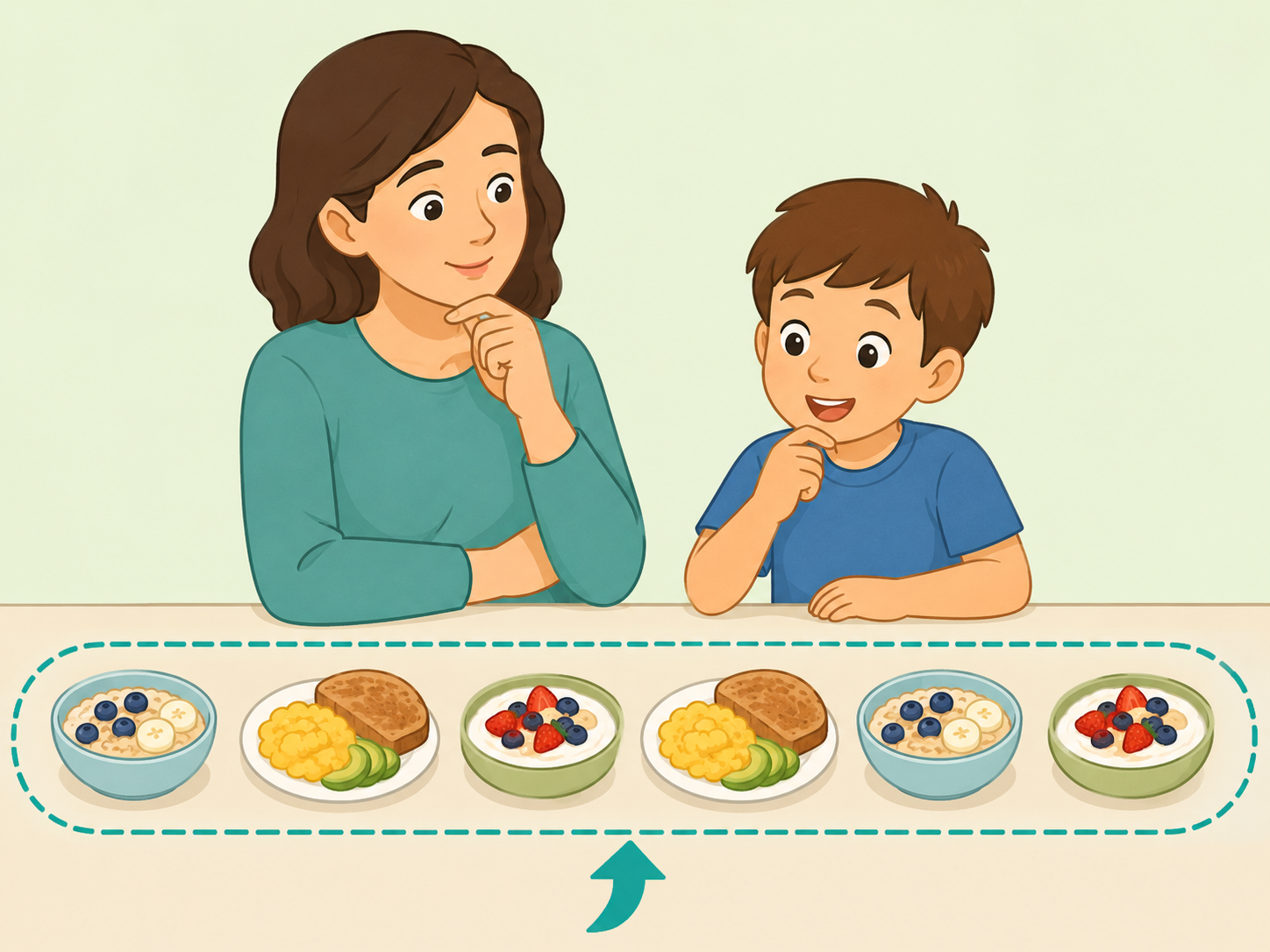
Start by looking at what your child eats most mornings, not what happens once in a while. A healthy pattern for children emphasizes nutrient-dense foods and limits salt, added sugars, and low-nutrient foods, according to the American Heart Association's guidance for children. This makes the goal simple: reduce the breakfasts that are very salty, very sugary, or unusually protein-heavy.
Limit processed-meat and fast-food breakfasts first
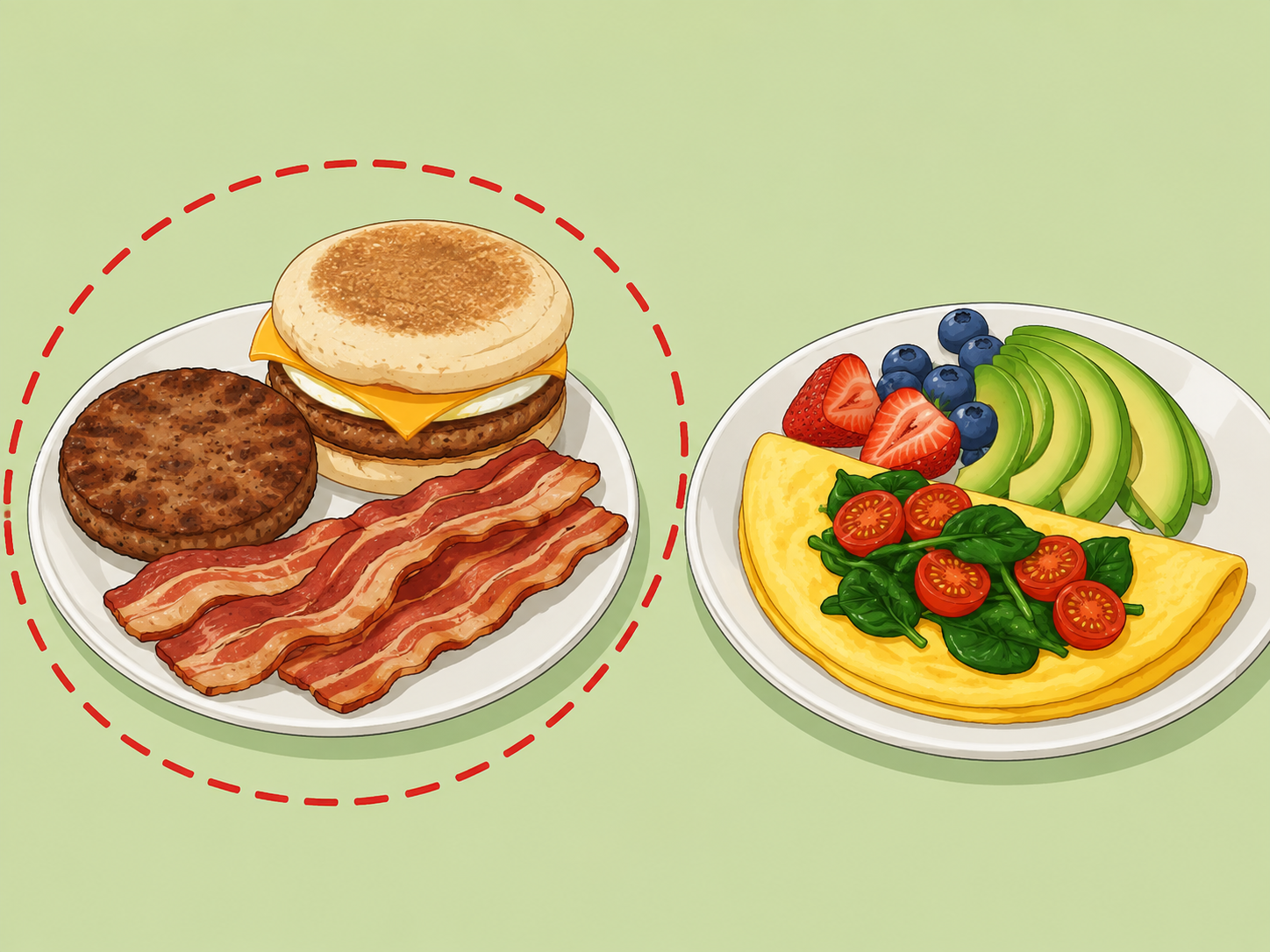
Frequent bacon, sausage, ham biscuits, breakfast sandwiches, and fast-food combos can make sodium add up quickly. The American Heart Association notes that processed and restaurant foods are major sodium sources for children, and NIDDK explains that too much sodium can raise blood pressure and put stress on the kidneys and heart in people with kidney disease. If you want one category to reduce first, make it the regular salty processed breakfast.
Watch sugary cereals, pastries, and sweet drinks
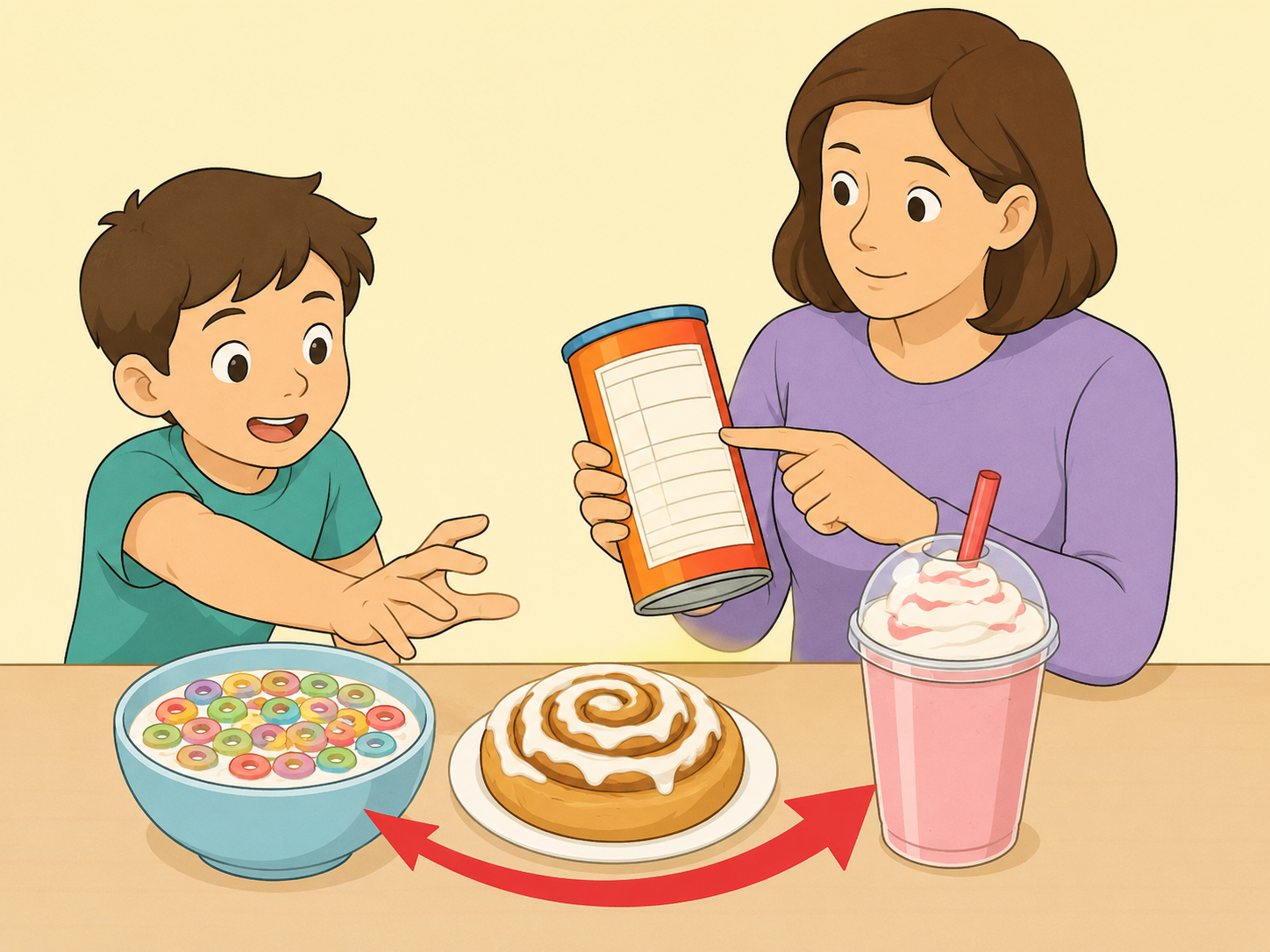
Sweet cereal, toaster pastries, donuts, flavored milks, bottled coffee drinks, and fruit drinks can turn breakfast into a large added-sugar meal. The American Heart Association lists breakfast cereals, bars, sweetened yogurts, and sweet drinks as common sources of added sugar. The CDC also notes that granola, instant oatmeal, cereals, yogurt, and drinks can hide added sugars, so read labels instead of judging by the front of the package.
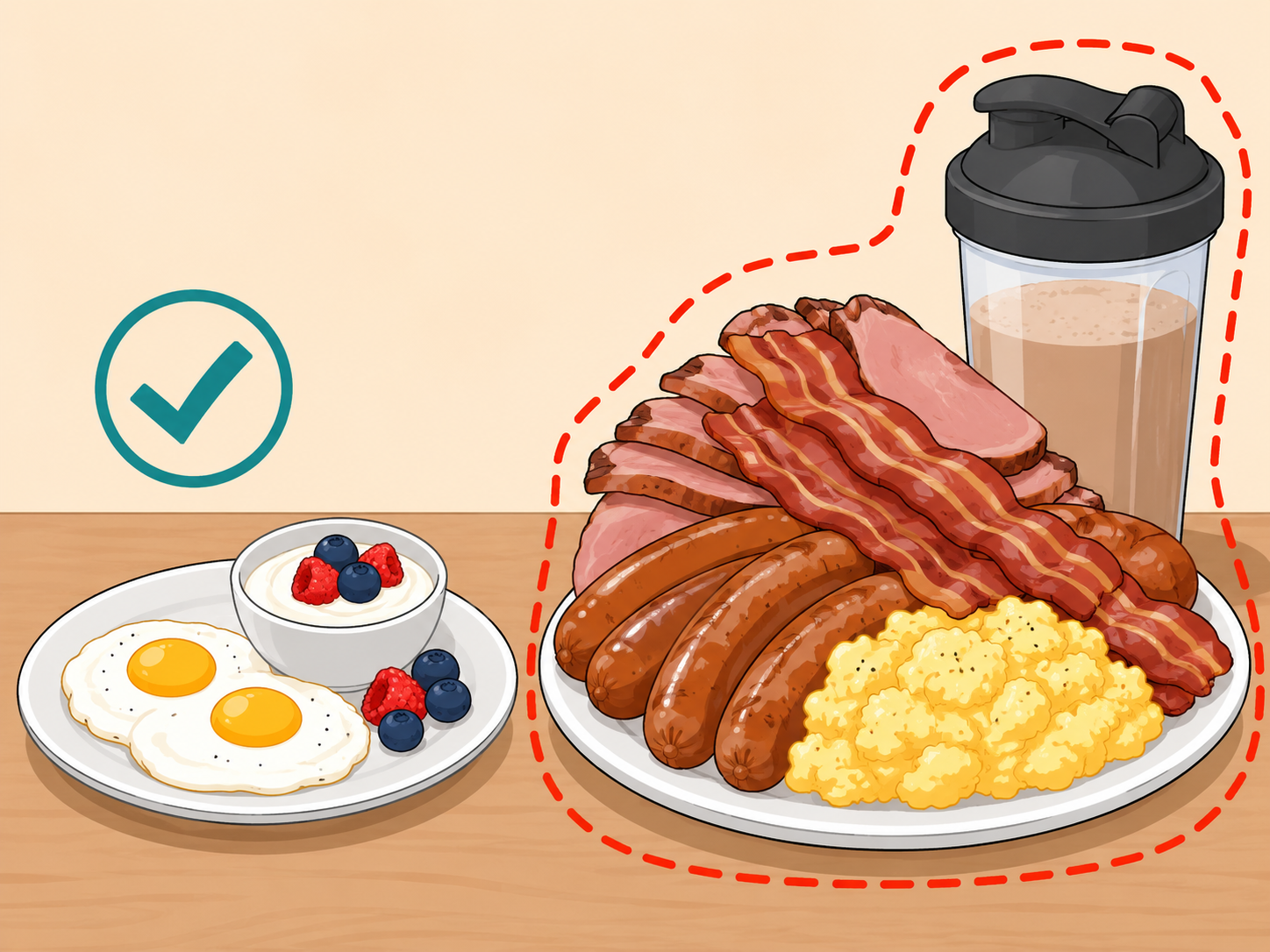
Keep protein portions normal for your child's age
Eggs, yogurt, nut butter, beans, and lean meats can be healthy breakfast proteins, but more is not always better. For people with chronic kidney disease, the CDC says too much protein can make the kidneys work harder, while too little is not healthy either. Avoid making protein powders, extra meat, or adult-style high-protein meals a routine for children unless their clinician or dietitian recommends it.
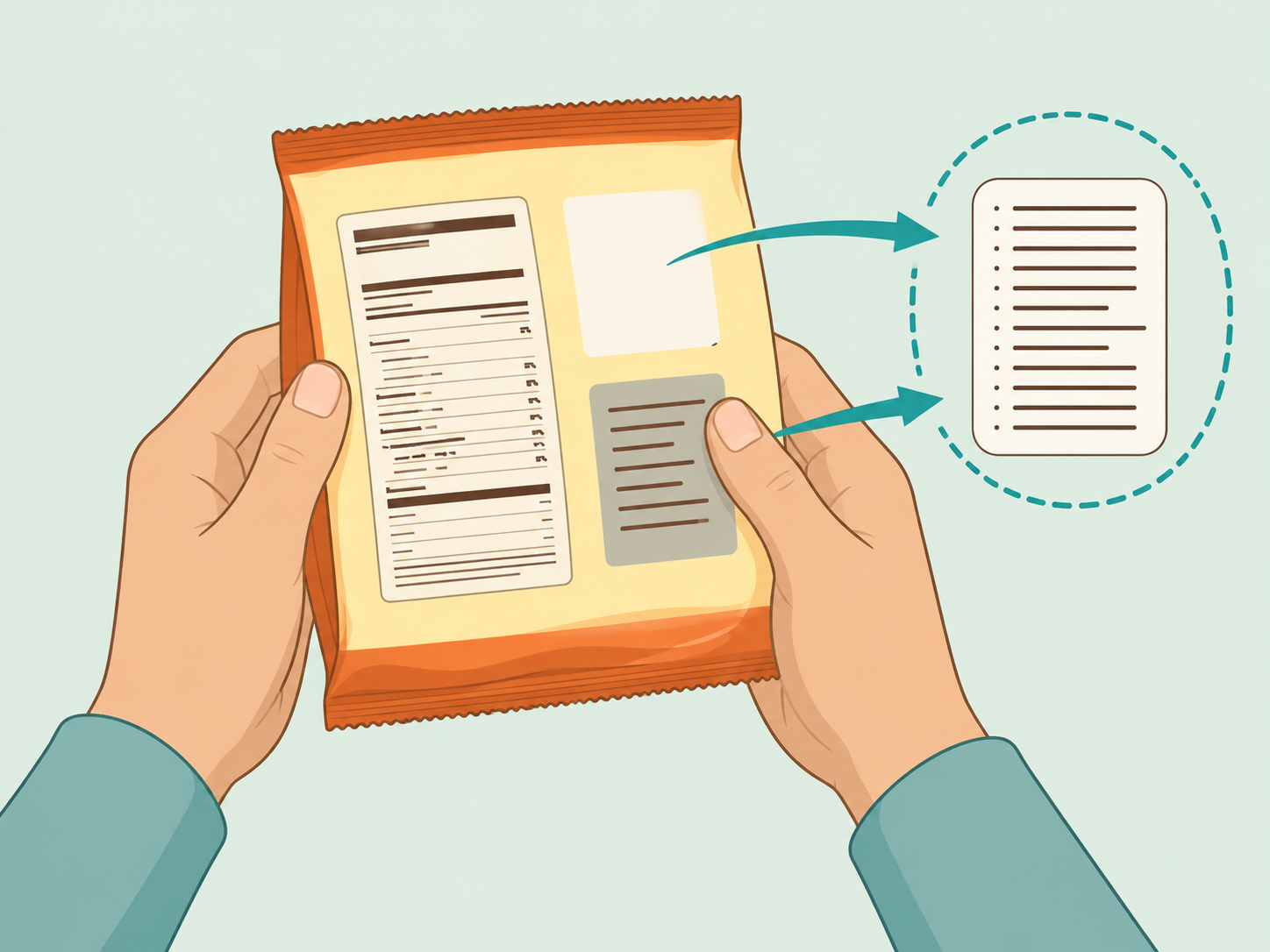
Check labels for sodium, added sugar, and phosphate additives
Use the Nutrition Facts label and ingredient list before buying cereal, frozen breakfast foods, bars, flavored yogurt, meat substitutes, or packaged sandwiches. NIDDK advises people with kidney disease to limit packaged and processed foods with added phosphorus and to look for ingredient words containing phos. For a generally healthier choice, compare similar products and choose the one with less sodium and less added sugar.
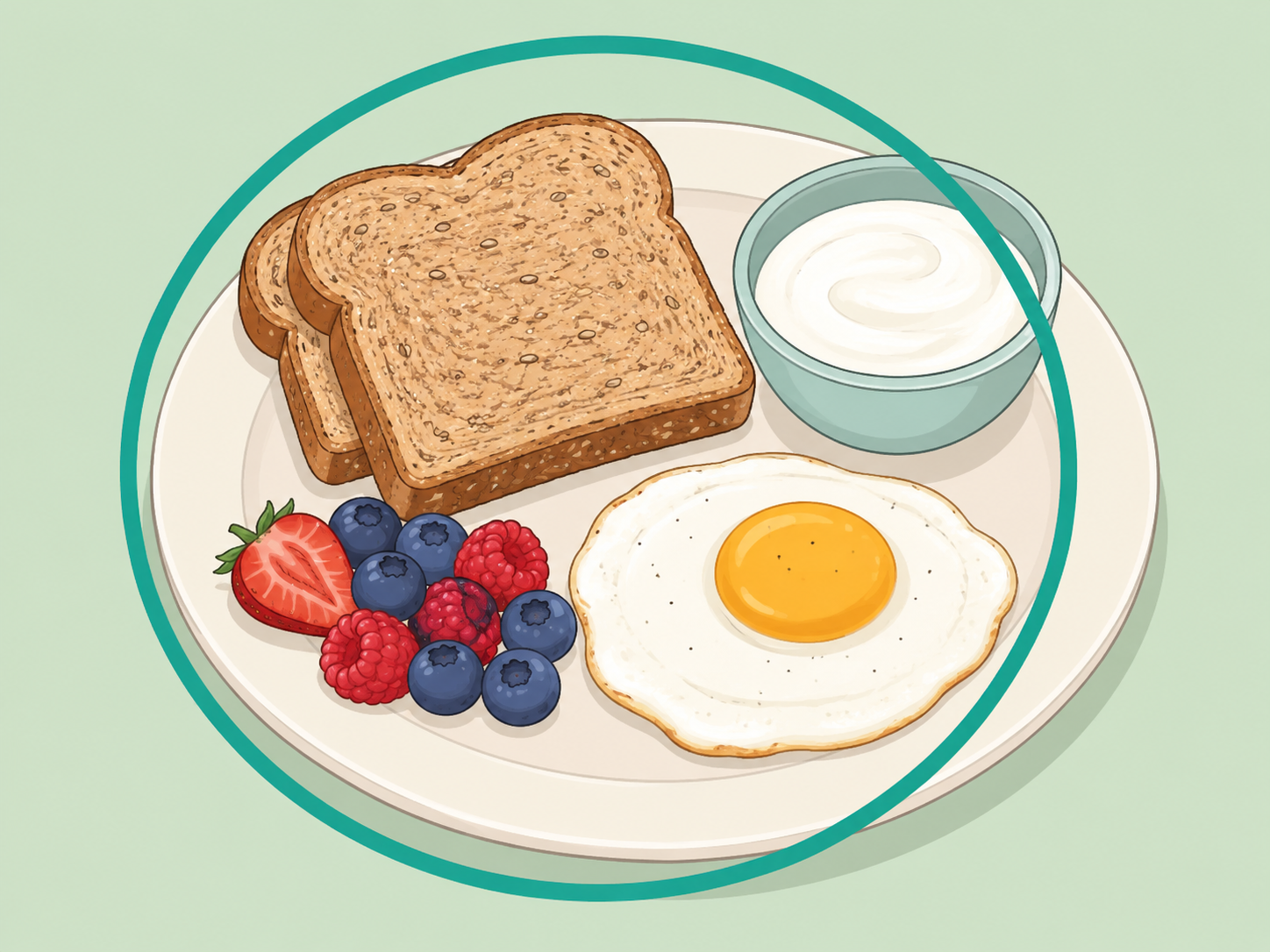
Build breakfast around simple whole foods
Make the usual plate plain and balanced: a whole-grain option, a fruit or vegetable, and a modest protein such as an egg, unsweetened yogurt, beans, or nut butter if your child can safely eat it. The AHA recommends whole-grain or high-fiber breads and cereals, fruits and vegetables, lean proteins, and low-fat dairy foods for children. This approach keeps breakfast filling without leaning on salt, sugar, or oversized portions.
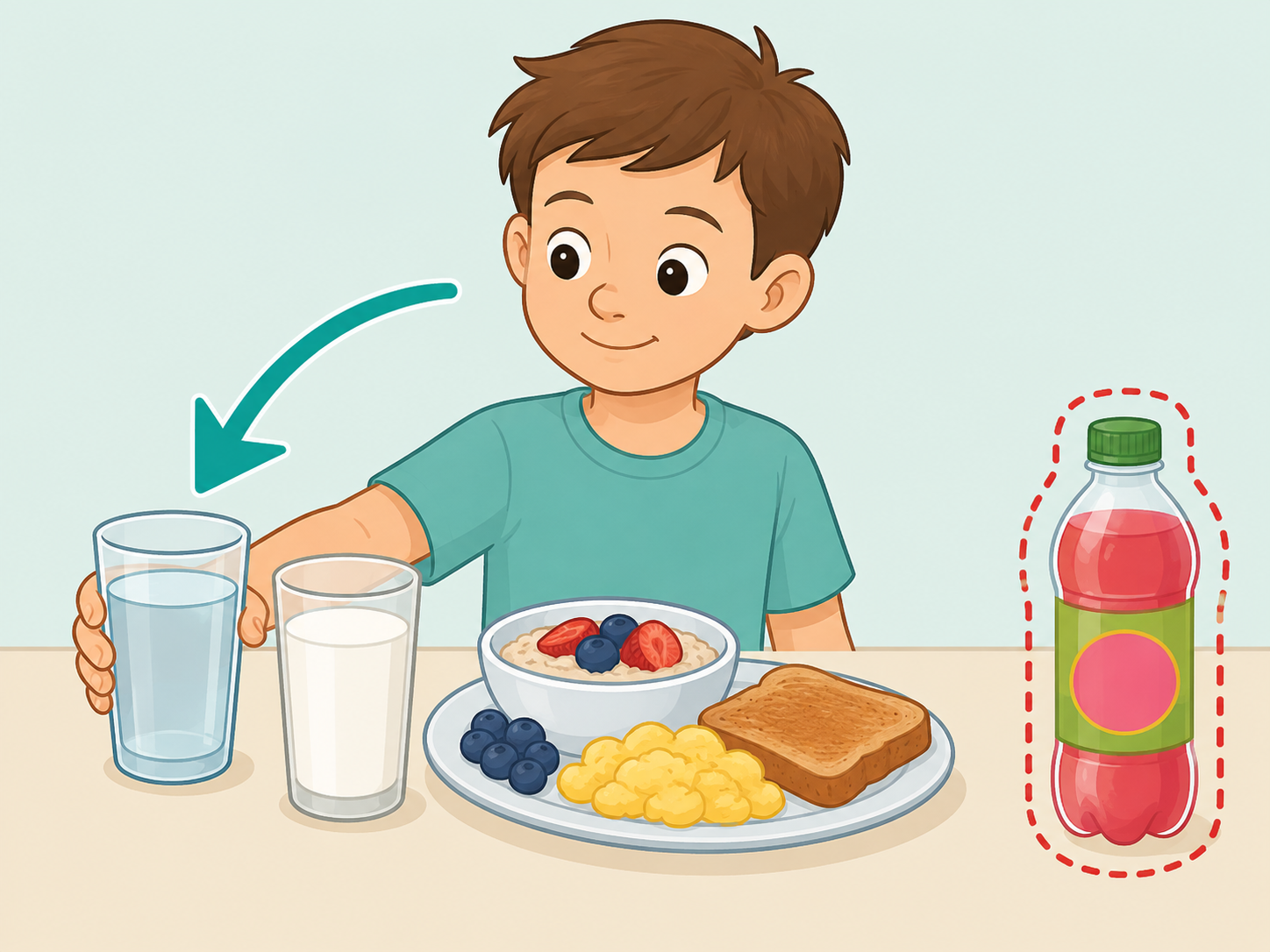
Choose water or unsweetened drinks most mornings
Keep the drink boring in the best way: water, plain milk when appropriate for your child's age, or unsweetened options. Sweet drinks can add sugar quickly, and the AHA recommends limiting foods and beverages with high amounts of added sugars. If your child has diabetes or kidney disease, ask their clinician which drinks fit their plan.
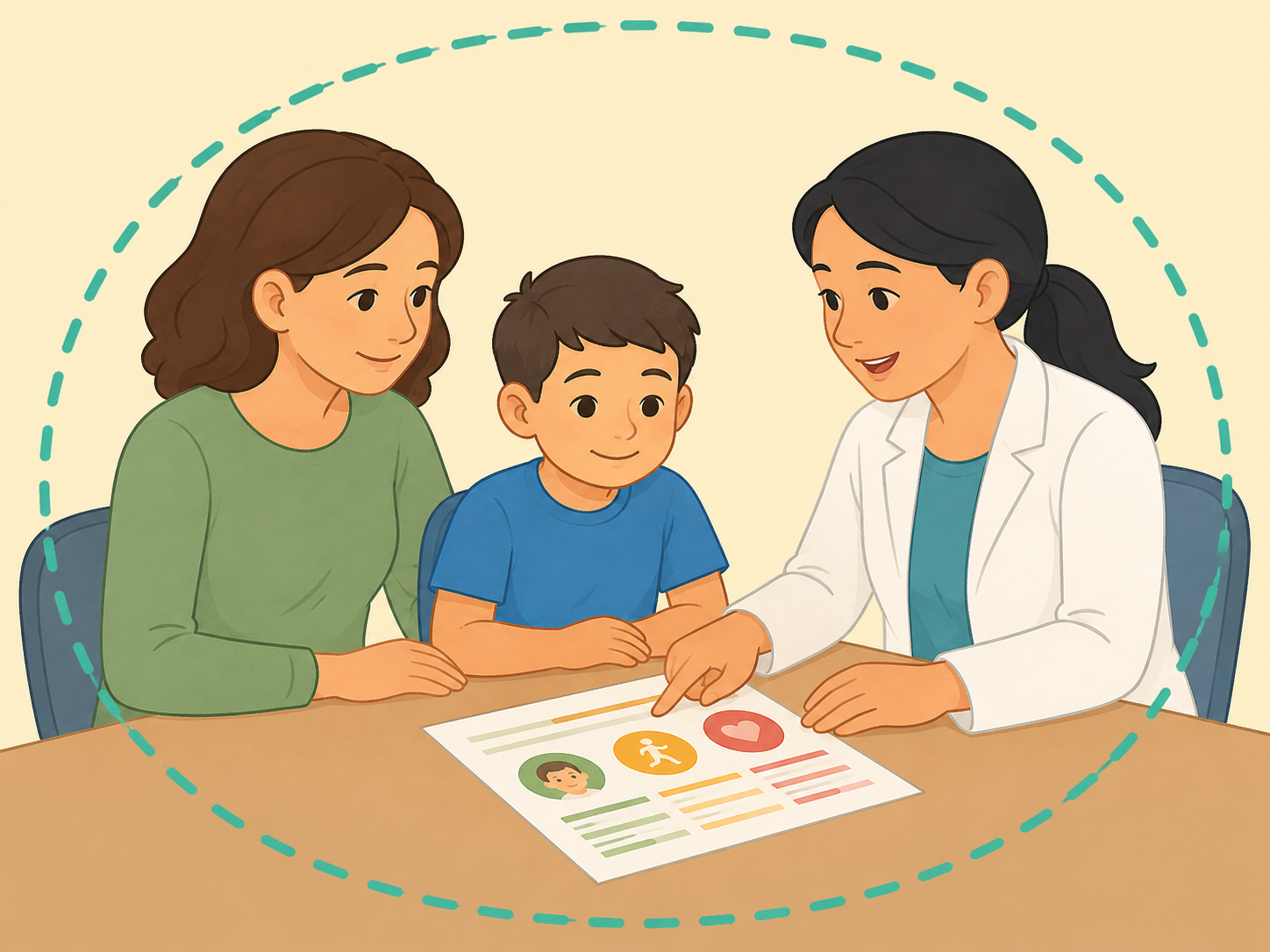
Ask a doctor if your child has kidney risk factors
Talk with a pediatrician if your child has diabetes, high blood pressure, swelling, changes in urination, blood in the urine, poor growth, unusual tiredness, or a family history of kidney disease. MedlinePlus explains that chronic kidney disease can develop slowly and may not cause symptoms until it is advanced, so testing matters when there is a concern. If your child already has kidney disease, work with a pediatric kidney dietitian before changing protein, potassium, phosphorus, sodium, or fluids.
Summary
The bottom line: the most practical kidney-friendly breakfast habit is to choose mostly fresh, minimally processed foods, keep sodium and added sugars low, and avoid making high-protein breakfasts the default unless a clinician recommends them.
Frequently Asked Questions
- Can one unhealthy breakfast damage my child's kidneys?
Usually, no. Kidney health is more affected by repeated patterns, medical conditions, and overall diet than by one meal. If your child has kidney disease, diabetes, high blood pressure, or abnormal lab results, ask their care team what limits matter for them.
- What breakfast type should I limit first?
Frequent fast-food or processed-meat breakfasts are a good place to start because they can be high in sodium and may also include processed ingredients with additives. Occasional bacon or sausage is different from making it a daily habit.
- Are sugary cereals bad for kidneys?
Sugary cereals are not a kidney toxin, but they can add a lot of added sugar without much nutrition. Over time, high added-sugar habits can make it harder to support healthy weight and blood sugar, which matters for long-term kidney health.
- Should kids avoid protein at breakfast?
No. Children need protein for growth. The concern is oversized protein-heavy meals, protein powders, or very meat-heavy breakfasts, especially for a child who already has kidney disease or has been told to follow a special meal plan.
- Are bananas, milk, or whole grains bad for children with kidney concerns?
For most healthy children, these foods can fit into a balanced diet. For a child with chronic kidney disease, potassium, phosphorus, fluid, and protein needs may depend on lab results and treatment stage, so do not restrict whole food groups without medical guidance.
- When should I ask a doctor about my child's kidney health?
Ask a pediatrician if your child has high blood pressure, diabetes, swelling, changes in urination, blood in the urine, poor growth, unusual tiredness, or a family history of kidney disease. Blood and urine tests are the usual way to check kidney function.
References
Reliable references aided in composing and refining this content.
- https://www.heart.org/en/healthy-living/healthy-eating/eat-smart/nutrition-basics/dietary-recommendations-for-healthy-children
- https://www.heart.org/en/healthy-living/healthy-eating/eat-smart/sodium/sodium-and-kids
- https://www.heart.org/en/healthy-living/healthy-eating/eat-smart/sugar/added-sugars
- https://www.cdc.gov/diabetes/healthy-eating/spotting-hidden-sugars-in-everyday-foods.html
- https://www.cdc.gov/diabetes/healthy-eating/diabetes-and-kidney-disease-food.html
- https://www.niddk.nih.gov/health-information/kidney-disease/chronic-kidney-disease-ckd/healthy-eating-adults-chronic-kidney-disease?dkrd=nkdep.nih.gov/resources/eating-right.shtml
- https://medlineplus.gov/chronickidneydisease.html