
 Pin it
Bananas are often described online with exaggerated claims, but the useful truth is simpler: they can add potassium, fiber, vitamin B6, vitamin C, magnesium, and natural carbohydrates to your day. This guide explains how to eat bananas in a balanced way, how ripeness changes their effect, and when to check with a health professional before making them a regular habit.
Start with one medium banana as a serving
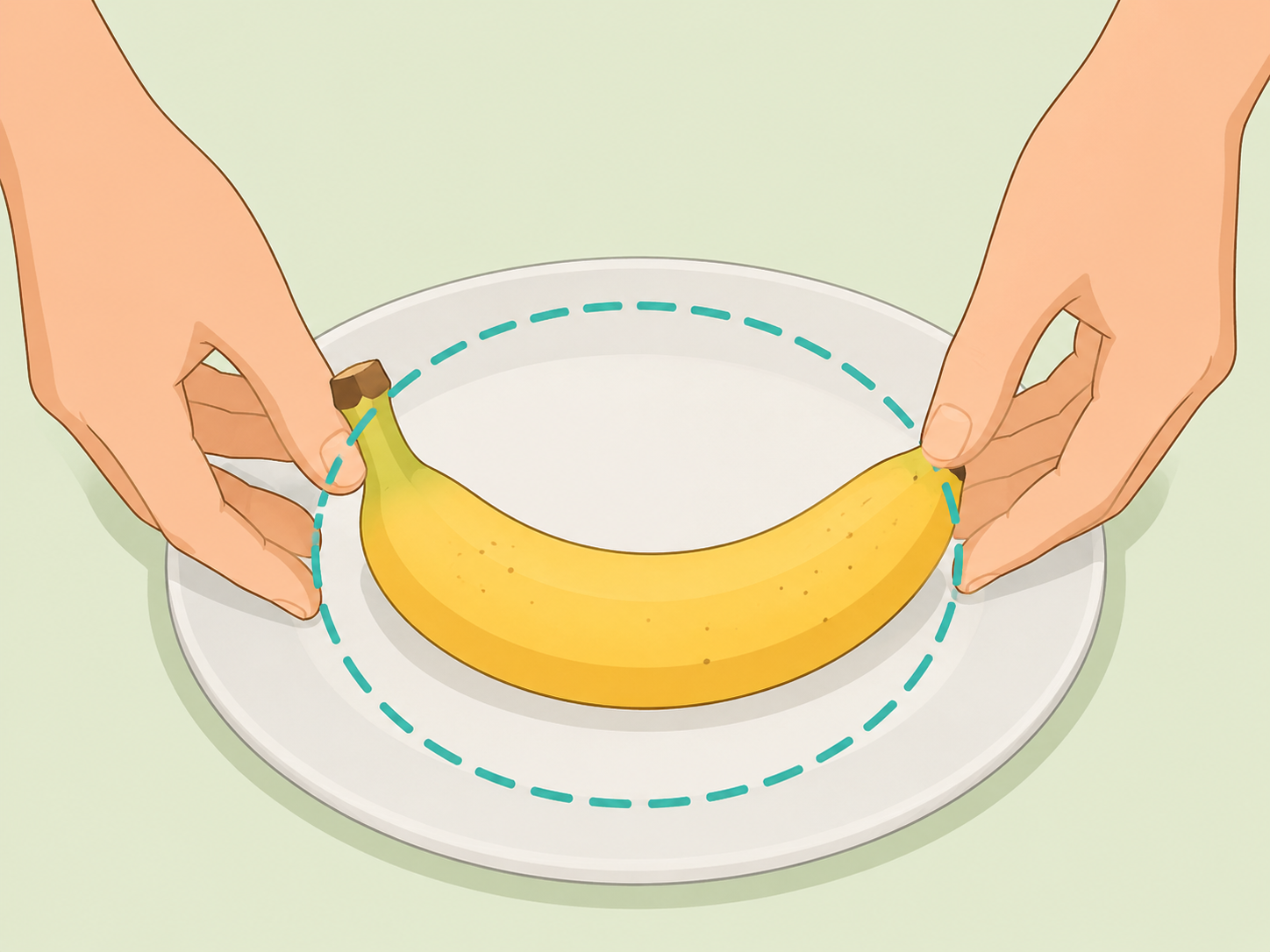
Use one medium banana as a practical serving instead of treating bananas as unlimited snacks. A medium ripe banana has about 105 calories, 28 grams of carbohydrate, 3 grams of fiber, and about 422 milligrams of potassium according to Cleveland Clinic nutrition information.
Use bananas to add potassium, not as a cure
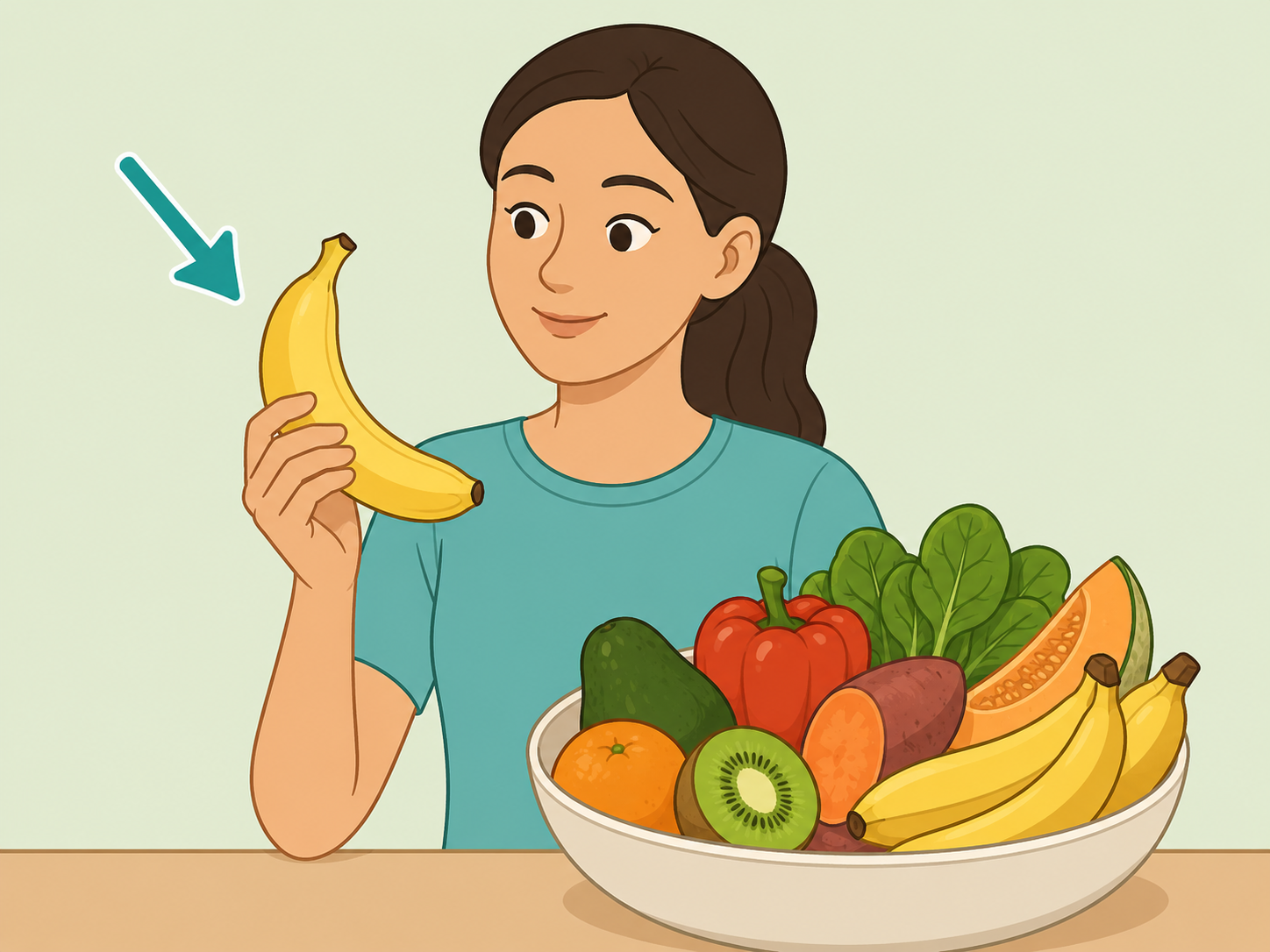
Bananas can help increase your potassium intake, and potassium is involved in normal cell function, nerve signaling, muscle contraction, and fluid balance. The NIH Office of Dietary Supplements lists bananas as a potassium-containing food, but eating bananas should not be treated as a way to diagnose, cure, or replace treatment for any condition.
Pair bananas with protein or healthy fat
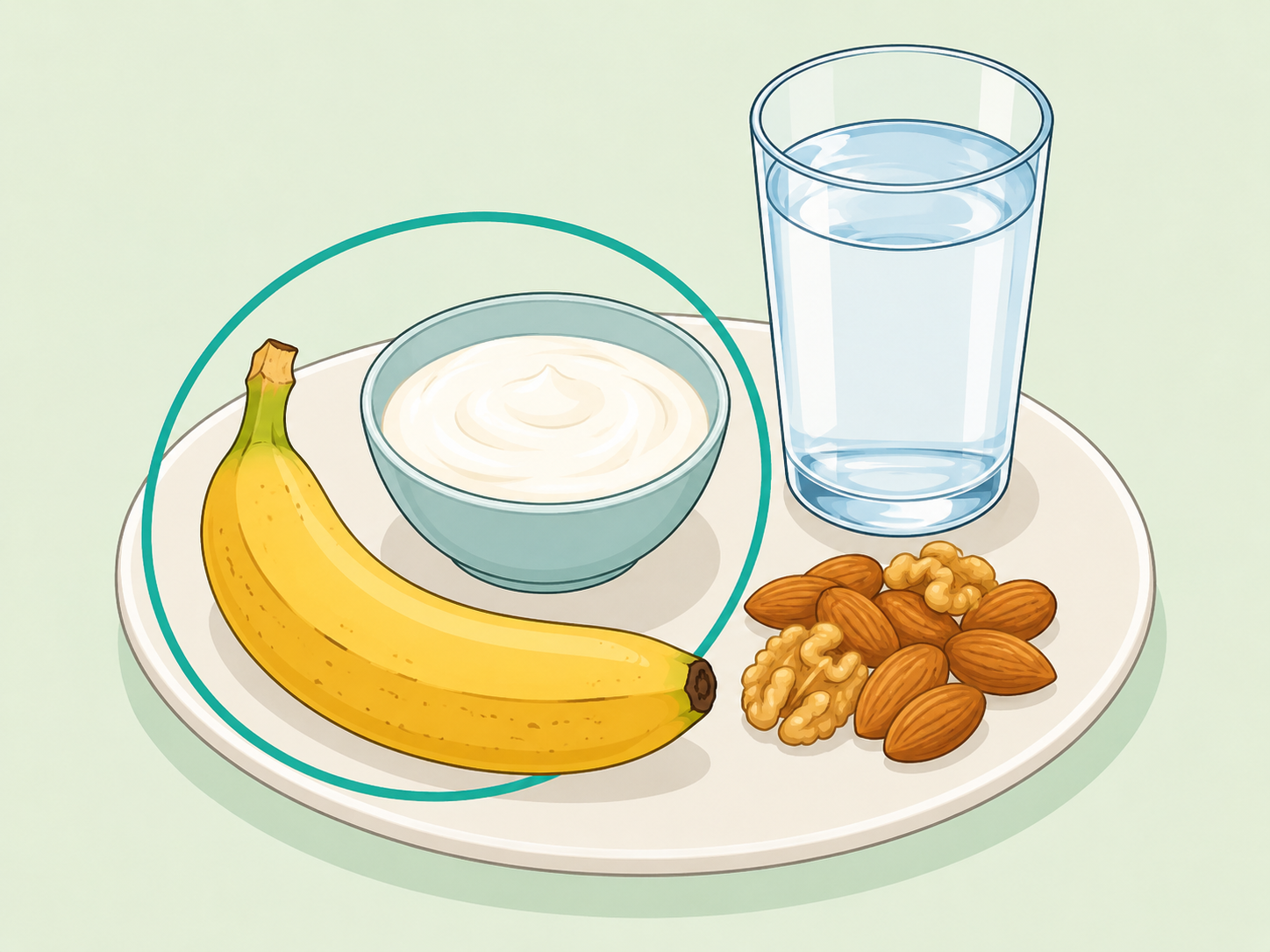
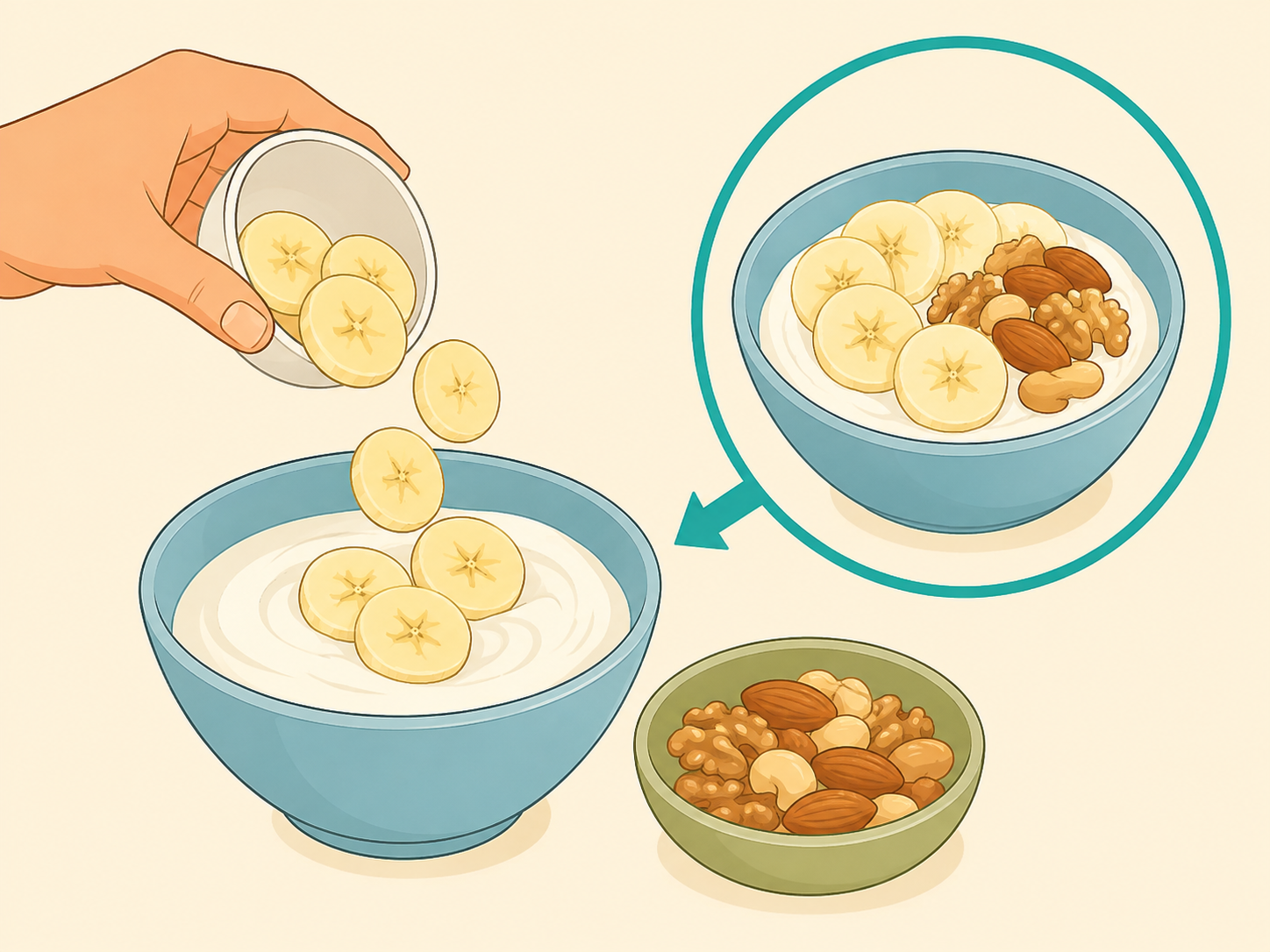
If a banana alone leaves you hungry or you are watching blood sugar changes, pair it with plain yogurt, nut butter, nuts, or another protein-rich food. Cleveland Clinic notes that pairing bananas with protein can improve fullness and may help moderate the blood sugar rise from a ripe banana.
Choose ripeness based on your needs
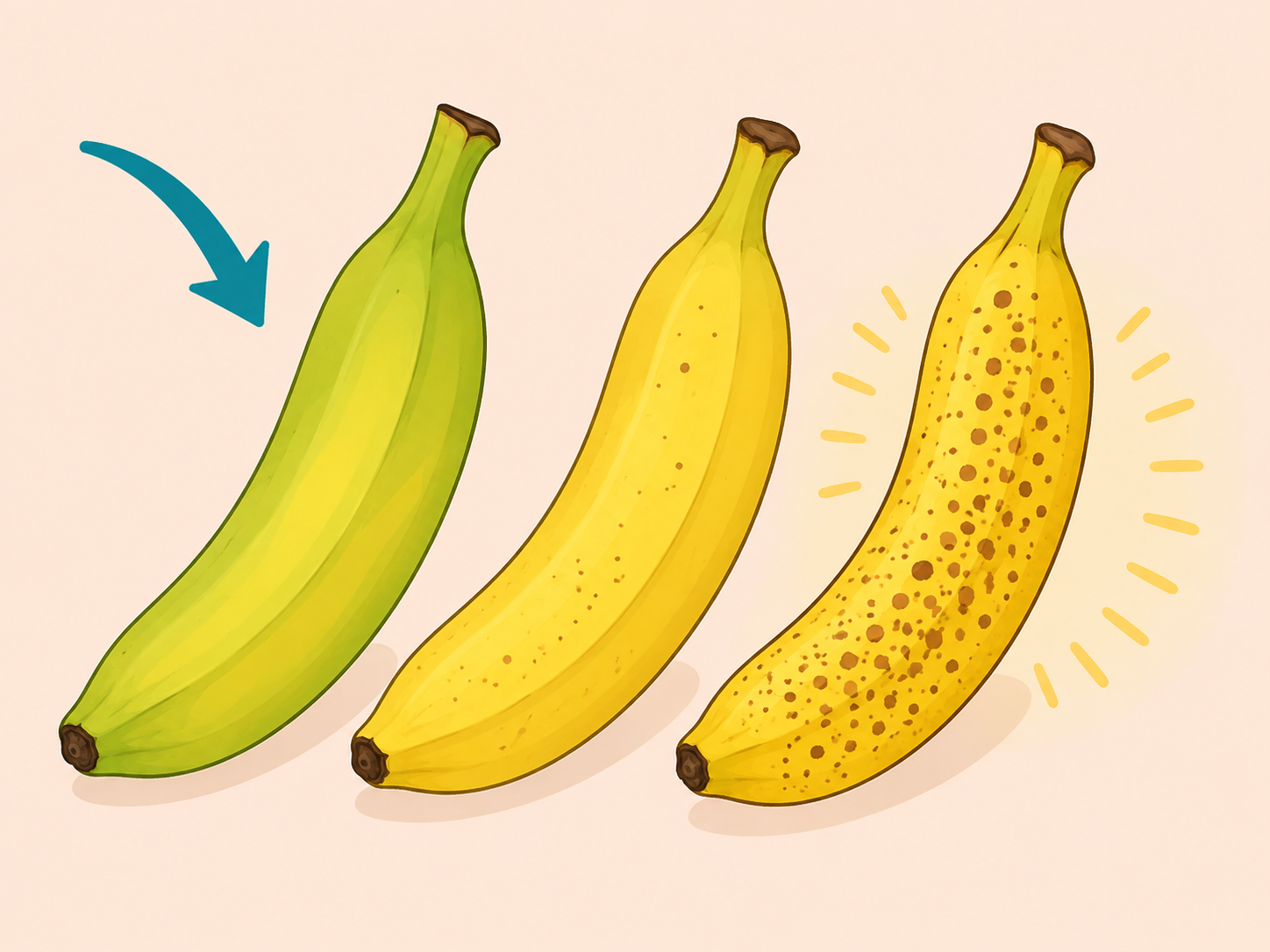
Pick a yellow banana with a few brown spots when you want a sweeter, softer fruit. Choose a slightly green banana if you prefer a firmer texture and more resistant starch, since Harvard's Nutrition Source explains that less-ripe bananas contain resistant starch that digests more slowly.
Fit bananas into a diabetes meal plan if needed
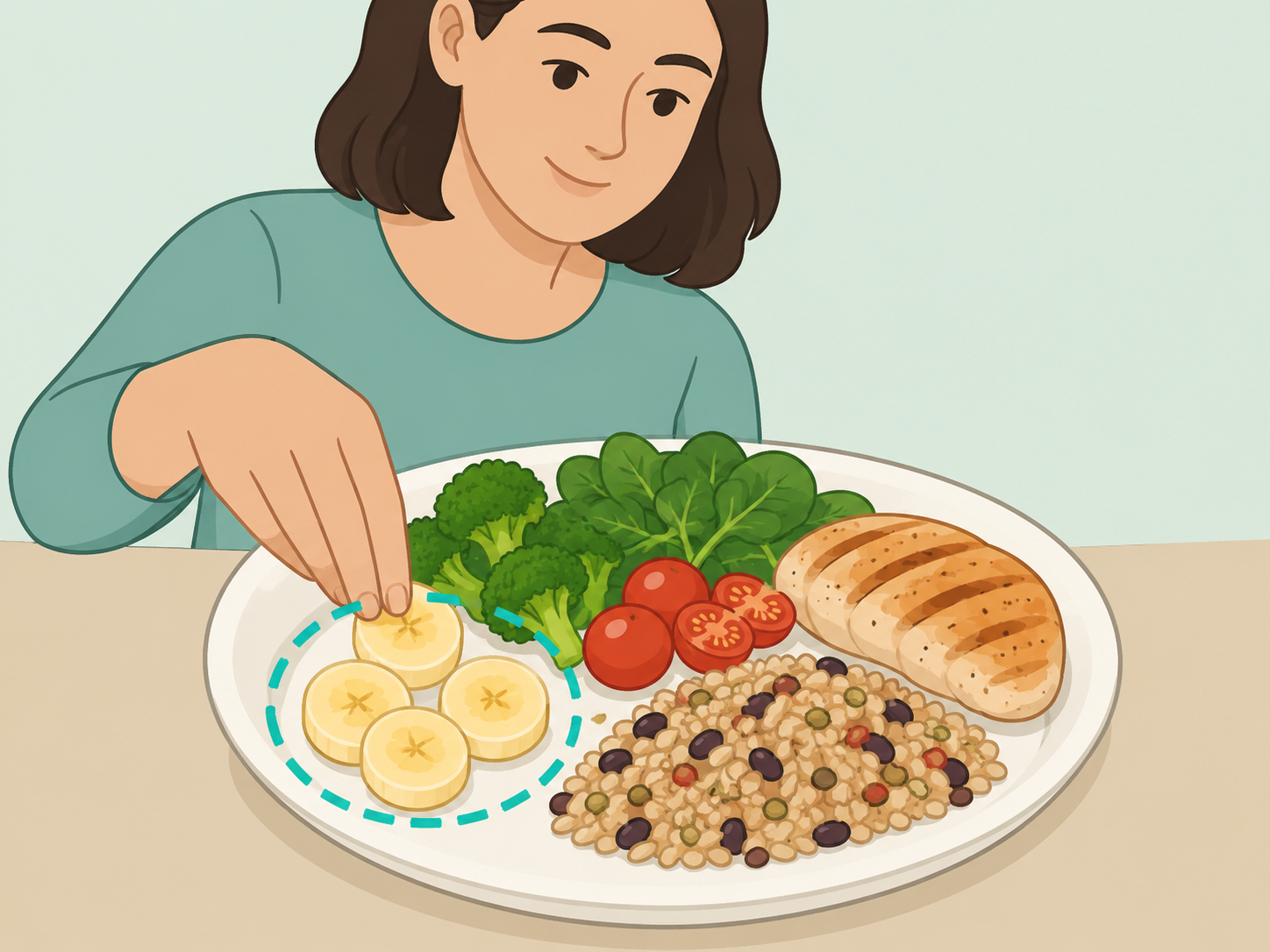
If you have diabetes or prediabetes, count bananas as a carbohydrate-containing fruit rather than a free food. The American Diabetes Association says fresh fruit can fit into a diabetes eating plan, but portions should be counted with the rest of the meal.
Limit bananas if you have a potassium restriction
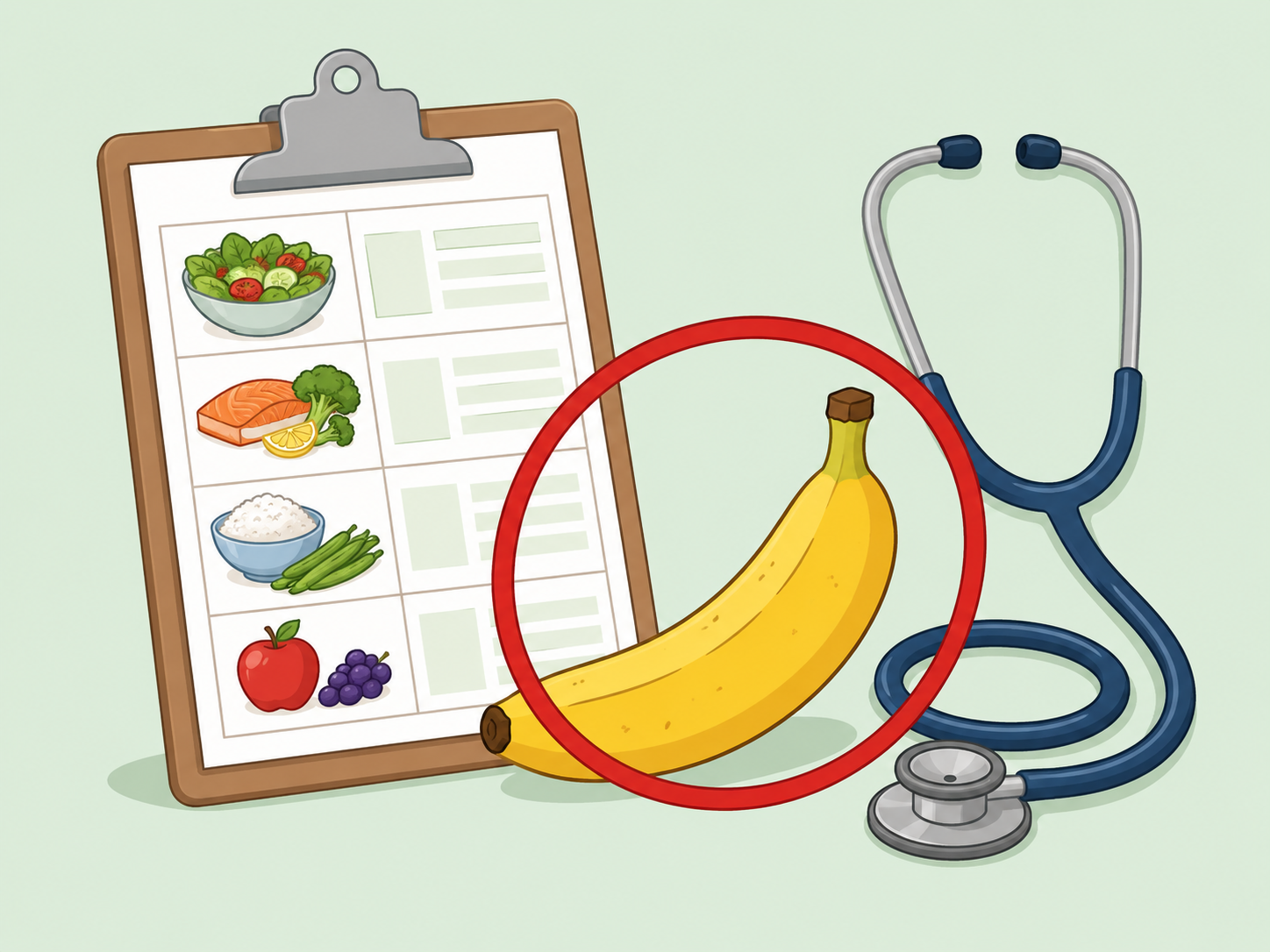
If you have kidney disease or have been told to follow a low-potassium diet, do not increase bananas without medical guidance. Cambridge University Hospitals lists banana among very high potassium fruits in its potassium-lowering dietary advice, and the NIH notes that people with impaired potassium excretion may need individualized guidance.
Watch for allergy symptoms after eating bananas
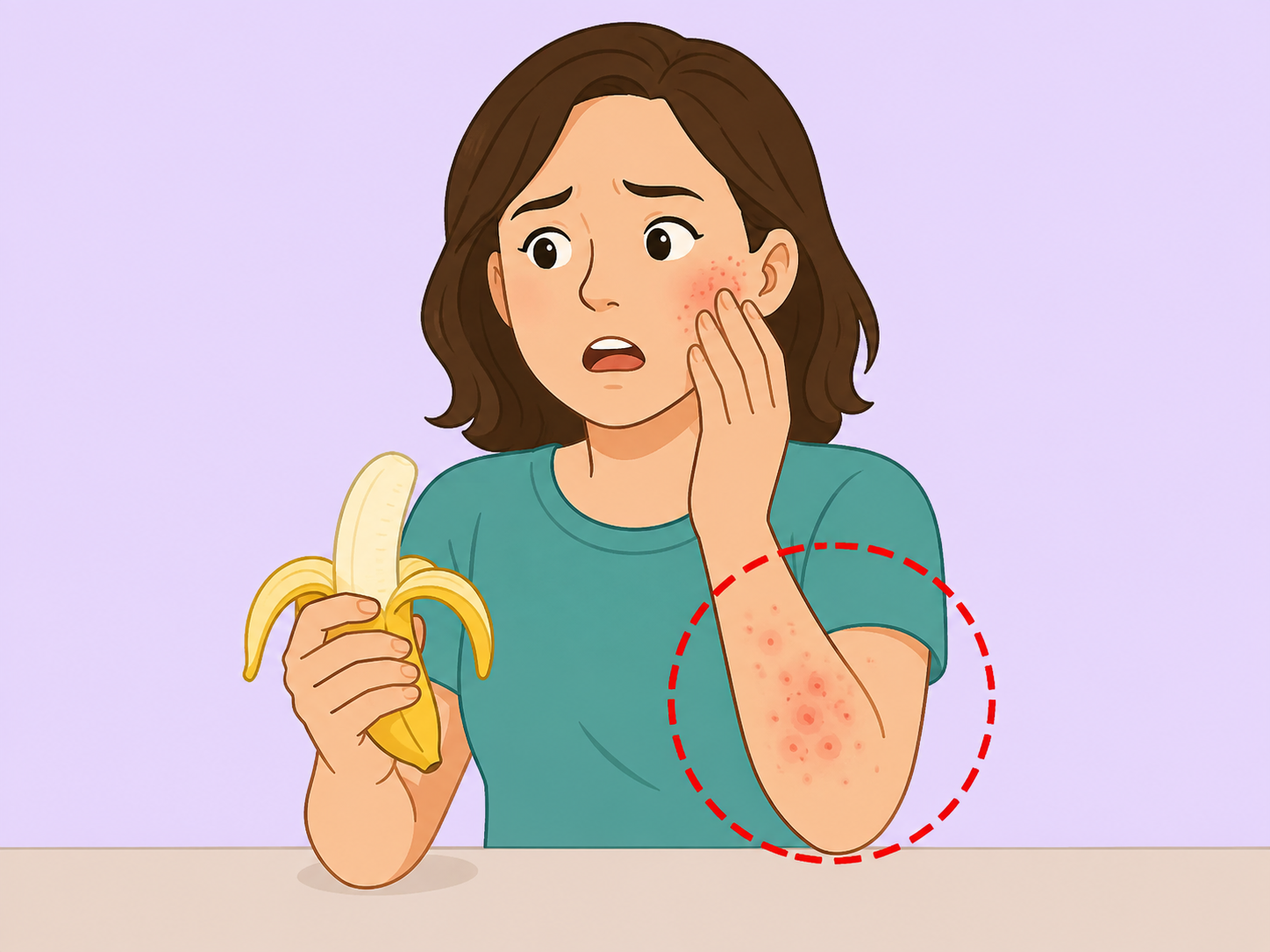
Stop eating bananas and get medical advice if you develop symptoms such as itching, hives, swelling, stomach upset, wheezing, dizziness, or trouble breathing soon after eating them. Mayo Clinic food allergy guidance says food allergy symptoms can range from mild to life-threatening, and emergency care is needed for signs of anaphylaxis.
Ask a clinician when bananas affect your care plan
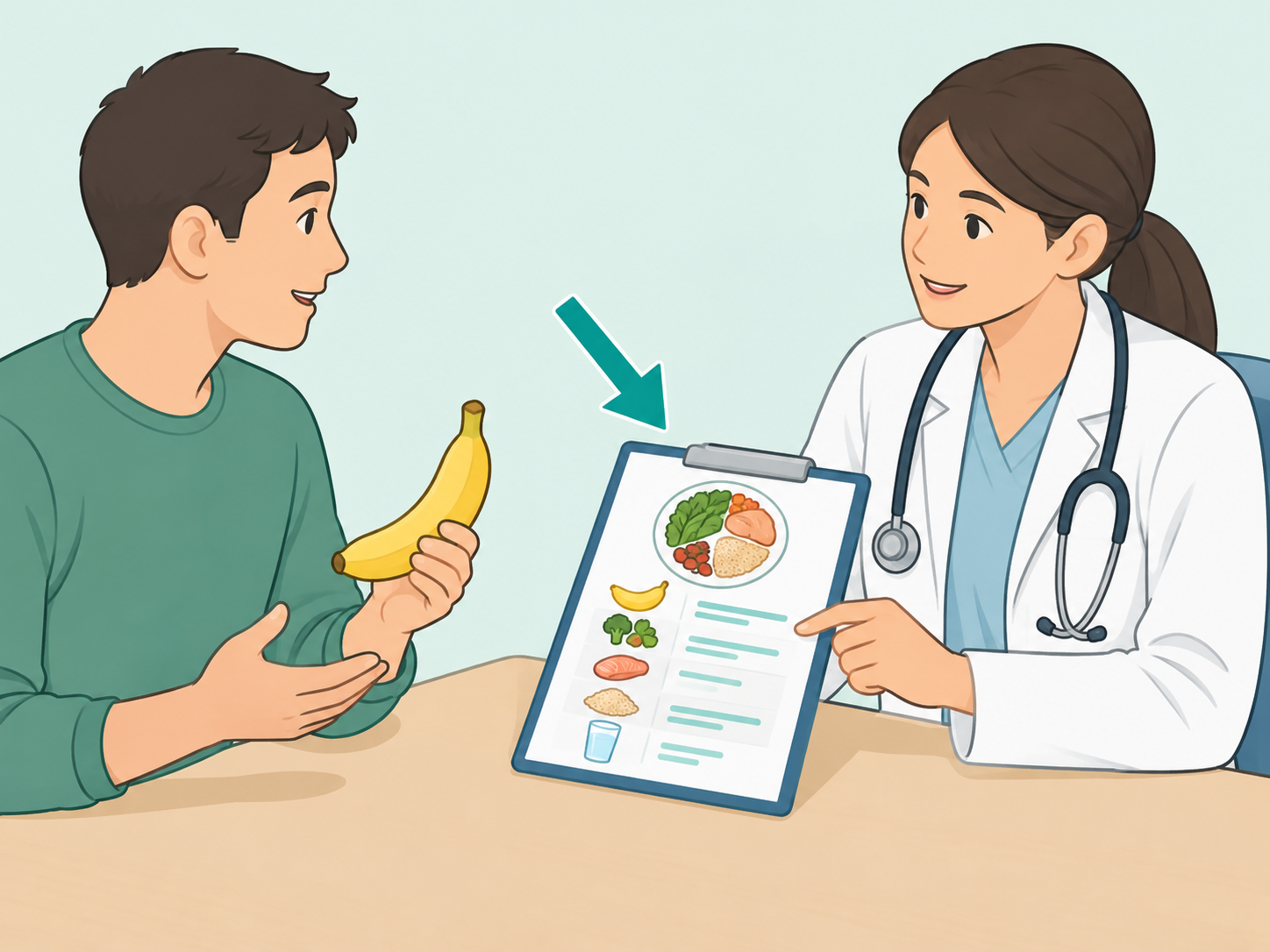
Talk to a doctor, registered dietitian, or qualified health professional if you have kidney disease, diabetes, heart failure, adrenal problems, food allergy symptoms, or medications that affect potassium. This is especially important if you are trying to increase potassium, reduce sodium, manage blood sugar, or follow a medically prescribed diet.
Summary
The bottom line: bananas are a nutritious fruit for many people, but they work best as part of an overall balanced diet. Choose a sensible portion, pair them with other foods when needed, and get medical guidance if you have kidney disease, diabetes, allergy symptoms, or medication concerns.
Frequently Asked Questions
- Does eating bananas increase potassium?
- Yes. Bananas contain potassium, so eating one adds potassium to your diet. That is useful for many people, but anyone on a potassium restriction should follow their clinician or dietitian's advice.
- Is it OK to eat a banana every day?
- For many healthy adults, one banana a day can fit into a balanced diet. The best amount for you depends on your overall diet, blood sugar goals, kidney health, and medical advice.
- Are green bananas healthier than ripe bananas?
- They are different, not automatically better. Less ripe bananas contain more resistant starch, while ripe bananas taste sweeter because more starch has changed into sugar.
- Can people with diabetes eat bananas?
- Many people with diabetes can include fruit, including bananas, as part of a meal plan. Portion size and carbohydrate counting matter, so follow the plan you made with your healthcare team.
- Should I avoid bananas if I have kidney disease?
- Possibly. Bananas are often listed as higher-potassium fruit in kidney-diet guidance, so ask your doctor or renal dietitian whether they fit your potassium limit.
- Can bananas cause allergies?
- Yes, though banana allergy is not common for everyone. Get medical advice if you notice itching, swelling, hives, stomach symptoms, wheezing, or other symptoms soon after eating bananas.
References
Reliable references aided in composing and refining this content.
- https://nutritionsource.hsph.harvard.edu/food-features/bananas
- https://health.clevelandclinic.org/benefits-of-bananas?slug=benefits-of-bananas
- https://ods.od.nih.gov/factsheets/potassium-HealthProfessional
- https://diabetes.org/food-nutrition/reading-food-labels/fruit
- https://www.cuh.nhs.uk/patient-information/potassium-lowering-dietary-advice
- https://www.mayoclinic.org/diseases-conditions/food-allergy/symptoms-causes/syc-20355095