
 Pin it
Fibromyalgia is sometimes described online as the disease of unexpressed emotions, but that phrase can be misleading and unfair. Trusted medical sources describe fibromyalgia as a real long-term condition linked to changes in pain processing, with symptoms that may be affected by sleep, stress, activity, illness, and other triggers. This guide explains how to think about emotions without blaming yourself, how to track symptoms, and when to get medical help.
Replace blame with a medical understanding
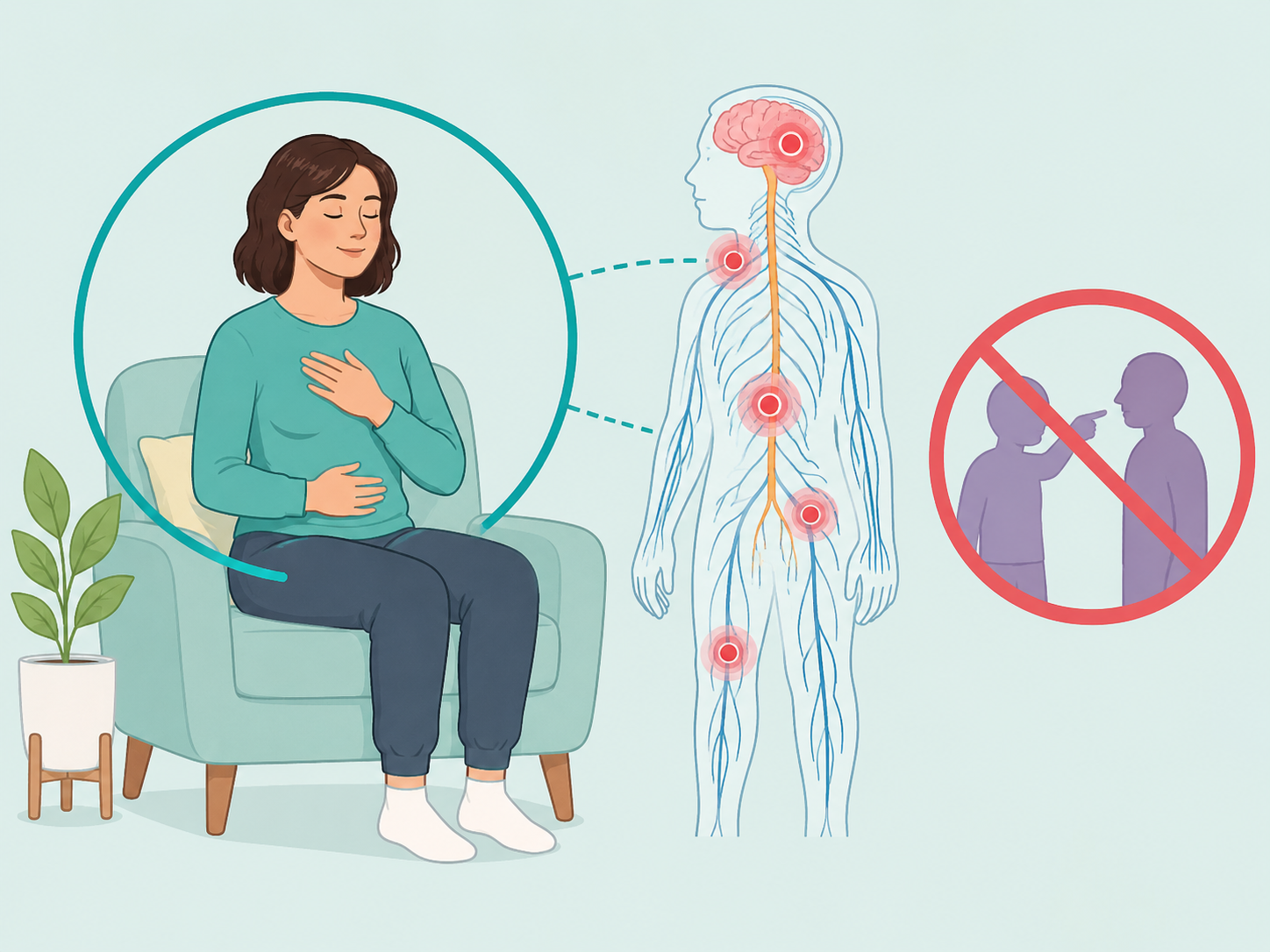
Start by treating fibromyalgia as a real health condition, not as proof that you failed to express emotions. The National Institute of Arthritis and Musculoskeletal and Skin Diseases describes fibromyalgia as a long-term disorder with widespread pain, fatigue, sleep problems, and increased pain sensitivity. Emotions can affect symptoms, but they do not make the pain imaginary.
Learn the main symptoms to watch for
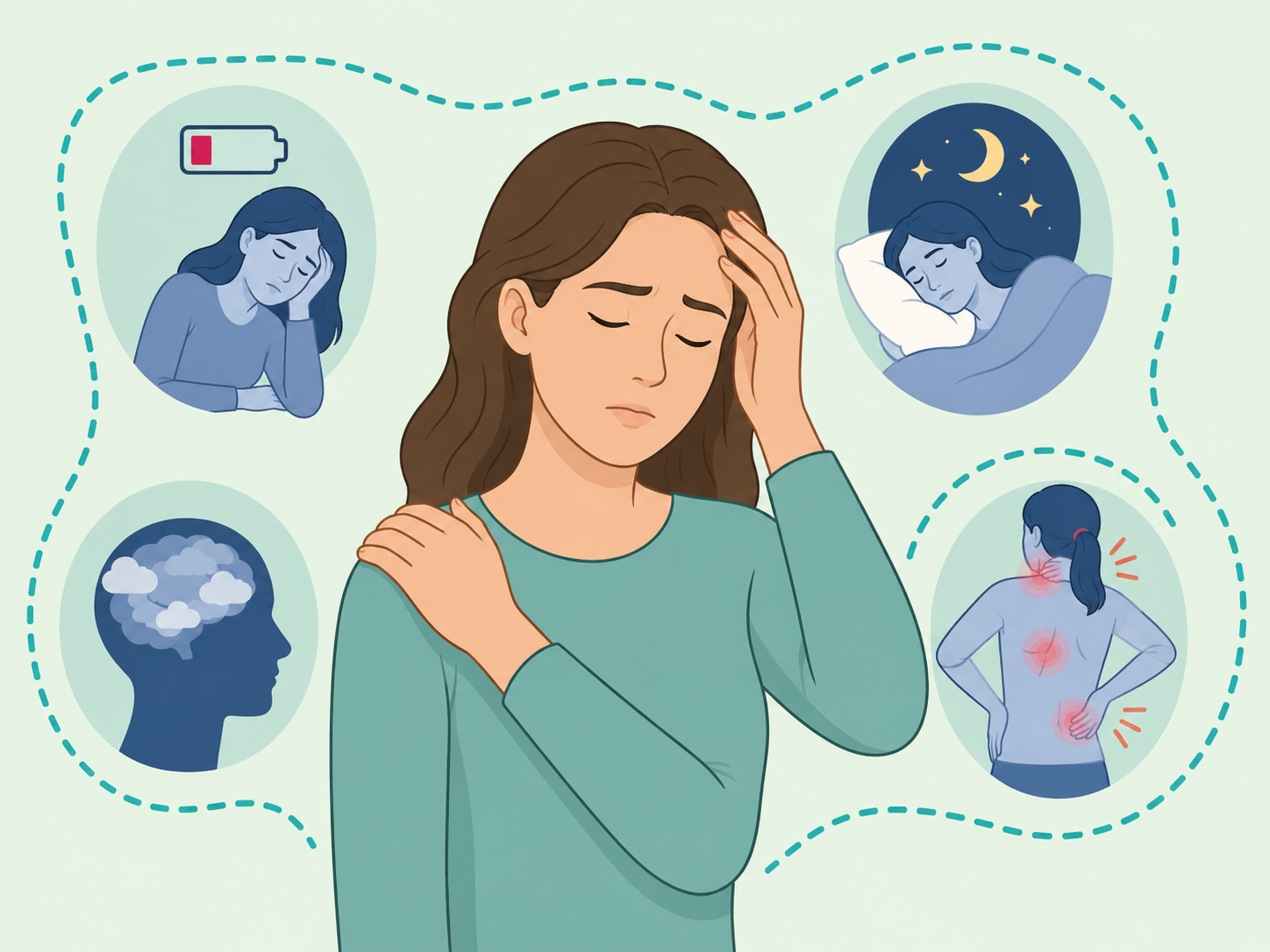
Look for patterns of widespread pain, stiffness, fatigue, sleep problems, brain fog, headaches, digestive symptoms, numbness, tingling, anxiety, or low mood. The CDC lists pain, fatigue, sleep trouble, thinking problems, depression, and anxiety among common fibromyalgia symptoms. Symptoms can change over time, so one good day does not mean the condition was not real.
Put emotions in the right place
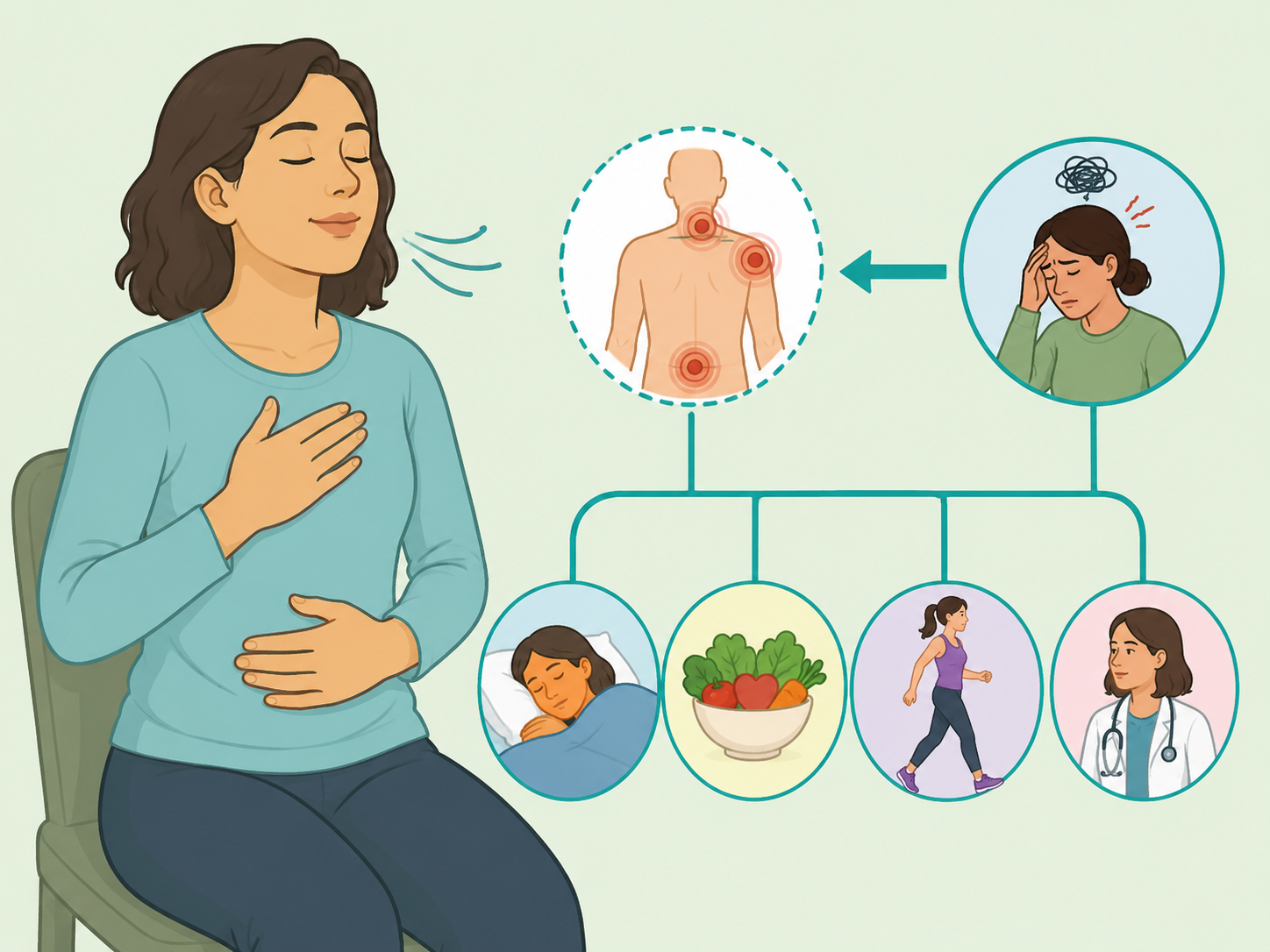
Think of emotional stress as one possible trigger or amplifier, not as the whole disease. The NHS says fibromyalgia may develop after physical or emotional stress in some people, while Cleveland Clinic notes that flare-up triggers vary from person to person. This balanced view lets you care for emotional health without blaming yourself for every symptom.
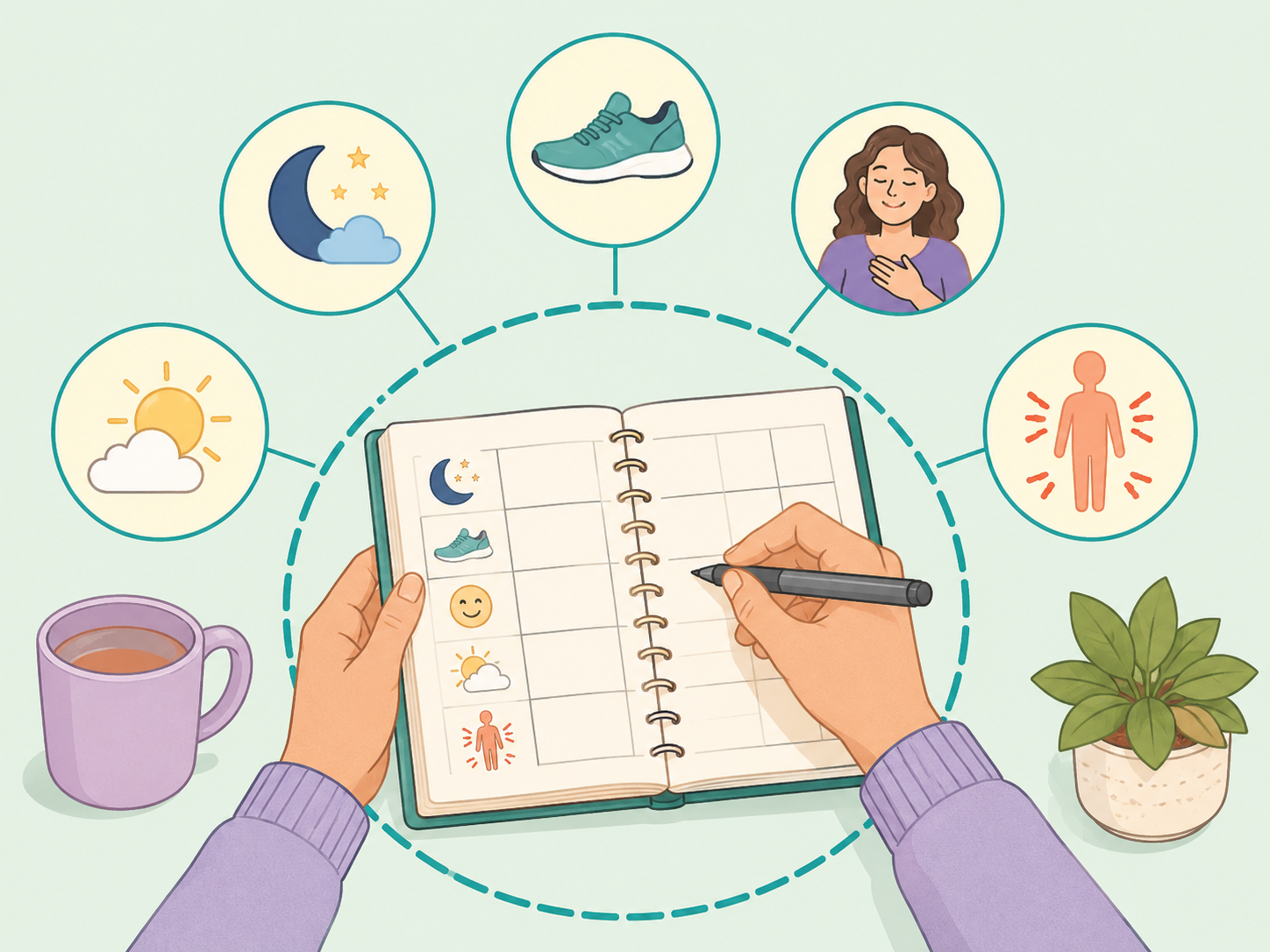
Track symptoms, sleep, stress, and activity
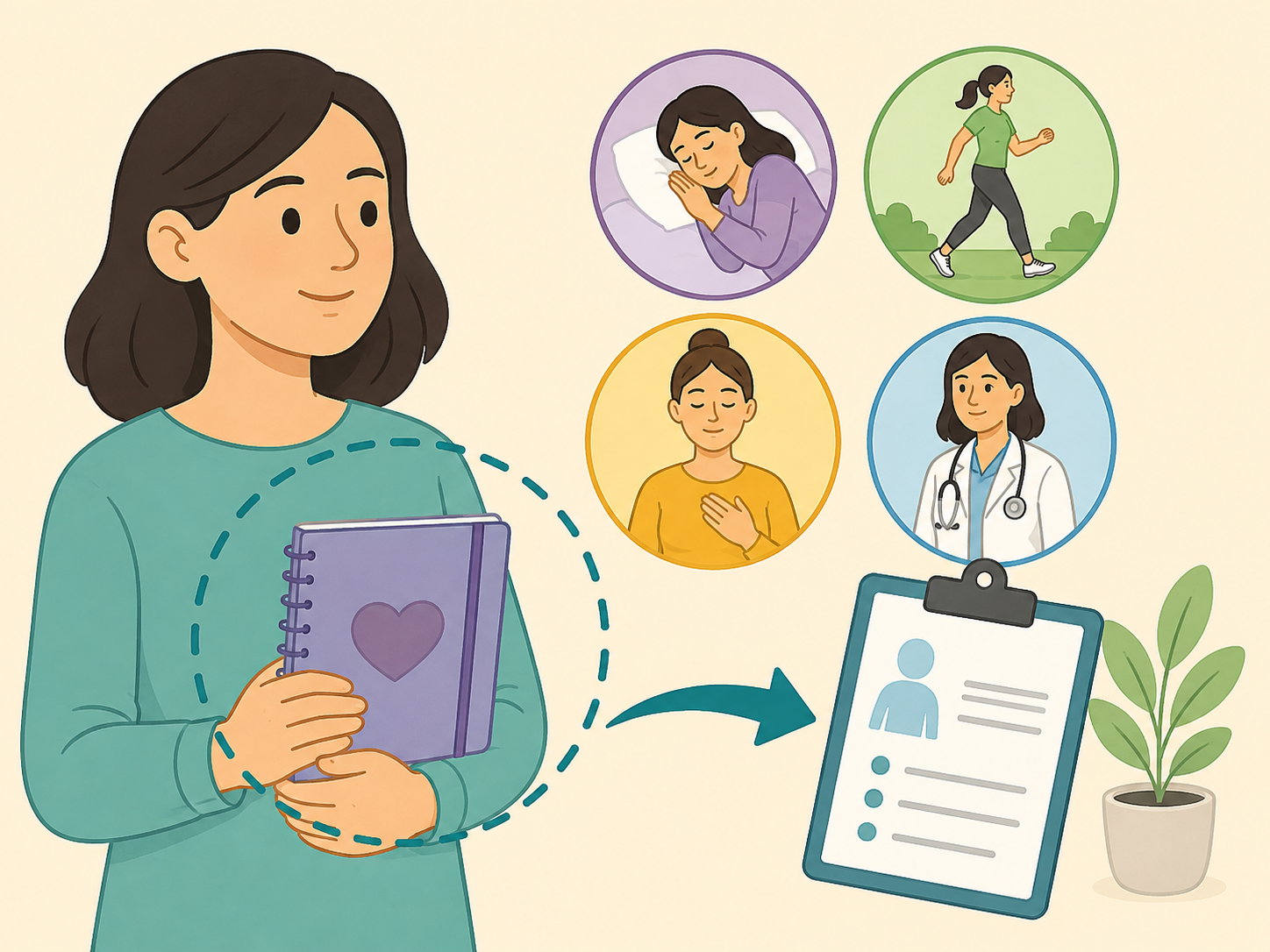
Keep a simple daily log of pain level, sleep quality, activity, stress, menstrual cycle if relevant, illnesses, weather changes, and anything that seemed to help. Cleveland Clinic describes common flare-up triggers such as emotional stress, poor sleep, illness, injury, routine changes, and temperature shifts. A log can help you discuss patterns with a clinician instead of relying on memory during a difficult appointment.
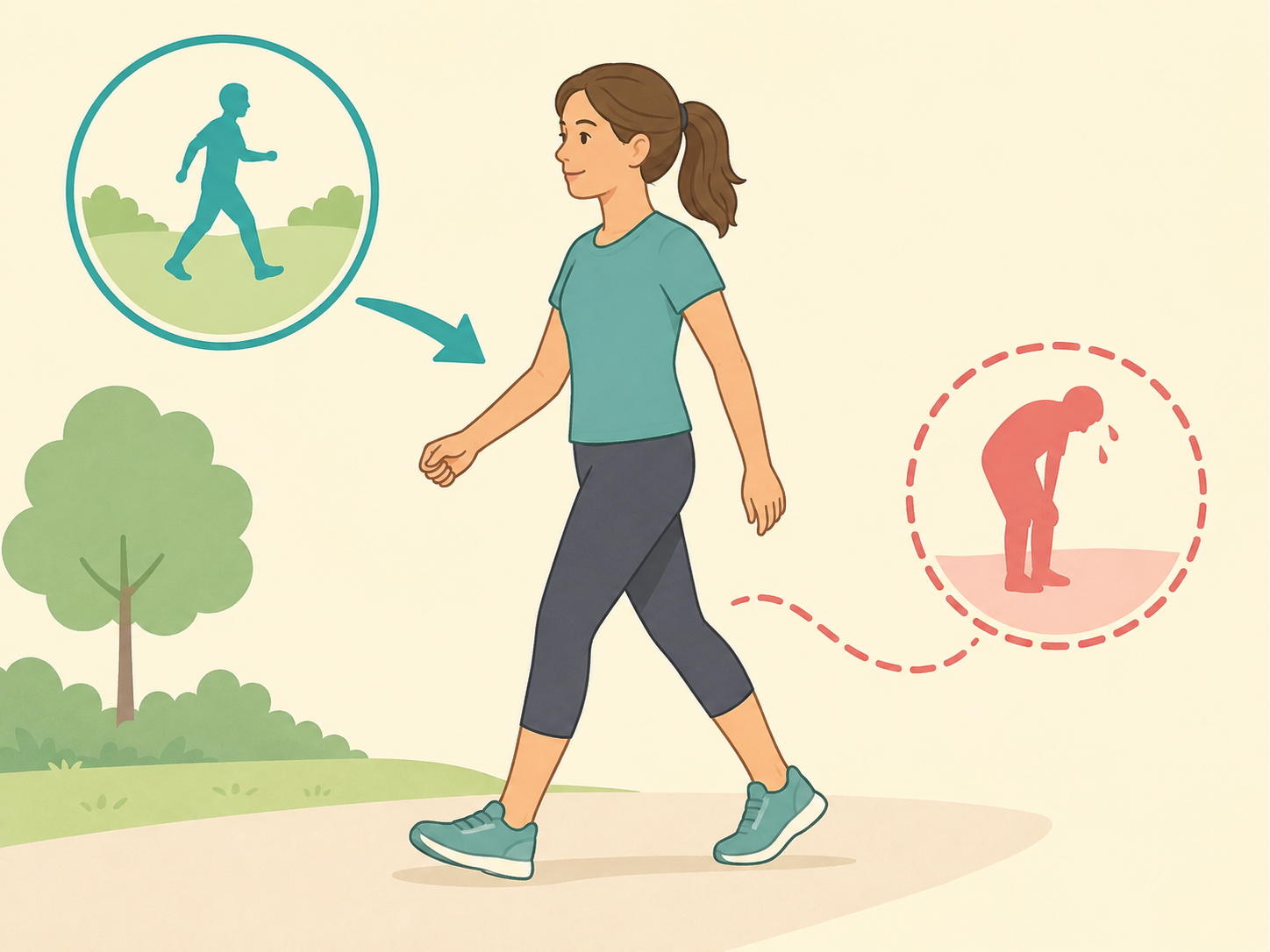
Build gentle movement into your routine
Ask your clinician what level of movement is safe for you, then start low and increase gradually if your body tolerates it. NIAMS says regular exercise is one of the most useful self-management tools for fibromyalgia, and low-impact options such as walking, biking, swimming, water exercise, yoga, or tai chi may help. Avoid using exercise as punishment; the goal is steady conditioning without triggering a major flare.
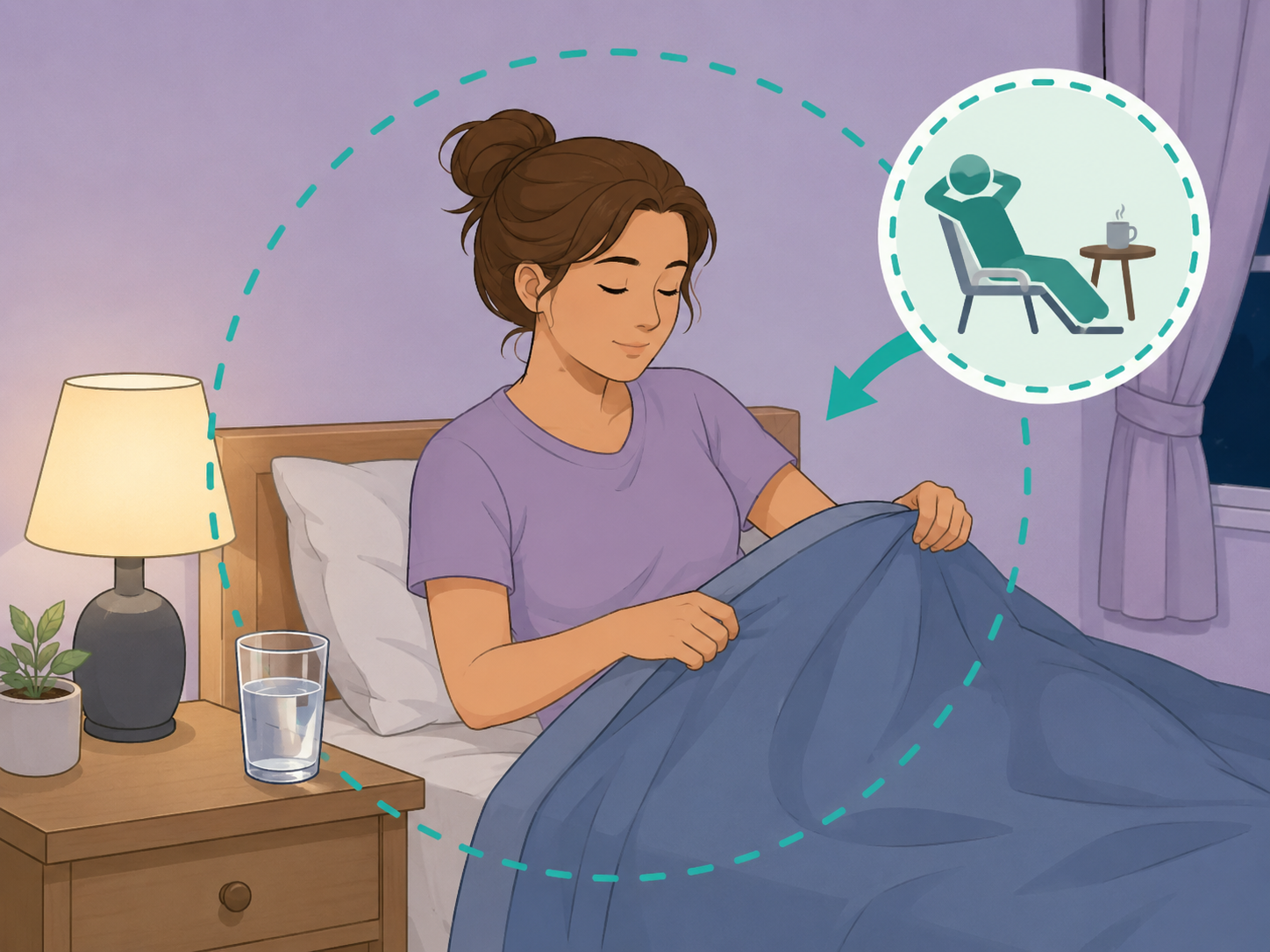
Protect sleep and pace your energy
Set a consistent sleep schedule, keep the bedroom dark and comfortable, limit caffeine or nicotine late in the day, and wind down before bed. NIAMS recommends sleep routines and pacing because overdoing activity can worsen symptoms for some people. Break demanding tasks into smaller pieces and plan rest before you are completely exhausted.
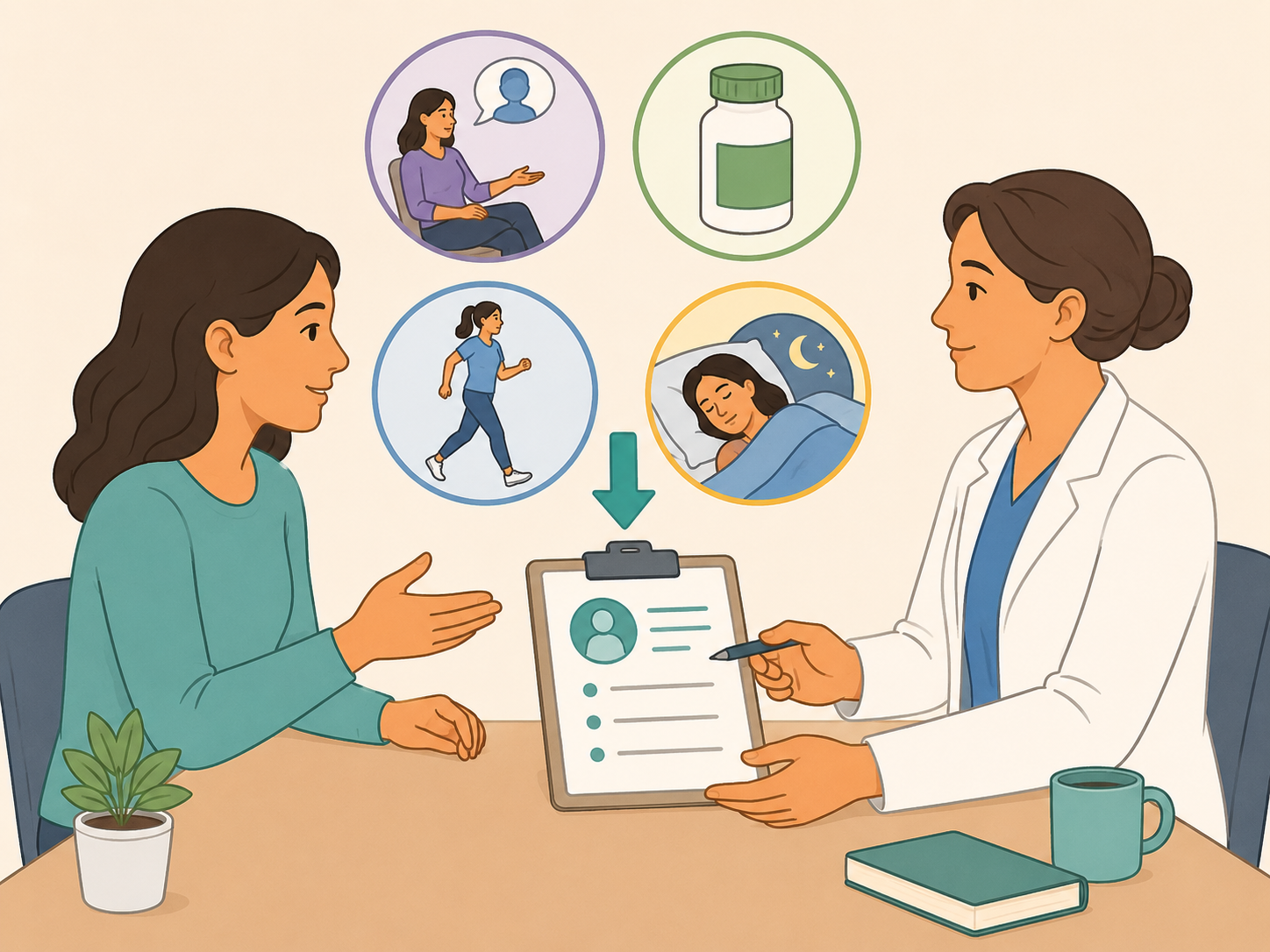
Ask about evidence-based treatments
Talk with a health care professional about a plan that may include education, movement therapy, talking therapies, medicines, sleep support, or physical therapy. The NHS describes exercise, talking therapies such as CBT or ACT, and medicines as common treatment areas, while MedlinePlus notes that treatment often combines lifestyle changes, talk therapy, medicines, and complementary approaches. Do not stop, start, or change prescribed medicines without your prescriber.
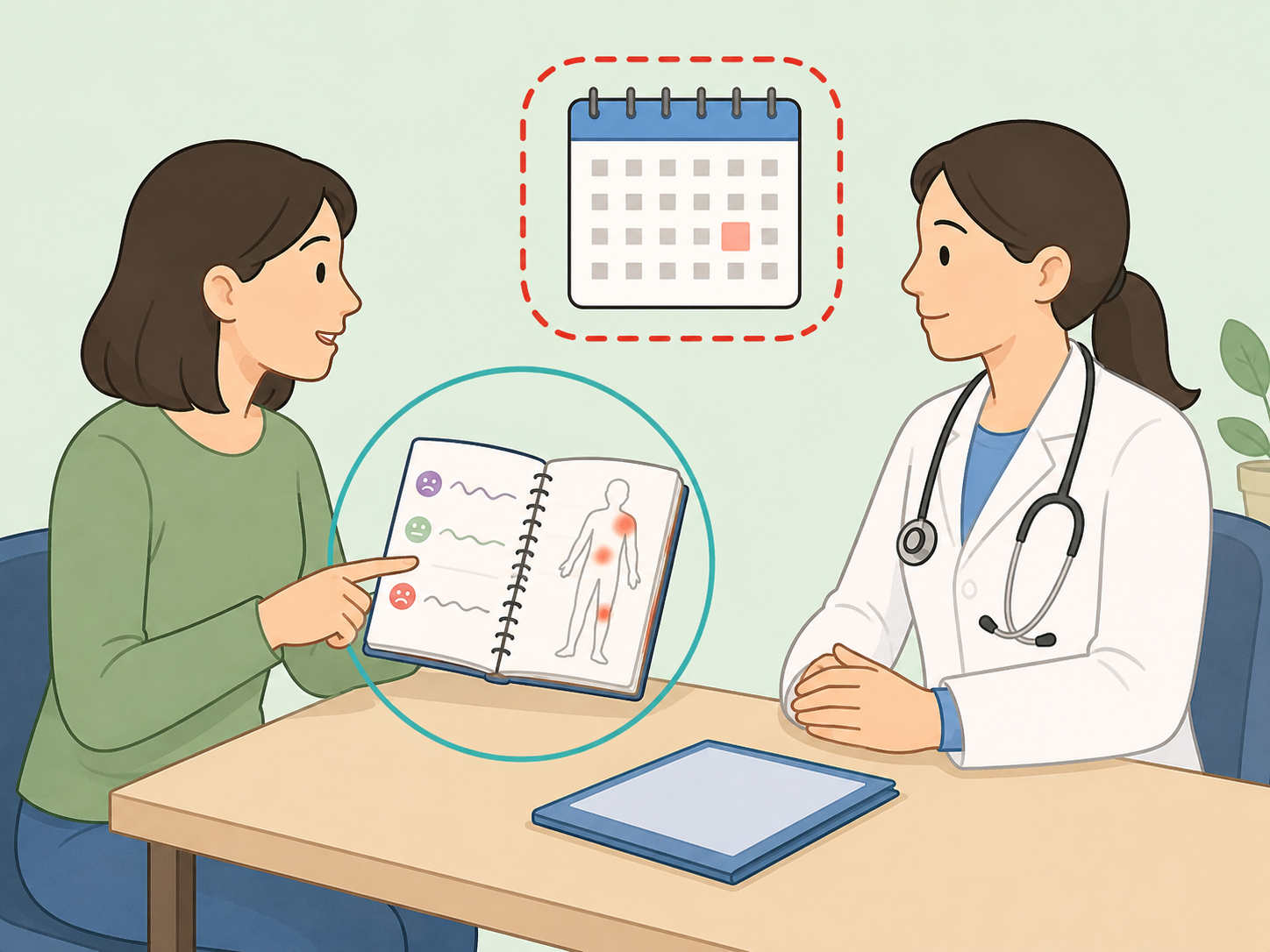
See a doctor when symptoms are new or hard to manage
Make an appointment if you think you may have fibromyalgia, if widespread pain and fatigue persist, or if symptoms are worsening or interfering with daily life. NIAMS explains that diagnosis usually involves medical history, a physical exam, and sometimes tests to rule out other conditions because there is no single fibromyalgia test. Getting assessed also helps identify treatable problems that can look similar, such as thyroid, sleep, inflammatory, or other pain conditions.
Summary
The bottom line: fibromyalgia is not imaginary, and it is not simply caused by unexpressed emotions. Treat stress and emotional health as one useful part of a broader care plan that also includes medical evaluation, gentle movement, sleep habits, pacing, and support.
Frequently Asked Questions
- Is fibromyalgia really caused by unexpressed emotions?
No. The exact cause of fibromyalgia is unknown, and trusted sources describe it as involving changes in how the nervous system processes pain. Emotional stress can be a trigger for some people, but it should not be treated as the single cause or as personal blame; see the NIAMS overview and NHS causes page.
- Can stress make fibromyalgia symptoms worse?
Yes, stress may worsen symptoms or trigger flare-ups for some people, and relaxation or stress-management habits may help as part of care. The CDC lists managing stress among self-care strategies.
- Can fibromyalgia be cured?
There is currently no cure, but symptoms can often be managed with a combination of self-care, therapies, and medicines. The CDC and NIAMS treatment guidance both describe treatment as symptom management.
- What kind of doctor treats fibromyalgia?
Many people start with a primary care provider, and some also work with a rheumatologist, physical therapist, pain specialist, sleep specialist, or mental health professional. NIAMS describes this kind of team approach to care.
- Is exercise safe if fibromyalgia hurts?
Gentle, low-impact activity can be helpful, but it should start slowly and fit your ability. NIAMS recommends checking with a doctor before beginning an exercise routine and describes low-impact options in its living with fibromyalgia guidance.
- Is there a single test for fibromyalgia?
No. Fibromyalgia is diagnosed mainly from symptoms and medical history, while tests may be used to rule out other conditions with similar symptoms. NIAMS explains that there are no specific lab or imaging tests for fibromyalgia itself.
References
Reliable references aided in composing and refining this content.
- https://www.cdc.gov/chronic-disease/fibromyalgia/index.html
- https://www.niams.nih.gov/health-topics/fibromyalgia
- https://www.niams.nih.gov/health-topics/fibromyalgia/diagnosis-treatment-and-steps-to-take
- https://medlineplus.gov/fibromyalgia.html
- https://www.nhs.uk/conditions/fibromyalgia
- https://www.nhs.uk/conditions/fibromyalgia/causes
- https://www.nhs.uk/conditions/fibromyalgia/treatment
- https://my.clevelandclinic.org/health/diseases/4832-fibromyalgia