
 Pin it
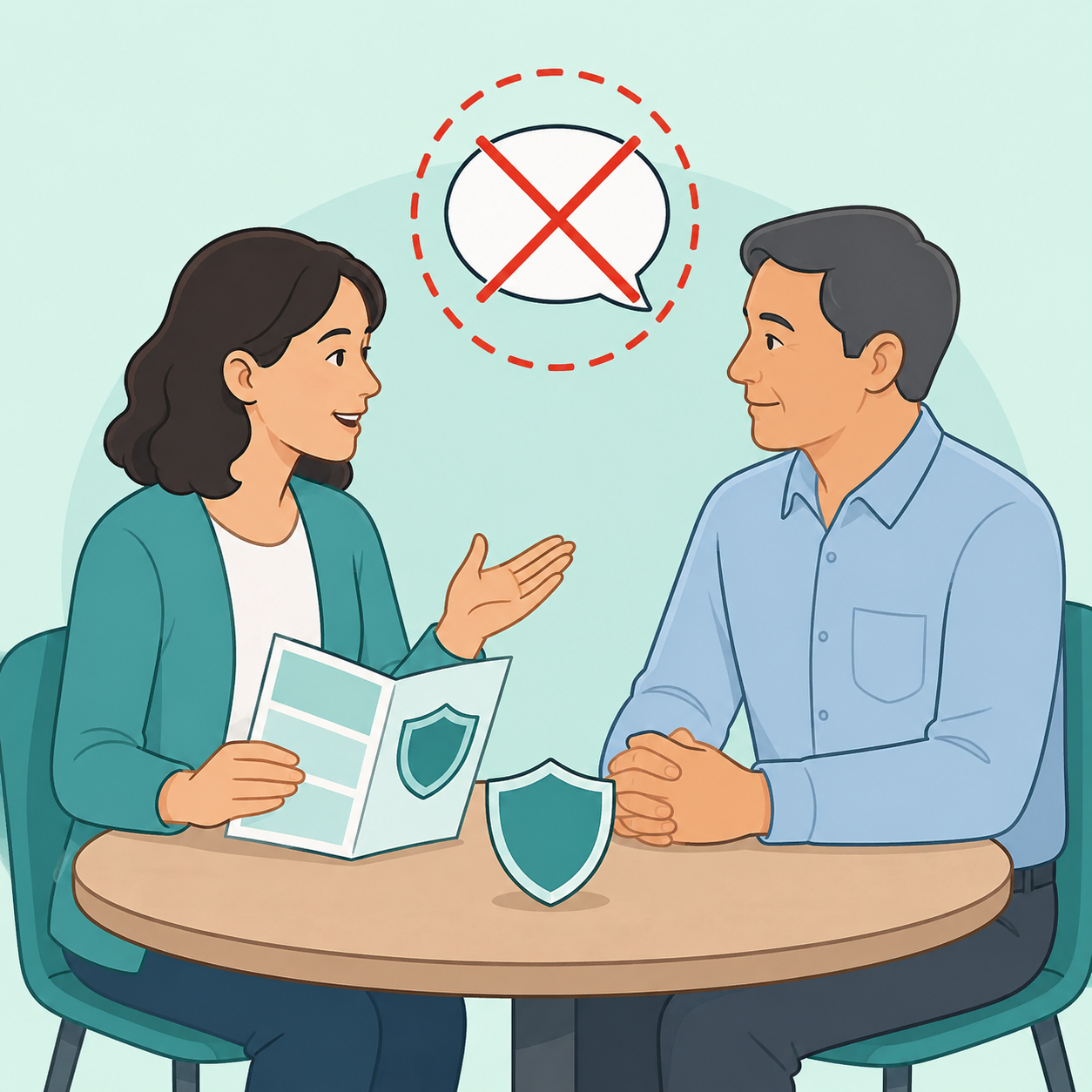
There are no reliable visual or physical signs that show how many sexual partners a woman has had. Claims about the hymen, vaginal tightness, bleeding, clothing, or personality are usually myths and can lead to shame, mistrust, or unsafe choices. This guide explains how to handle the question with facts, respect, and practical sexual health steps.
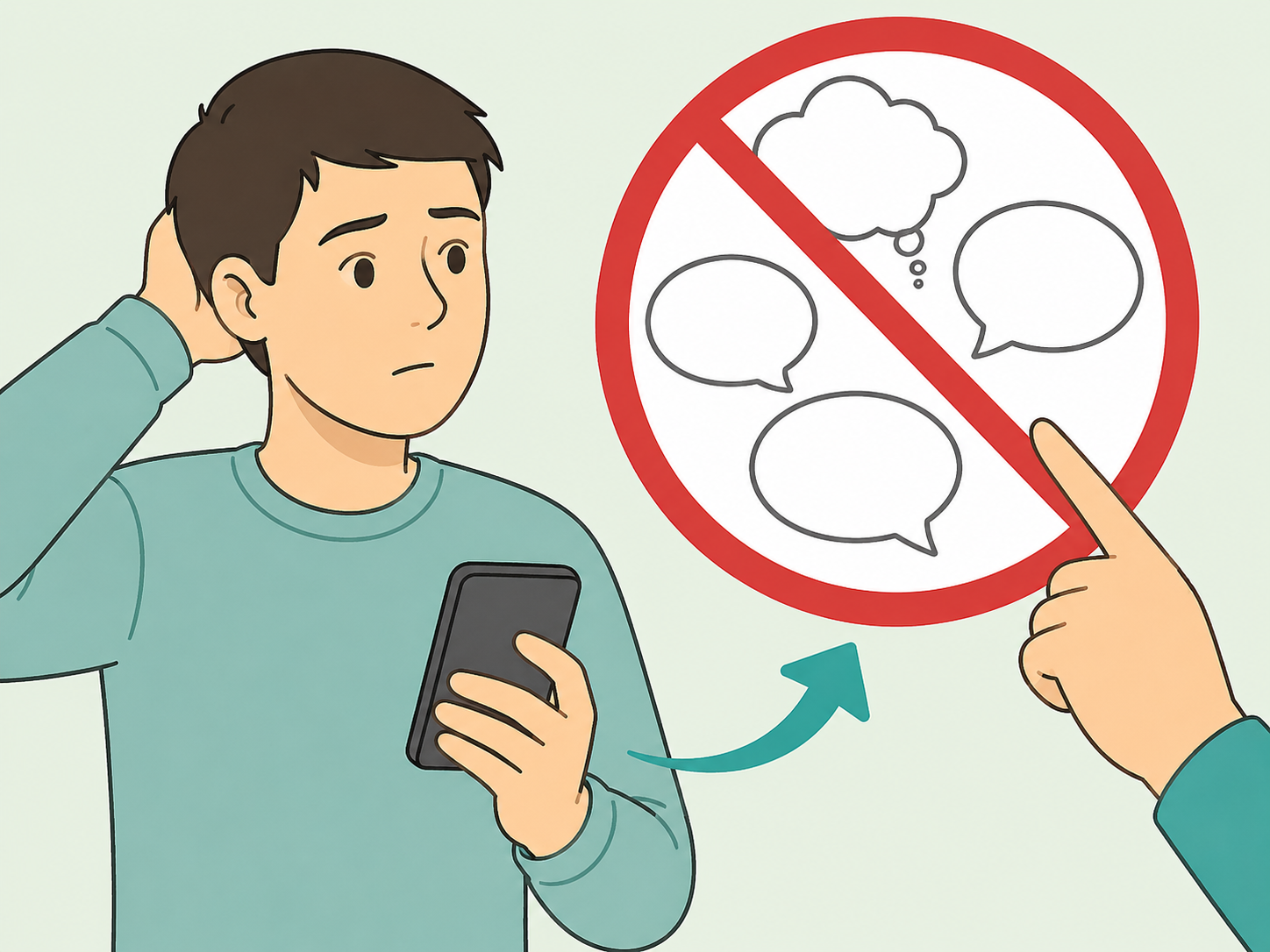
Reject body-based claims first
Do not try to judge a woman's sexual history from her body, clothing, walk, confidence, face, or social life. The World Health Organization says virginity testing has no scientific merit, and Cleveland Clinic explains that the hymen is not a reliable marker of sexual activity. Treat lists of supposed "signs" as stigma, not evidence.
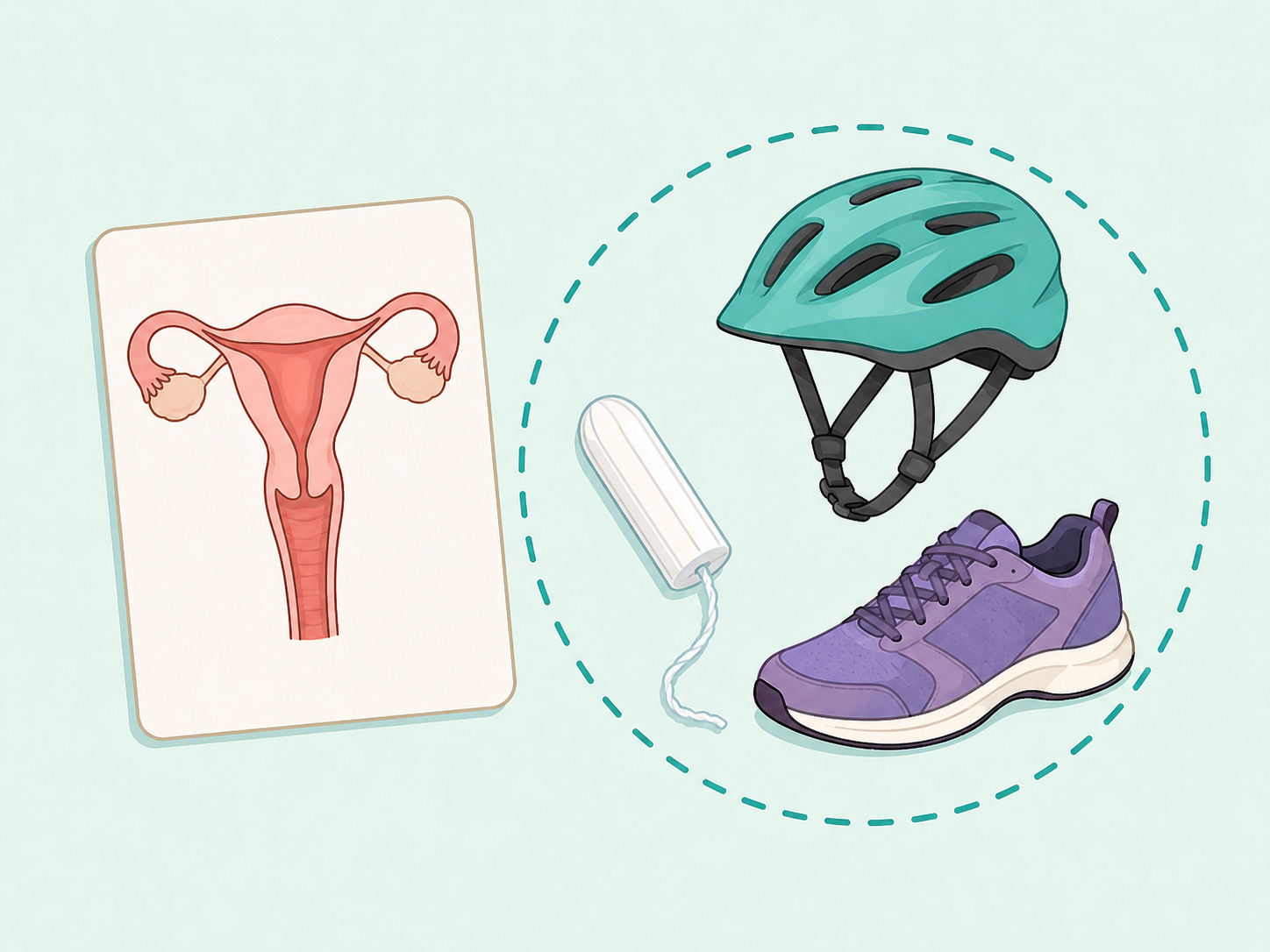
Learn what the hymen can and cannot show
The hymen is a small, flexible tissue at the vaginal opening, and its size, shape, and thickness vary from person to person. It can change over time from everyday activities, tampon use, medical exams, exercise, or sex, so it cannot tell you how many partners someone has had. Use basic hymen facts to replace assumptions with anatomy.

Separate normal anatomy from sexual history
Vaginas and vulvas naturally vary in color, discharge, odor, hymen shape, length, and width. Cleveland Clinic notes that there is not one single way a vagina looks normal, and the vagina can stretch during arousal and childbirth. These normal differences do not reveal a person's number of partners.

Ask only respectful and relevant questions
If you are dating or becoming sexually involved, focus on questions that affect both people's health and boundaries. The CDC recommends open, honest conversations with partners about safer sex, STI testing, and sexual health before sex. Keep the tone mutual: share your own testing history and boundaries instead of interrogating someone about their past.

Look for consent and respect now
A person's past does not decide what they owe anyone in the present. Consent should be clear, voluntary, ongoing, and free of pressure, according to RAINN's consent guidance. Pay attention to whether you both communicate, listen, and stop when either person is uncomfortable.
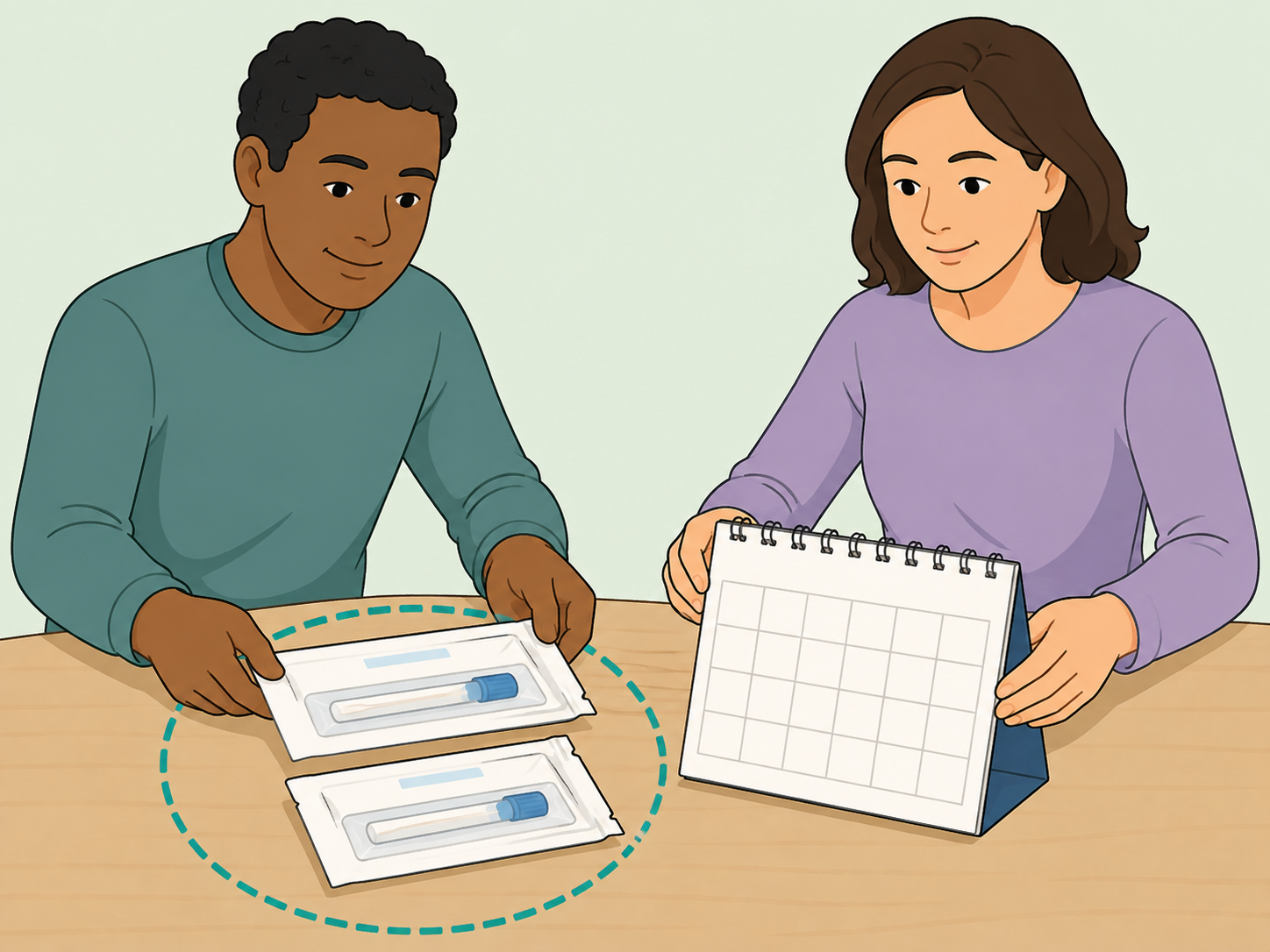
Discuss STI testing before sex
STIs often have no symptoms, so guessing from appearance is not a safe way to know anyone's status. The CDC says testing is one of the most important steps sexually active people can take to protect their health. Ask when you were both last tested and consider getting tested together.
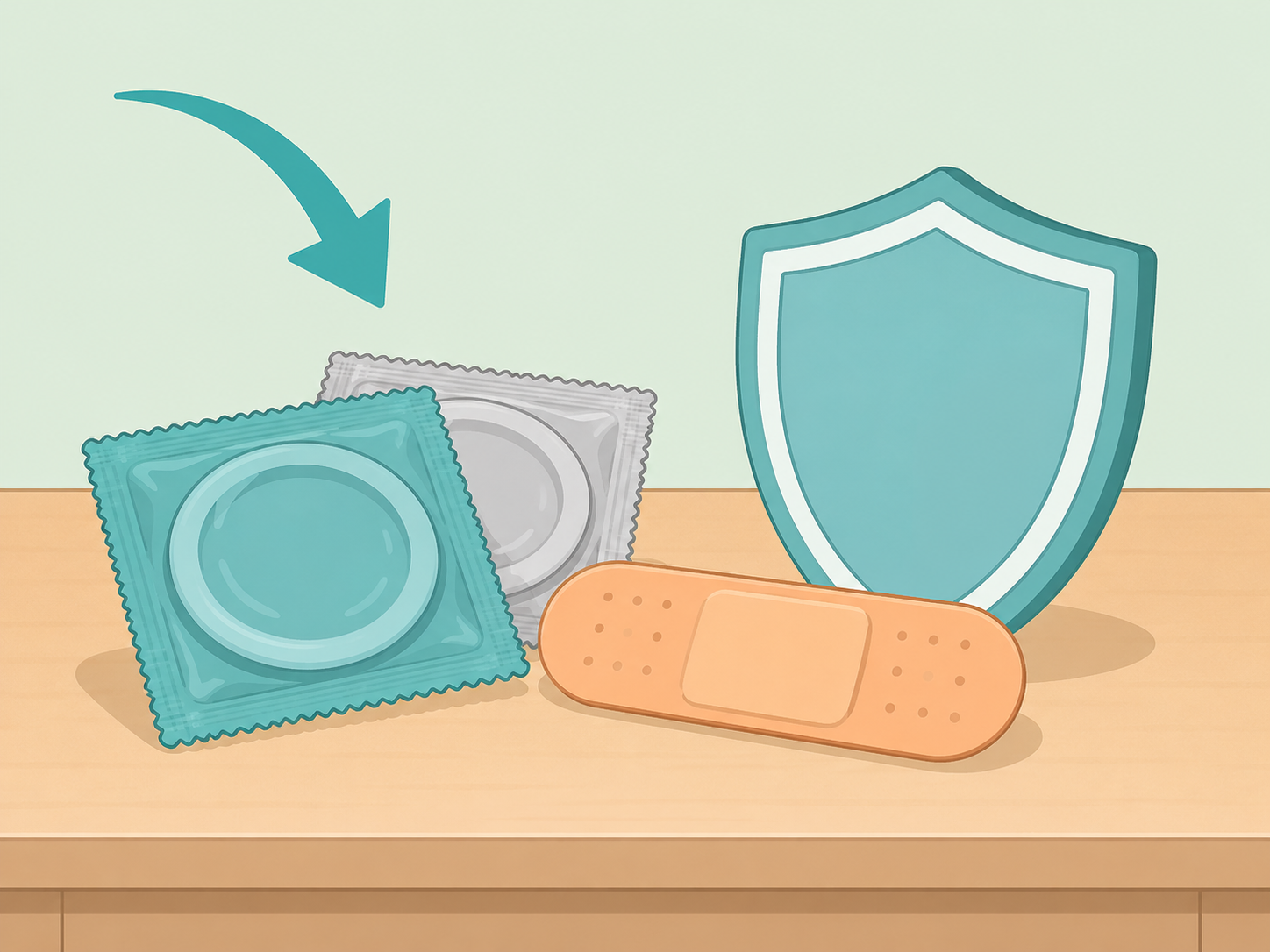
Use safer-sex steps you both agree on
Choose practical protection instead of relying on assumptions about who is "safe." The CDC lists safer-sex strategies such as condoms, vaccination when appropriate, STI testing, mutual monogamy with a tested partner, and reducing exposure risk. Agree on boundaries before sex so neither person feels pressured in the moment.
Notice symptoms that need medical care
Do not use symptoms to judge someone's past, but do take new or unusual symptoms seriously. The NHS advises getting checked for bleeding between periods or after sex, and a clinician should also assess unusual discharge, sores, burning when peeing, pelvic pain, or pain during sex. Symptoms can have many causes, so testing and care matter more than blame.

Seek help for health or safety concerns
See a doctor, gynecologist, or sexual health clinic if you or a partner has symptoms, possible STI exposure, pregnancy concerns, pain during sex, or questions about testing. If a conversation about sexual history turns into pressure, threats, coercion, or fear, step away and contact a trusted person or support service. Healthy relationships make room for privacy, consent, and medical care without shaming.
Summary
The bottom line: no body feature, behavior, or rumor can prove a woman's sexual history. Treat partners with respect, talk honestly about sexual health, use safer-sex practices, and seek medical care for symptoms or testing questions.
Frequently Asked Questions
- Can you tell how many partners a woman has had by looking at her?
- No. There is no reliable body sign, behavior, clothing style, or personality trait that proves how many sexual partners someone has had.
- Does the hymen prove whether someone has had sex?
- No. The hymen varies naturally and can stretch or change for reasons unrelated to sex. It is not a reliable test of sexual history.
- Is it okay to ask a partner about sexual history?
- Yes, but only in a respectful, voluntary, health-focused way. Ask about STI testing, protection, boundaries, and expectations rather than demanding a number or trying to judge them.
- Should partners get STI testing even if they have no symptoms?
- Yes. Many STIs can have no symptoms, so testing is the reliable way to know your status and make informed choices with a partner.
- What symptoms should someone get checked?
- Unusual discharge, sores, burning when peeing, pelvic pain, bleeding after sex, or bleeding between periods should be discussed with a doctor or sexual health clinic.
- What if jealousy is driving the question?
- Pause before accusing or investigating. Talk about trust, boundaries, and what you need in the relationship; consider counseling if the anxiety keeps returning.
References
Reliable references aided in composing and refining this content.
- https://www.who.int/publications/i/item/WHO-RHR-18.15
- https://my.clevelandclinic.org/health/body/22718-hymen
- https://my.clevelandclinic.org/health/body/22469-vagina
- https://www.cdc.gov/sti/testing/index.html
- https://www.cdc.gov/sti/prevention/index.html
- https://www.cdc.gov/sti-awareness/pbyt/conversation.html
- https://www.nhs.uk/symptoms/vaginal-bleeding-between-periods-or-after-sex
- https://rainn.org/share-the-facts/consent-101-respect-boundaries-and-building-trust