
 Pin it
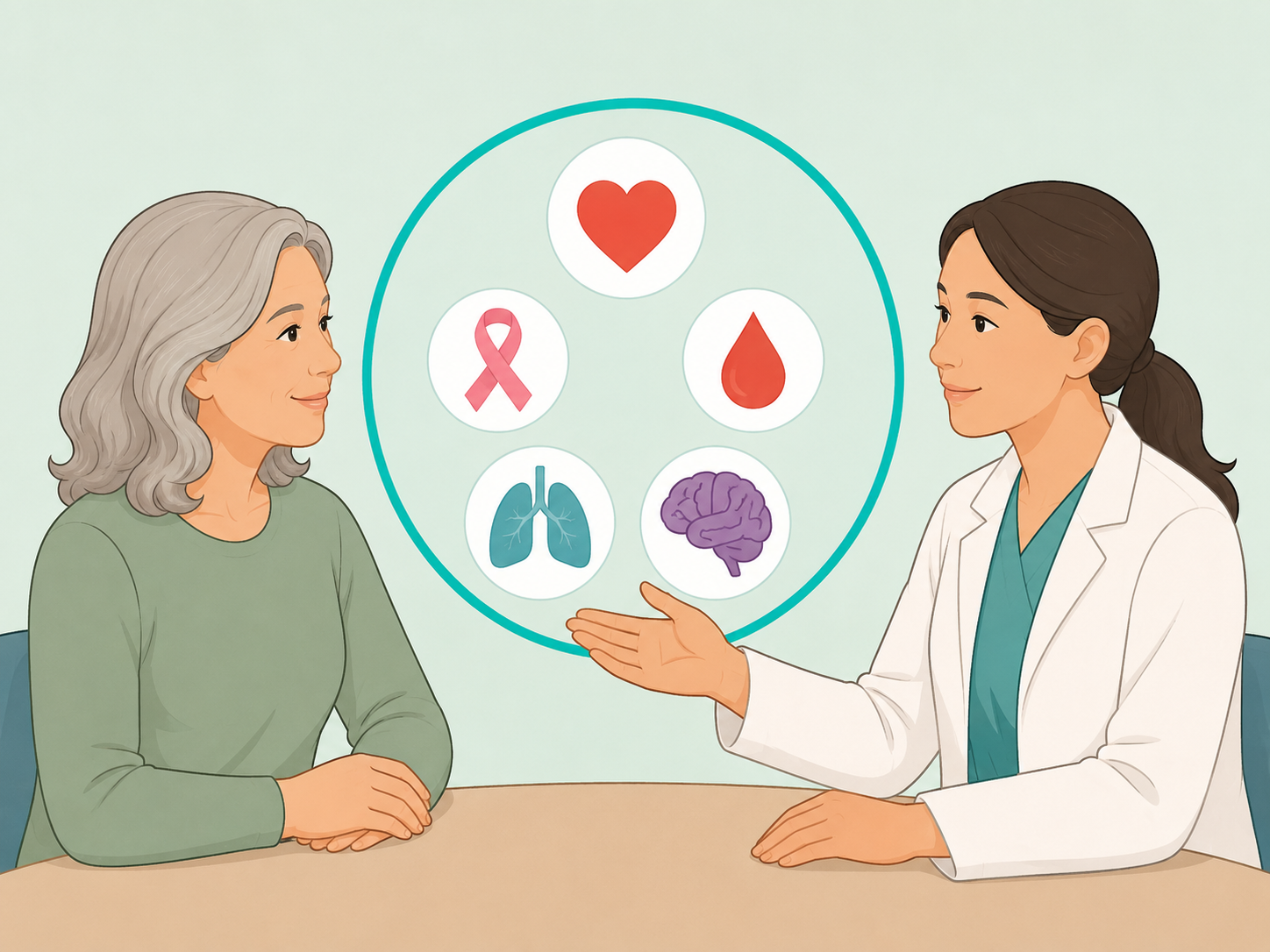
You may see claims that reaching 60 without certain diseases means you have a high chance of living to 100. The safer way to read that idea is this: avoiding major chronic diseases at 60 is encouraging, but it does not predict anyone's exact lifespan. This guide explains five disease areas to watch and the practical steps that support healthier aging.
Treat the claim as a health check, not a guarantee
The CDC lists heart disease, cancer, stroke, chronic lower respiratory disease, Alzheimer's disease, and diabetes among leading causes of death in older adults. For a simple five-area checklist, group heart disease and stroke together as cardiovascular disease, then watch cancer, type 2 diabetes, chronic lung disease, and dementia. Being free of these at 60 is encouraging, but it does not guarantee that you will live to 100.
Review your cardiovascular risk with your clinician
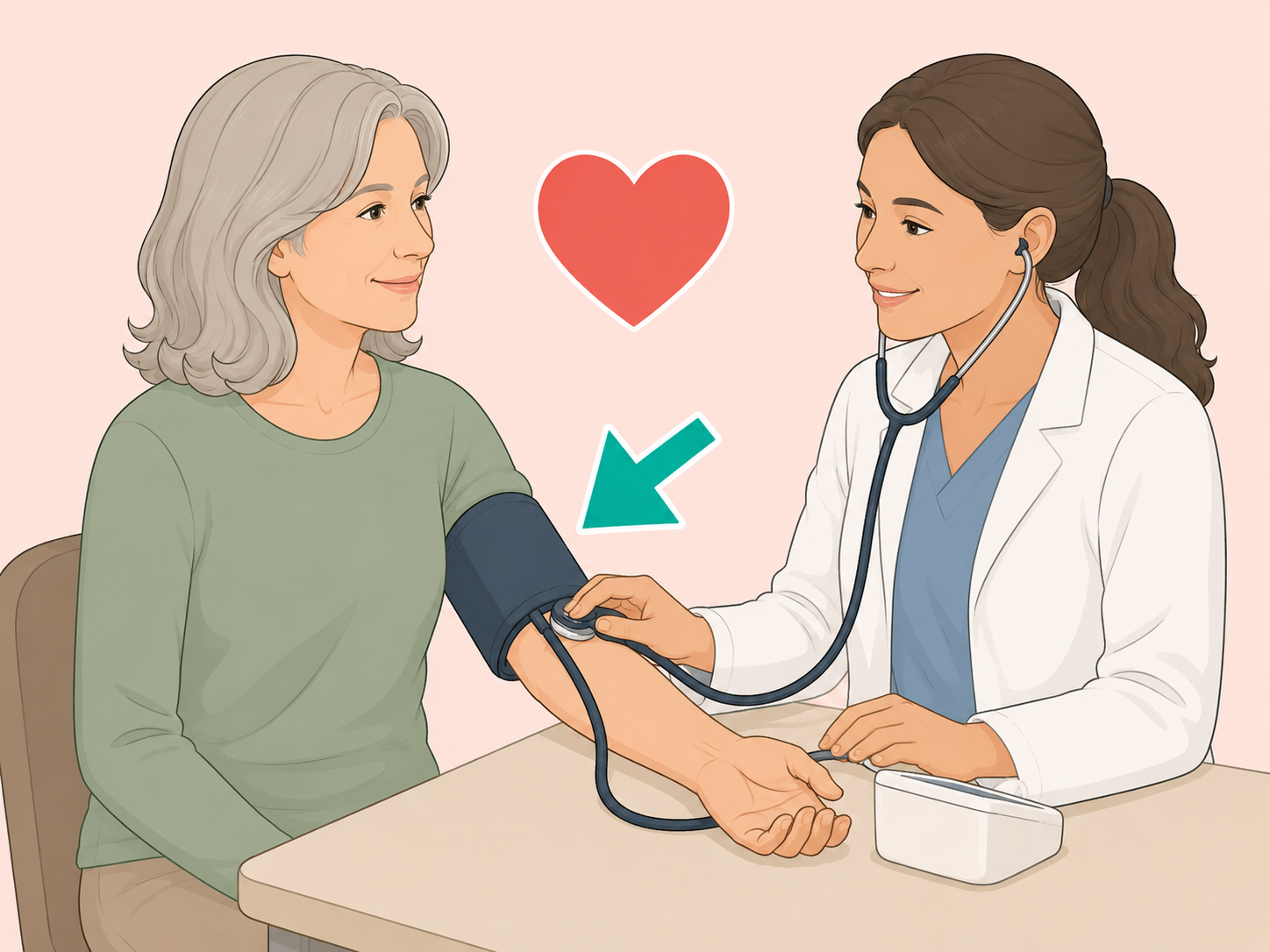
Ask about blood pressure, cholesterol, smoking history, diabetes risk, family history, and whether you need medication or lifestyle support. The CDC says healthy eating, regular physical activity, not smoking, limiting alcohol, getting enough sleep, and managing stress can help prevent high blood pressure, which is a major risk factor for heart disease and stroke. Keep taking prescribed medicines unless your clinician tells you to change them.
Stay current with cancer screening
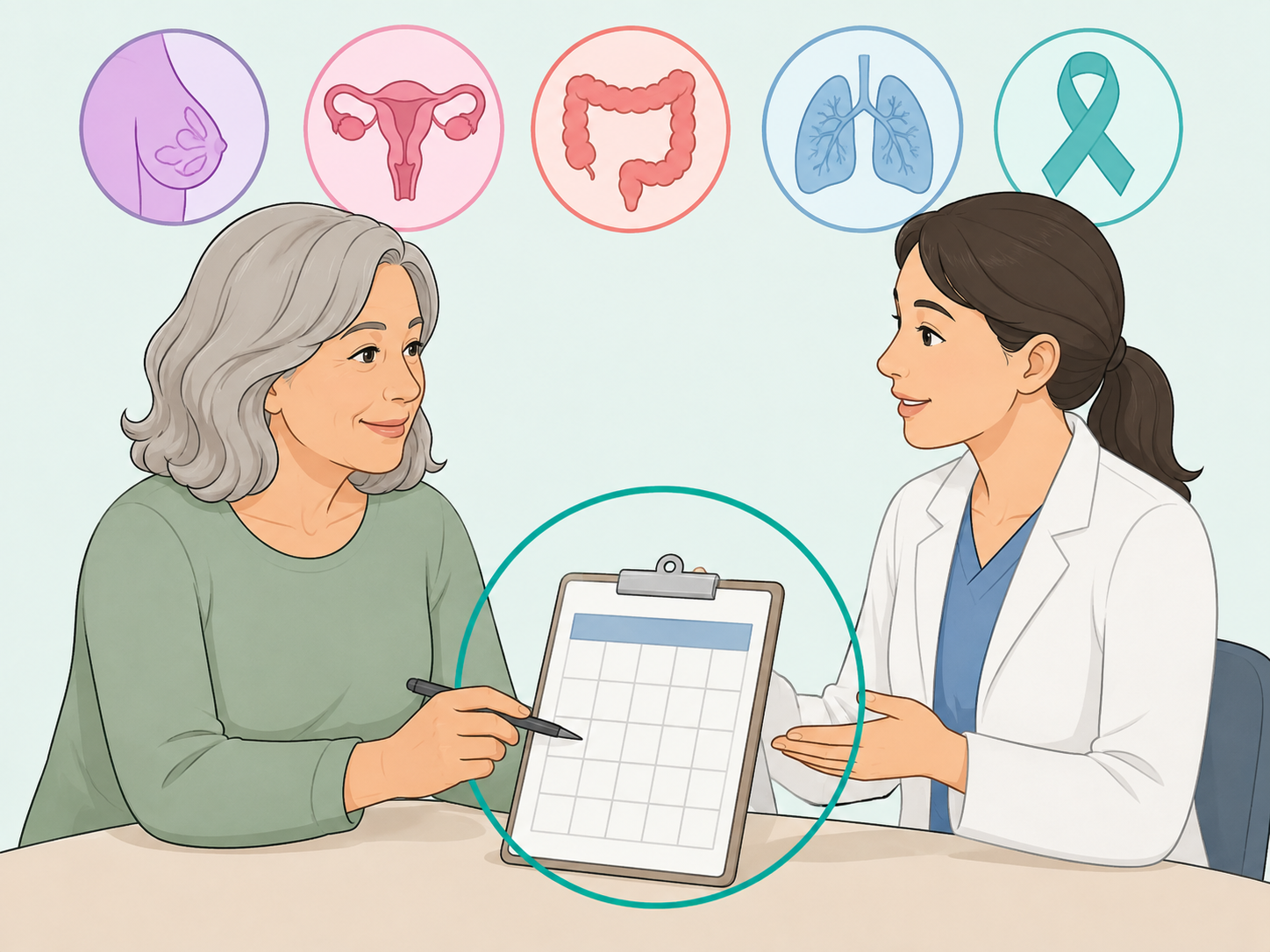
Screening is meant to look for cancer before symptoms appear, when some cancers may be easier to treat. The CDC supports screening for breast, cervical, colorectal, and lung cancers according to USPSTF recommendations. Ask which tests fit your age, sex, family history, past results, and smoking history.
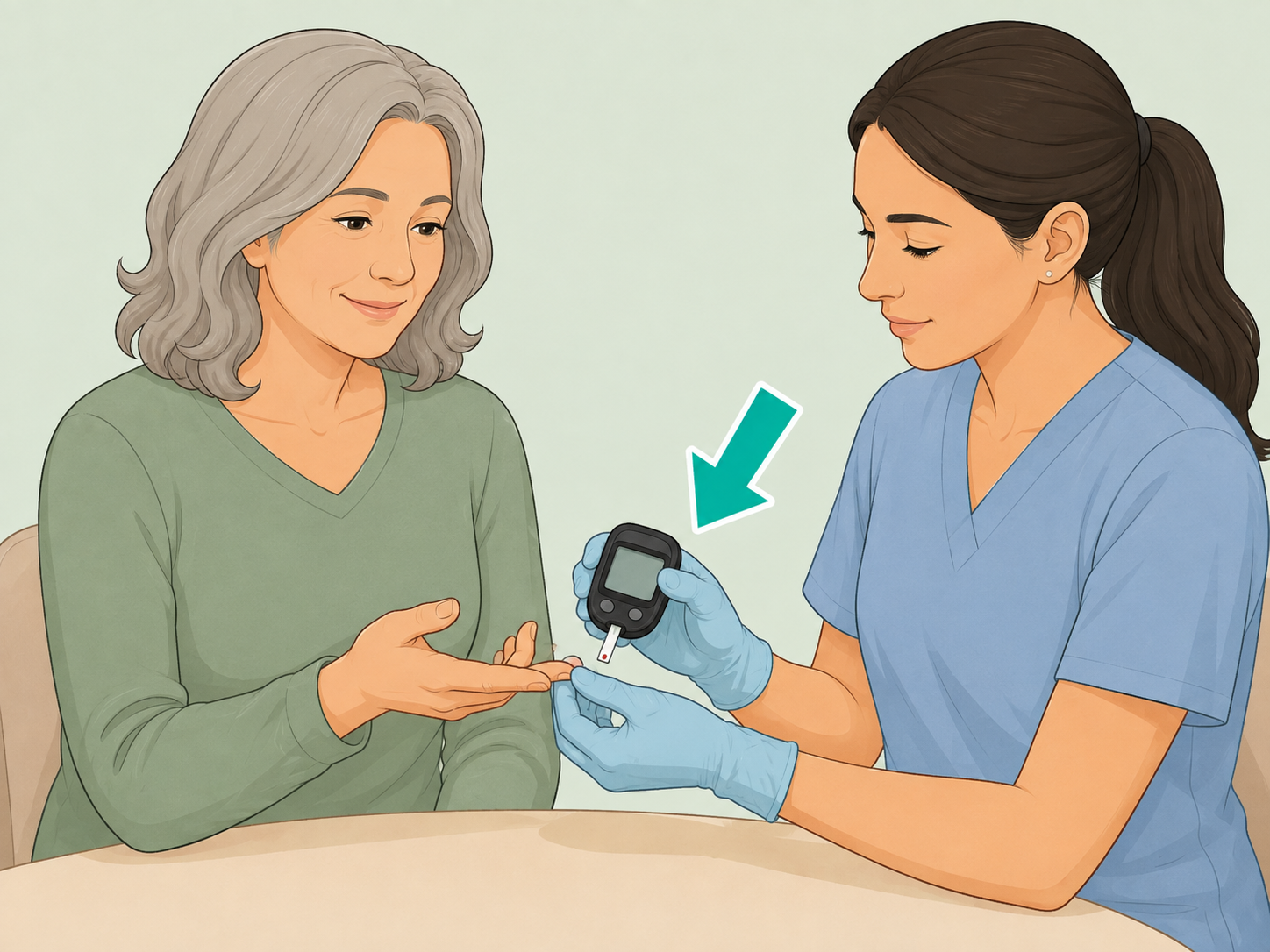
Check your blood sugar and diabetes risk
Type 2 diabetes can develop quietly, so ask whether you need fasting blood sugar, A1C, or other testing. The CDC says early action for prediabetes can help prevent or delay type 2 diabetes, especially through healthy eating, physical activity, and weight management when appropriate. If you already have diabetes, focus on a care plan rather than blame or quick fixes.
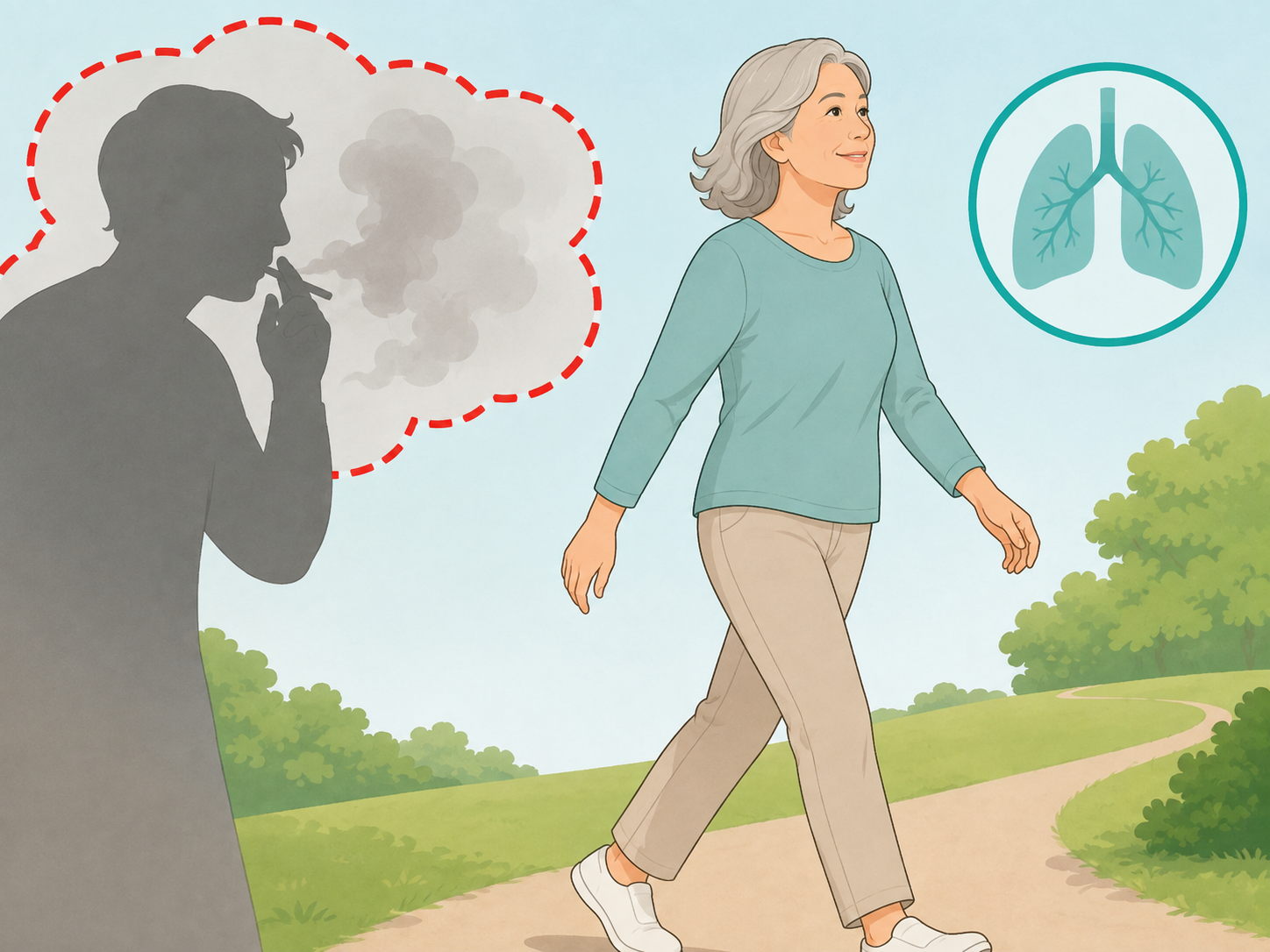
Protect your lungs from COPD risks
Chronic obstructive pulmonary disease, or COPD, includes conditions such as emphysema and chronic bronchitis that make breathing harder. The CDC says cigarette smoking is a common cause of COPD and that quitting smoking lowers COPD risk. Avoid secondhand smoke and talk to your clinician about breathing symptoms, vaccines, and workplace or home air exposures.
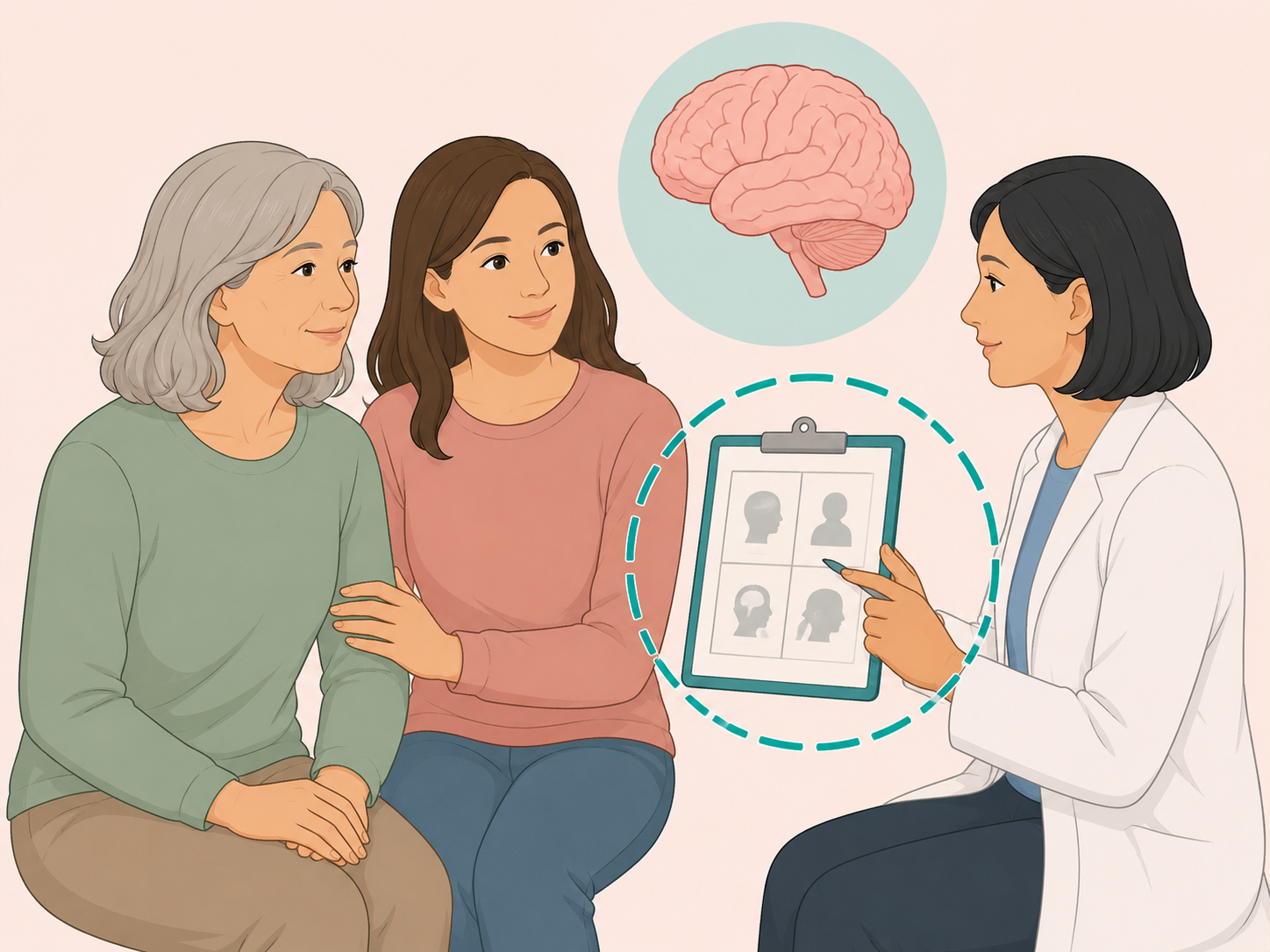
Watch memory changes without self-diagnosing
Some forgetfulness can happen with age, but memory or thinking changes that disrupt daily life should be checked. The CDC says Alzheimer's disease is the most common type of dementia and that risk increases with age. If you notice problems managing money, completing familiar tasks, judgment, mood, or daily routines, schedule a medical evaluation because some causes of memory symptoms may be treatable.
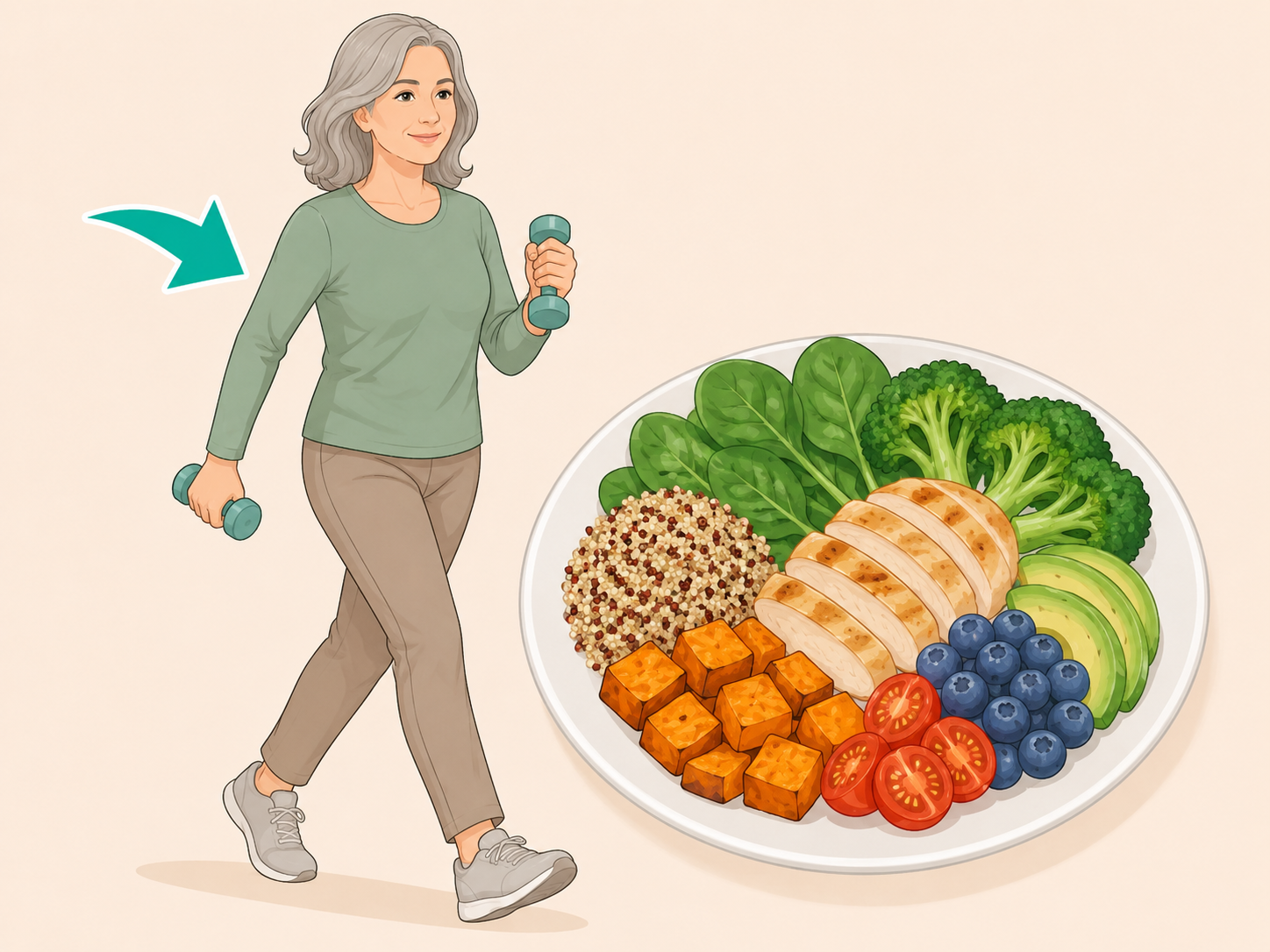
Build habits that protect several systems at once
Choose habits you can repeat: walk or do another enjoyable activity, add strength and balance work, eat mostly minimally processed foods, sleep regularly, stay socially connected, and avoid tobacco. The National Institute on Aging says physical activity supports healthy aging and is linked with lower risk of cardiovascular disease, type 2 diabetes, some cancers, dementia, depression, and falls. Start gently if you have been inactive, and ask a clinician what activities are safe for you.
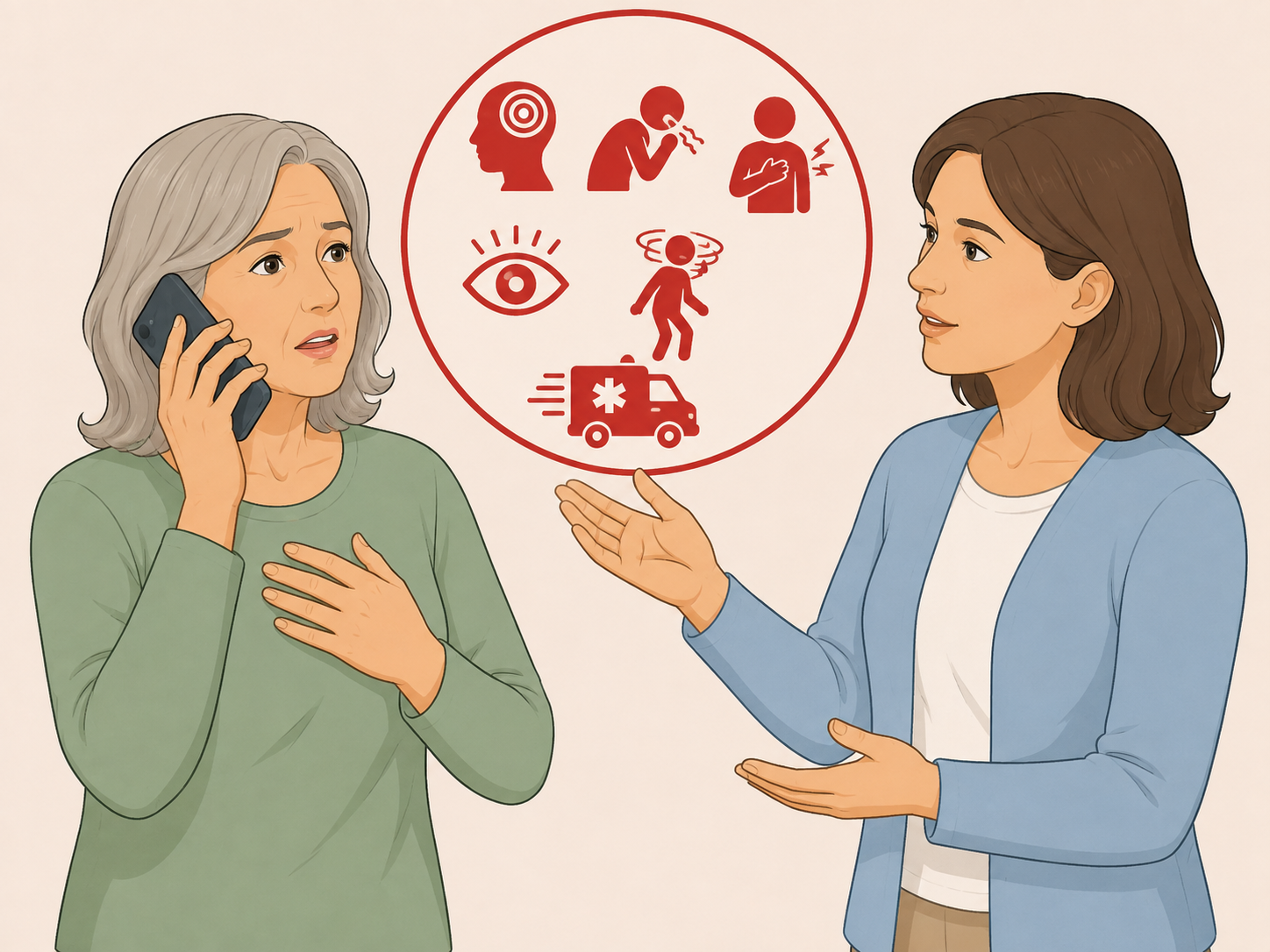
Know when to seek medical help
Call emergency services for chest discomfort, shortness of breath, upper-body pain, sudden face drooping, arm weakness, speech trouble, or sudden loss of balance or vision. The American Heart Association says to call 911 for warning signs of heart attack or stroke. Also make a non-urgent appointment for unexplained weight loss, persistent cough, blood in stool, worsening fatigue, new memory problems, or repeated abnormal home readings.
Summary
The bottom line: reaching 60 without major chronic disease is a positive sign, not a promise. Keep working with your health care team, stay current on screenings, protect your heart and lungs, watch blood sugar and memory changes, and build steady habits that support healthy aging.
Frequently Asked Questions
- Which 5 diseases are most important to watch after 60?
A practical list is cardiovascular disease, cancer, type 2 diabetes, COPD or chronic lung disease, and Alzheimer's disease or other dementia. These are not the only important conditions, but they are major disease areas linked with illness, disability, and death in older adults.
- Does being disease-free at 60 mean I will live to 100?
No. It is a positive sign, but lifespan also depends on genetics, injuries, infections, access to care, medication use, environment, and future health changes.
- Can lifestyle changes still help after age 60?
Yes. The National Institute on Aging says physical activity can benefit older adults and is linked with lower risk of cardiovascular disease, type 2 diabetes, some cancers, dementia, depression, and falls.
- Should I get every cancer screening available?
No. Screening depends on your age, sex, medical history, family history, and smoking history. Ask your doctor which breast, cervical, colorectal, lung, prostate, or other screenings make sense for you.
- What numbers should I know for healthy aging?
Ask your clinician which numbers matter for you, such as blood pressure, cholesterol, blood sugar or A1C, weight trend, kidney function, and vaccination status. Do not change medication based only on home readings without medical guidance.
- When should I seek urgent care instead of waiting for an appointment?
Call emergency services for chest pressure, severe shortness of breath, fainting, sudden weakness, sudden trouble speaking, sudden vision changes, or new confusion. For gradual changes, book a medical visit promptly rather than trying to diagnose yourself.
References
Reliable references aided in composing and refining this content.
- https://www.cdc.gov/still-going-strong/about/common-injuries-as-we-age.html
- https://www.cdc.gov/high-blood-pressure/prevention/index.html
- https://www.cdc.gov/cancer/prevention/screening.html
- https://www.cdc.gov/diabetes/prevention-type-2/index.html
- https://www.cdc.gov/tobacco/about/cigarettes-and-copd.html
- https://www.cdc.gov/alzheimers-dementia/about/alzheimers.html
- https://www.nia.nih.gov/health/exercise-and-physical-activity/health-benefits-exercise-and-physical-activity
- https://www.heart.org/en/about-us/heart-attack-and-stroke-symptoms