
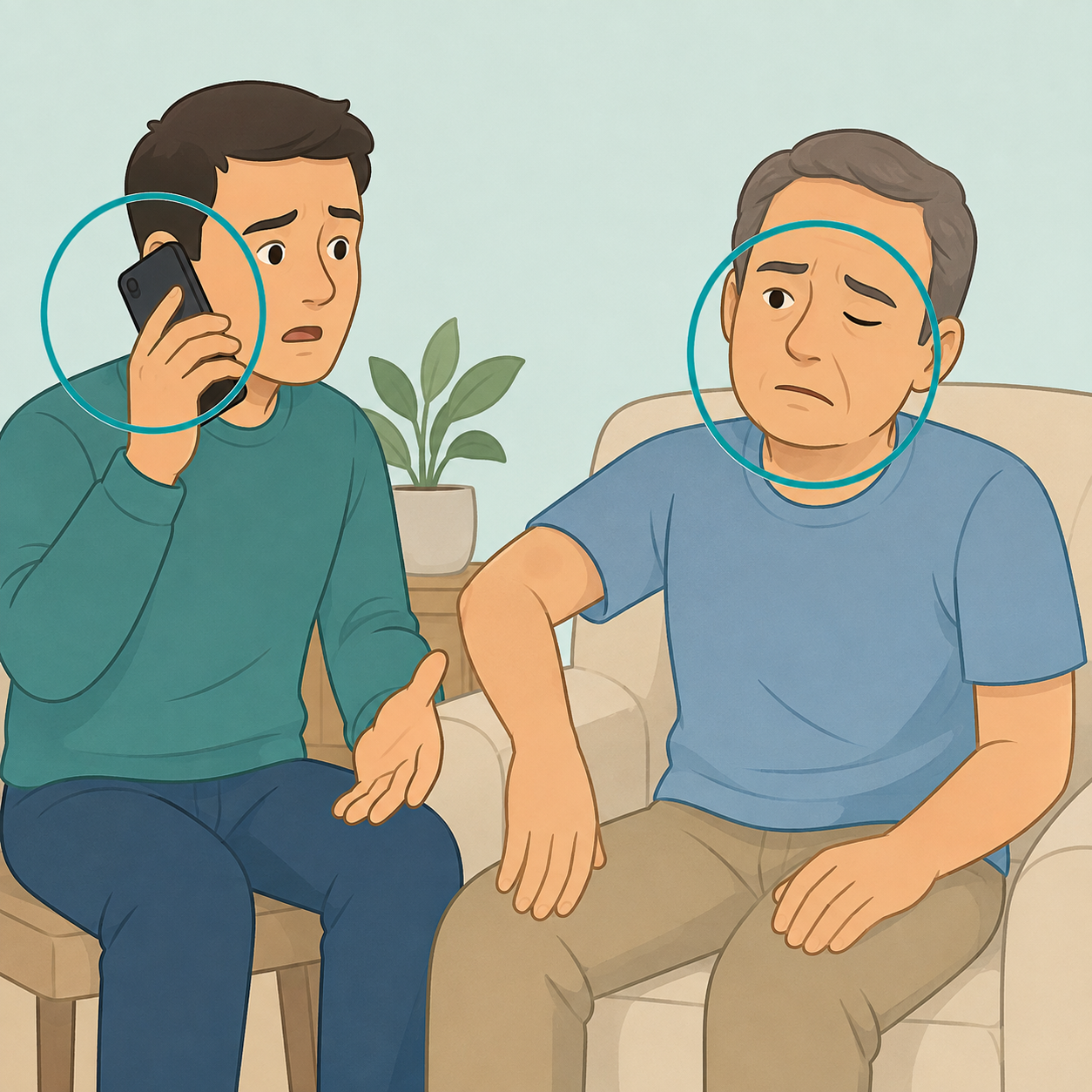
 Pin it
Claims that the body always warns you exactly a month before a stroke can be misleading. Trusted medical sources describe stroke and transient ischemic attack symptoms as sudden, and even short-lived symptoms need urgent attention. This guide explains the warning signs to recognize and what to do next.
Treat sudden symptoms as urgent, not as a month-long countdown
Be careful with claims that your body always gives a clear warning one month before a stroke. Medical sources describe stroke and TIA symptoms as sudden, and a transient ischemic attack can look like a stroke even if symptoms fade. If a new neurological symptom appears suddenly, treat it as urgent instead of waiting to see what happens.
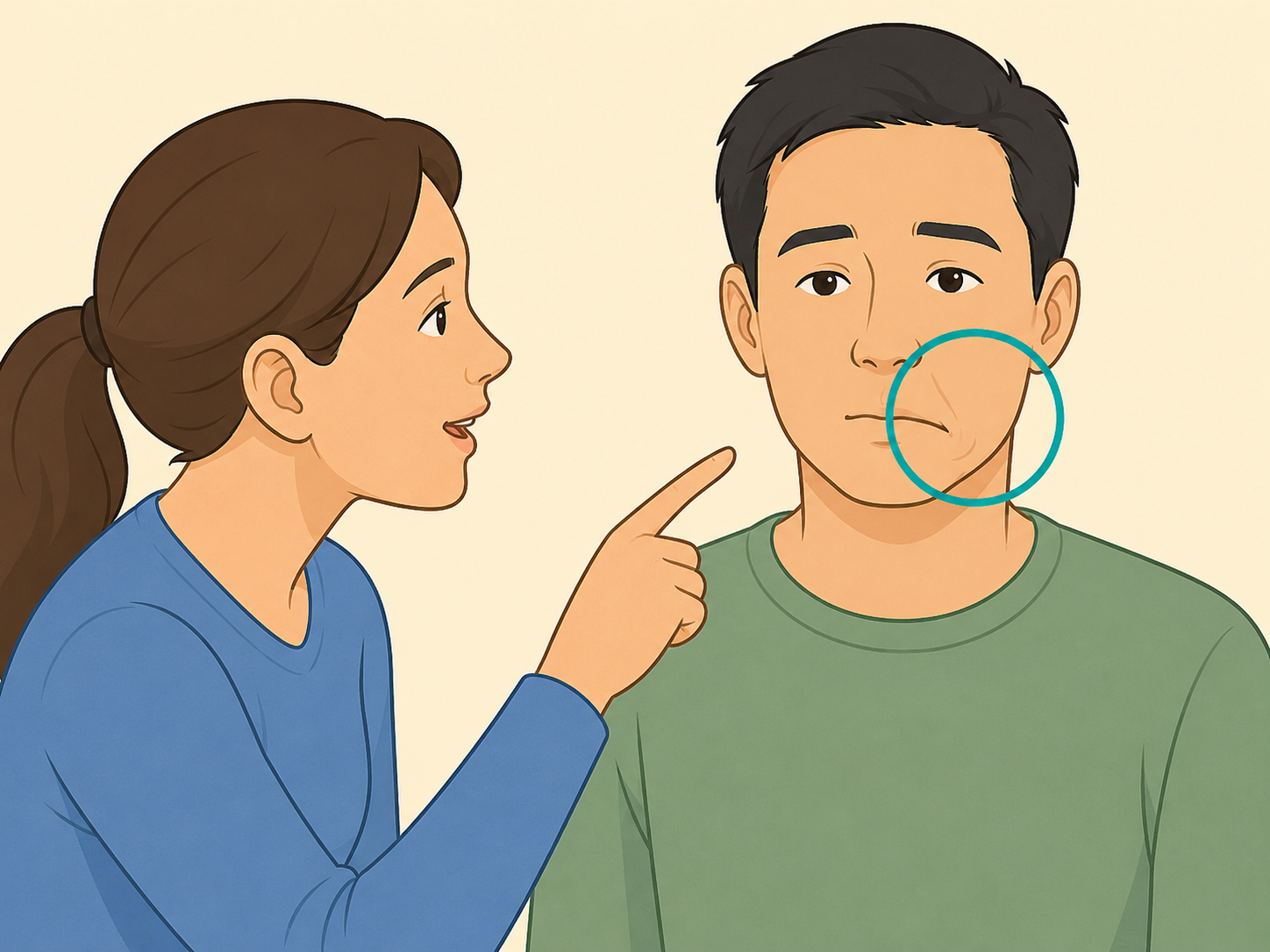
Check the face for drooping
Ask the person to smile and look for one side of the face drooping or not moving normally. Face drooping is part of the CDC's B.E. F.A.S.T. stroke check. Do not try to decide at home whether it is mild enough to ignore.
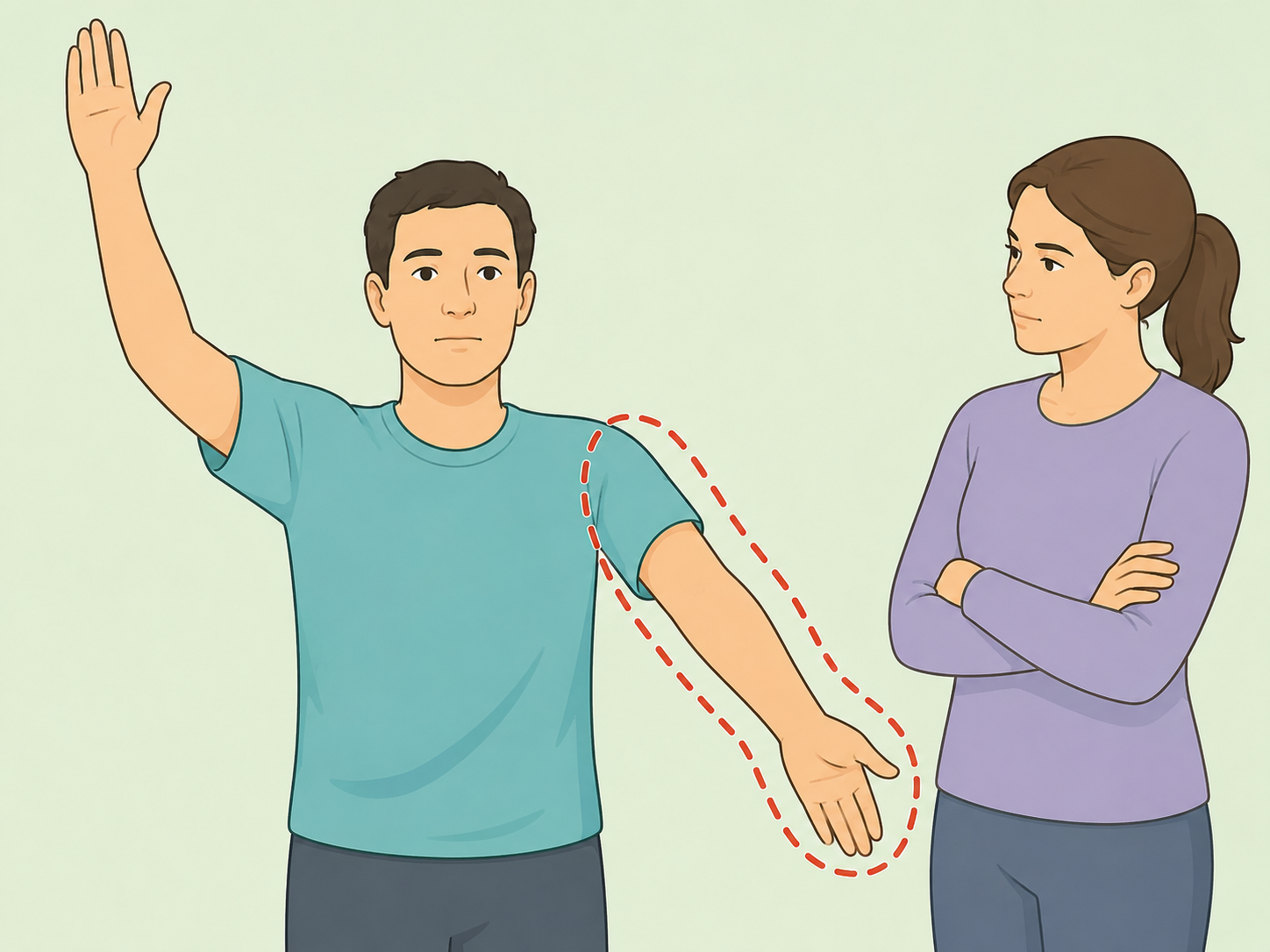
Test both arms and legs for weakness or numbness
Ask the person to raise both arms and watch whether one arm drifts down, feels weak, or cannot be lifted. Sudden numbness or weakness in the face, arm, or leg, especially on one side, is a recognized stroke warning sign. New one-sided leg weakness or numbness should be taken just as seriously.
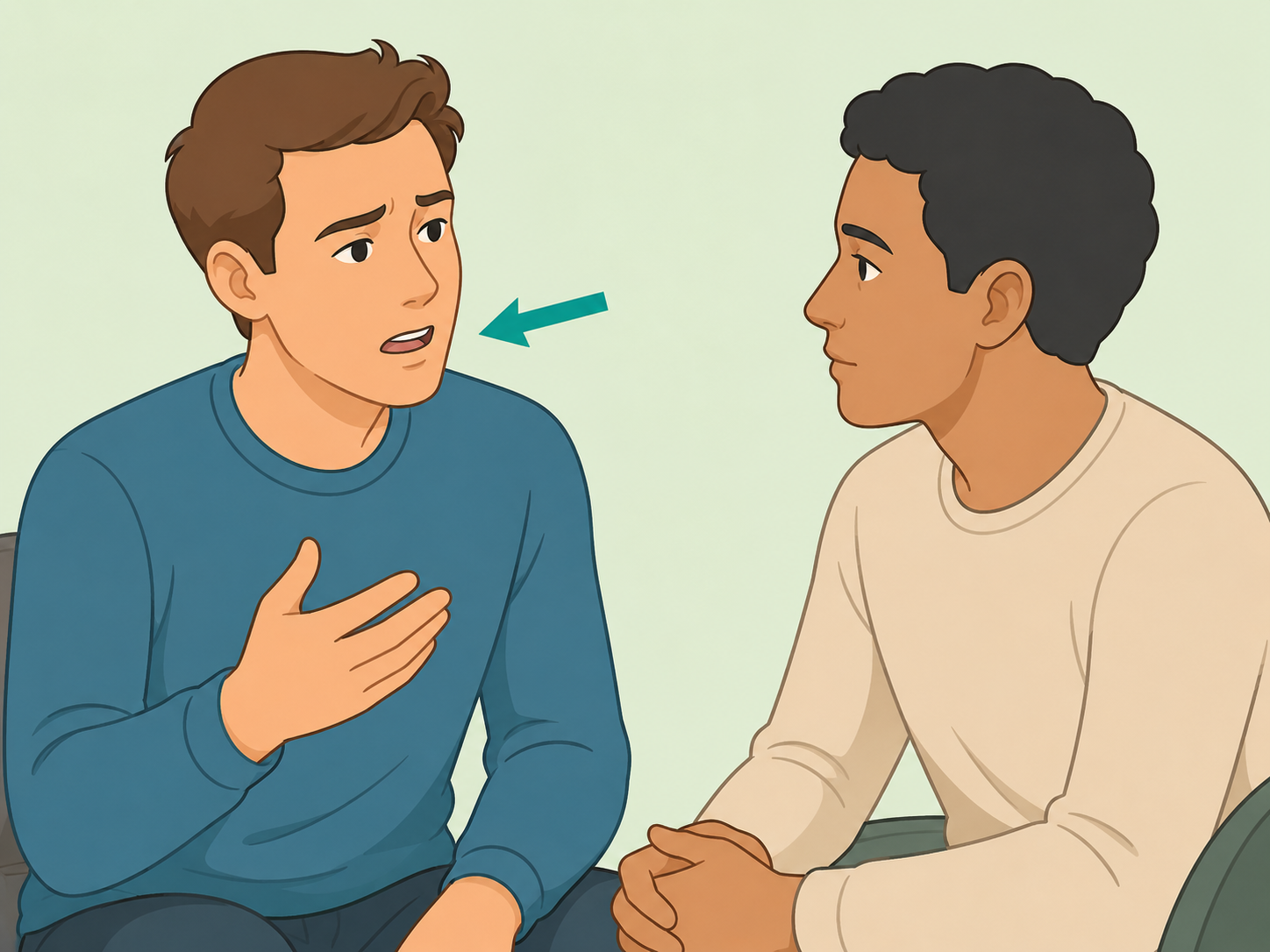
Listen for slurred speech or trouble understanding
Ask the person to repeat a simple sentence and notice whether speech sounds slurred, strange, or hard to produce. The NHS lists speech problems and trouble understanding others as key TIA and stroke symptoms. Call emergency services even if the person seems awake and alert.
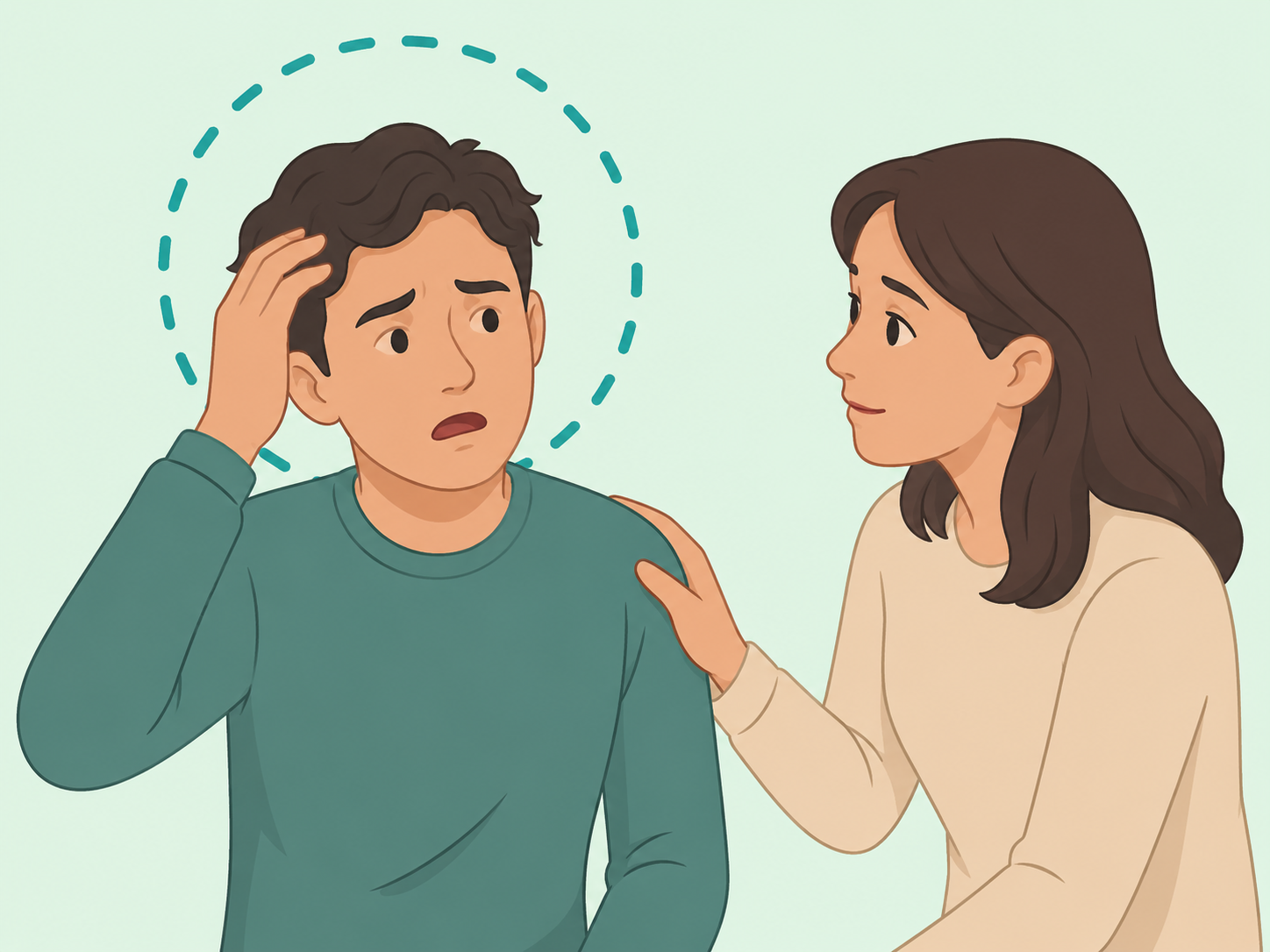
Notice sudden confusion or alertness changes
Sudden confusion, trouble following conversation, unusual sleepiness, or a sudden change in alertness can be a warning sign. MedlinePlus lists mental changes and changes in alertness among possible TIA symptoms. Treat a sudden change from the person's normal behavior as important, especially with any other stroke sign.
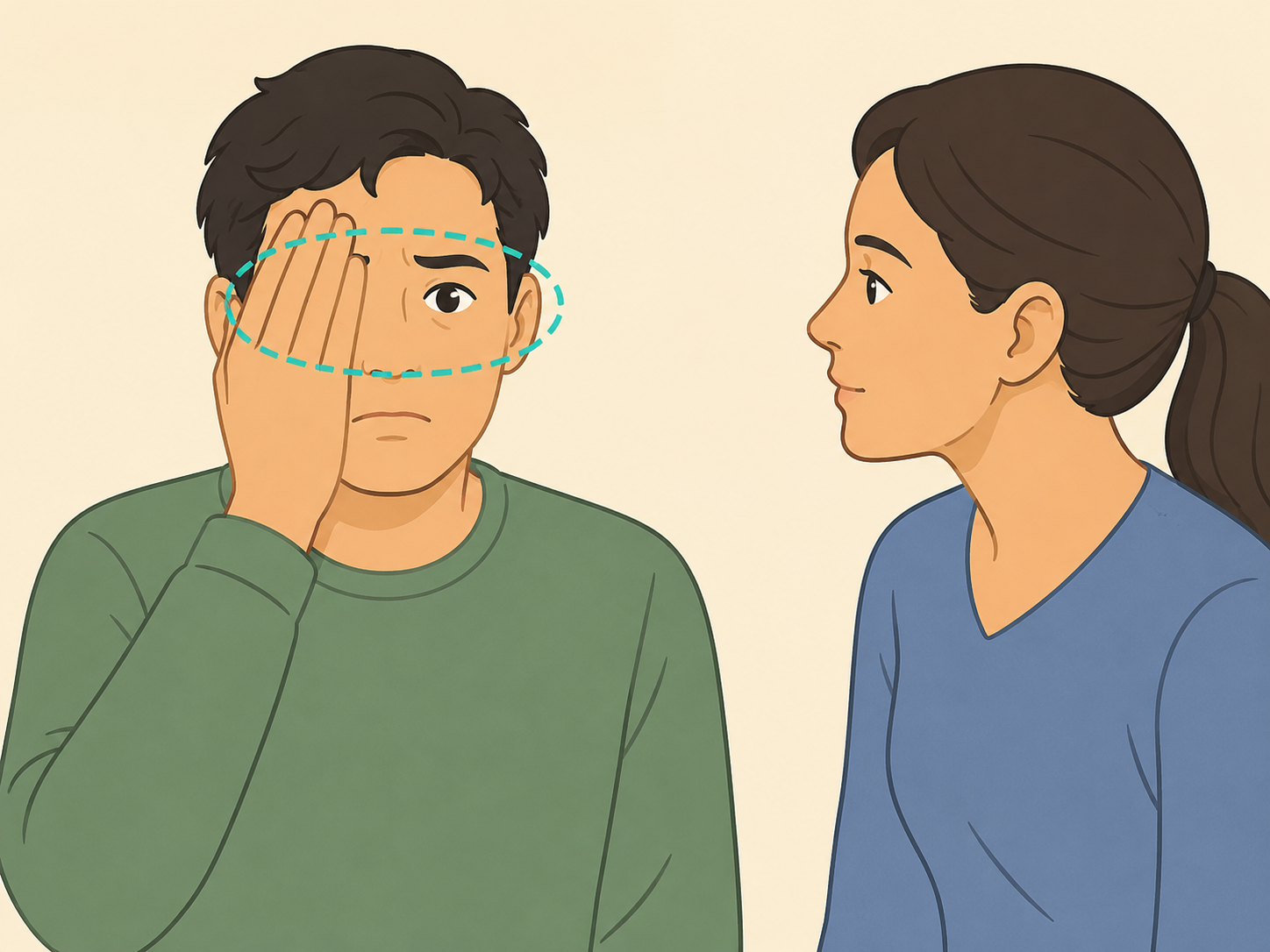
Watch for sudden vision changes
Take sudden blurred vision, double vision, loss of vision, or trouble seeing in one or both eyes seriously. MedlinePlus includes vision trouble among TIA symptoms, and the CDC includes eye changes in B.E. F.A.S.T. Do not wait for an eye appointment if the change is sudden.
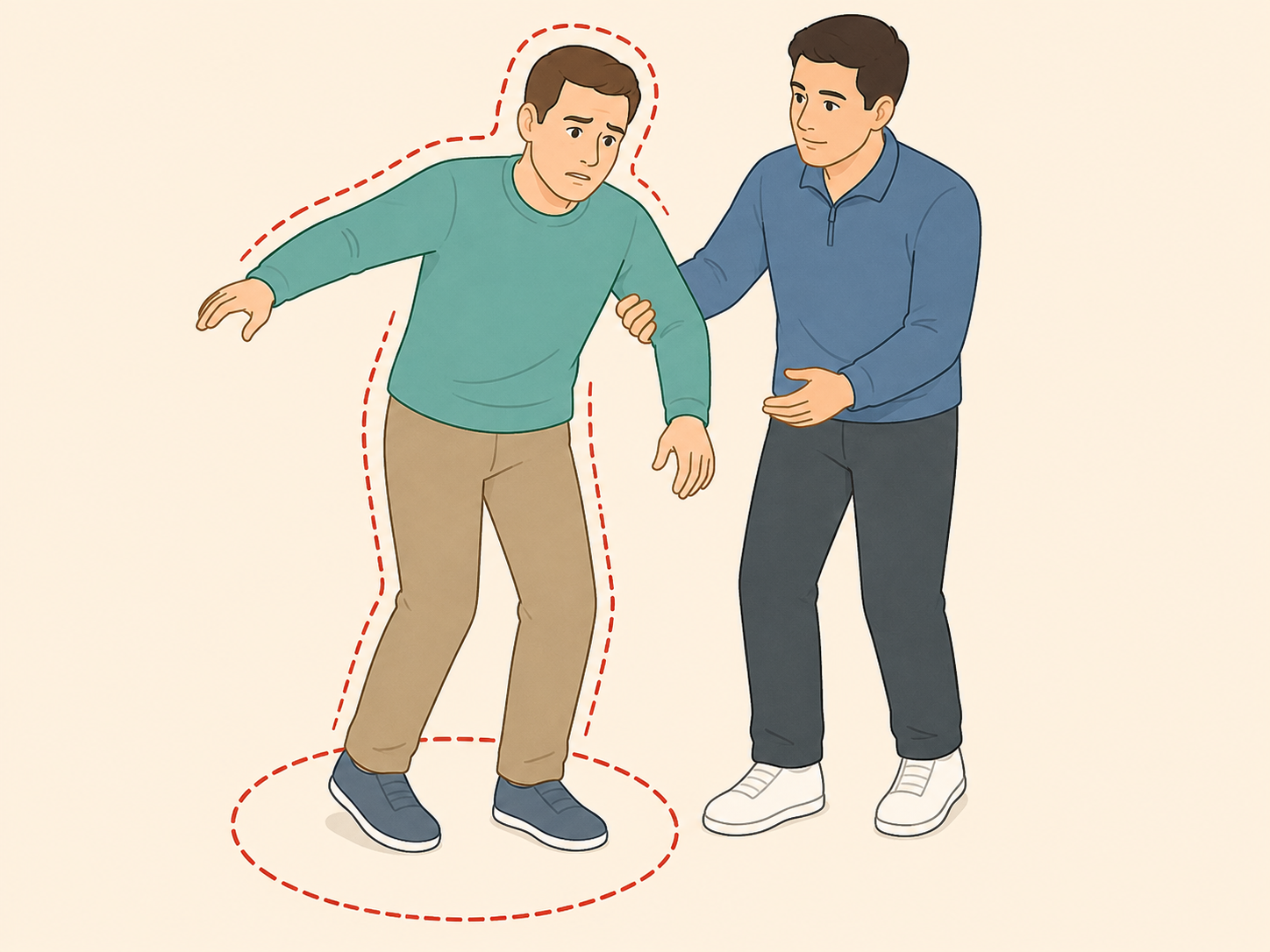
Take dizziness, balance loss, or trouble walking seriously
Sudden dizziness, loss of balance, lack of coordination, or trouble walking can be part of a stroke or TIA. The CDC lists sudden trouble walking, dizziness, loss of balance, and lack of coordination as stroke symptoms. This is especially urgent if it appears with weakness, speech trouble, or vision changes.
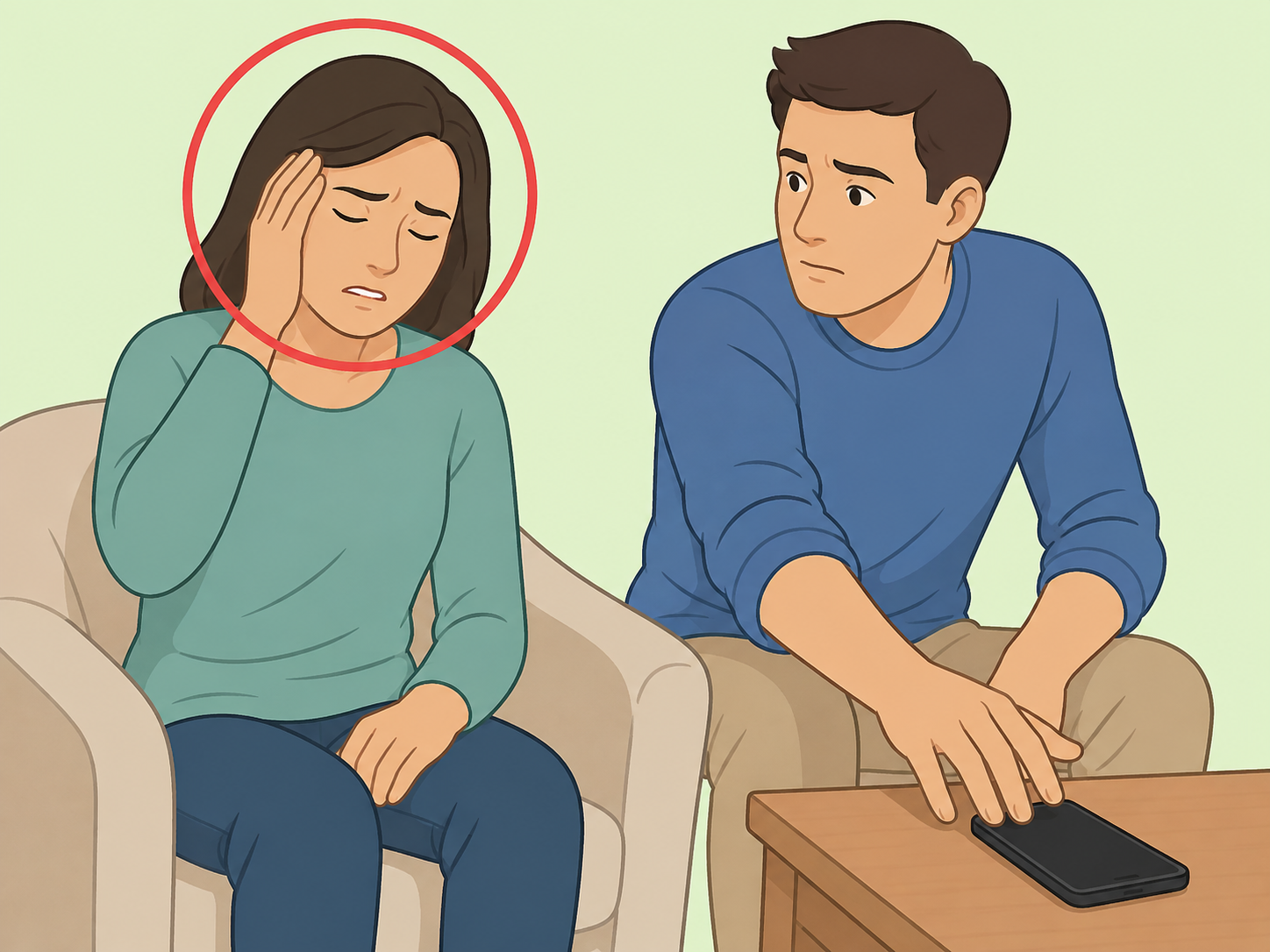
Treat a sudden severe headache as an emergency
A sudden severe headache with no known cause is a stroke warning sign, especially if it is unlike the person's usual headaches. The CDC specifically lists sudden severe headache among symptoms that require calling 911 right away. Do not give aspirin or other medicine unless emergency professionals or a clinician tells you to.
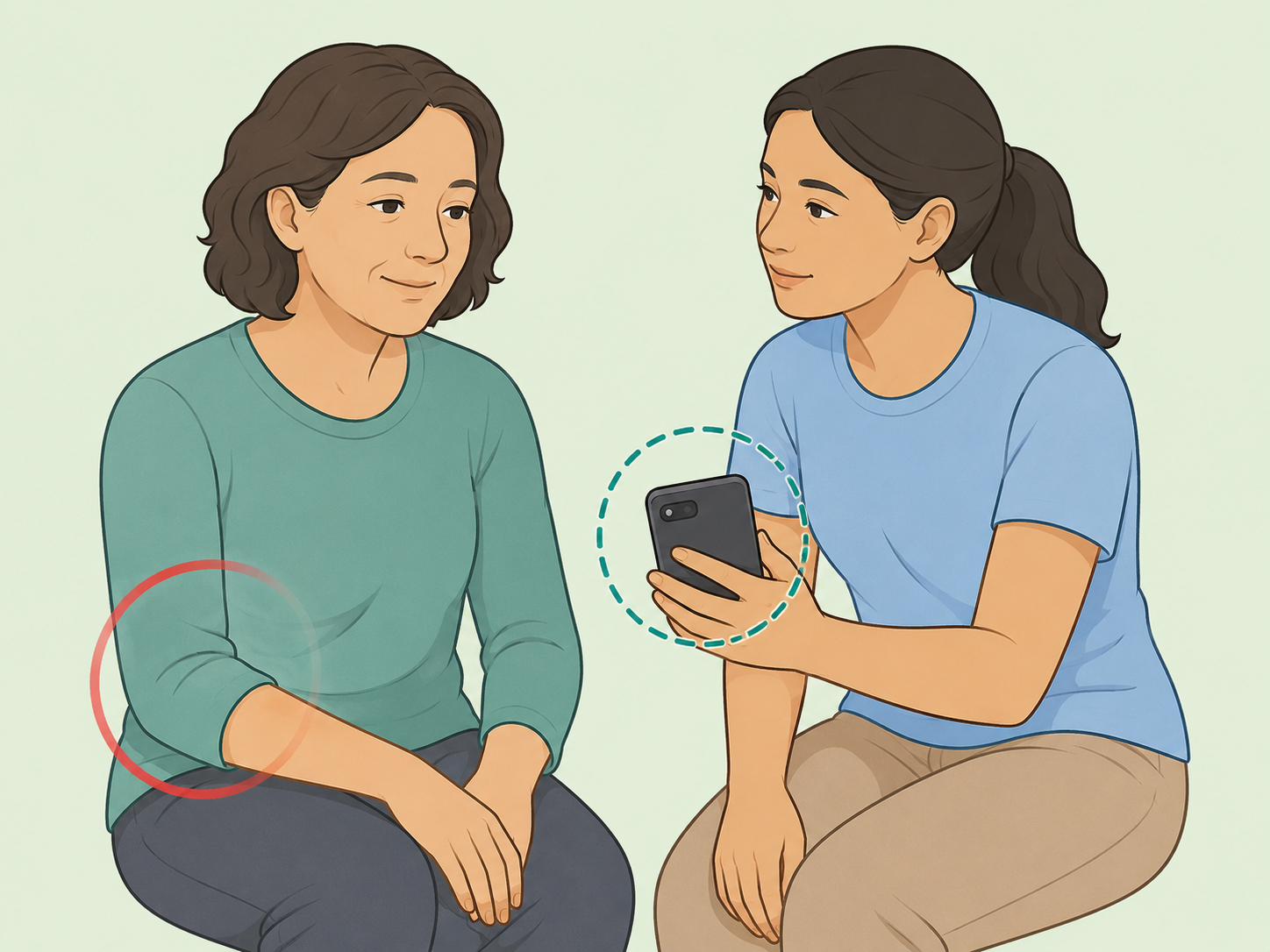
Do not brush off symptoms that disappear
Temporary symptoms can still be serious. Mayo Clinic explains that a ministroke, or TIA, causes brief stroke-like symptoms and can be an early warning of future stroke risk. If symptoms pass before help arrives, still report exactly what happened.
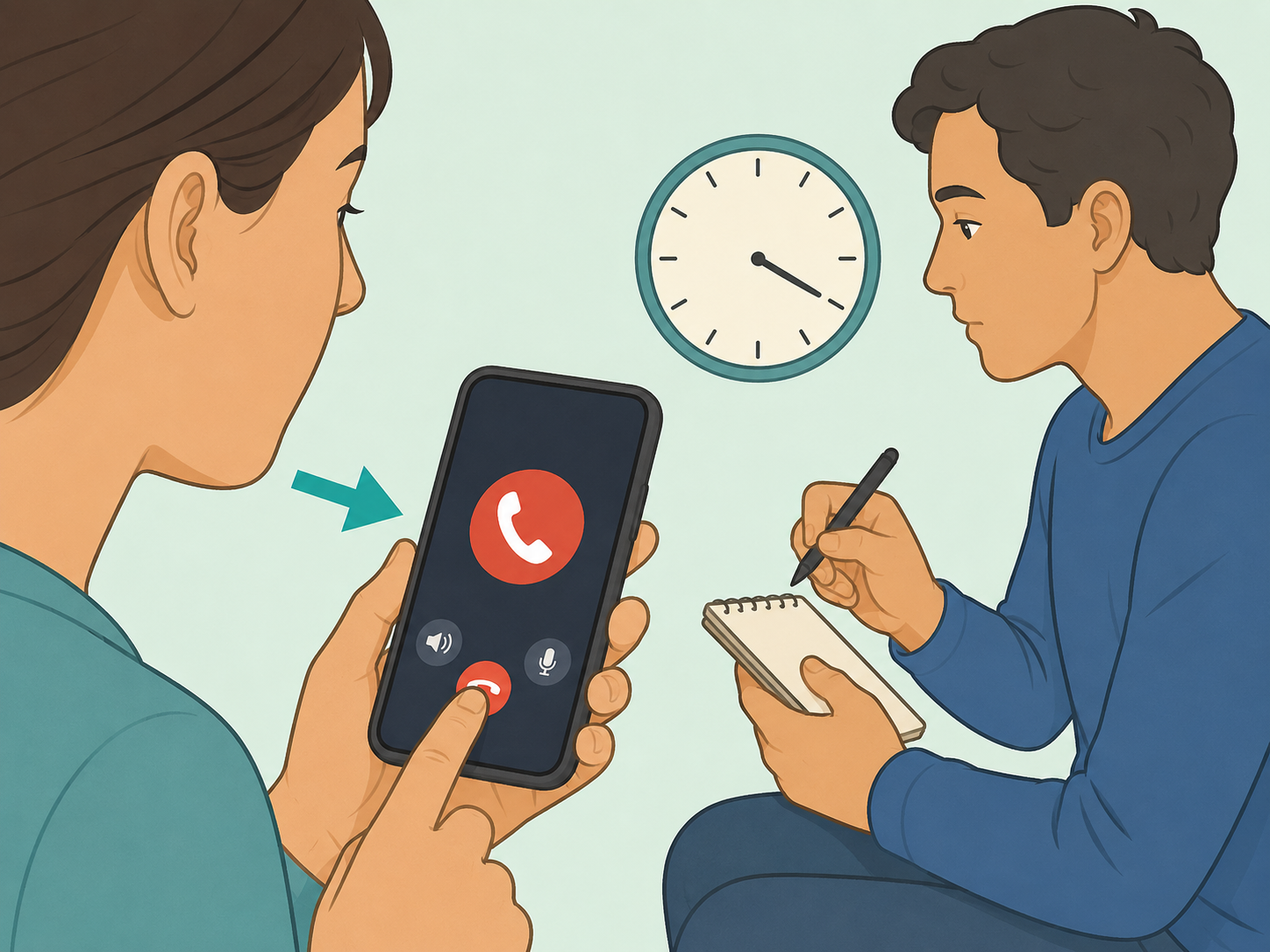
Call emergency services and note the start time
Call 911 or your local emergency number right away if you notice sudden stroke symptoms in yourself or someone else. The CDC advises calling an ambulance rather than driving because emergency personnel can begin care on the way, and it is important to note when symptoms first appeared. After the emergency is handled, work with a health professional on risk factors such as blood pressure, cholesterol, diabetes, heart disease, smoking, and alcohol use, which the CDC links to stroke risk.
Summary
The bottom line: do not wait, drive yourself, or assume symptoms are harmless because they fade. Sudden face, arm, speech, vision, balance, confusion, numbness, or severe headache symptoms should be treated as a medical emergency.
Frequently Asked Questions
- Can stroke symptoms appear a month before a stroke?
Stroke symptoms are usually sudden, not a predictable month-long countdown. A transient ischemic attack can be an early warning that stroke risk is higher, so sudden temporary symptoms still need urgent medical care.
- What is the FAST test for stroke?
FAST means Face drooping, Arm weakness, Speech trouble, and Time to call emergency services. The CDC also uses B.E. F.A.S.T. to include sudden balance and eye or vision changes.
- What if symptoms go away after a few minutes?
Do not ignore them. MedlinePlus says TIA symptoms can disappear within an hour or last up to 24 hours, but you cannot tell at home whether it is a TIA or stroke.
- Should I drive someone to the hospital if I suspect a stroke?
No. Call emergency services so medical personnel can start care on the way and route the person to the right hospital.
- Are stroke symptoms different in women and men?
The main warning signs are the same for men and women: sudden weakness or numbness, speech trouble, confusion, vision trouble, dizziness or balance loss, and severe headache. Anyone with these symptoms needs urgent help.
- Can lowering risk factors prevent every stroke?
No prevention plan can guarantee that a stroke will not happen. However, the CDC says working with a health care team to manage blood pressure, cholesterol, diabetes, heart disease, smoking, alcohol, diet, and activity can lower risk.
References
Reliable references aided in composing and refining this content.
- https://www.cdc.gov/stroke/signs-symptoms/index.html
- https://medlineplus.gov/transientischemicattack.html
- https://medlineplus.gov/ency/article/000730.htm
- https://www.nhs.uk/conditions/transient-ischaemic-attack-tia/symptoms
- https://www.mayoclinic.org/diseases-conditions/transient-ischemic-attack/expert-answers/mini-stroke/faq-20058390?p=1
- https://www.cdc.gov/stroke/risk-factors/index.html
- https://www.cdc.gov/stroke/prevention/index.html