
 Pin it
Constipation is common, and mild cases often improve with simple diet and lifestyle changes. This guide explains natural, conservative steps that can help make stools softer and easier to pass. It also covers when constipation needs medical attention instead of home care.
Check whether your symptoms fit mild constipation
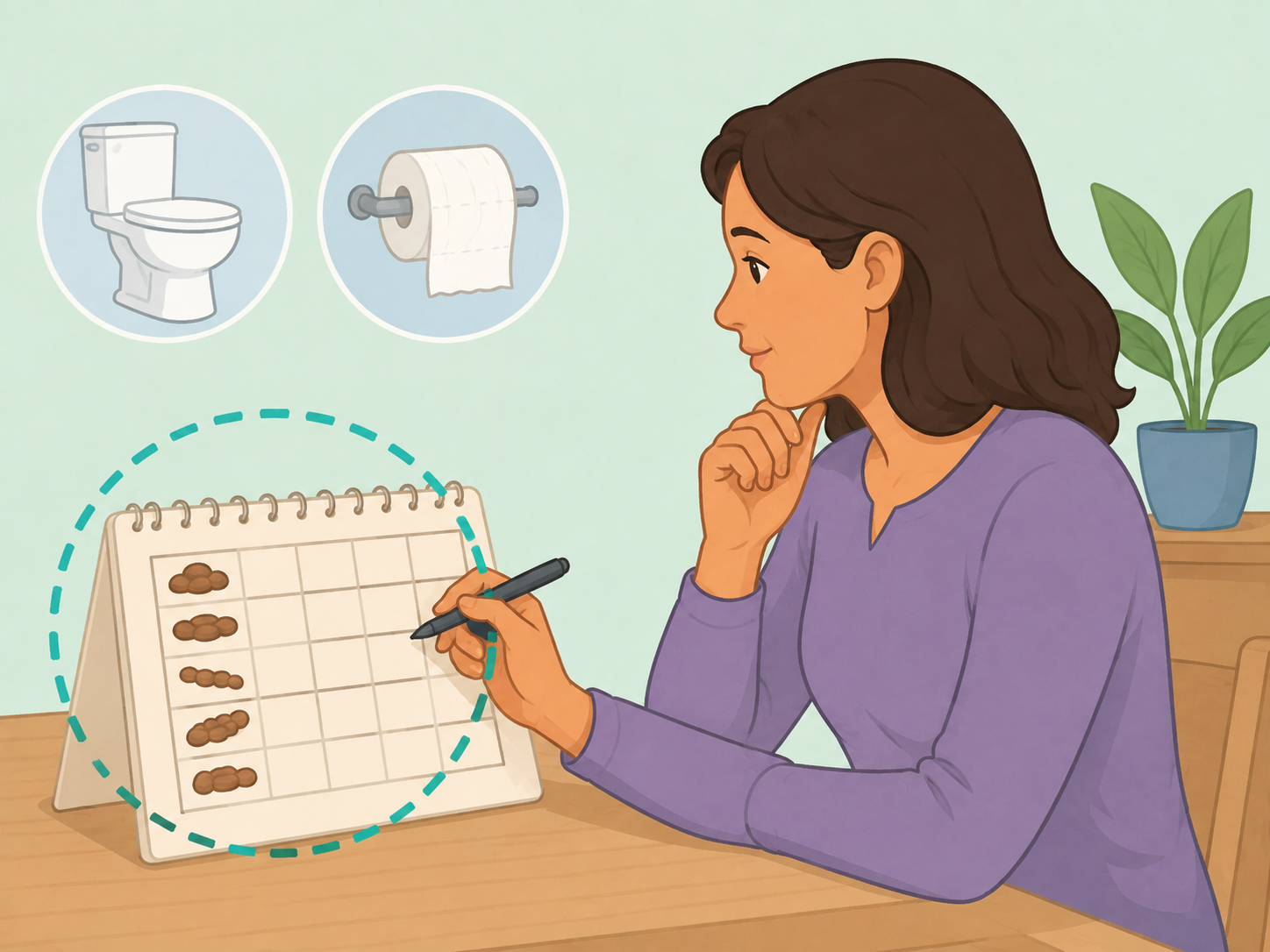
Constipation can mean pooping less often than usual, passing hard or dry stool, straining, or feeling like you have not fully emptied your bowels. The NHS notes that many adults can try simple diet and lifestyle changes first, as long as there are no warning signs. Treat this as general self-care, not a diagnosis.
Add high-fiber foods gradually
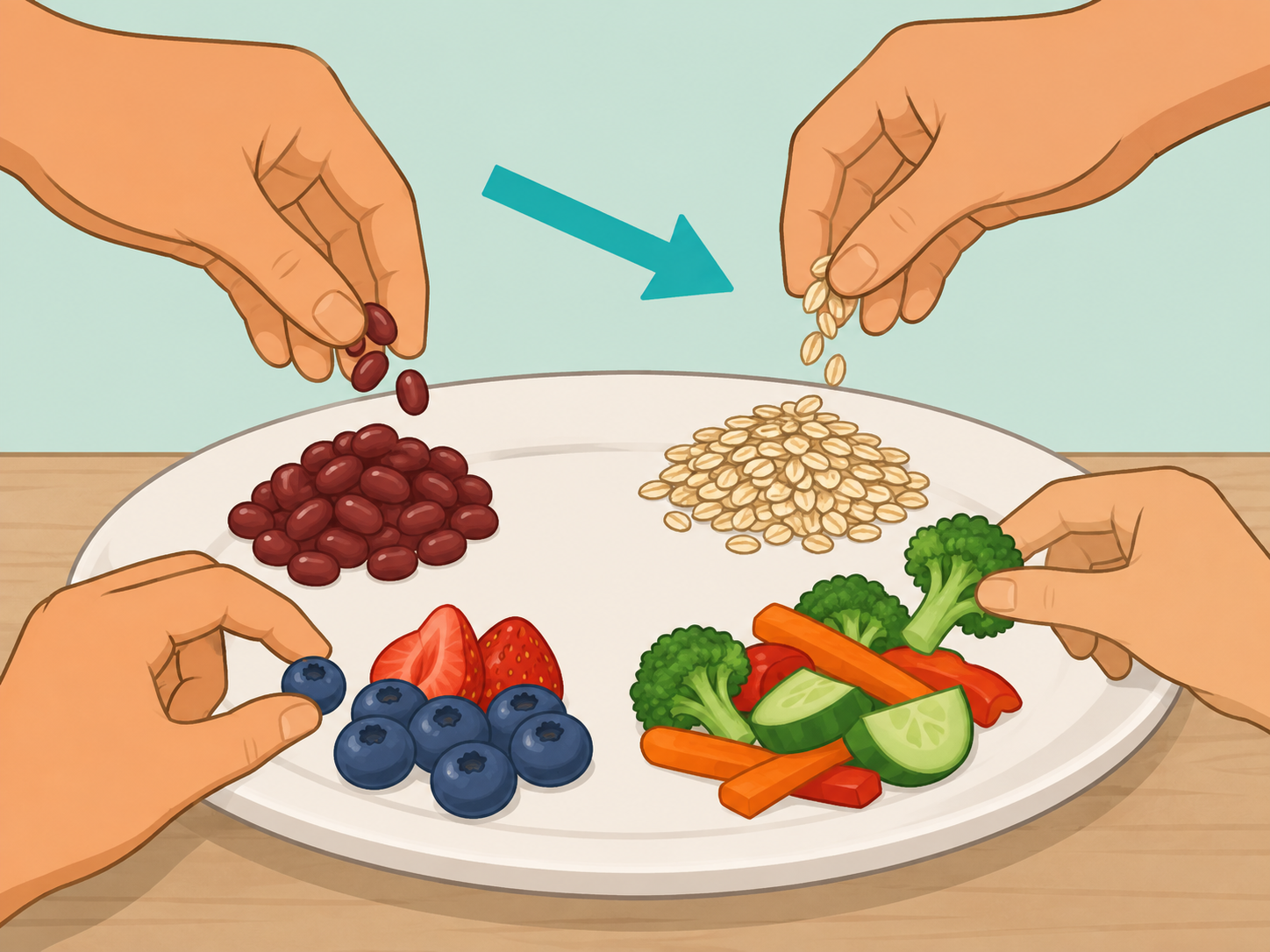
Fiber helps stool hold fluid and move more easily, but adding too much at once can cause gas and bloating. The NIDDK recommends fiber-rich foods such as whole grains, beans, fruits, vegetables, and nuts, with adults often needing about 22 to 34 grams a day depending on age and sex. Increase portions over several days instead of making a sudden jump.
Drink fluids as you increase fiber
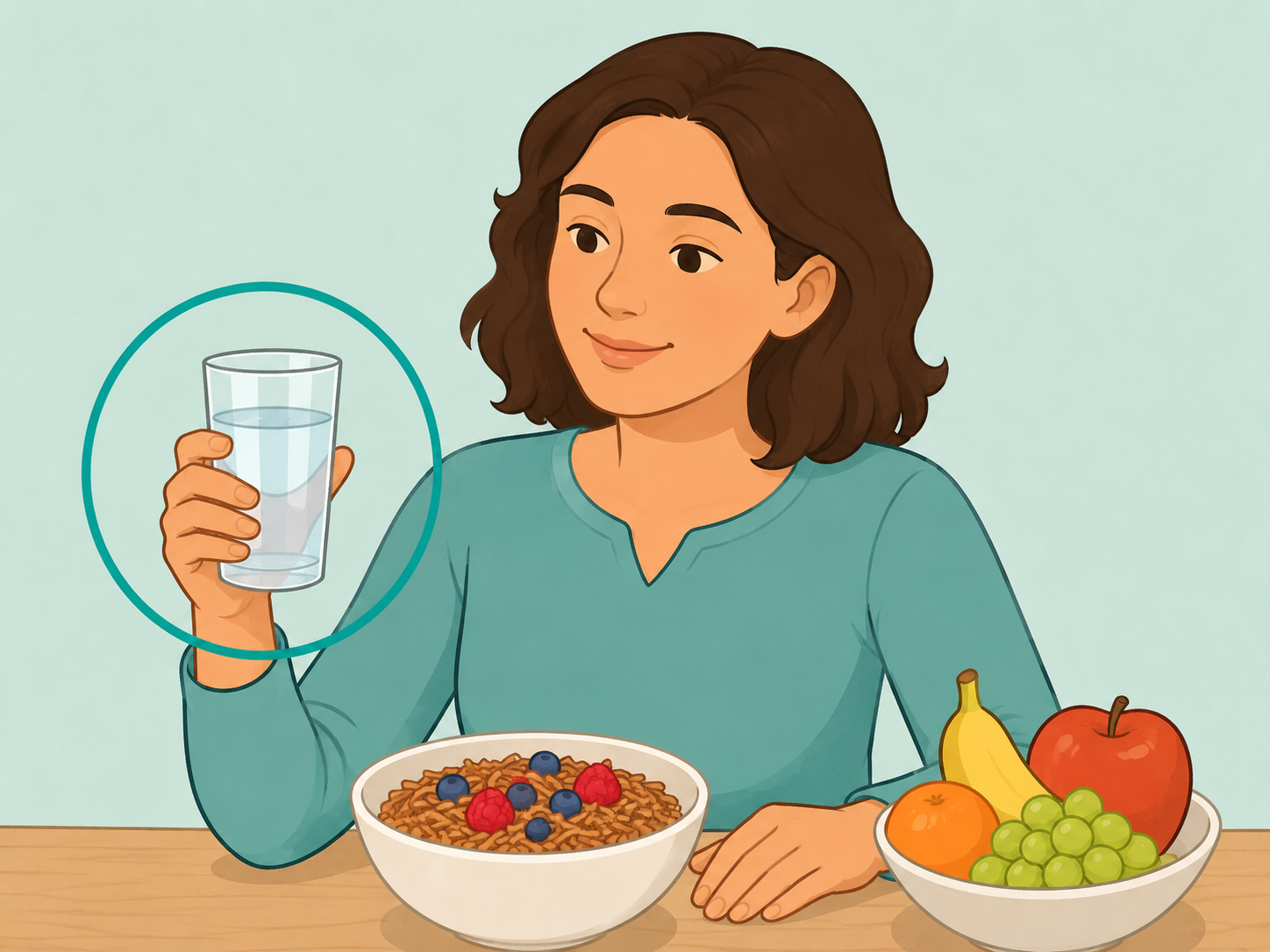
Water and other fluids help fiber work better and can make stool softer and easier to pass. MedlinePlus advises drinking plenty of water when adding fiber or using fiber supplements. If you have a condition that limits fluids, such as certain heart or kidney problems, ask a clinician how much is safe for you.
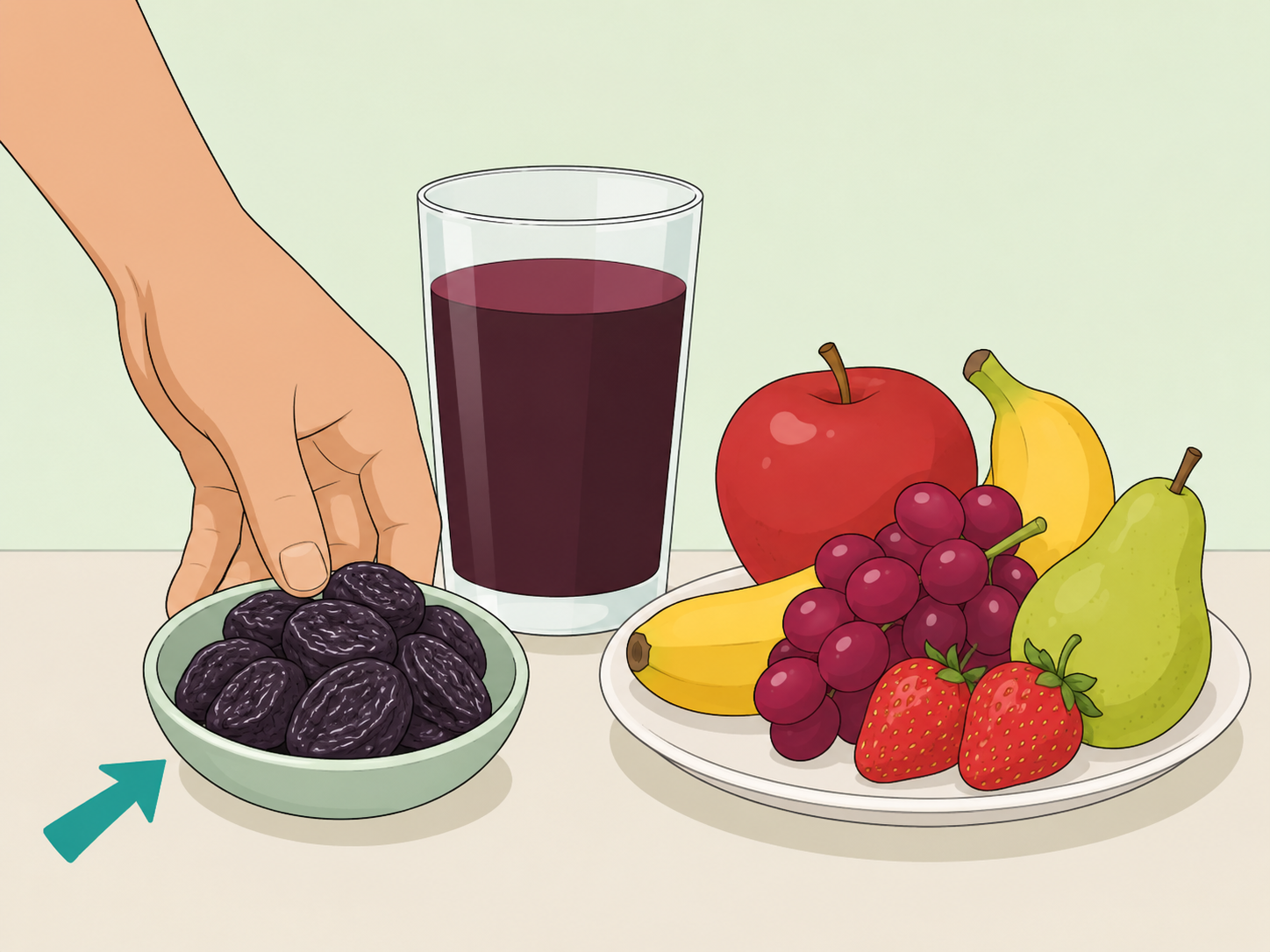
Try prunes or other fiber-rich fruit
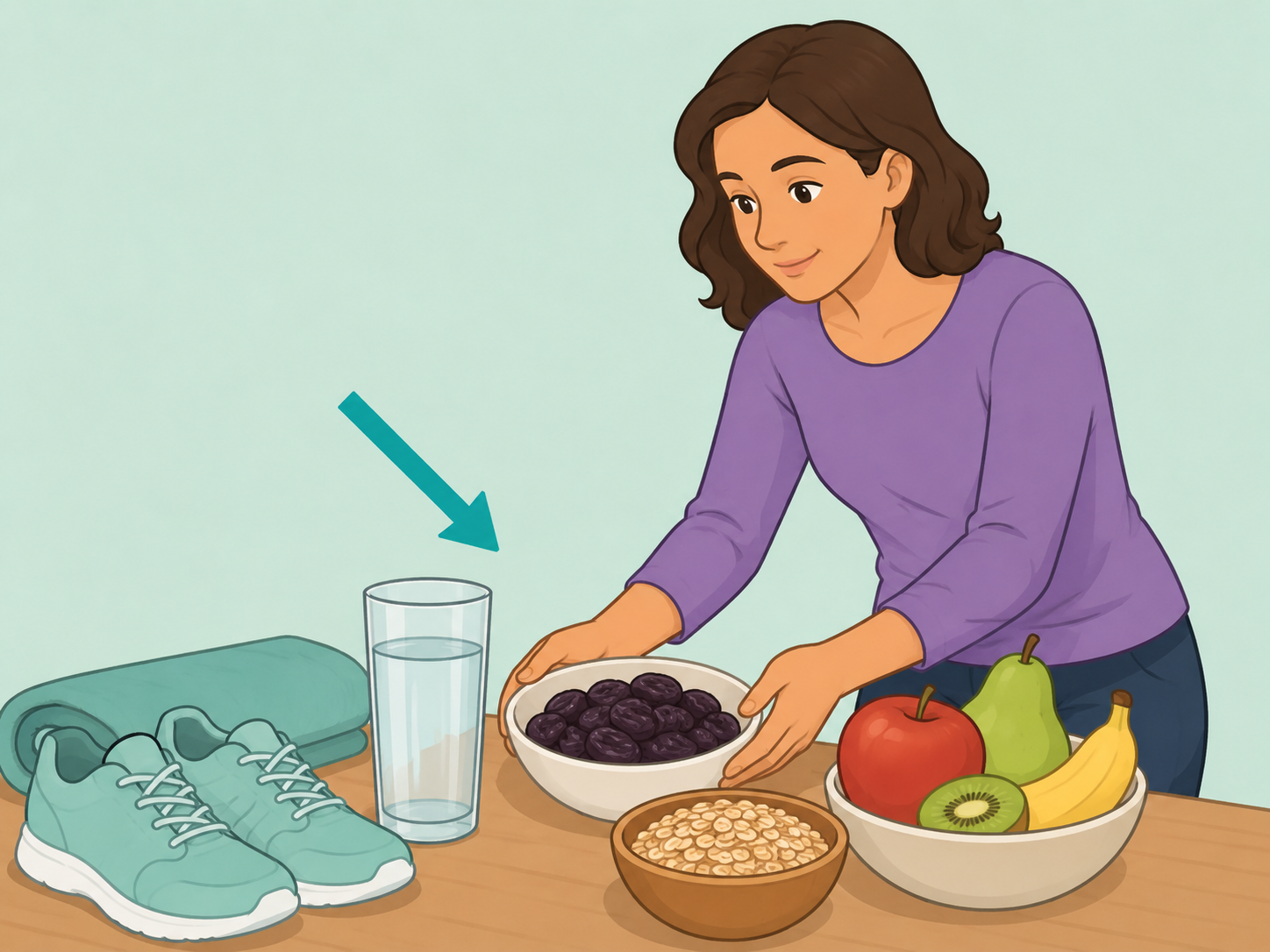
Prunes are a practical food-based option because they provide fiber and natural substances that draw fluid into the colon. Mayo Clinic describes prunes as a long-used food for treating or preventing constipation. Start small, such as a few prunes or a modest glass of prune juice, and adjust based on how your body responds.
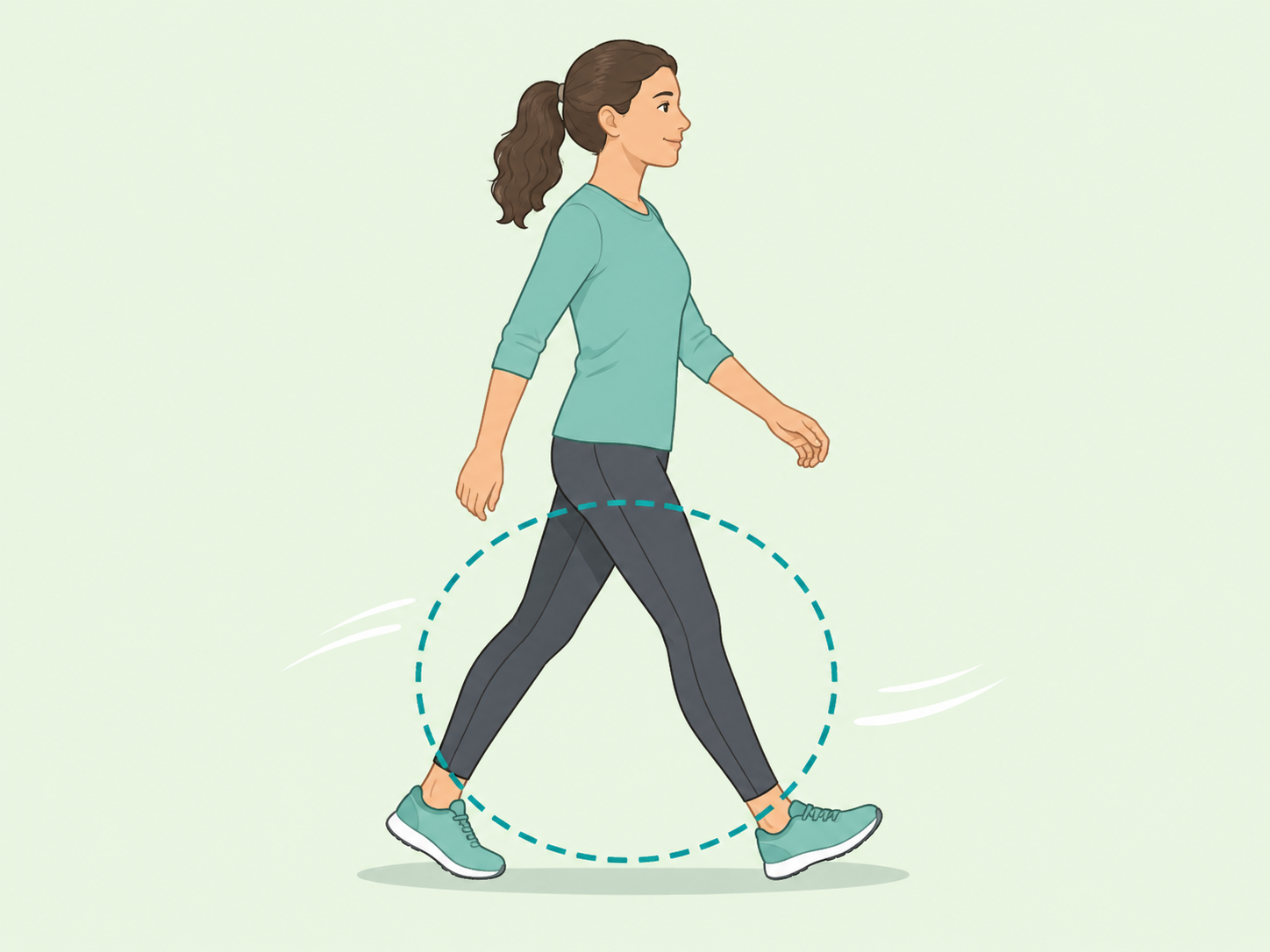
Move your body every day
Regular physical activity can help stool move through the colon. The NIDDK lists regular activity as one of the home steps that may relieve constipation symptoms. A walk is enough to start if you are not used to exercising, but ask a health professional before starting if activity is unsafe for you.
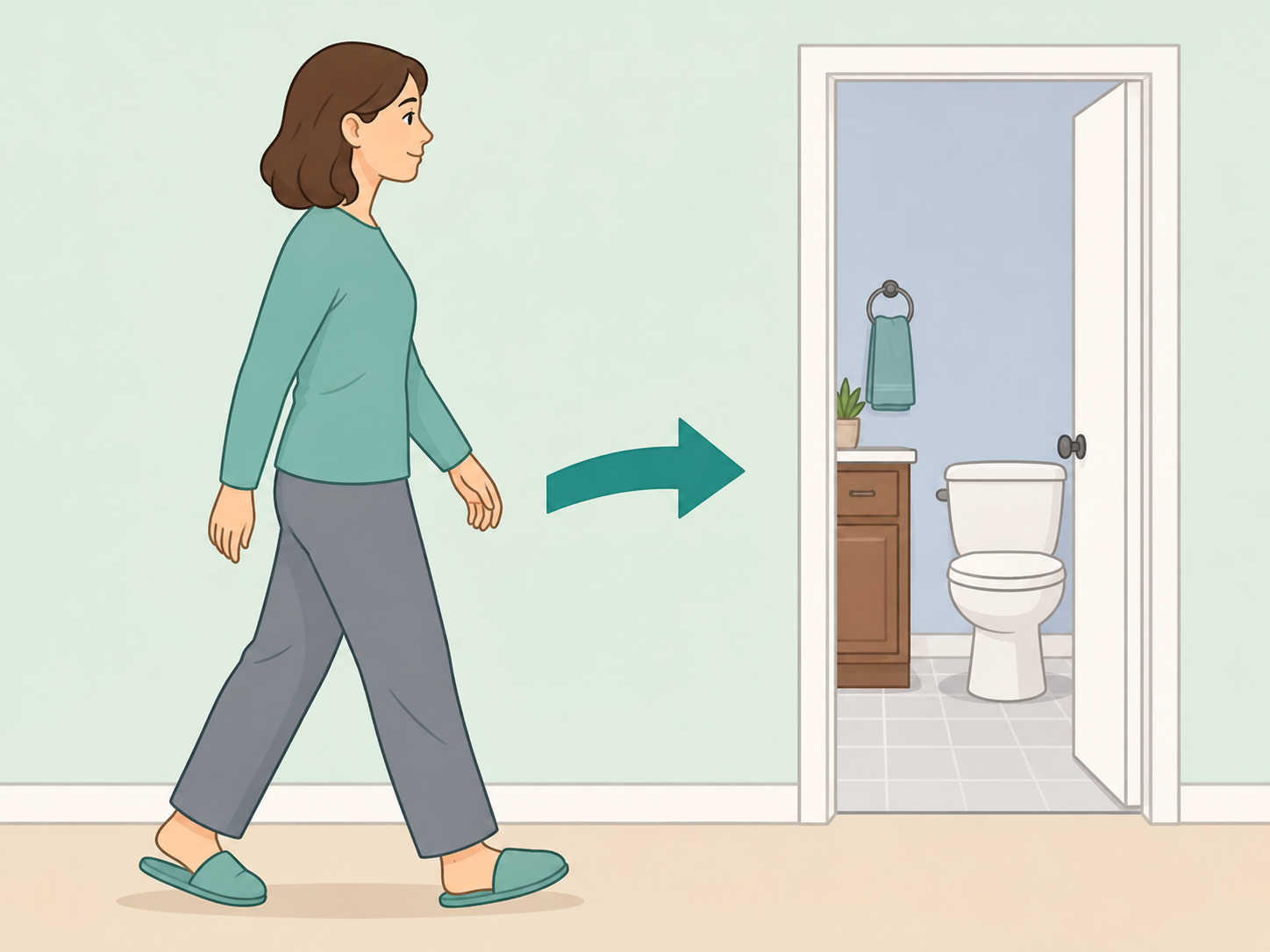
Use the bathroom when your body signals
Do not hold stool in when you feel the urge to go. MedlinePlus explains that putting off bowel movements can contribute to constipation, and a regular bathroom time may help. Many people find it easier to sit calmly after breakfast or dinner, when digestion naturally stimulates the colon.
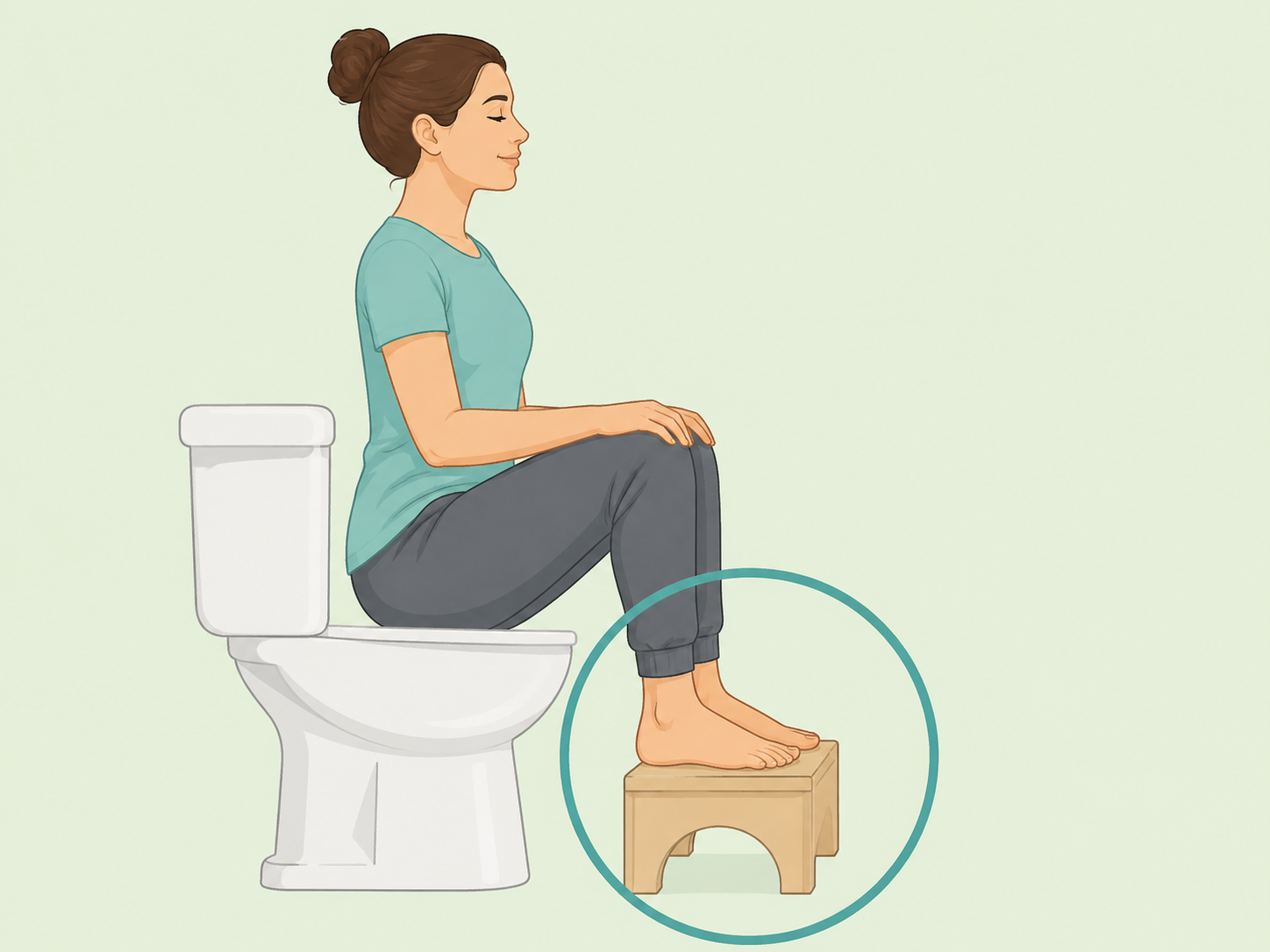
Make your toilet posture easier
Sit with your feet supported on a low stool if it feels comfortable, so your knees are slightly higher than your hips. The NHS suggests this position to make pooping easier. Give yourself time, breathe normally, and avoid hard straining.
Review medicines and seek help for warning signs
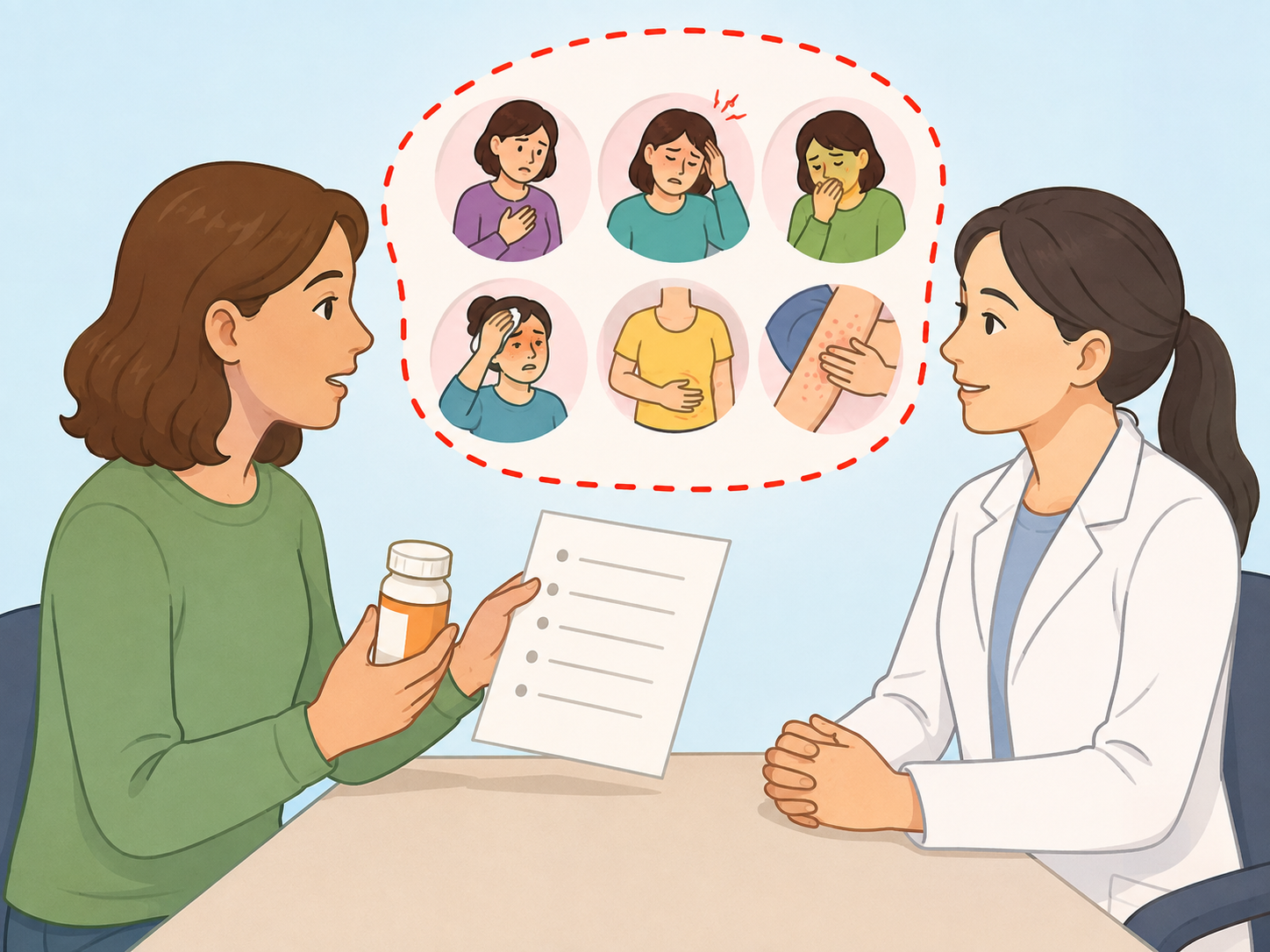
Some medicines and supplements can cause constipation, but do not stop or change prescribed treatment on your own. The NIDDK advises talking with a doctor if you think a medicine is involved. Get medical advice if constipation does not improve, becomes regular, comes with blood in stool, vomiting, severe pain, unexplained weight loss, ongoing bloating, or a sudden bowel-habit change.
Summary
The bottom line: natural constipation relief usually means supporting your bowels with fiber, fluids, gentle movement, and a regular toilet routine. Add changes gradually, avoid forcing or ignoring symptoms, and seek medical care if constipation is persistent, painful, sudden, or linked with bleeding or unexplained weight loss.
Frequently Asked Questions
- What is the best natural remedy for constipation?
There is not one best remedy for everyone. For many mild cases, the safest natural approach is to gradually increase fiber, drink enough fluids, move your body, and use the bathroom when you feel the urge.
- Do prunes really help constipation?
Prunes may help because they contain fiber and natural compounds that draw fluid into the colon. Start with a small serving and increase slowly if needed, since too much can cause gas, bloating, or loose stools.
- How fast do natural constipation remedies work?
Some people notice improvement within a few days, while others may need a few weeks of consistent diet, fluid, activity, and bathroom-routine changes. Seek medical advice if symptoms are not improving or you have warning signs.
- Should I take a laxative for constipation?
Over-the-counter laxatives can help occasional constipation, but they should be used carefully and according to the label or a health professional's advice. Do not use laxatives for ongoing constipation without medical guidance.
- Can drinking more water fix constipation by itself?
Water helps fiber work better and can make stools easier to pass, but fluids alone may not fix constipation if you are not eating enough fiber, moving enough, or if a medicine or health condition is involved.
- When is constipation a medical concern?
Get medical advice if constipation is new, persistent, painful, linked with blood in the stool, vomiting, unexplained weight loss, severe bloating, or a major change in bowel habits.
References
Reliable references aided in composing and refining this content.
- https://medlineplus.gov/ency/patientinstructions/000120.htm
- https://www.niddk.nih.gov/health-information/digestive-diseases/constipation/treatment
- https://www.niddk.nih.gov/health-information/digestive-diseases/constipation/eating-diet-nutrition
- https://www.mayoclinic.org/diseases-conditions/constipation/diagnosis-treatment/drc-20354259?an=msn_s
- https://www.nhs.uk/conditions/constipation