
 Pin it
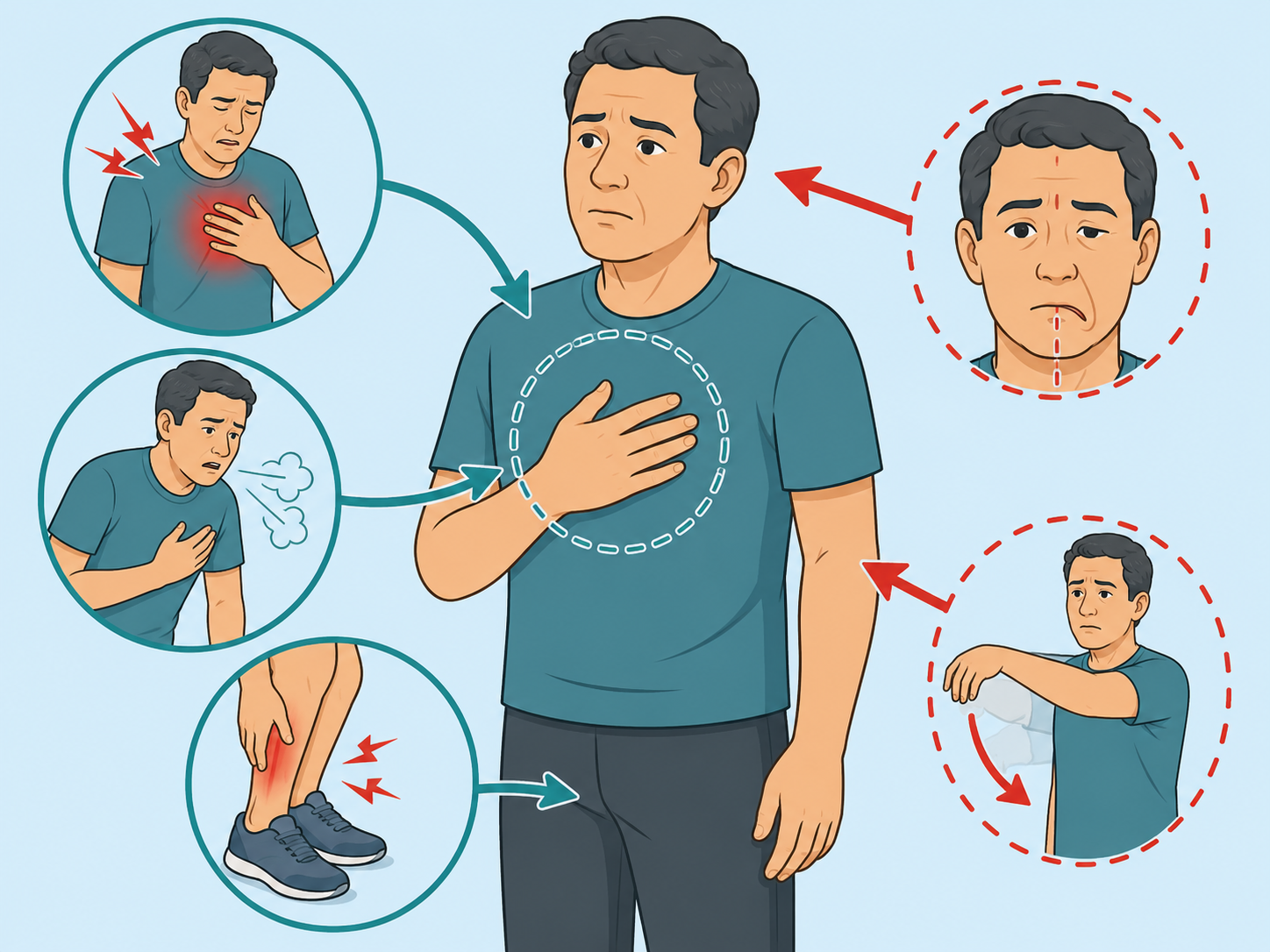
Blocked or narrowed arteries can reduce blood flow to the heart, brain, legs, or digestive organs. The signs are not always dramatic, and some people have mild or unusual symptoms. This guide explains 10 warning patterns to watch for and when to seek medical care.
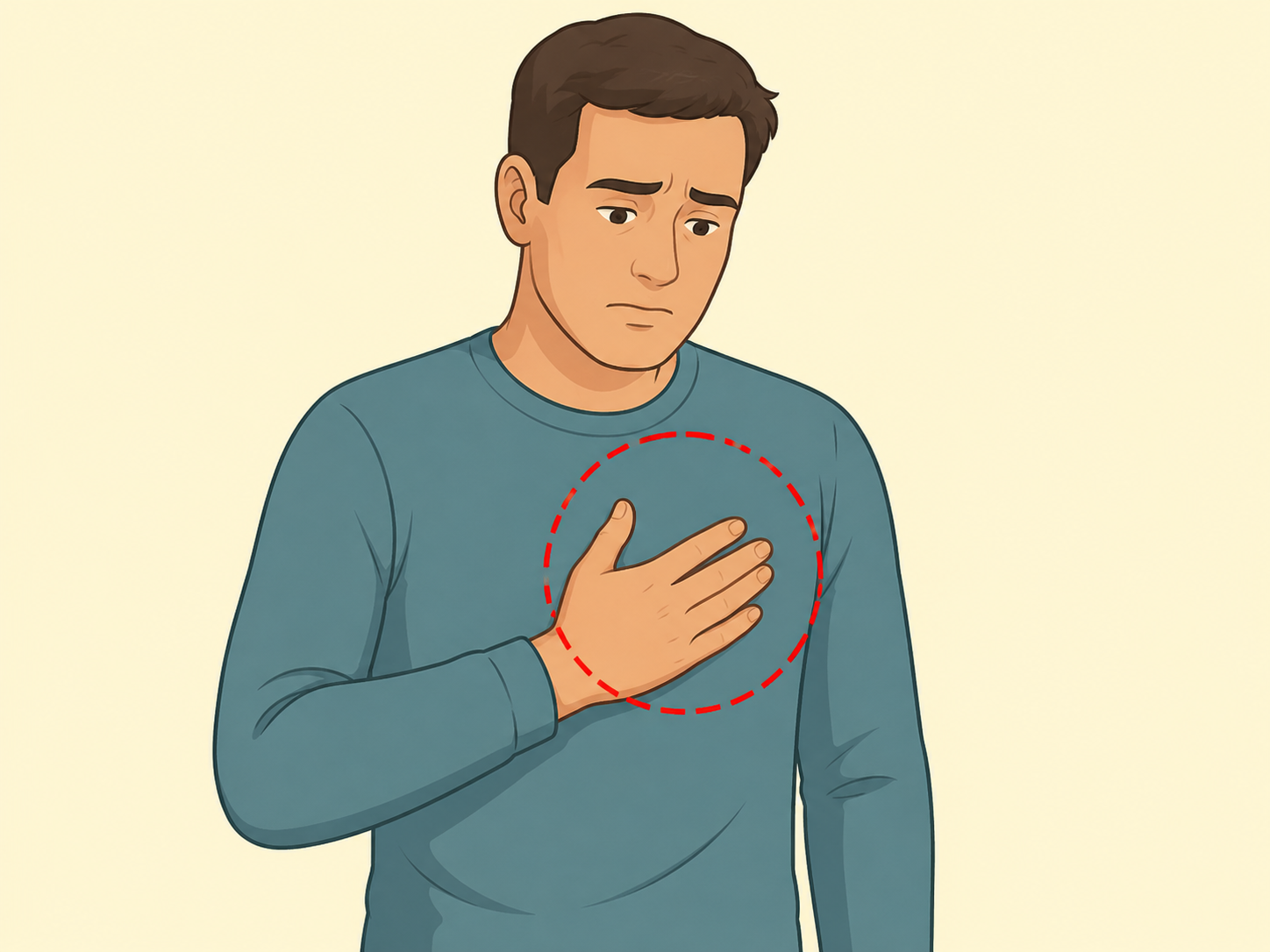
Notice chest pressure, tightness, or squeezing
Chest discomfort can happen when the heart muscle is not getting enough oxygen-rich blood. Mayo Clinic describes angina as pressure, heaviness, tightness, squeezing, or pain, often in the middle or left side of the chest. Do not try to diagnose it yourself, especially if it is new, severe, or triggered by activity or strong emotion.
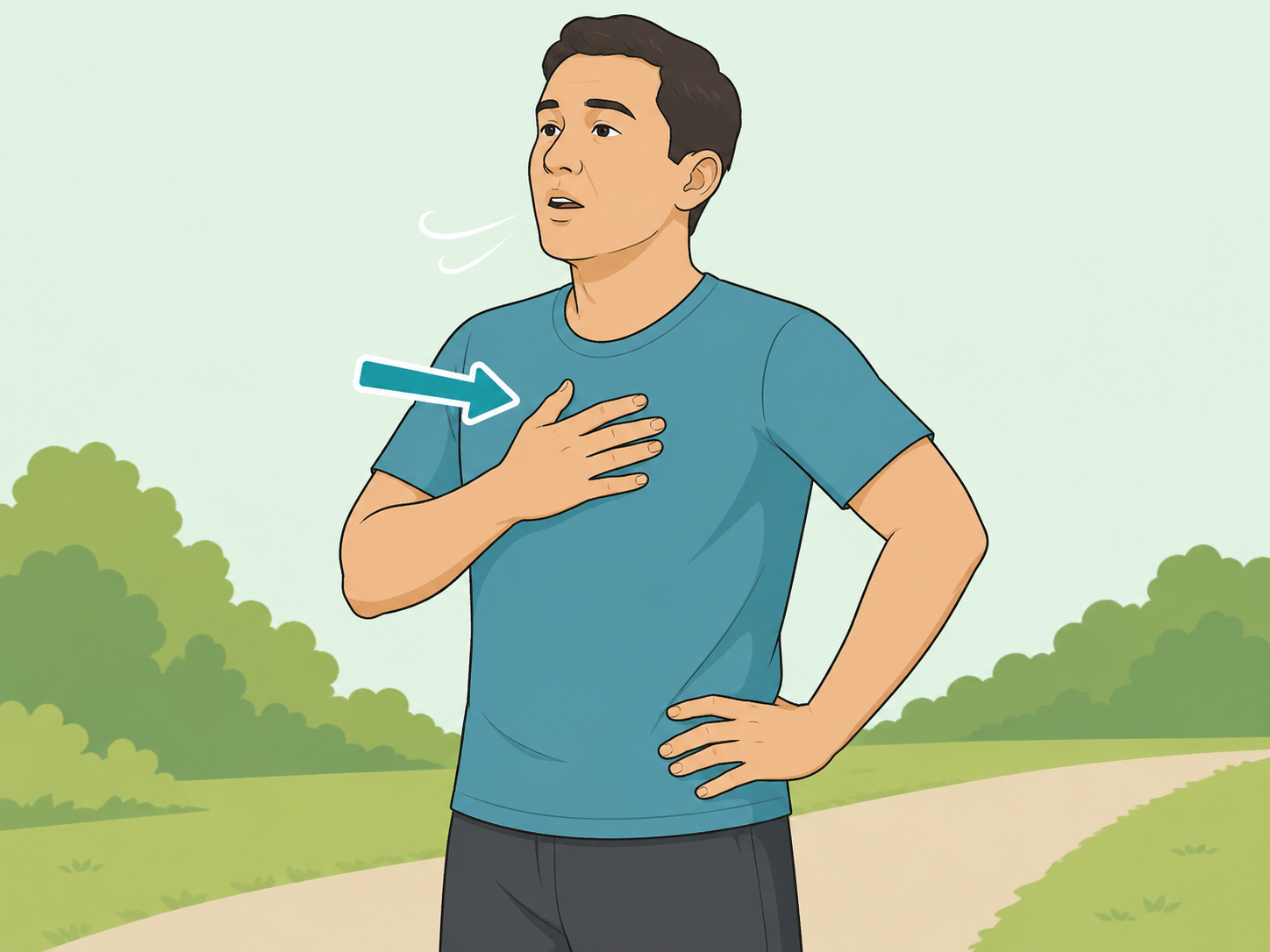
Take new shortness of breath seriously
Shortness of breath can be a symptom of coronary artery disease when the heart cannot meet the body's demand for blood and oxygen. It may occur with chest discomfort or, in some people, without obvious chest pain. If you suddenly cannot catch your breath, especially with chest symptoms, seek urgent medical help.
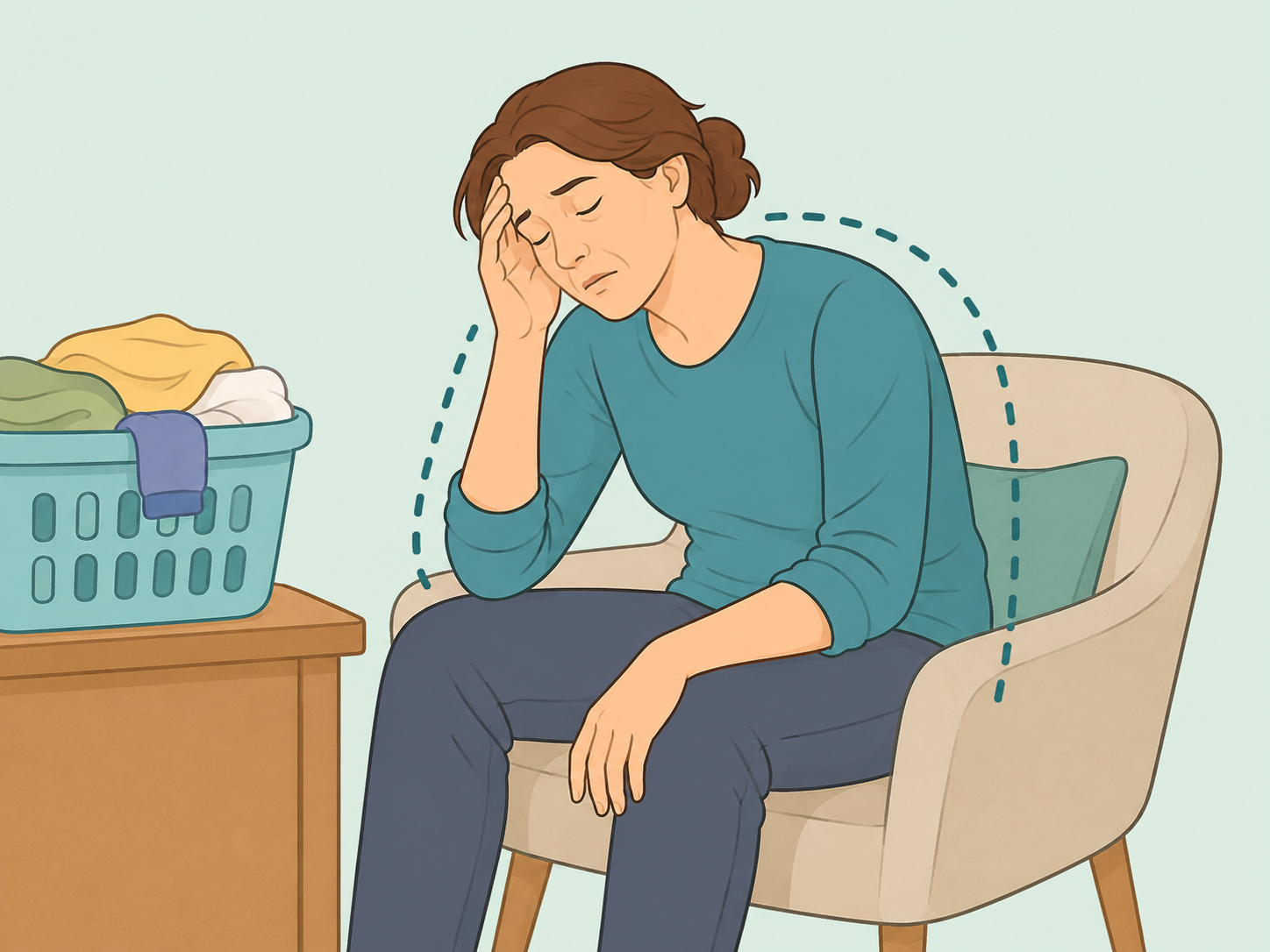
Watch for unusual fatigue during normal activity
Feeling unusually tired during routine tasks can be another sign that the heart is struggling to pump enough blood. Coronary artery disease symptoms can be subtle at first and may appear mainly when the heart is working harder. Pay attention when fatigue is new, unexplained, or noticeably worse than your usual baseline.
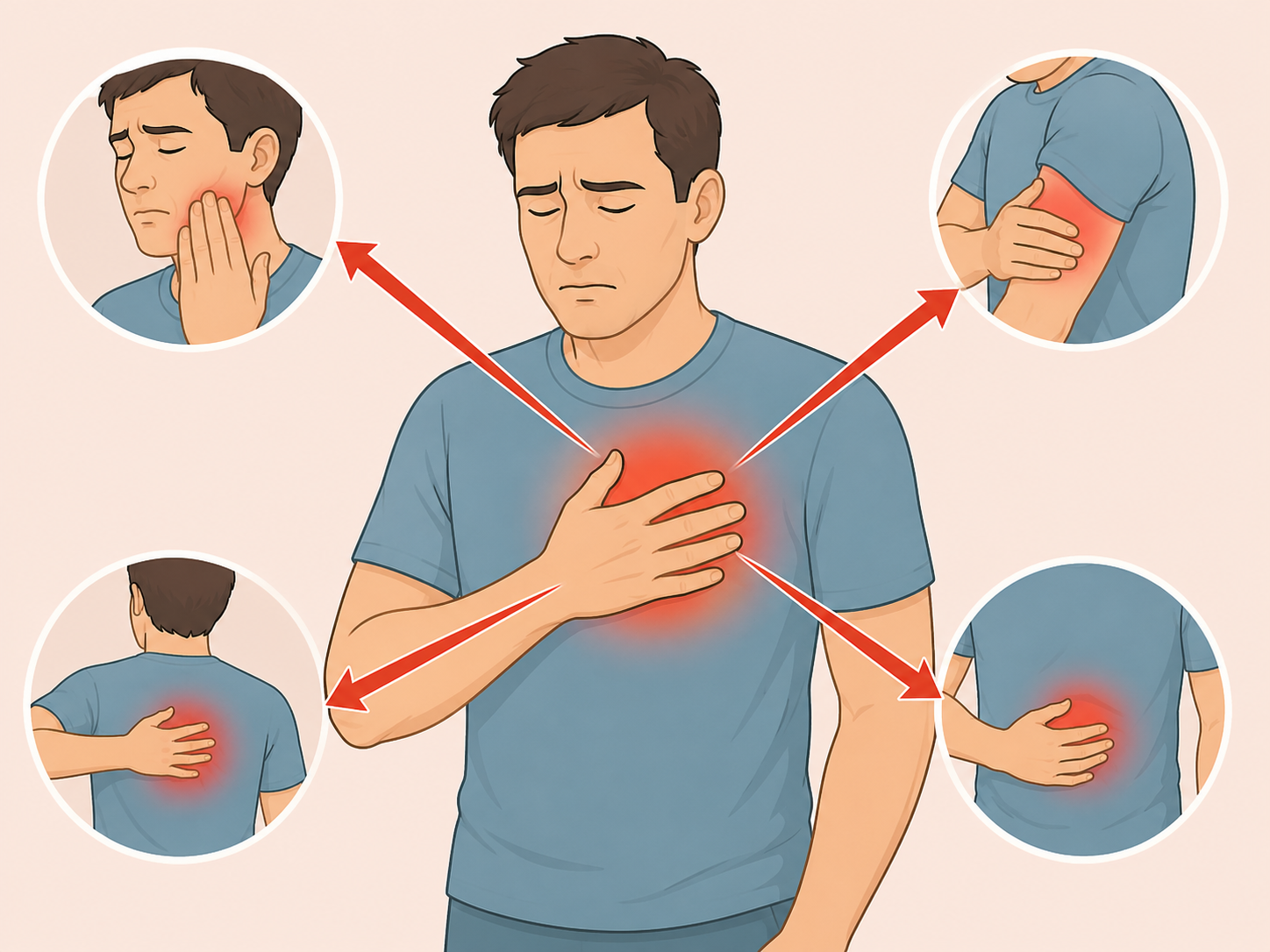
Check whether pain spreads beyond the chest
Heart-related pain may spread to the shoulder, arm, back, neck, jaw, teeth, or upper belly. Mayo Clinic lists spreading upper-body discomfort as a common heart attack symptom. This pattern is urgent when it is new, intense, or paired with breathlessness, sweating, nausea, or lightheadedness.
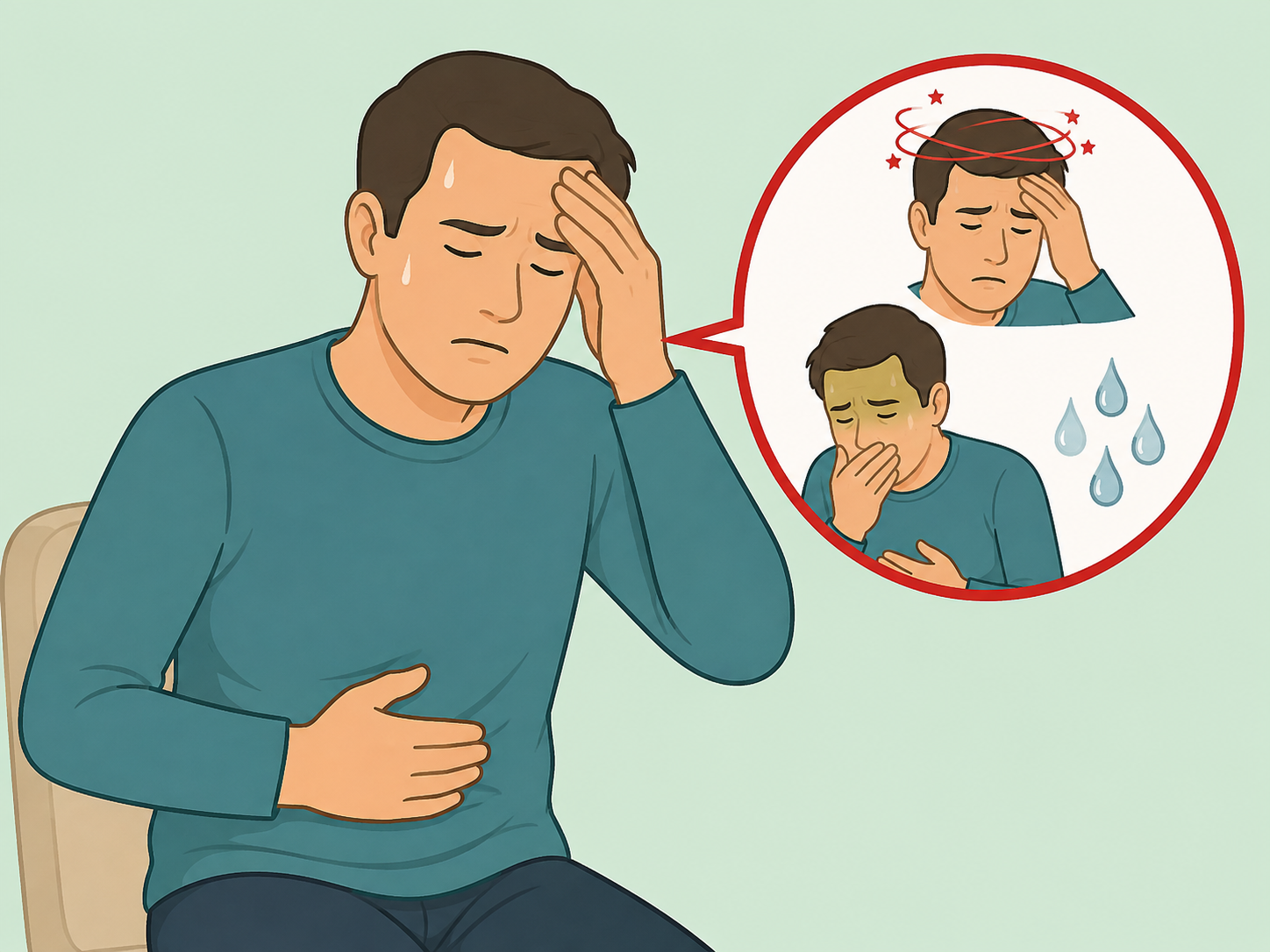
Treat cold sweat, nausea, dizziness, or fainting as warning signs
A heart attack can cause symptoms that feel like indigestion, nausea, cold sweat, lightheadedness, or loss of consciousness. These symptoms may seem unrelated to the heart, especially in women, older adults, and people with diabetes. If they happen with chest pressure, shortness of breath, or pain spreading to the upper body, call emergency services.
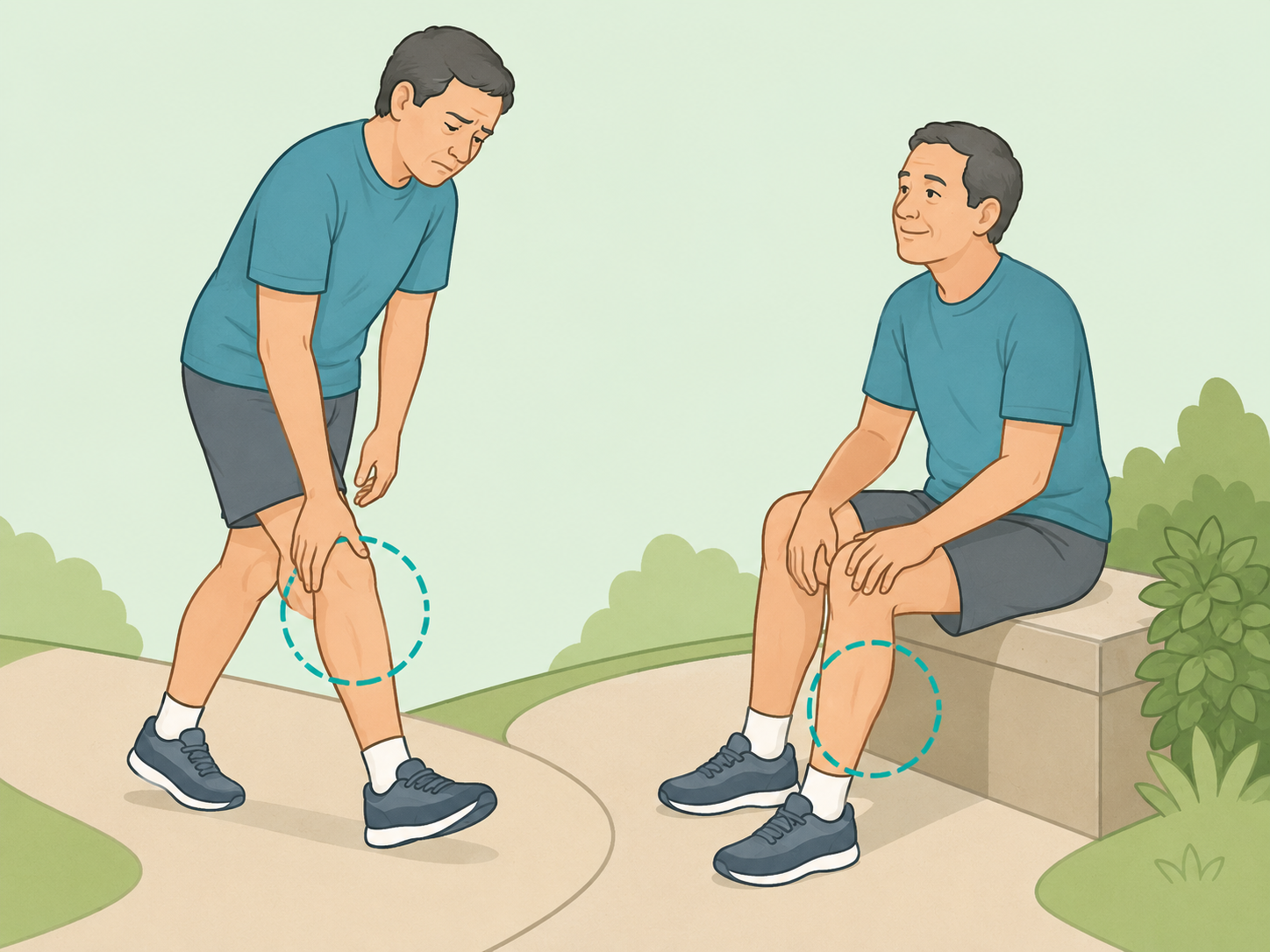
Pay attention to leg pain that improves with rest
Peripheral artery disease can cause pain, aching, heaviness, fatigue, burning, or discomfort in the feet, calves, or thighs during walking or exercise. MedlinePlus explains that PAD symptoms often ease after several minutes of rest. Tell a doctor if this pattern starts happening sooner, with shorter walks, or with less activity than before.
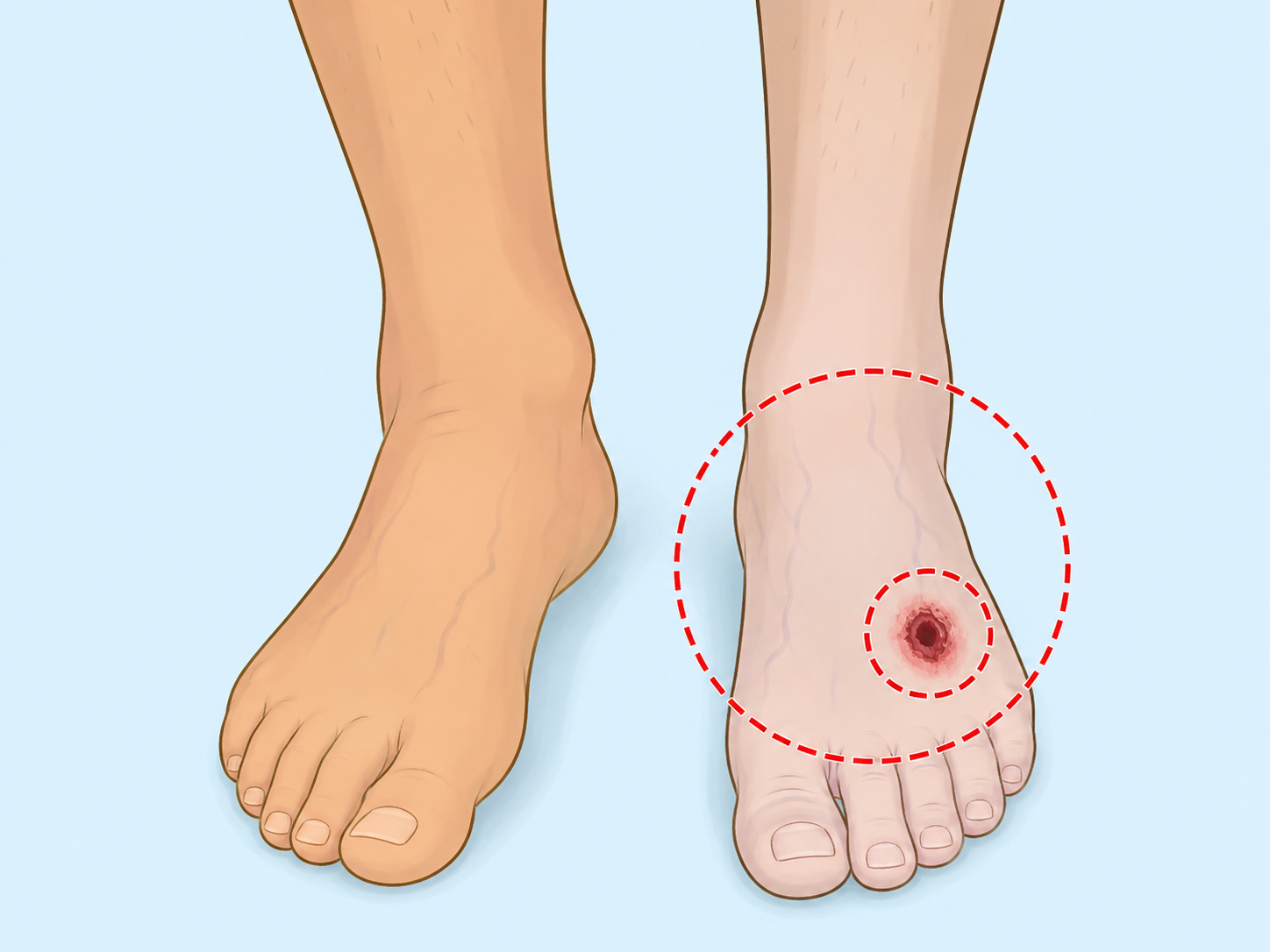
Look for cool, pale, blue, or numb feet and legs
Reduced blood flow in the legs can make a foot or leg feel cool, numb, pale, or bluish. PAD can also be linked with weak pulses in the feet, slow toenail growth, decreased hair growth, or sores that heal slowly. These changes should be checked promptly, especially if one side looks or feels different from the other.
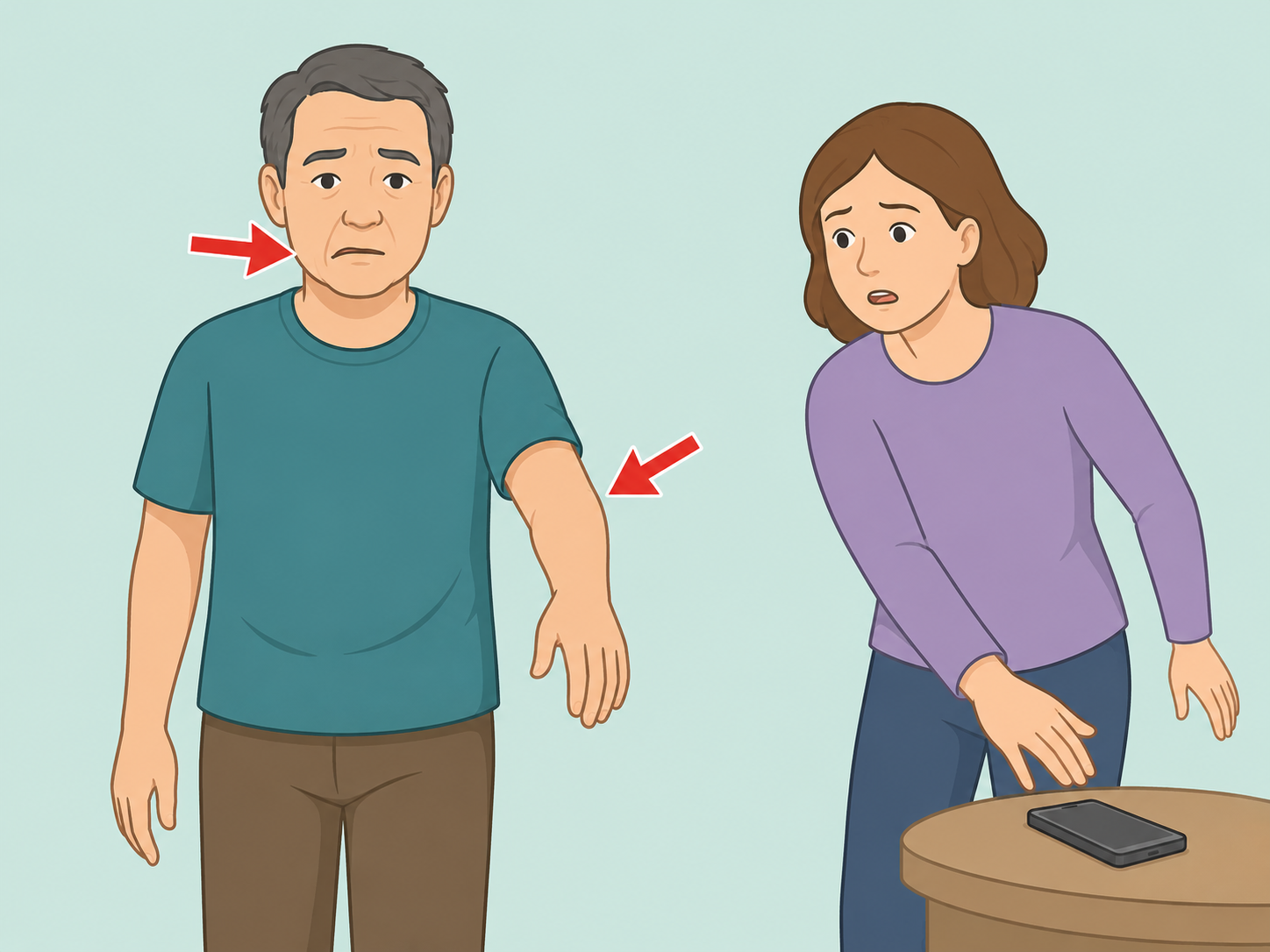
Act fast for face drooping, arm weakness, or speech trouble
Blocked or narrowed carotid arteries can contribute to a transient ischemic attack or stroke. Cleveland Clinic lists stroke-like symptoms such as one-sided face drooping, slurred speech, and weakness or loss of feeling on one side of the body. Treat these symptoms as an emergency, even if they improve quickly.
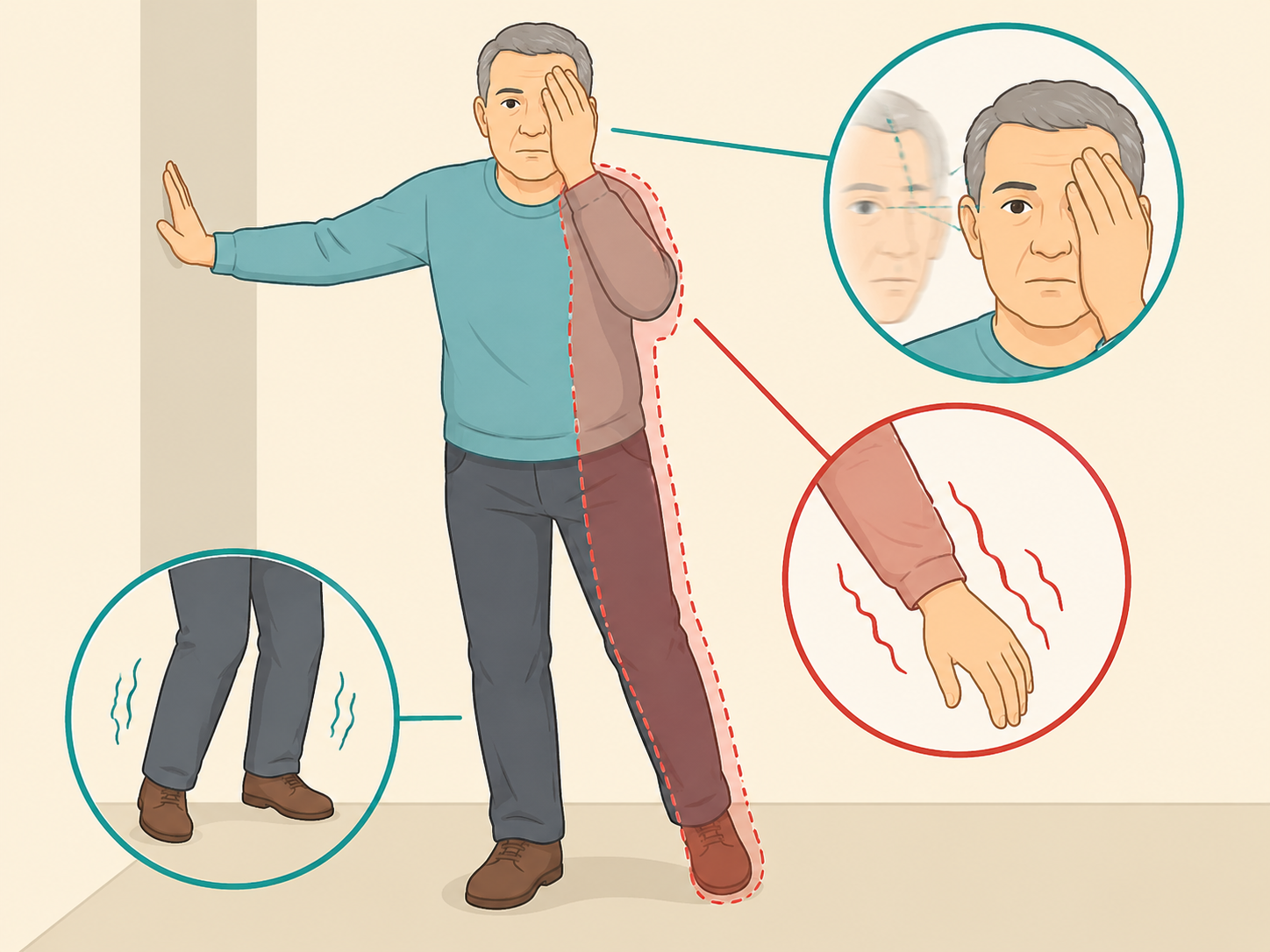
Do not ignore sudden vision, balance, or one-sided numbness changes
A transient ischemic attack can cause sudden visual disturbance, numbness, weakness, speech trouble, or other stroke-like symptoms. The NHS notes that TIA symptoms can fully resolve within 24 hours, but they still need urgent assessment. Sudden vision loss, dizziness, balance trouble, or one-sided numbness should not be watched at home to see what happens.
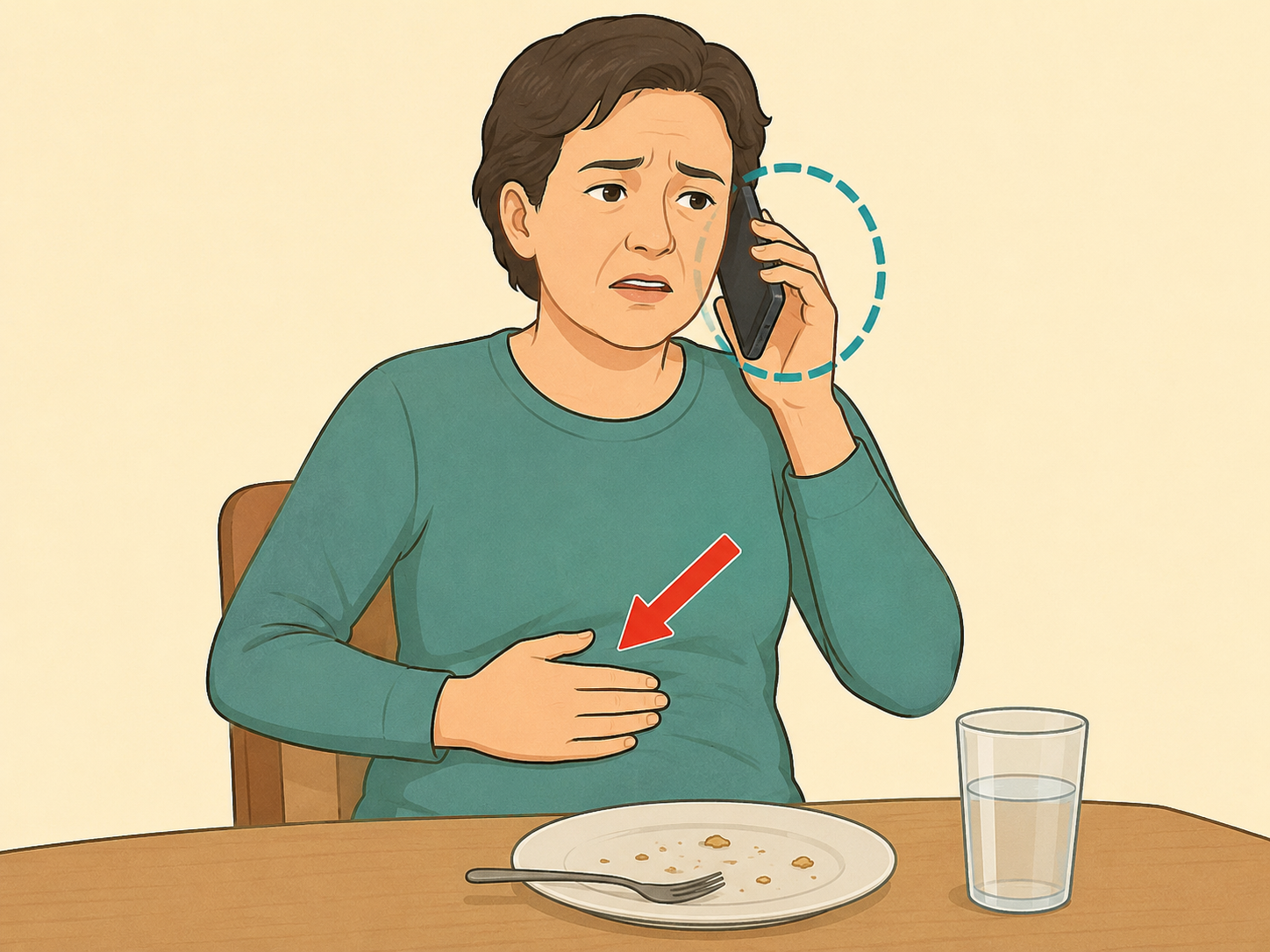
Seek medical care for urgent or persistent warning patterns
Call 911 or your local emergency number for possible heart attack or stroke symptoms, sudden severe belly pain, or symptoms that rapidly worsen. Belly pain that appears one to two hours after meals with food avoidance, diarrhea, or unintentional weight loss can be linked with reduced blood flow to the intestines, called mesenteric ischemia. For non-emergency but recurring symptoms, schedule a medical visit and ask whether testing for narrowed arteries is appropriate.
Summary
The bottom line: blocked artery symptoms depend on where blood flow is reduced. Chest pressure, shortness of breath, stroke-like symptoms, leg pain with walking, cold or non-healing feet, and belly pain after meals should be taken seriously and discussed with a medical professional.
Frequently Asked Questions
- Are blocked arteries always obvious?
- No. Narrowed arteries can develop slowly, and some people have mild, unusual, or no symptoms at first. New, worsening, or concerning symptoms should be checked by a healthcare professional.
- Is leg pain always a sign of blocked arteries?
- No. Leg pain can come from many causes, including muscle strain, cramps, nerve problems, or injury. Pain, heaviness, or aching that starts with walking and eases after rest is a pattern worth discussing with a doctor.
- What should I do if I have chest pressure?
- Call 911 or your local emergency number if chest pressure is severe, new, persistent, or comes with shortness of breath, sweating, nausea, dizziness, or pain spreading to the arm, jaw, back, neck, or upper belly.
- Can blocked arteries cause stroke-like symptoms?
- Yes. Narrowing in the carotid arteries can contribute to a transient ischemic attack or stroke. Sudden face drooping, arm weakness, speech trouble, vision loss, or one-sided numbness needs emergency care.
- Who is more likely to have artery blockages?
- Risk can be higher with smoking, high blood pressure, high cholesterol, diabetes, older age, obesity, physical inactivity, kidney disease, or a strong family history of heart disease.
- Can lifestyle changes treat blocked arteries?
- Healthy habits can help lower cardiovascular risk, but symptoms or known artery disease need medical guidance. Do not stop or change prescribed medicines unless a qualified health professional tells you to.
References
Reliable references aided in composing and refining this content.
- https://www.mayoclinic.org/diseases-conditions/coronary-artery-disease/symptoms-causes/syc-20350613
- https://www.mayoclinic.org/diseases-conditions/heart-attack/symptoms-causes/syc-20373106
- https://medlineplus.gov/ency/article/000170.htm
- https://my.clevelandclinic.org/health/diseases/16845-carotid-artery-disease-carotid-artery-stenosis
- https://www.nhs.uk/conditions/transient-ischaemic-attack-tia
- https://my.clevelandclinic.org/health/diseases/23246-mesenteric-ischemia