
 Pin it
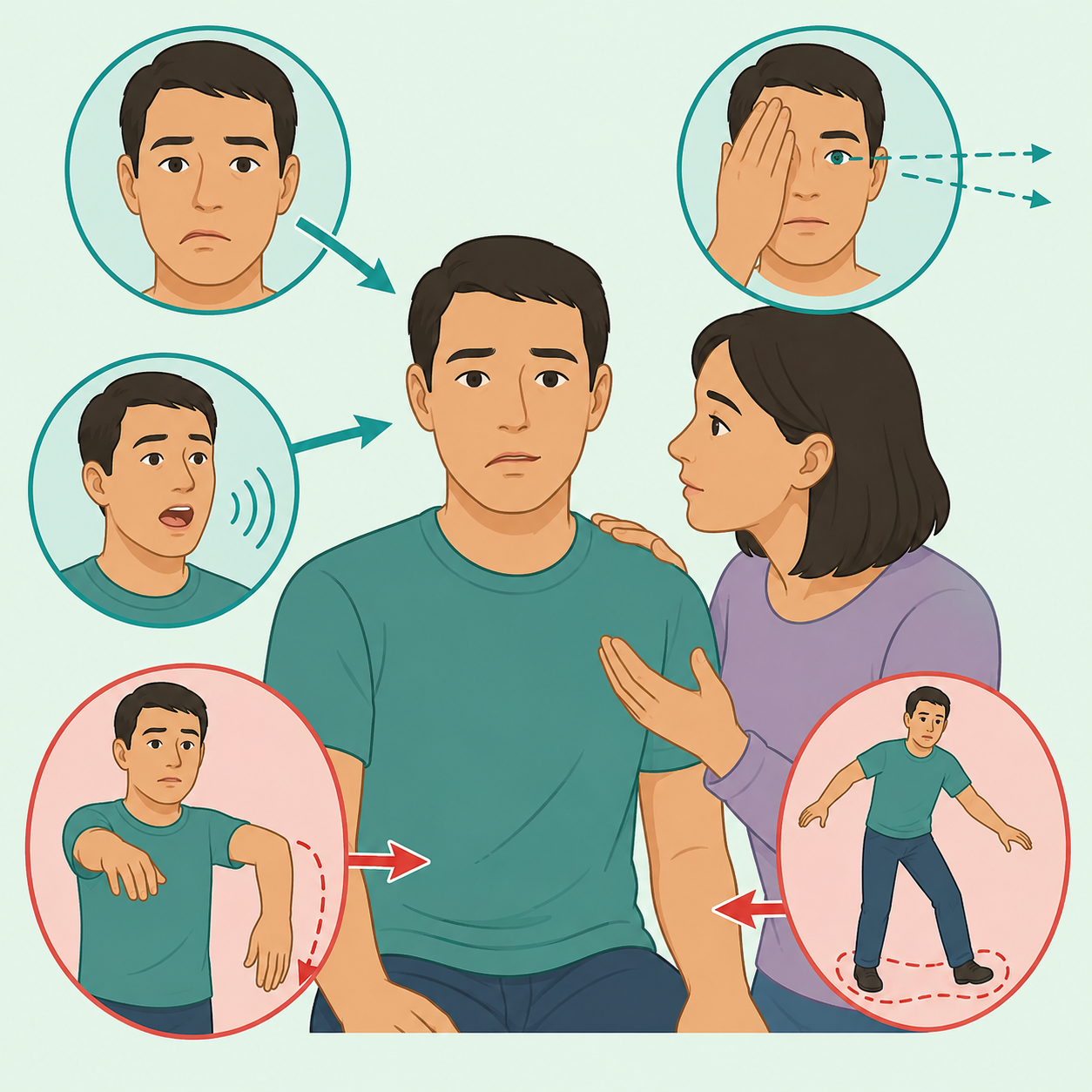
A stroke is a medical emergency, and recognizing warning signs quickly can help someone get care sooner. This guide explains 10 signs to watch for, including B.E. F.A.S.T. symptoms and other sudden changes that can happen with stroke. It also covers what to do right away if you think a stroke may be happening.
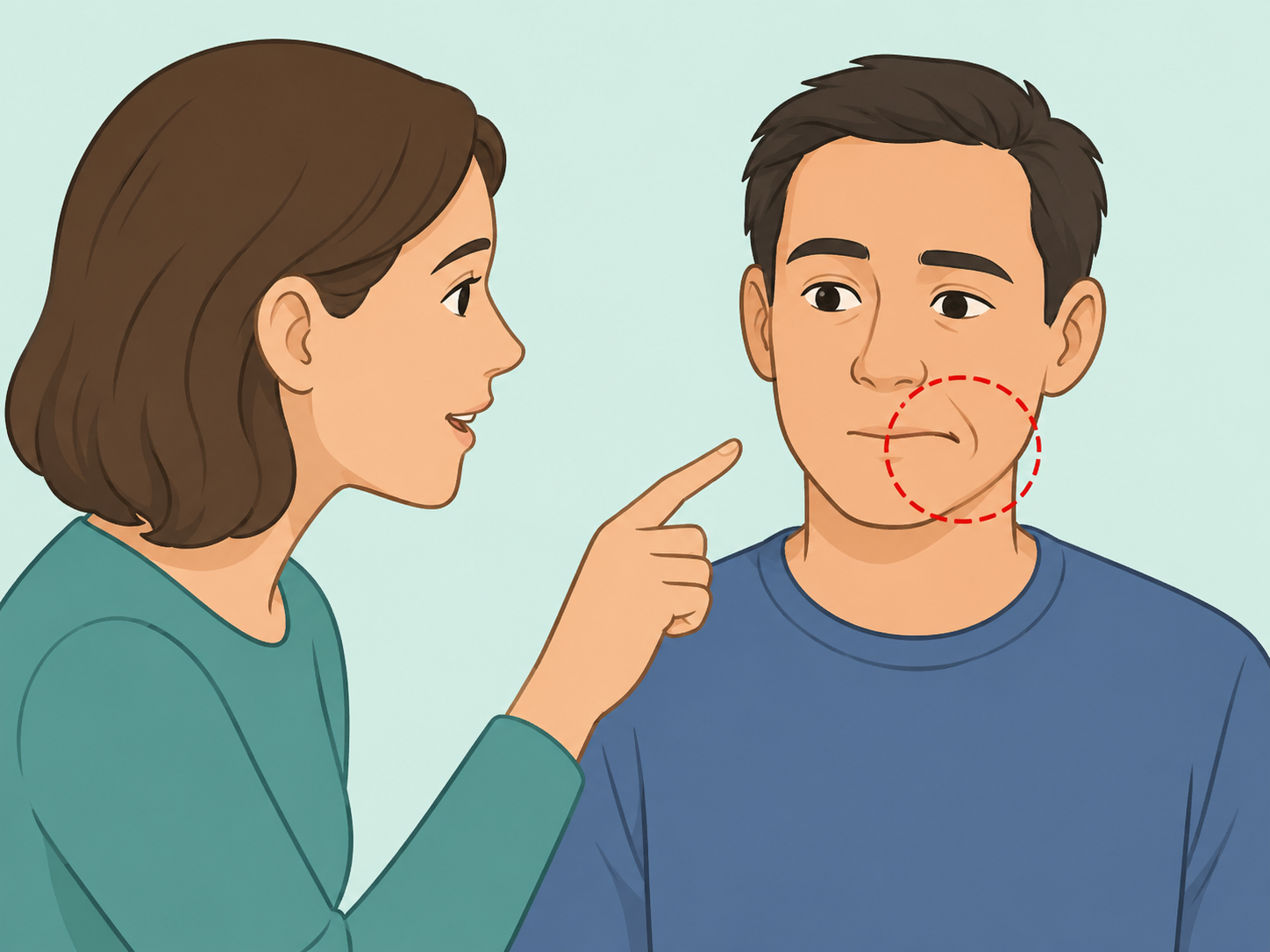
Notice sudden face drooping or numbness
Ask the person to smile and look for one side of the face drooping, feeling numb, or not moving normally. Face drooping is one of the main F.A.S.T. warning signs listed by the CDC stroke symptom guide.
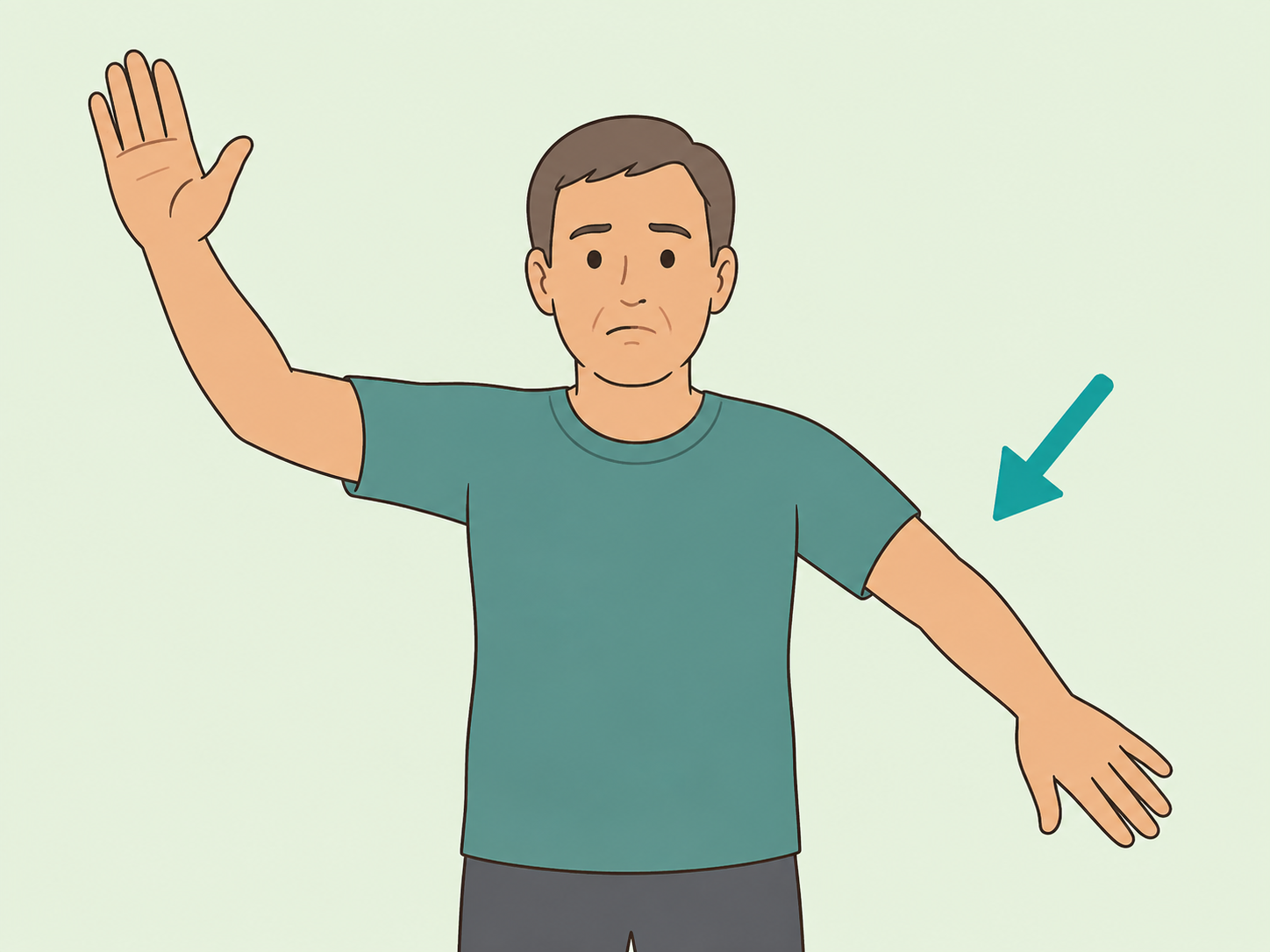
Test for arm weakness or drifting
Ask the person to raise both arms at the same time and see whether one arm drifts downward or cannot stay lifted. Sudden arm weakness or numbness, especially on one side, is a common stroke sign described by MedlinePlus.
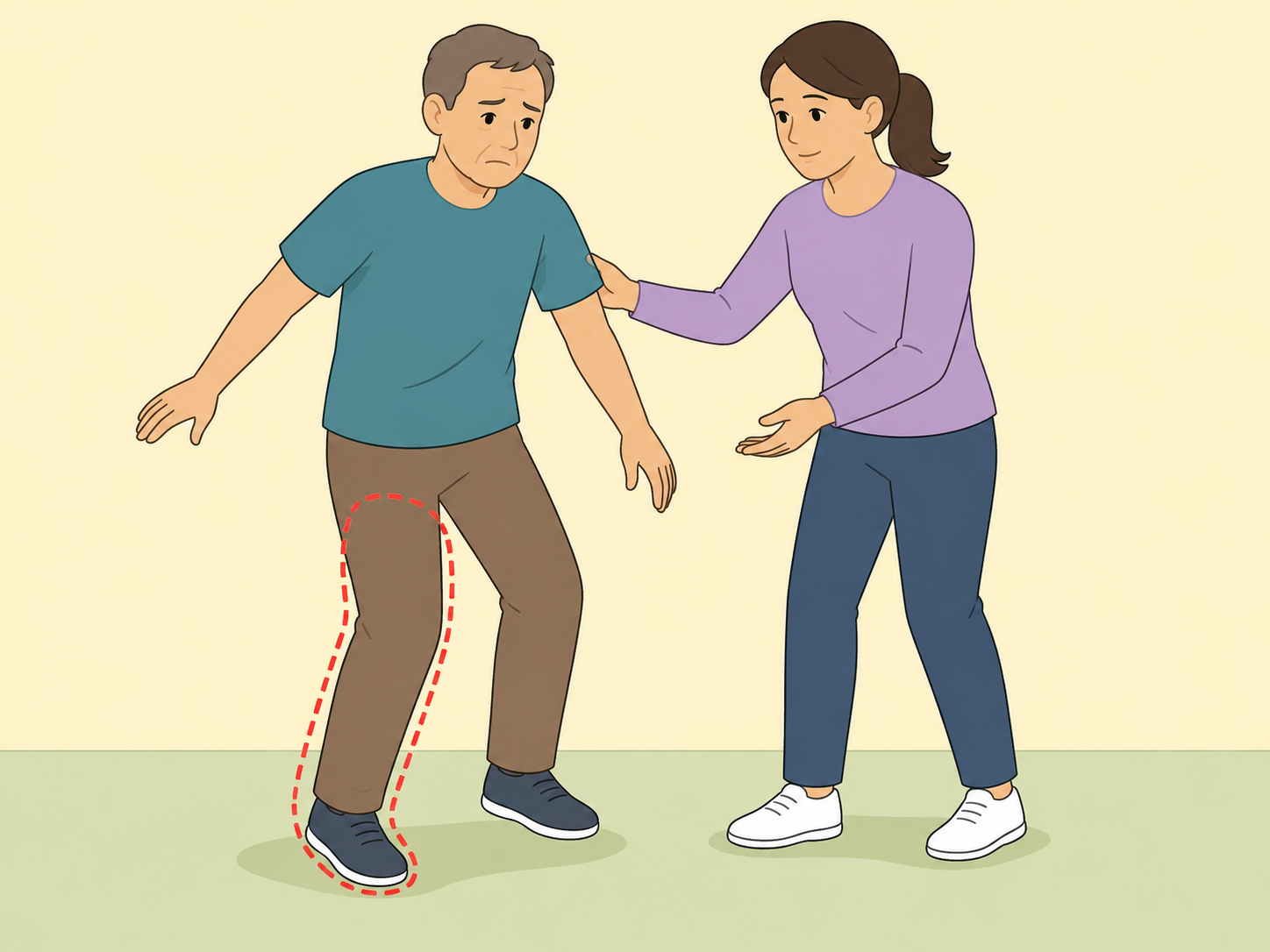
Watch for one-sided leg weakness or numbness
Pay attention if one leg suddenly feels weak, numb, heavy, or hard to control, especially if it happens on the same side as face or arm symptoms. Stroke symptoms often affect the face, arm, or leg on one side of the body, according to the NHS stroke symptoms page.
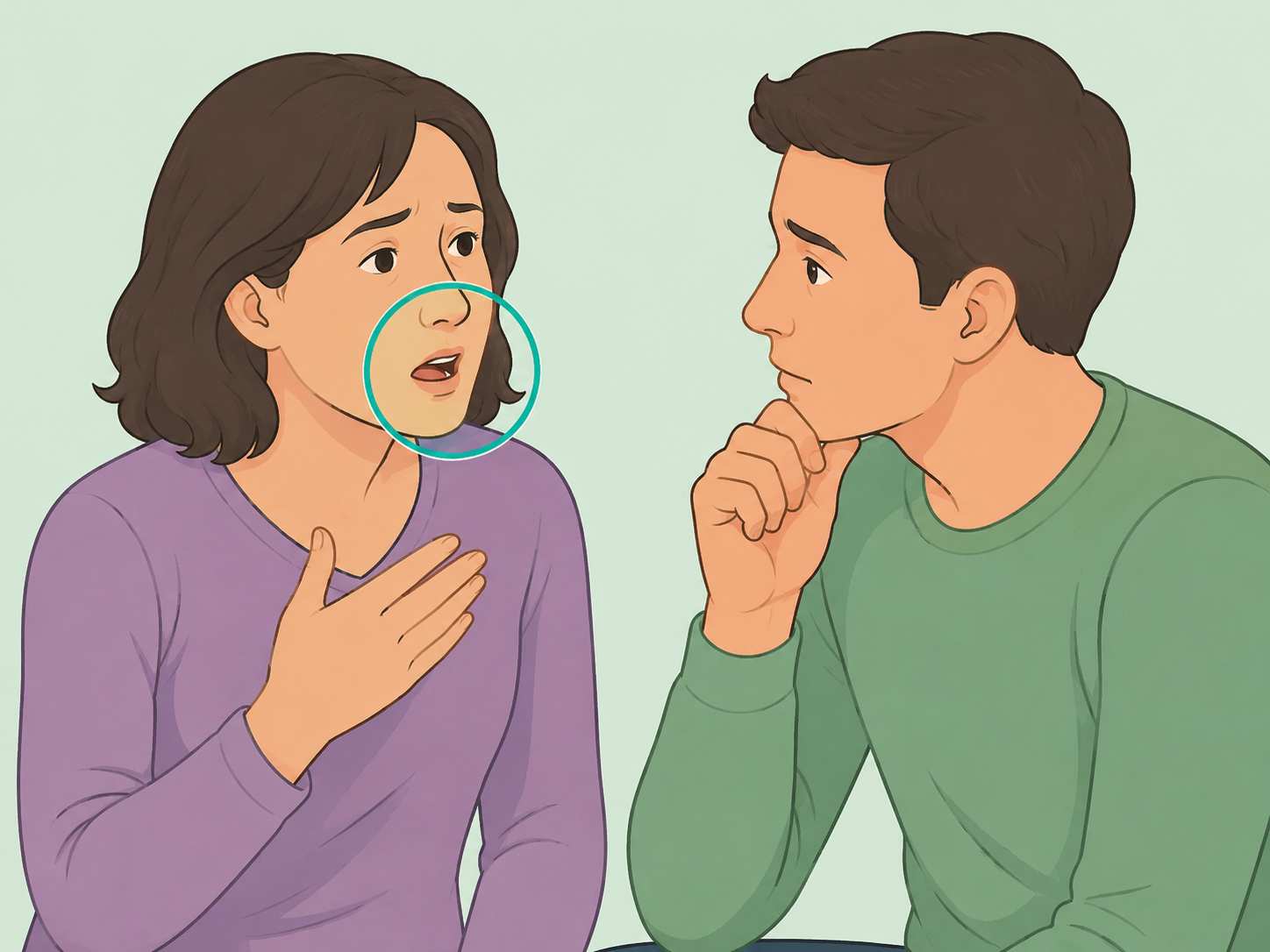
Listen for slurred or strange speech
Ask the person to repeat a simple sentence and listen for slurring, garbled words, or speech that does not sound like them. Speech difficulty is part of F.A.S.T. and B.E. F.A.S.T. screening described by the American Stroke Association.
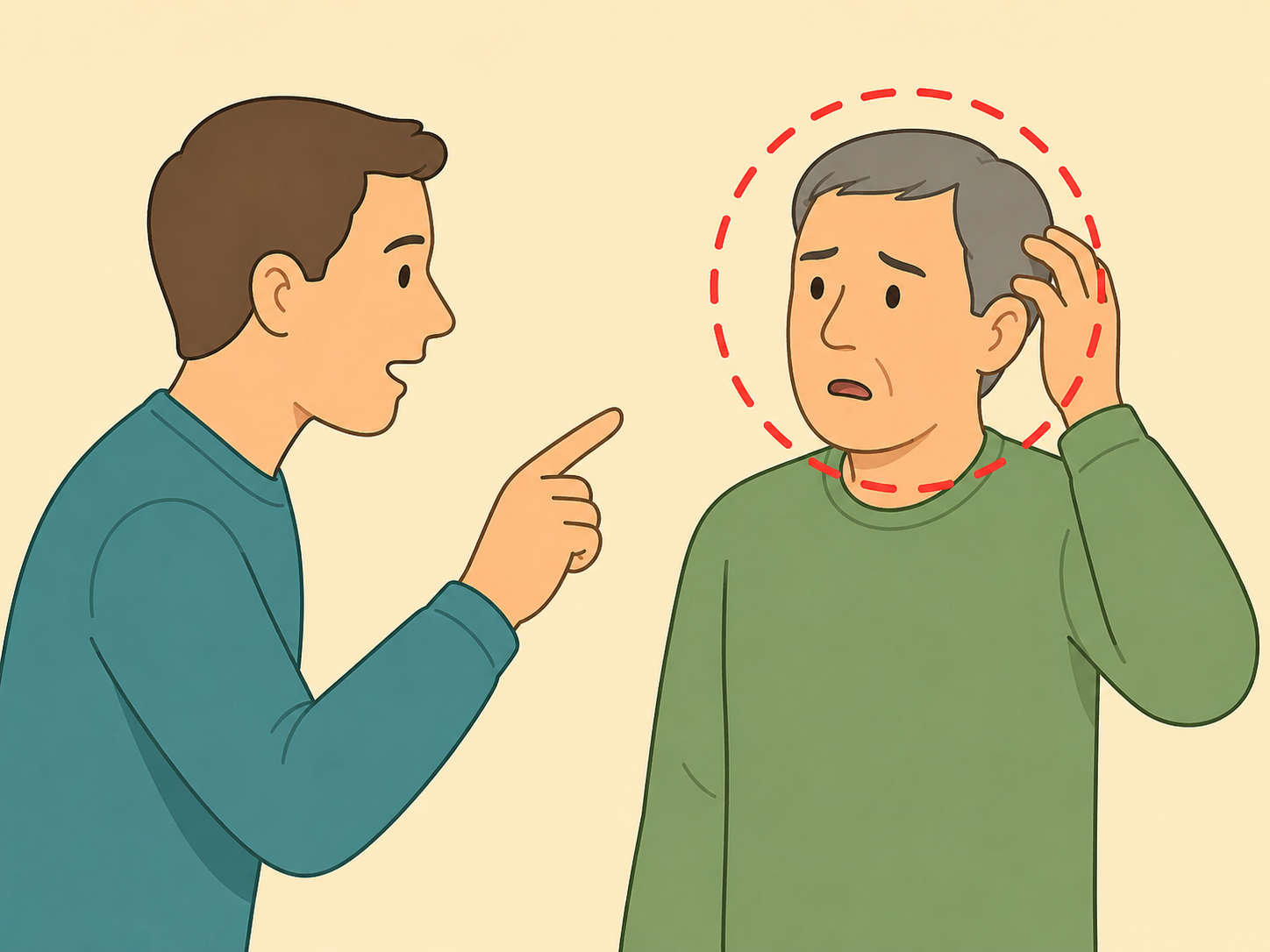
Look for confusion or trouble understanding
Take sudden confusion seriously, especially if the person cannot follow simple directions, answer normally, or understand what others are saying. The CDC lists sudden confusion, trouble speaking, and difficulty understanding speech as stroke warning signs.
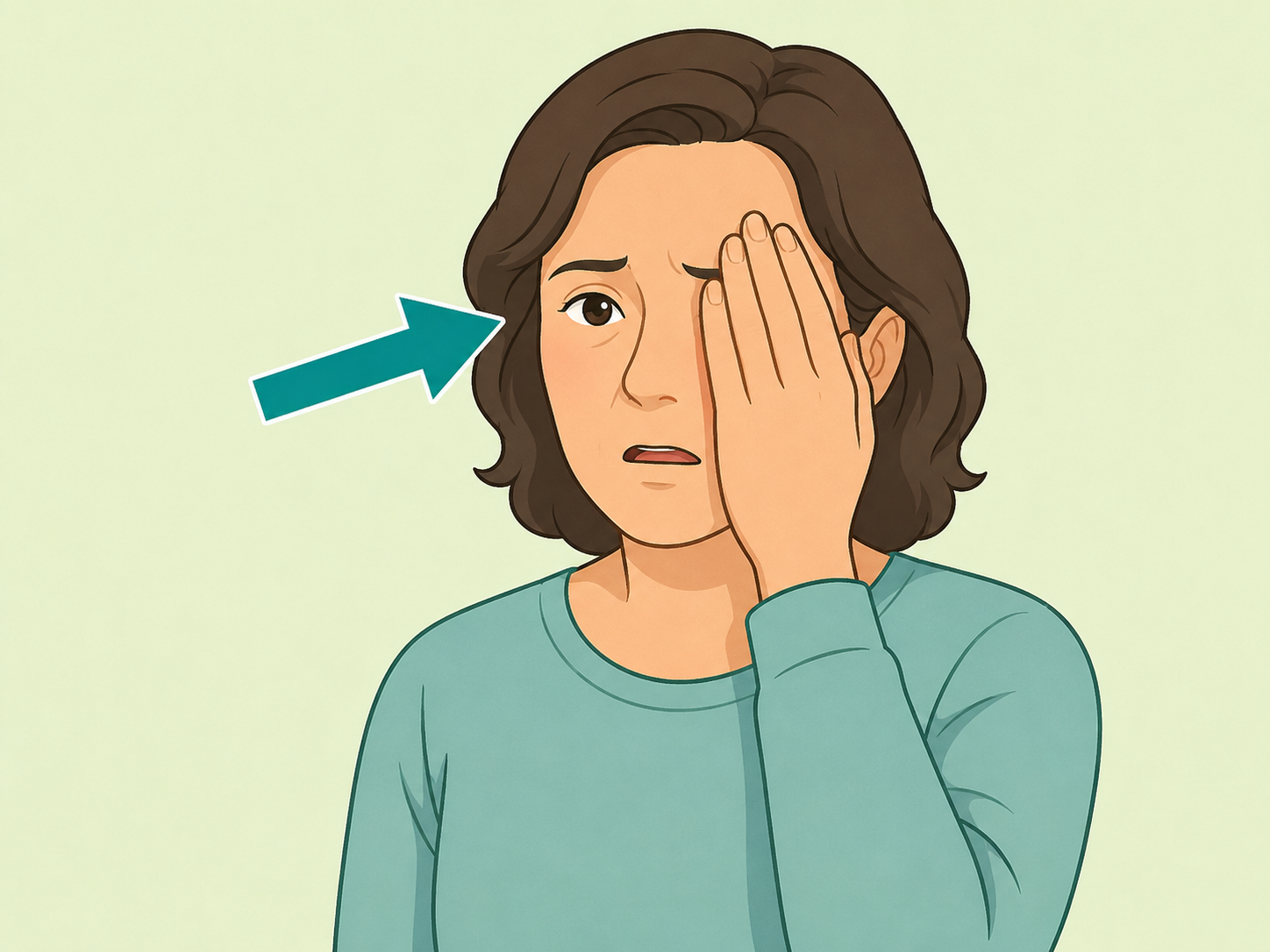
Check for sudden vision changes
Ask whether vision suddenly became blurry, doubled, dim, or lost in one or both eyes. Eye or vision changes are included in B.E. F.A.S.T. warning signs by the Cleveland Clinic stroke overview.
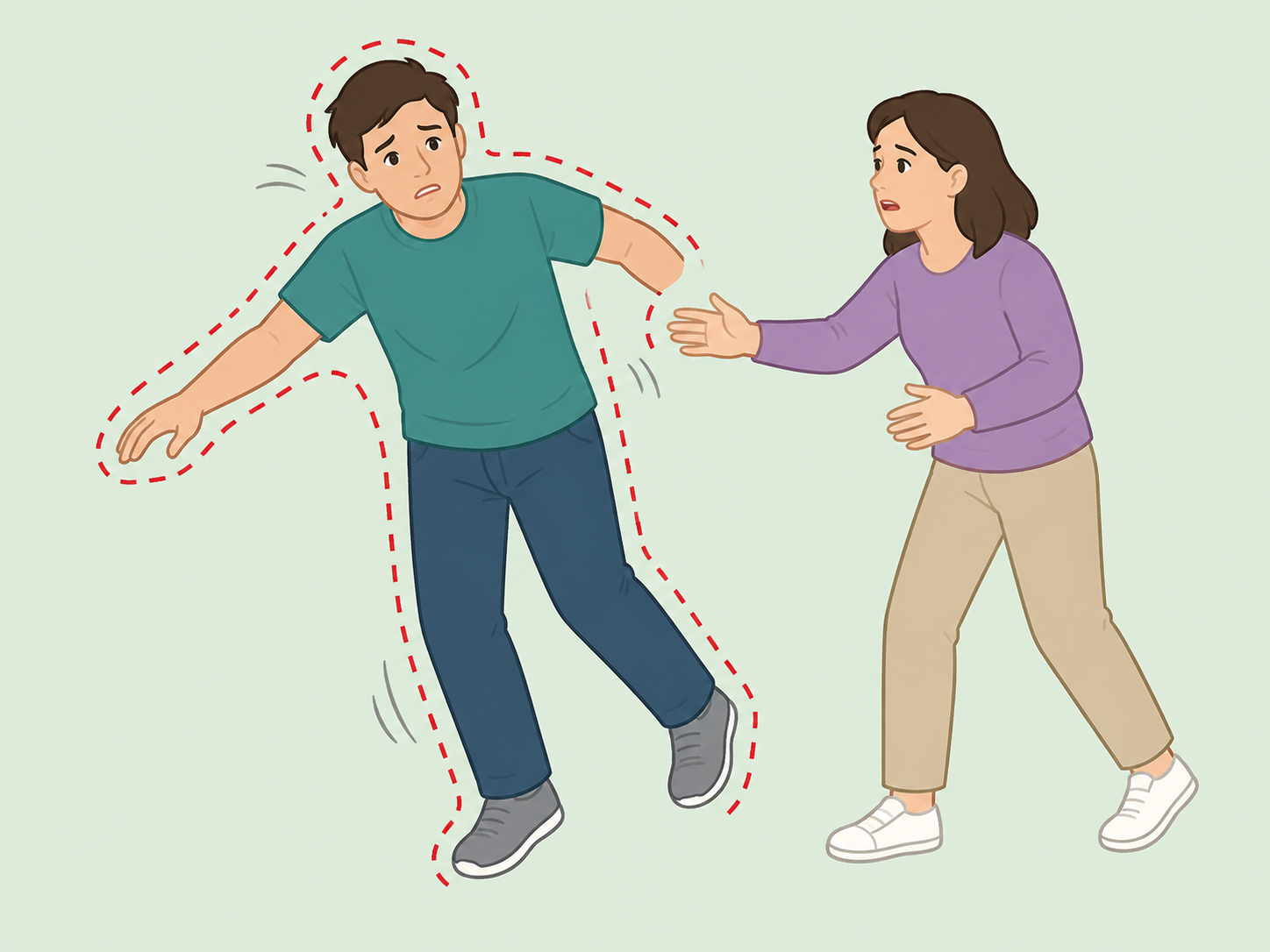
Take sudden balance trouble or dizziness seriously
Watch for sudden trouble walking, dizziness, loss of balance, or poor coordination, especially if it appears with any face, arm, speech, or vision symptom. The CDC includes balance loss and trouble walking among symptoms that should prompt immediate action.
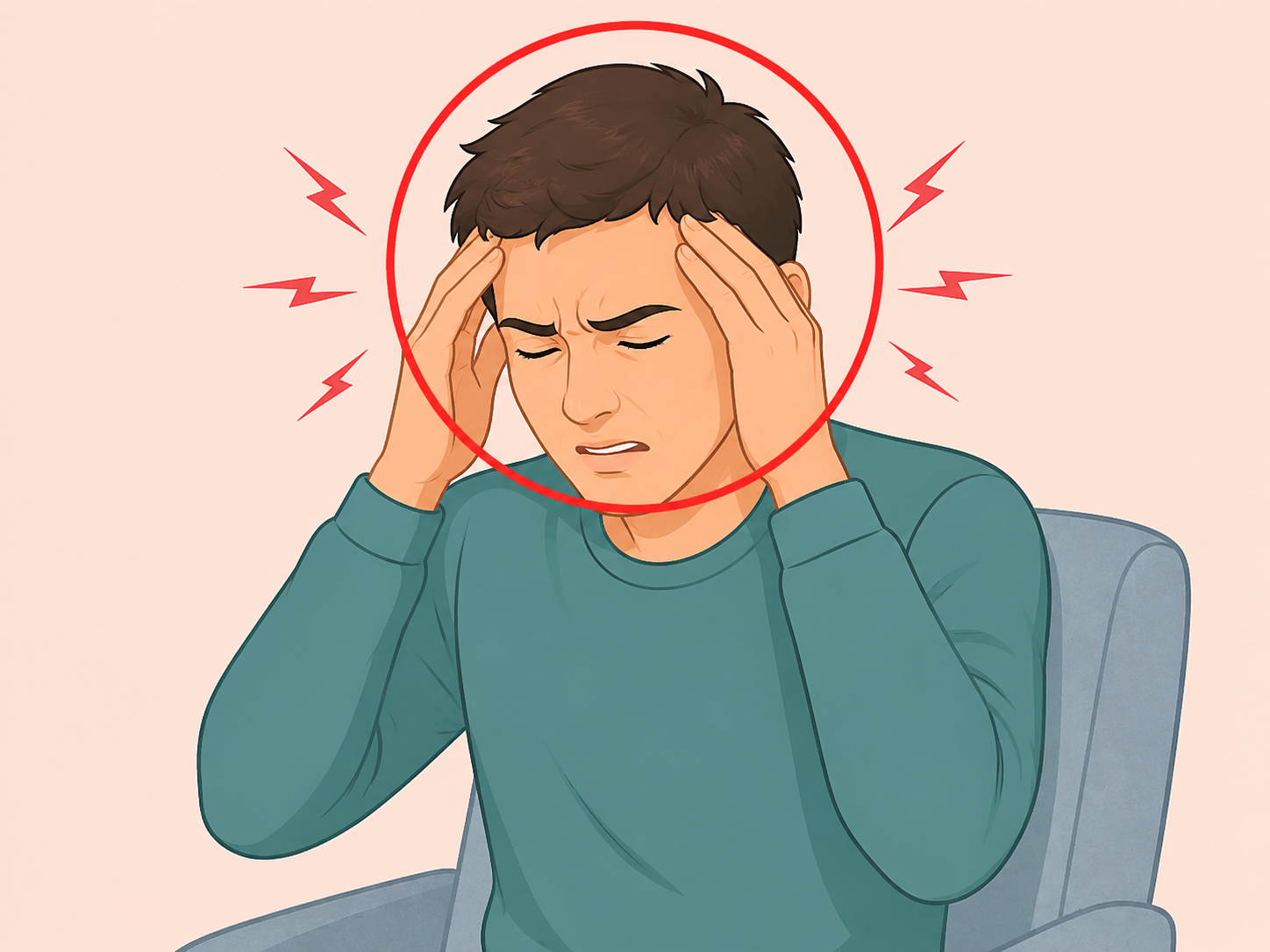
Treat a sudden severe headache as urgent
A sudden, severe headache with no known cause can be a stroke warning sign, particularly when it appears with weakness, confusion, vision changes, vomiting, or trouble speaking. MedlinePlus lists sudden severe headache among stroke symptoms that require calling 911 right away.
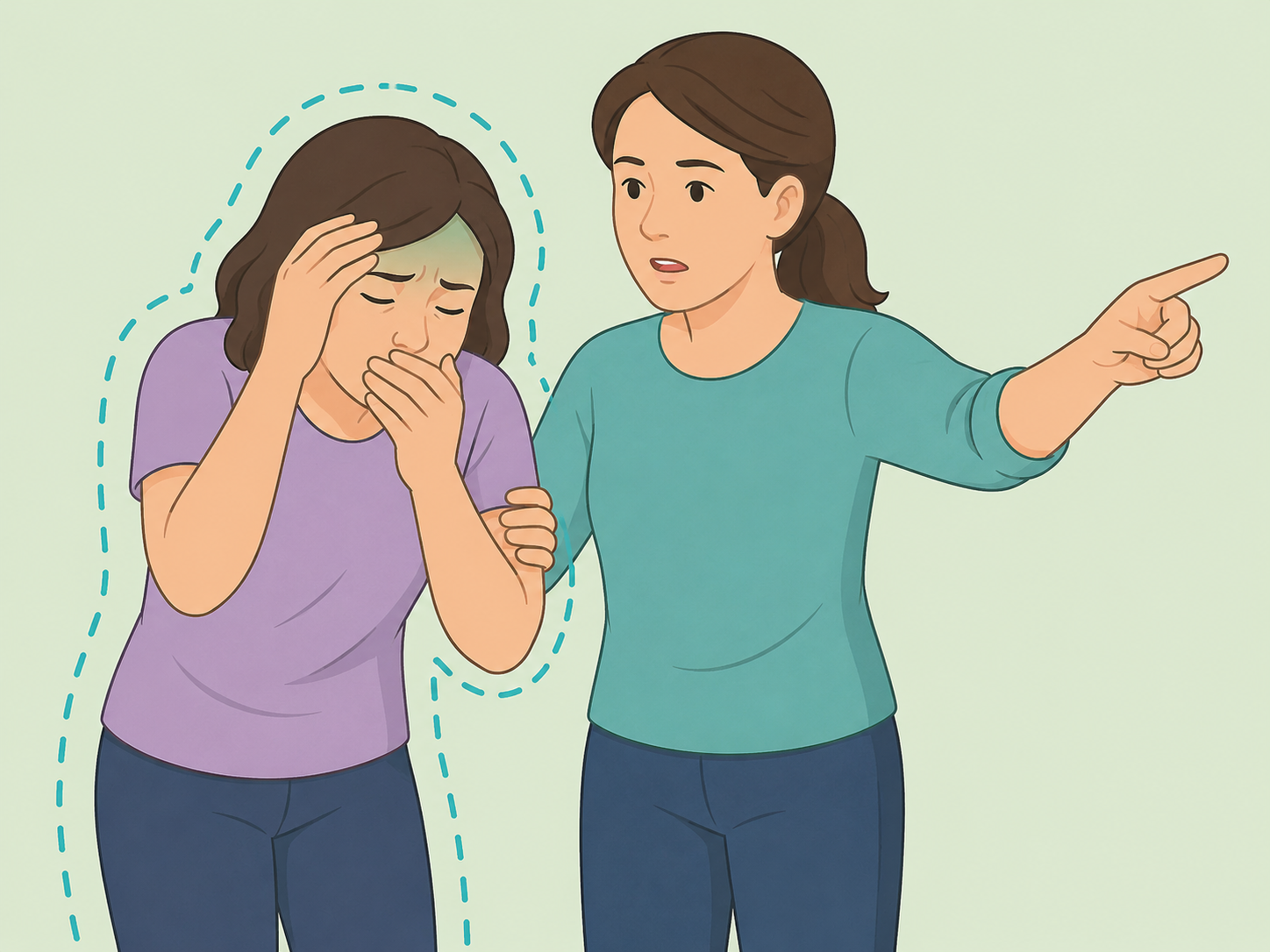
Watch for sudden vomiting, fainting, or seizures with other signs
Nausea, vomiting, fainting, seizures, or a major change in alertness can have many causes, but they may also happen with some strokes. Treat these symptoms as urgent when they are sudden, unusual, or paired with other neurologic changes listed by the Cleveland Clinic.
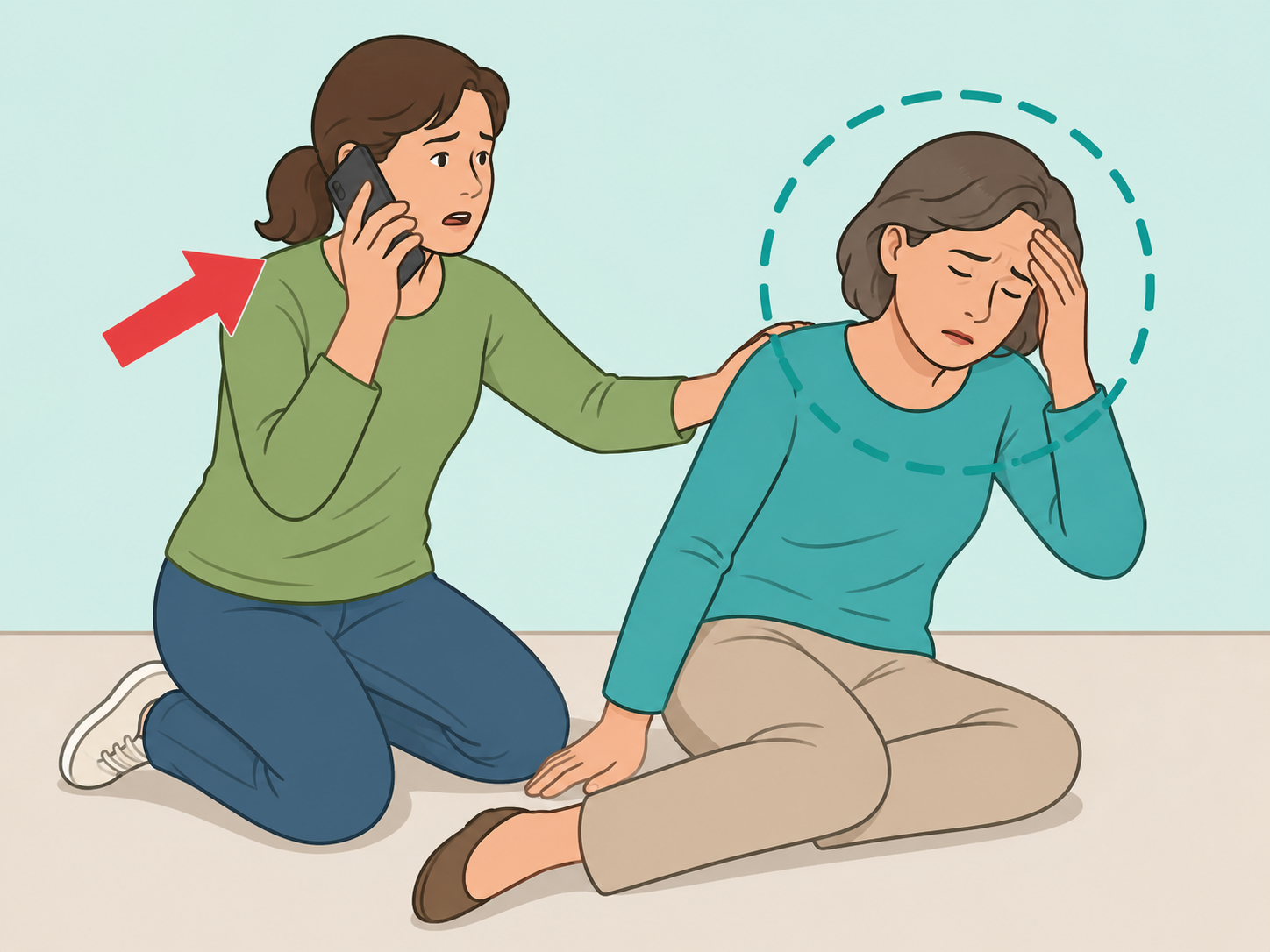
Call emergency services immediately, even if symptoms stop
Call 911 in the U.S. or your local emergency number right away if you notice any stroke warning sign. Do not drive yourself or the person to the hospital; the CDC advises calling an ambulance so emergency care can begin sooner. Note the exact time symptoms started or when the person was last normal. If symptoms go away, still get emergency help because the NHS warns that temporary stroke symptoms still need immediate medical attention.
Summary
The bottom line: stroke warning signs usually appear suddenly, especially face drooping, arm or leg weakness, speech trouble, vision changes, balance problems, confusion, or a severe unexplained headache. Call emergency services right away, note when symptoms started, and do not wait to see if they pass.
Frequently Asked Questions
- What does B.E. F.A.S.T. mean for stroke symptoms?
- B.E. F.A.S.T. stands for Balance, Eyes, Face, Arms, Speech, and Time. It is a quick way to remember sudden balance loss, vision changes, face drooping, arm weakness, speech trouble, and the need to call emergency services immediately.
- Can stroke symptoms go away and still be serious?
- Yes. Symptoms that disappear after a few minutes may be a transient ischemic attack, often called a TIA or mini-stroke, and still need urgent medical evaluation.
- Should I drive someone with stroke symptoms to the hospital?
- No. Call 911 in the U.S. or your local emergency number. An ambulance can start urgent assessment and route the person to appropriate stroke care.
- Are stroke symptoms always painful?
- No. Many warning signs, such as face drooping, arm weakness, speech trouble, confusion, or vision changes, may happen without pain. A sudden severe headache can also be a stroke warning sign.
- Can younger adults have strokes?
- Yes. Stroke is more common with older age, but it can happen at any age, so sudden stroke-like symptoms should be treated as an emergency.
- What should I tell the emergency dispatcher?
- Say that you suspect a stroke, describe the symptoms you see, give the exact location, and share when the symptoms first started or when the person was last known to be well.
References
Reliable references aided in composing and refining this content.