
 Pin it
Dementia is a group of symptoms that can affect memory, thinking, communication, behavior, and daily life. This guide explains early changes to notice, how to separate them from ordinary forgetfulness, and what to do next. It is meant to help you prepare for a conversation with a health professional, not to diagnose anyone.
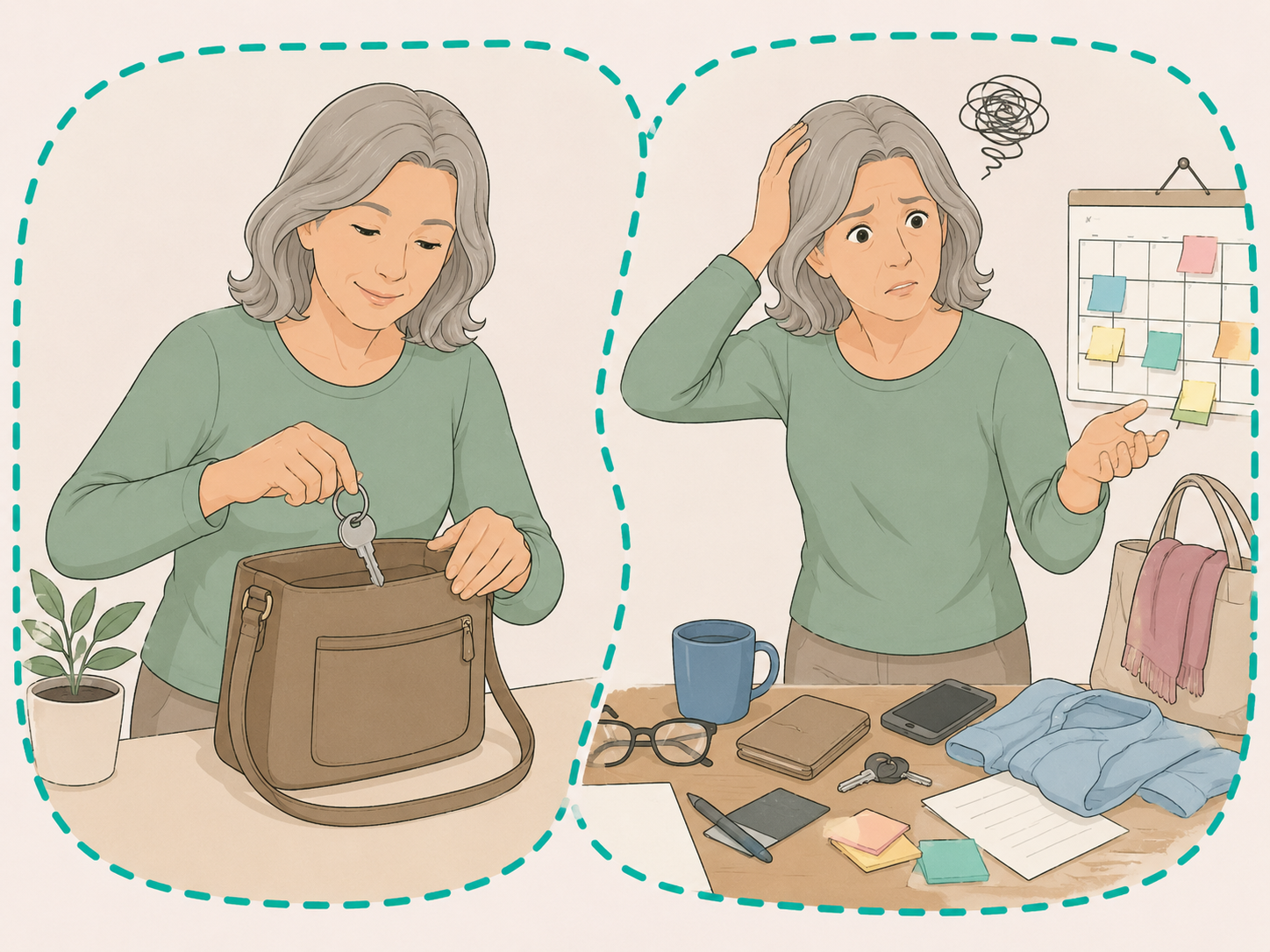
Compare the change with normal aging
Start by asking whether the change is occasional or whether it disrupts daily life. The CDC explains that some memory changes can happen with age, but dementia is not a normal part of aging and affects remembering, thinking clearly, or making daily decisions.
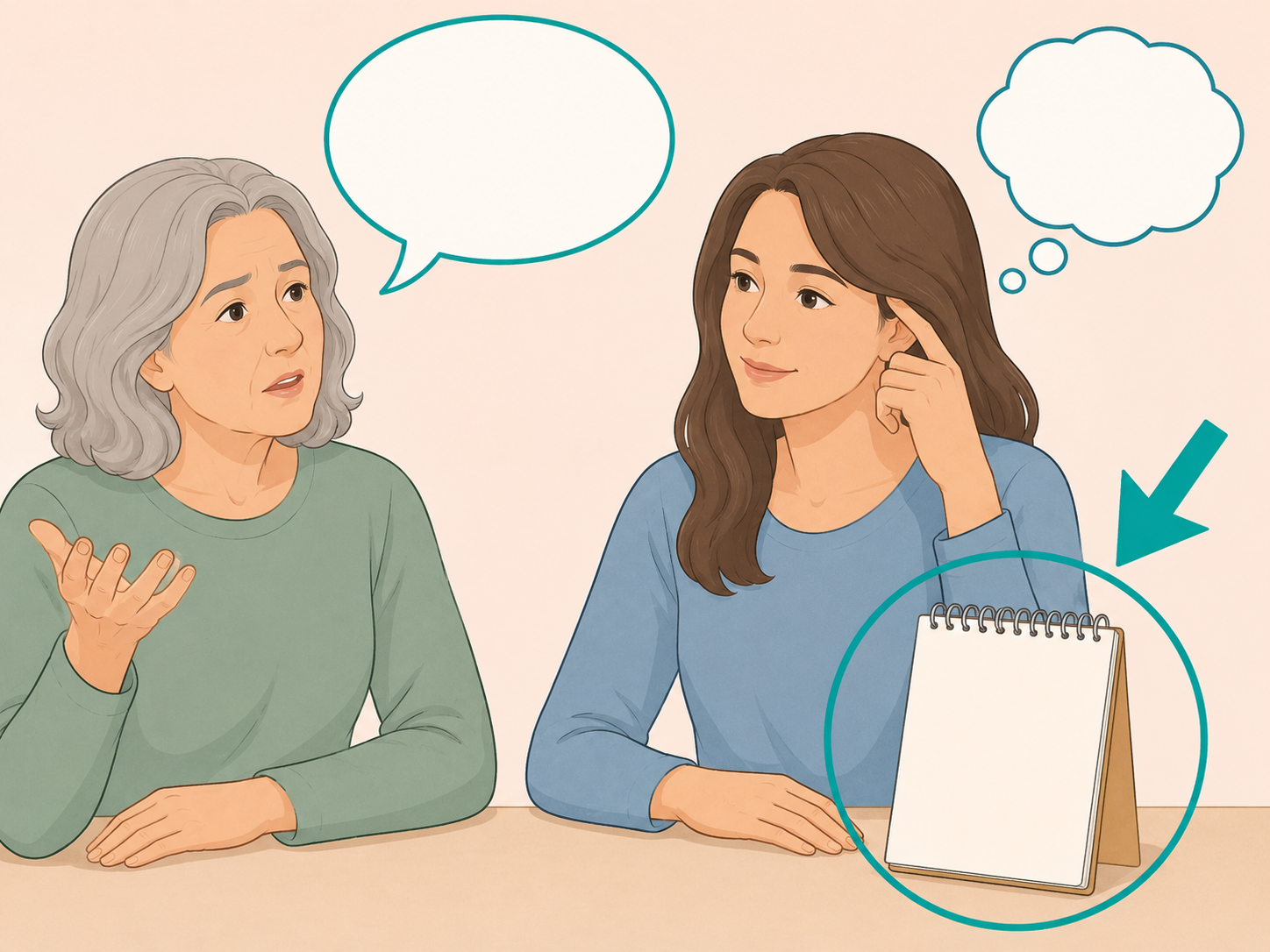
Watch for repeated short-term memory problems
Notice patterns such as asking the same question again and again, forgetting recent conversations, missing appointments, or misplacing items in unusual places. Mayo Clinic lists repeated questions, trouble with familiar tasks, getting lost, and mood or behavior changes as early warning signs that should be evaluated.
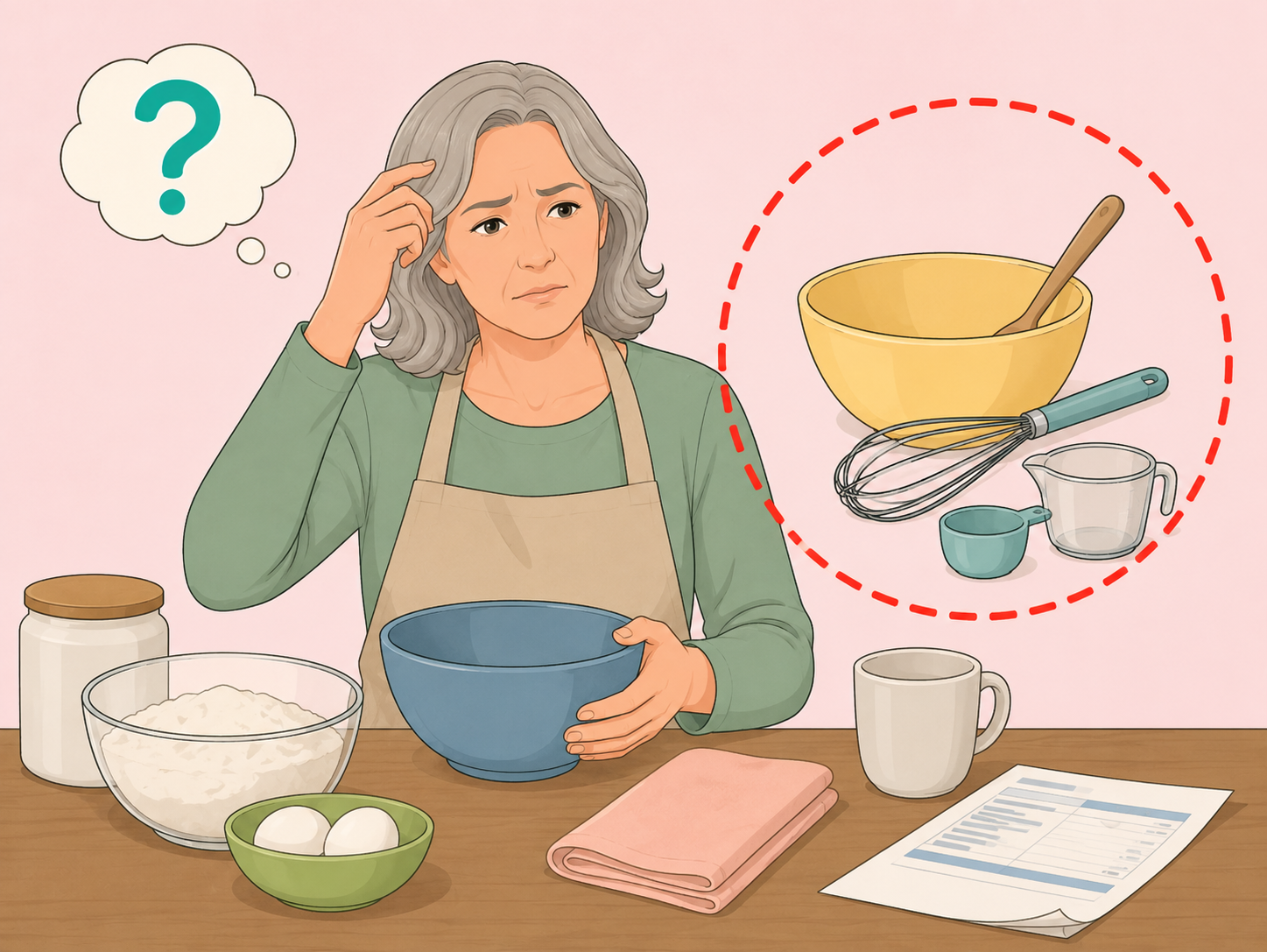
Notice trouble with familiar tasks and planning
Pay attention if a person starts struggling with tasks they used to manage, such as following a familiar recipe, shopping, handling change, paying bills, or organizing steps in order. The NHS notes that difficulty concentrating and carrying out familiar daily tasks can be common early dementia symptoms.
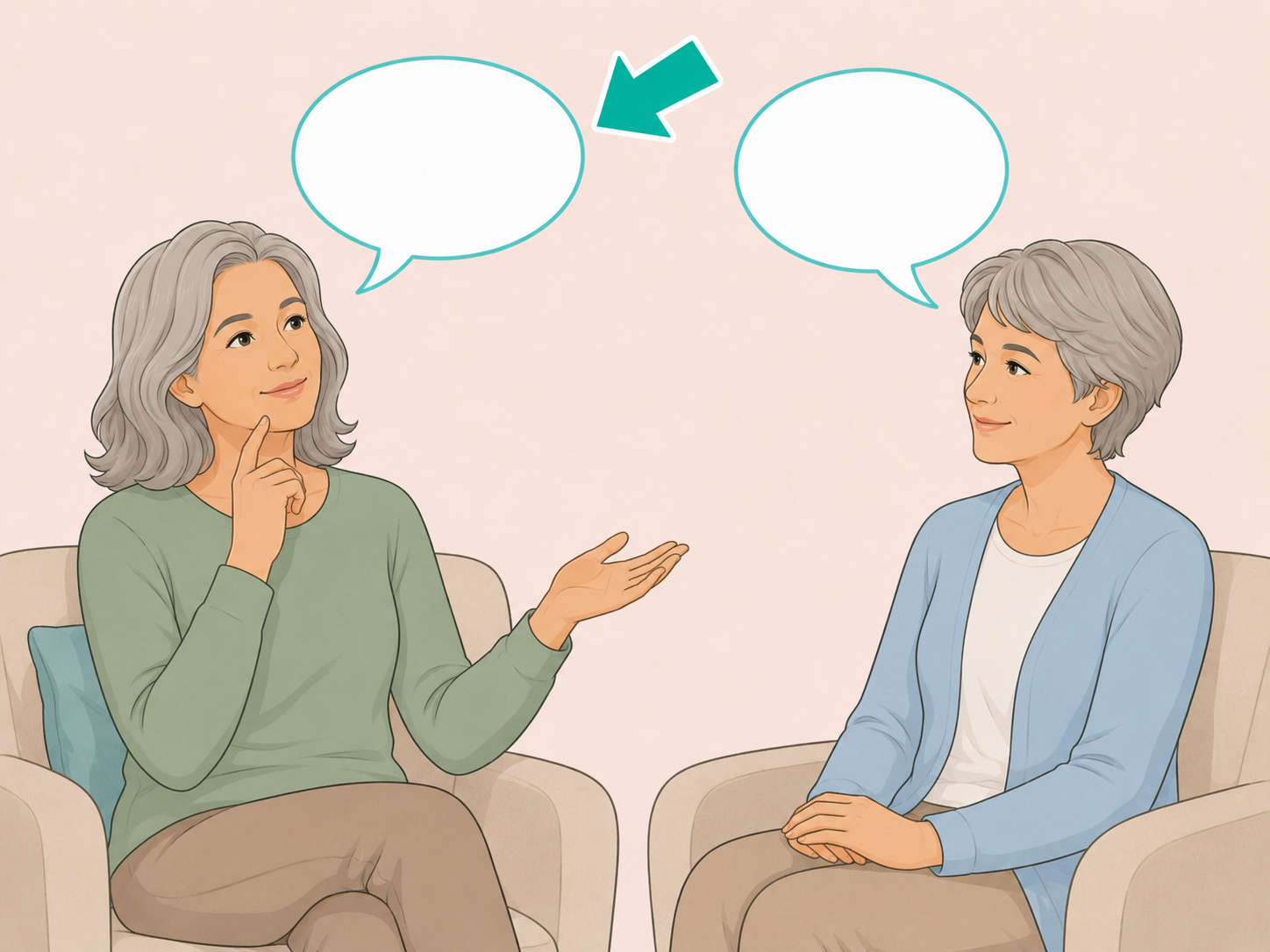
Listen for changes in words and conversation
Look for new difficulty following a conversation, finding the right word, naming familiar objects, or expressing thoughts clearly. The National Institute on Aging includes trouble speaking, understanding, reading, writing, and using unusual words for familiar objects among possible dementia symptoms.
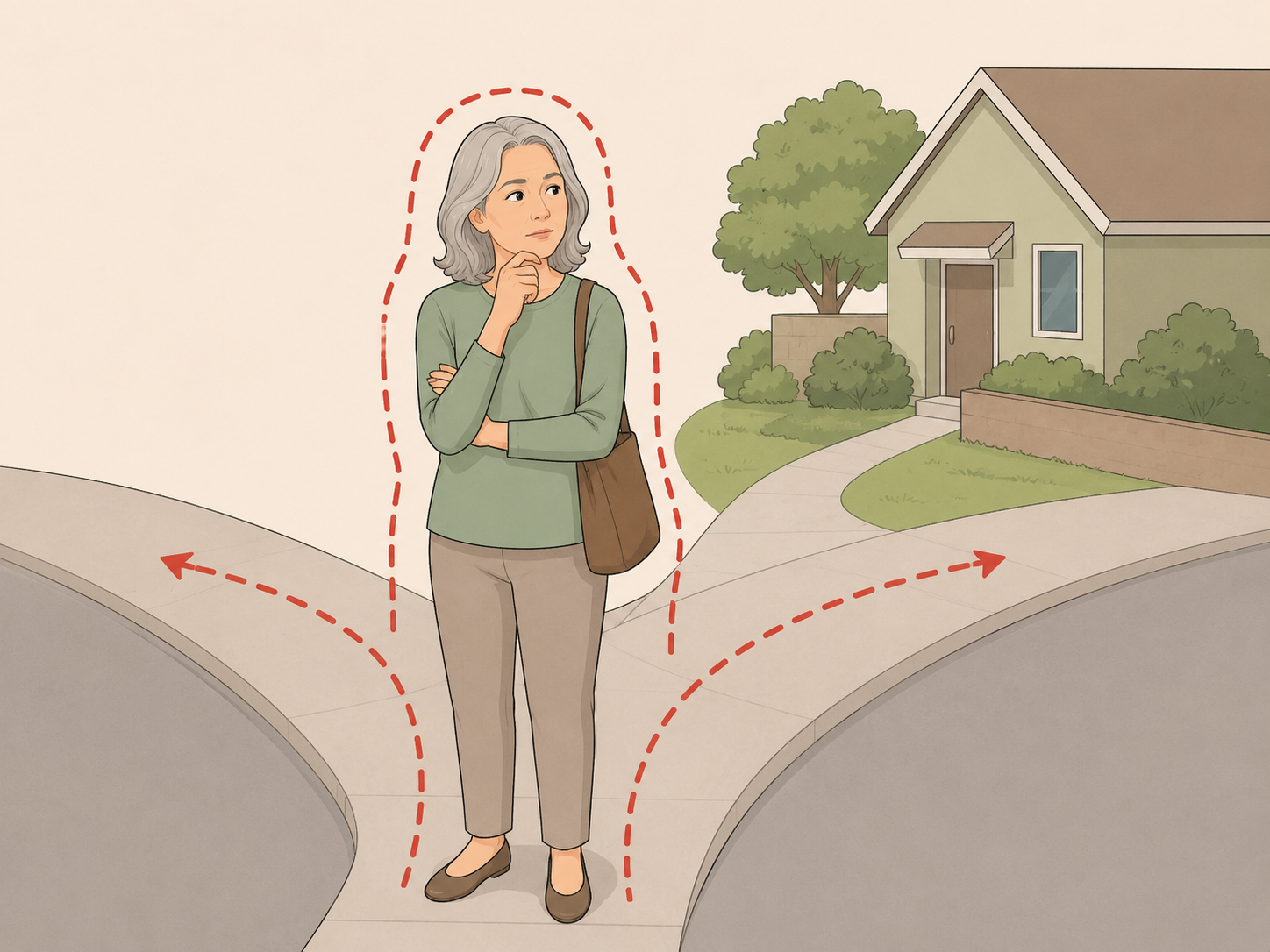
Check for confusion about time, place, or direction
Take note if someone gets lost in a familiar neighborhood, cannot explain how they arrived somewhere, or seems repeatedly confused about dates, seasons, or location. The CDC lists getting lost in a familiar neighborhood as a sign that may point to dementia.
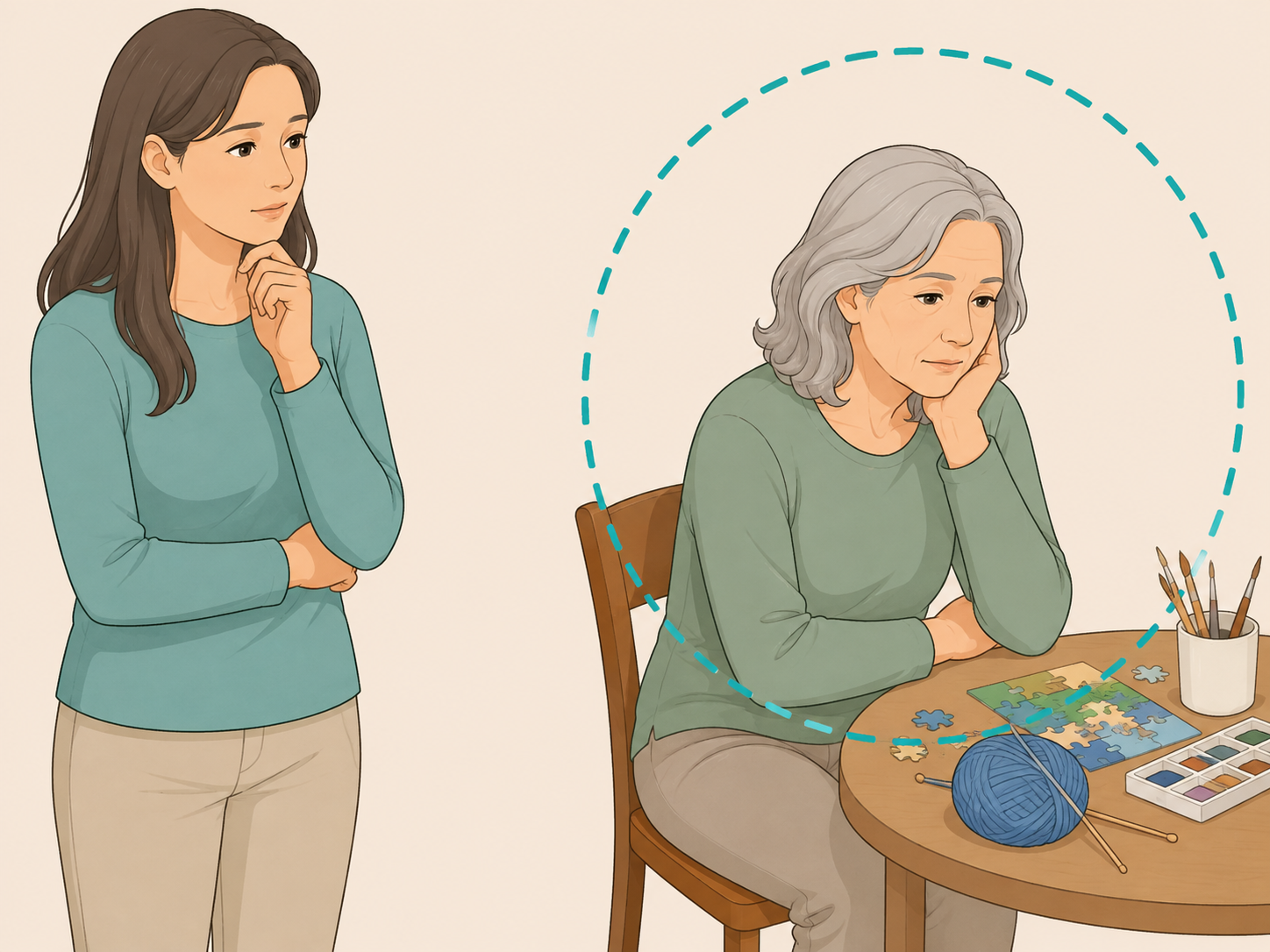
Pay attention to mood, personality, and withdrawal
Early dementia can sometimes show up as becoming more withdrawn, anxious, suspicious, irritable, or less interested in usual activities. The NHS includes mood changes and becoming more withdrawn or anxious among possible dementia symptoms, but these changes can also have other causes.

Write down specific examples before the appointment
Keep a simple dated list of what happened, how often it happened, and whether it affected daily life or safety. The NHS recommends bringing someone who knows the person well to an appointment because they can describe changes and help remember what was discussed.
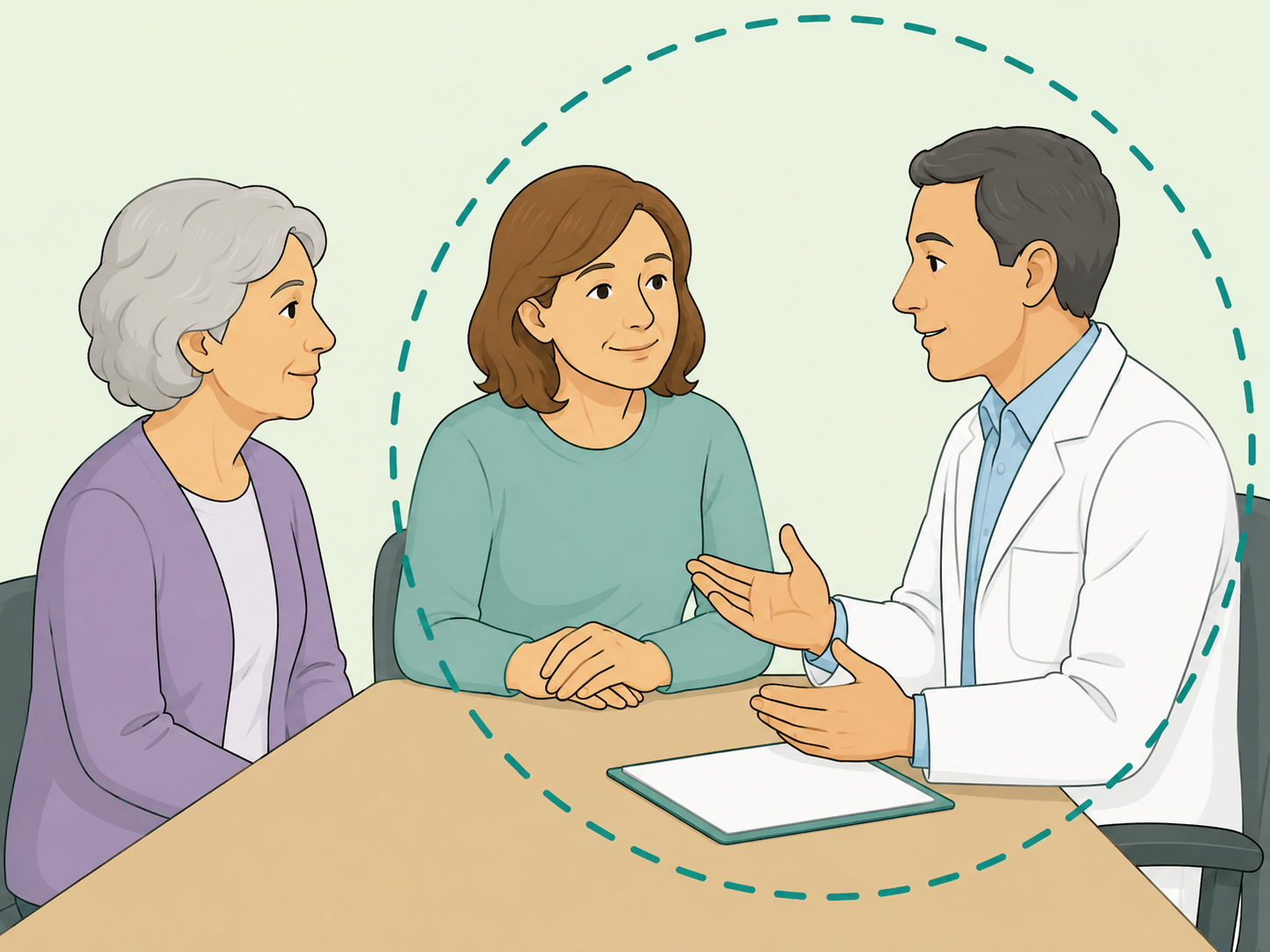
Make a doctor’s appointment for concerning changes
See a doctor if memory, thinking, behavior, or daily tasks are changing, especially if the changes are repeated or getting worse. Memory problems do not always mean dementia; medical evaluation can check for other causes such as depression, anxiety, delirium, thyroid problems, or medicine side effects.
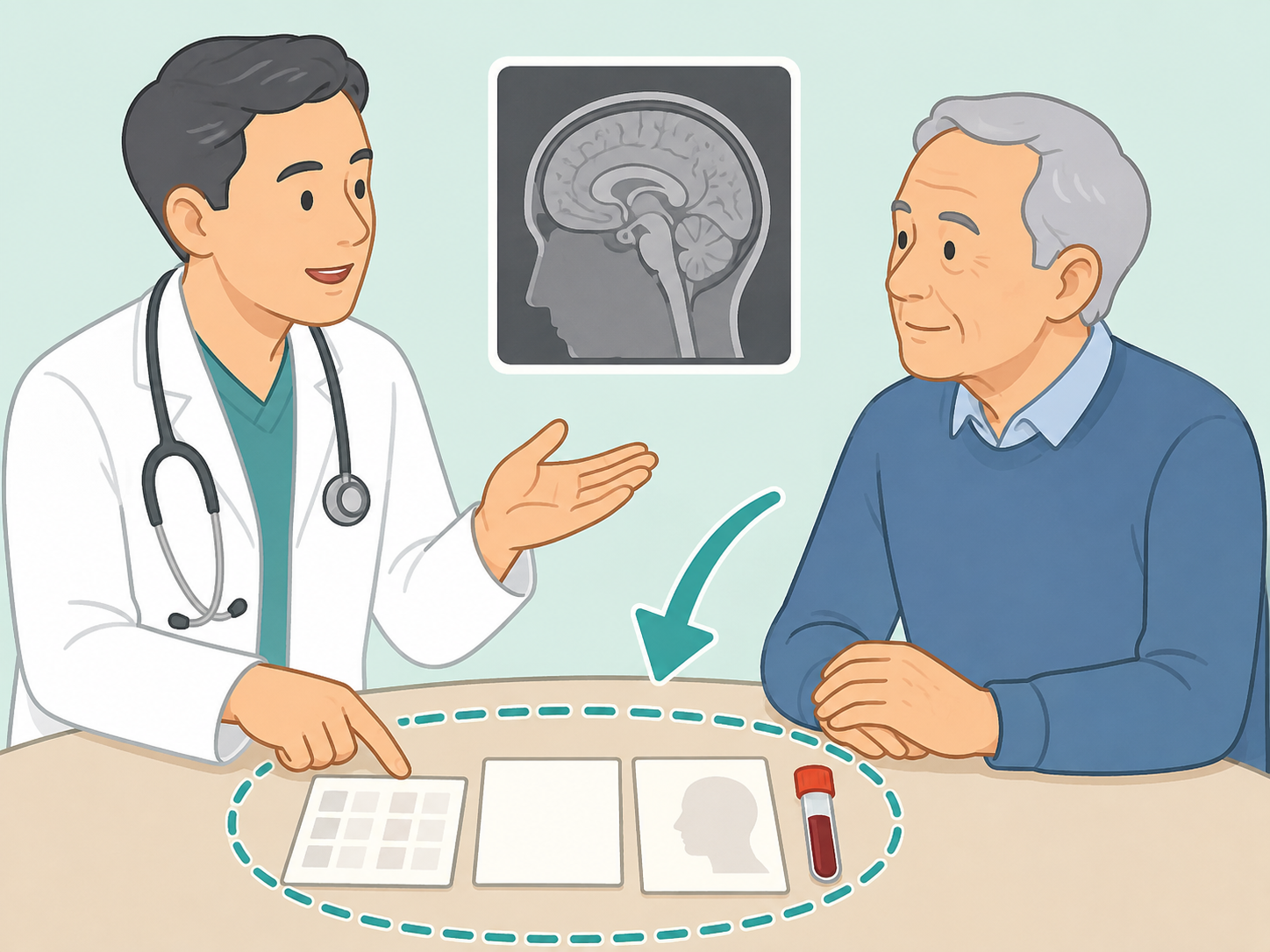
Ask what tests and next steps may be needed
A dementia evaluation may include medical history, medicine review, cognitive testing, lab tests, brain imaging, or referral to a specialist. Cleveland Clinic explains that diagnosis can take time because clinicians often need to rule out other conditions before deciding what is causing the symptoms.
Summary
The bottom line: occasional forgetfulness can happen with age, but repeated changes that affect daily life deserve attention. Track examples, talk gently with the person involved, and ask a doctor to check for dementia and other possible causes.
Frequently Asked Questions
- Is forgetfulness always a sign of dementia?
- No. Occasional forgetfulness can happen with normal aging, stress, sleep problems, mood changes, medicines, or other health conditions. Memory changes that disrupt daily life should be checked by a health professional.
- What is the difference between dementia and Alzheimer’s disease?
- Dementia is a general term for symptoms that affect thinking and daily function. Alzheimer’s disease is one cause of dementia and is one of the most common causes in older adults.
- Can dementia symptoms be mild at first?
- Yes. Early symptoms may be subtle and gradual, such as repeated questions, trouble following conversations, difficulty managing familiar tasks, or changes in mood.
- Should I talk to someone if I notice changes in a loved one?
- Yes, but choose a calm moment and focus on specific examples rather than labels. You can suggest making a medical appointment and offer to go along for support.
- What happens at a dementia evaluation?
- A clinician may ask about symptoms, daily activities, medical history, medicines, mood, and family observations. They may also do cognitive tests, blood or urine tests, and sometimes brain imaging or specialist referral.
- Why does early evaluation matter?
- Early evaluation can help identify treatable causes of memory problems, clarify what is happening, and give the person and family more time to plan care, safety, finances, and support.
References
Reliable references aided in composing and refining this content.
- https://www.nia.nih.gov/health/alzheimers-and-dementia/what-dementia-symptoms-types-and-diagnosis
- https://www.cdc.gov/alzheimers-dementia/signs-symptoms/index.html
- https://www.mayoclinic.org/diseases-conditions/alzheimers-disease/in-depth/memory-loss/art-20046326
- https://www.nhs.uk/conditions/dementia/symptoms-and-diagnosis/symptoms
- https://www.nhs.uk/conditions/dementia/symptoms-and-diagnosis/diagnosis
- https://my.clevelandclinic.org/health/diseases/9170-dementia