
 Pin it
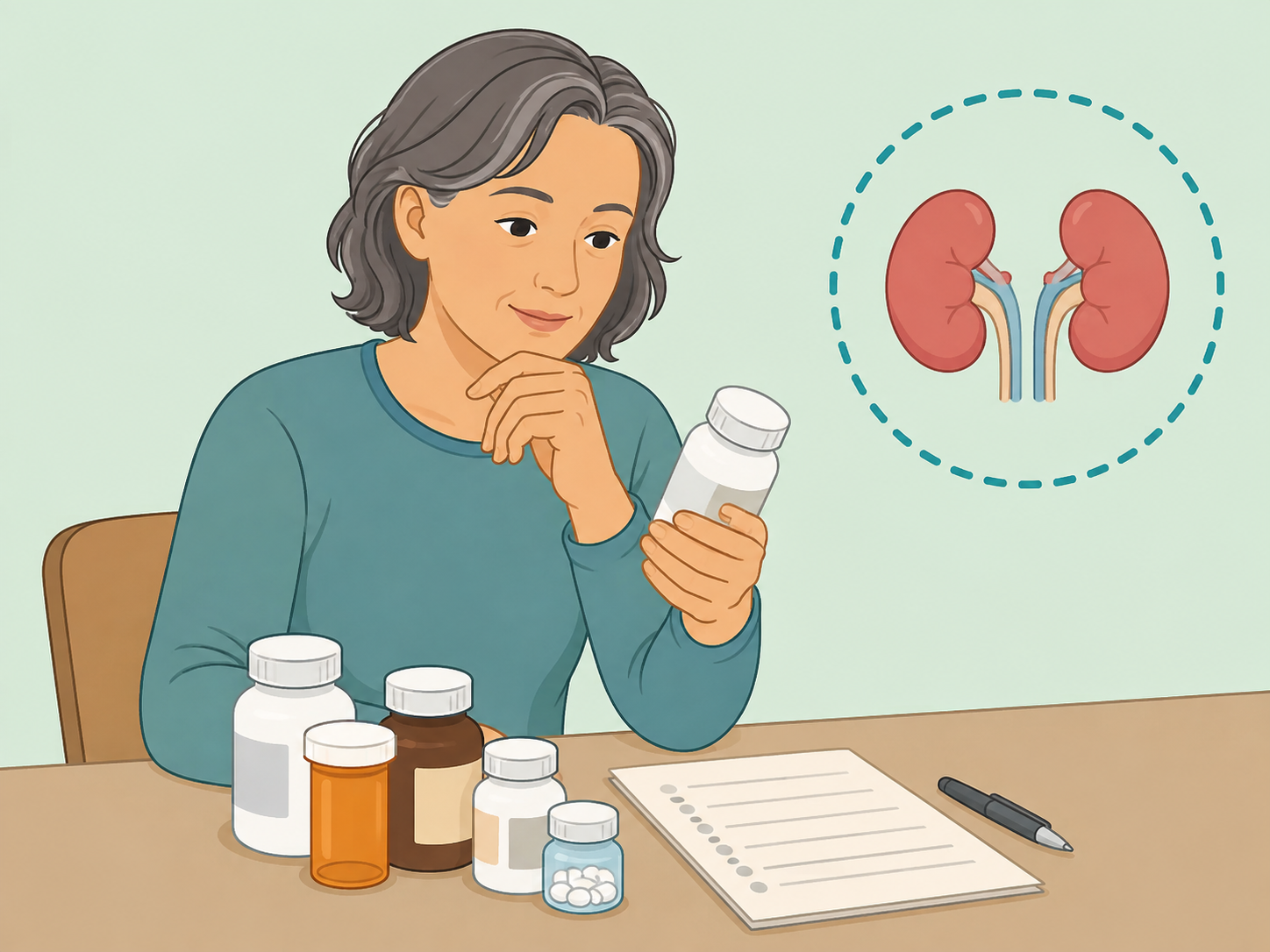
Many everyday medicines are useful and safe for most people when used as directed, but some can strain the kidneys in certain situations. This guide explains the common pill groups people ask about, why they are still sold or prescribed, and what questions to bring to a doctor or pharmacist. Do not stop a prescribed medicine on your own.
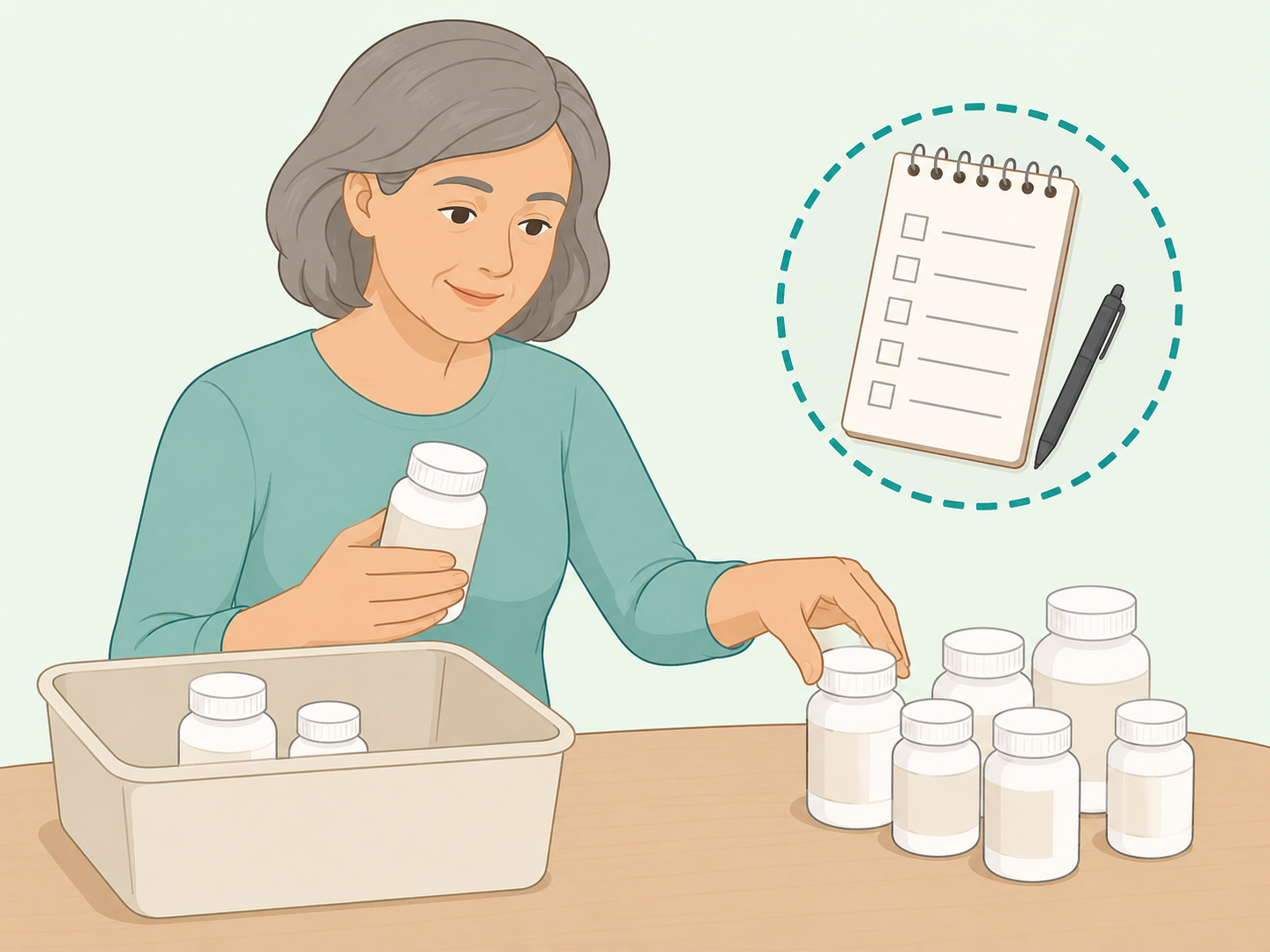
Treat the list as a risk check, not a reason to panic
Common medicines are still sold because they can relieve pain, treat infection, reduce acid, lower blood pressure, or control chronic conditions when used correctly. Kidney risk is usually higher with long use, high doses, dehydration, existing chronic kidney disease, or interacting medicines, and the National Kidney Foundation notes that many medicines can still be used safely with the right dose or monitoring.
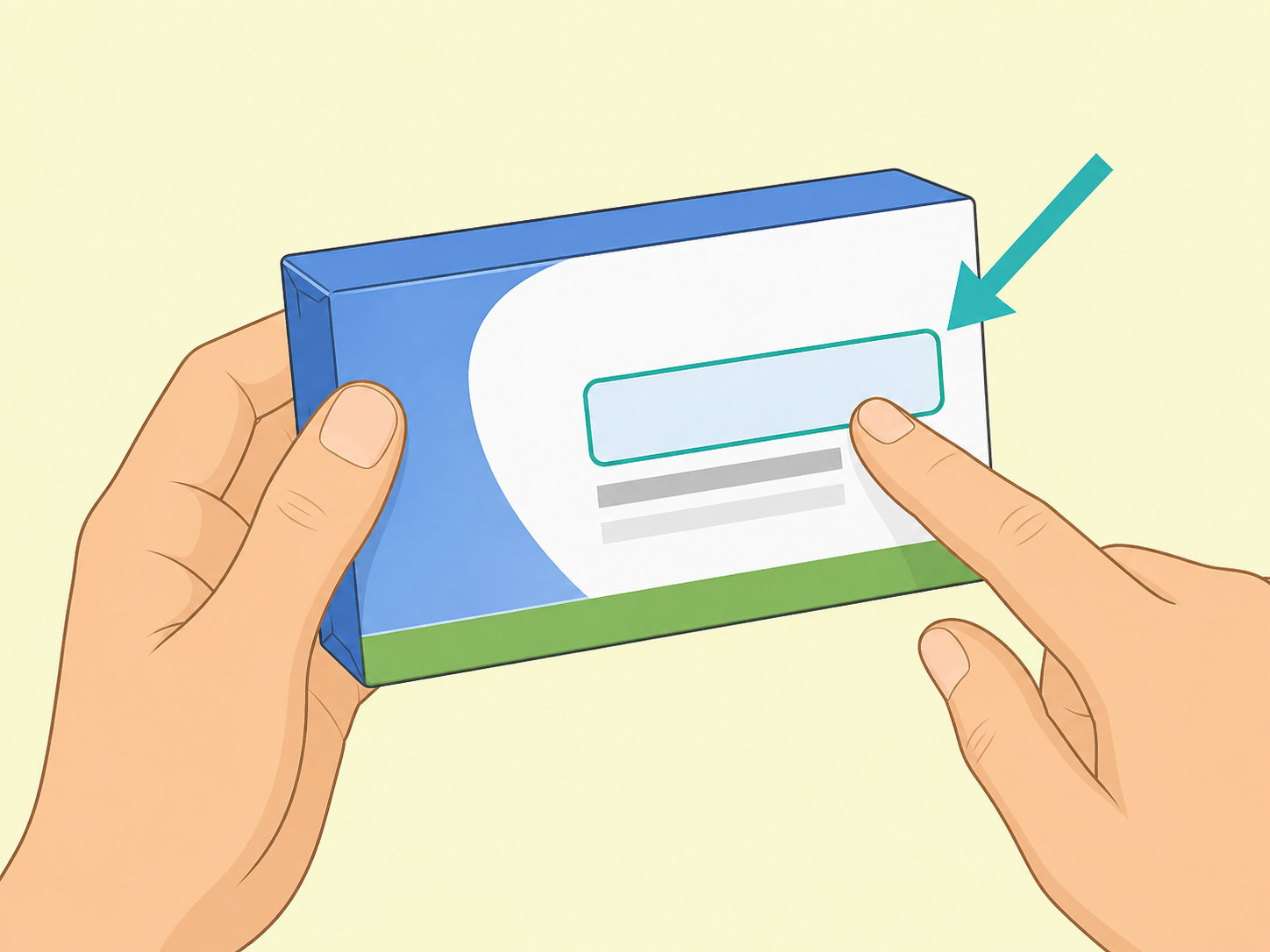
Look for NSAIDs in pain and cold medicines
NSAIDs include ibuprofen and naproxen, and they can also appear inside some multi-symptom cold or flu products. The NIDDK explains that NSAIDs can harm kidneys when used for a long time or when taken during dehydration or low blood pressure, so check the Drug Facts label before doubling up.
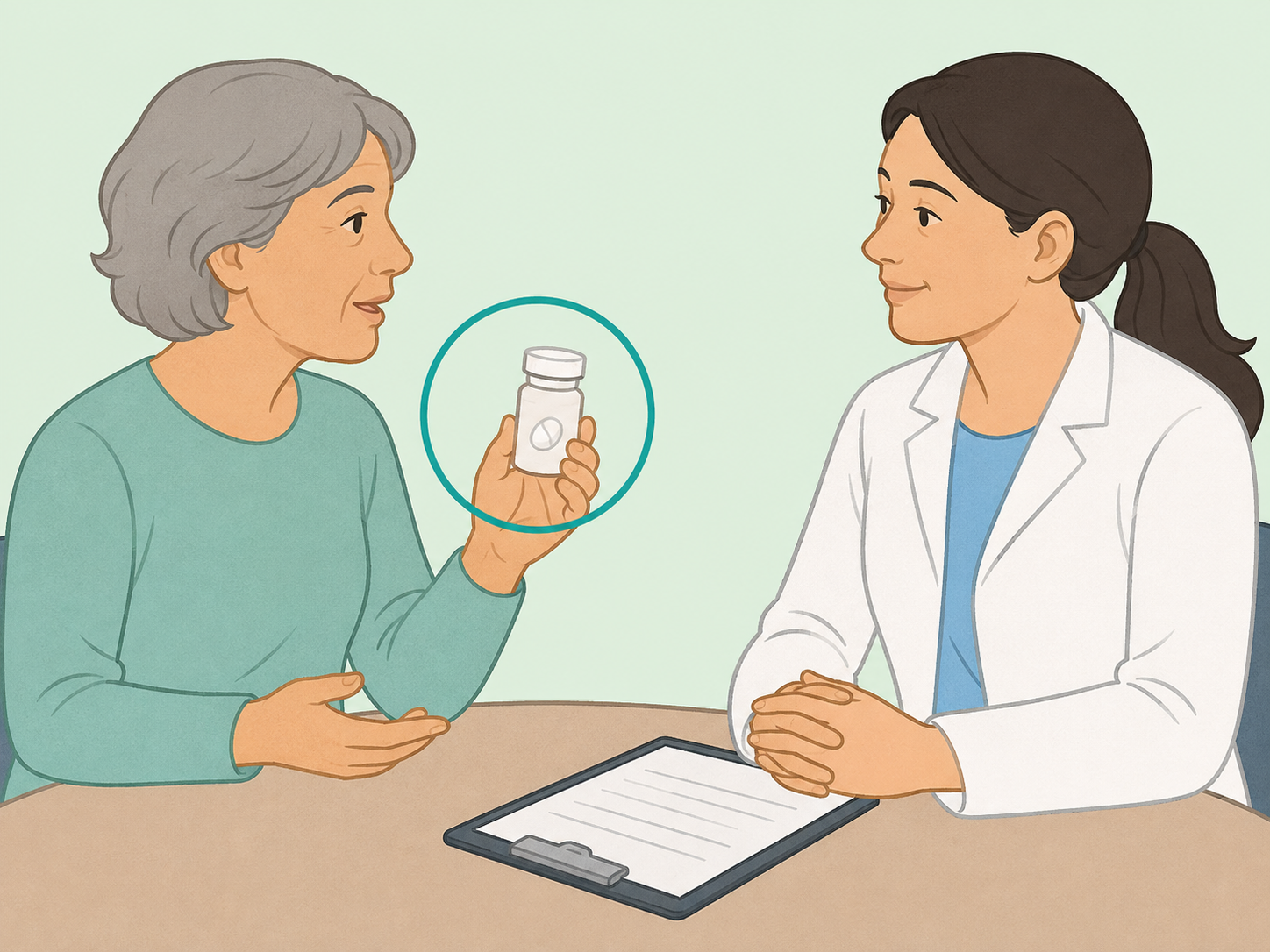
Use aspirin only the way your clinician or label directs
Aspirin is also an NSAID, but some people are told to take low-dose aspirin for specific medical reasons. Kidney-related acute injury risk is more concerning with higher-dose aspirin, and the National Kidney Foundation lists aspirin above 325 mg per day among NSAIDs that can add to acute kidney injury risk in the wrong setting. Do not start or stop daily aspirin without asking the clinician who recommended it.
Avoid stacking acetaminophen from multiple products
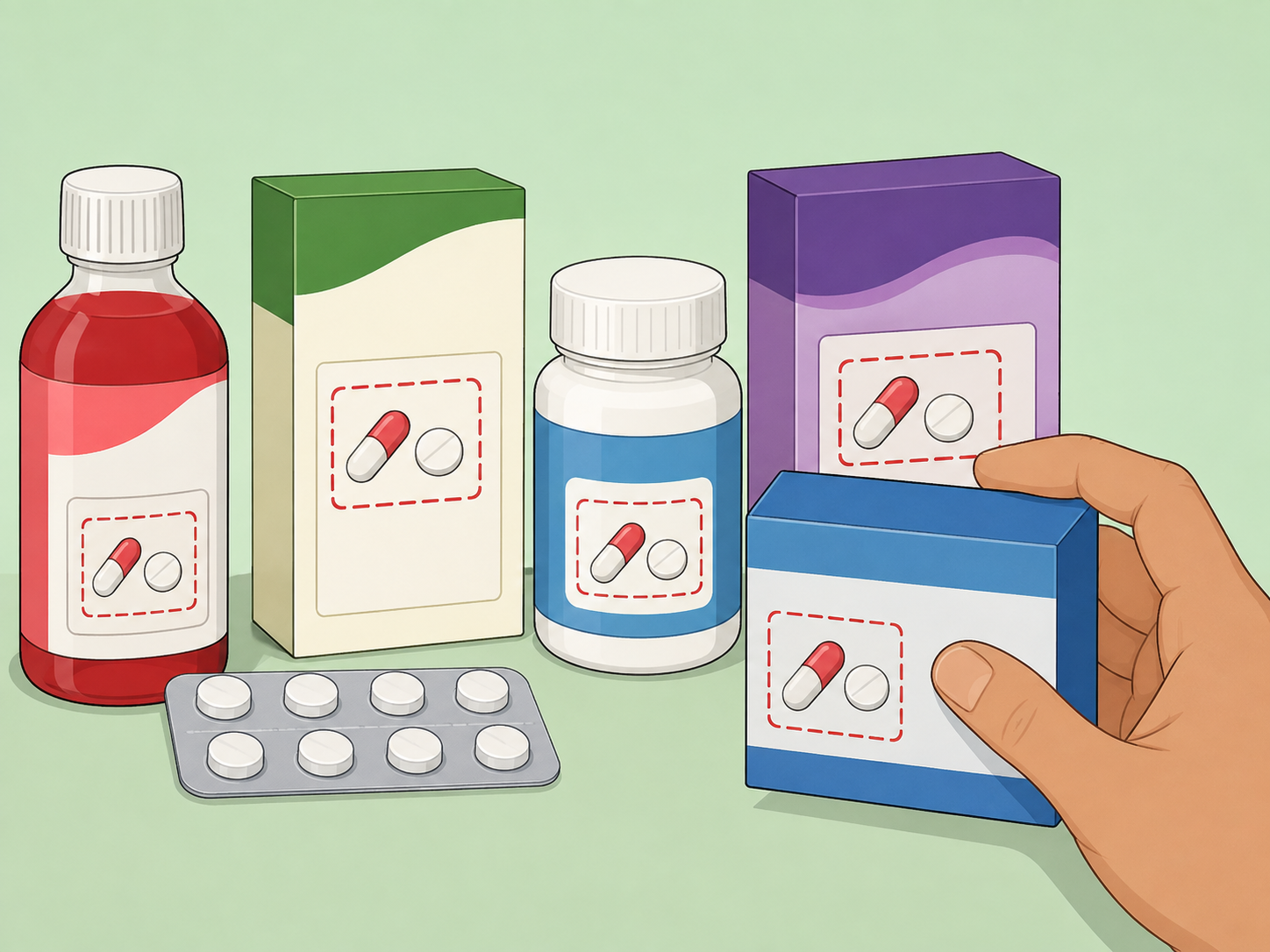
Acetaminophen is not an NSAID, but it is found in many pain, fever, sleep, and cold products, which makes accidental overuse easier. MedlinePlus describes analgesic nephropathy as kidney damage linked to long-term overuse of pain medicine mixtures, including OTC products that contain acetaminophen and NSAIDs. Use one product list at a time and ask a pharmacist if two labels share the same active ingredient.
Recheck long-term heartburn pills
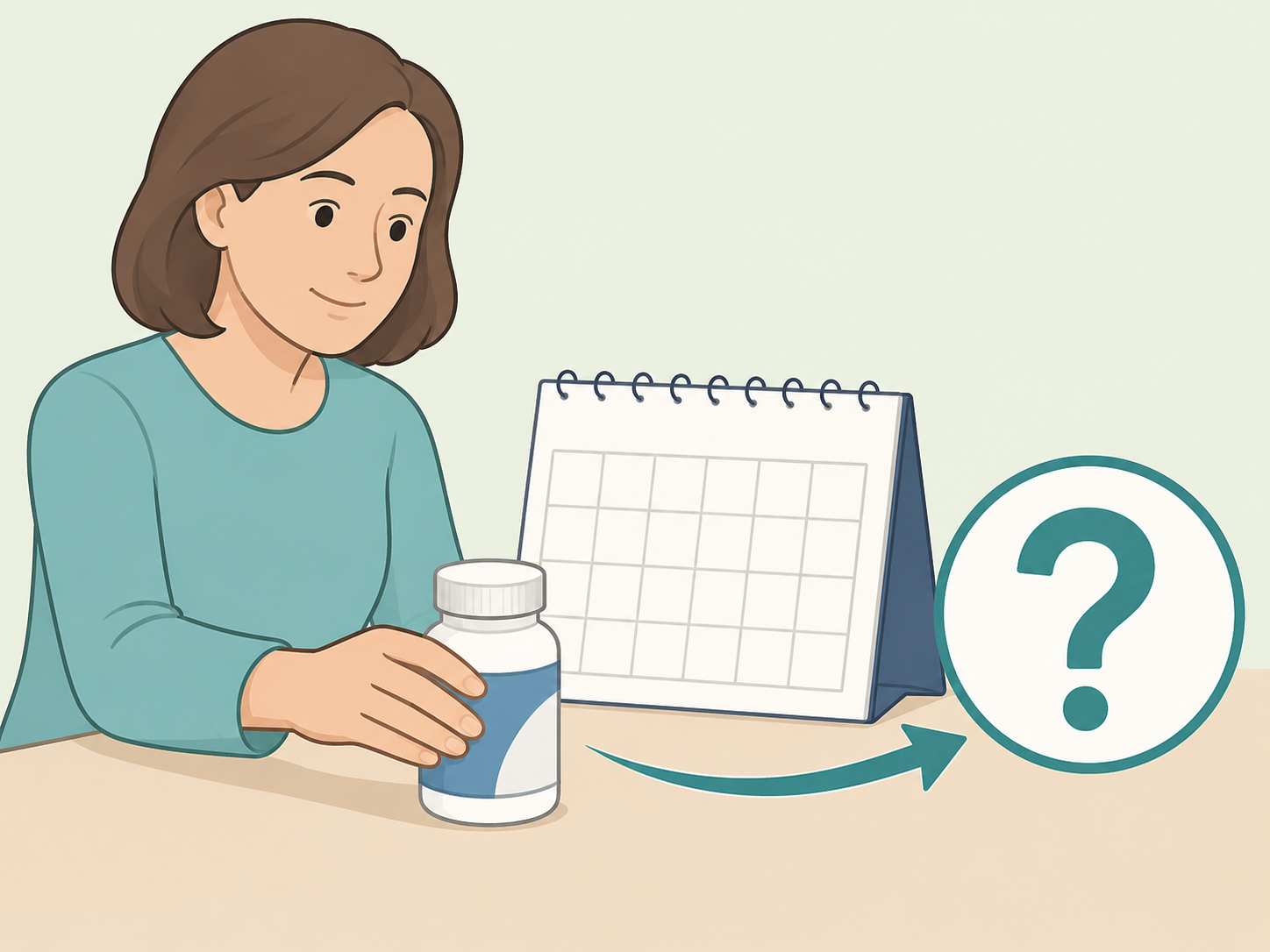
Proton pump inhibitors, such as omeprazole and similar heartburn medicines, are often meant for short courses unless a clinician recommends longer treatment. The National Kidney Foundation says short-term kidney side effects are not expected for most people, but longer use may carry higher kidney-related risks, especially for people with CKD. If you use acid reducers often, ask whether you still need them and whether the dose is right for your kidney function.
Ask whether infection medicines need kidney dosing
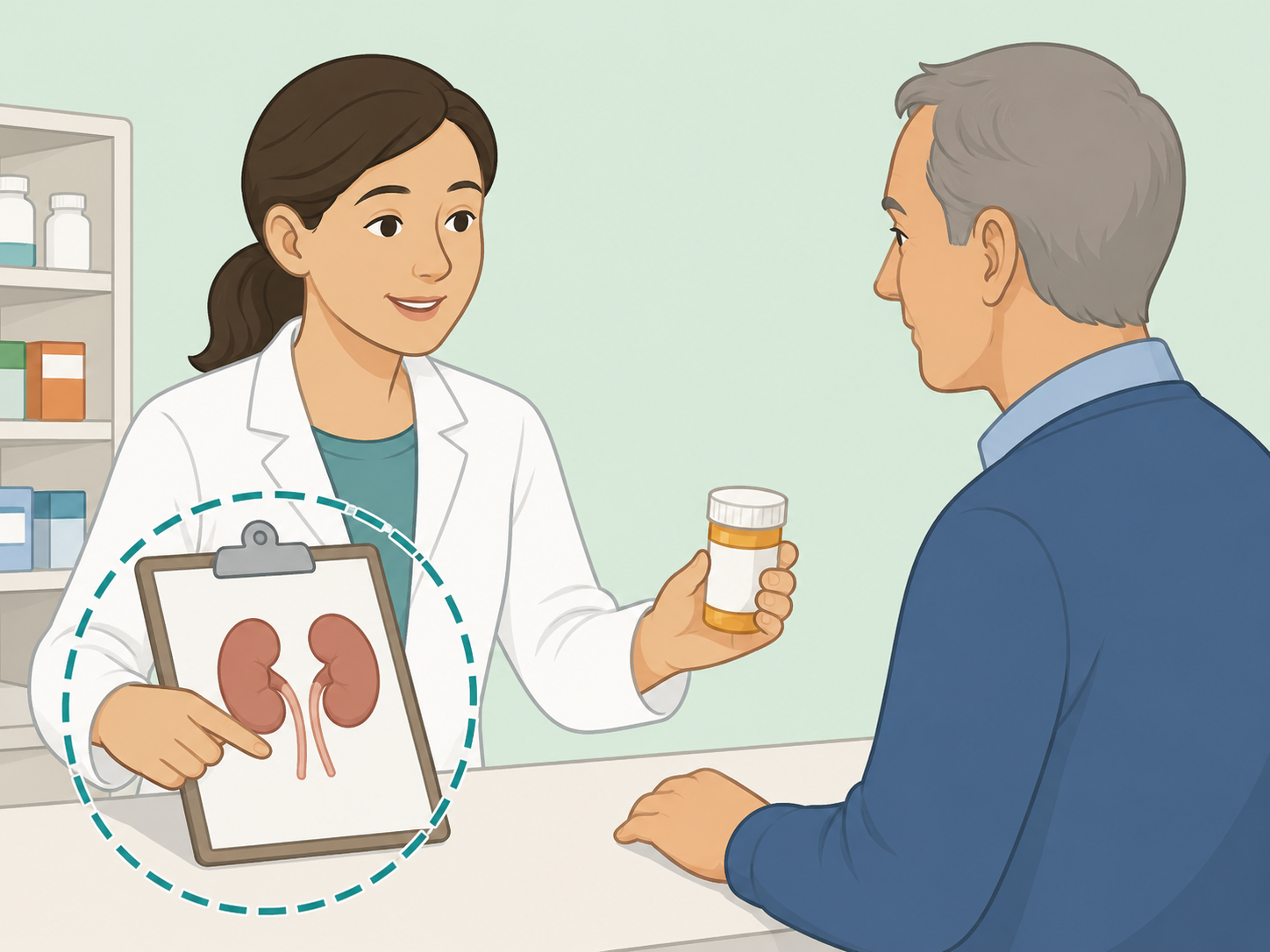
Some antibiotics, antifungals, and antivirals leave the body through the kidneys and may need a lower dose or less frequent dosing when kidney function is reduced. The National Kidney Foundation also notes that untreated infection is often the bigger danger, so the answer is usually dose adjustment, not avoiding treatment. Tell the prescriber if you have CKD or abnormal kidney tests.
Make a dehydration plan for water pills, ACE inhibitors, and ARBs
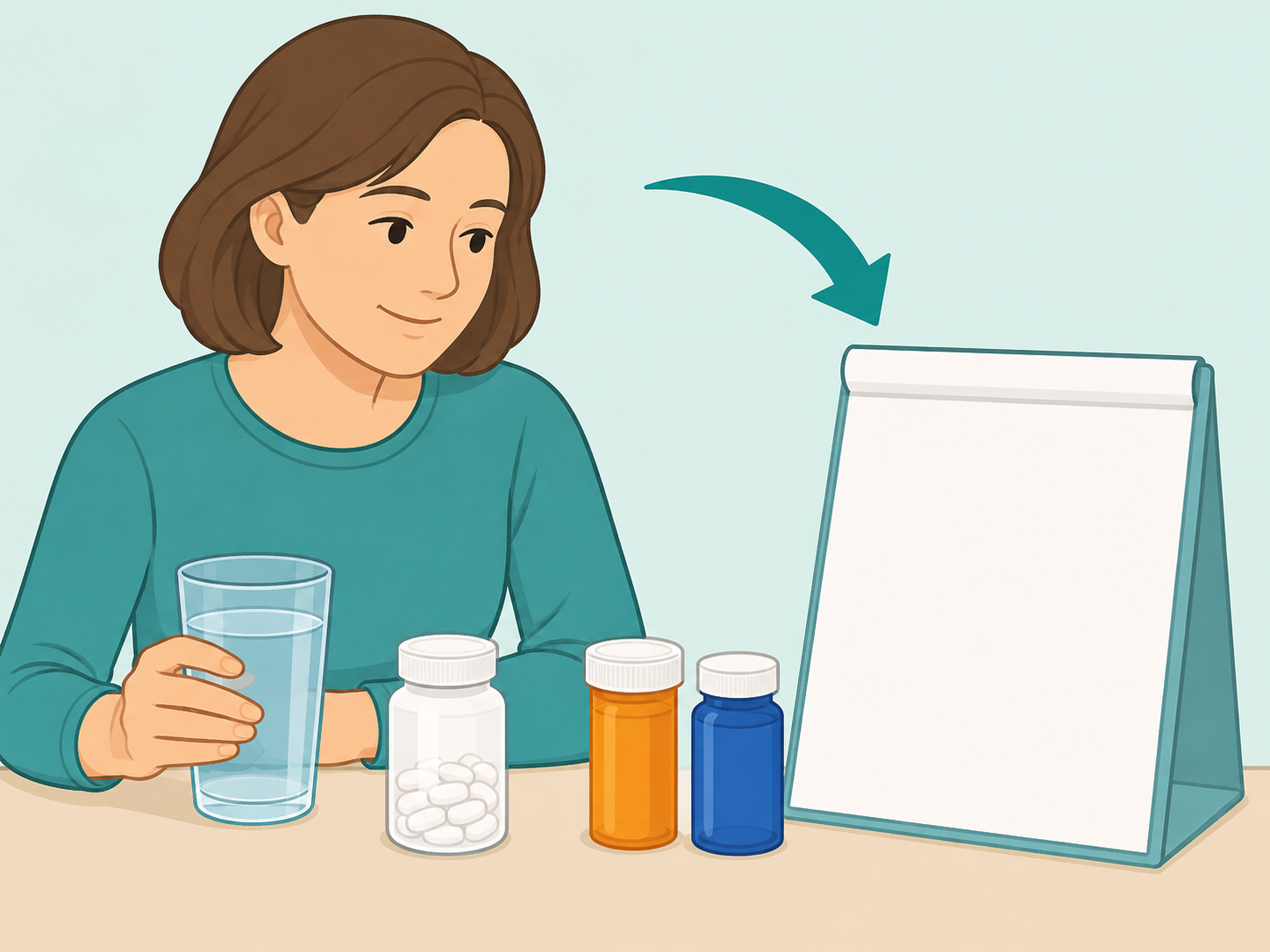
Diuretics, ACE inhibitors, and ARBs are often prescribed to control blood pressure and may help protect kidneys in normal circumstances. During vomiting, diarrhea, fever, poor fluid intake, or low blood pressure, however, the NIDDK advises asking ahead of time whether any medicines should be paused until you recover. Get that plan from your own clinician before you are sick.
Review diabetes medicines, lithium, and supplements
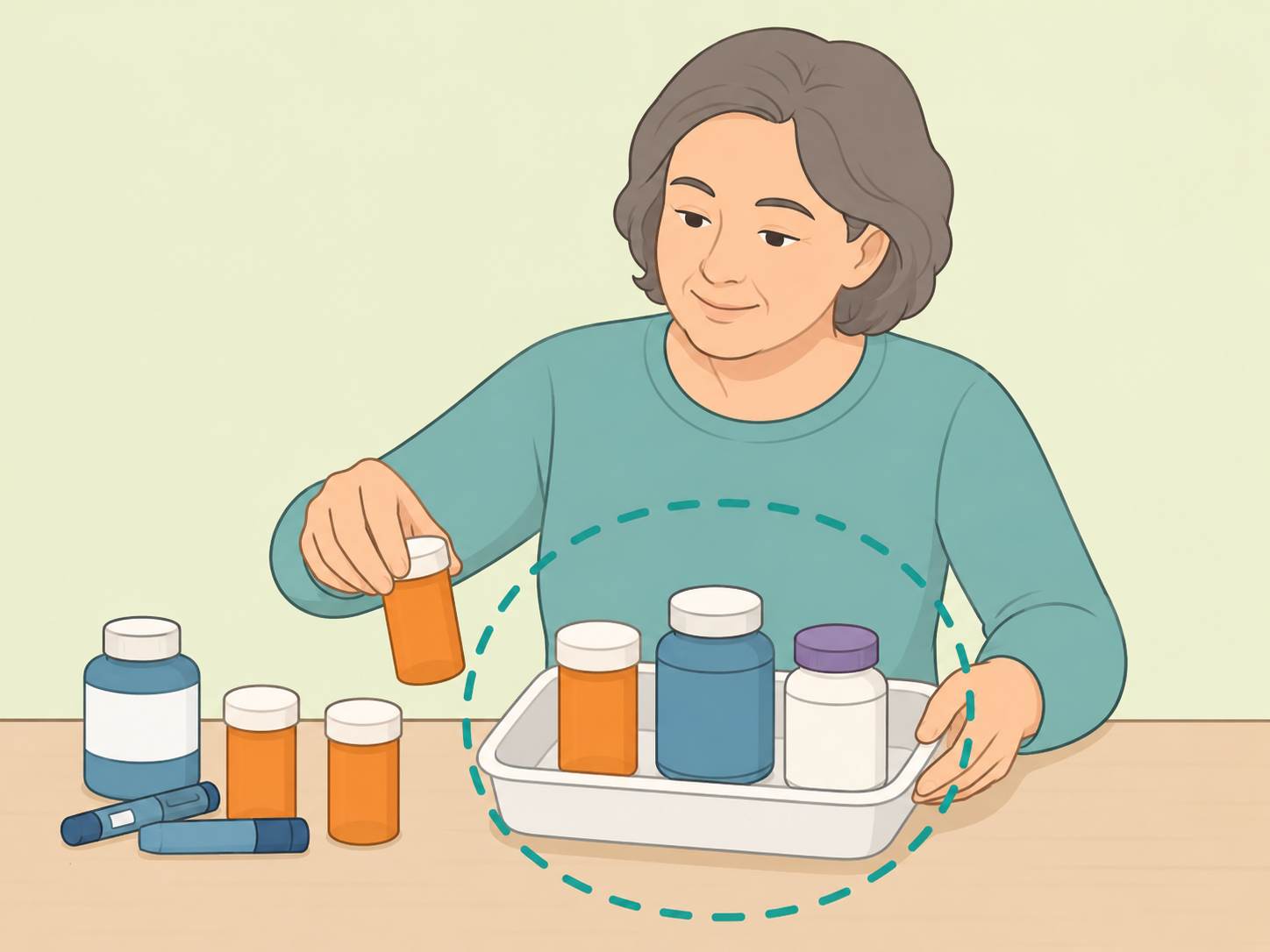
Some diabetes medicines, including metformin, glyburide, and glimepiride, may need adjustment as eGFR falls, and MedlinePlus advises people taking lithium to tell their clinician about kidney disease or severe fluid-loss illness. Supplements matter too: Cleveland Clinic warns that some herbs and nutritional supplements are associated with kidney injury or interactions. Bring all prescription bottles, OTC products, and supplements to appointments.
Check your kidney function if you have risk factors
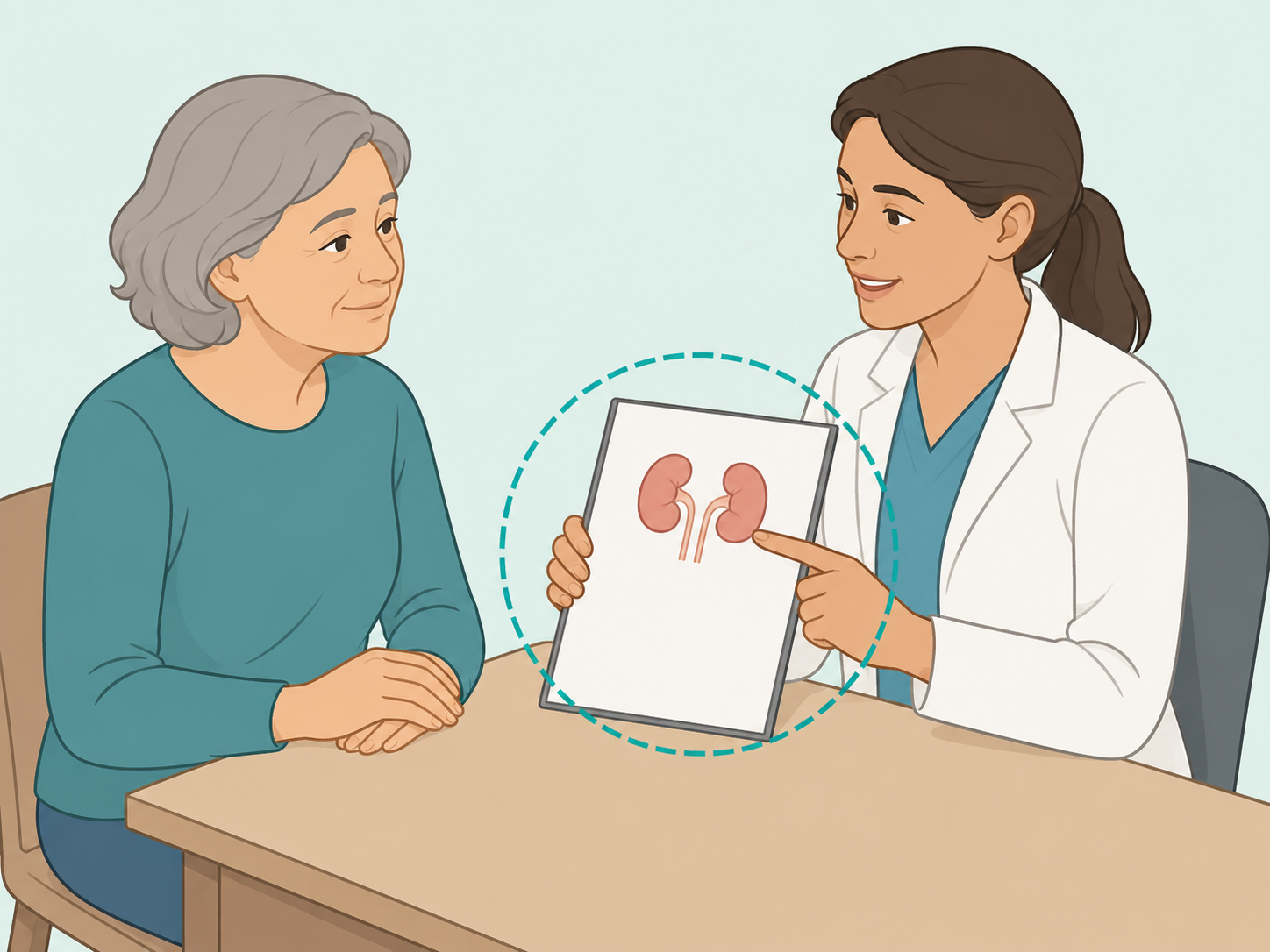
Kidney problems can be quiet at first, and MedlinePlus notes that chronic kidney disease may not cause symptoms until kidney function is much worse. Ask about kidney testing if you have diabetes, high blood pressure, heart disease, a history of kidney problems, or long-term use of medicines that can affect the kidneys. Regular review helps your clinician decide whether a medicine is still appropriate.
Seek medical help for kidney warning signs
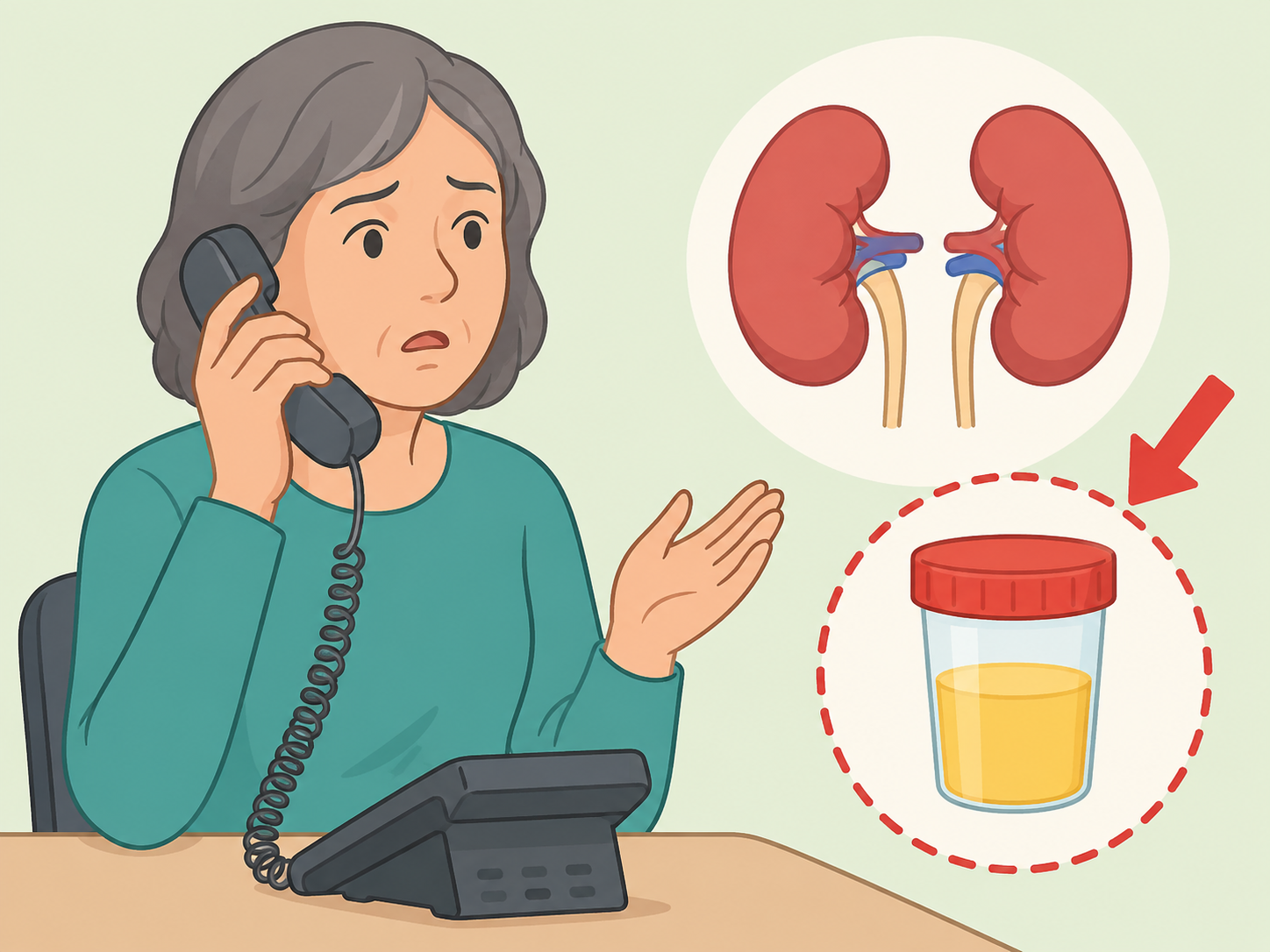
Call a health professional promptly if you notice blood in your urine, a clear drop in urine amount, new swelling, flank or back pain, unusual fatigue, confusion, or symptoms after long-term pain reliever use. MedlinePlus recommends contacting a provider for possible analgesic nephropathy symptoms, especially after long-term painkiller use. Seek urgent care for severe dehydration, fainting, severe weakness, or sudden confusion.
Summary
The bottom line: common medicines are still sold because they can be helpful, but kidney risk rises with high doses, long use, dehydration, kidney disease, and certain combinations. Keep an updated medicine list, read labels, and ask a health professional how your own kidney function changes the safest choice.
Frequently Asked Questions
- Are these medicines bad for everyone?
- No. Many people use them safely. Risk depends on the medicine, dose, length of use, kidney function, dehydration, and other medicines you take.
- Why are they still sold if they can affect kidneys?
- They are still sold or prescribed because they treat real problems and often have a good benefit-risk balance when used correctly. The goal is not to avoid every medicine, but to use the right one in the right way.
- Should I stop a blood pressure pill if I am worried about my kidneys?
- Do not stop a prescribed blood pressure medicine without medical guidance. Some blood pressure medicines can protect kidneys long term, but your clinician may give special instructions for illness, dehydration, or low blood pressure.
- What should I ask my pharmacist before buying an OTC medicine?
- Ask whether the product contains an NSAID, aspirin, acetaminophen, a heartburn medicine, or ingredients that matter with kidney disease. Also ask whether it interacts with your prescriptions.
- What kidney tests should I ask about?
- Ask whether you need blood and urine tests to check kidney function. Your clinician may use results such as creatinine, eGFR, and urine testing to decide whether medicines need adjustment.
- Can supplements affect kidney health too?
- Yes. Some herbs and supplements can affect the kidneys or interact with prescriptions, and labels may not tell the whole story. Bring supplement bottles to medical visits.
References
Reliable references aided in composing and refining this content.
- https://www.niddk.nih.gov/health-information/kidney-disease/keeping-kidneys-safe
- https://medlineplus.gov/ency/article/000482.htm
- https://www.kidney.org/kidney-topics/safe-medicine-use-chronic-kidney-disease?page=1
- https://www.kidney.org/kidney-topics/acute-kidney-injury-aki
- https://health.clevelandclinic.org/supplements-otcs-may-hurt-kidneys
- https://my.clevelandclinic.org/health/diseases/tubulointerstitial-nephritis
- https://medlineplus.gov/druginfo/meds/a681039.html
- https://www.medlineplus.gov/ency/article/000471.htm