
 Pin it
Magnesium is an essential mineral, but supplements are not risk-free for everyone. The main concern is not magnesium from food, but higher-dose supplements and magnesium-containing medicines. This guide explains how to use magnesium more safely, especially if you have kidney disease or take medicines that can interact with it.
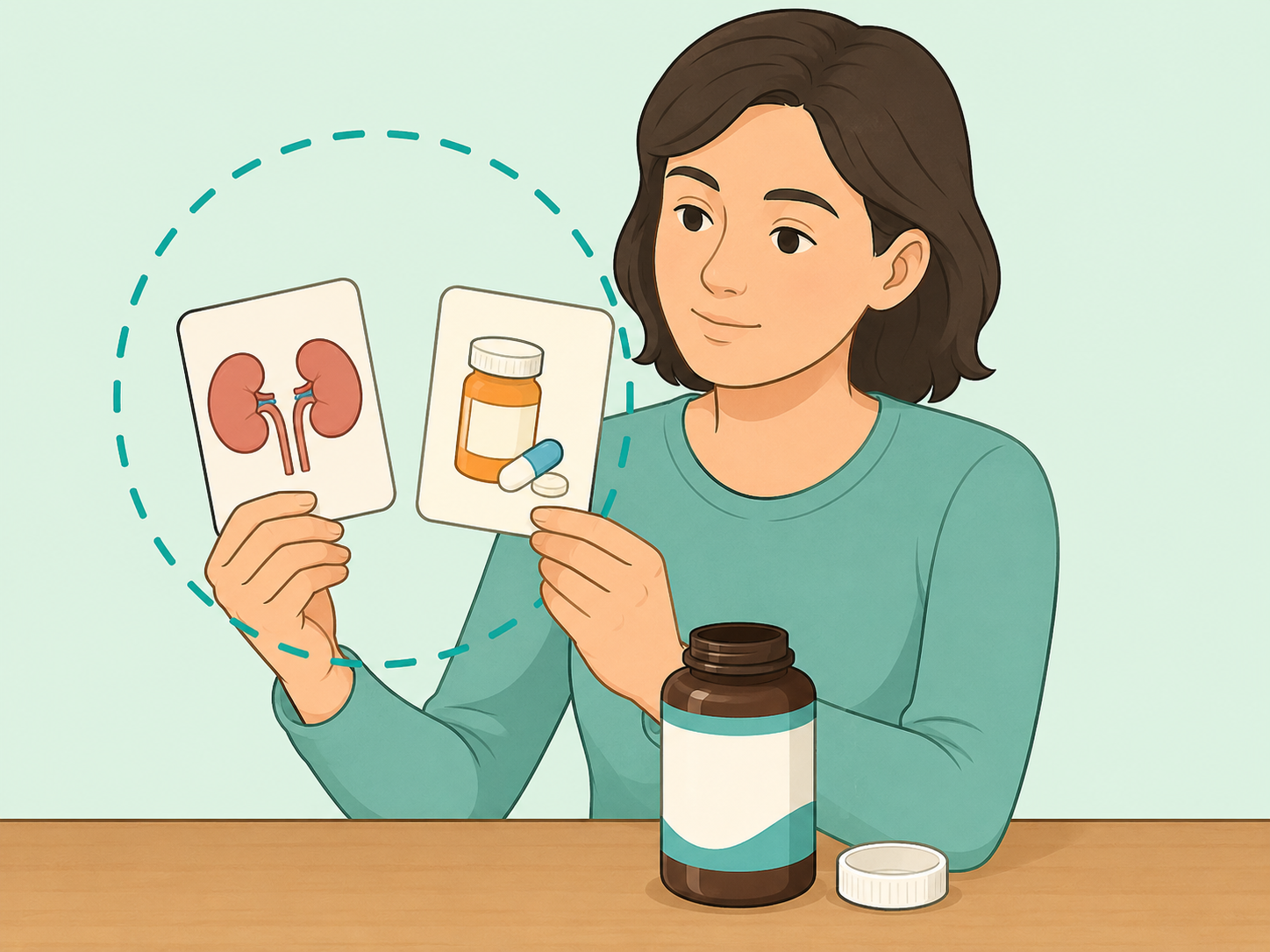
Check whether you are in a high-risk group
Be extra cautious if you have chronic kidney disease, kidney failure, are on dialysis, or have had a kidney transplant, because impaired kidneys may not clear extra magnesium well. Also use caution if you take regular prescription or over-the-counter medicines, since NIH guidance on magnesium lists several medication interactions.
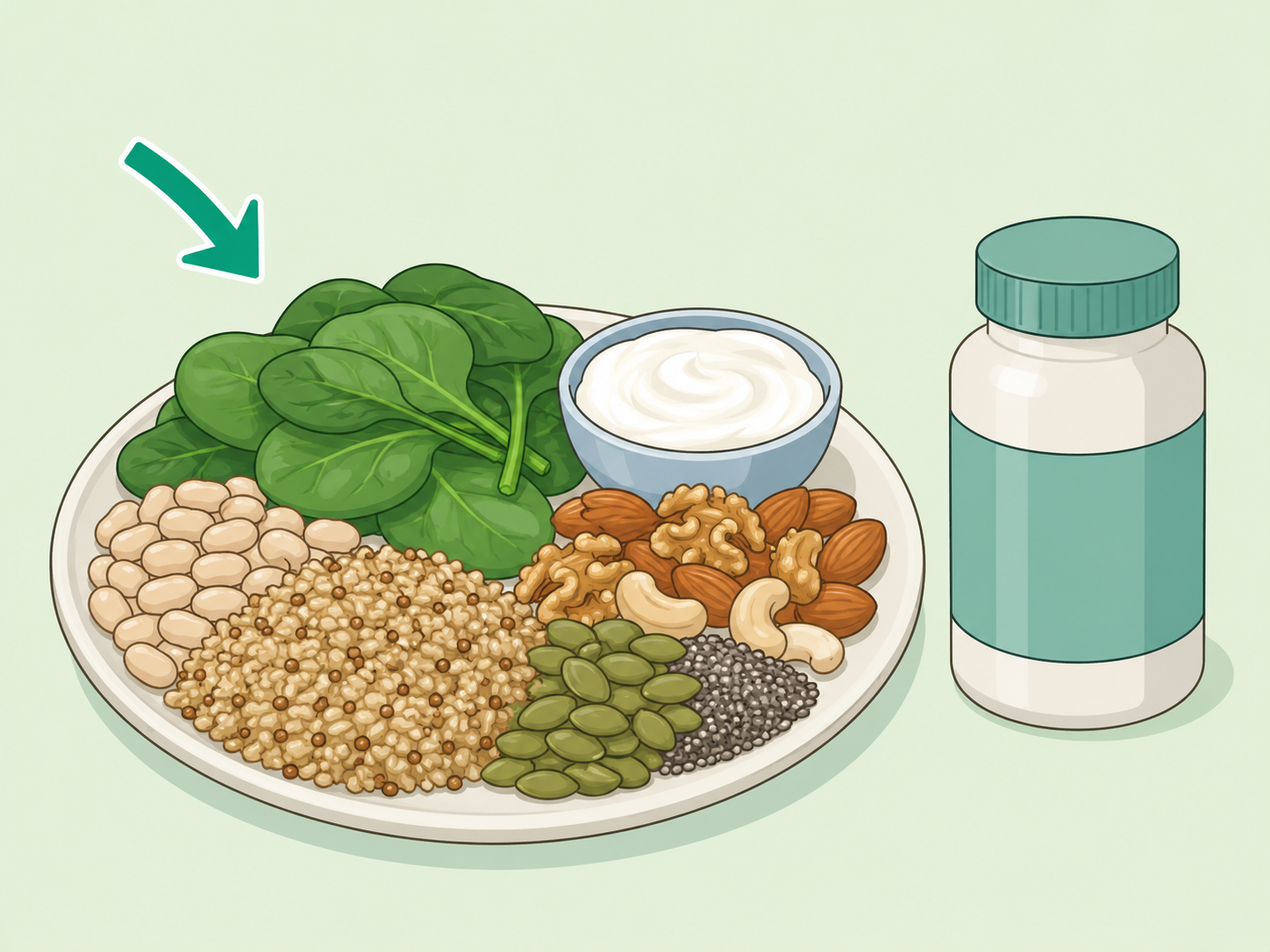
Choose magnesium-rich foods before adding pills
For many people, food is the safer first step because magnesium naturally present in food does not need to be limited in healthy people, according to the NIH Office of Dietary Supplements. Good sources include legumes, nuts, seeds, whole grains, leafy greens, milk, and yogurt.
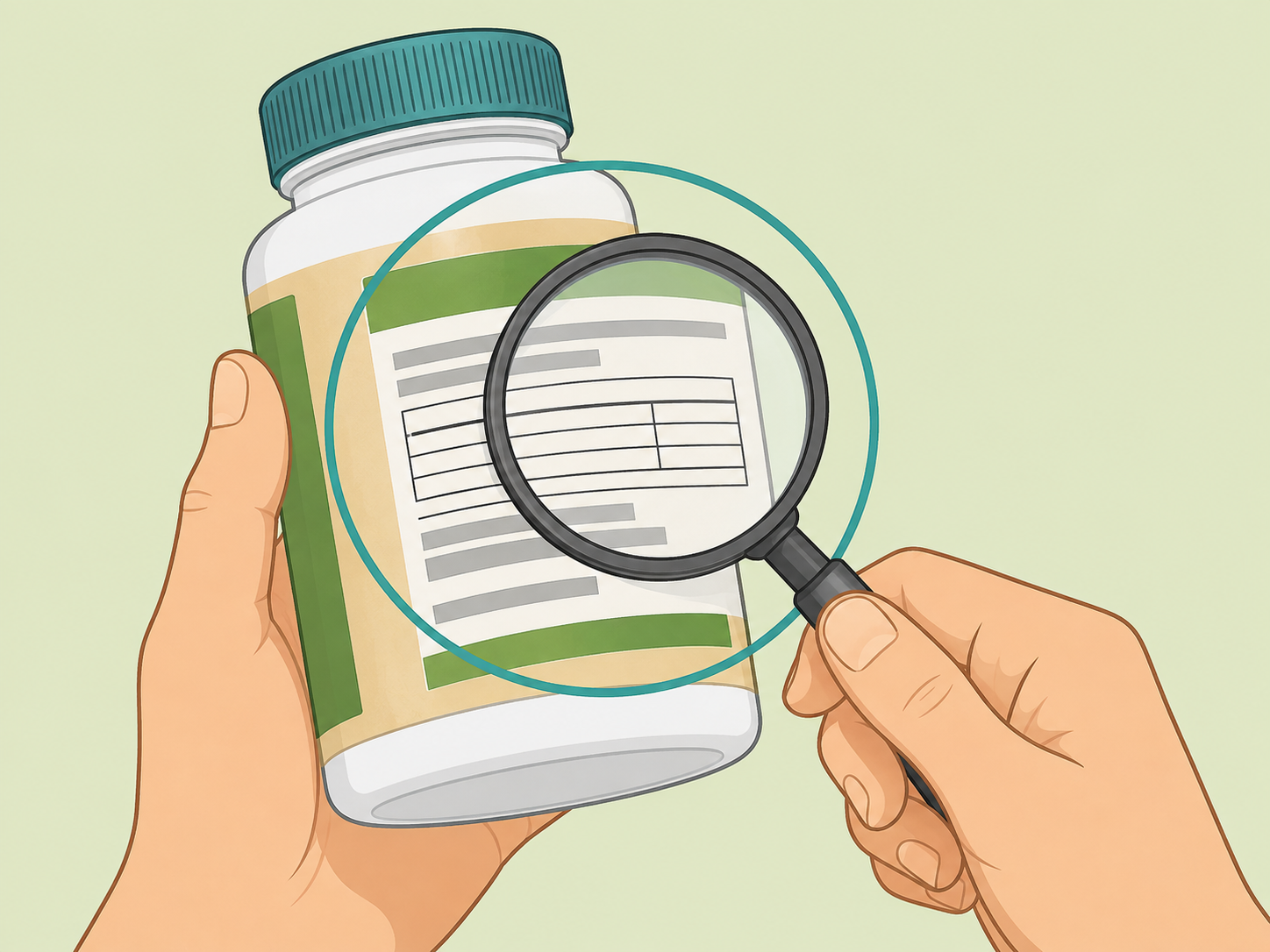
Read the Supplement Facts label carefully
Look for the amount of elemental magnesium per serving and compare it with your total intake from all supplements and magnesium-containing medicines. The NIH sets the adult upper limit at 350 mg per day from supplements and medications unless a health care provider recommends more; this limit does not include magnesium from food.
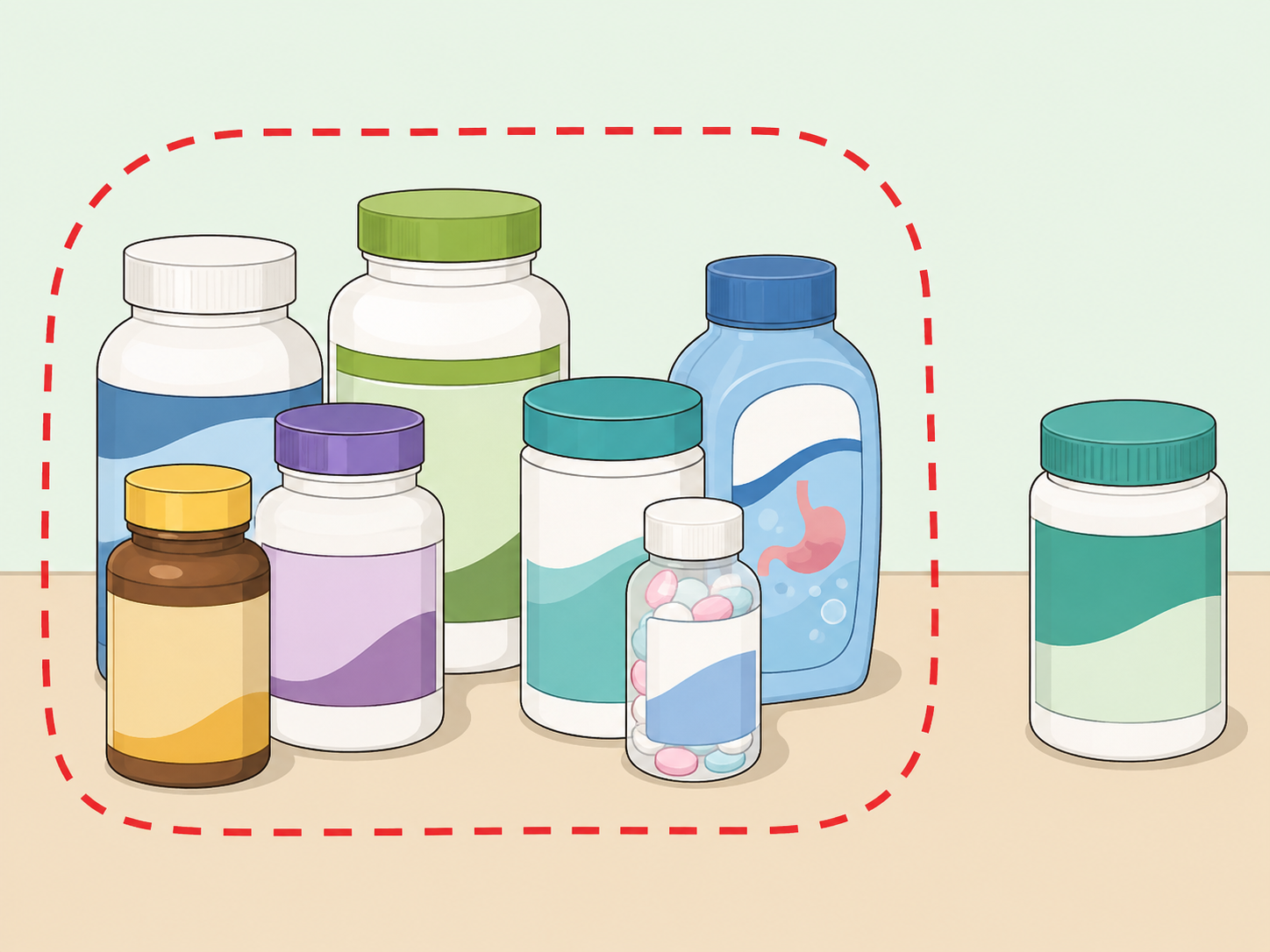
Avoid stacking multiple magnesium products
Magnesium can appear in sleep supplements, multivitamins, electrolyte powders, antacids, and laxatives, so it is easy to take more than you intended. The FDA advises being careful when combining supplements, mixing supplements with medicines, or taking too much of a supplement.

Ask a clinician first if you have kidney disease
If you have kidney disease, do not start magnesium without asking your doctor, kidney dietitian, or pharmacist. The National Kidney Foundation warns that people with chronic kidney disease may hold on to some nutrients longer and may need monitoring instead of self-directed supplements.

Review every medication with a pharmacist
Tell your pharmacist about magnesium before taking it with antibiotics, osteoporosis medicines such as bisphosphonates, diuretics, long-term acid reducers, lithium, or medicines with a narrow safety range. NCCIH explains that supplement-medication interactions can raise or lower a medicine’s effect, so timing and dose decisions should be individualized.

Watch for side effects and high magnesium symptoms
Stop and seek medical advice if magnesium causes persistent diarrhea, nausea, cramping, unusual weakness, drowsiness, confusion, low blood pressure symptoms, trouble breathing, or a fast, slow, or irregular heartbeat. MedlinePlus notes that high magnesium is uncommon but most often happens in people with kidney failure.
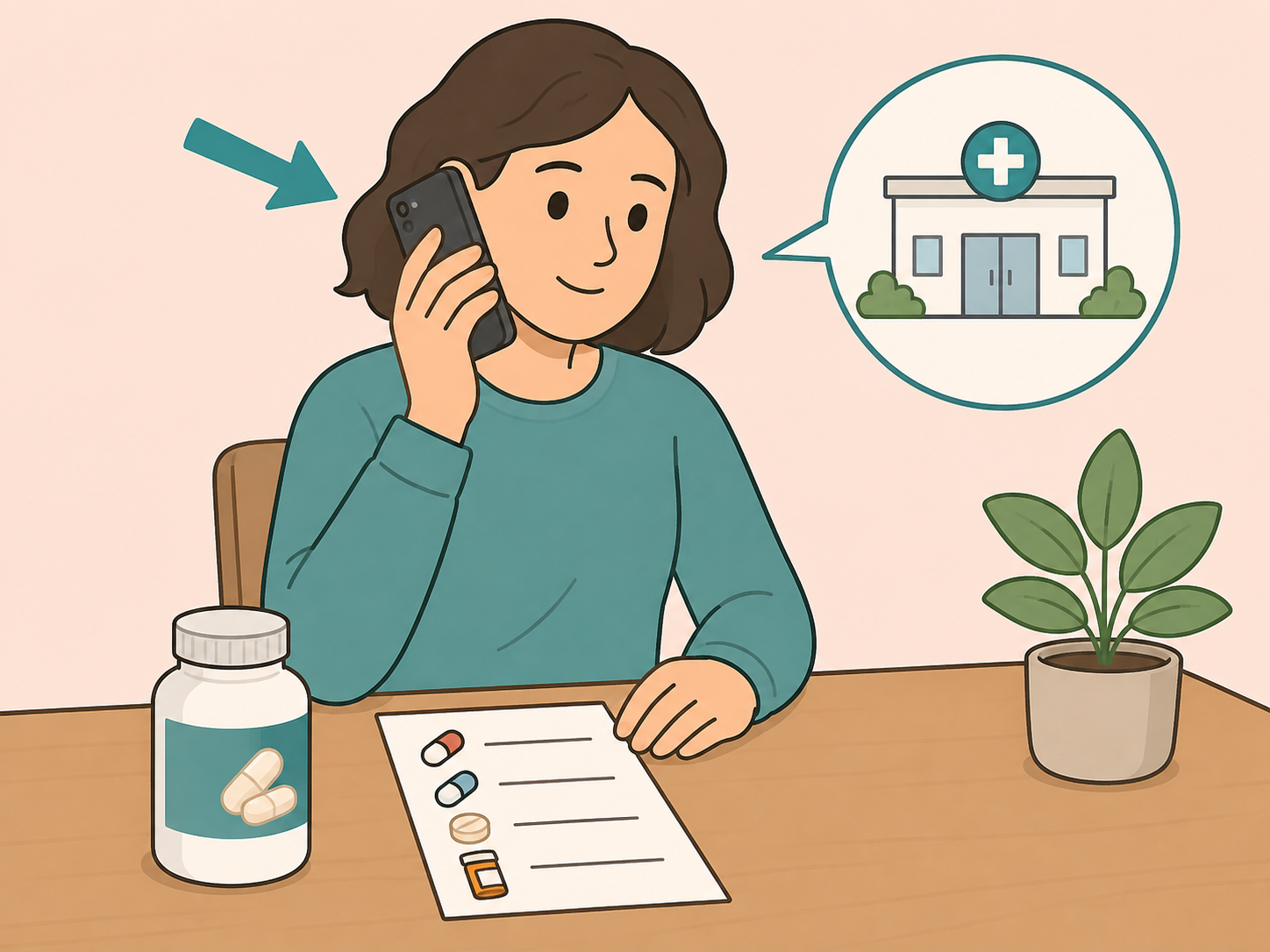
Seek medical help before continuing if symptoms appear
Call your doctor promptly if side effects are more than mild, if you have kidney disease, or if you are unsure whether magnesium is affecting a medication. Mayo Clinic’s magnesium sulfate guidance says kidney disease requires caution and that you should not use more than directed by a clinician or the product label.
Summary
The bottom line: magnesium from food is generally the safest starting point, while supplements deserve extra caution if you have reduced kidney function or take regular medications. Check labels, avoid stacking products, and ask a doctor or pharmacist before starting or increasing magnesium.
Frequently Asked Questions
- Who should be most careful with magnesium supplements?
- People with reduced kidney function and people who take regular medications should be especially careful. Kidney problems can make it harder to clear extra magnesium, and some medicines can interact with magnesium or affect magnesium levels.
- Is magnesium from food risky?
- For most healthy people, magnesium from foods such as nuts, seeds, beans, whole grains, dairy, and leafy greens is not the main concern. The safety issue is usually higher-dose magnesium from supplements, antacids, or laxatives.
- What medicines can interact with magnesium?
- Magnesium can interfere with some antibiotics and oral bisphosphonates, and some diuretics or long-term acid-reducing medicines can affect magnesium levels. A pharmacist can tell you whether your doses should be separated or avoided.
- What side effects can too much supplemental magnesium cause?
- Too much supplemental magnesium commonly causes diarrhea, nausea, and abdominal cramping. Very high levels can cause more serious symptoms, including weakness, confusion, low blood pressure, trouble breathing, and irregular heartbeat.
- Can I take magnesium for sleep or anxiety?
- Do not treat magnesium as a guaranteed sleep or anxiety remedy. If you want to try it, check with a health professional first, especially if you have kidney disease, are pregnant, or take prescription or over-the-counter medicines.
- Should I stop a prescribed medicine because I want to take magnesium?
- No. Do not stop or change prescribed medication on your own. Ask your doctor or pharmacist how to manage magnesium safely with your current medicines.
References
Reliable references aided in composing and refining this content.
- https://ods.od.nih.gov/factsheets/magnesium-consumer
- https://ods.od.nih.gov/factsheets/magnesium-healthprofessional
- https://medlineplus.gov/lab-tests/magnesium-blood-test
- https://www.mayoclinic.org/drugs-supplements/magnesium-sulfate-oral-route-topical-application-route-route-not-applicable/description/drg-20088513
- https://www.nccih.nih.gov/health/know-science/how-medications-and-supplements-can-interact/introduction
- https://www.fda.gov/consumers/consumer-updates/fda-101-dietary-supplements
- https://www.kidney.org/news-stories/hidden-risks-herbal-supplements-and-vitamins-people-ckd