
 Pin it
Romance can make love feel exciting, but loyalty is what helps it feel safe and lasting. Loyalty is not blind devotion or tolerating harm; it is the steady pattern of respect, honesty, care, and accountability that lets two people trust each other. This guide shows practical ways to make loyalty visible in everyday love.
Define loyalty as daily reliability
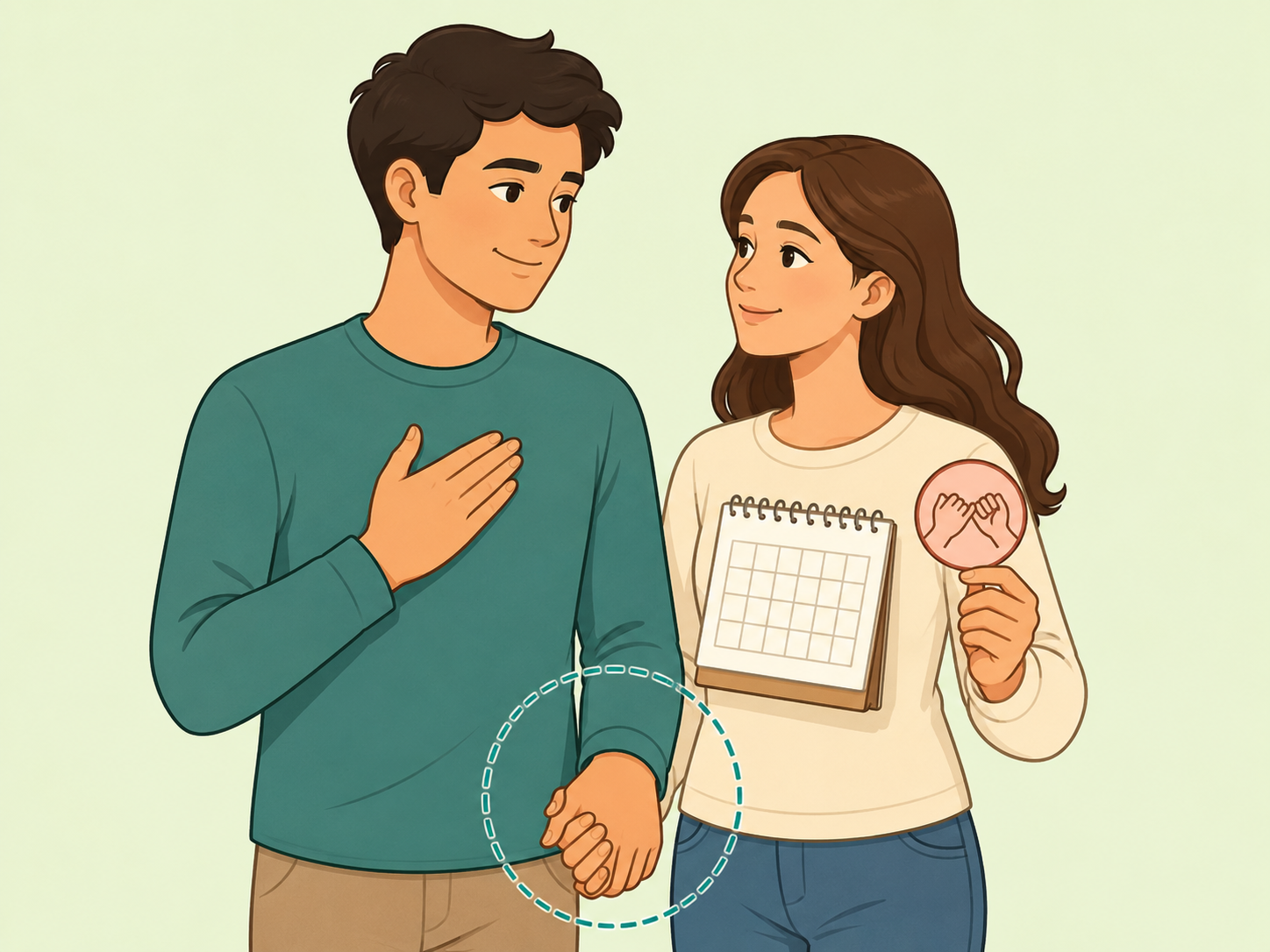
Think of loyalty as what your partner can count on from you, not as one dramatic proof of love. Healthy relationships commonly include trust, support, respect, honesty, equality, and boundaries, according to love is respect's healthy relationship guidance. Ask yourself whether your everyday choices make your partner feel considered, safe, and valued.
Tell the truth before small secrets grow
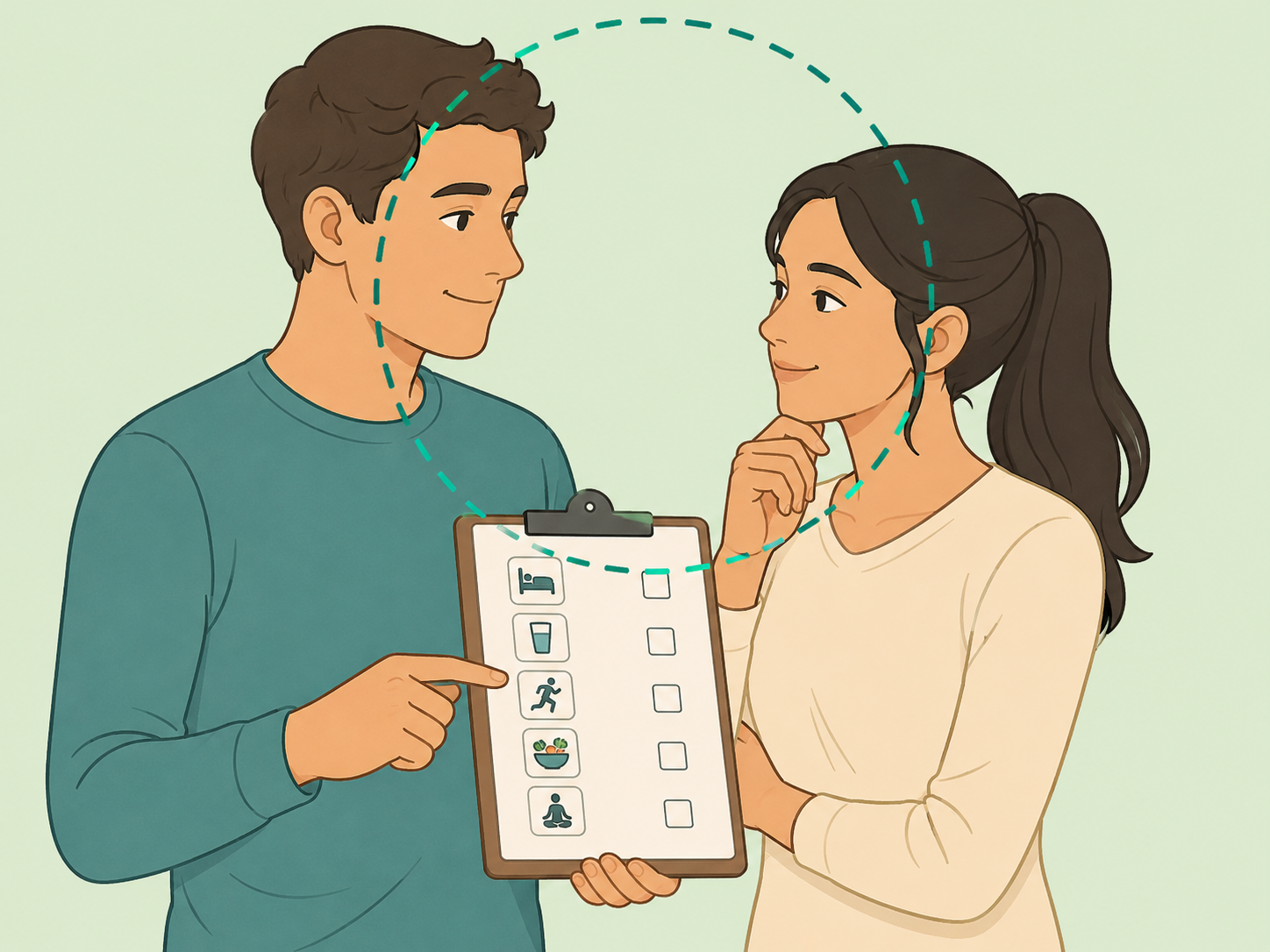
Be honest about feelings, plans, money concerns, past issues that still affect the relationship, and anything else your partner reasonably needs to know. Utah State University Extension lists honesty, trust, calm discussion, privacy, and support as signs of a healthy relationship in its relationship health overview. Truth spoken early and kindly is usually easier to repair than truth discovered late.
Keep promises you can actually keep
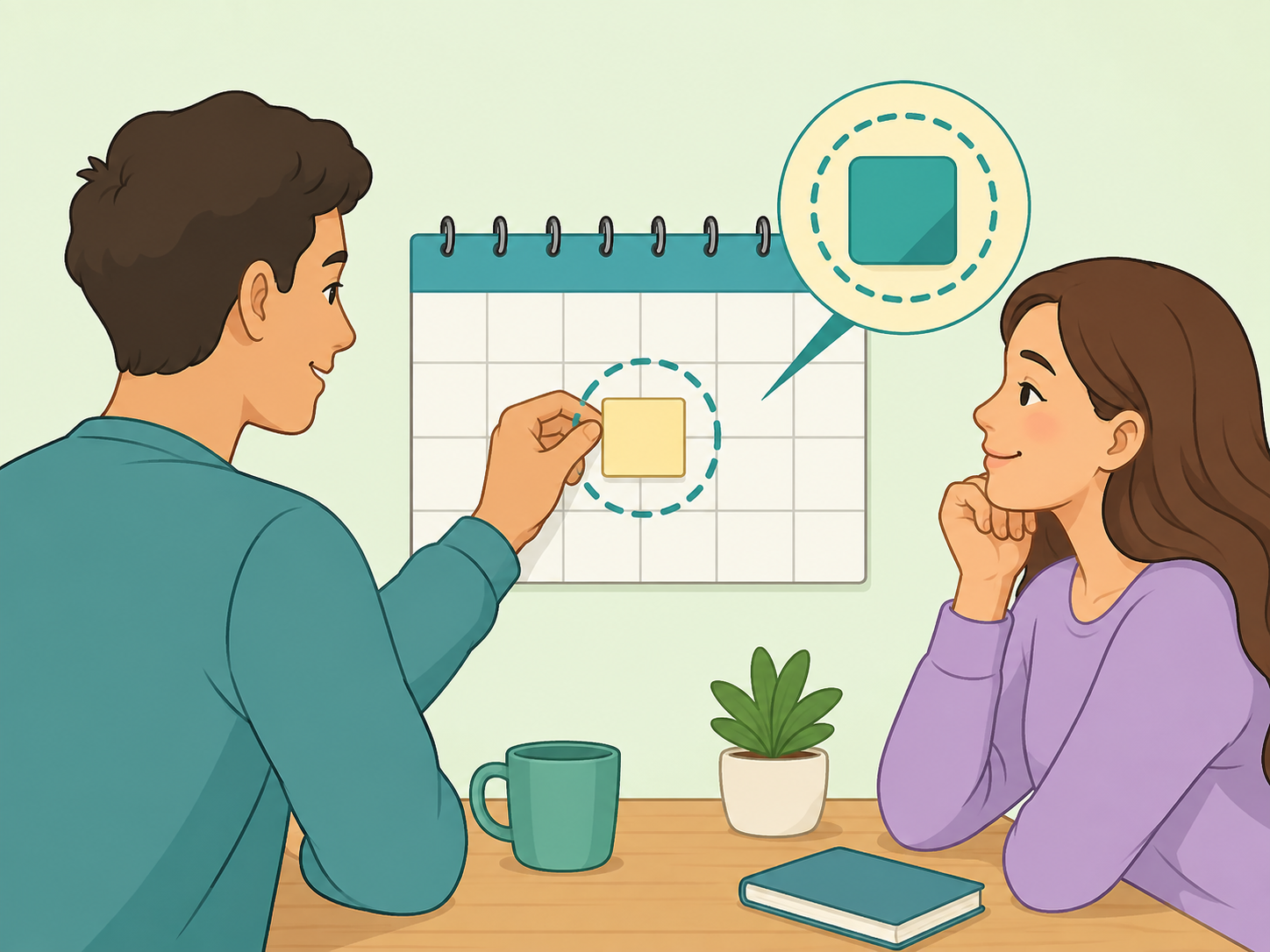
Do not promise constant availability, perfect moods, or instant change just to sound loving in the moment. Make smaller commitments that you can follow through on, such as calling when you say you will, being on time, or checking in after a hard day. Loyalty becomes visible when your pattern is dependable.
Protect trust with clear boundaries
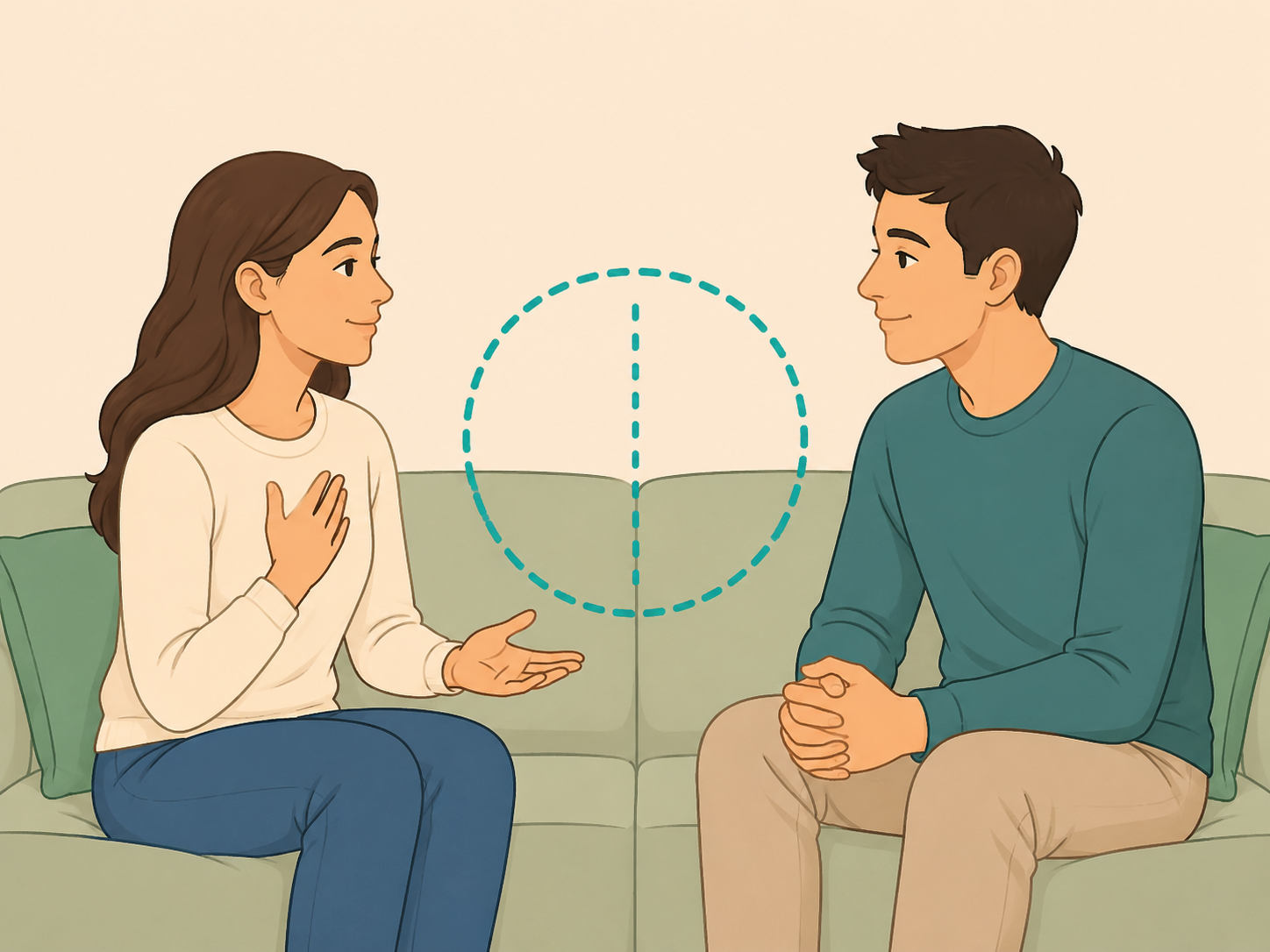
Talk openly about what feels respectful around privacy, friendships, social media, flirting, family involvement, money, and time apart. Boundaries help partners understand what is and is not okay, and love is respect explains that clear boundaries and expectations can help build security and trust. Loyalty means honoring a boundary even when it is inconvenient or different from what you expected.
Show up when life is not romantic
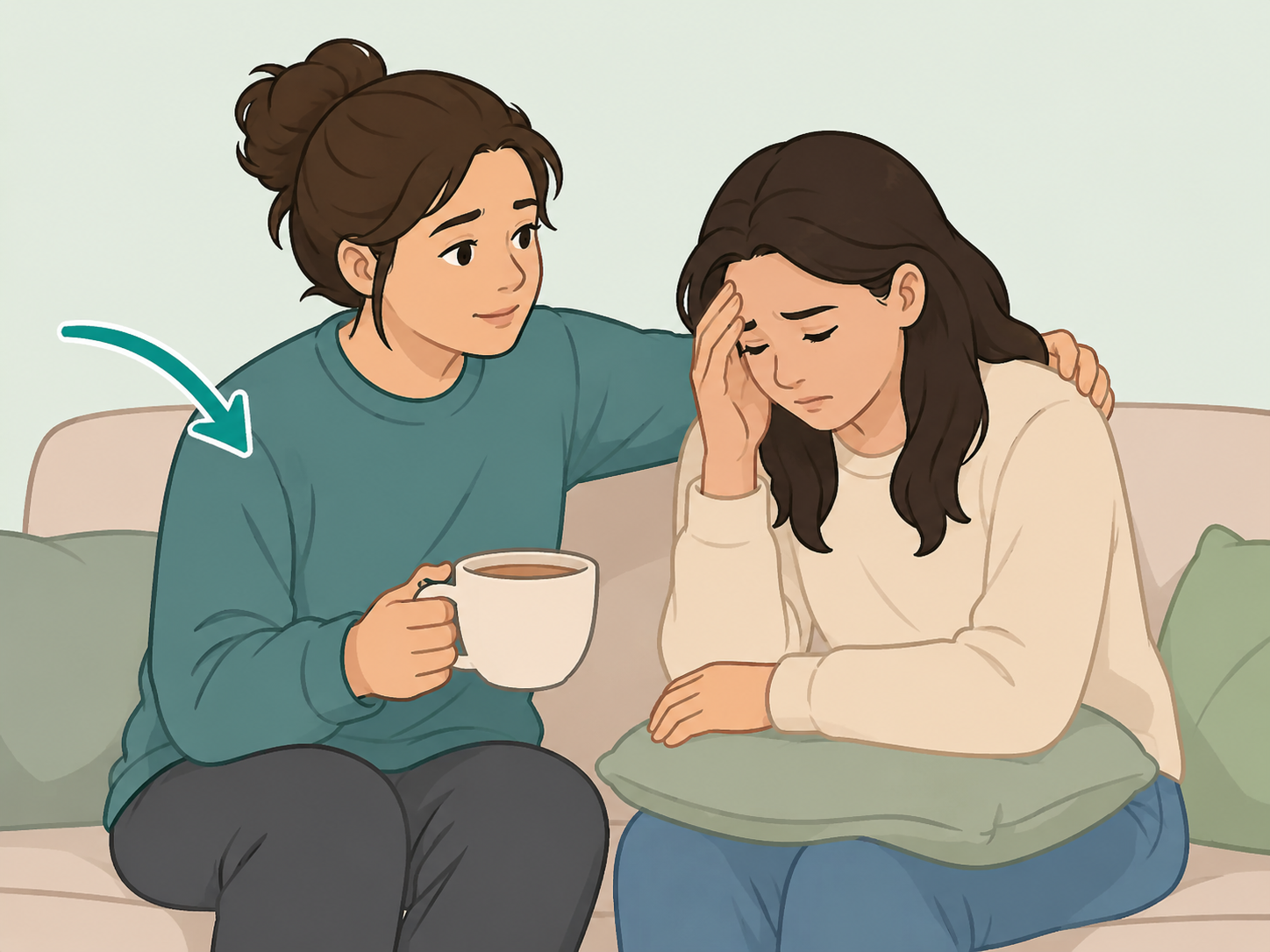
Loyalty often speaks loudest during ordinary stress: illness, grief, work pressure, family problems, or a disappointing day. Support does not always mean fixing the problem; it can mean listening, helping with a practical task, or staying calm when emotions are high. A relationship feels stronger when both people feel safe and supported, a point also emphasized in USU Extension's signs of healthy relationships.
Handle conflict without attacking character
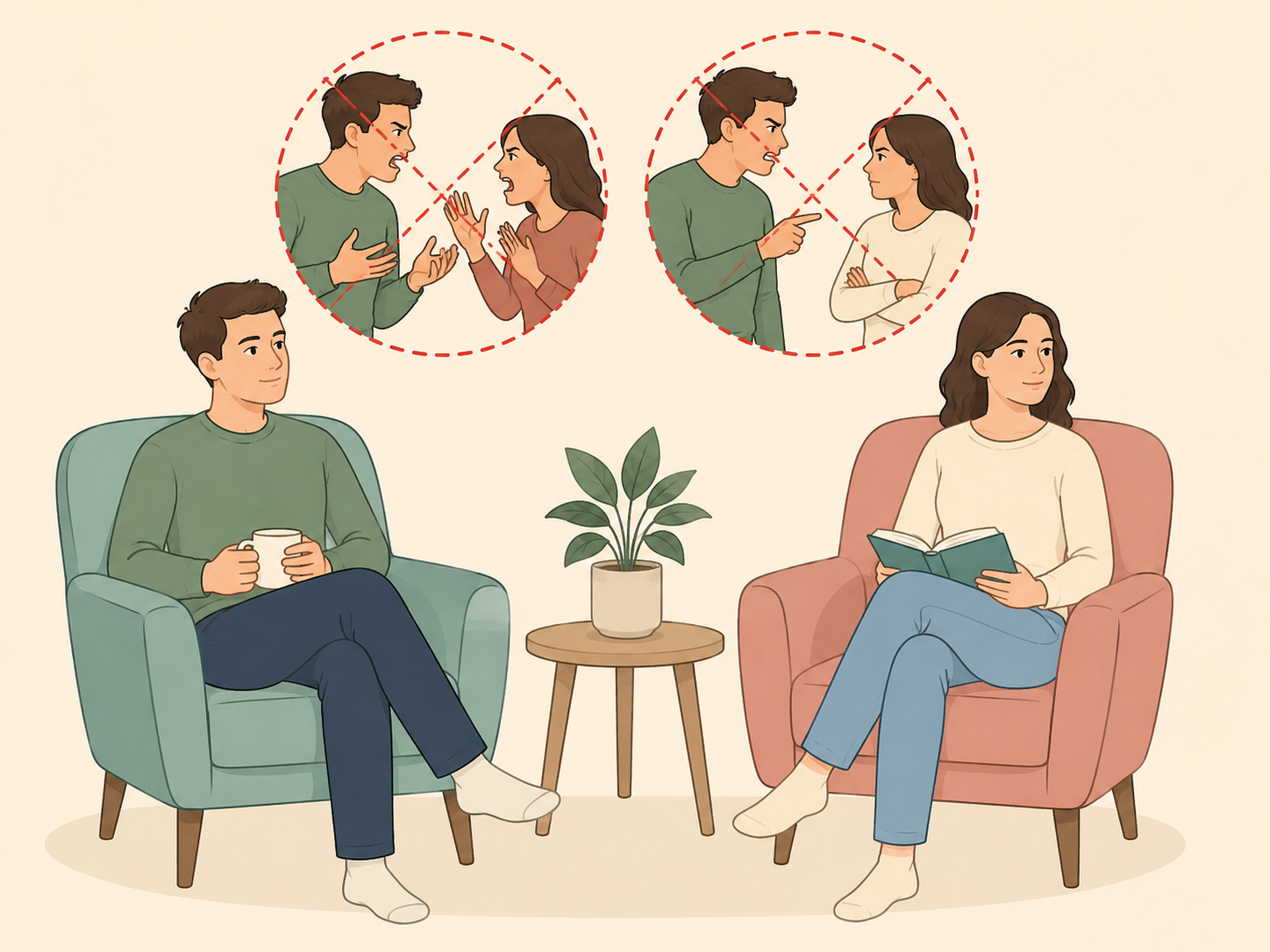
Disagreements are normal, but loyalty means protecting the relationship while you solve the problem. USU Extension notes that conflict can become destructive through blaming, attacking, contempt, defensiveness, or withdrawal, while healthier conflict uses timing, listening, responsibility, and mutually acceptable solutions in its conflict management guidance. Use calm language, take breaks when needed, and return to the issue when you can both think clearly.
Balance closeness with independence
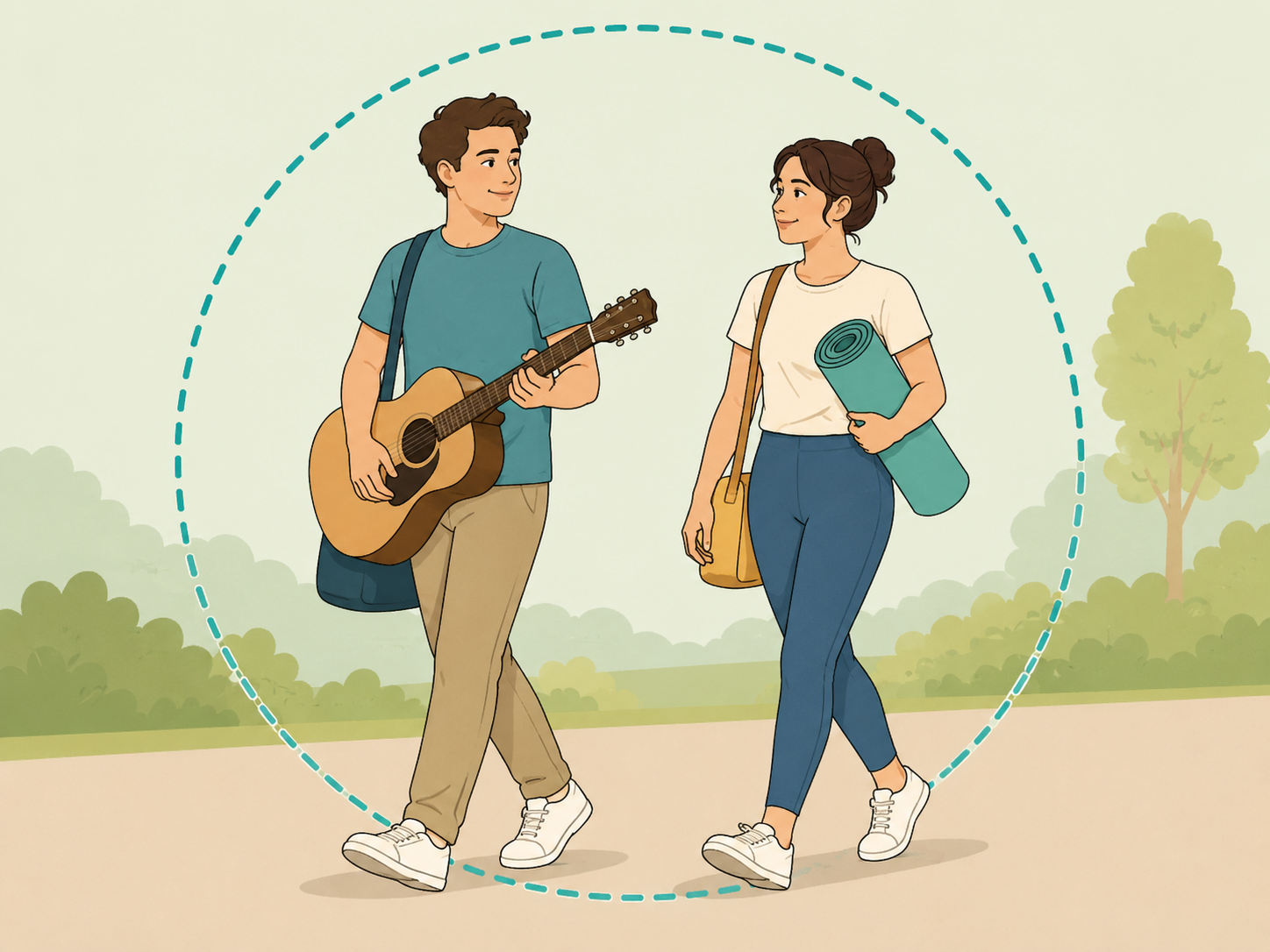
Being loyal does not mean giving up friends, interests, privacy, or personal goals. Healthy relationships allow time together and time apart, and love is respect identifies equality, boundaries, consent, and independence as important green flags. A loyal partner supports who you are, not just the parts of you that revolve around the relationship.
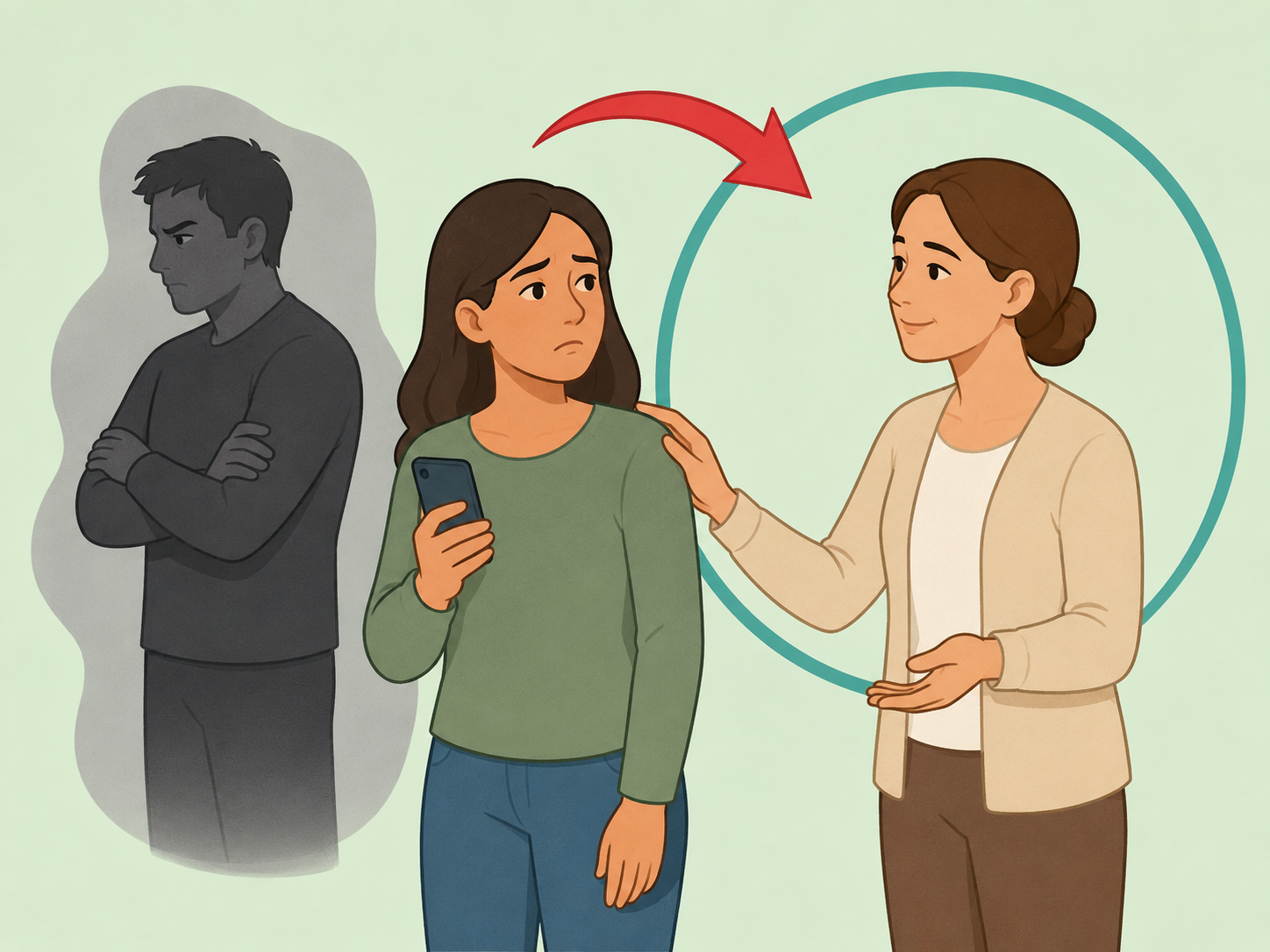
Seek support if love starts to feel unsafe
Loyalty should never require fear, control, isolation, pressure, or enduring abuse. The U.S. health site MyHealthfinder says to get help if a partner is controlling or abusive and to call 911 if you are in immediate danger in its guide to relationship violence warning signs. The CDC explains that intimate partner violence can include physical violence, sexual violence, stalking, and psychological aggression in its overview of intimate partner violence.
Summary
The bottom line: loyalty speaks loudest when your daily choices match your words. Keep promises, tell the truth, respect boundaries, repair conflict fairly, and seek support if the relationship begins to feel unsafe.
Frequently Asked Questions
- Is loyalty more important than romance?
- Loyalty and romance both matter, but they do different jobs. Romance creates closeness and warmth, while loyalty builds the trust that helps a relationship feel steady over time.
- What does loyalty look like in a healthy relationship?
- It looks like honesty, reliability, respect for boundaries, shared decision-making, and support when life is stressful. It also includes accountability when someone makes a mistake.
- Can loyalty become unhealthy?
- Yes. Loyalty is unhealthy when it is used to excuse control, secrecy, pressure, fear, or repeated harm. Healthy loyalty still leaves room for safety, independence, privacy, and honest limits.
- How do I rebuild loyalty after trust is broken?
- Start with a clear apology, honest answers, changed behavior, and realistic time. The person who broke trust needs to be consistent without demanding instant forgiveness.
- Does being loyal mean sharing everything?
- No. Healthy relationships include honesty about things that affect the relationship, but each person can still have privacy, personal thoughts, friendships, and space.
- When should I get outside help?
- Get support if conflicts repeat without repair, one partner feels afraid to speak honestly, boundaries are ignored, or there is pressure, monitoring, threats, isolation, or violence.
References
Reliable references aided in composing and refining this content.
- https://extension.usu.edu/relationships/faq/signs-of-a-healthy-relationship
- https://extension.usu.edu/relationships/research/healthy-conflict-management
- https://www.loveisrespect.org/resources/green-flags-in-relationships
- https://www.loveisrespect.org/resources/boundaries-expectations
- https://odphp.health.gov/myhealthfinder/healthy-living/mental-health-and-relationships/watch-warning-signs-relationship-violence
- https://www.cdc.gov/intimate-partner-violence/about/index.html