
 Pin it
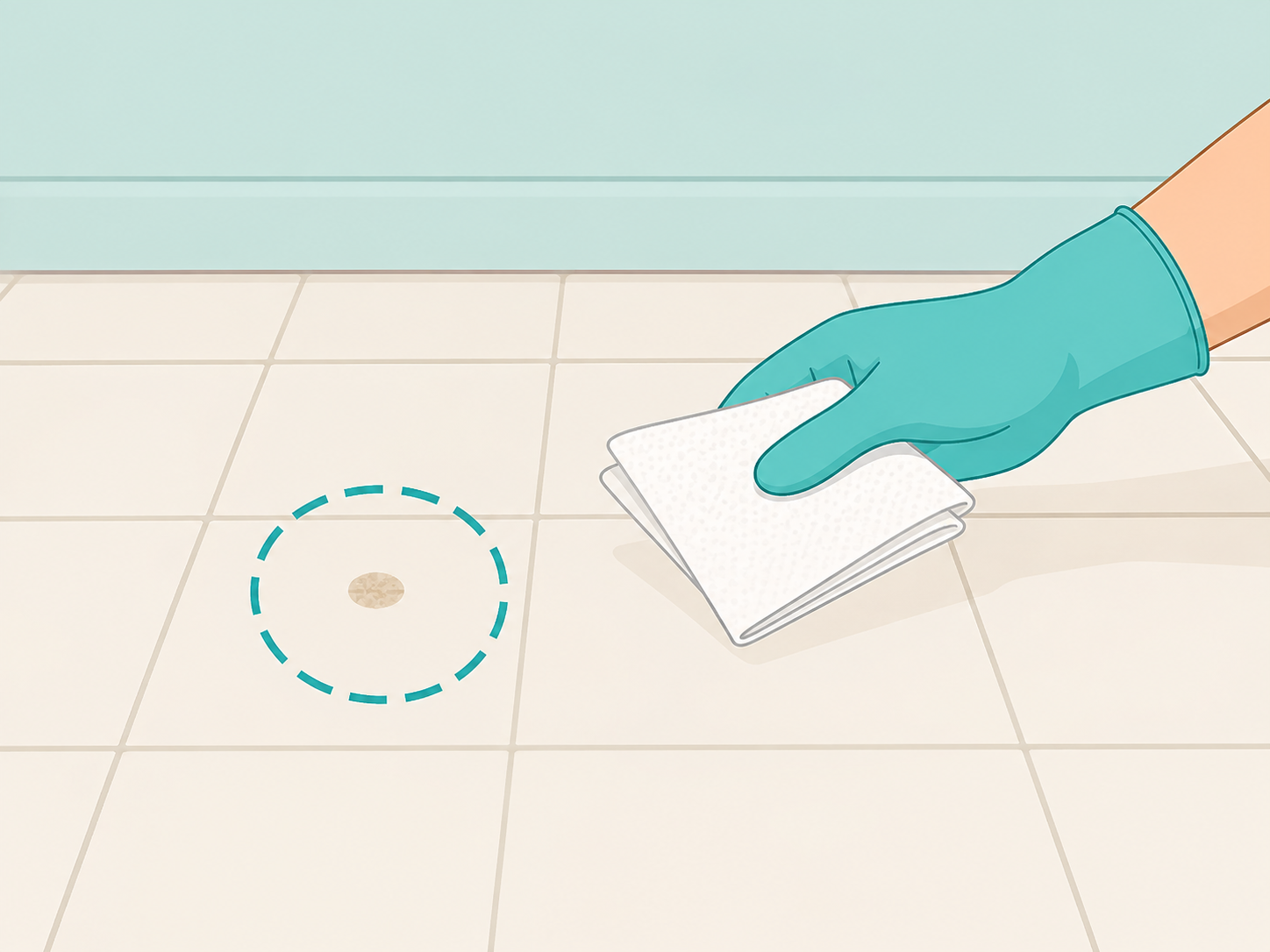
Finding something unfamiliar on a bathroom floor can be awkward, especially when it is not your bathroom. The safest approach is to avoid guessing, protect yourself while cleaning, and think through ordinary bathroom sources before assuming anything personal. This guide explains how to handle the situation calmly and when a health symptom is worth medical attention.
Pause before touching or guessing
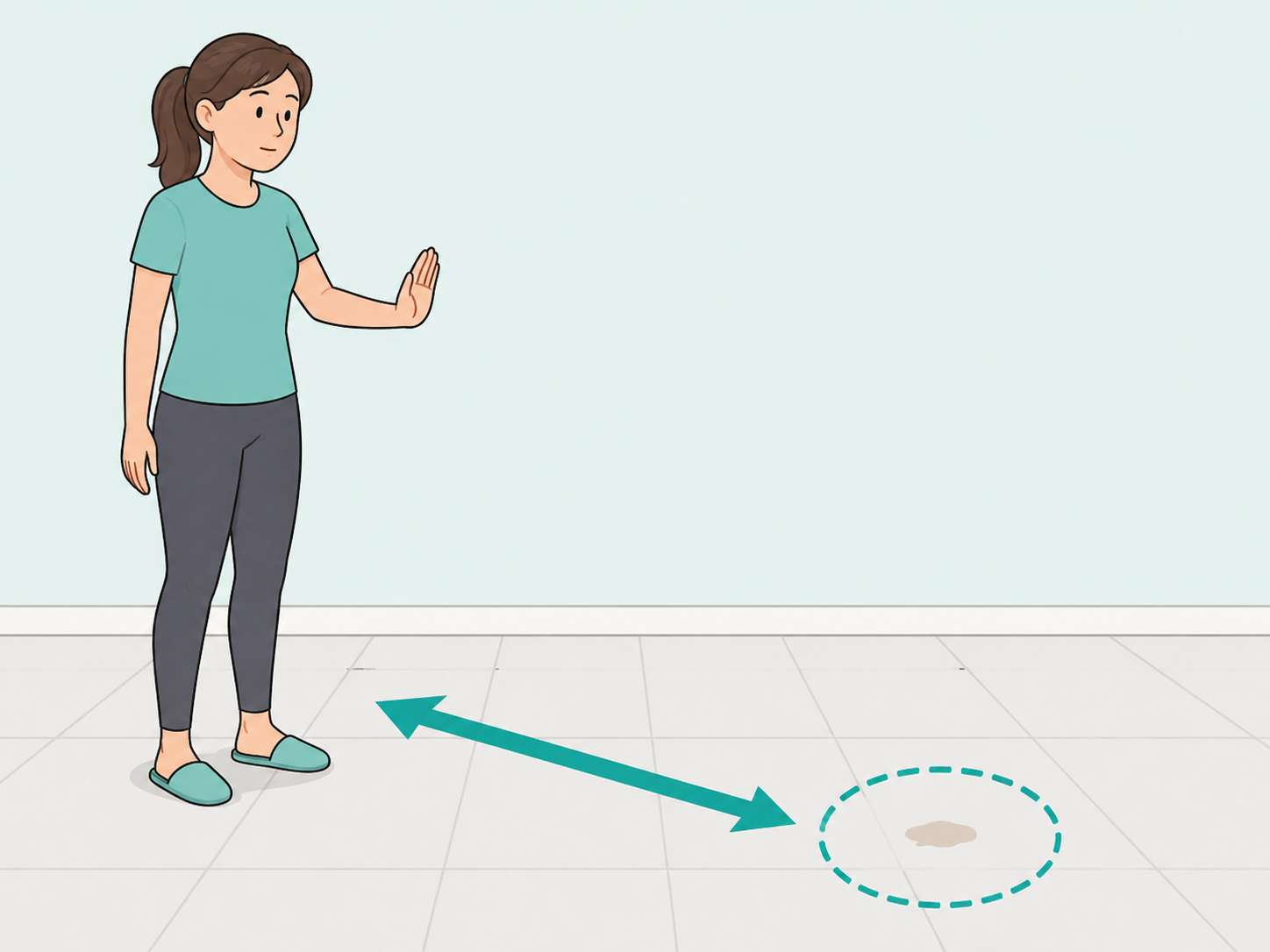
Treat anything unknown on a bathroom floor as a hygiene issue first. Do not pick it up with bare hands, sniff it closely, or try to identify it by contact. The CDC explains that cleaning removes germs and dirt from surfaces, so your first goal is safe handling, not instant identification.
Look for ordinary bathroom sources nearby
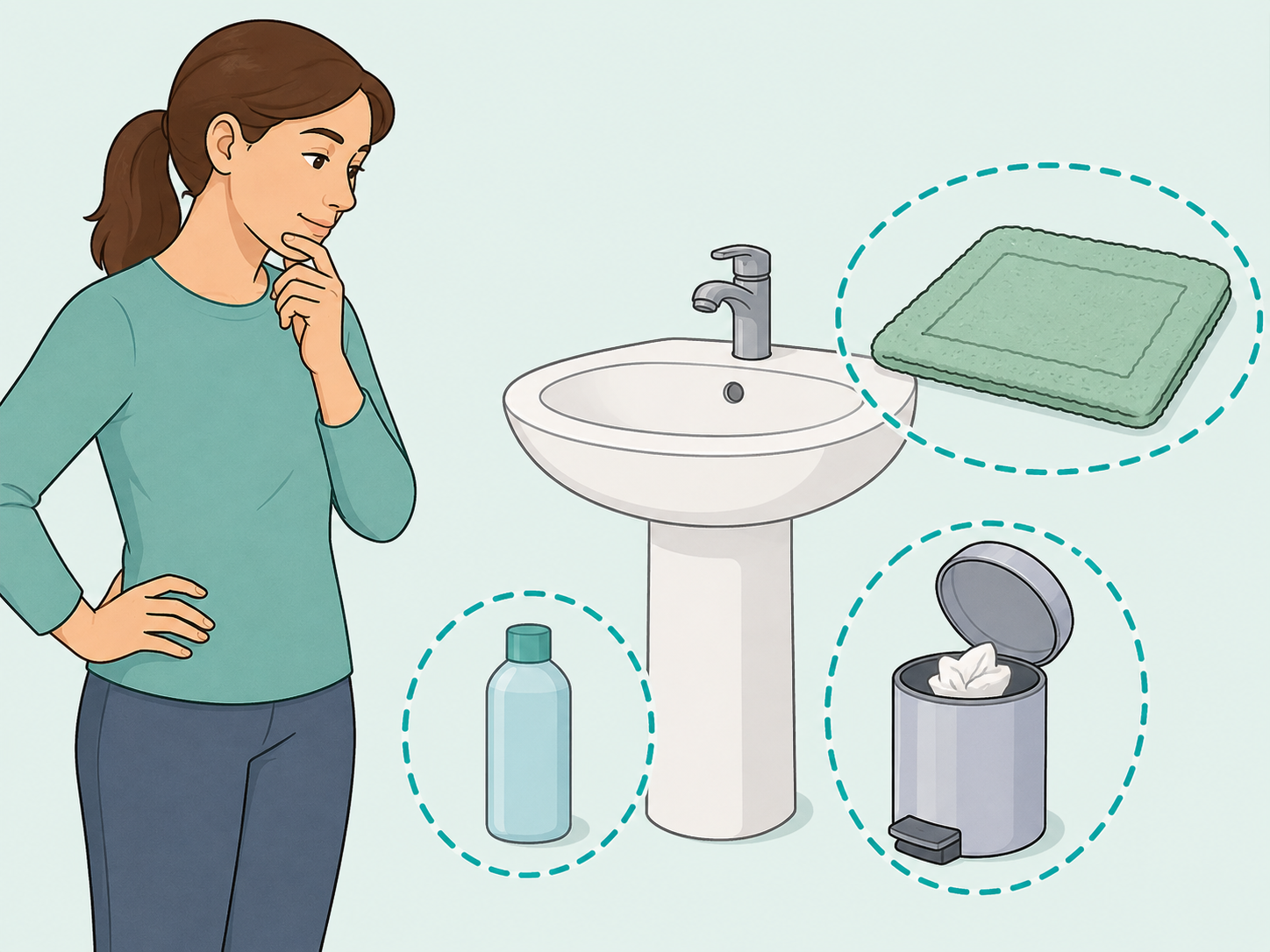
Check the area around the sink, shower, toilet, trash can, bath mat, laundry, and grooming products. A strange mark may be spilled makeup, hair dye, skin-care product, rust, wet lint, soap residue, or something tracked in on a shoe. If it is dry, powdery, sticky, or the same color as a product nearby, a household source is more likely than a medical one.
Treat wet or red material as a possible body fluid
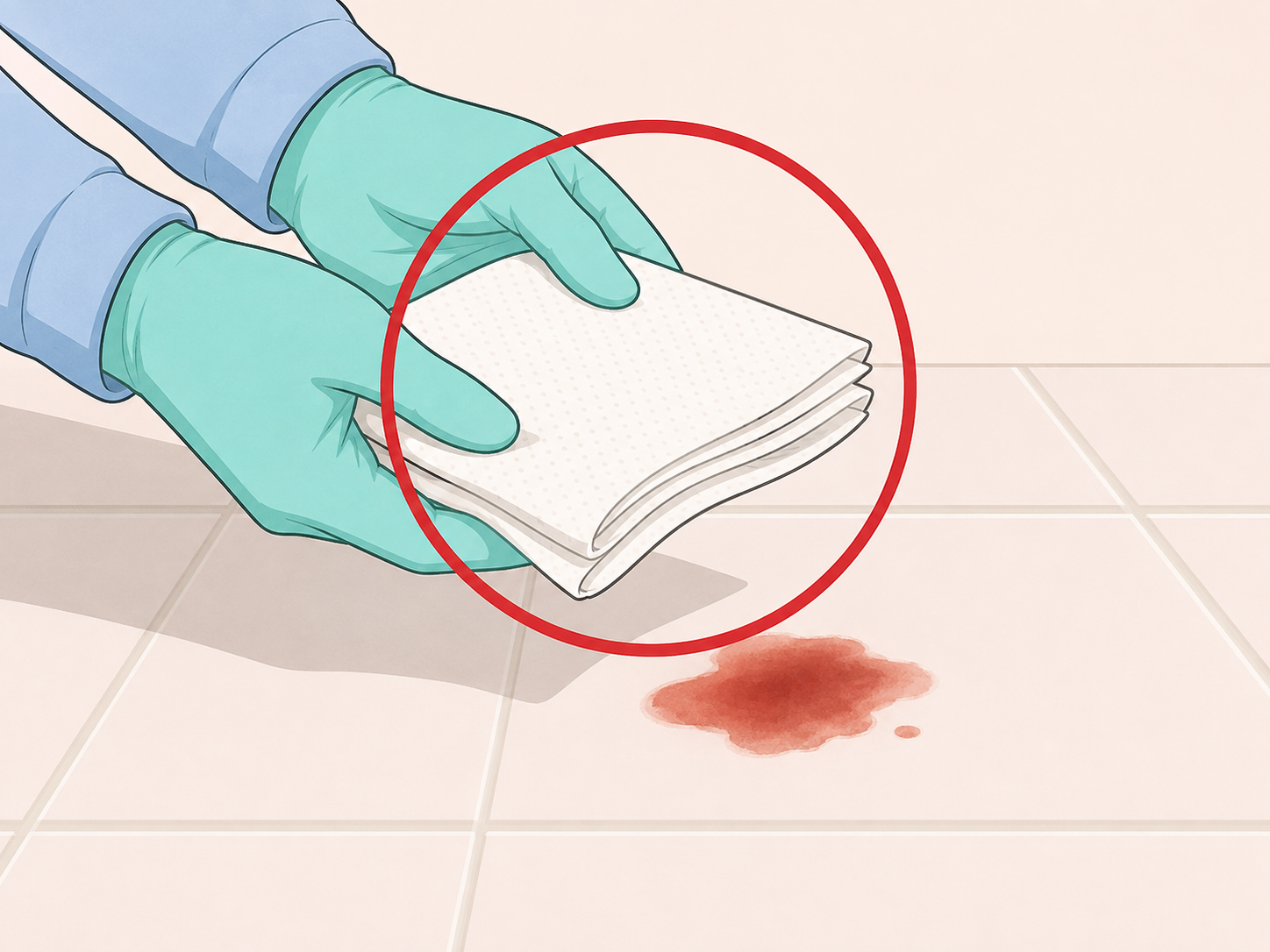
If the spot is wet, red, brown, yellow, or has tissue-like material, avoid direct contact and use gloves or a thick paper towel. Blood, urine, vomit, stool, and genital fluids should be handled carefully because bathrooms are high-contact spaces. After removing the material, clean the visible mess first because CDC guidance says surfaces should be cleaned before disinfecting.
Consider menstrual causes without making it awkward
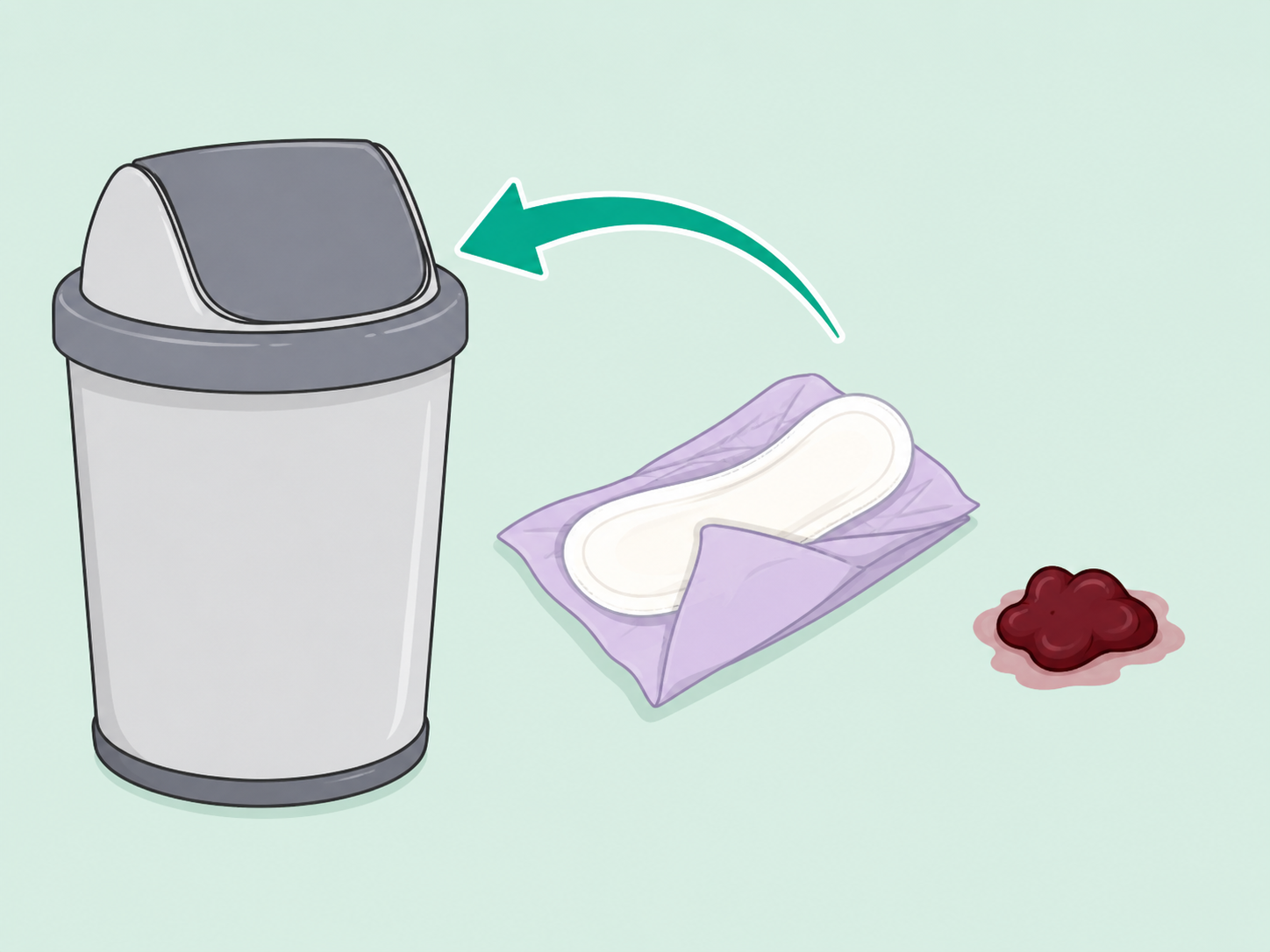
A red or dark jelly-like piece may be menstrual blood or a clot, but sight alone cannot confirm that. Cleveland Clinic notes that some menstrual clots can be normal, while large or changing clots are worth discussing with a healthcare provider. If it might belong to someone else, do not photograph, joke about, or share it.
Know that tissue-like material may need medical context
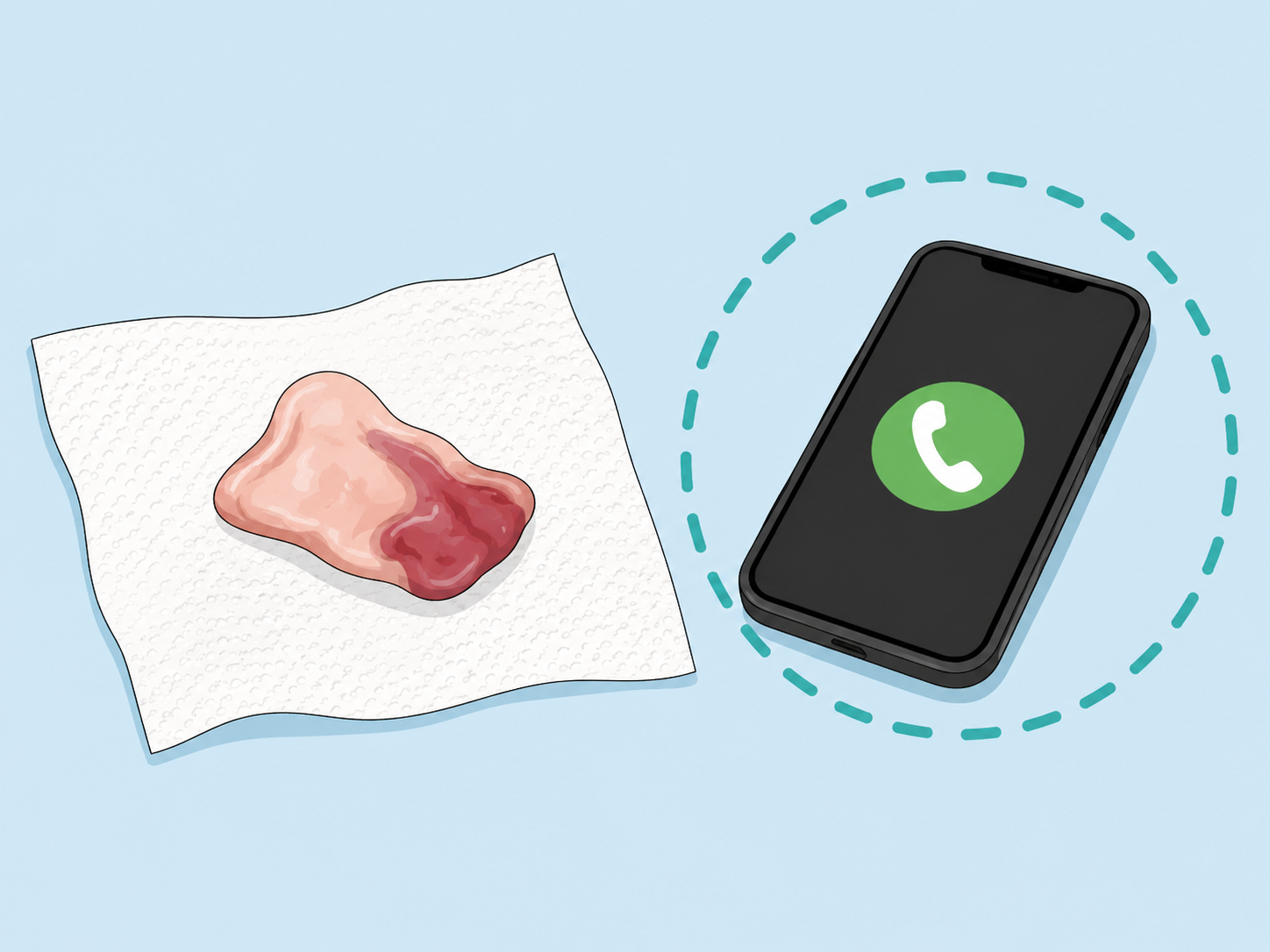
A fleshy, membrane-like piece can have several explanations, including a rare decidual cast, which Cleveland Clinic describes as uterine lining passing in one piece. It can also resemble pregnancy-related tissue or a large clot, so it should not be casually diagnosed at home. If pregnancy is possible, or if there is heavy bleeding or severe pelvic pain, medical advice is the safest next step.
Check for discharge, odor, or irritation clues
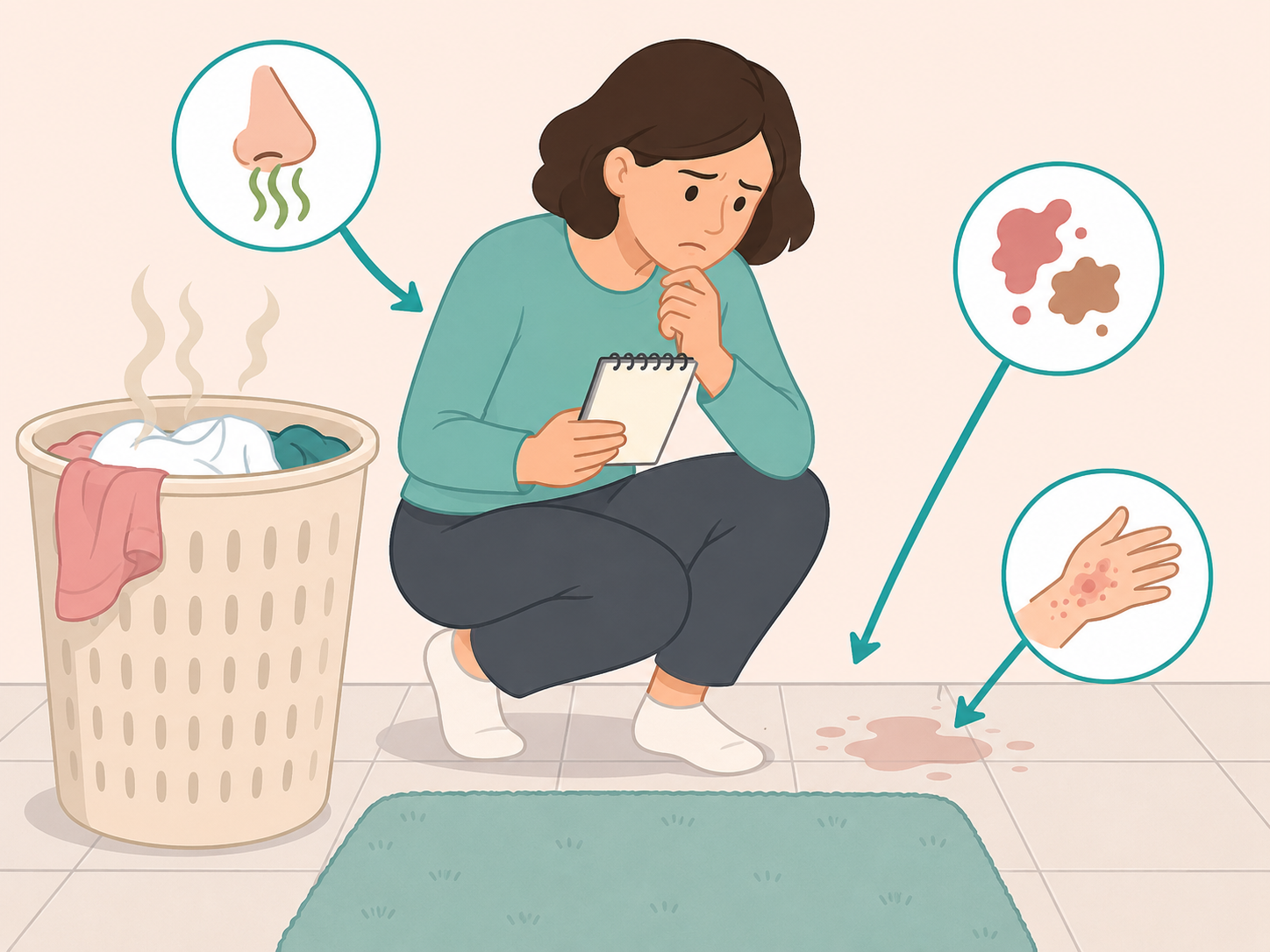
Clear or white vaginal discharge can be normal, but a sudden change in color, smell, texture, or amount may point to irritation or infection. Cleveland Clinic advises contacting a provider for discharge changes with odor, itching, burning, swelling, or pain. Some sexually transmitted infections can also cause discharge or discomfort, and MedlinePlus notes that STIs may have mild symptoms or no symptoms at all.
Rule out leaks, mold, and moisture stains
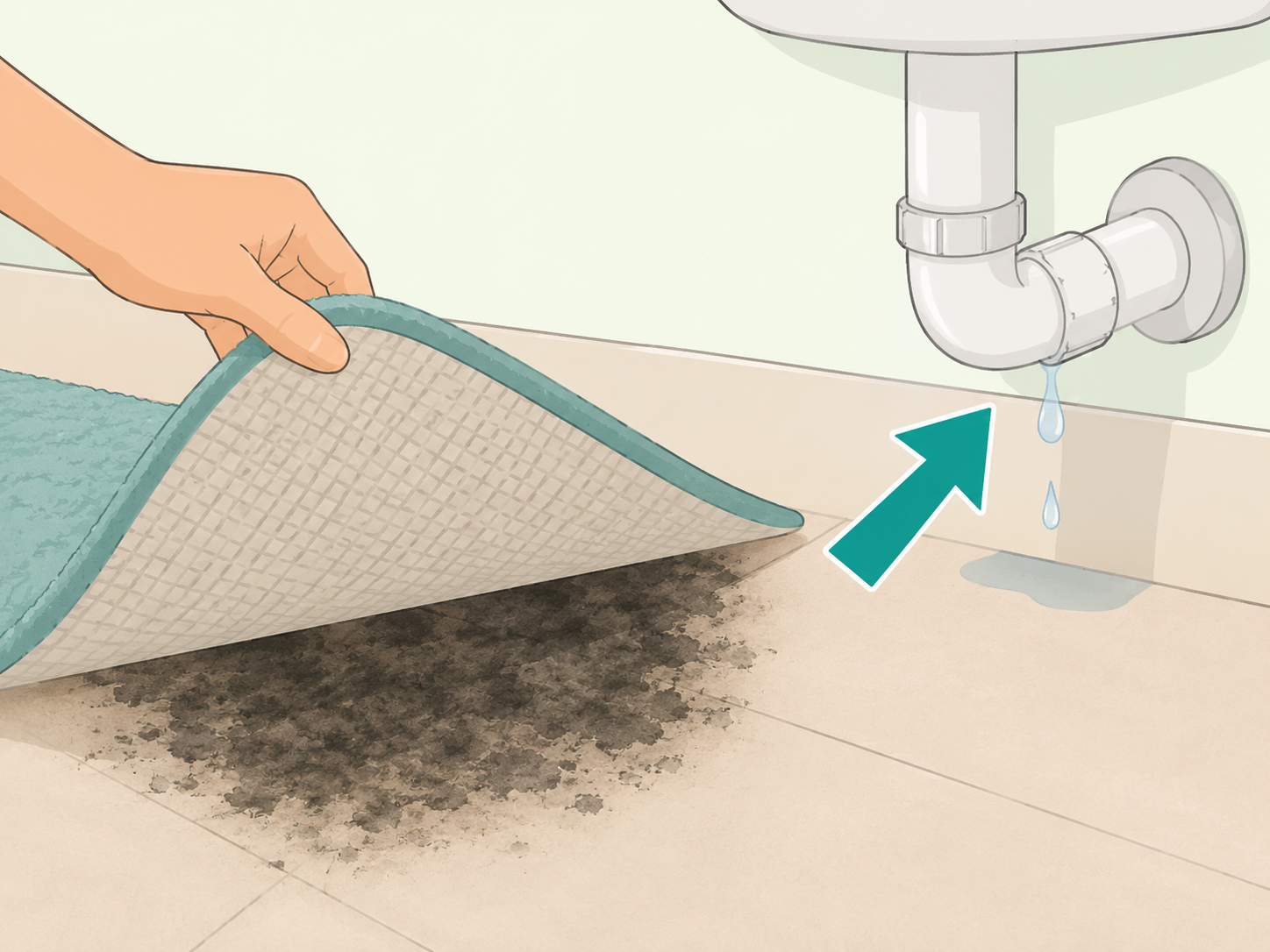
If the mark is dark, fuzzy, recurring, or near a damp edge, look for leaks, condensation, or trapped moisture under a bath mat. The EPA says moisture control is the key to mold control, and wet areas should be dried quickly. Clean small hard-surface mold with detergent and water, dry the area fully, and fix the moisture source.
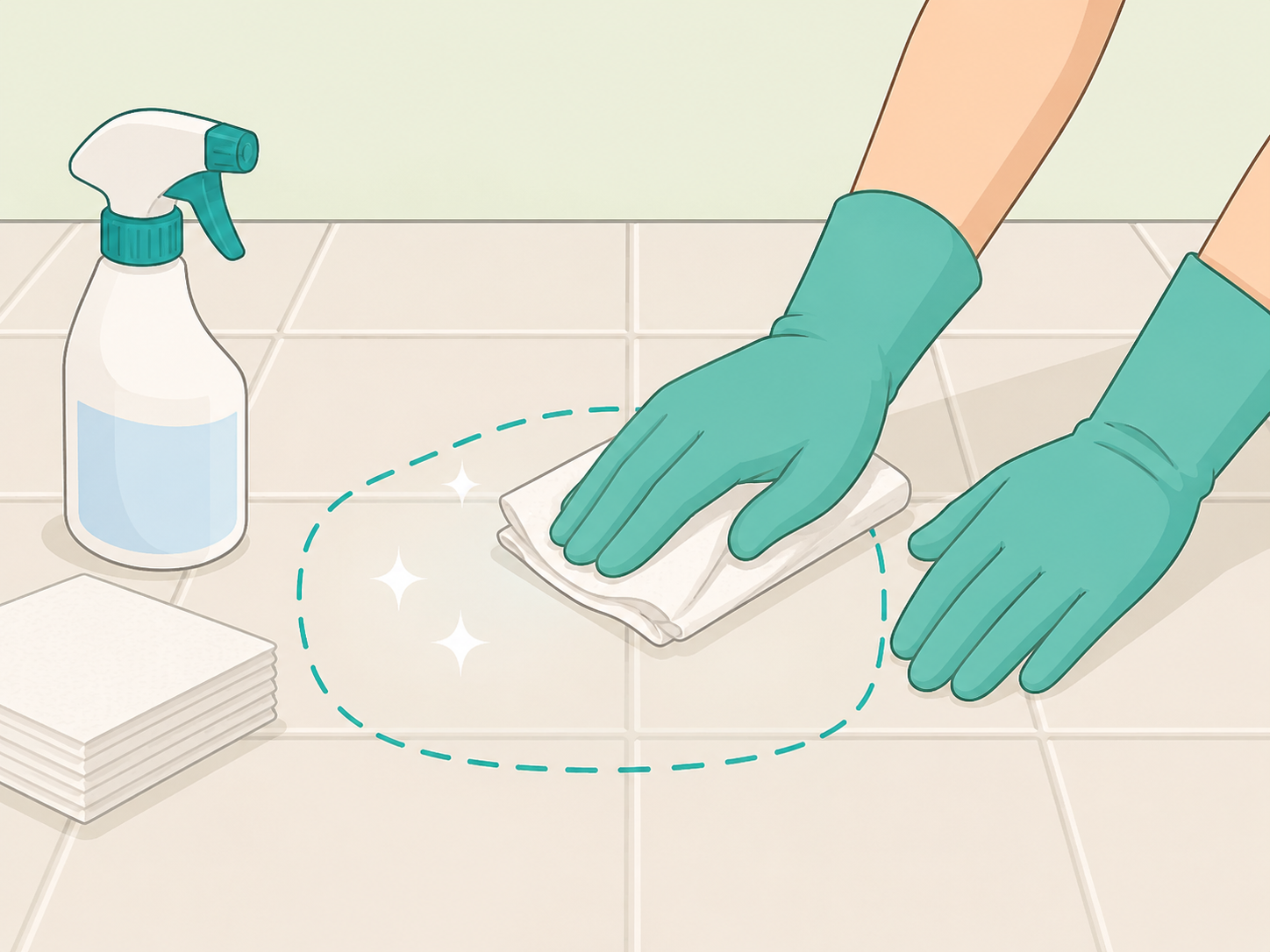
Clean the area safely and dispose of waste
Put on gloves, pick up solids with paper towels, place waste in a lined trash bag, and wash the floor with soap and water. If the material could be a body fluid or someone in the home is sick, disinfect afterward according to the product label because CDC guidance recommends disinfecting when illness risk is higher. Wash your hands well when you are done.

Ask privately and focus on concern
If it is your partner's bathroom, ask in a quiet, matter-of-fact way instead of turning it into an accusation. Say that you noticed something on the floor, cleaned it or avoided touching it, and wanted to check whether everything is okay. A respectful question protects privacy and makes it easier for the other person to mention a health concern if there is one.

Seek medical help for warning signs
Encourage medical care if there is unexplained bleeding between periods, bleeding after menopause, heavy bleeding, dizziness, fever, pelvic pain, pregnancy, or possible pregnancy; MedlinePlus recommends evaluation for unusual vaginal bleeding. If urine looks pink, red, or cola-colored, Mayo Clinic says to see a healthcare professional whenever urine may contain blood. Severe pain, fainting, heavy bleeding, or pregnancy-related bleeding should be treated as urgent.
Summary
The bottom line: treat an unknown bathroom-floor spot as a hygiene issue first, not a mystery to solve by touching or embarrassing someone. Check for simple sources, clean it safely, and encourage medical care if there are warning signs like heavy bleeding, severe pain, pregnancy, blood in urine, or unusual discharge.
Frequently Asked Questions
- What should I do first if I find something strange on a bathroom floor?
Do not touch it with bare hands. Look for nearby clues, such as spilled product, a leaking fixture, trash, laundry, or signs that it may be a bodily fluid, then clean it with gloves or ask the person who uses the bathroom.
- Could a red or jelly-like spot be a period clot?
It could be, but you cannot know from sight alone. Small menstrual clots can happen during periods, but heavy bleeding, large repeated clots, pregnancy, severe pain, or dizziness should be discussed with a healthcare provider.
- Could it be a decidual cast?
A decidual cast is rare and involves passing uterine lining in one larger piece of tissue. Because it can resemble other serious problems, especially if pregnancy is possible, the person who passed it should contact a healthcare provider.
- Should I disinfect the floor?
Yes, if it may be blood, urine, stool, vomit, or another body fluid. Clean visible material first, then use a disinfectant according to the product label.
- What if the spot looks like mold?
Check for moisture, leaks, or repeated dampness nearby. Mold needs moisture to grow, so cleaning the surface is only part of the fix; the moisture source also needs attention.
- How do I ask my partner about it without being rude?
Keep it private and practical. Try, "I noticed something on the bathroom floor and wanted to check if you need help cleaning it or if everything is okay."
References
Reliable references aided in composing and refining this content.
- https://www.cdc.gov/hygiene/cleaning-disinfecting/index.html
- https://www.epa.gov/mold/brief-guide-mold-moisture-and-your-home
- https://www.mayoclinic.org/diseases-conditions/blood-in-urine/symptoms-causes/syc-20353432
- https://medlineplus.gov/ency/article/003156.htm
- https://health.clevelandclinic.org/period-blood-clots-are-they-normal
- https://my.clevelandclinic.org/health/diseases/24742-decidual-cast
- https://my.clevelandclinic.org/health/symptoms/4719-vaginal-discharge
- https://medlineplus.gov/sexuallytransmittedinfections.html