
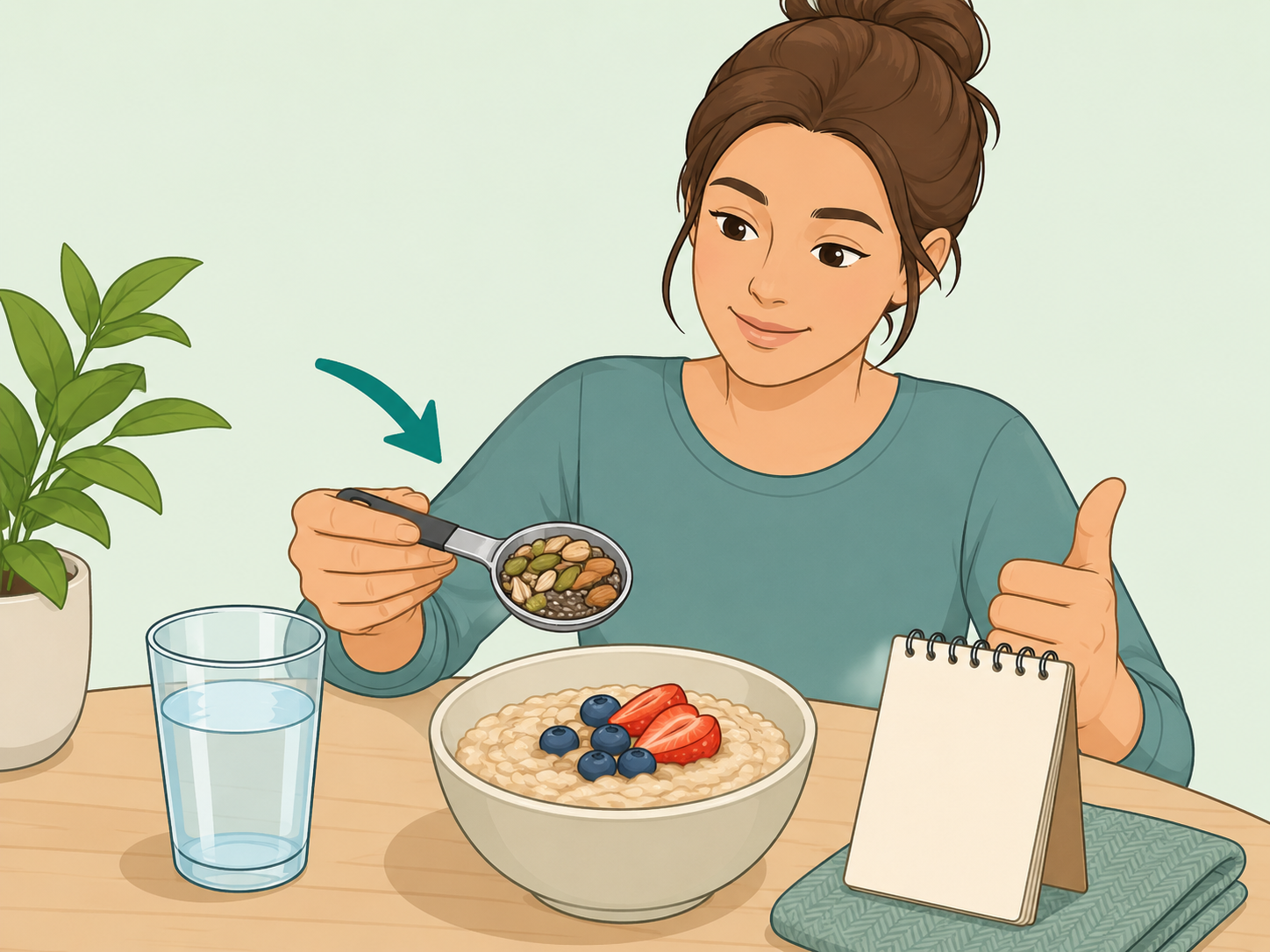
 Pin it
A 2-tablespoon morning blend can be a simple way to add fiber, healthy fats, or protein-rich foods to breakfast. It should not be treated as a cure, detox, or replacement for sleep, balanced meals, medication, or medical care. This guide explains how to try the habit safely and judge whether it actually fits your body.
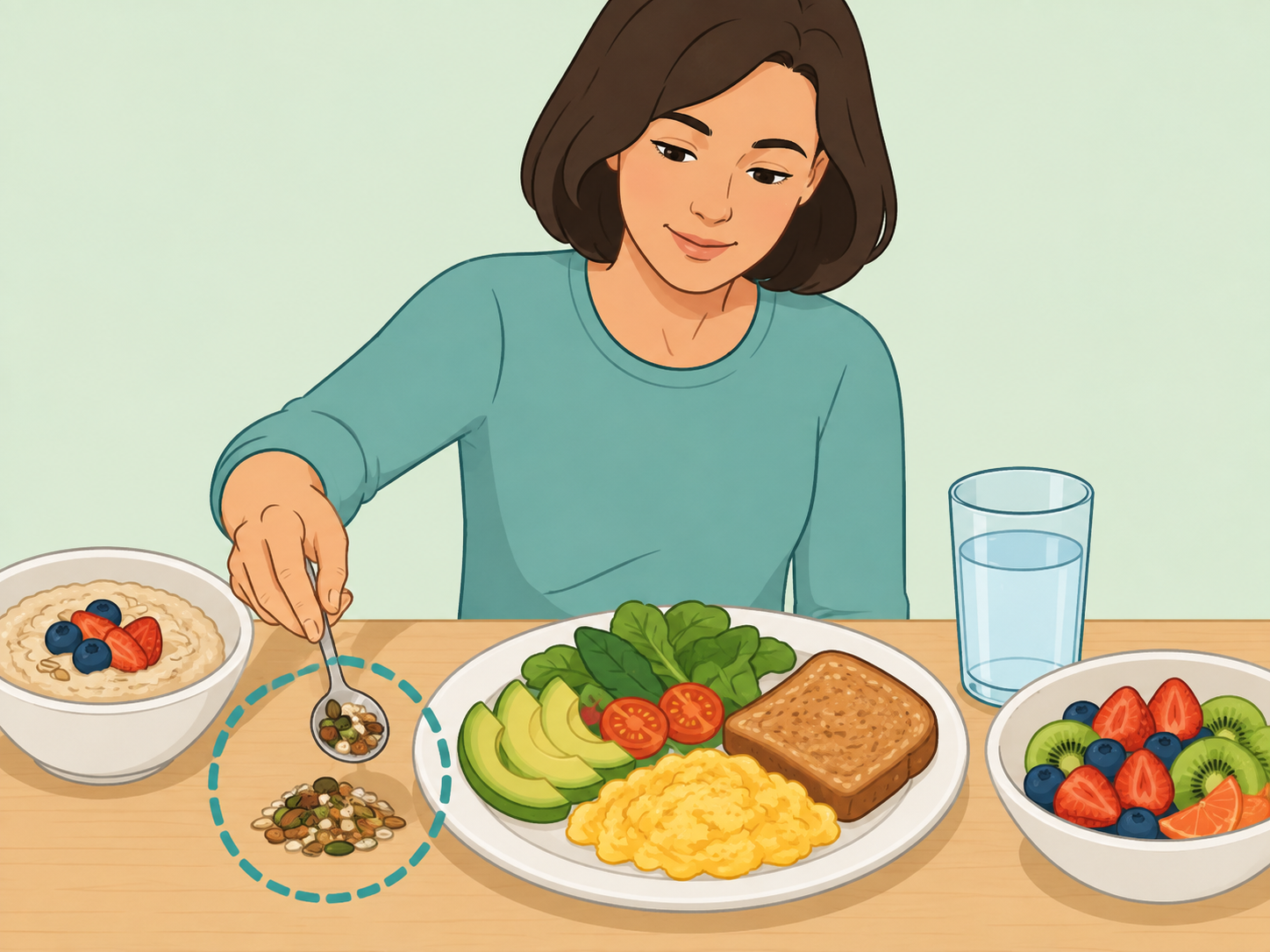
Treat the blend as a small food habit
Think of a 2-tablespoon blend as a breakfast add-on, not a treatment for fatigue, pain, or digestive problems. For steadier mornings, place it inside a balanced eating pattern; the CDC describes healthy eating as emphasizing protein foods, vegetables, fruits, healthy fats, and whole grains while limiting added sugars and highly processed foods.
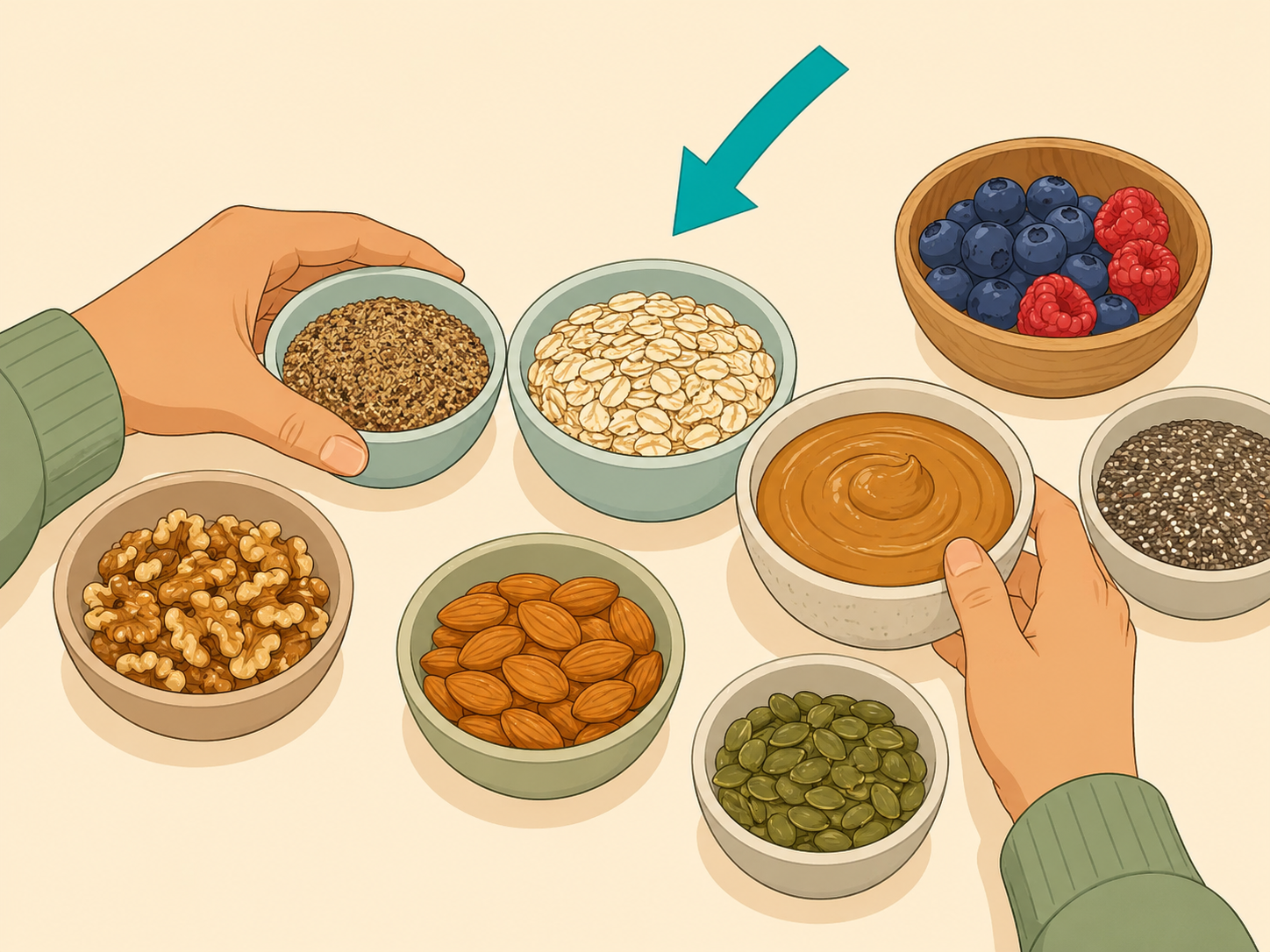
Choose food-based ingredients
Use ordinary foods such as ground flax or chia, oat bran, pumpkin seeds, or unsweetened nut butter instead of concentrated herb pills or stimulant powders. Mayo Clinic lists nuts, seeds, whole grains, fruits, vegetables, beans, and peas as fiber sources, and the American Heart Association notes that nuts and nut butters provide protein, fats, fiber, vitamins, and minerals.
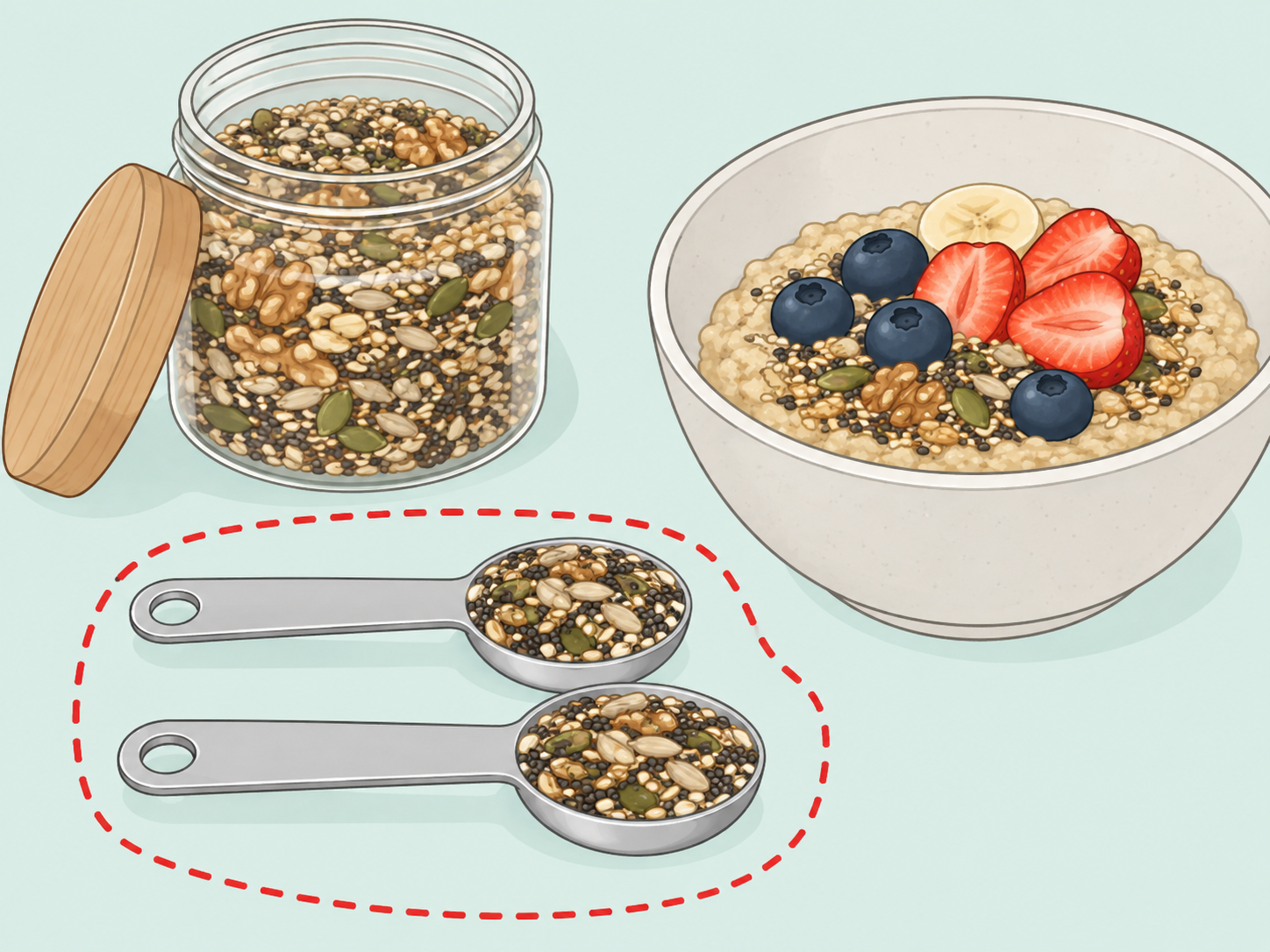
Measure exactly 2 tablespoons
Use a measuring spoon so the habit stays small and predictable. The American Heart Association lists 2 tablespoons of nut butter as one serving, which is a useful reminder that calorie-dense ingredients can add up quickly. Choose unsweetened versions when possible because the CDC recommends limiting added sugars, including sugars and syrups added during preparation.
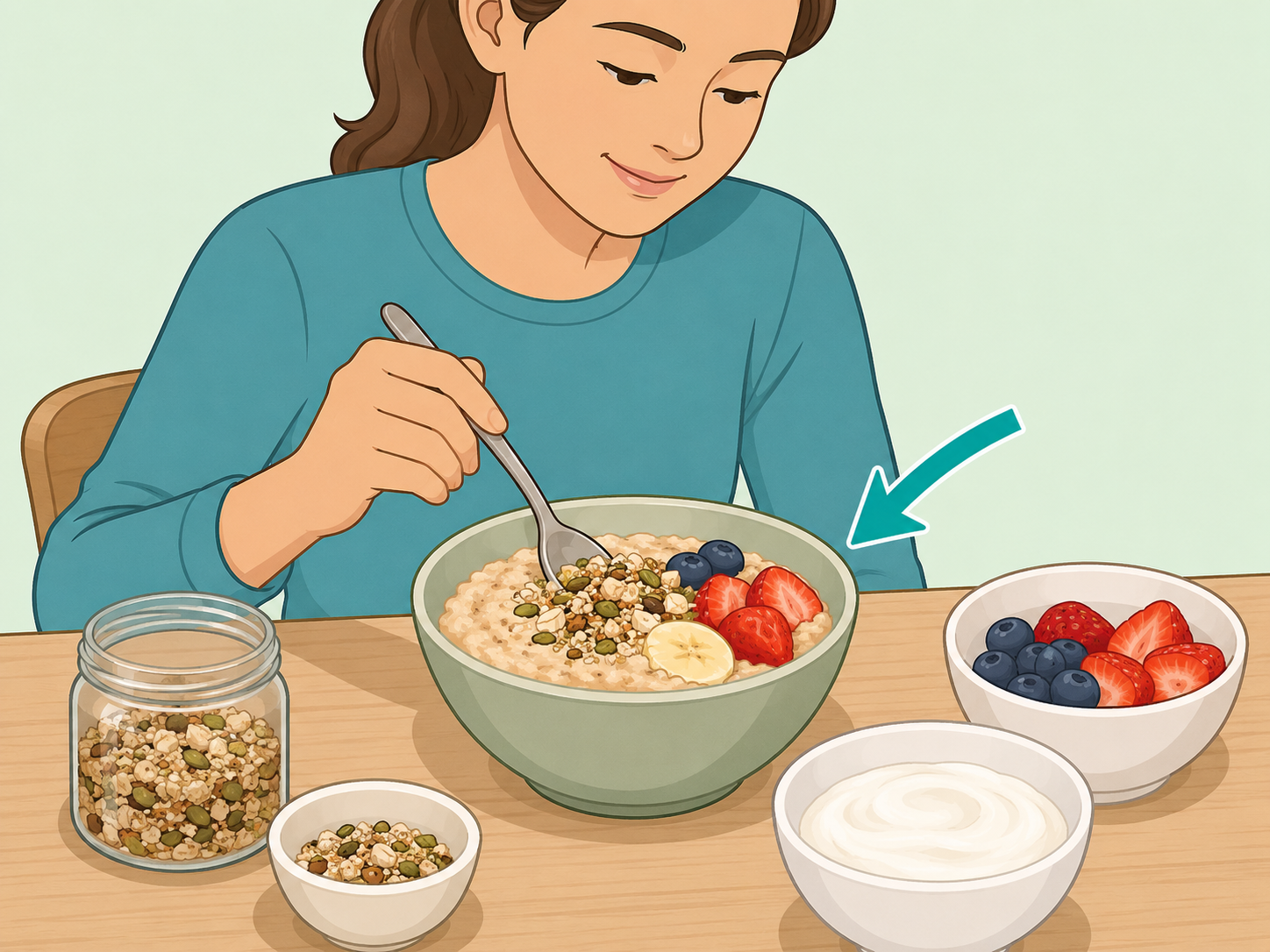
Stir it into a real breakfast
Add the blend to oatmeal, plain yogurt, fruit, or whole-grain toast rather than taking it as a stand-alone spoonful. A breakfast that includes fiber-rich carbohydrates, protein, and healthy fat is more practical for daily energy than relying on one ingredient. Keep the meal familiar so you can tell whether the new blend is helping or bothering you.
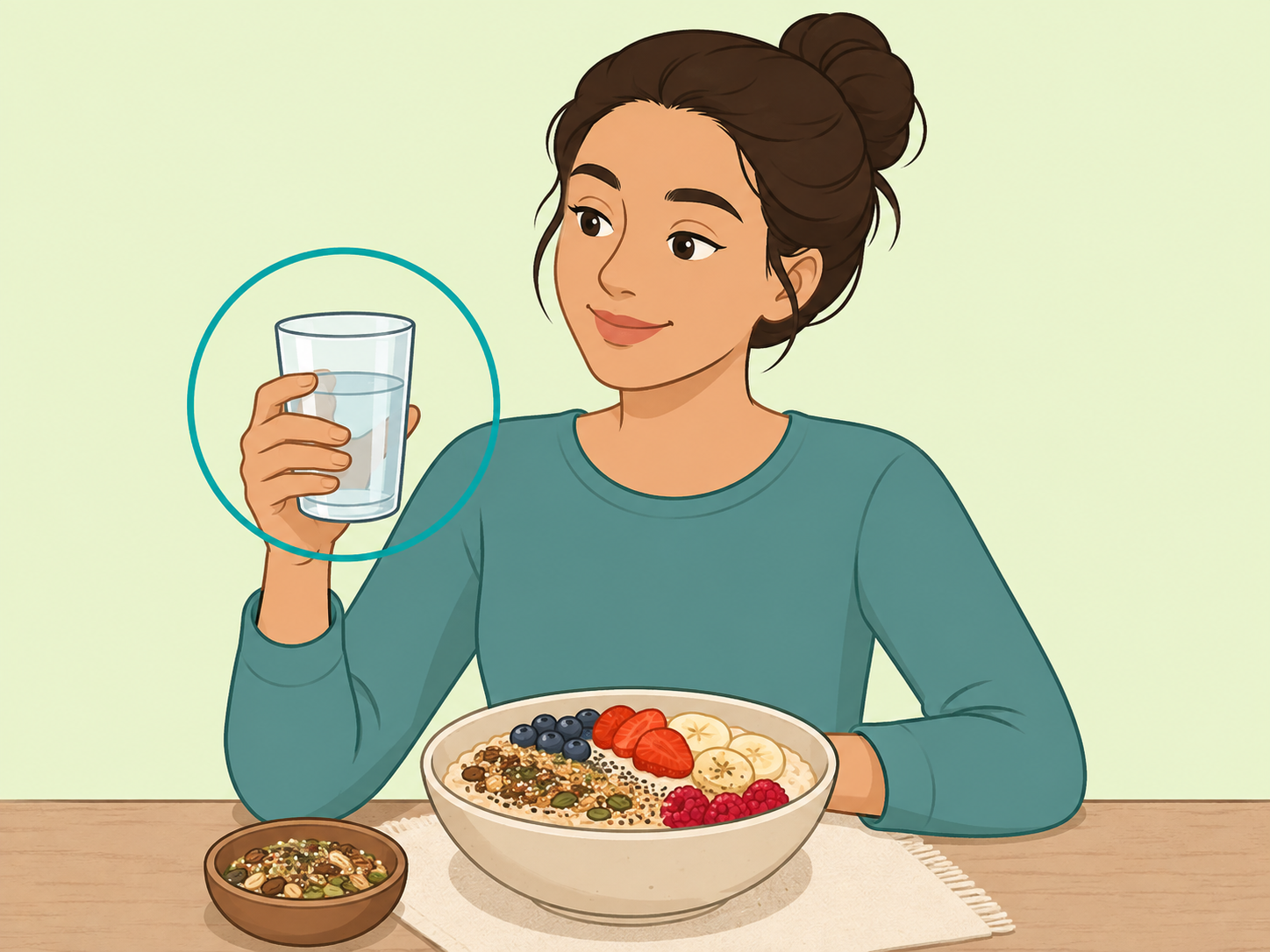
Drink water with your breakfast
Fiber-rich blends work best with fluids. Mayo Clinic explains that fiber absorbs water and helps make stool easier to pass, while the CDC says water helps prevent dehydration and supports normal body functions. Have a glass of water or an unsweetened drink with breakfast.
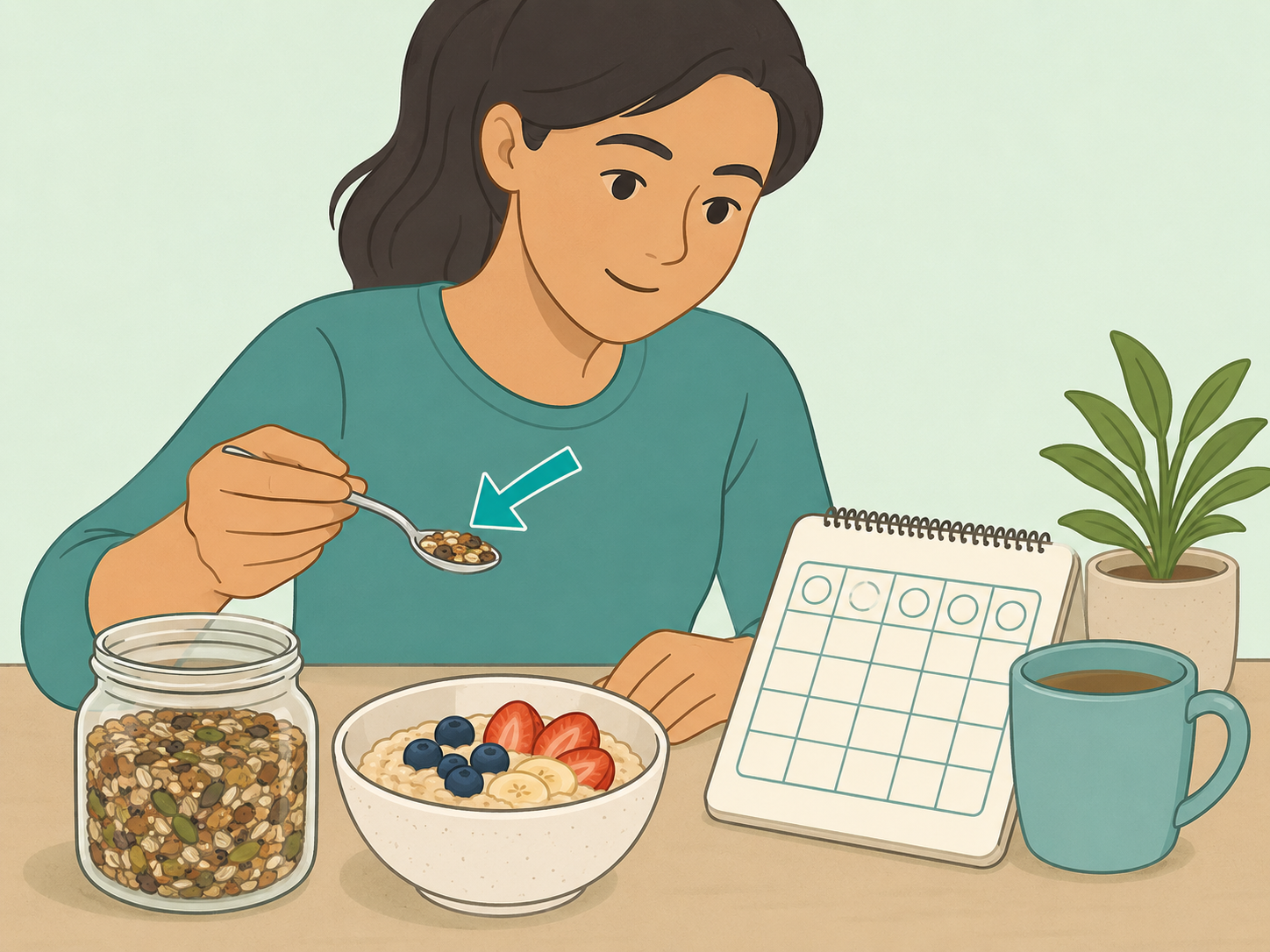
Start slowly and track comfort
If you are not used to seeds, bran, or other fiber-rich foods, start with 1 tablespoon for several days before moving to 2 tablespoons. Adding too much fiber too quickly can cause gas, bloating, and cramping. Write down the ingredients and how your energy, digestion, and appetite feel for one to two weeks.
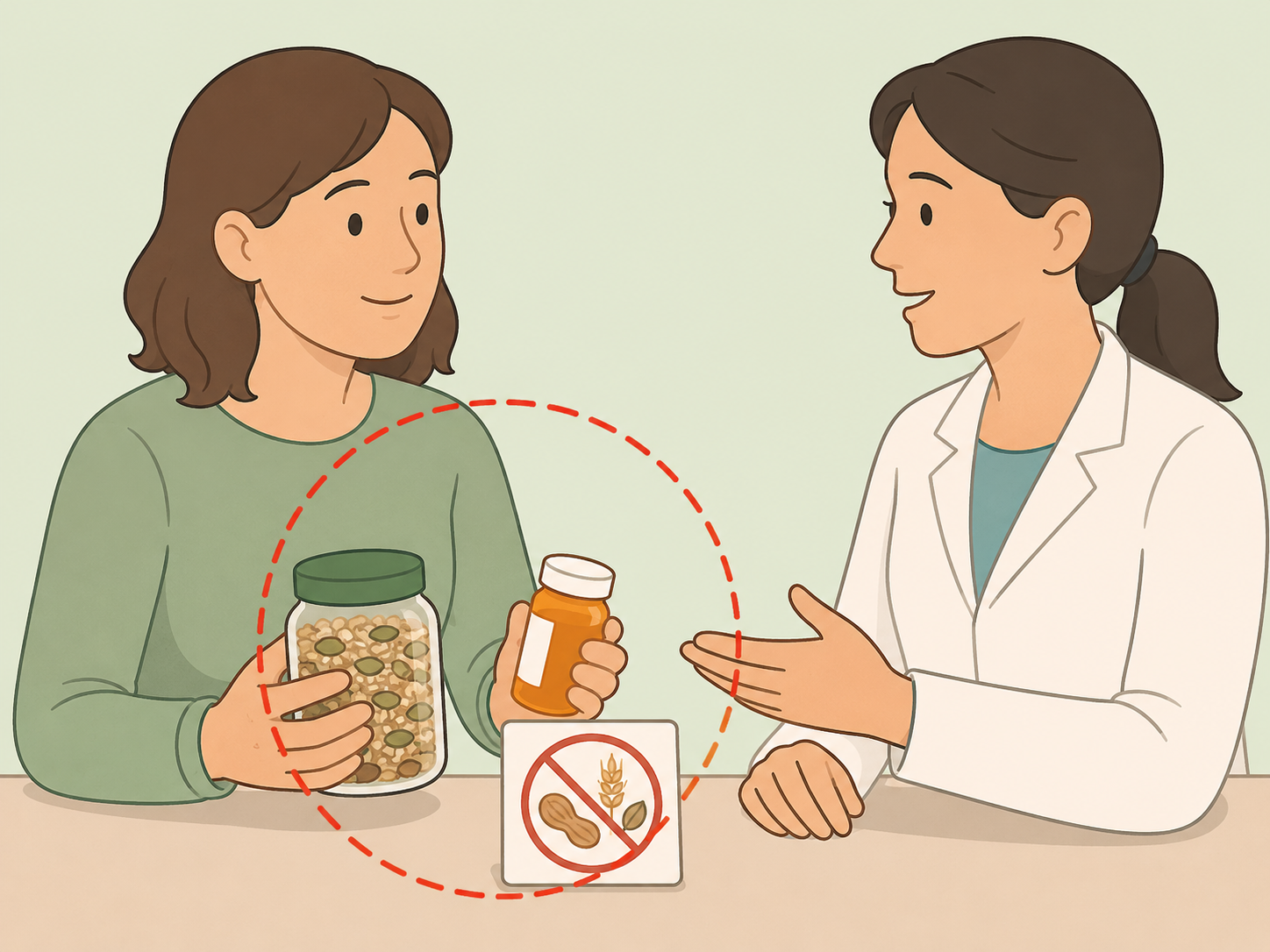
Check medications, allergies, and special situations
Avoid adding herbal powders, concentrated extracts, or unfamiliar botanicals without checking safety first. The National Center for Complementary and Integrative Health warns that dietary supplements may interact with medications or pose risks for some medical conditions or surgery, and MedlinePlus advises talking with a provider before using herbals if you take medicines, are pregnant or breastfeeding, are older than 65, or are having surgery. Do not use any ingredient you are allergic to.
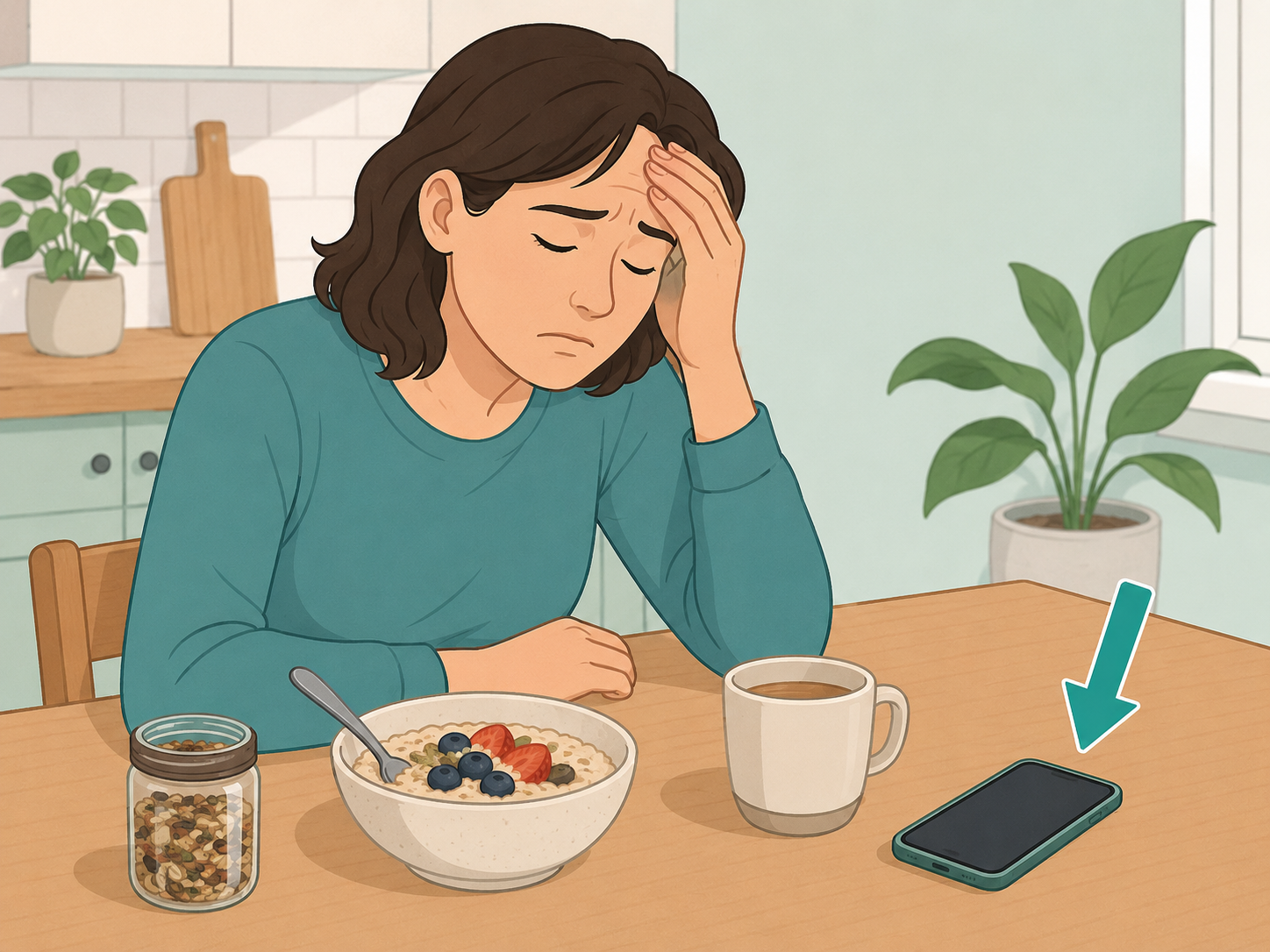
Seek medical advice for persistent fatigue or symptoms
Do not use a morning blend to explain away tiredness that lasts, worsens, or affects daily life. The NHS advises seeing a GP if you have felt tired for a few weeks and do not know why, if tiredness affects daily life, or if it comes with other symptoms such as weight loss or mood changes. Also contact a qualified health professional for new, severe, or recurring digestive discomfort.
Summary
The bottom line: keep a morning blend modest, food-based, and part of a real breakfast. If it helps you feel steadier and more comfortable, keep it simple; if symptoms persist or worsen, get medical advice.
Frequently Asked Questions
- What should be in a 2-tablespoon morning blend?
There is no single best blend. A cautious choice is ordinary food, such as ground seeds, oat bran, or unsweetened nut butter, rather than concentrated herbal extracts or stimulant powders.
- Will this give me more energy right away?
Not necessarily. Food-based ingredients may support a steadier breakfast routine, but ongoing low energy can come from sleep, stress, diet, medicines, or health conditions, so do not use the blend to ignore fatigue.
- Can I take the blend on an empty stomach?
You can if you tolerate it, but many people do better stirring it into breakfast and drinking water with it. If fiber-rich foods bother your stomach, start with a smaller amount.
- Is honey a good ingredient for the blend?
Honey can be used in small amounts if it fits your eating pattern, but the CDC counts honey as an added sugar. For everyday use, fruit, cinnamon, or unsweetened yogurt may be better ways to add flavor.
- Who should check with a doctor or pharmacist first?
Check first if you are pregnant or breastfeeding, older than 65, taking medication, preparing for surgery, managing a chronic condition, or considering herbs or concentrated supplements.
- When should I stop using the blend?
Stop if you notice allergic symptoms, worsening digestive discomfort, dizziness, unusual heart racing, or any symptom that feels concerning. Seek medical care for symptoms that persist, worsen, or interfere with daily life.
References
Reliable references aided in composing and refining this content.
- https://www.nccih.nih.gov/health/dietary-and-herbal-supplements
- https://medlineplus.gov/ency/patientinstructions/000868.htm
- https://www.cdc.gov/nutrition/features/healthy-eating-tips.html
- https://www.cdc.gov/healthy-weight-growth/water-healthy-drinks/index.html
- https://www.mayoclinic.org/healthy-lifestyle/nutrition-and-healthy-eating/in-depth/fiber/art-20043983?p=1
- https://www.nhs.uk/symptoms/tiredness-and-fatigue
- https://www.heart.org/en/healthy-living/healthy-eating/eat-smart/fats/go-nuts-but-just-a-little