
 Pin it
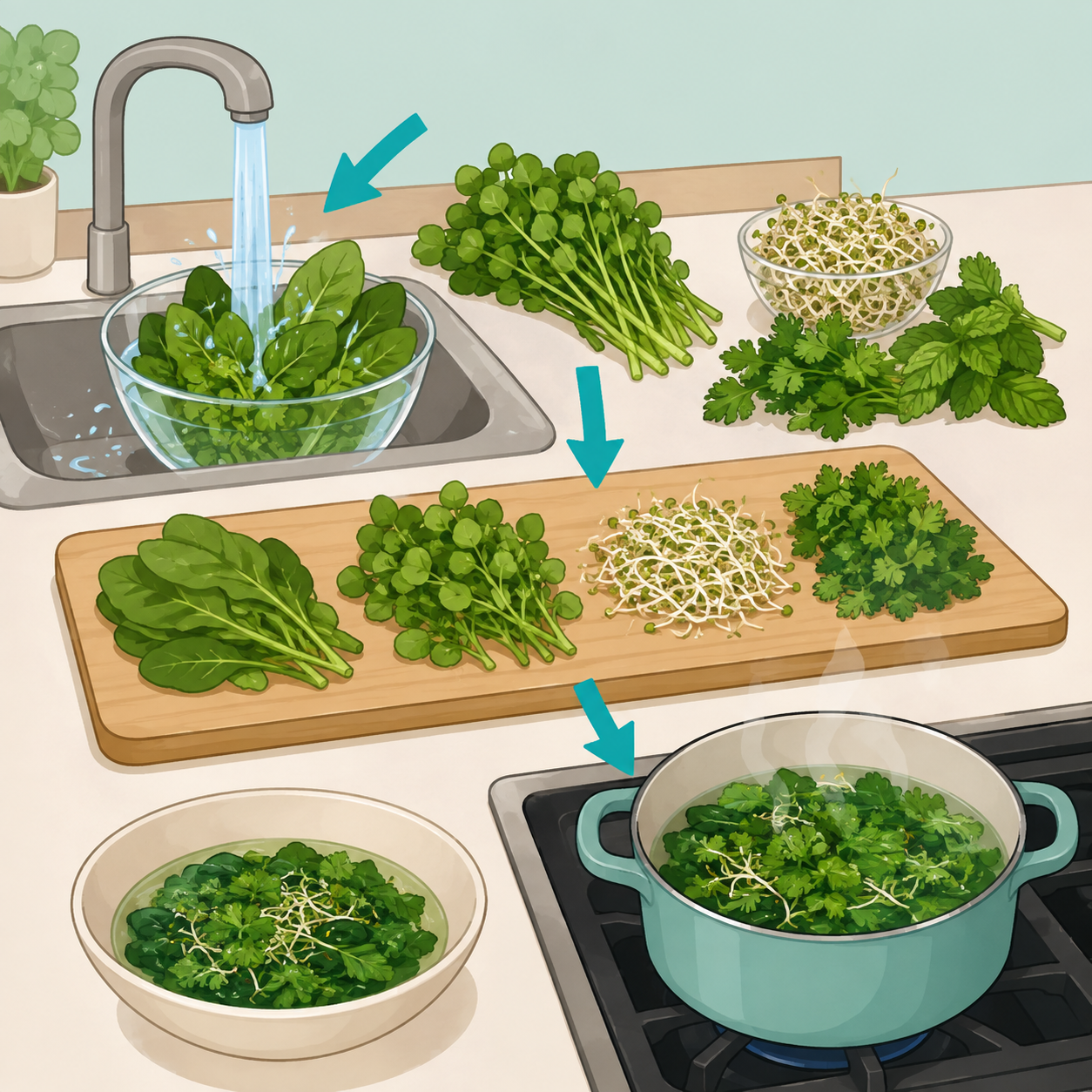
Headlines sometimes point to a single parasite-contaminated vegetable, but the real risk depends on how produce is grown, watered, handled, washed, stored, and eaten. Trusted health agencies warn that parasites can spread through contaminated food, water, soil, and feces, especially with raw produce. This guide explains how to lower the risk without fear or guesswork.
Treat alarm headlines as a risk signal, not a verdict
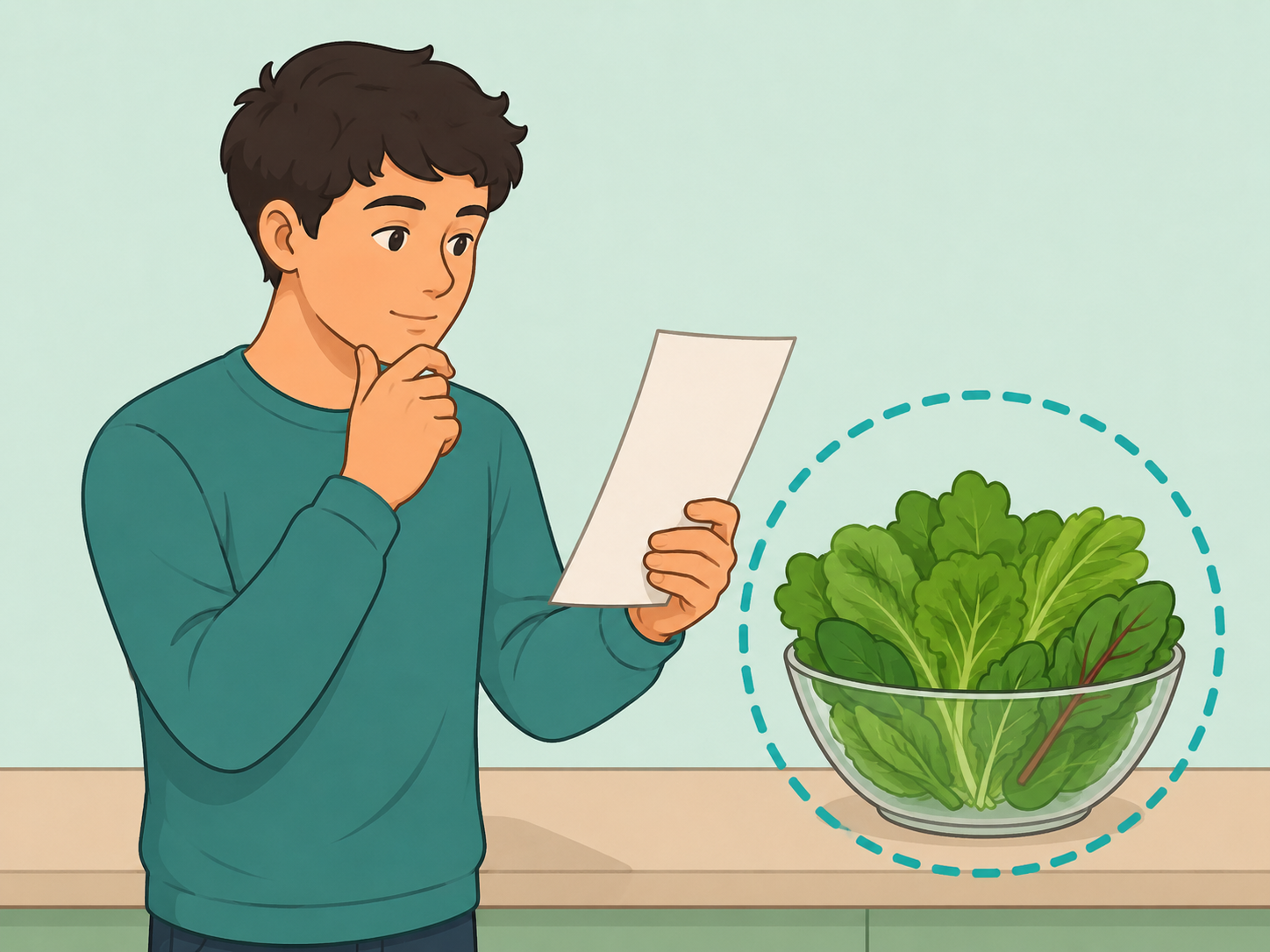
There is no reliable rule that one grocery vegetable is always the most parasite-contaminated. The CDC explains that parasites can spread through food, water, soil, animals, and fecal contamination, including raw aquatic plants and raw vegetables contaminated by human or animal feces. Focus on risk-reducing habits instead of assuming one vegetable is always safe or always unsafe.
Choose raw vegetables with their risk level in mind
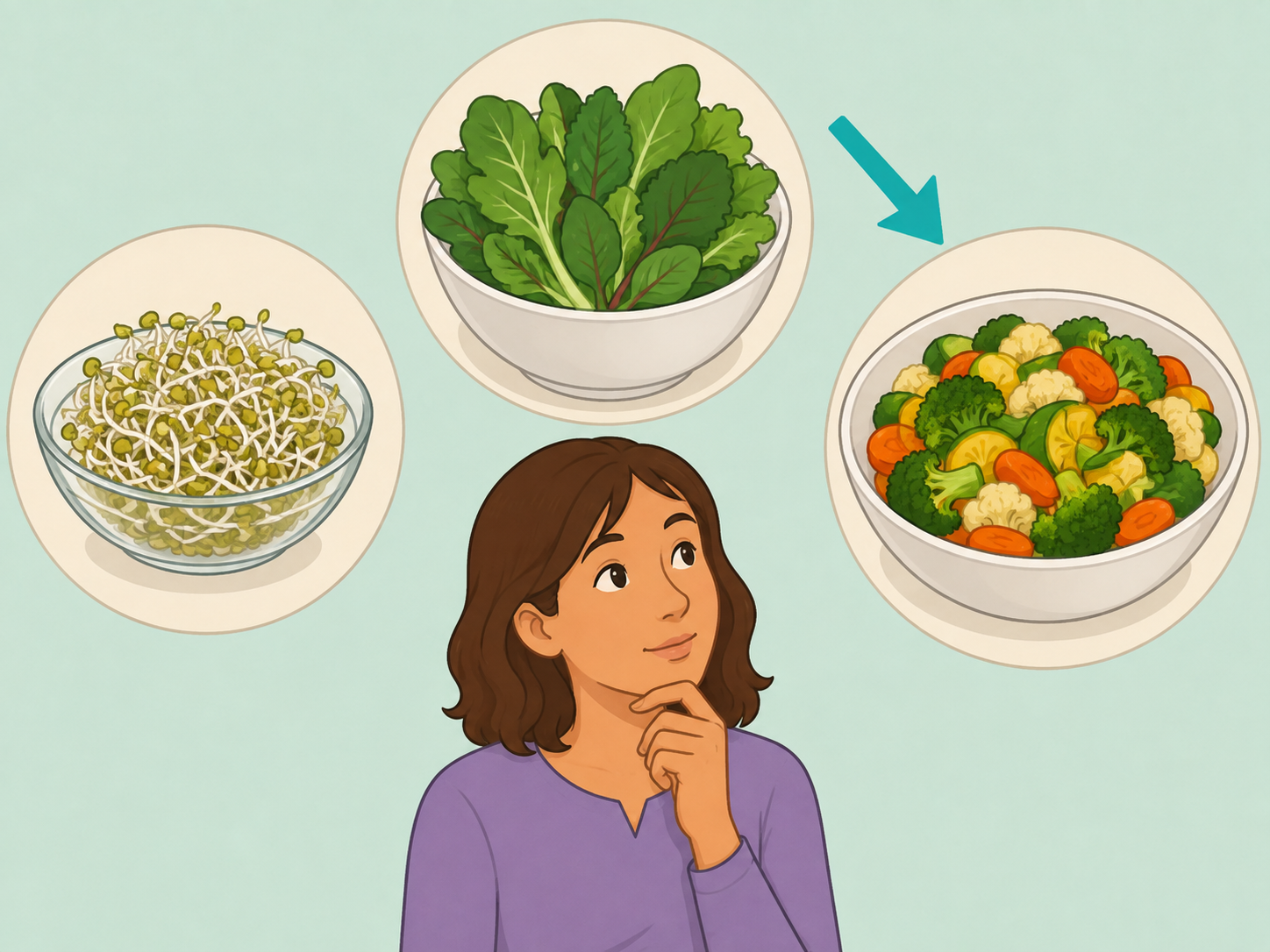
Raw sprouts, unwashed leafy greens, and produce eaten raw carry more risk than vegetables that are cooked before eating. The CDC lists raw or undercooked sprouts and unwashed fresh vegetables, including lettuce and leafy greens, as riskier choices. If you are pregnant, older, very young, or immunocompromised, choose cooked sprouts and consider cooking higher-risk vegetables.
Wash your hands and clean prep surfaces first
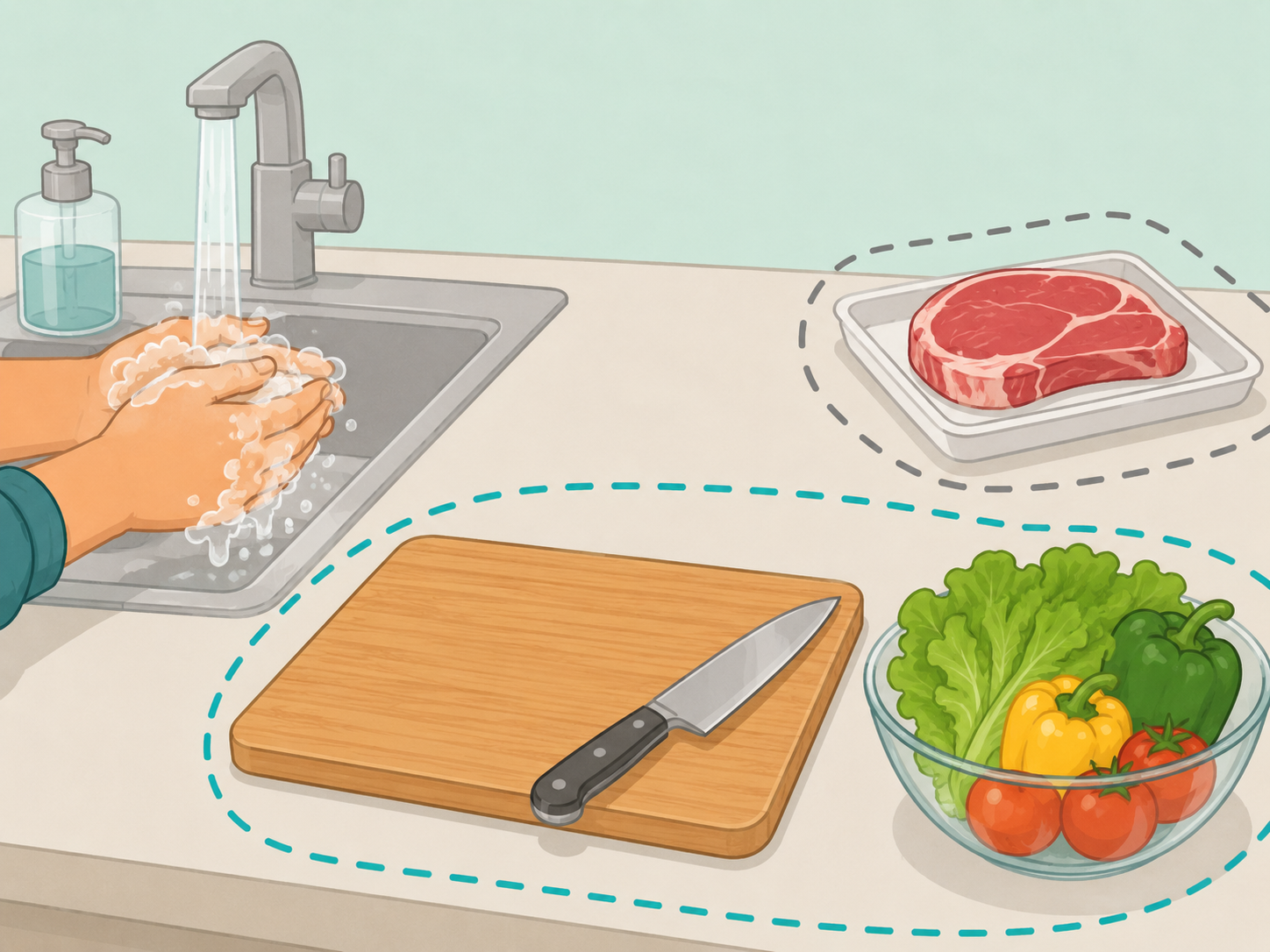
Start with clean hands, knives, cutting boards, bowls, and counters before produce touches them. MedlinePlus notes that proper handling, storing, and preparing food reduces foodborne illness risk, especially for people at higher risk of severe illness. Keep raw meat, poultry, seafood, and their juices away from vegetables that will be eaten raw.
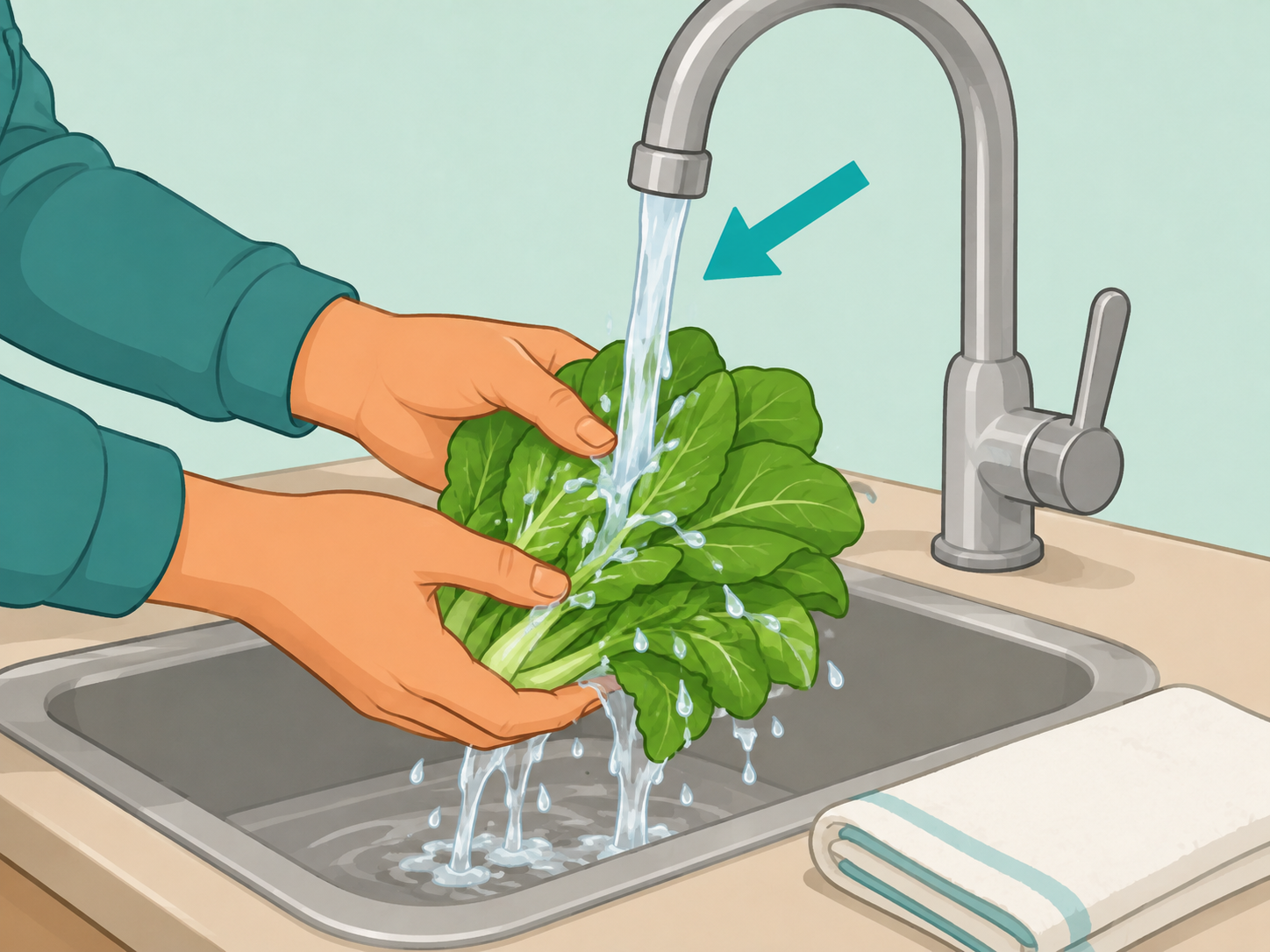
Rinse vegetables under plain running water
Hold vegetables under clean running water and rub the surface gently with your hands. The FDA says to rinse produce before peeling, scrub firm produce with a clean brush, and dry it with a clean towel. Do not use soap, detergent, or bleach on food because produce can absorb residues.
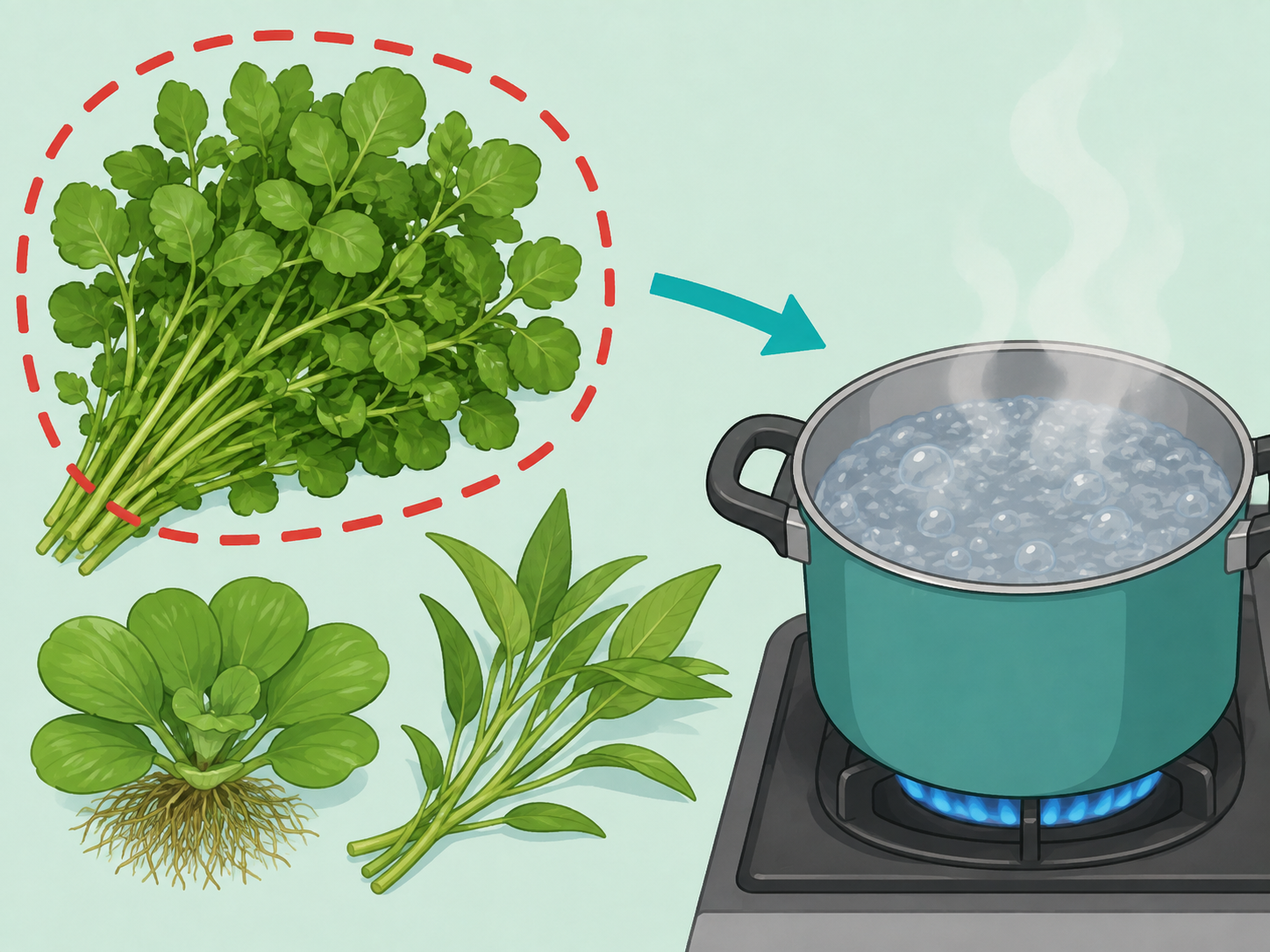
Handle watercress and freshwater plants with extra caution
Watercress gets attention because it is a raw aquatic plant, not because every bunch is contaminated. The CDC says Fasciolopsis infection can spread through raw or undercooked freshwater plants, including watercress, in areas where the parasite occurs. If the source is uncertain or you are at higher risk, cook freshwater plants well instead of eating them raw.
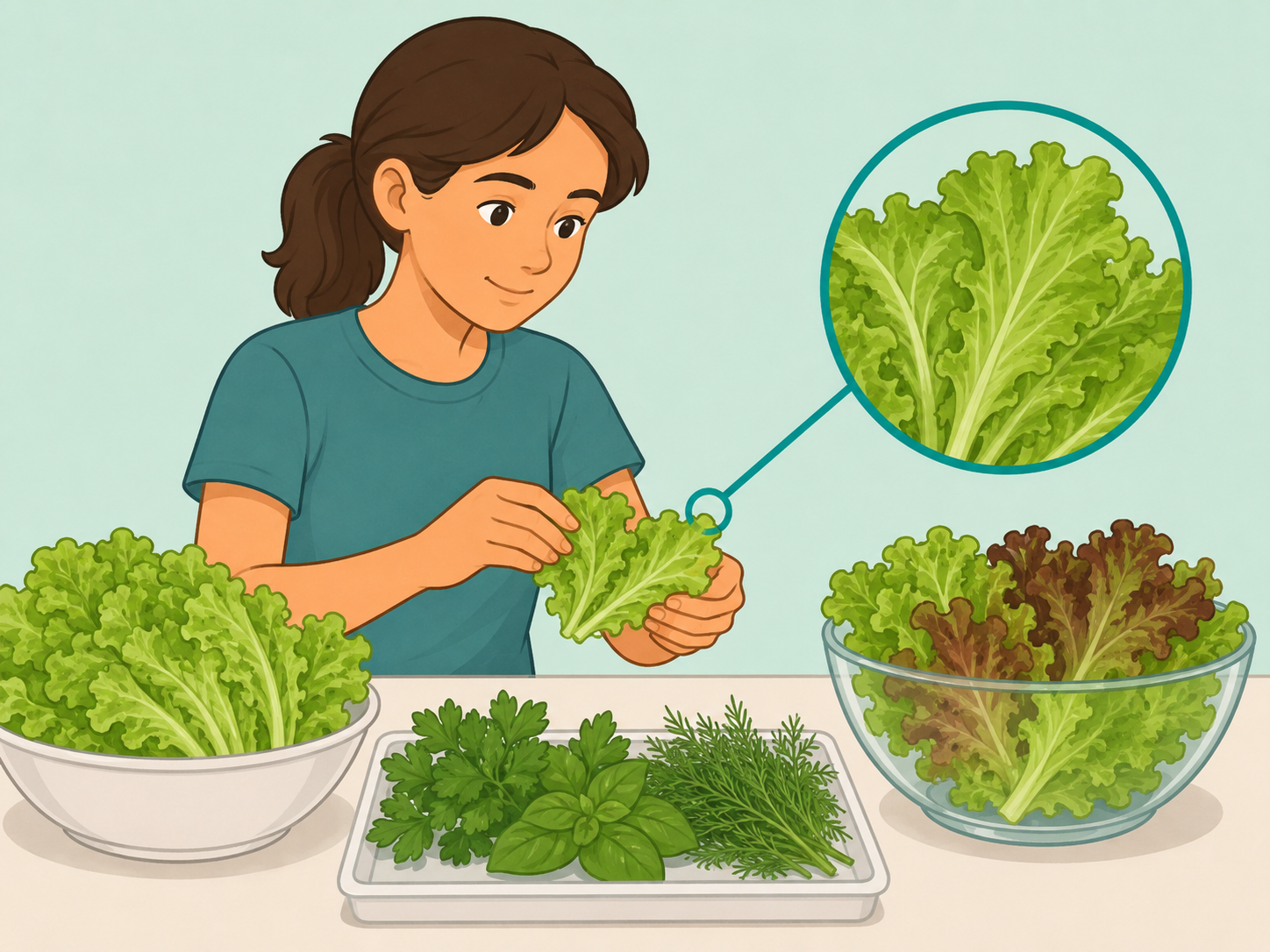
Know that some parasite outbreaks involve fresh produce
Cyclospora is a microscopic parasite that can spread when people eat food or drink water contaminated with feces. The CDC says U.S. cyclosporiasis outbreaks have been linked to various types of fresh produce, and symptoms often include watery diarrhea. Washing helps, but it does not make contaminated produce risk-free.
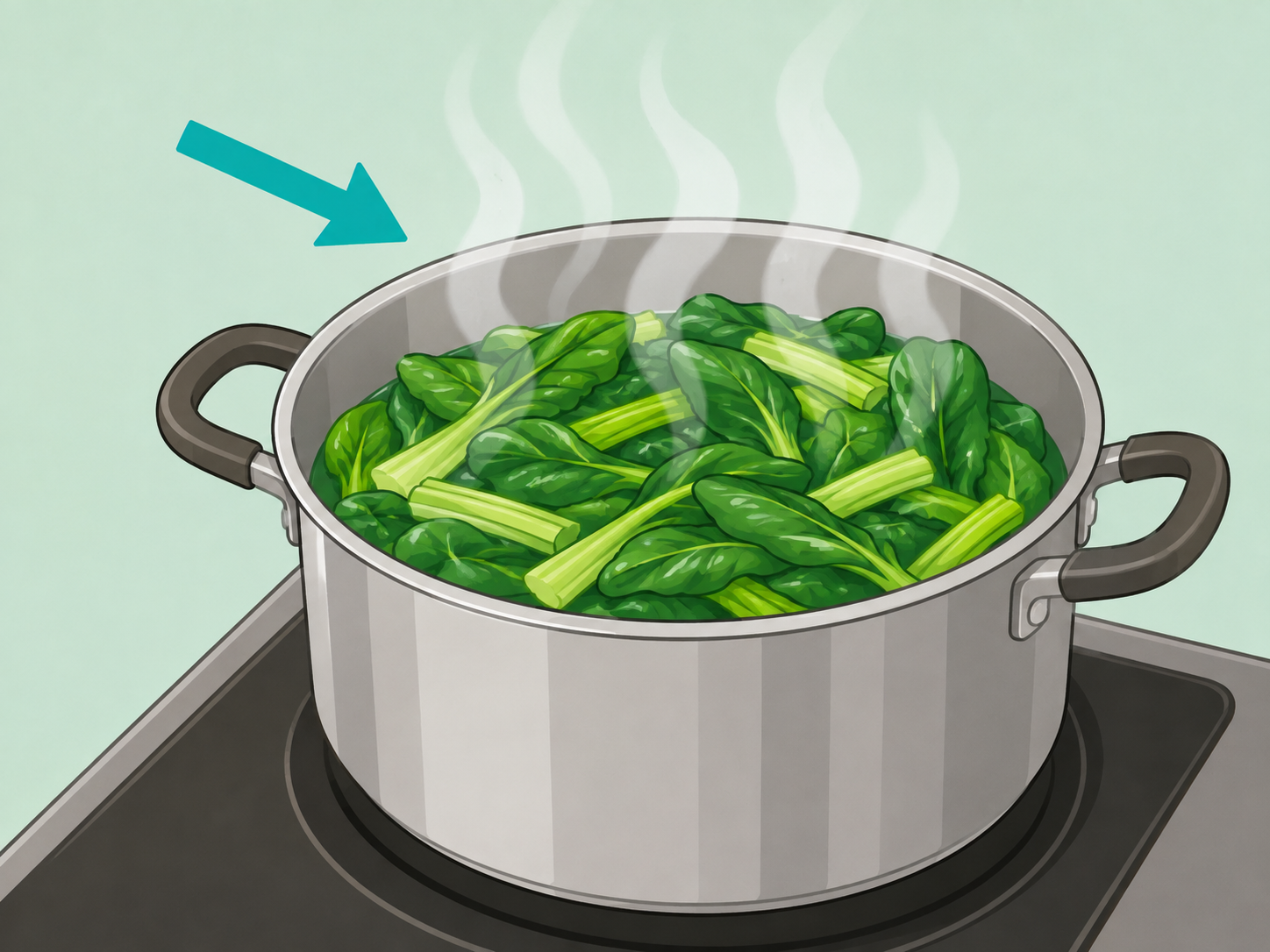
Cook higher-risk vegetables when you need more protection
Cooking is the most practical way to lower risk when produce is higher risk, recalled, questionable, or being served to someone more vulnerable. The FDA says thorough cooking kills harmful bacteria and reduces illness risk, and the same heat step helps reduce many parasite risks. Throw away recalled produce rather than trying to wash it safe.
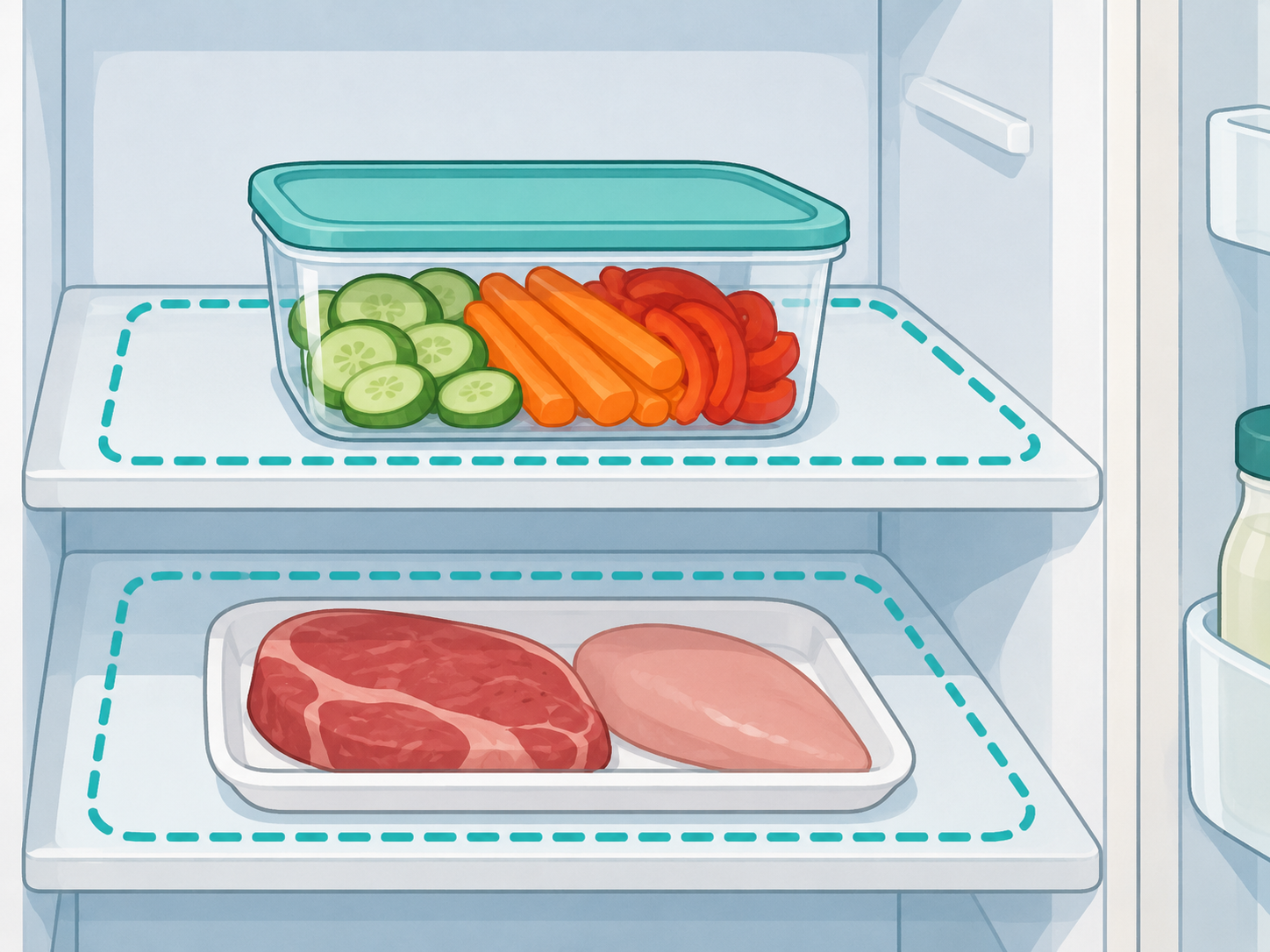
Store cut and perishable vegetables cold
Refrigerate perishable produce, pre-cut vegetables, packaged salads, herbs, and mushrooms at 40 degrees F or below. The FDA recommends refrigerating pre-cut and packaged produce and keeping raw produce separate from raw meat, poultry, and seafood. Use clean containers and discard vegetables that look rotten, slimy, or badly bruised.
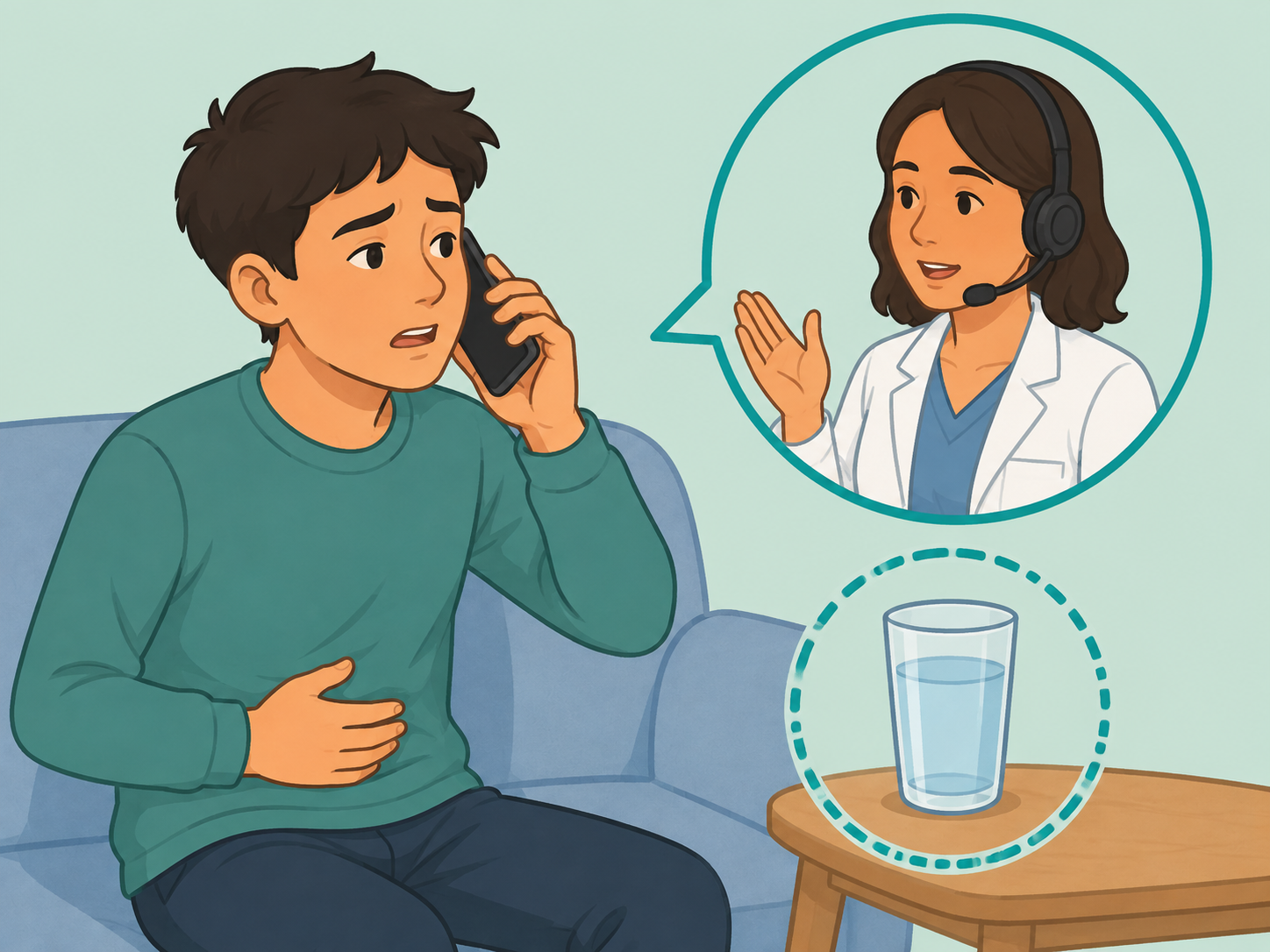
Call a doctor for persistent or severe symptoms
Seek medical care if you develop severe or persistent diarrhea, signs of dehydration, fever, bloody stool, worsening abdominal pain, or symptoms after travel or a suspected contaminated meal. The CDC says Cyclospora may require specific stool testing that is not always included in routine tests. Do not diagnose yourself or start medication without a qualified health professional.
Summary
The bottom line: no single vegetable is always the most dangerous, but raw aquatic plants, leafy greens, herbs, sprouts, and unwashed produce deserve extra care. Wash produce under running water, keep it away from raw meat and dirty surfaces, cook higher-risk items when appropriate, and get medical help for persistent or severe digestive symptoms.
Frequently Asked Questions
- Is watercress the most parasite-contaminated vegetable?
- No trusted source names one vegetable as always the most contaminated. Watercress and other raw aquatic plants deserve special caution because some parasites can attach to freshwater plants, but overall risk depends on growing conditions, water quality, handling, and whether the food is cooked.
- Can washing vegetables remove all parasites?
- Washing under running water helps reduce dirt and germs, but it cannot guarantee removal of every harmful organism. Cooking is a stronger risk-reduction step for higher-risk produce.
- Should I wash vegetables with soap, vinegar, bleach, or produce wash?
- Do not use soap, detergent, or bleach on produce. Use clean running water, rub the surface gently, scrub firm produce with a clean brush, and dry it with a clean towel.
- Are pre-washed salad greens safe to eat without rewashing?
- If a package says pre-washed or ready-to-eat, you can use it without washing again. If you do rewash it, keep it away from dirty sinks, utensils, and surfaces to avoid adding new contamination.
- Who should be most careful with raw sprouts and raw greens?
- Pregnant people, young children, older adults, and people with weakened immune systems have a higher risk of serious foodborne illness. They may want to choose cooked sprouts and be especially careful with raw produce.
- When should I call a doctor after eating questionable vegetables?
- Call a doctor if diarrhea is severe, persistent, bloody, or comes with dehydration, fever, worsening abdominal pain, or symptoms after travel. Ask specifically about parasite testing if symptoms continue and exposure seems possible.
References
Reliable references aided in composing and refining this content.
- https://www.cdc.gov/parasites/causes/index.html
- https://www.cdc.gov/fasciolopsis/index.html
- https://www.cdc.gov/cyclosporiasis/about/index.html
- https://www.cdc.gov/food-safety/foods/safer-food-choices.html
- https://www.fda.gov/food/buy-store-serve-safe-food/selecting-and-serving-produce-safely
- https://www.fda.gov/consumers/consumer-updates/7-tips-cleaning-fruits-vegetables
- https://medlineplus.gov/ency/article/002434.htm