
 Pin it
Gallbladder removal, also called cholecystectomy, changes how bile moves through your digestive system. Most people recover well and do not develop long-term digestive problems, but some notice diarrhea, indigestion, or ongoing abdominal pain. This guide explains what usually happens, which problems are worth watching for, and how to discuss surgery or alternatives safely with your care team.
Learn what the gallbladder normally does
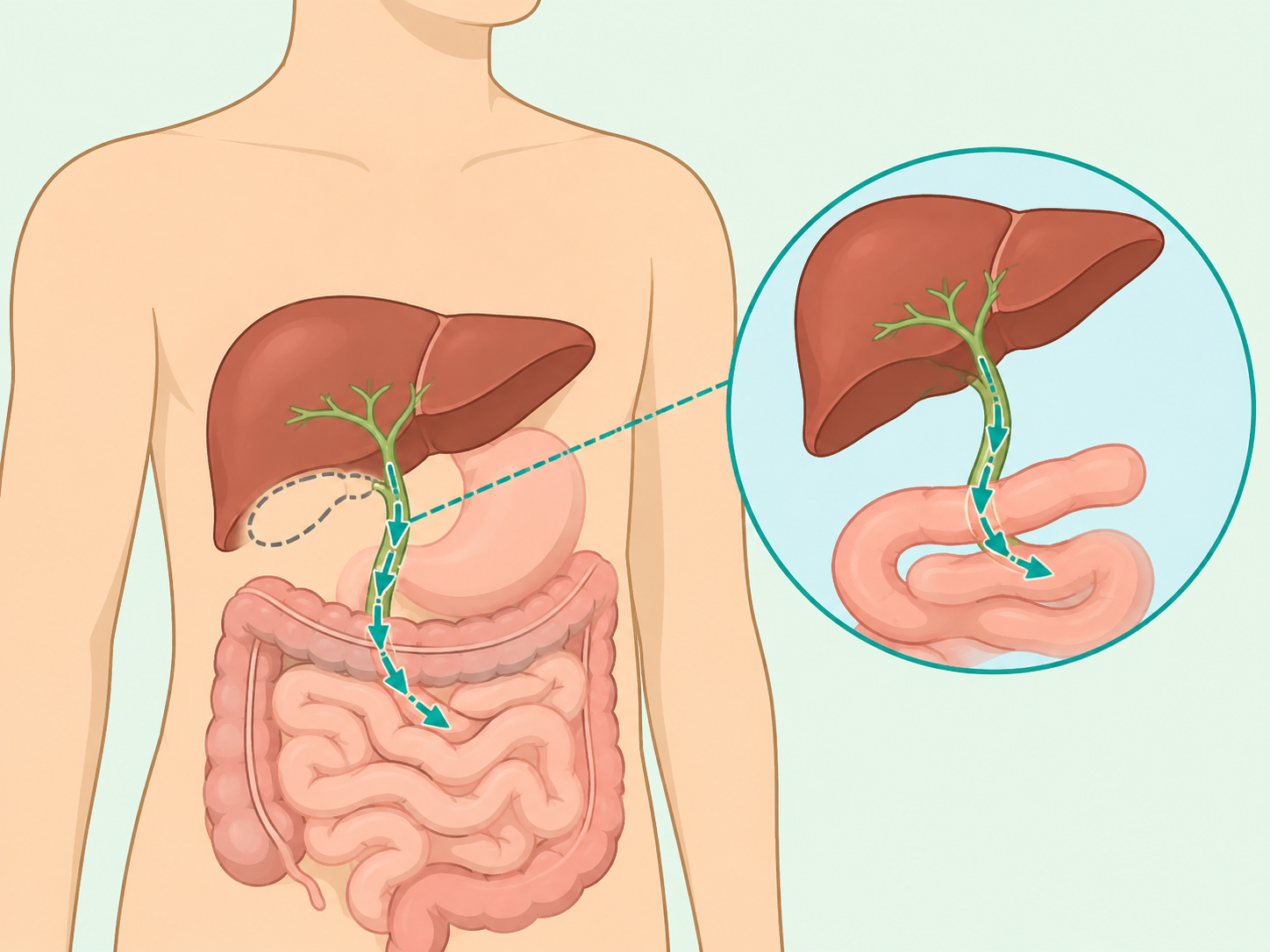
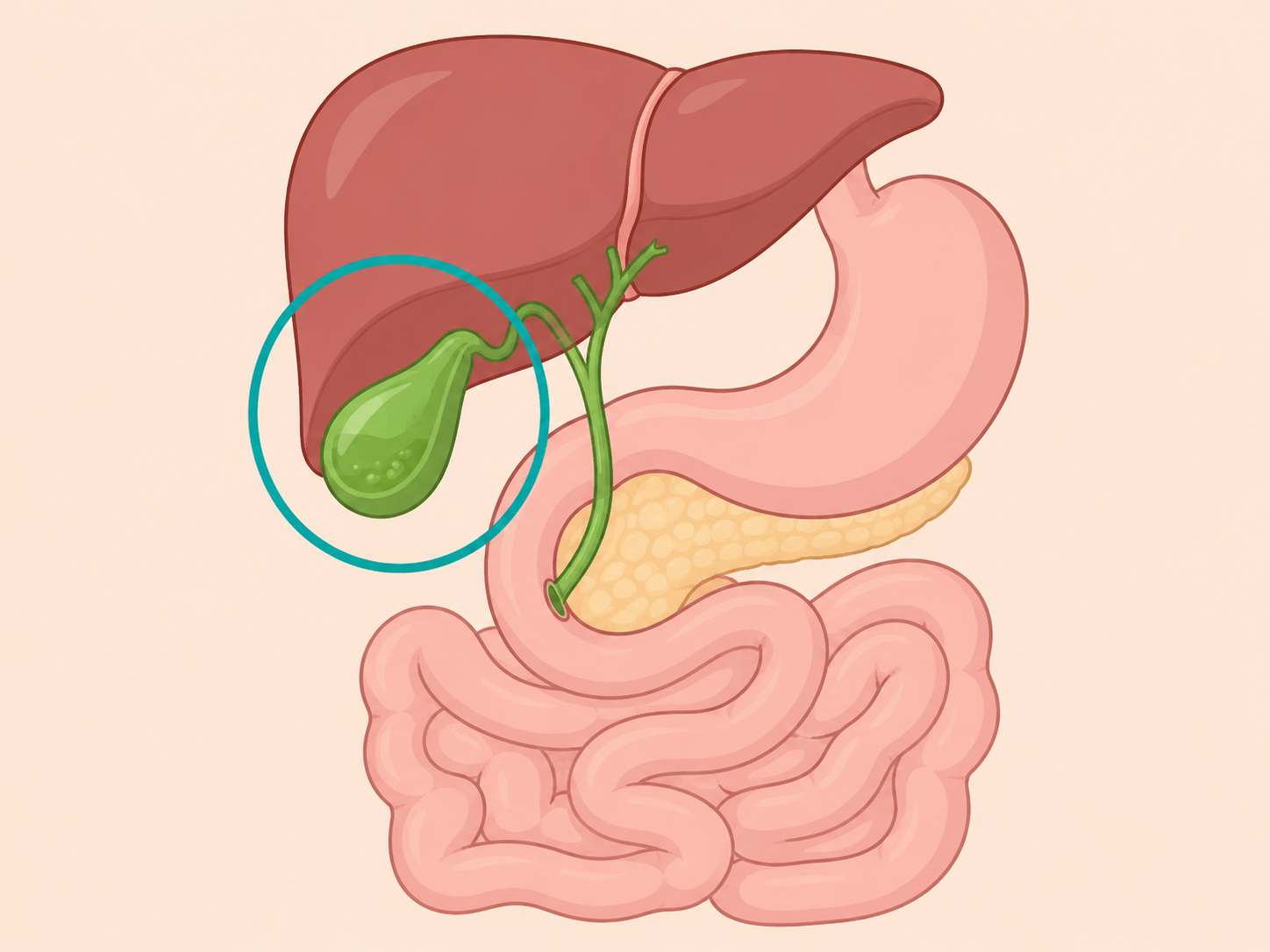
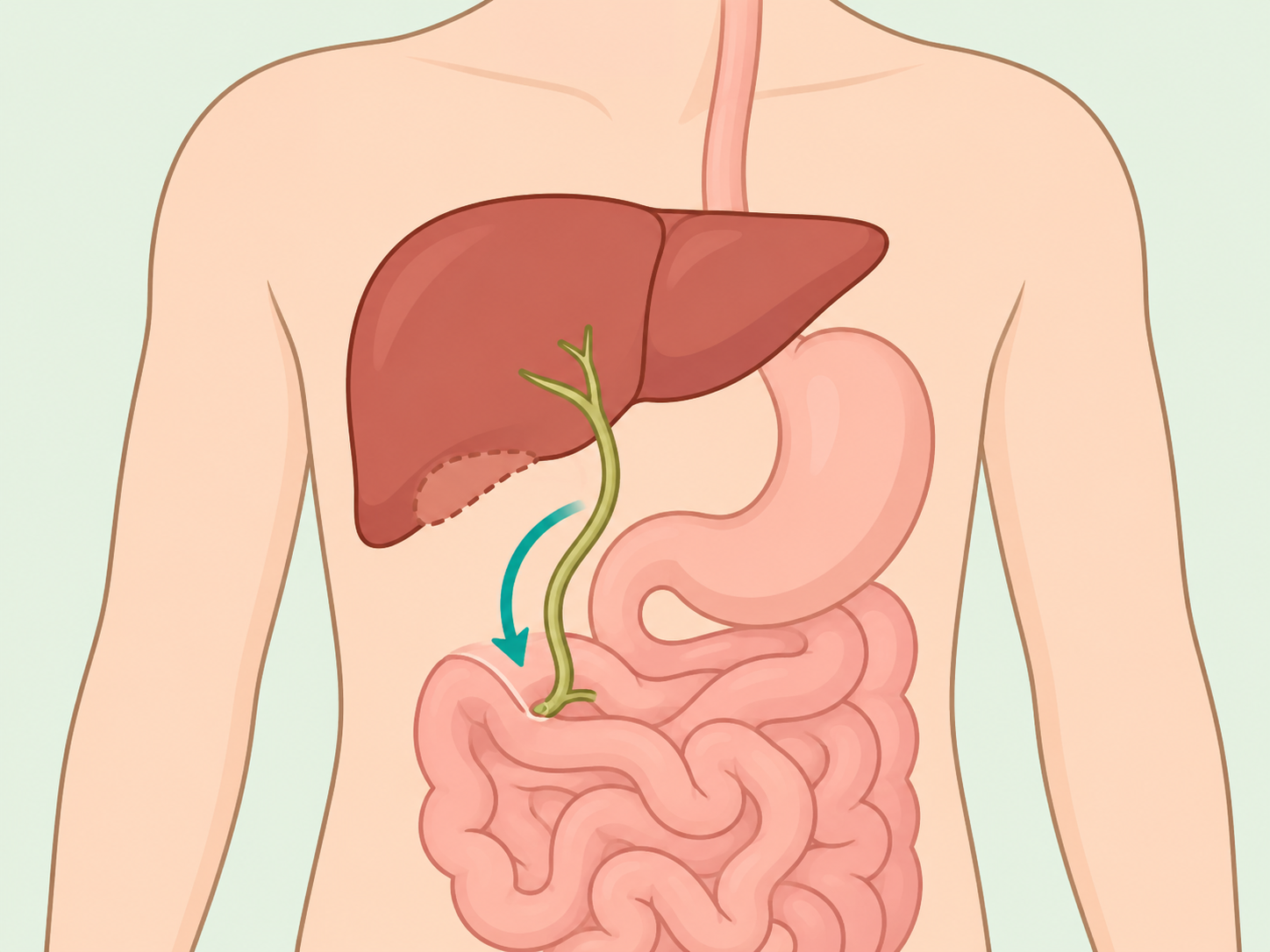
The gallbladder stores bile, a digestive fluid made by the liver, and releases it when you eat. After gallbladder removal, bile flows directly from the liver into the small intestine instead of being stored between meals.
Ask why surgery is being recommended
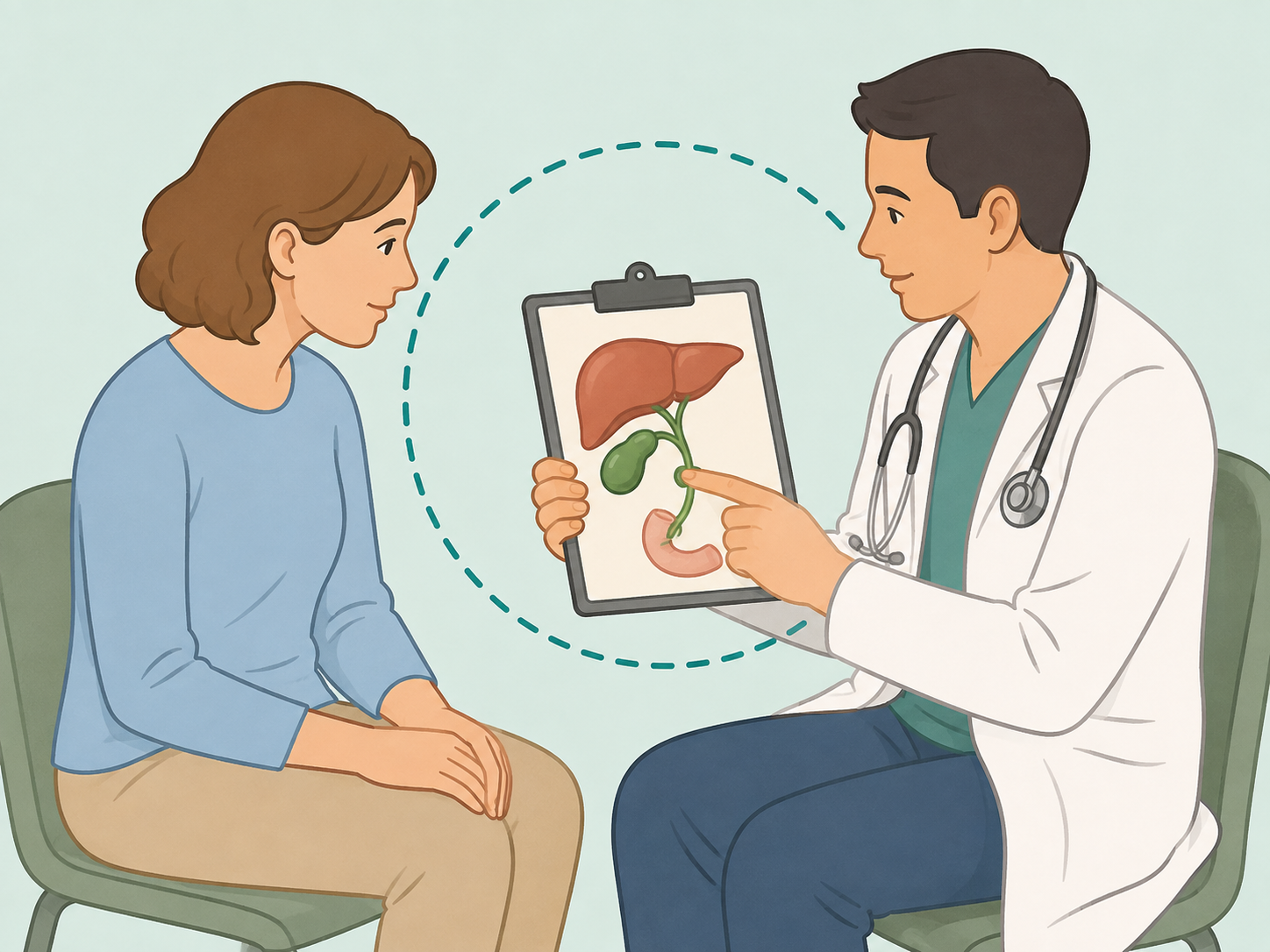
Not every gallstone needs treatment; gallstones without symptoms often do not need treatment. If you have gallbladder attacks, inflammation, stones in the bile duct, or pancreatitis from gallstones, surgery may be recommended because symptoms and complications can return.
Expect most digestion to stay normal
Most people do not have lasting digestive problems after cholecystectomy, and the gallbladder is not essential for healthy digestion. Mayo Clinic notes that occasional loose stool can happen but often resolves over time.
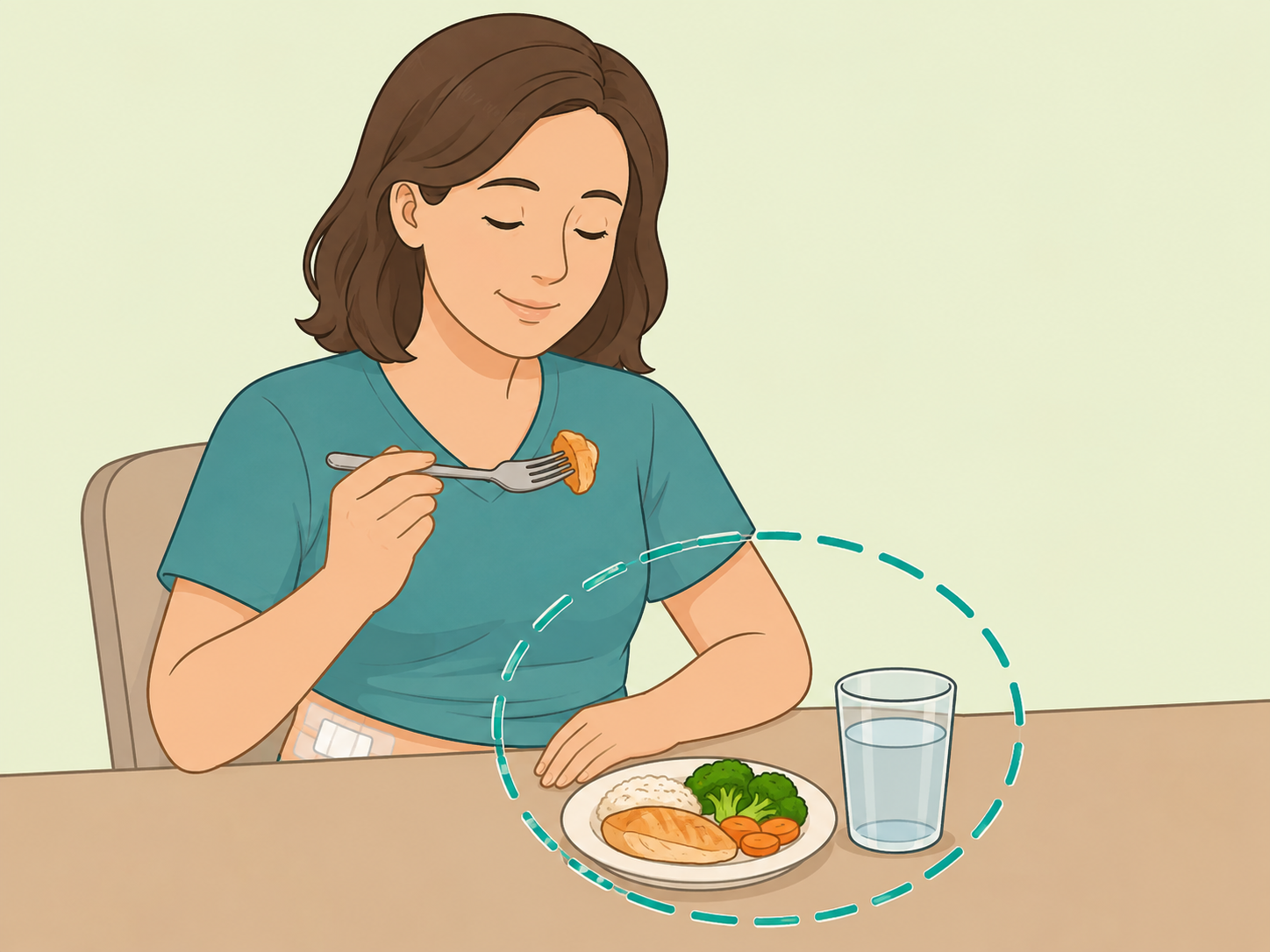
Eat gently while your body adjusts
Follow your discharge instructions, and start with a normal healthy diet as tolerated. The NHS says some people find it easier to eat small meals for the first few days after gallbladder removal.
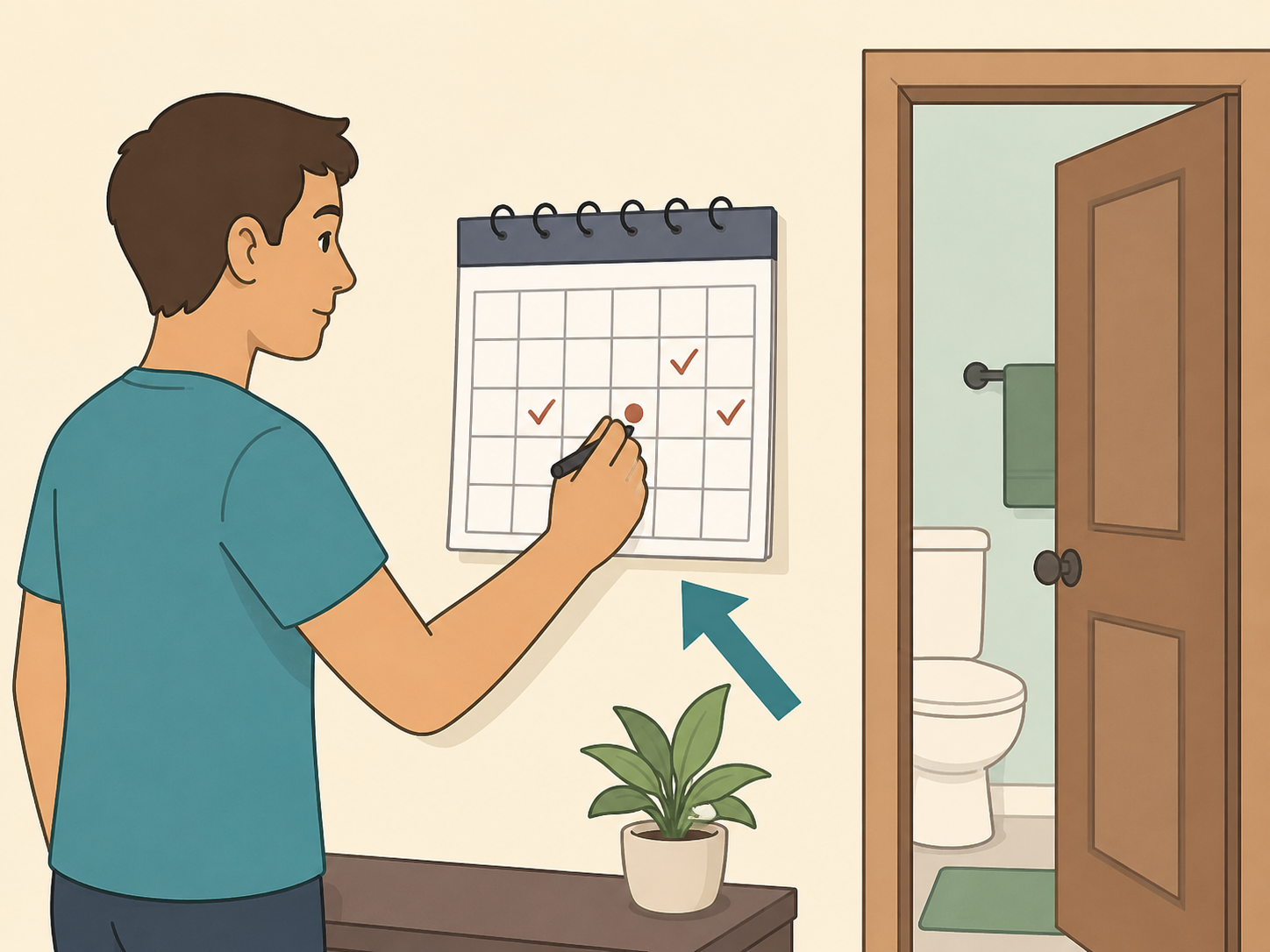
Notice diarrhea that lasts or disrupts life
Diarrhea can happen because bile reaches the intestine more continuously after surgery. If diarrhea continues, ask about bile acid diarrhea or bile acid malabsorption, since Cleveland Clinic lists gallbladder removal as one possible trigger.
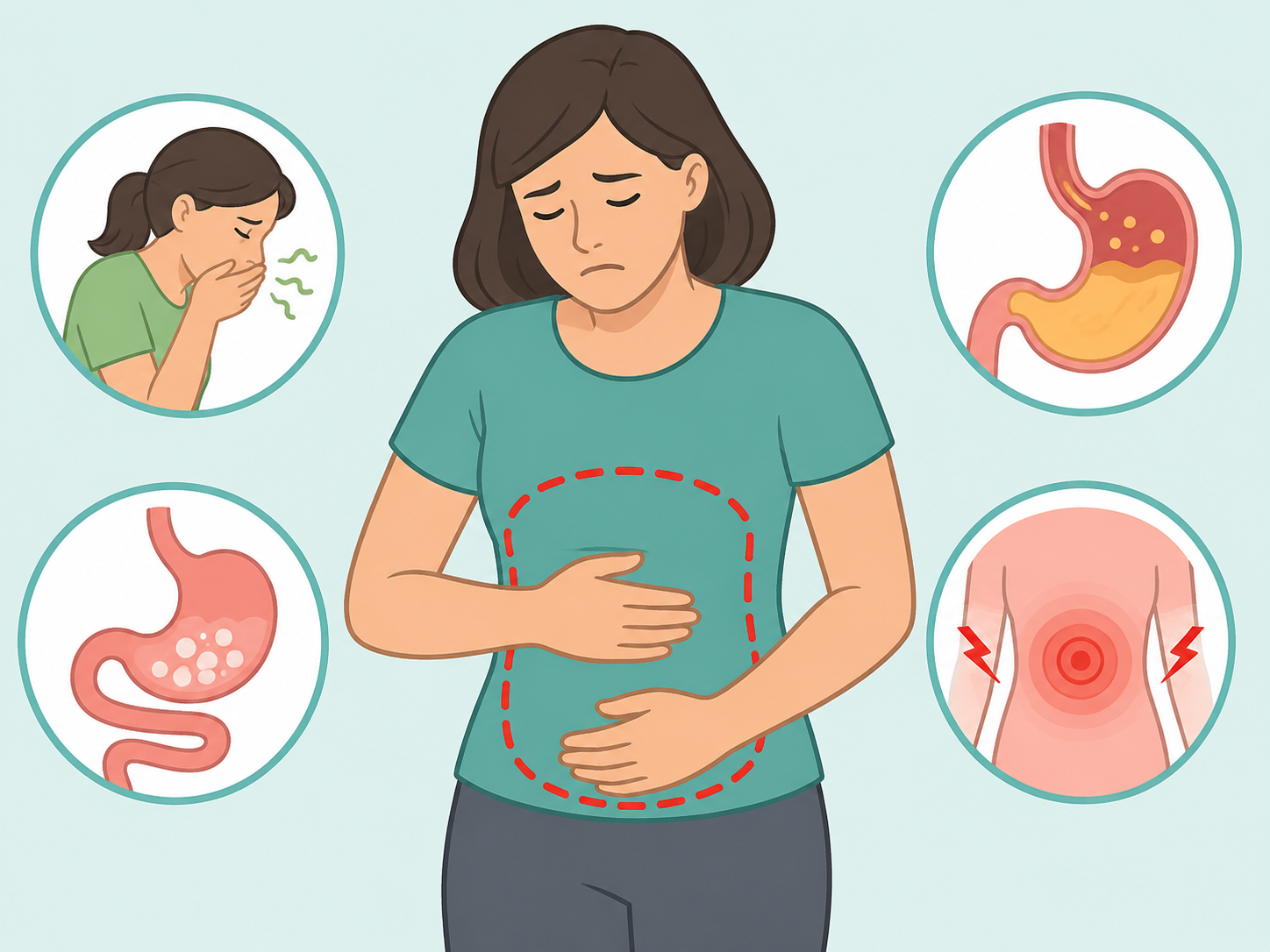
Watch for post-cholecystectomy syndrome symptoms
Ongoing nausea, indigestion, reflux, bloating, diarrhea, abdominal pain, or jaundice may be grouped under post-cholecystectomy syndrome until a specific cause is found. Cleveland Clinic explains that possible causes include retained bile duct stones, preexisting digestive disease, bile leakage, or pancreatitis.
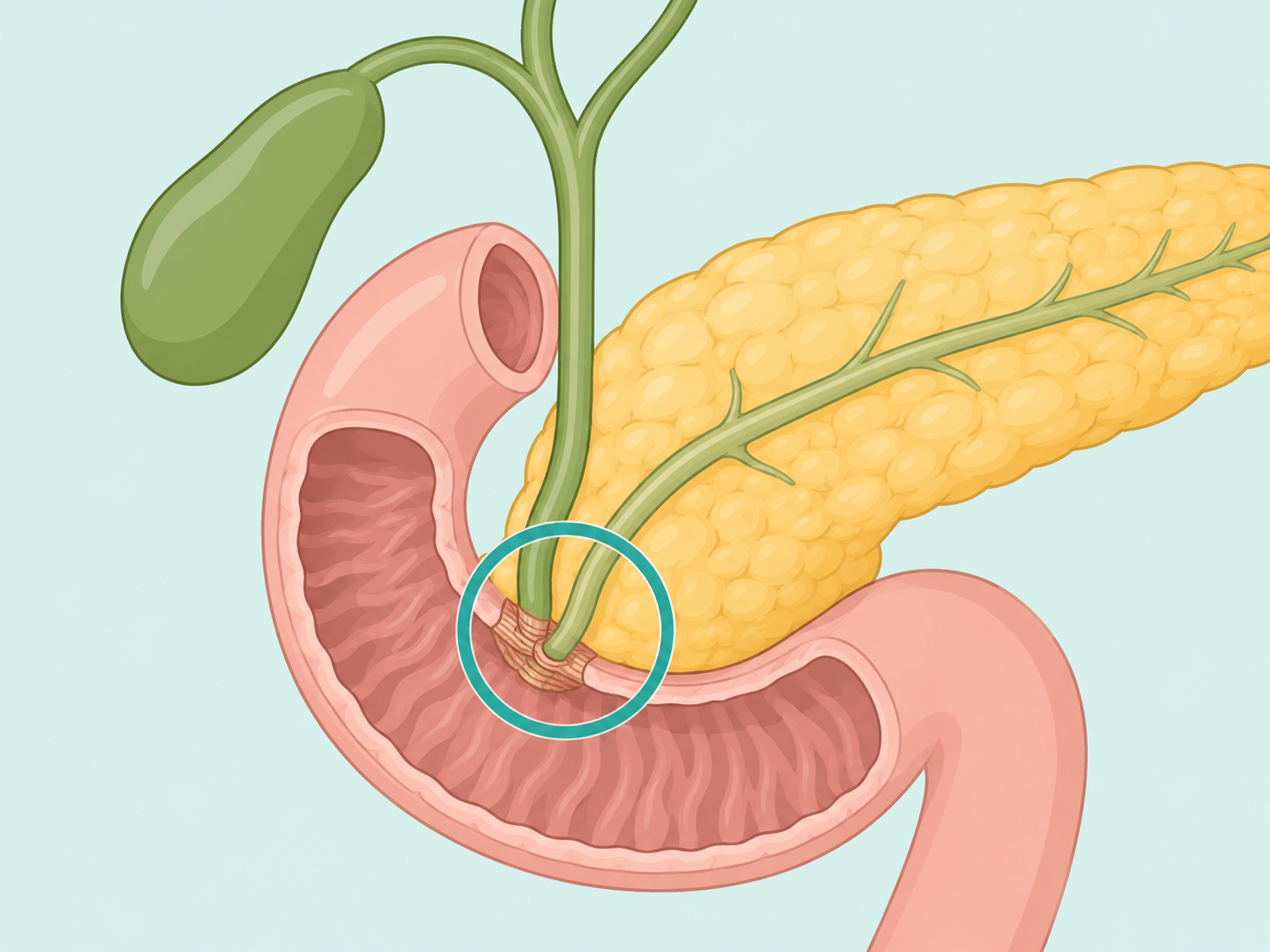
Understand sphincter of Oddi dysfunction carefully
Sphincter of Oddi dysfunction is one possible explanation for ongoing upper abdominal pain after gallbladder removal, but it requires medical evaluation and should not be self-diagnosed. Cleveland Clinic describes it as a problem with drainage of bile or pancreatic juices and notes that it is often discussed after cholecystectomy.
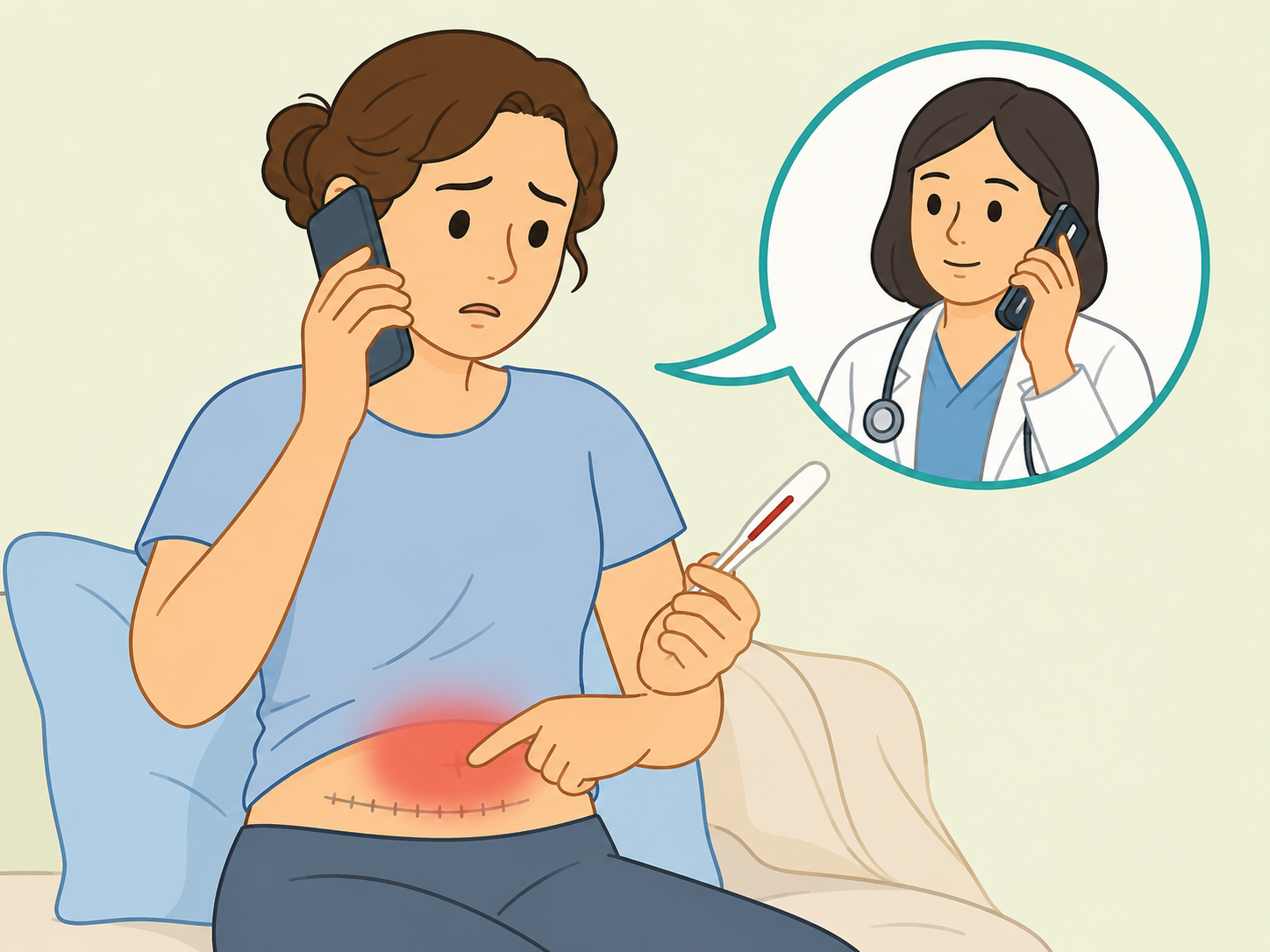
Seek medical help for red flags
Contact your doctor or urgent care service if you have severe or worsening pain, fever or chills, pus from a wound, yellow skin or eyes, or leg swelling. The NHS lists these as symptoms that may signal infection, bile duct problems, jaundice, or blood clots.
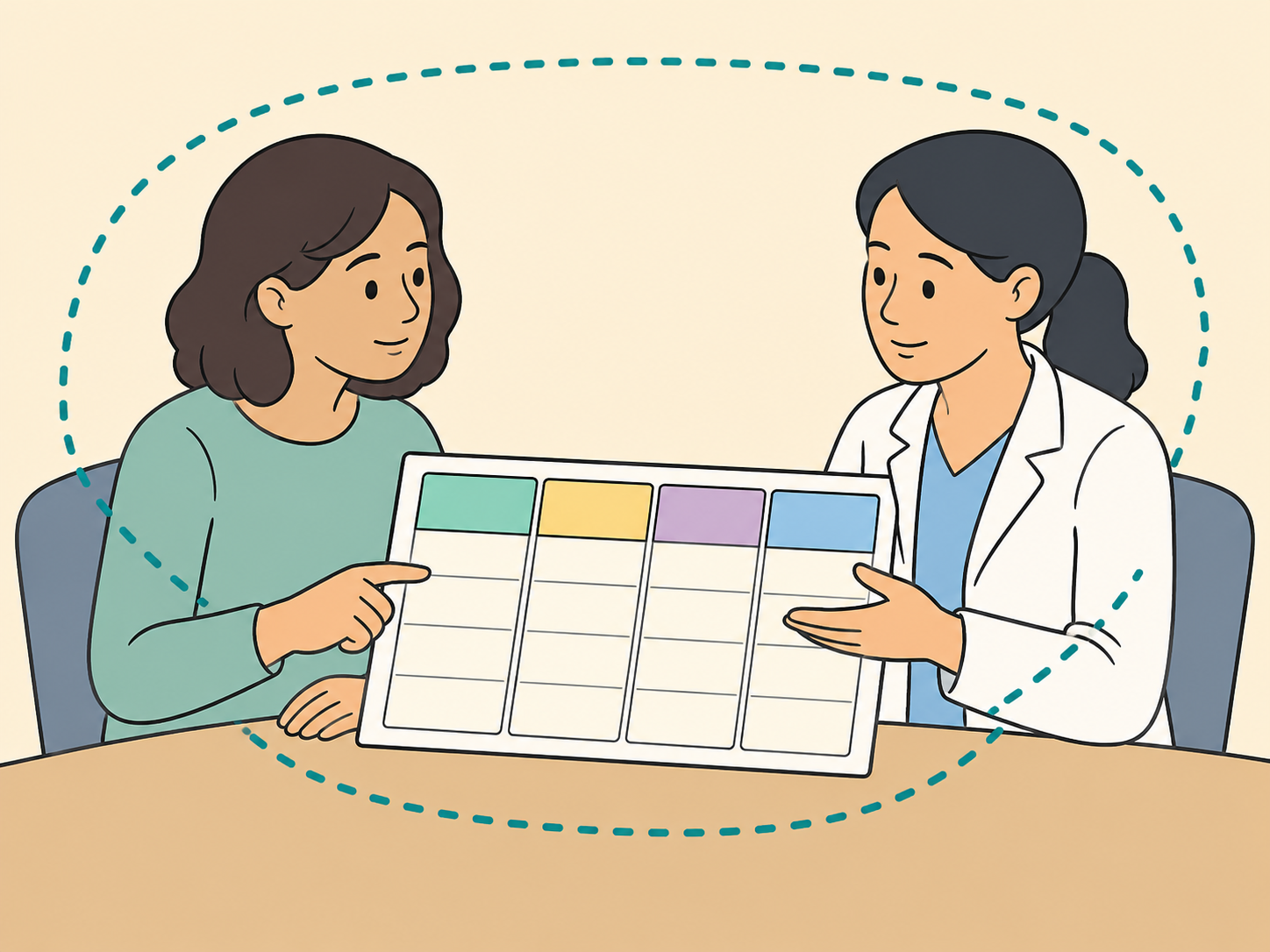
Make surgery decisions with your care team
It is reasonable to ask whether surgery is necessary, what happens if you wait, and whether nonsurgical options fit your situation. NIDDK explains that nonsurgical gallstone treatments are used only in special situations, so the safest choice depends on your symptoms, stone type, overall health, and risk of complications.
Summary
The bottom line: the gallbladder is not essential for digestion, and most people do well after removal. If symptoms persist or red flags appear, do not self-diagnose the cause; contact a qualified health professional for evaluation.
Frequently Asked Questions
- Can you live normally without a gallbladder?
- Yes. The gallbladder stores bile, but it is not essential, and many people digest food normally after it is removed.
- Are there three diseases that always follow gallbladder removal?
- No. Problems such as bile acid diarrhea, post-cholecystectomy syndrome, or sphincter of Oddi dysfunction can happen in some people, but they are not guaranteed and should be evaluated by a clinician.
- Is diarrhea after gallbladder removal normal?
- Loose stools can happen after surgery and often improve. Diarrhea that lasts more than four weeks, wakes you at night, contains blood or pus, or comes with fever, weight loss, or severe pain needs medical care.
- Do I need a permanent low-fat diet after gallbladder removal?
- Not usually. Many people can return to a balanced diet, although smaller meals and temporarily limiting greasy foods may help while your digestion settles.
- Can gallstones be treated without surgery?
- Sometimes, but nonsurgical treatments are usually reserved for special situations, such as certain cholesterol stones in people who cannot have surgery. Gallstones can return after nonsurgical treatment.
- When should I seek urgent help after gallbladder surgery?
- Seek urgent care for severe or worsening pain, fever or chills, pus from a wound, yellow skin or eyes, leg swelling or pain, chest pain, or trouble breathing.
References
Reliable references aided in composing and refining this content.
- https://www.niddk.nih.gov/health-information/digestive-diseases/gallstones/treatment
- https://www.mayoclinic.org/tests-procedures/cholecystectomy/about/pac-20384818
- https://www.mayoclinic.org/tests-procedures/cholecystectomy/expert-answers/gallbladder-removal/faq-20058481?reDate=22082015
- https://www.nhs.uk/tests-and-treatments/gallbladder-removal/recovery
- https://www.nhs.uk/tests-and-treatments/gallbladder-removal/complications
- https://my.clevelandclinic.org/health/treatments/21614-gallbladder-removal
- https://my.clevelandclinic.org/health/diseases/24312-bile-acid-malabsorption
- https://my.clevelandclinic.org/health/diseases/14516-sphincter-of-oddi-dysfunction