
 Pin it
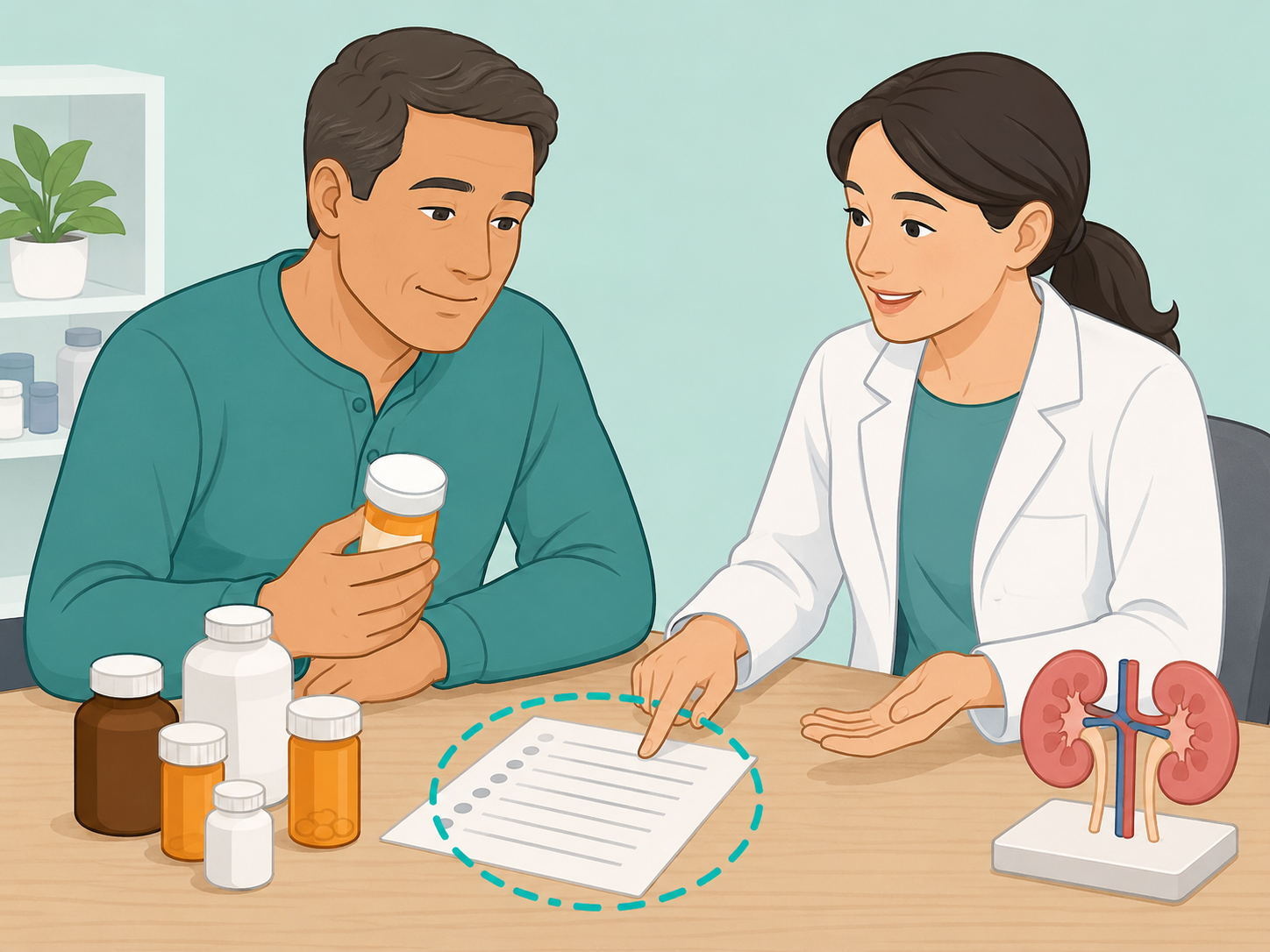
Some pills can harm the kidneys, especially if they are taken too often, taken during dehydration, or used by someone who already has kidney disease, diabetes, high blood pressure, or heart disease. This guide explains the main medicine groups to review and how to ask safer questions. It is not a list of medicines to stop on your own.
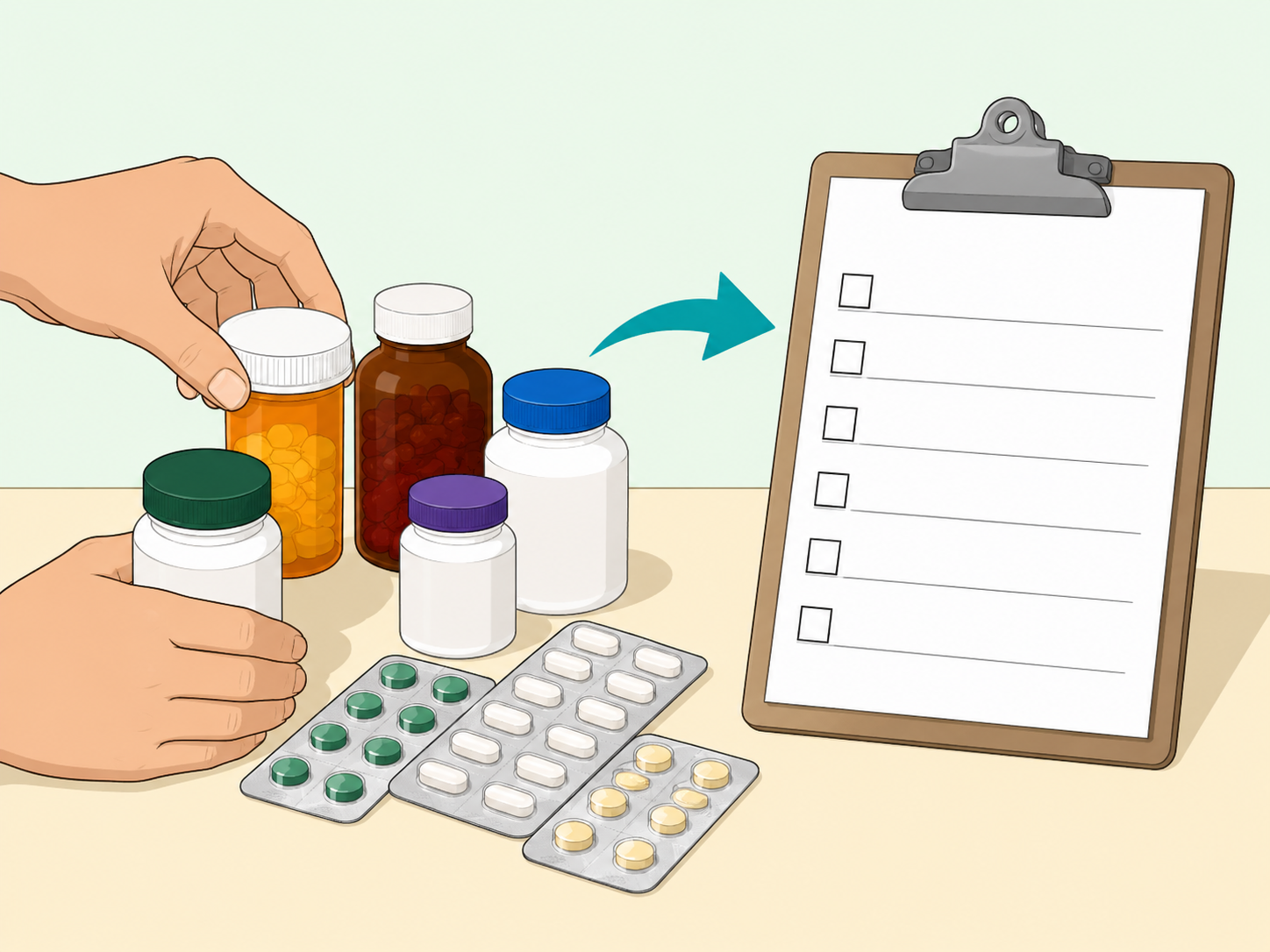
Make a complete medicine list
Write down every prescription, over-the-counter pill, vitamin, and supplement you take, including how often you use each one. The NIDDK recommends bringing this list or your bottles to health visits so your doctor or pharmacist can check kidney safety and interactions.
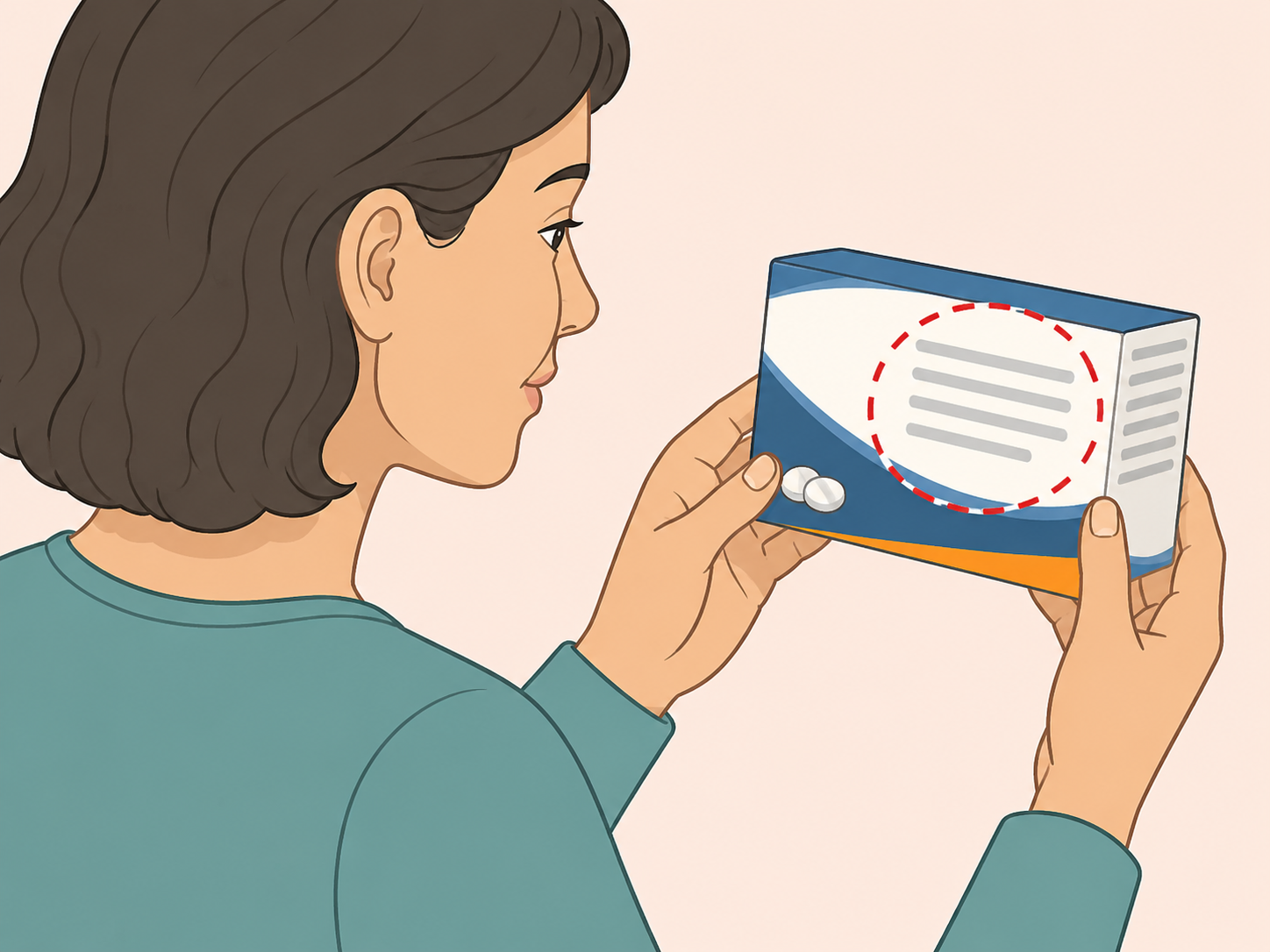
Check pain and cold pills for NSAIDs
Look for ibuprofen, naproxen, aspirin, celecoxib, diclofenac, ketorolac, meloxicam, or the word NSAID on Drug Facts labels. The National Kidney Foundation says NSAIDs can reduce blood flow through the kidneys and may worsen kidney disease, especially with high doses or long-term use.
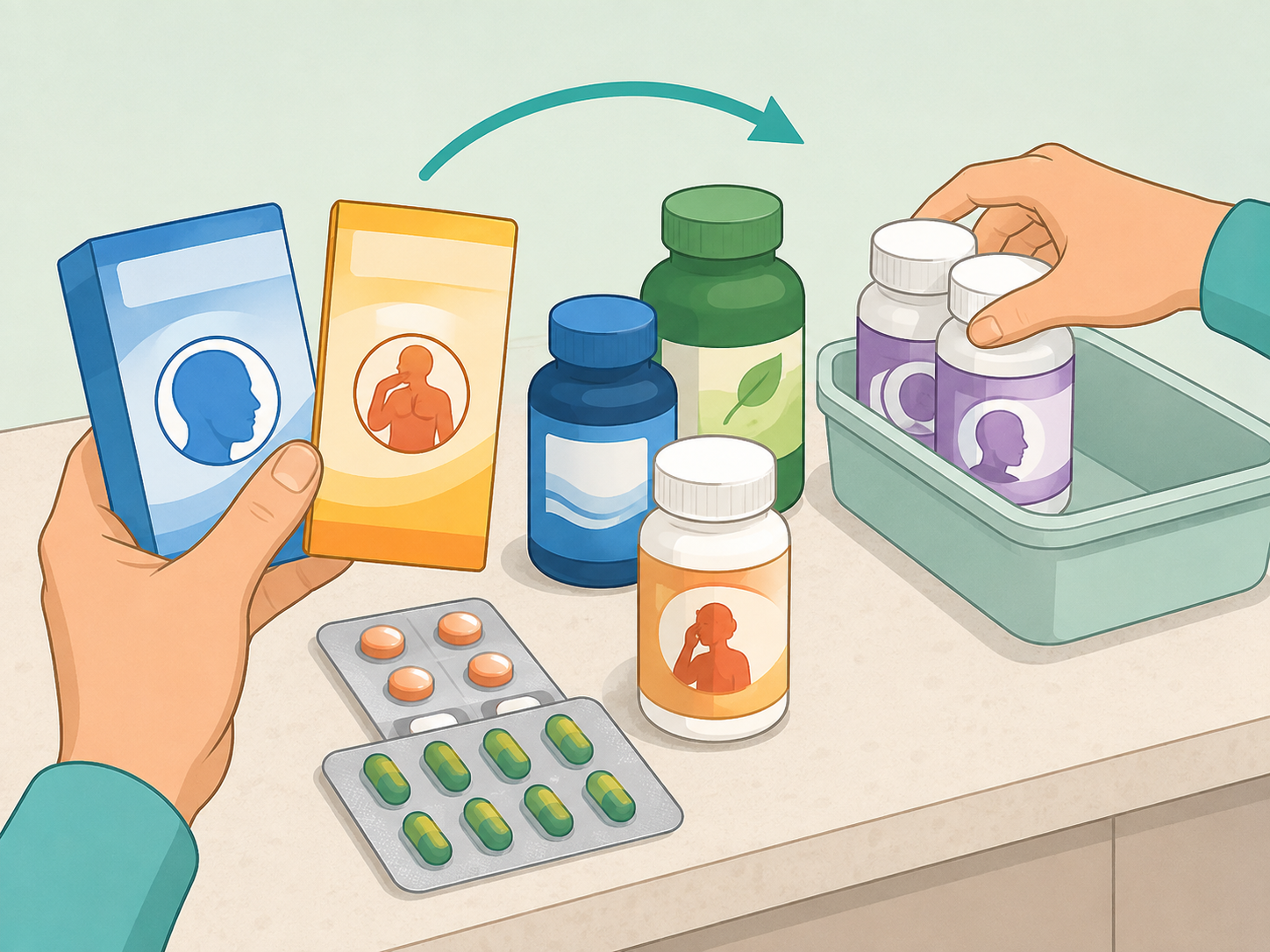
Avoid doubling up on acetaminophen products
Acetaminophen is often safer for kidneys at recommended doses, but it can appear in several pain, sleep, cold, and flu products at the same time. The National Kidney Foundation advises checking ingredient labels carefully and asking a professional before using it for ongoing pain.
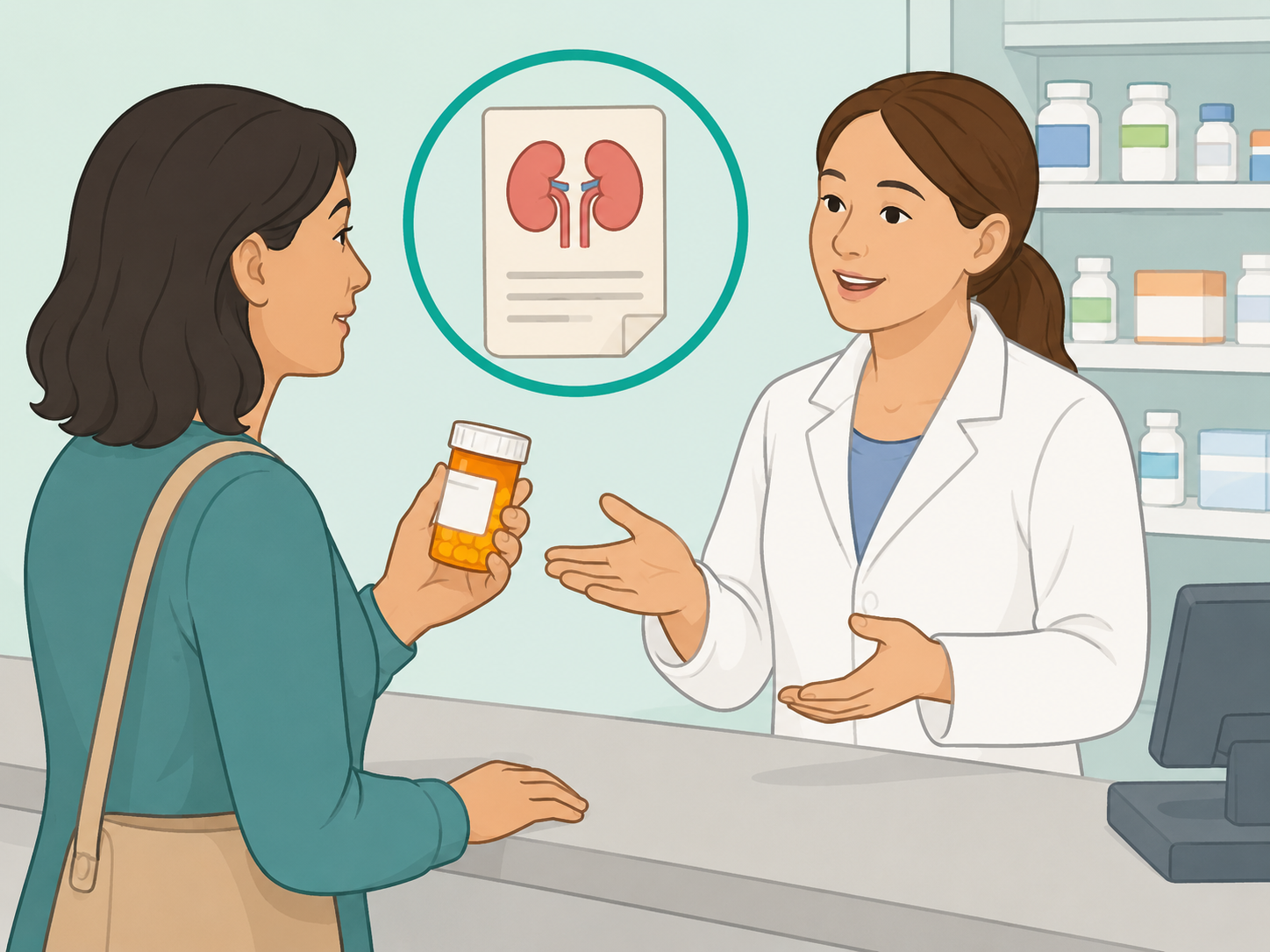
Ask whether infection pills need kidney-dose adjustment
Many antibiotics, antifungals, and antivirals leave the body through the kidneys, so the dose may need adjustment if your eGFR is low. If you have chronic kidney disease, ask whether the medicine and dose are appropriate for your kidney function; the National Kidney Foundation notes that infection treatment is usually still important, but may need closer monitoring.
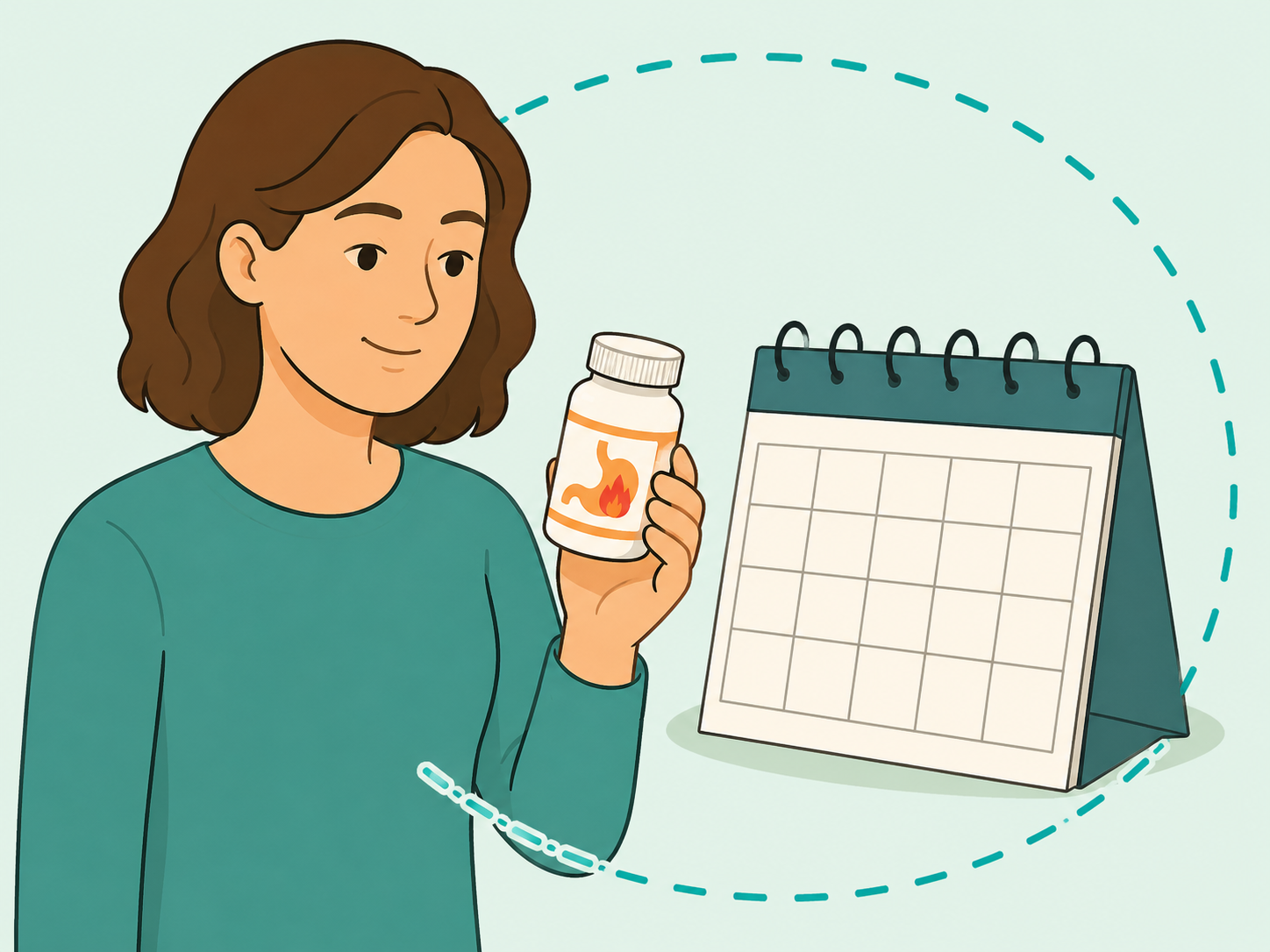
Review long-term heartburn pills
Proton pump inhibitors, including omeprazole, esomeprazole, lansoprazole, and pantoprazole, can be helpful for reflux and ulcers, but they should not be treated as harmless when used for months or years. The National Kidney Foundation says long-term PPI use has kidney-related safety concerns, so ask whether you still need it and whether monitoring is appropriate.
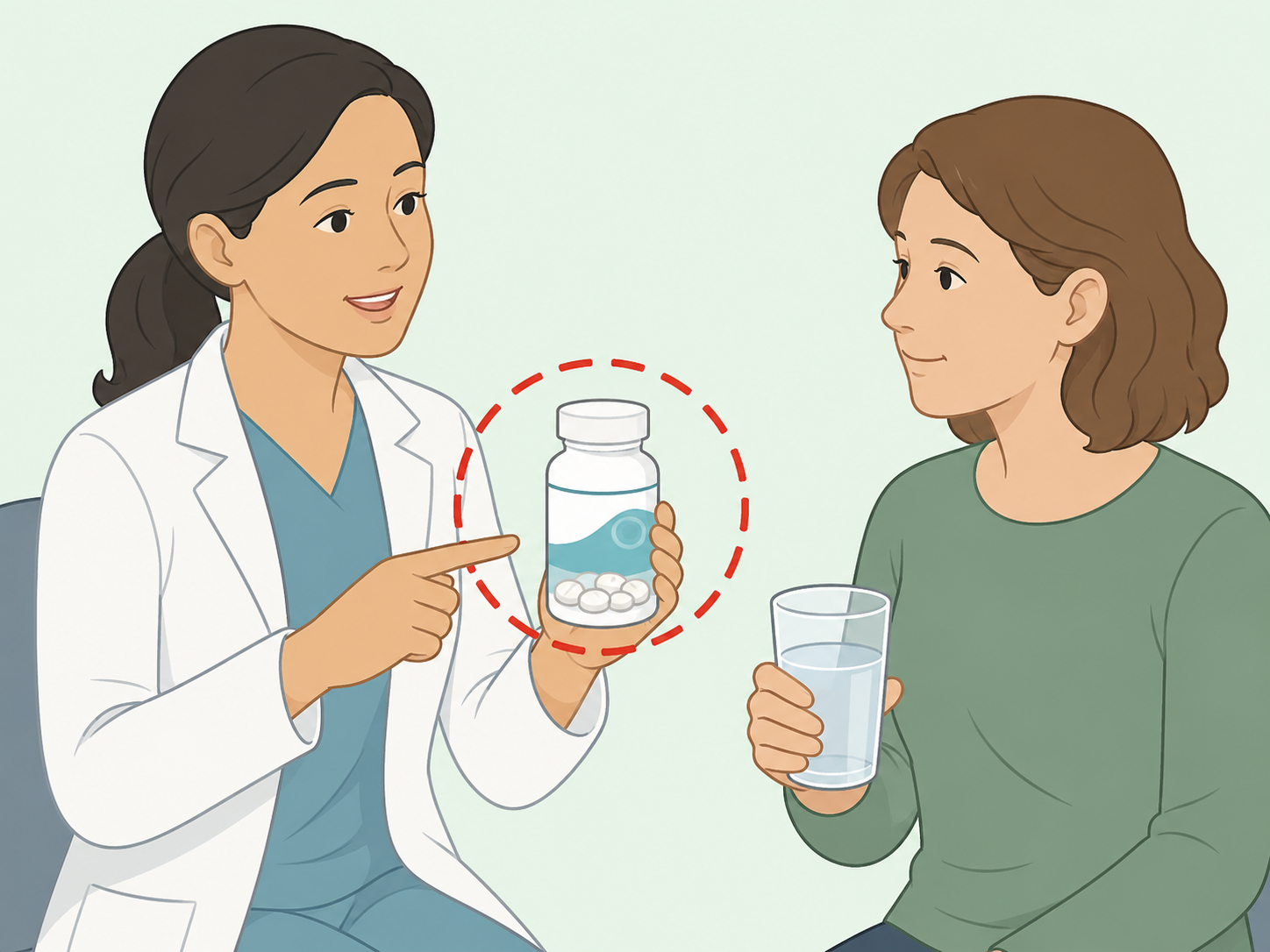
Avoid sodium phosphate laxative tablets unless prescribed
Do not use oral sodium phosphate tablets for constipation or bowel preparation unless a clinician specifically tells you to use them. MedlinePlus warns that sodium phosphate can cause serious kidney damage, and risk is higher in people with kidney disease, dehydration, older age, heart failure, or certain interacting medicines.
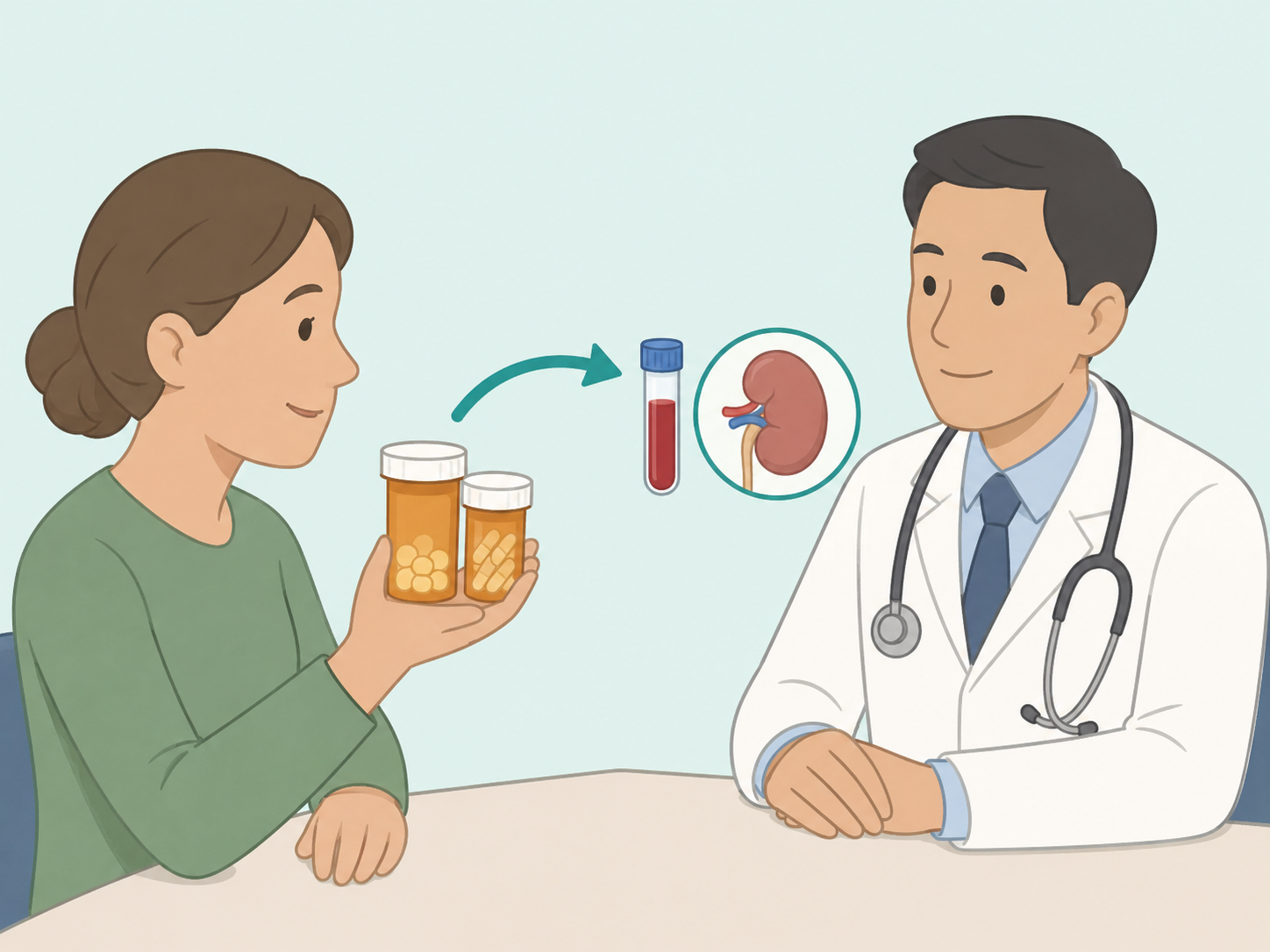
Discuss lithium and kidney-affecting prescriptions before changing them
Lithium, diuretics, ACE inhibitors, ARBs, and some diabetes medicines may need lab monitoring or dose changes, but they may also be essential treatment. MedlinePlus advises people taking lithium to keep doctor and lab appointments, and the NIDDK notes that some blood pressure medicines can protect kidneys when taken correctly.
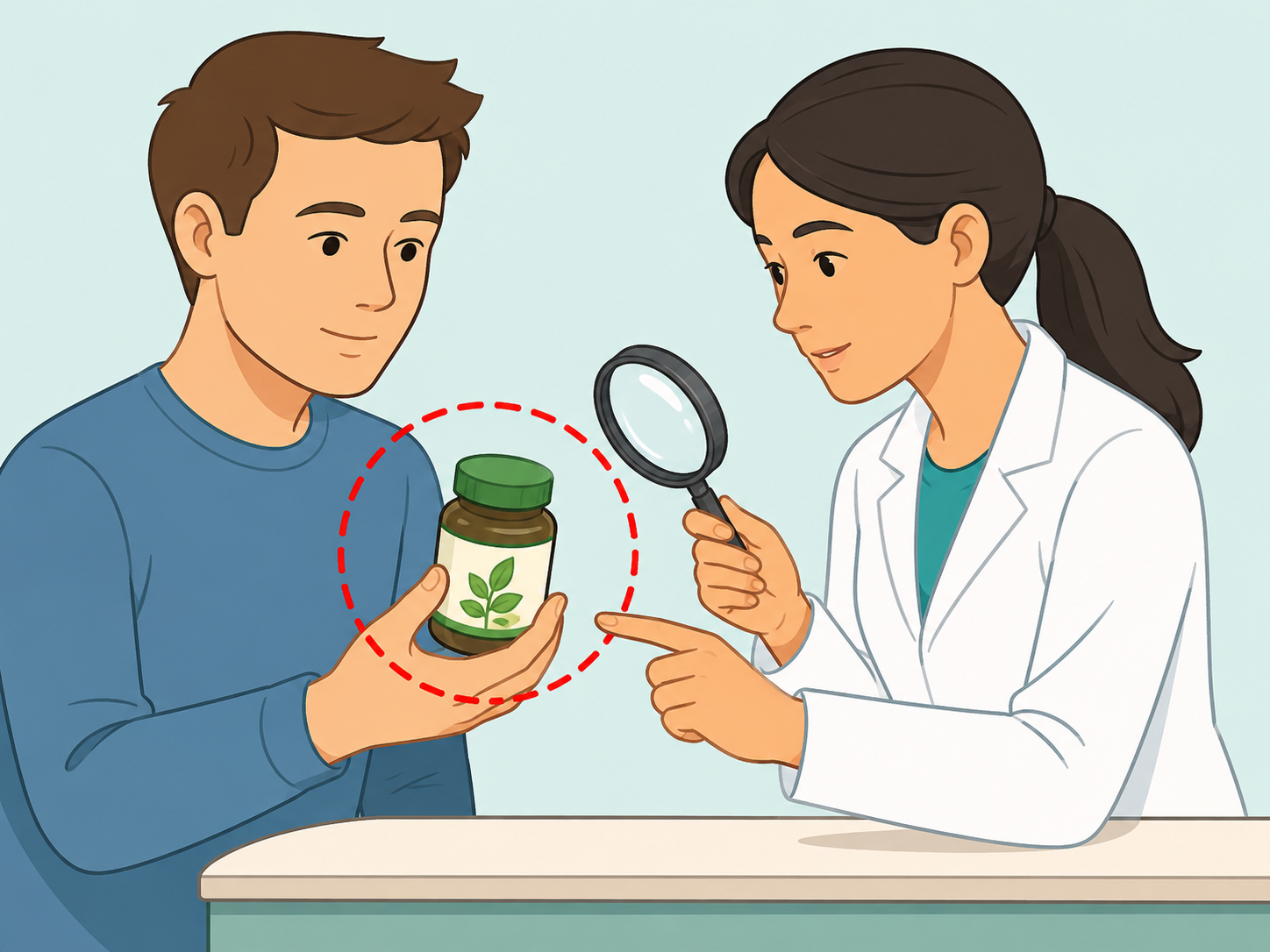
Skip unreviewed herbal kidney detox pills
Do not start a kidney detox, herbal cleanse, or imported supplement without showing the label to a pharmacist or clinician. The National Kidney Foundation warns that some herbal supplements can worsen kidney disease, interact with prescriptions, or contain harmful contaminants.
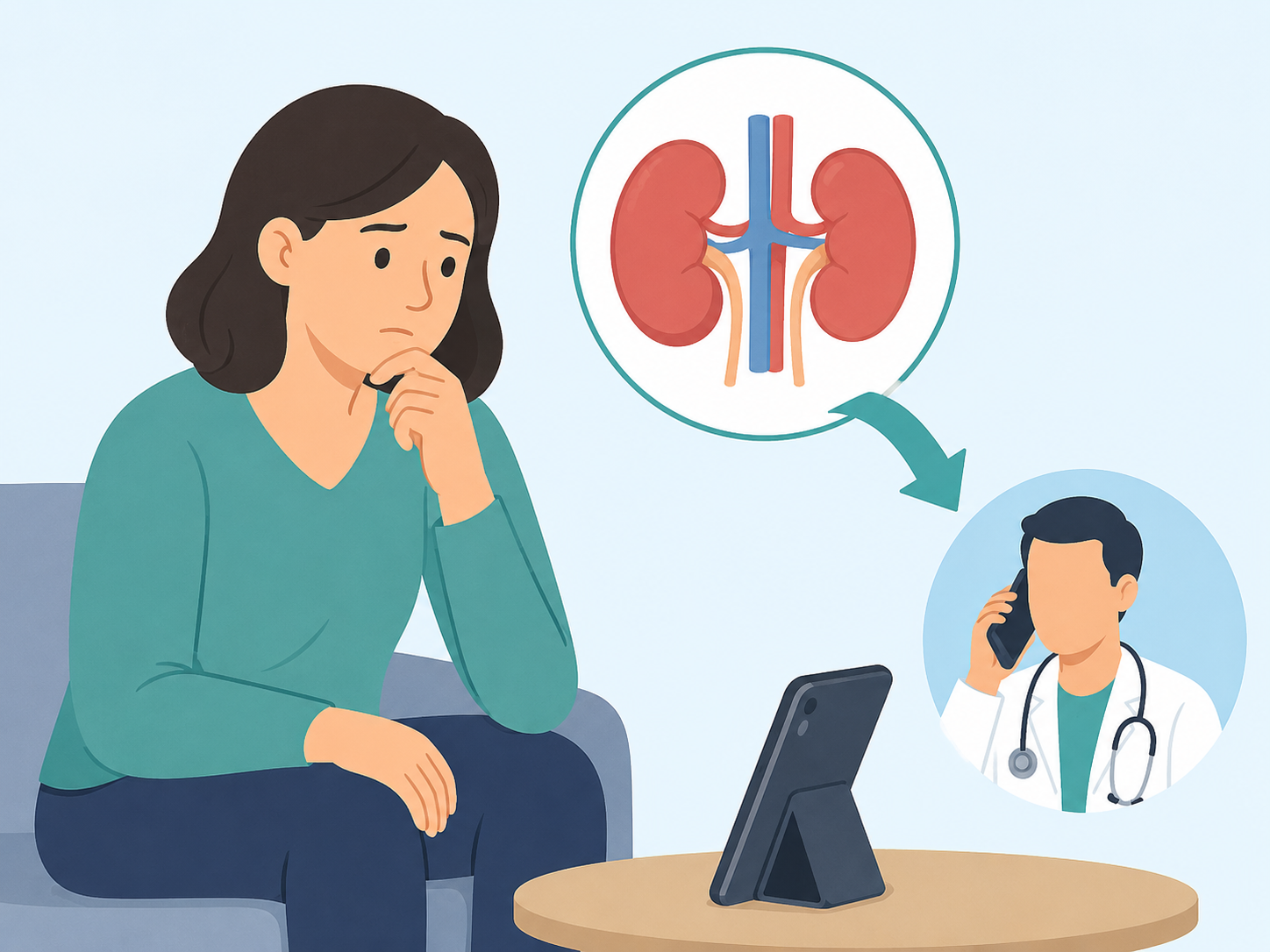
Seek help for kidney warning signs
Call a doctor promptly if you notice much less urination than usual, swelling in your legs or face, severe vomiting, dehydration, unusual tiredness, confusion, or symptoms after starting a new medicine. An eGFR test can help monitor kidney function, especially if you have CKD or take medicines that could affect your kidneys.
Summary
The bottom line: kidney-safe medicine use starts with checking labels, avoiding repeated self-treatment with risky over-the-counter pills, and asking whether prescriptions need monitoring or kidney-dose adjustment. If you have kidney disease or warning symptoms, get medical advice promptly.
Frequently Asked Questions
- Which pain pills are most concerning for kidney health?
- NSAIDs are the main over-the-counter pain pills to review, including ibuprofen, naproxen, and high-dose aspirin. The risk is higher with kidney disease, dehydration, high doses, or long-term use.
- Is acetaminophen safer for kidneys than NSAIDs?
- Acetaminophen is generally considered safer for kidneys at recommended doses, but it still needs careful label reading because it appears in many cold, flu, and prescription pain products.
- Should I stop my blood pressure medicine to protect my kidneys?
- No. ACE inhibitors, ARBs, and diuretics can be important treatments, and some help protect kidney function. Ask your clinician what to do during dehydration or illness, but do not stop them without medical advice.
- Can antibiotics hurt the kidneys?
- Some antibiotics, antivirals, and antifungals are cleared through the kidneys or can cause kidney-related side effects. If you have CKD, ask whether the dose matches your kidney function.
- Are kidney detox pills safe?
- Do not assume they are safe because they are natural. Some herbal supplements can interact with medicines, contain contaminants, or include ingredients linked with kidney damage.
- What test shows whether my kidneys are handling medicines well?
- An eGFR blood test estimates how well your kidneys filter waste. Clinicians may also use urine tests, creatinine, and other labs depending on your situation.
- When should I seek urgent help?
- Get medical help quickly if you have much less urination than usual, swelling in your legs or face, severe vomiting or dehydration, confusion, fainting, trouble breathing, or symptoms after a new medicine.
References
Reliable references aided in composing and refining this content.
- https://www.niddk.nih.gov/health-information/kidney-disease/keeping-kidneys-safe
- https://www.kidney.org/kidney-topics/pain-medicines-and-kidney-disease
- https://www.kidney.org/kidney-topics/safe-medicine-use-chronic-kidney-disease?page=1
- https://www.kidney.org/kidney-topics/safe-medicine-use-chronic-kidney-disease?page=3
- https://medlineplus.gov/druginfo/meds/a609019.html
- https://medlineplus.gov/druginfo/meds/a681039.html
- https://www.kidney.org/kidney-topics/herbal-supplements-and-kidney-disease?page=2
- https://medlineplus.gov/lab-tests/glomerular-filtration-rate-gfr-test