 Pin it
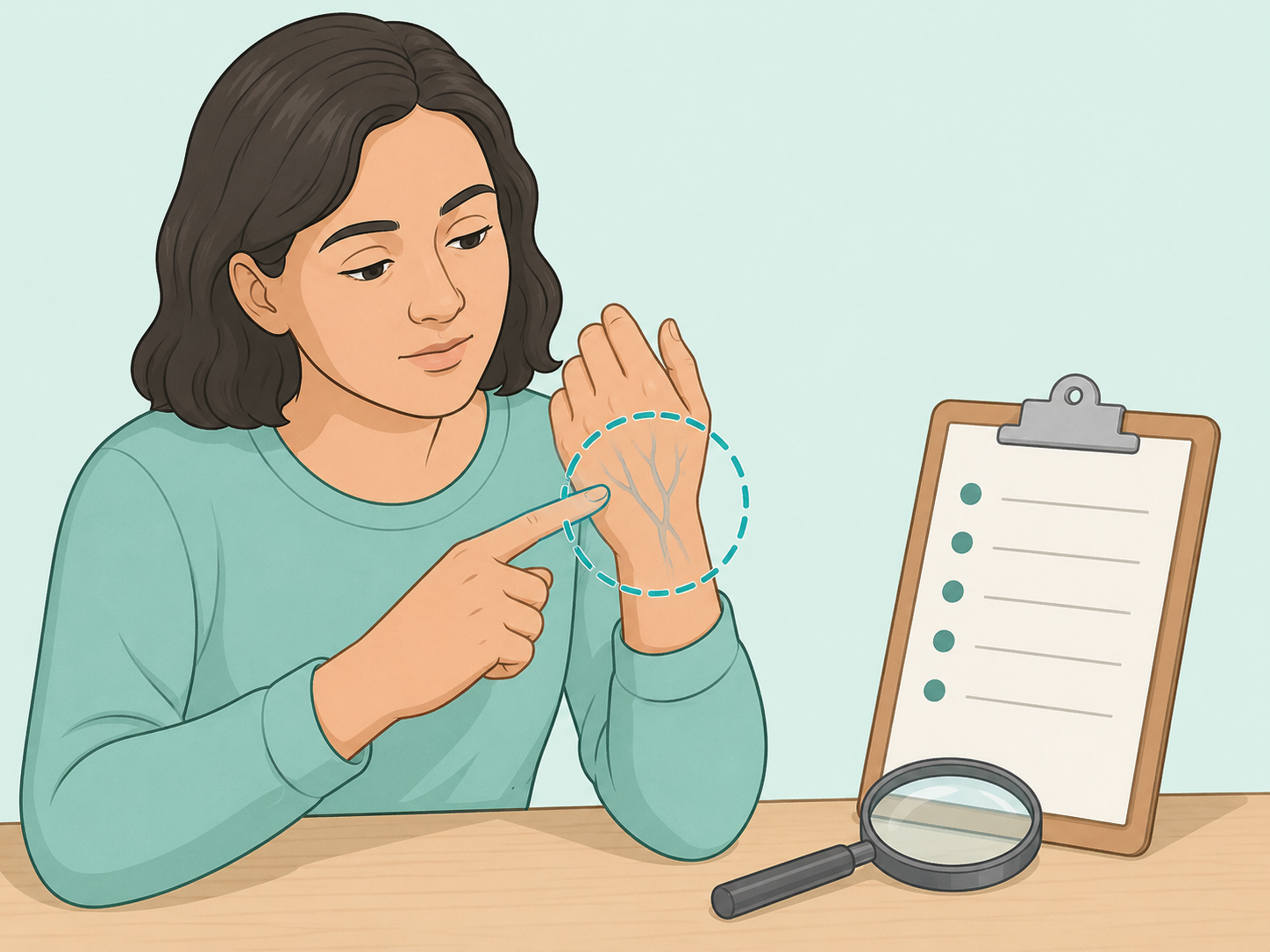
Visible veins can be surprising, especially if they appear suddenly or seem darker than before. In many cases, they are related to normal changes in blood flow, skin thickness, exercise, aging, or body composition. This guide explains what different visible vein patterns can mean, what symptoms to watch for, and when to ask a healthcare professional for help.
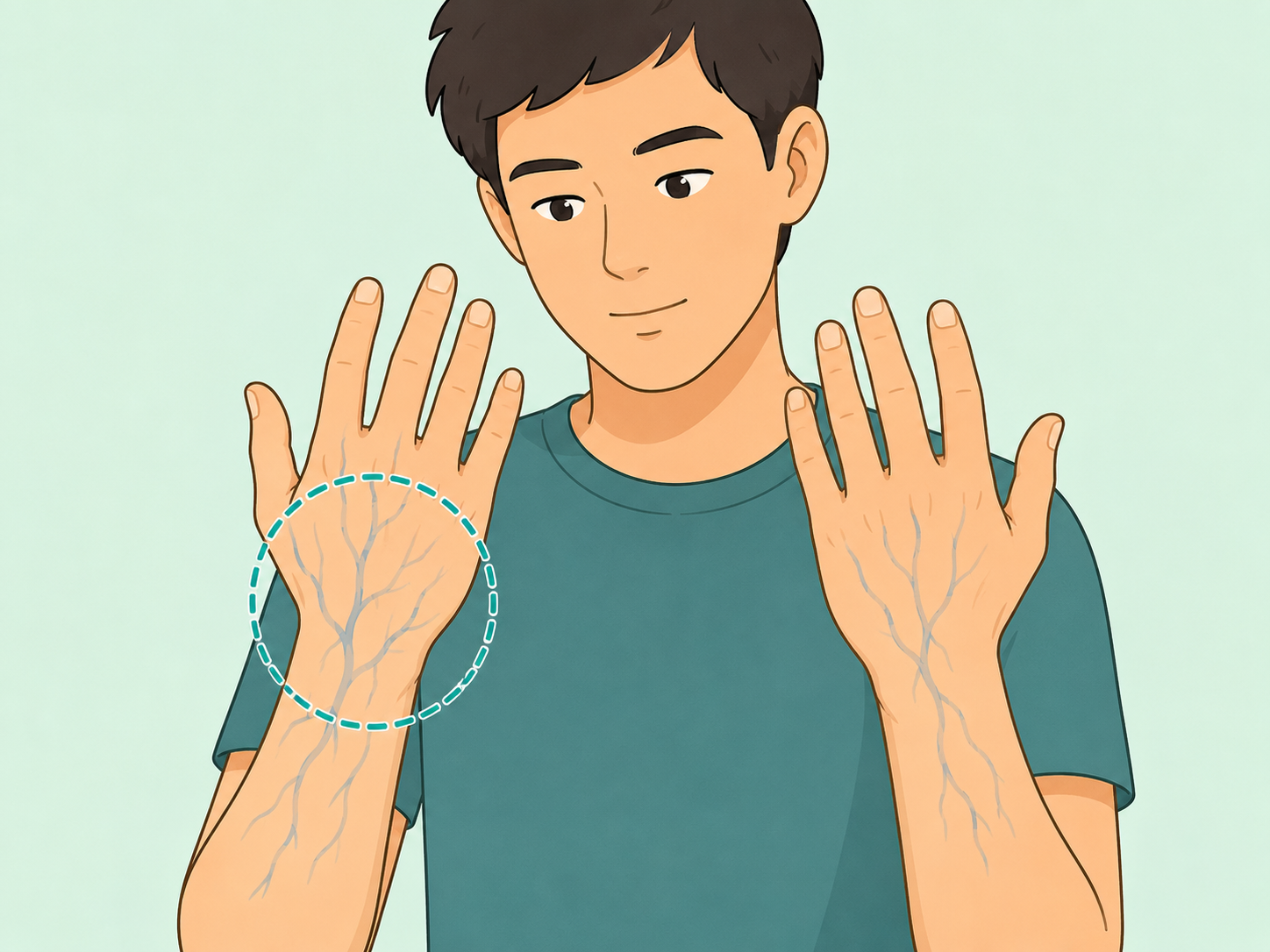
Compare the veins with your usual baseline
Start by noticing whether the veins are long-standing or newly visible, and whether they are flat or bulging. Superficial veins sit just under the skin, so some visible veins can be normal, especially on the hands, arms, feet, and legs. A sudden change, a new pattern, or symptoms such as pain or swelling deserves closer attention.
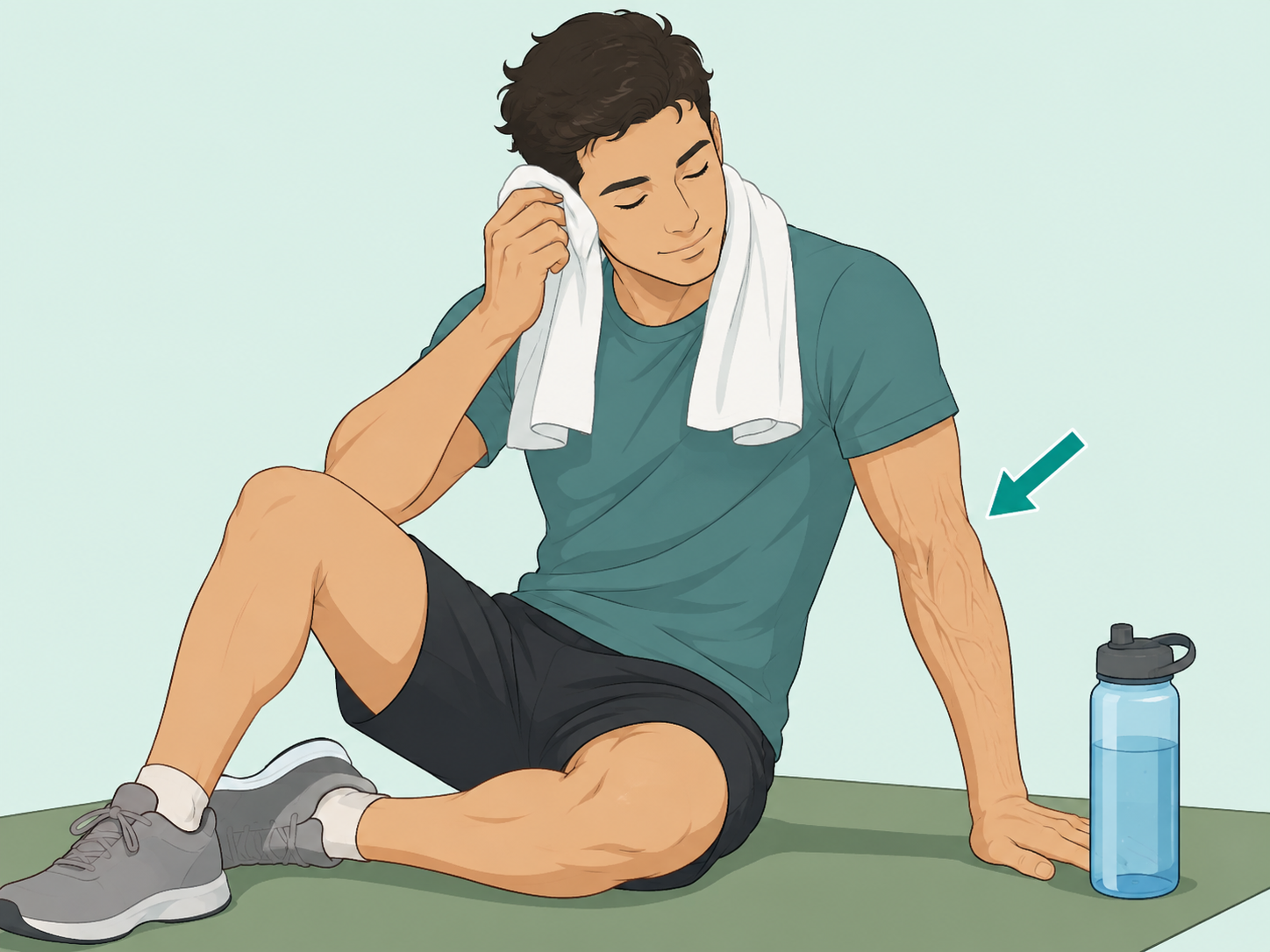
Consider recent exercise, heat, or body changes
Visible veins can temporarily stand out after intense exercise because activity increases blood flow, and vessels may widen when your body responds to heat or exertion. Cleveland Clinic notes that exercise, lower body fat, aging, and thinner skin can make veins look more prominent. If the veins settle back down and there is no pain, swelling, redness, or skin change, they are less likely to signal a serious problem.
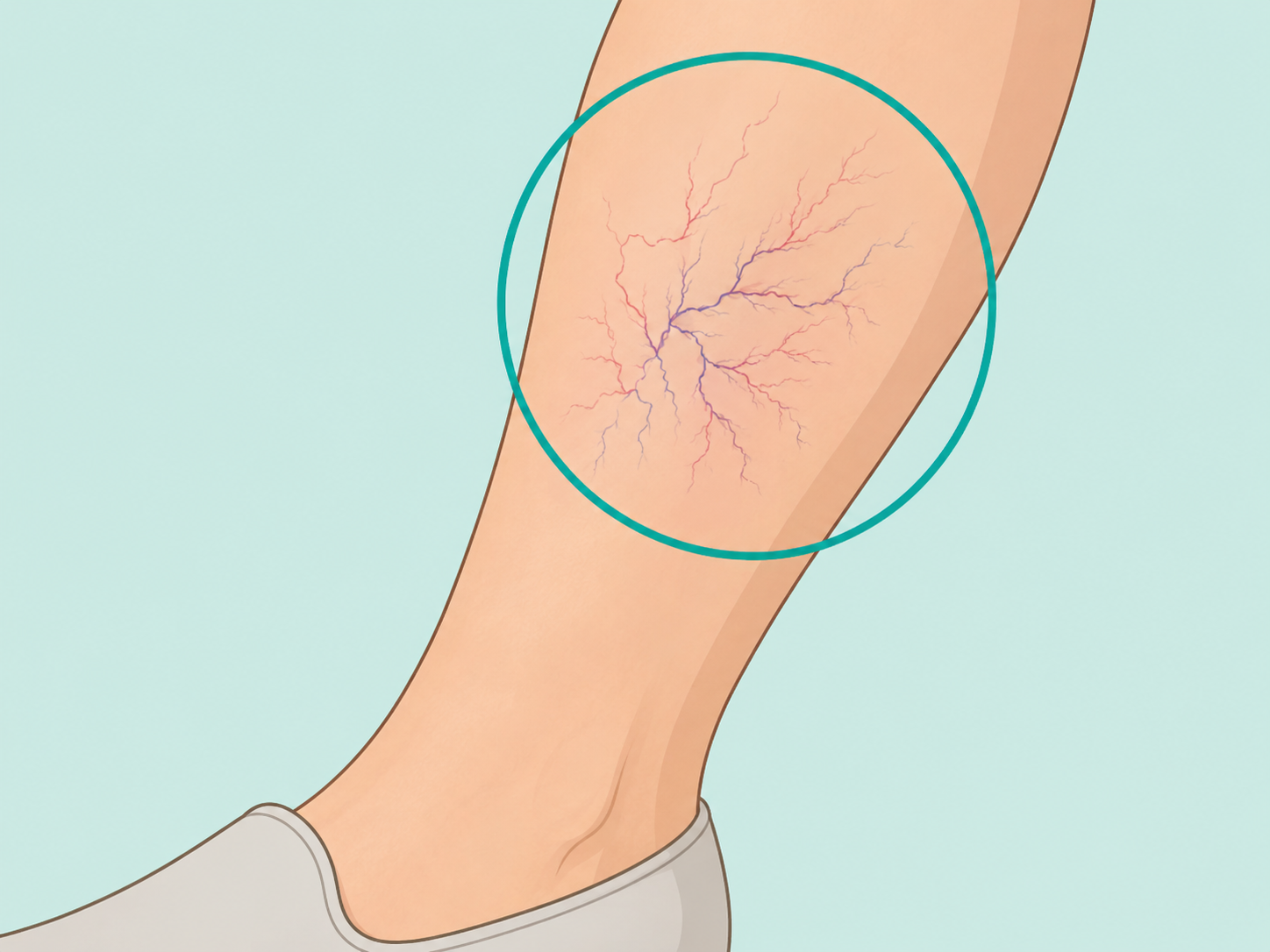
Identify whether they look like spider veins
Look for tiny red, blue, or purple lines that form web-like or branching clusters, often on the legs, face, hands, or chest. Spider veins are small visible blood vessels near the skin surface and are often harmless on their own. Tell a healthcare professional if they are new, widespread, uncomfortable, or paired with heavier leg symptoms.
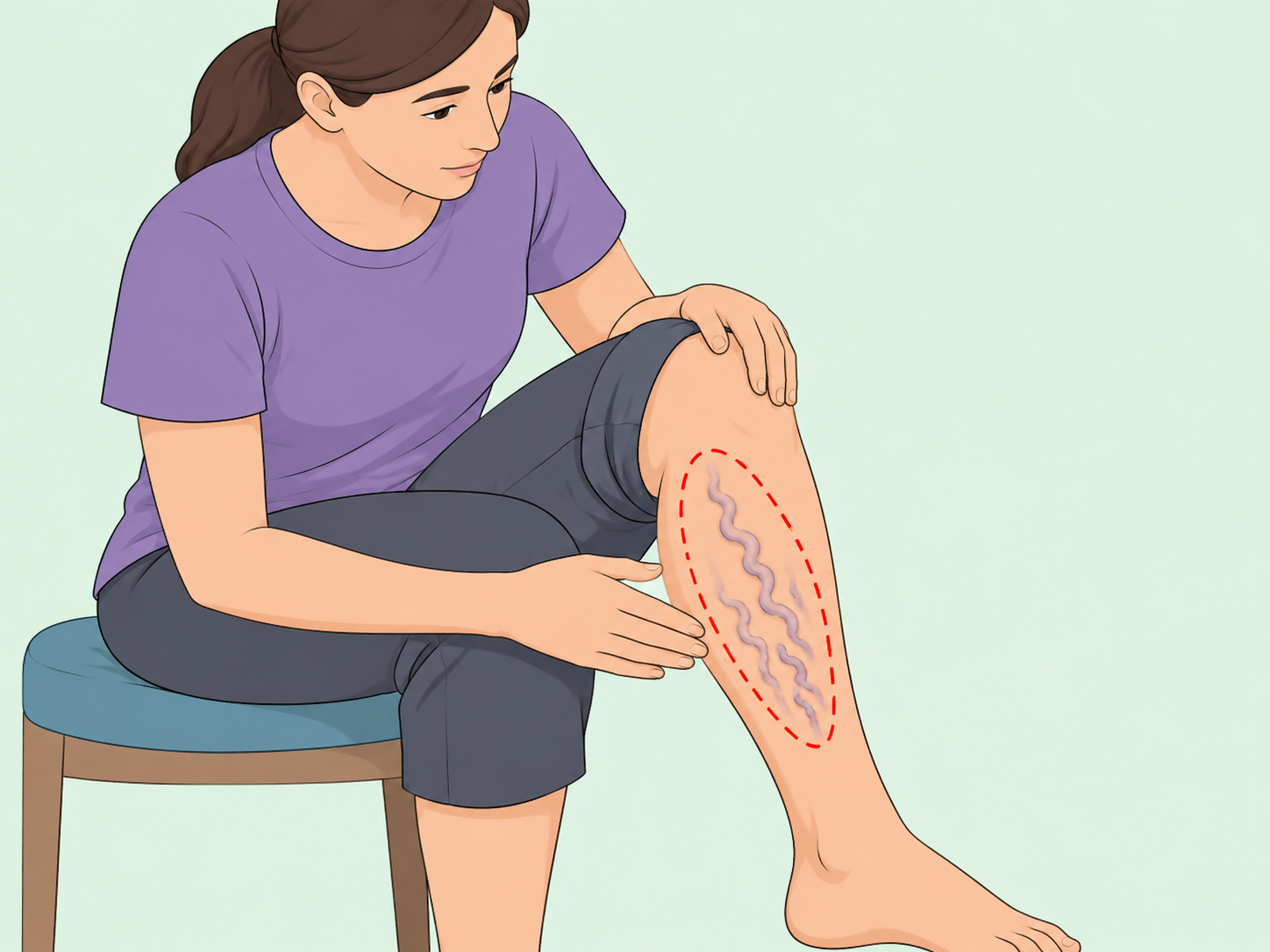
Check for signs of varicose veins
Varicose veins are usually larger than spider veins and may look twisted, raised, rope-like, blue, purple, or skin-colored. According to Mayo Clinic, varicose veins can cause aching, heaviness, throbbing, itching, swelling, or worse discomfort after sitting or standing. They most often affect the legs because leg veins work against gravity.
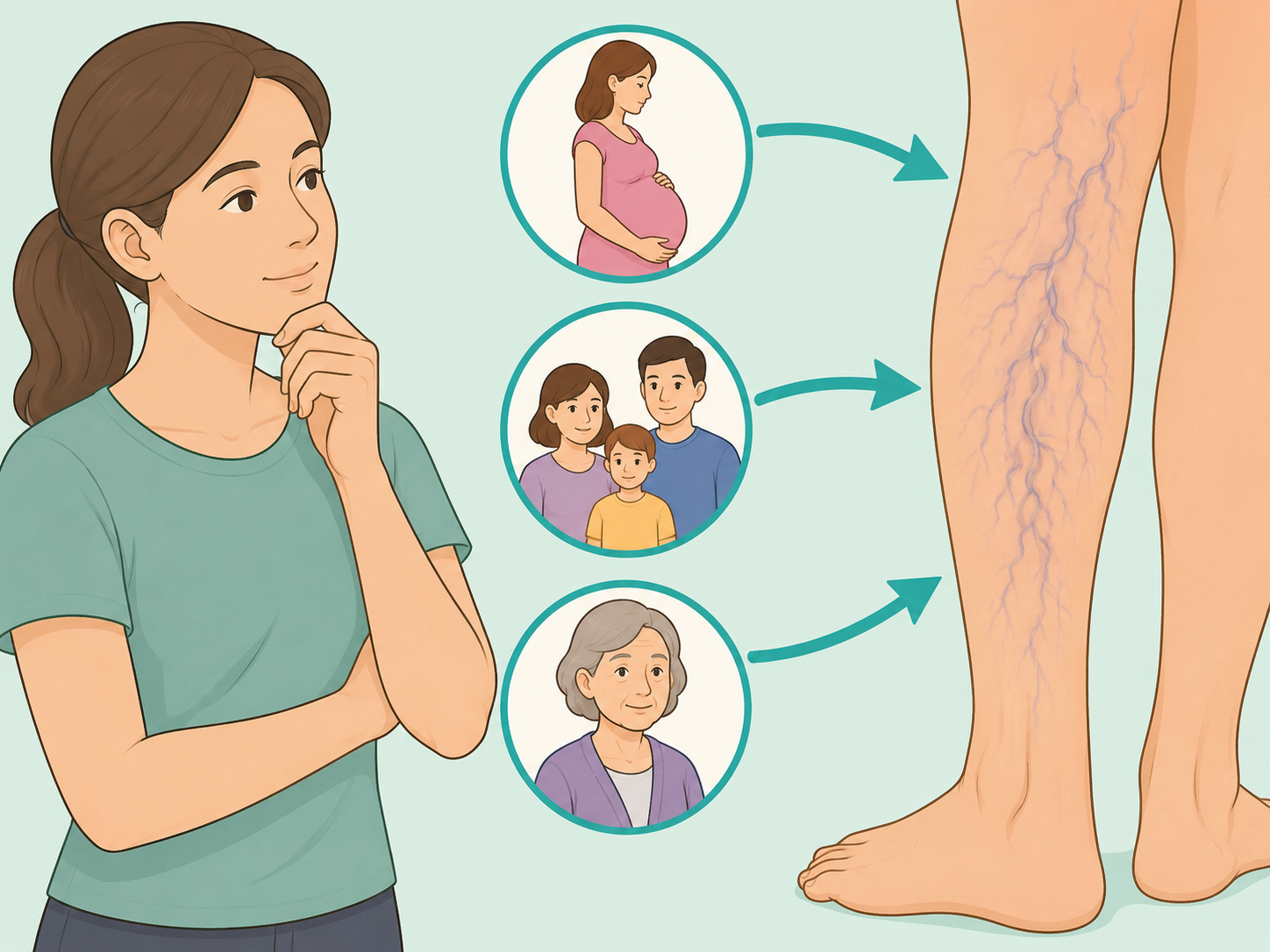
Review your personal risk factors
Visible leg veins are more likely to be varicose veins if you have a family history, spend long periods sitting or standing, are pregnant, smoke, have overweight or obesity, or are getting older. Johns Hopkins Medicine explains that increased pressure and weakened valves can let blood collect in surface veins. Risk factors do not mean you have a serious condition, but they can help you decide whether to ask for an exam.
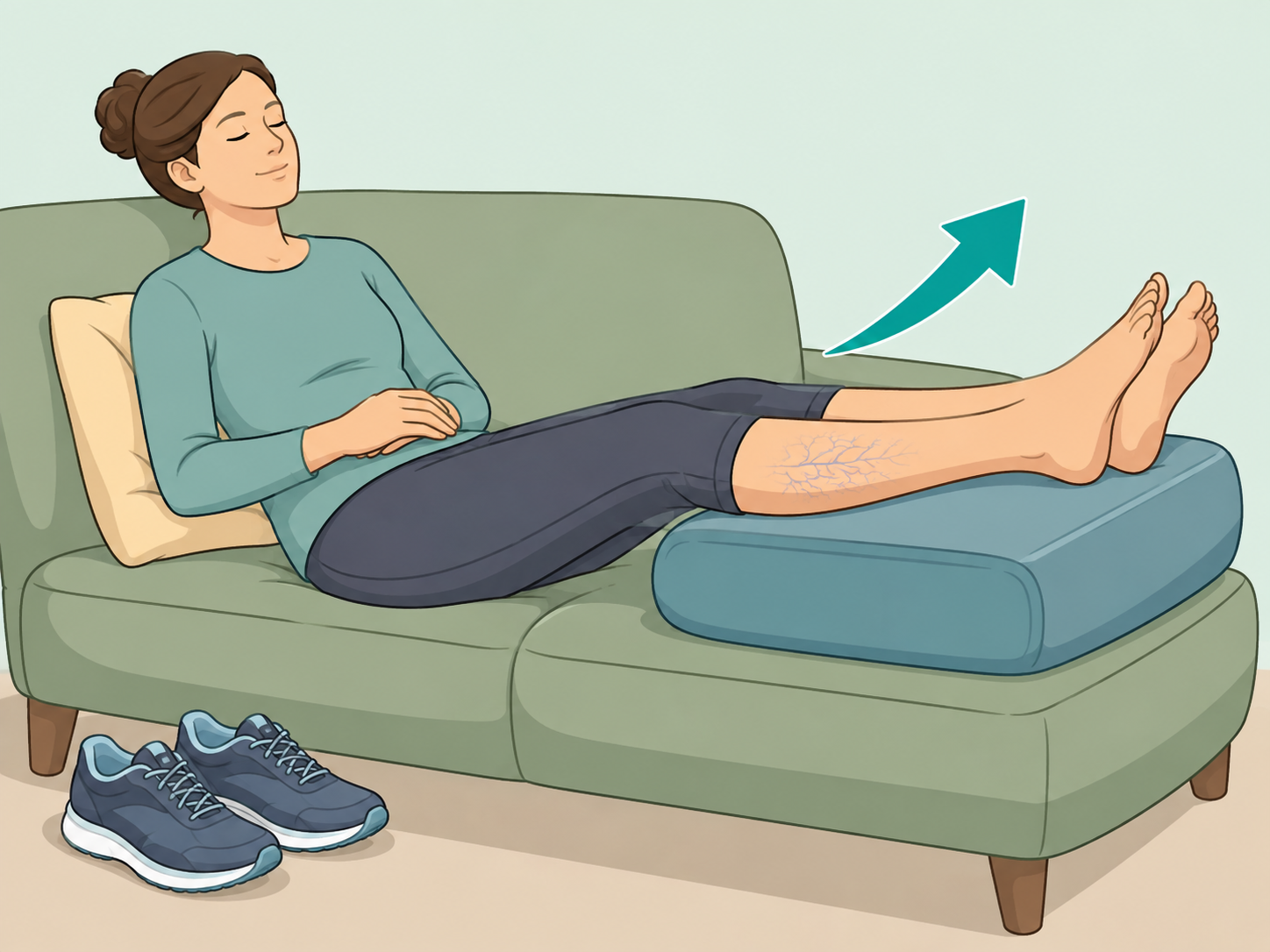
Use gentle habits for mild leg symptoms
If your legs feel mildly heavy or achy, try walking regularly, changing position often, raising your legs when resting, and avoiding long stretches of standing or sitting still. The NHS recommends self-care measures such as regular movement, leg elevation, and avoiding long periods in one position for varicose vein symptoms. Ask a healthcare professional before starting compression stockings if you have circulation problems, diabetes, skin wounds, or significant swelling.
Watch for skin changes around the veins
Pay attention to itching, dry or scaly skin, color changes, hardening skin, swelling near the ankles, or sores that are slow to heal. These can happen when vein problems affect blood flow over time; Johns Hopkins Medicine describes venous disease symptoms such as swelling, heaviness, itching, skin discoloration, and ulcers. Do not try to treat open sores or spreading redness at home without medical guidance.
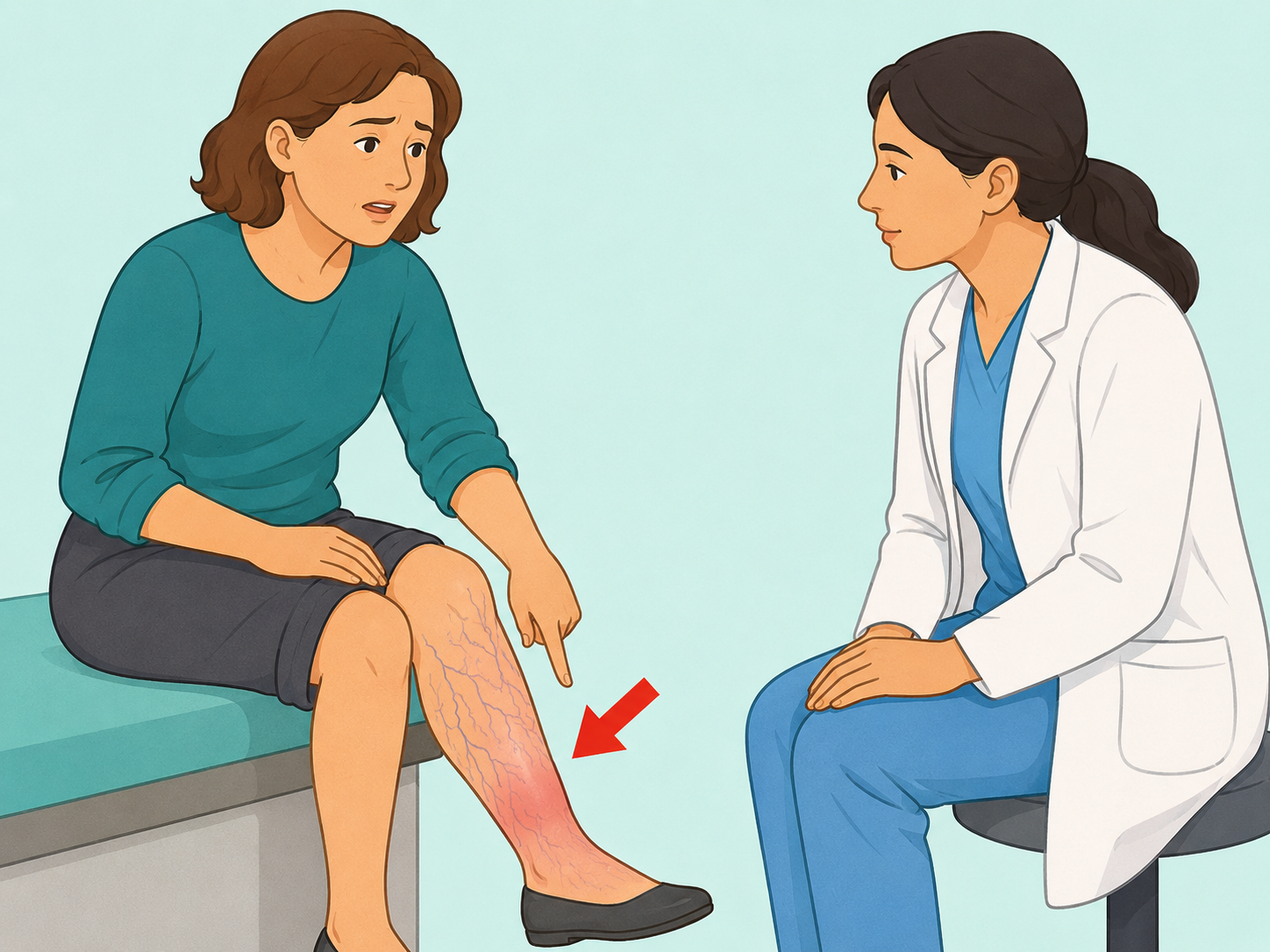
Know when to seek medical help
Make a non-urgent appointment if visible veins come with pain, itching, swelling, heaviness, skin changes, or a sore that is not healing. Seek urgent help if a varicose vein is bleeding, or if one leg suddenly becomes swollen, painful, red, or warm. Get emergency care for chest pain, trouble breathing, fainting, or coughing blood, because Johns Hopkins notes these can be warning symptoms when a blood clot travels to the lungs.
Summary
The bottom line: visible veins are often harmless, especially when they are stable and painless. Pay closer attention when veins are new, bulging, painful, bleeding, or paired with swelling, skin changes, or sores, and get medical advice when those warning signs appear.
Frequently Asked Questions
- Are visible veins always a health problem?
- No. Some superficial veins sit close to the skin and may be easier to see after exercise, in warm conditions, with aging, or when body fat is lower. New, painful, swollen, or changing veins are more important to get checked.
- Why do my veins look more visible after exercise?
- Exercise increases blood flow to working muscles, and blood vessels can widen during activity. This can make veins in the arms, hands, or legs look more prominent for a while.
- What is the difference between spider veins and varicose veins?
- Spider veins are small red, blue, or purple lines near the skin surface that may look like branches or webs. Varicose veins are larger, twisted, bulging veins that are more common in the legs and may cause aching, heaviness, itching, or swelling.
- Can pregnancy make veins more visible?
- Yes. Pregnancy can increase blood volume and pressure on leg veins, and hormone changes can affect vein walls. A healthcare professional can advise you if veins become painful, swollen, or concerning during pregnancy.
- Should I wear compression stockings for visible veins?
- Compression stockings may help some people with leg vein symptoms, but the right type and pressure depend on your situation. Ask a healthcare professional before using them, especially if you have circulation problems, diabetes, skin sores, or significant swelling.
- When are visible veins urgent?
- Get urgent help if a varicose vein is bleeding, if one leg suddenly becomes painful and swollen, or if leg symptoms come with chest pain, trouble breathing, fainting, or coughing blood. These symptoms need prompt medical attention.
References
Reliable references aided in composing and refining this content.
- https://my.clevelandclinic.org/health/body/23360-veins
- https://my.clevelandclinic.org/health/diseases/22877-bulging-veins
- https://my.clevelandclinic.org/health/diseases/23352-vasodilation
- https://my.clevelandclinic.org/health/diseases/24567-spider-veins
- https://www.mayoclinic.org/diseases-conditions/varicose-veins/symptoms-causes/syc-20350643?p=1
- https://www.hopkinsmedicine.org/health/conditions-and-diseases/varicose-veins
- https://www.nhs.uk/conditions/varicose-veins
- https://www.hopkinsmedicine.org/health/conditions-and-diseases/venous-disease