
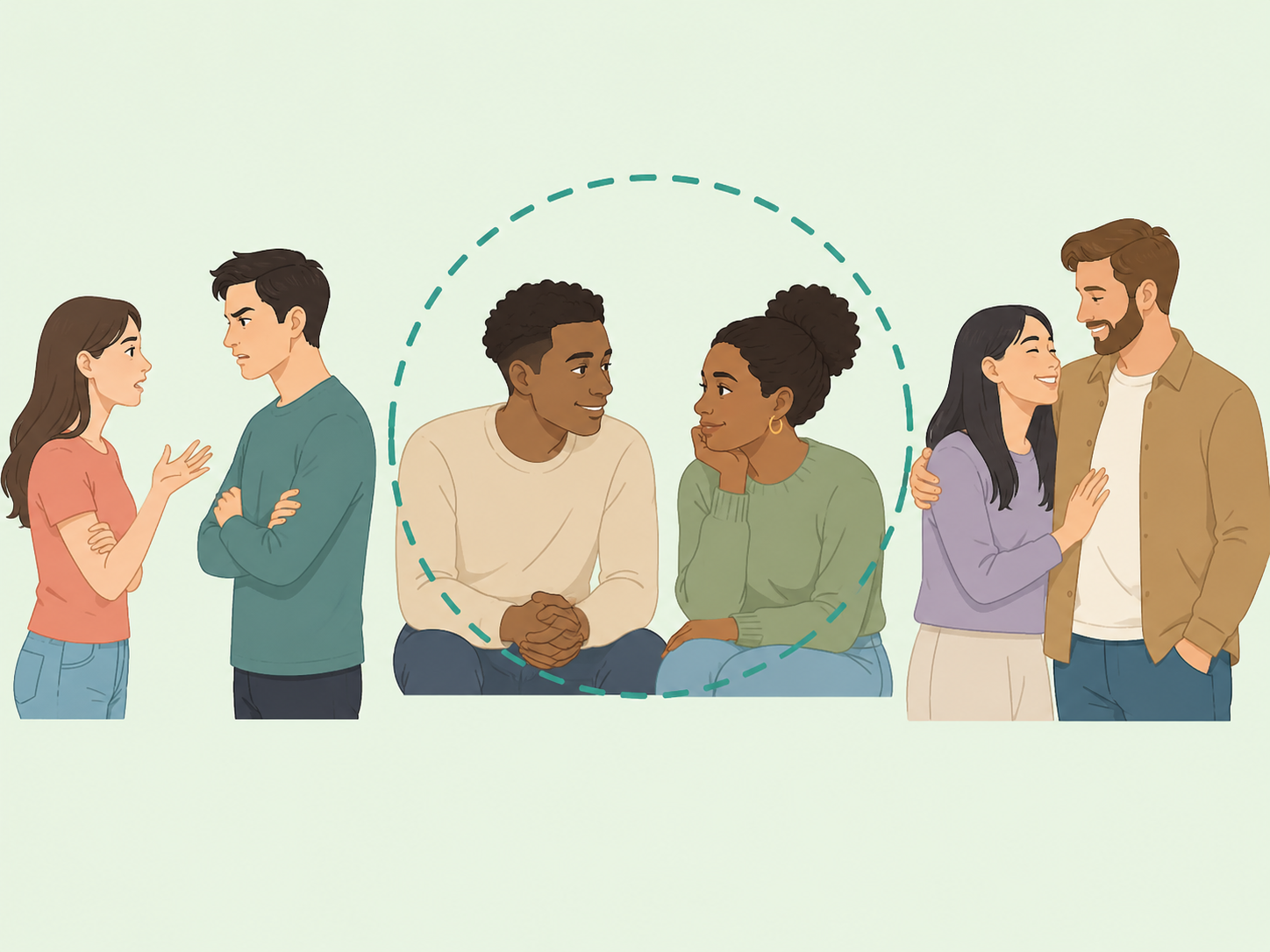
 Pin it
It is easy to guess which couple is happiest by looking at smiles, photos, or public affection, but real relationship health is usually quieter than that. This guide shows you how to look for the habits that matter most: respect, trust, communication, boundaries, fairness, and support. Use these steps for gentle reflection, not judgment or comparison.

Look for mutual respect before romance
Start with how the couple treats each other in ordinary moments. A healthy relationship includes respect, trust, honesty, equality, and boundaries, according to The Hotline's relationship spectrum. The happiest couple is usually not the one performing affection for others, but the one where both people seem valued.

Notice whether both people get heard
Pay attention to whether each partner can speak, pause, and be listened to without being mocked or shut down. The CDC describes healthy communication as feeling heard, understood, and respected while also listening to the other person through effective and healthy communication. A happier couple usually shows room for both voices.
Watch how they handle disagreement
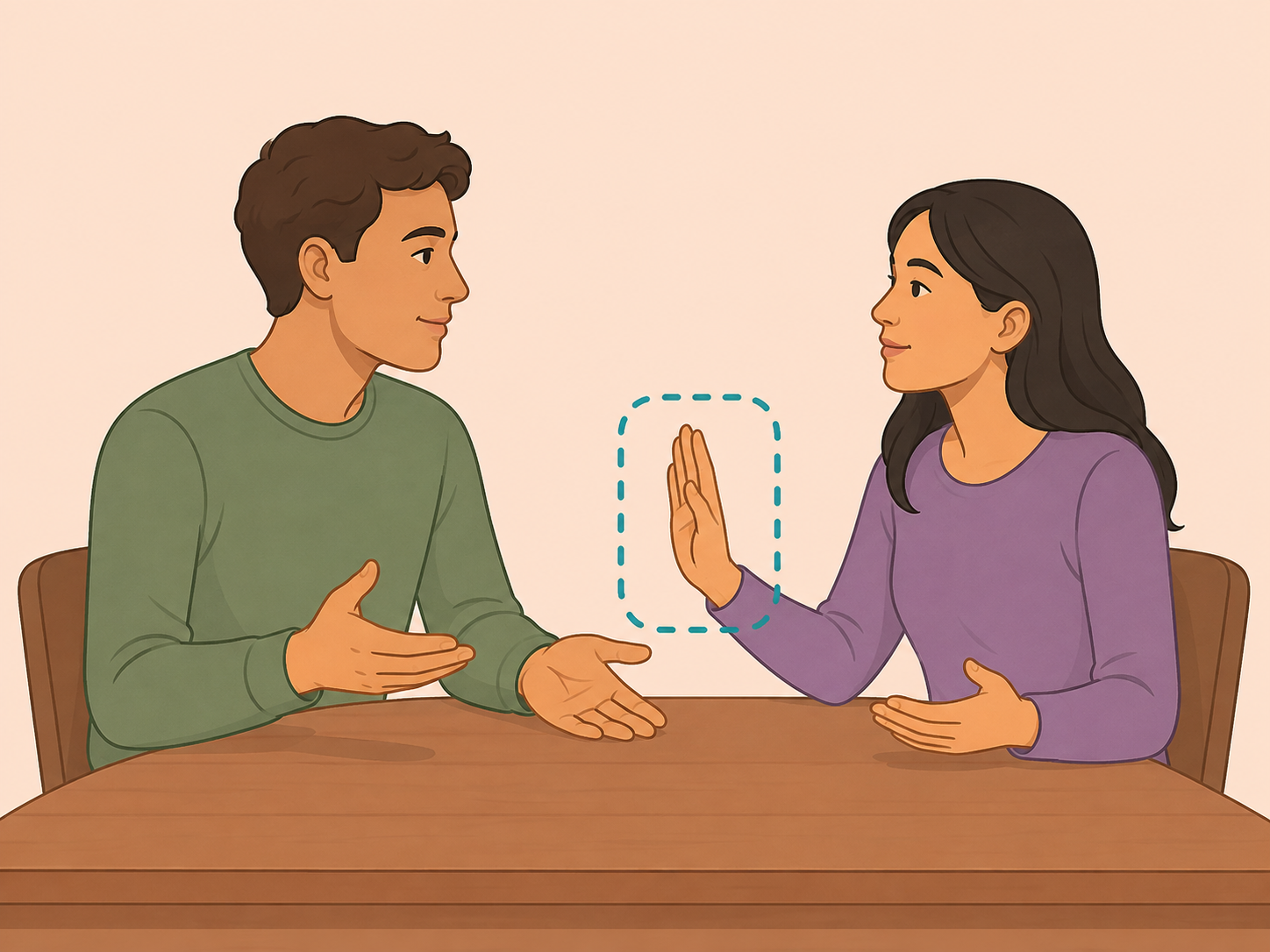
Happy couples do not avoid every conflict; they manage differences without letting the argument take over the relationship. Utah State University Extension notes that conflict is normal and that healthy conflict management includes calming negative emotion, setting rules for respectful discussion, and taking a break when needed in its research-based marriage principles. Look for repair, patience, and a willingness to return to the issue calmly.
Check whether boundaries are respected
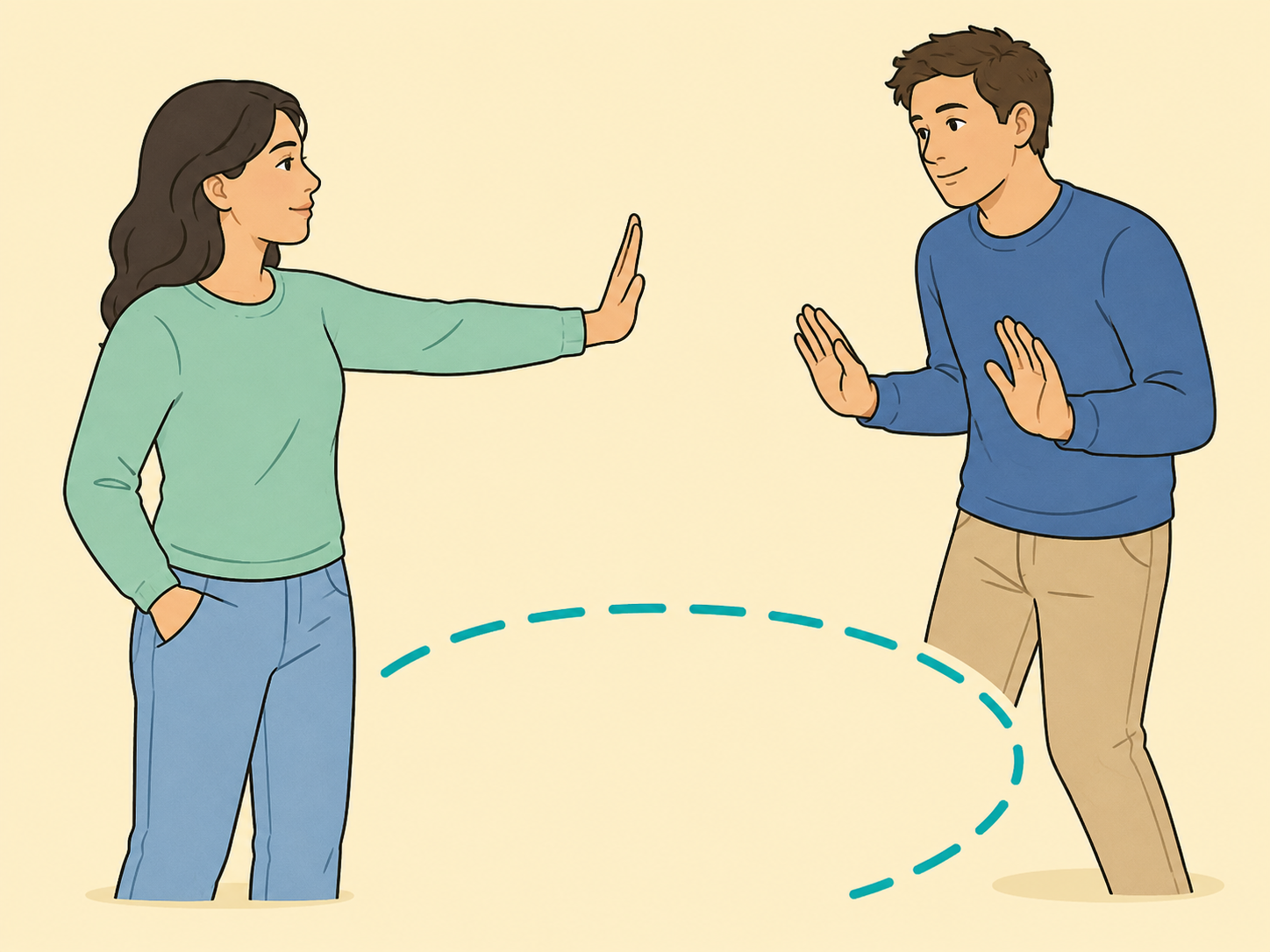
A happier couple lets each person have privacy, friendships, quiet time, and personal limits without punishment. Love is Respect explains that boundaries are part of an ongoing conversation and that a healthy boundary protects and respects a person rather than controlling someone else through healthy boundary guidance. If one partner must constantly ask permission to be themselves, that is not a sign of happiness.
Look for everyday appreciation
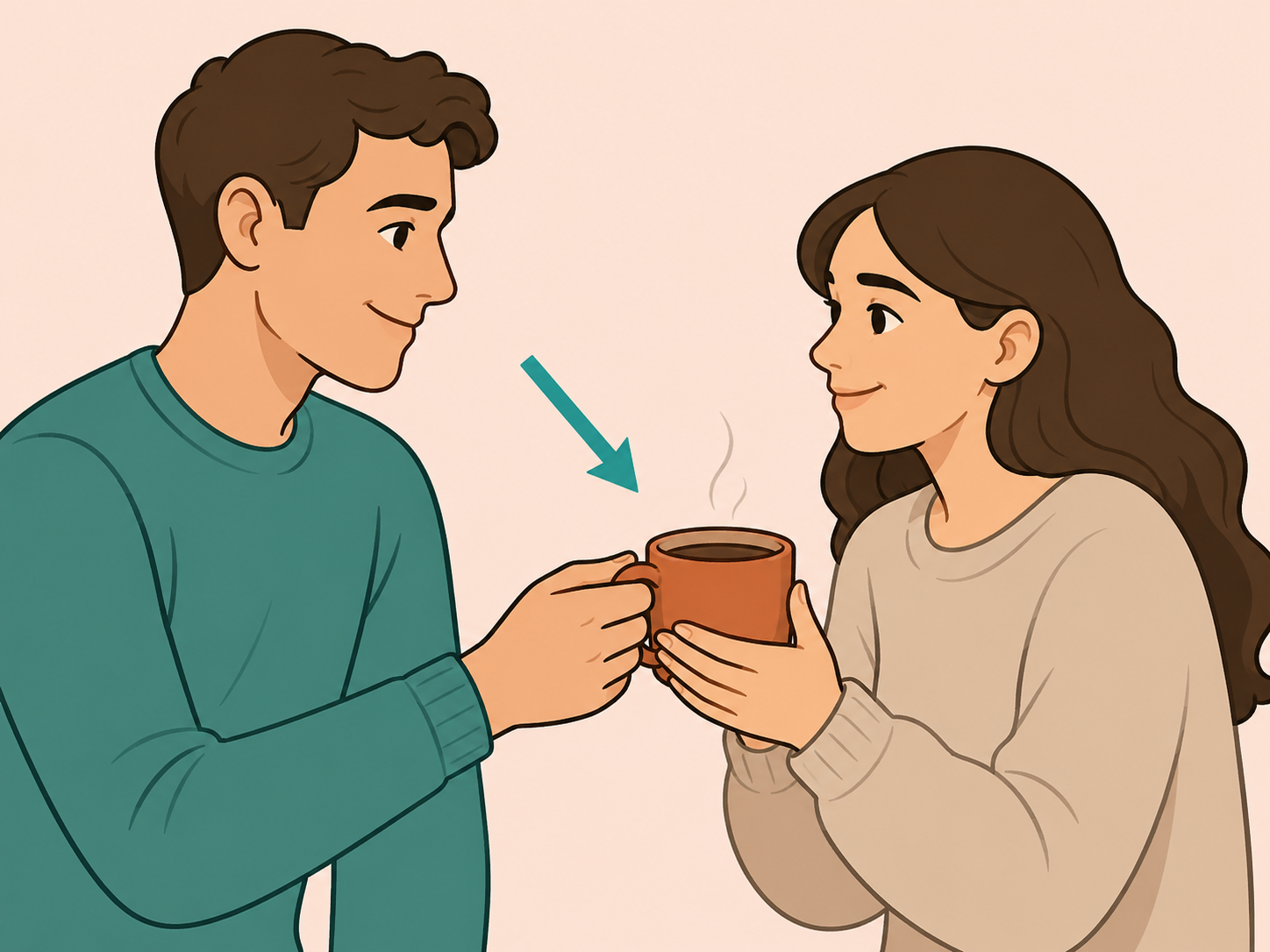
Happy couples often notice small efforts: making coffee, handling an errand, remembering a stressful appointment, or offering encouragement. Utah State University Extension describes positivity, affection, appreciation, and turning toward each other as habits that help build a strong relationship in its healthy relationship model. The happiest pair may be the one that quietly thanks each other often.
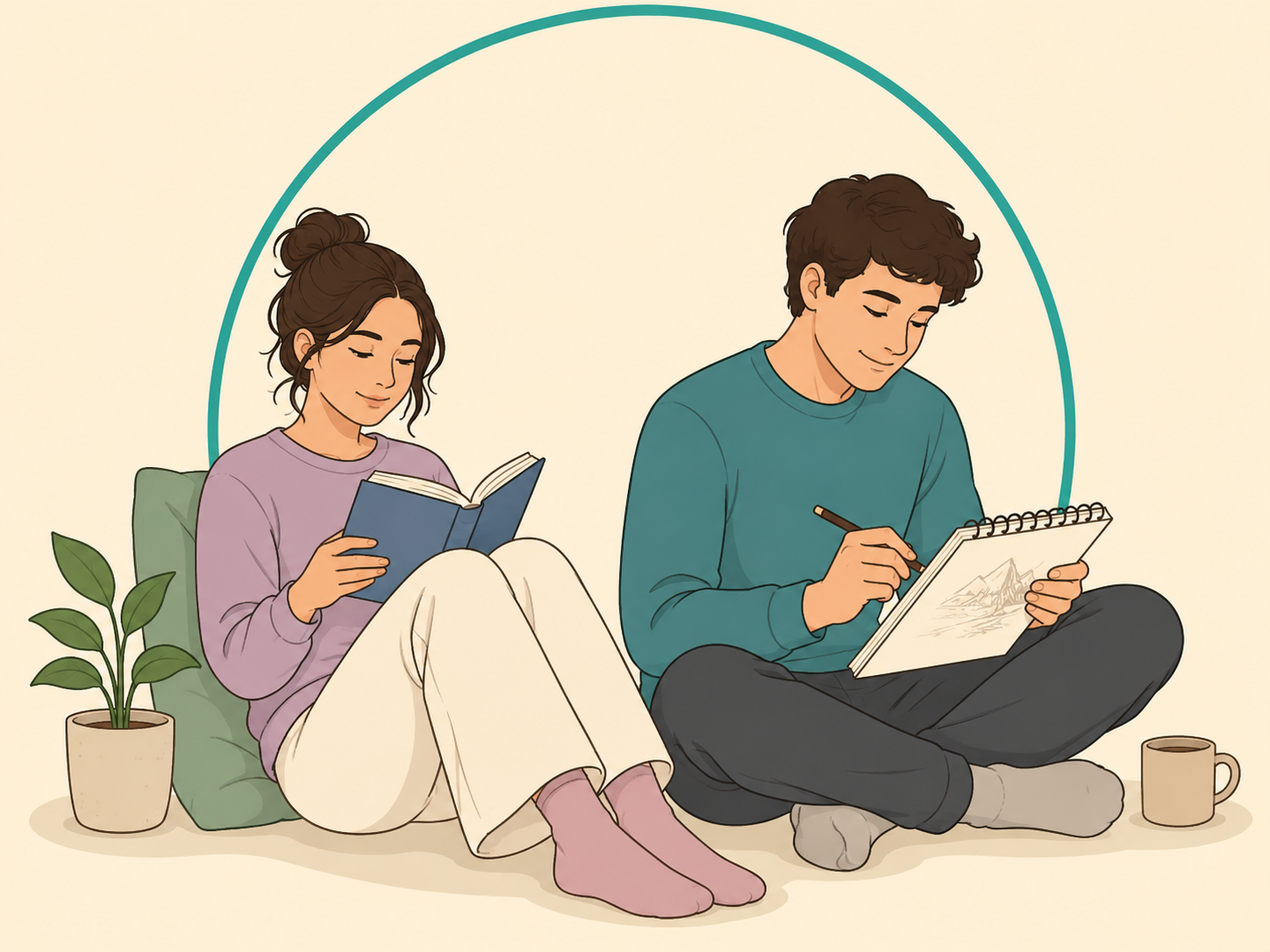
See whether they support each person's life
A strong couple makes room for both togetherness and independence. The CDC notes that healthy relationships and social connections can support emotional well-being, belonging, and coping during challenges in its guide to improving emotional well-being. A happy couple usually encourages friendships, interests, rest, and growth outside the relationship too.
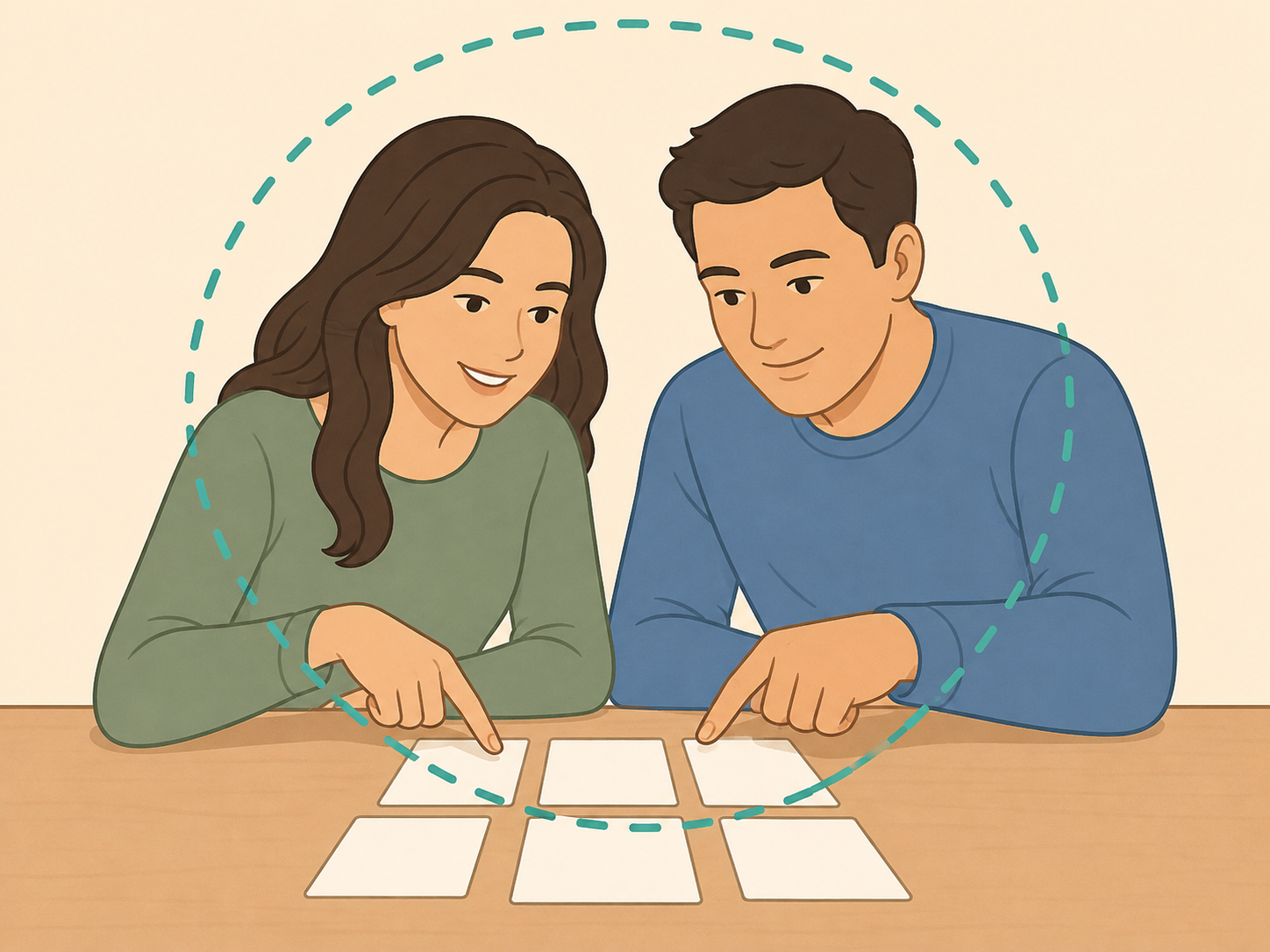
Look for fairness in decisions
Notice whether both people have a real say in plans, money, parenting, time, and major choices that affect them. The Hotline lists equality as part of a healthy relationship, including making decisions together and holding each other to the same standards in its healthy relationships guide. A couple is more likely to be happy when neither partner has to shrink to keep the peace.
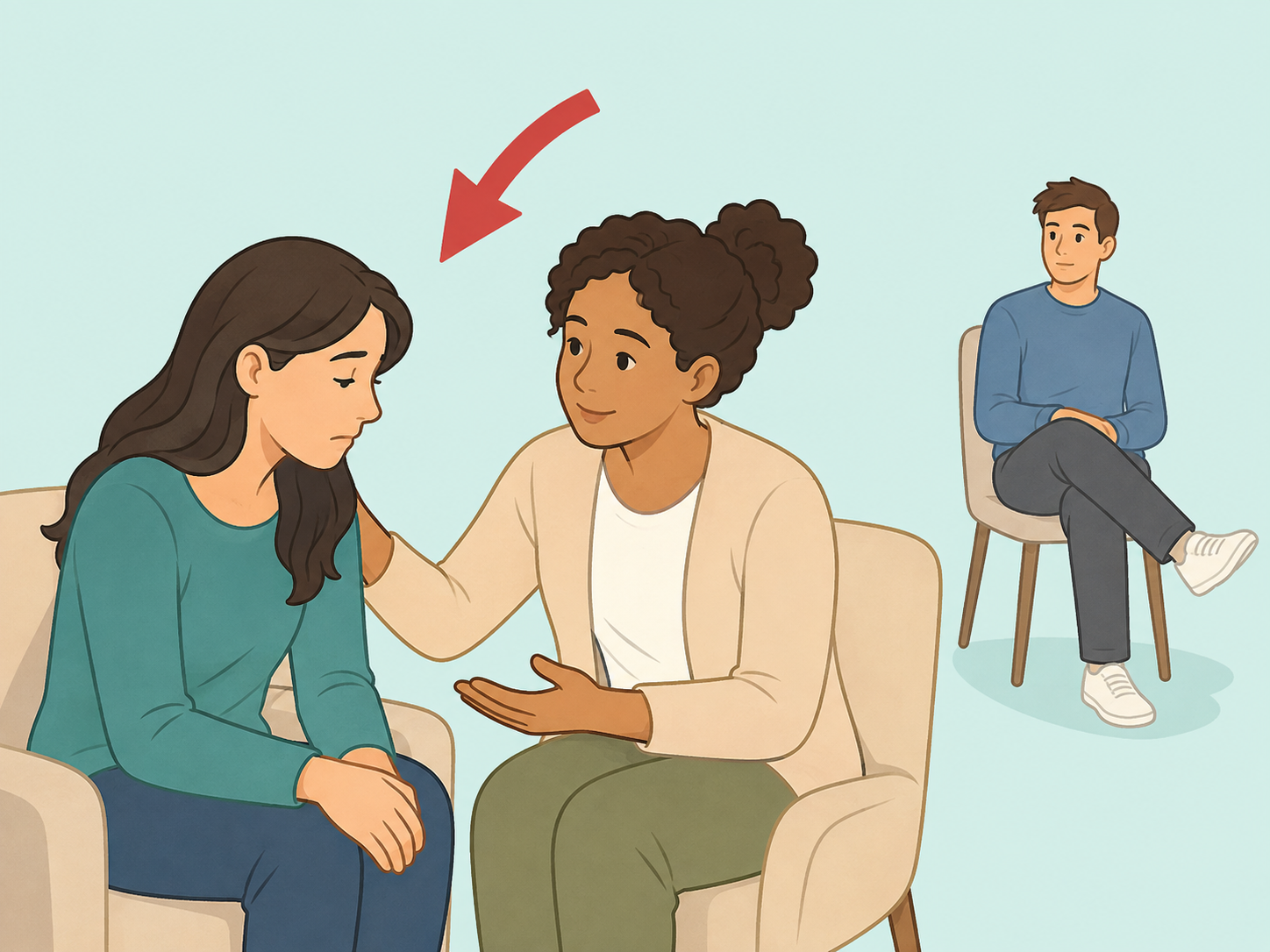
Seek help if fear, control, or pressure is present
Safety matters more than deciding who looks happiest. If someone feels afraid, controlled, isolated, pressured, threatened, or unable to say no, it is time to reach out to a trusted person or a qualified support service. The CDC states that intimate partner violence can have lasting harmful effects and that prevention includes promoting healthy, respectful relationships and supporting survivors to increase safety.
Summary
The bottom line: the happiest couple is usually the one with mutual respect, honest communication, healthy boundaries, shared support, and safety during conflict. Public romance can be lovely, but everyday trust and care tell you much more.
Frequently Asked Questions
- Can you really tell which couple is the happiest from the outside?
- Not with certainty. You can notice healthy signs, but only the people in the relationship know how safe, respected, and satisfied they feel.
- Is the most affectionate couple always the happiest?
- No. Affection can be a good sign when both people enjoy it, but public affection alone does not prove trust, respect, or emotional safety.
- Do happy couples argue?
- Yes. Disagreement is normal in relationships. What matters is whether both people can disagree without fear, insults, control, or threats.
- What is the strongest sign of a happy couple?
- One strong sign is mutual respect. Happy couples usually listen to each other, honor boundaries, share decisions, and treat each other with care even when they disagree.
- Can a couple look happy but be unhealthy?
- Yes. A couple may seem charming in public while one partner feels controlled, pressured, or afraid in private. Safety matters more than appearances.
- How can I make my own relationship happier?
- Start with small habits: listen without interrupting, express appreciation, respect boundaries, make fair decisions together, and ask for support if conflict feels unsafe or overwhelming.
References
Reliable references aided in composing and refining this content.
- https://www.thehotline.org/resources/healthy-relationships
- https://stacks.cdc.gov/view/cdc/129149
- https://www.loveisrespect.org/resources/what-are-my-boundaries
- https://extension.usu.edu/relationships/research/marriage-principles-from-a-national-extension-model
- https://www.cdc.gov/emotional-well-being/improve-your-emotional-well-being/index.html
- https://www.cdc.gov/intimate-partner-violence/prevention/index.html