
 Pin it
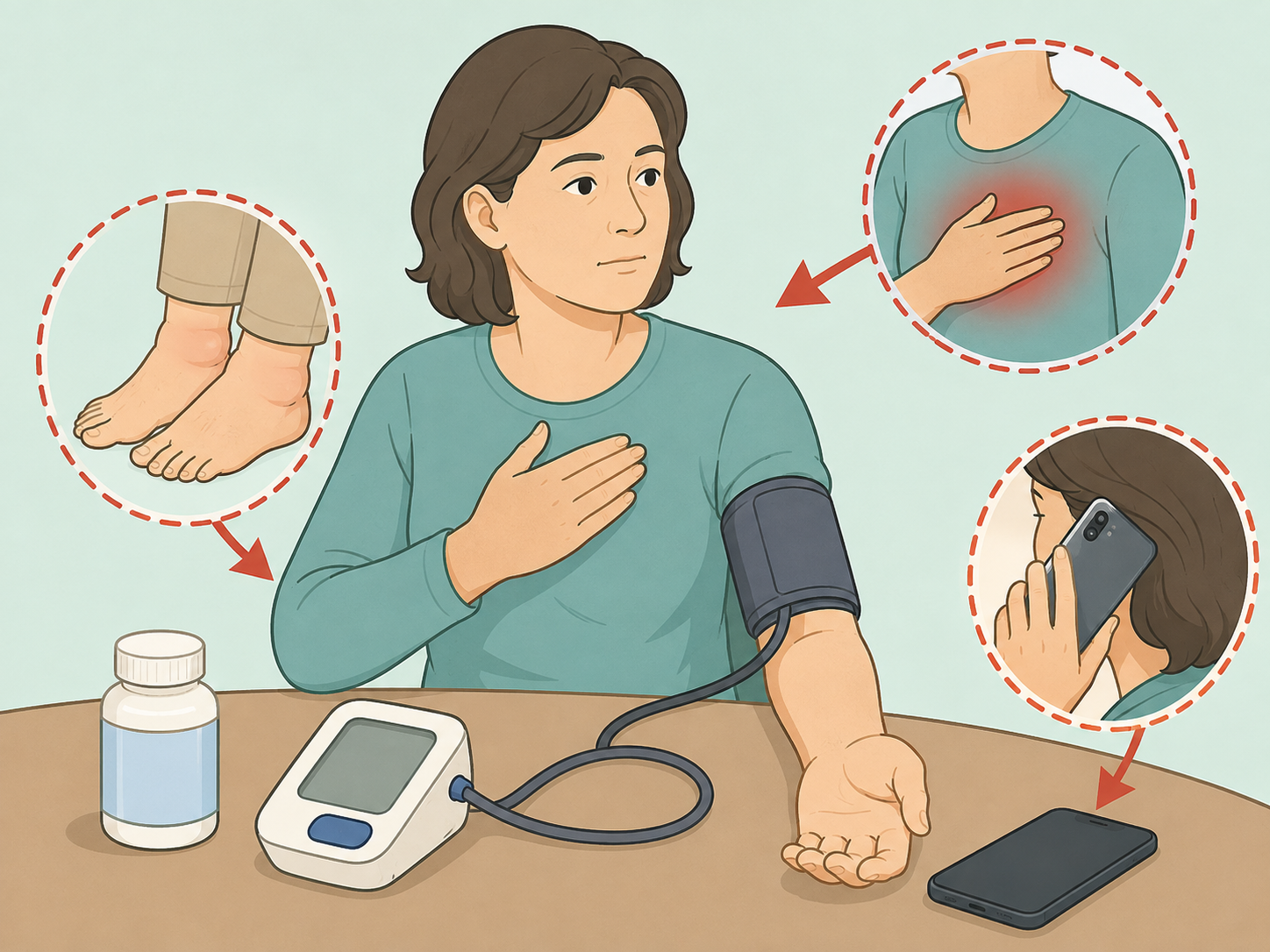
Amlodipine is a prescription calcium channel blocker used for high blood pressure and some types of chest pain. Many side effects are mild, but a few symptoms can signal a serious reaction or a heart-related problem. This guide explains what to watch for and when to contact a doctor or seek urgent help.
Know what amlodipine is supposed to do
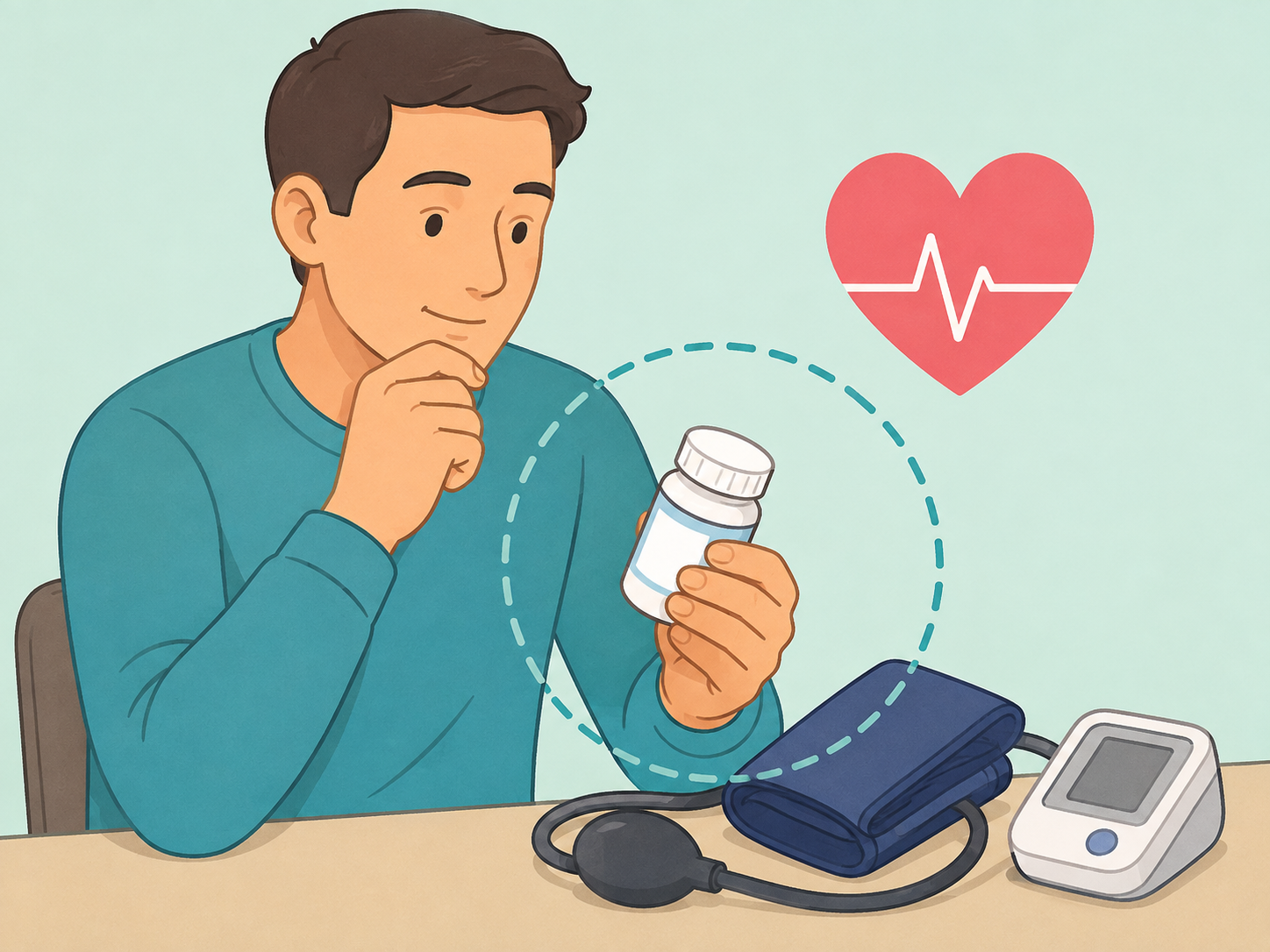
Amlodipine helps treat high blood pressure and certain types of angina by relaxing blood vessels and reducing the heart's workload, according to MedlinePlus. It controls these conditions but does not cure them, so side effects should be discussed with your prescriber instead of stopping the medicine on your own.
Track swelling in your feet, ankles, hands, or legs
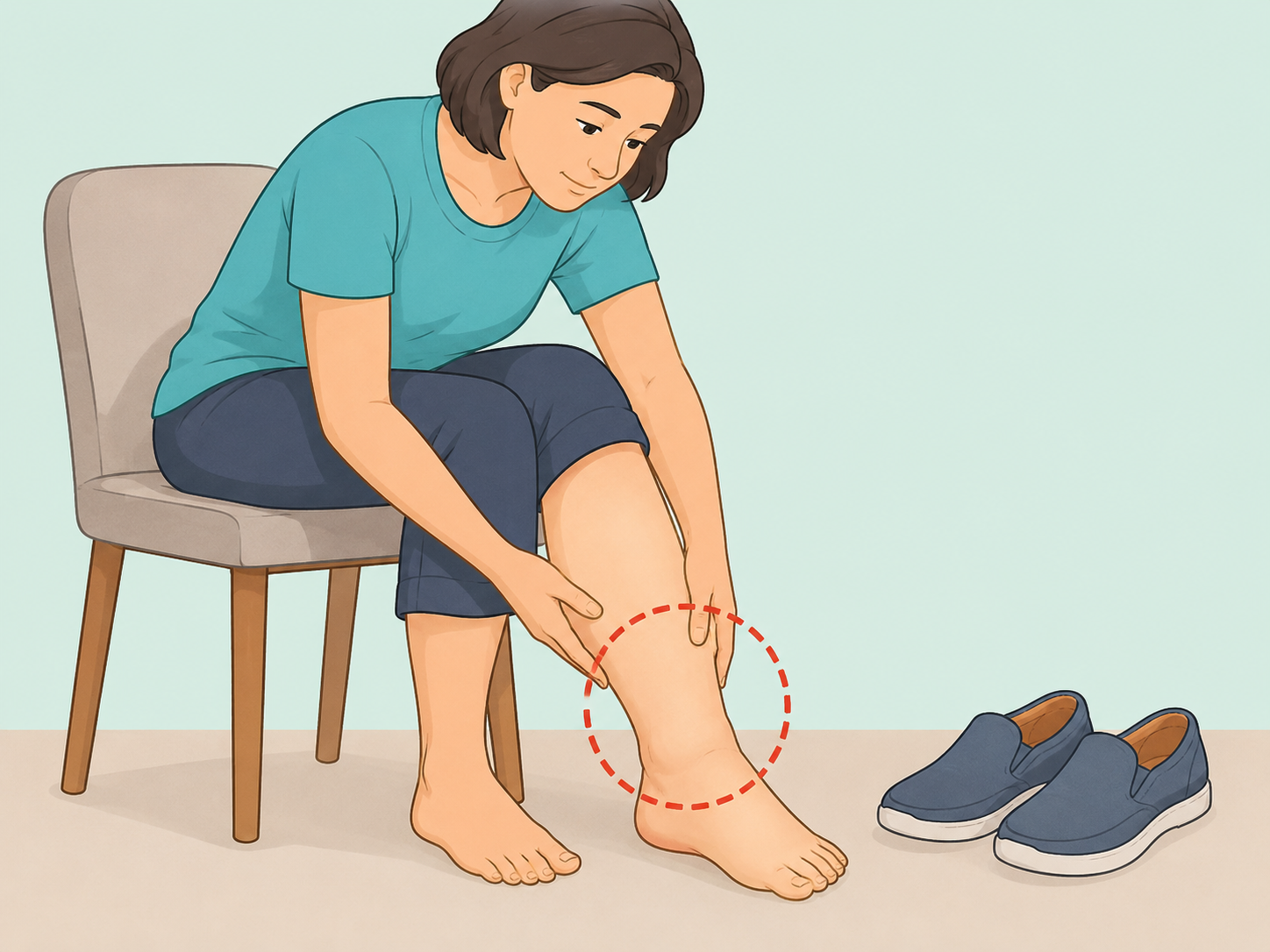
Swelling of the ankles, feet, hands, or lower legs is a known amlodipine side effect listed by MedlinePlus and Cleveland Clinic. Call your doctor if swelling is new, severe, painful, one-sided, spreading, or making it hard to walk or wear shoes.
Take dizziness, fainting, or blurry vision seriously
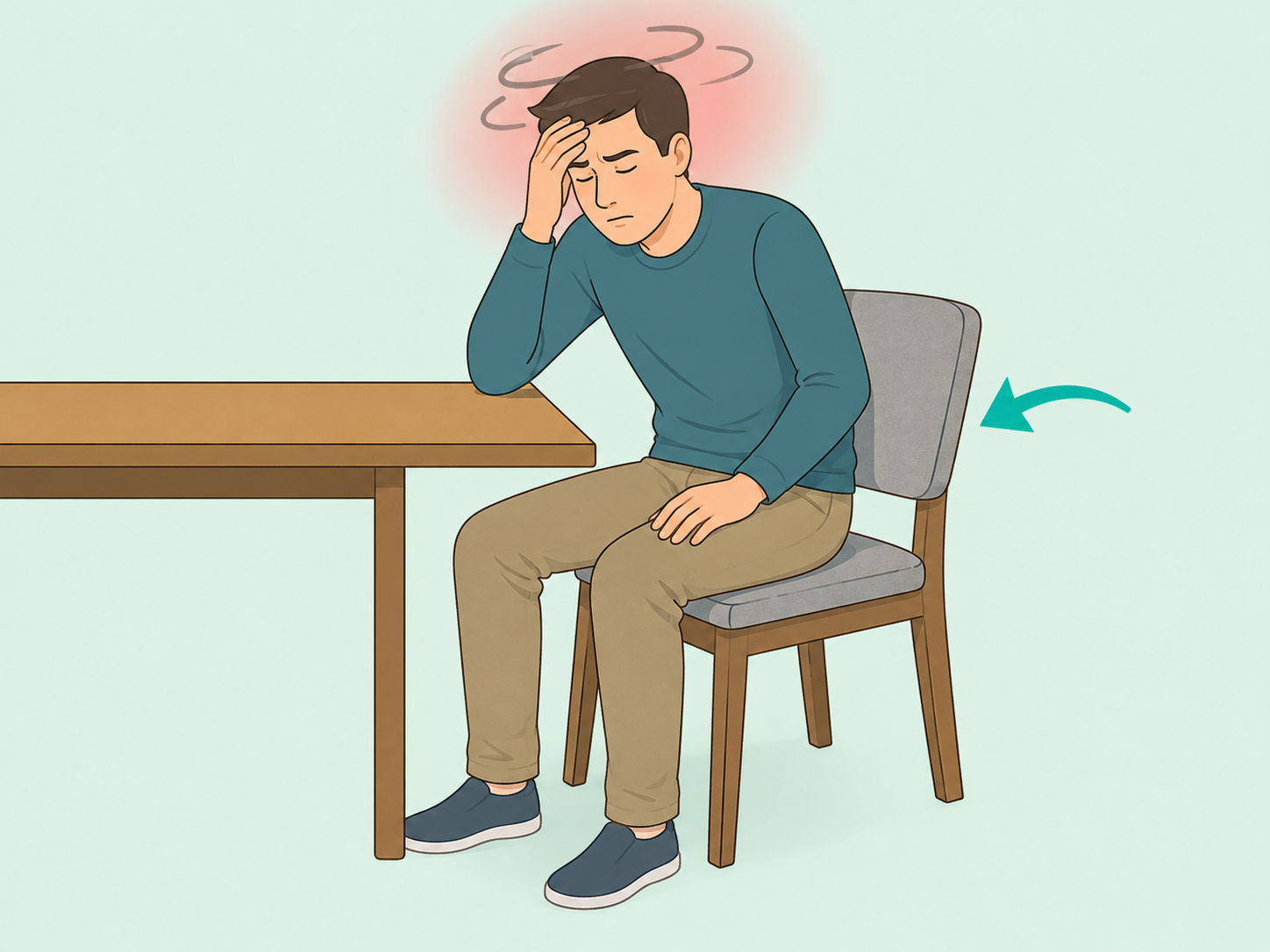
Amlodipine can cause dizziness or lightheadedness, and Mayo Clinic notes that fainting should be reported right away. Sit or lie down if you feel faint, stand up slowly, and avoid driving or machinery when dizzy or sleepy, as NHS guidance recommends.
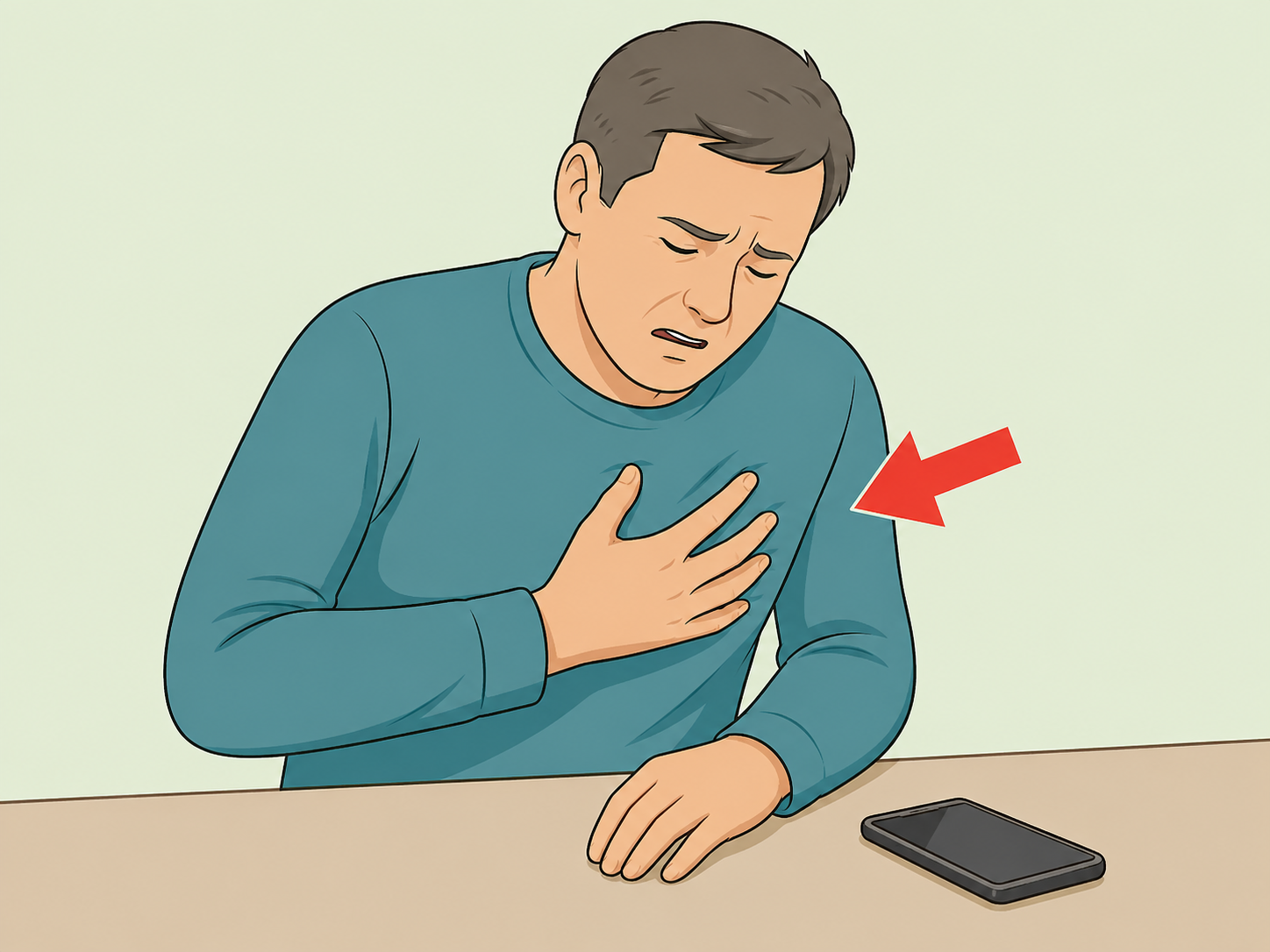
Get urgent help for chest pain or heart attack symptoms
Seek emergency help if you have chest pain, chest pressure, shortness of breath, cold sweats, nausea, or pain spreading to the arm, jaw, back, or neck. Mayo Clinic warns that worsening angina or heart attack symptoms can occur in certain patients, and MedlinePlus says more frequent or more severe chest pain needs immediate medical attention.
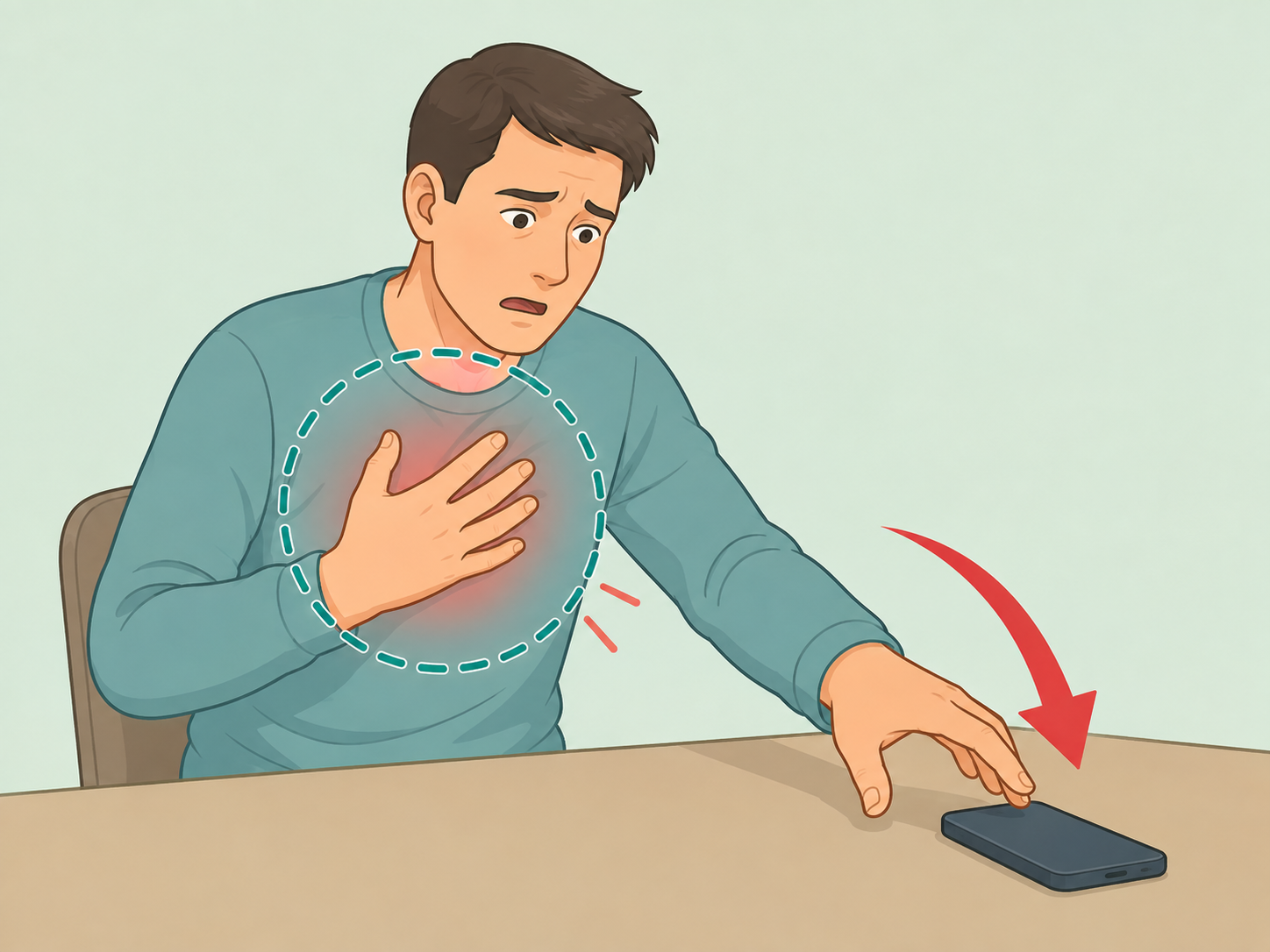
Report fast, pounding, or irregular heartbeats
A rapid, pounding, or irregular heartbeat can be a serious amlodipine side effect and should be reported promptly, according to MedlinePlus. If palpitations come with chest pain, fainting, severe dizziness, or trouble breathing, treat it as urgent and seek emergency care.
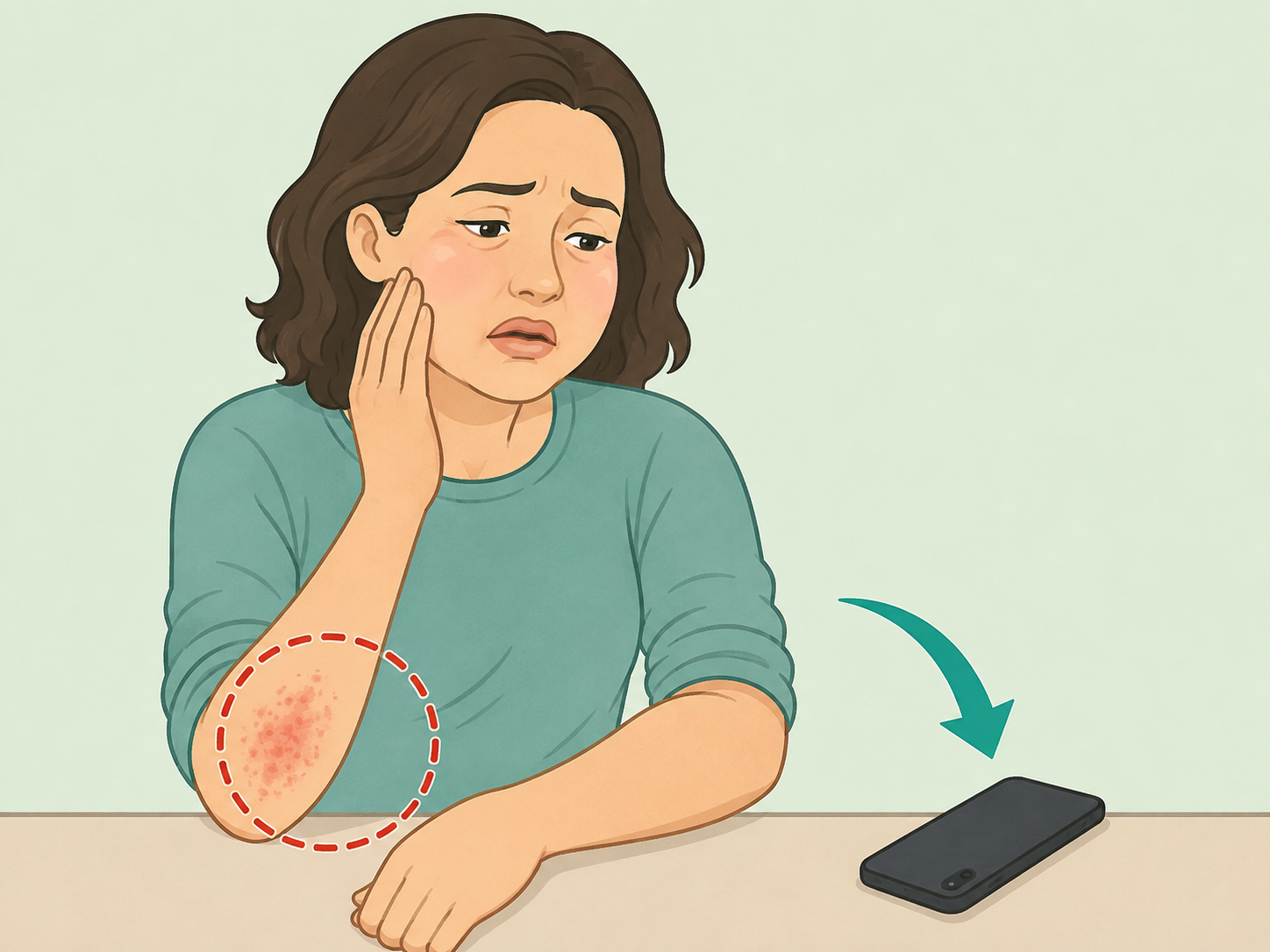
Watch for allergic reactions, severe rash, or peeling skin
Get urgent help for swelling of the face, lips, tongue, or throat, trouble breathing, hives, or a widespread itchy rash. The NHS lists allergic reaction symptoms and rare serious skin reactions, including blistering, painful sores, peeling skin, and flu-like symptoms, as reasons to seek medical advice quickly.
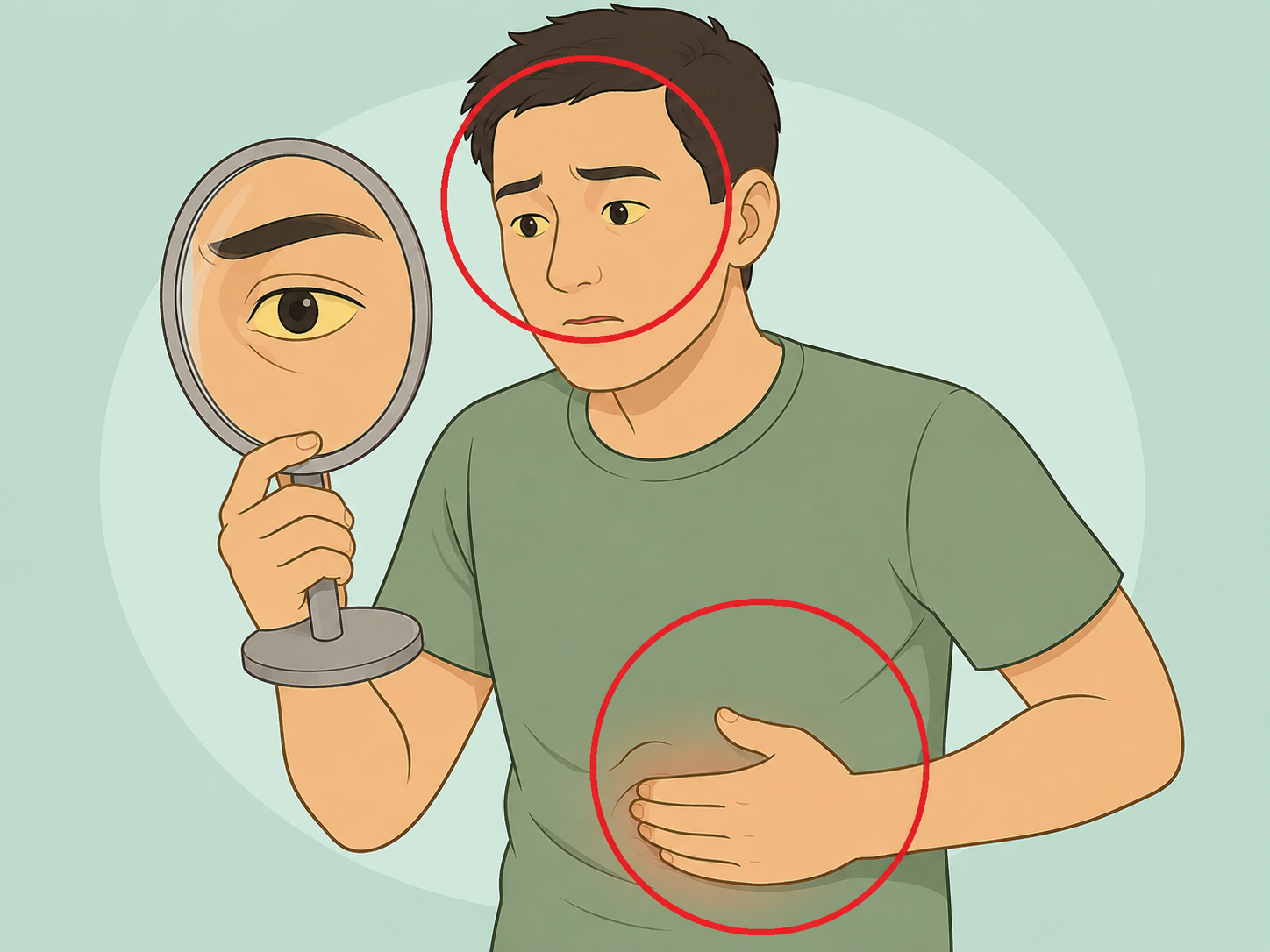
Call a doctor for severe belly pain or liver warning signs
Do not ignore sudden severe stomach pain that does not go away, because the NHS lists acute pancreatitis as a rare serious side effect. Also contact a doctor right away for yellow skin or eyes, dark urine, pale stools, loss of appetite, nausea, vomiting, or upper stomach tenderness, which Mayo Clinic describes as possible liver warning signs.

Ask your care team before changing medicines or adding over-the-counter products
Keep taking amlodipine as prescribed unless your doctor tells you to stop, because the American Heart Association advises against cutting back or quitting blood pressure medication without medical guidance. Before using cold medicines, pain relievers, supplements, or new prescriptions, ask your doctor or pharmacist, since Cleveland Clinic notes that some products can interact with amlodipine or affect blood pressure.
Summary
The bottom line: do not ignore chest pain, fainting, trouble breathing, face or throat swelling, severe belly pain, blistering rash, yellow skin, or fast or irregular heartbeat while taking amlodipine. Keep taking it as prescribed unless your doctor tells you otherwise, and report new or worsening symptoms promptly.
Frequently Asked Questions
- Is ankle swelling normal with amlodipine?
Swelling of the ankles, feet, hands, or lower legs can happen with amlodipine. Tell your doctor if it is severe, painful, one-sided, sudden, or not improving, because your care team may need to check for other causes or adjust your treatment.
- Should I stop amlodipine if I get side effects?
No. Do not stop, skip, or change your dose unless your doctor tells you to. Stopping suddenly can allow high blood pressure or chest pain to come back or worsen.
- When is dizziness from amlodipine urgent?
Call a doctor promptly if dizziness is severe, keeps happening, comes with blurry vision or weakness, or leads to fainting. Until you know how amlodipine affects you, avoid driving or using machinery if you feel dizzy or sleepy.
- Can amlodipine cause chest pain?
Amlodipine is used to help prevent some chest pain, but more frequent or more severe chest pain is a serious symptom. Seek emergency help for chest pain, chest pressure, shortness of breath, sweating, nausea, or pain spreading to the arm, jaw, back, or neck.
- What allergic reaction symptoms should I watch for?
Get urgent help if you develop swelling of the face, lips, tongue, or throat, trouble breathing, hives, or a widespread itchy rash. These can be signs of a serious allergic reaction.
- Can I take cold medicine or pain relievers with amlodipine?
Ask your doctor or pharmacist first. Some over-the-counter cold, cough, pain, and supplement products can affect blood pressure or interact with heart and blood pressure medicines.
References
Reliable references aided in composing and refining this content.
- https://medlineplus.gov/druginfo/meds/a692044.html
- https://www.mayoclinic.org/drugs-supplements/amlodipine-oral-route/description/drg-20061784
- https://www.nhs.uk/medicines/amlodipine
- https://my.clevelandclinic.org/health/drugs/20686-amlodipine-tablets
- https://www.heart.org/en/health-topics/high-blood-pressure/changes-you-can-make-to-manage-high-blood-pressure/types-of-blood-pressure-medications
- https://www.heart.org/en/health-topics/high-blood-pressure/changes-you-can-make-to-manage-high-blood-pressure/managing-high-blood-pressure-medications