
 Pin it
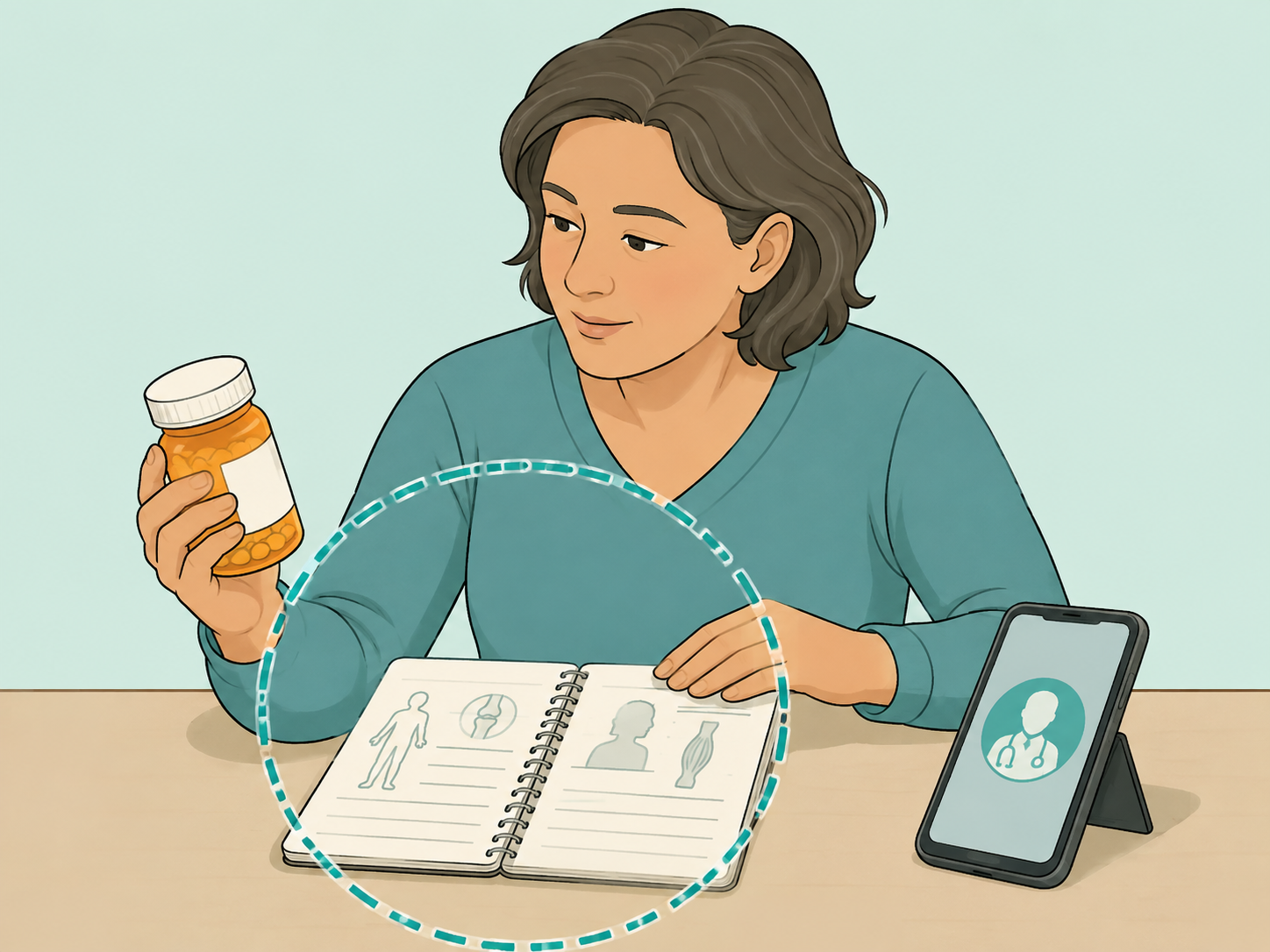
Atorvastatin is used to lower cholesterol and reduce the risk of heart attack and stroke, according to MedlinePlus drug information, but it can cause side effects in some people. This guide turns alarming online lists into a practical checklist: what to track, which symptoms need prompt care, and what to ask your doctor or pharmacist before changing anything.
Keep taking atorvastatin as prescribed
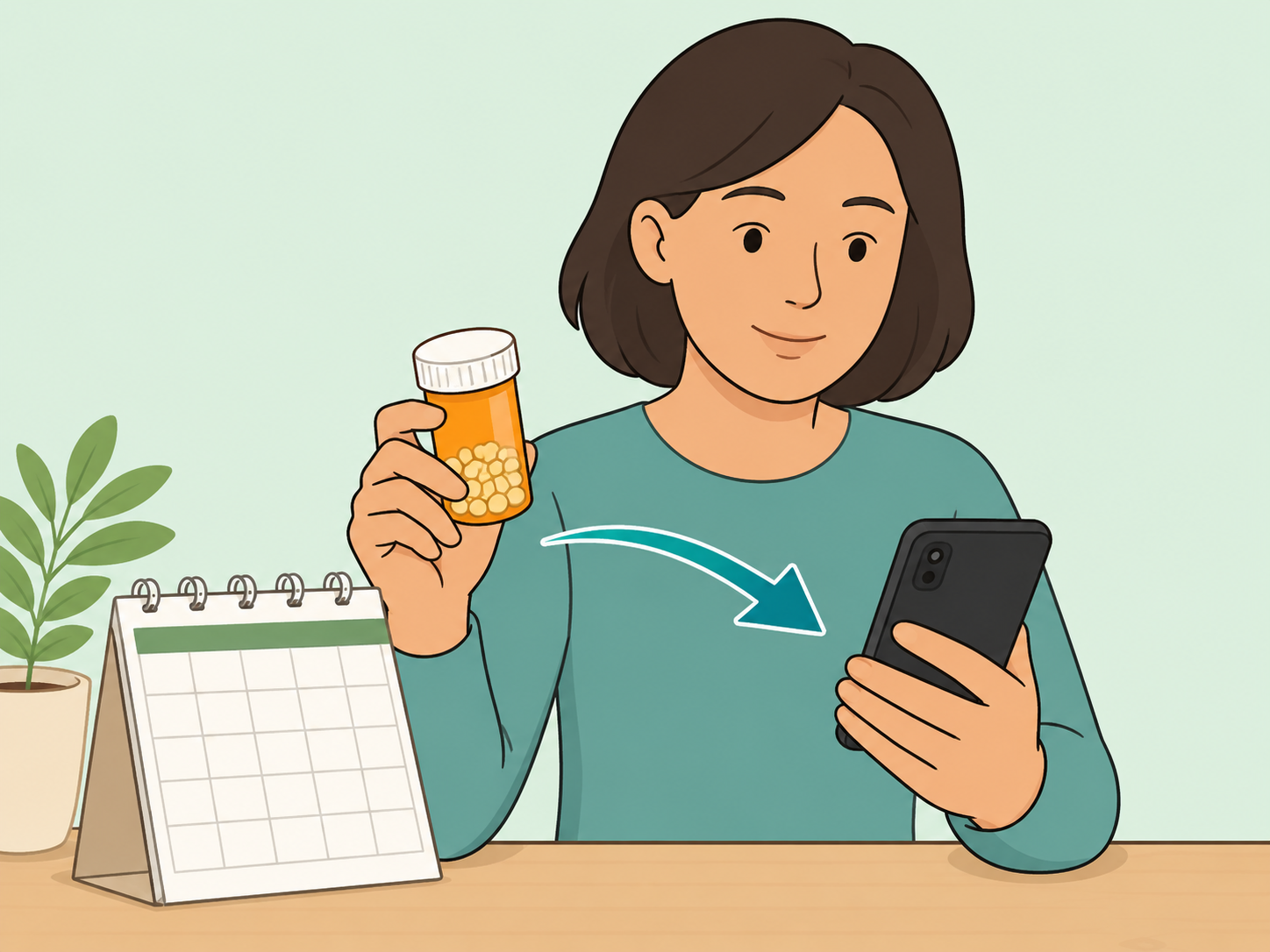
Do not stop or change your dose just because you notice a possible side effect; MedlinePlus advises continuing atorvastatin unless your doctor tells you otherwise. If a symptom is mild but bothersome, write it down and contact your prescriber or pharmacist so they can decide whether timing, dose, another statin, or another cause should be considered.
Make a symptom and medicine list
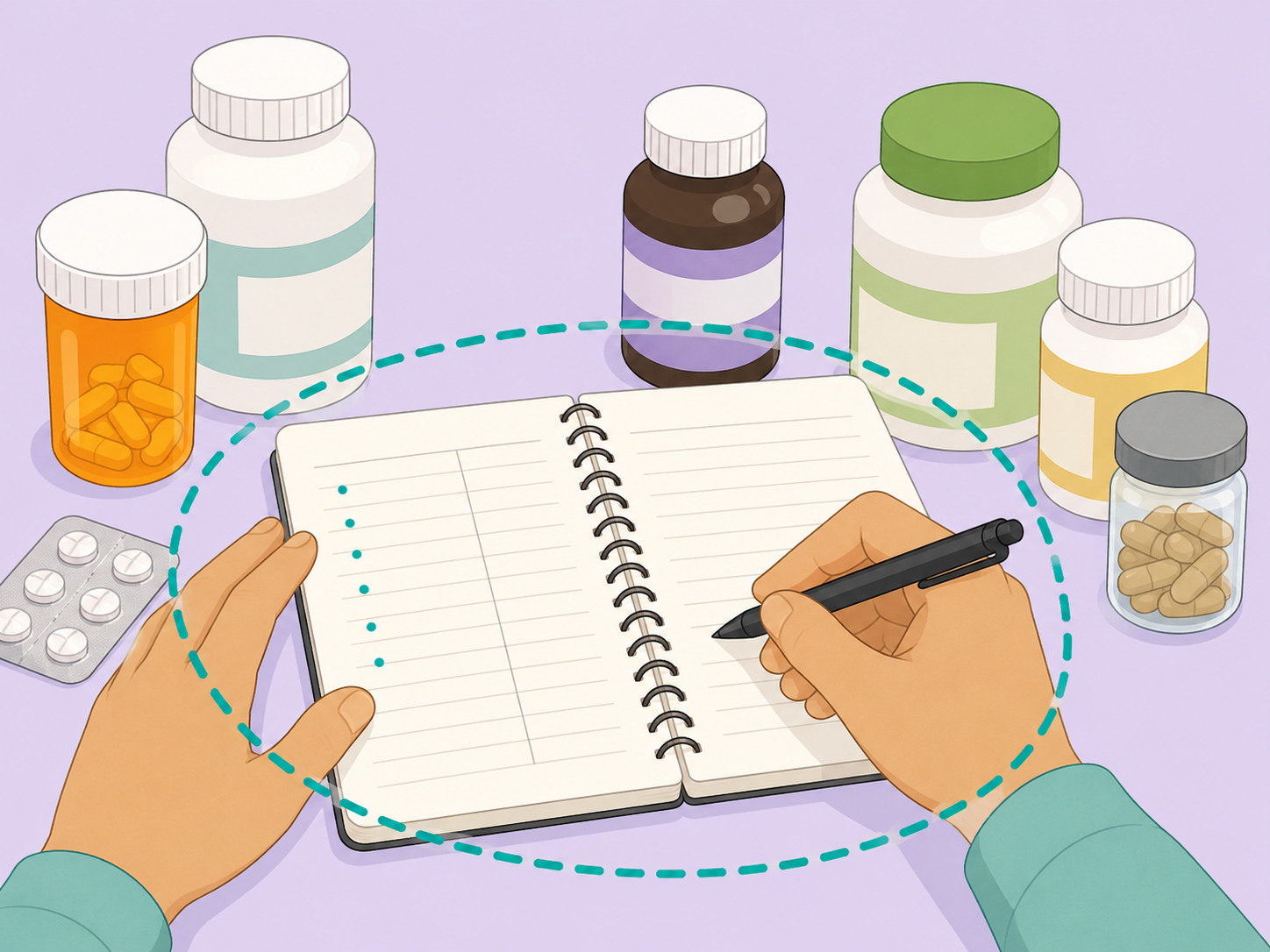
Record when each symptom started, how often it happens, whether your dose recently changed, and what else was going on that day. Also list every prescription, over-the-counter medicine, vitamin, supplement, and herbal product, because atorvastatin can interact with other products and your clinician may need to monitor you more closely.
Watch for unexplained muscle pain or weakness
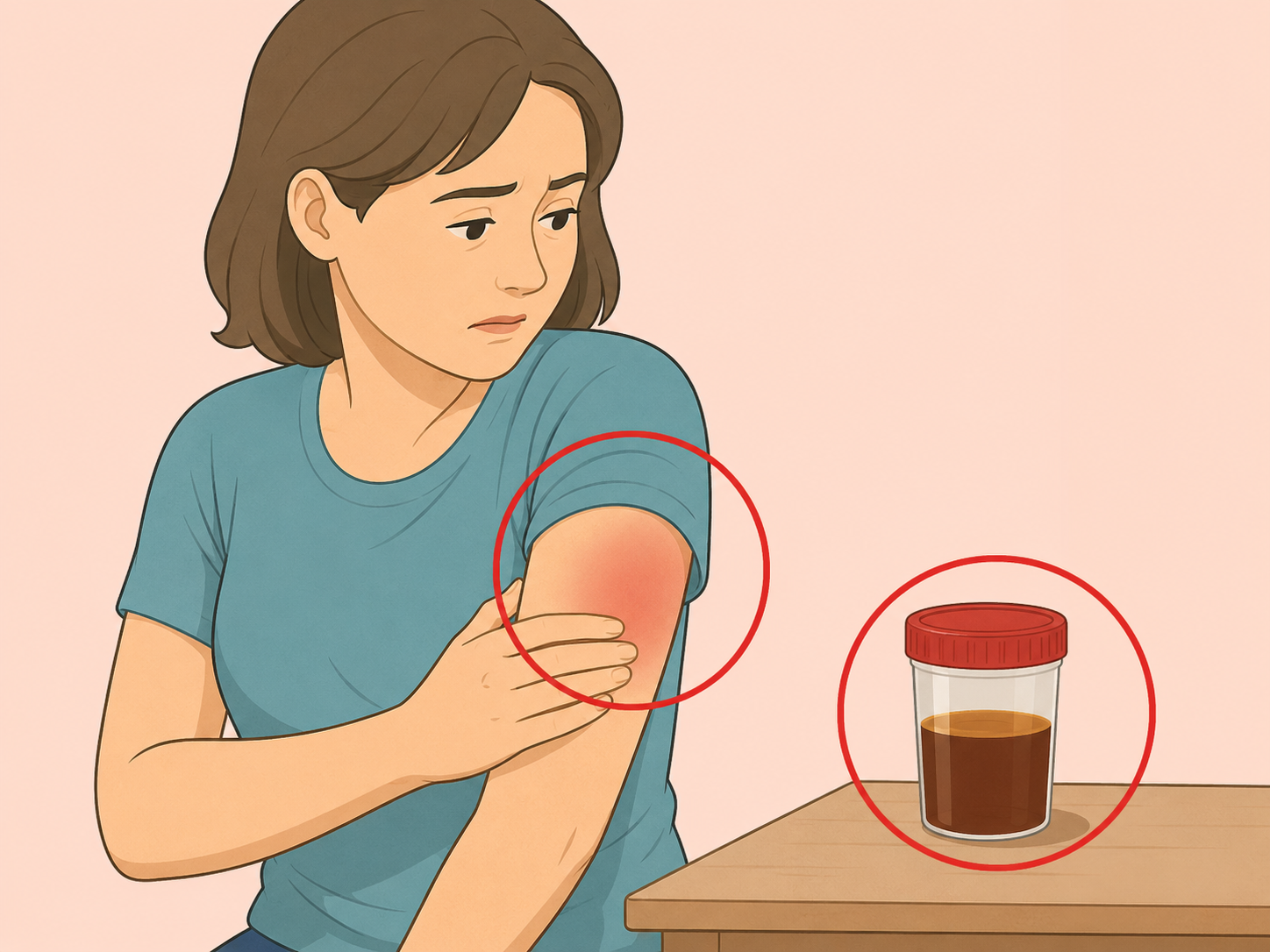
Muscle aches can happen with statins, but unexplained muscle pain, tenderness, weakness, fever, extreme tiredness, or dark urine deserves prompt medical advice. Mayo Clinic explains that serious muscle damage is very rare, but it can harm the kidneys, so call instead of guessing.
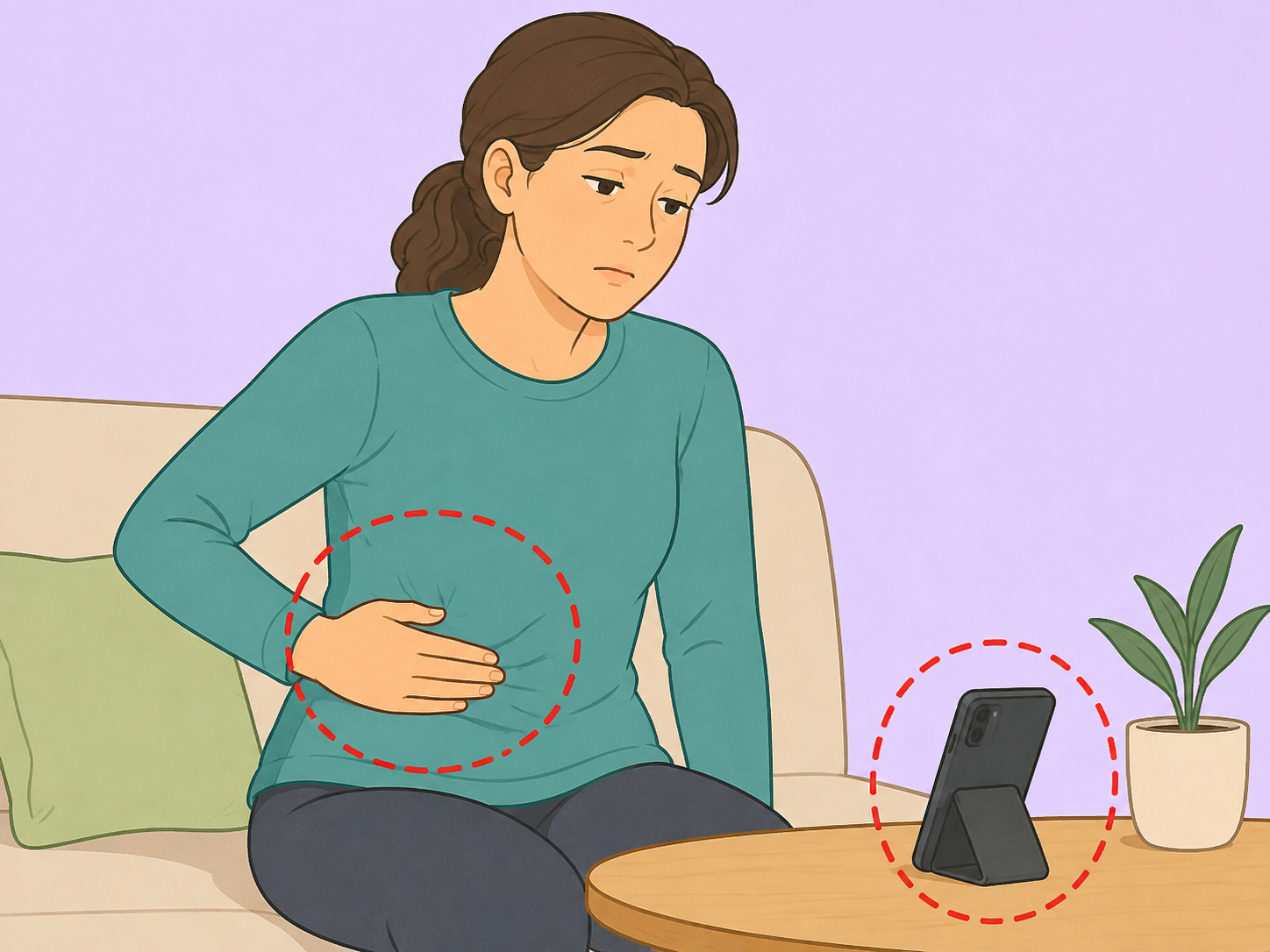
Look for liver warning signs
Contact your doctor promptly if you notice unusual tiredness, loss of appetite, nausea, upper right belly pain, dark urine, pale stool, or yellowing of the skin or eyes. Cleveland Clinic lists these as possible liver injury symptoms, and drinking a lot of alcohol may increase side effect risk.
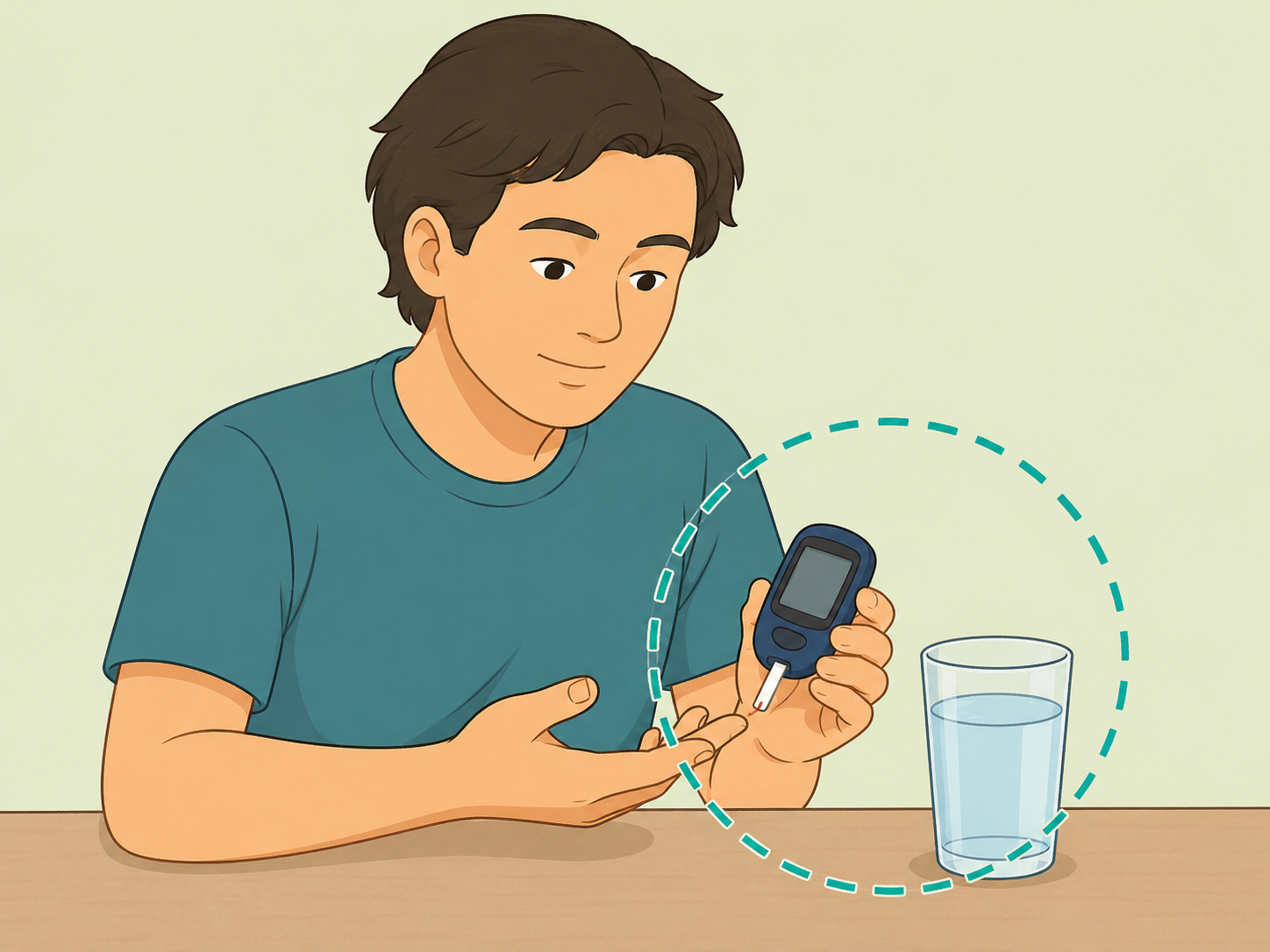
Pay attention to blood sugar changes
Statins can slightly raise blood sugar in some people, especially people who already have diabetes, prediabetes, or other risk factors. Watch for increased thirst, increased urination, unusual weakness, or blurry vision, and ask about glucose monitoring because Mayo Clinic notes the cardiovascular benefits often outweigh this small risk.
Notice memory, confusion, sleep, and dizziness changes
Memory loss and confusion have been reported with statins, although the evidence for a direct cause is limited. Sleep problems, dizziness, headache, and tiredness are also listed among possible effects by the NHS atorvastatin guide, so track patterns and call your clinician if symptoms are new, persistent, or affecting safety.
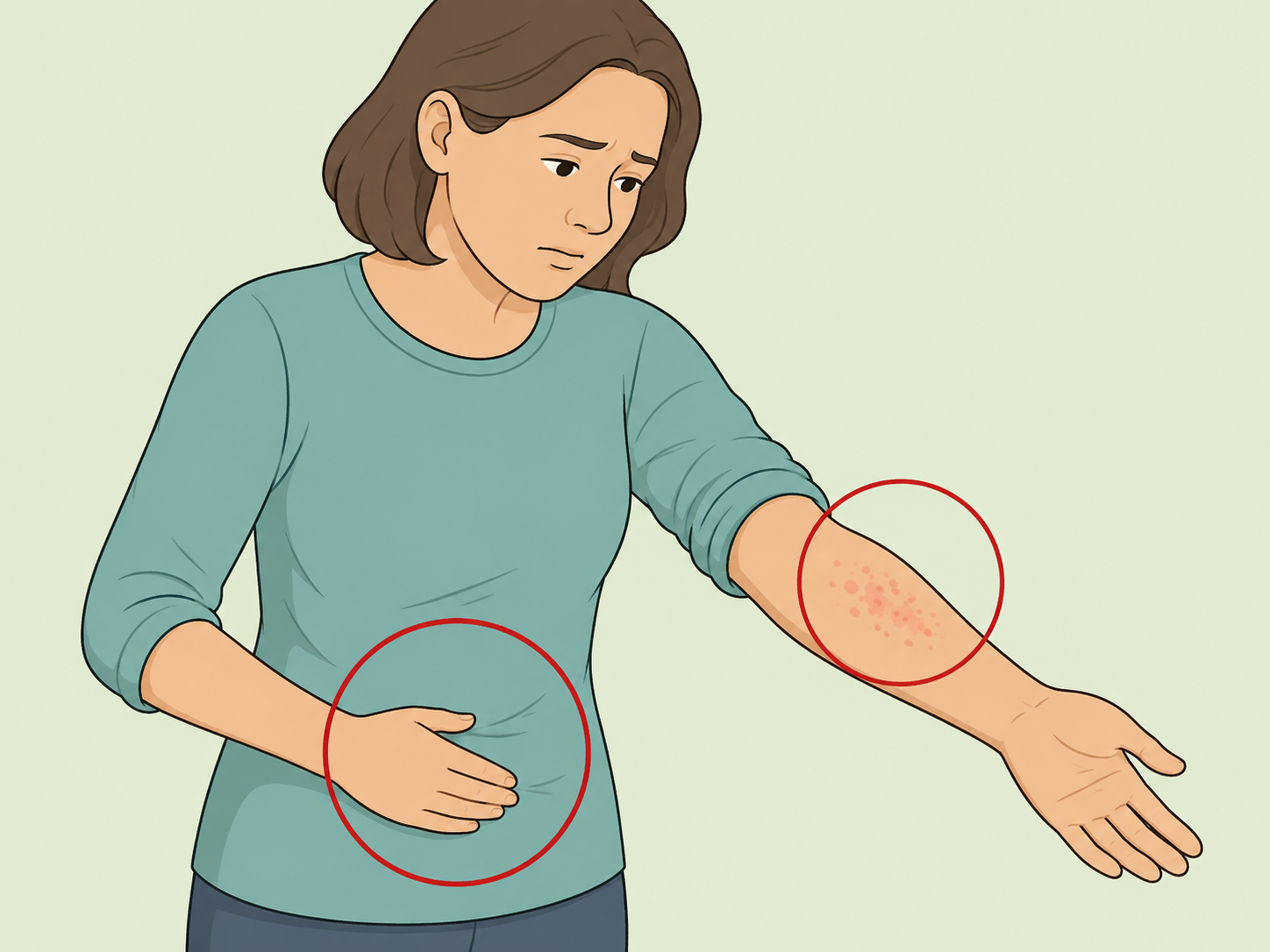
Treat stomach, joint, nose, and skin symptoms as clues
Diarrhea, nausea, constipation, indigestion, gas, heartburn, joint pain, runny or blocked nose, and nosebleeds can happen with atorvastatin or may have another cause. Get urgent help for rash with swelling, hives, blistering or peeling skin, trouble swallowing, or trouble breathing, because Cleveland Clinic lists these as symptoms to report right away.
Review grapefruit, alcohol, pregnancy, and interactions
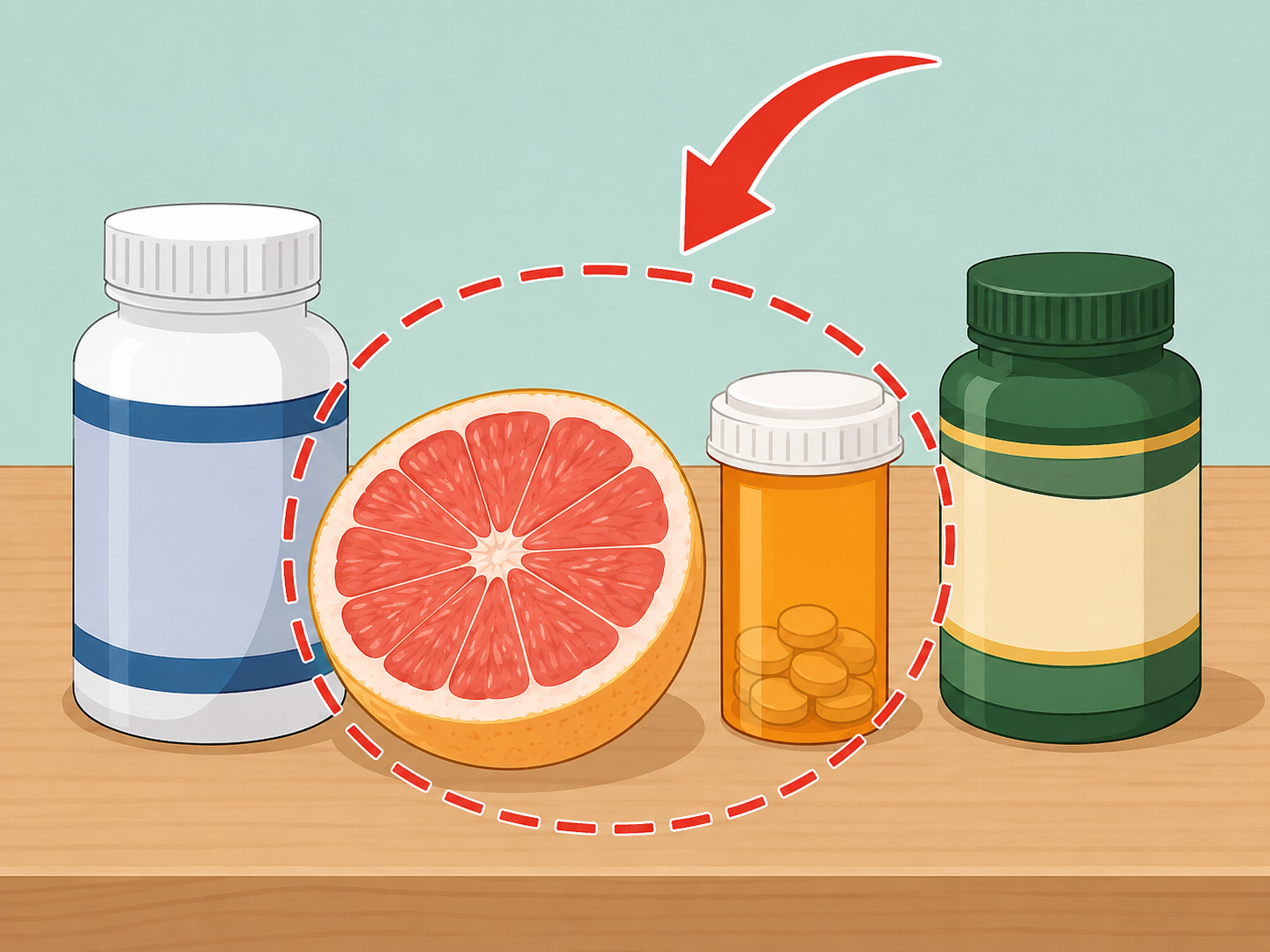
Ask your pharmacist before taking new antibiotics, antifungals, HIV or hepatitis C medicines, cyclosporine, warfarin, St John's wort, or high-dose supplements with atorvastatin. Grapefruit can affect some medicines, and the FDA warns that grapefruit may let more of certain drugs enter the blood; also tell your doctor if you are pregnant, trying to become pregnant, breastfeeding, or drinking alcohol regularly.
Call for help when symptoms are urgent
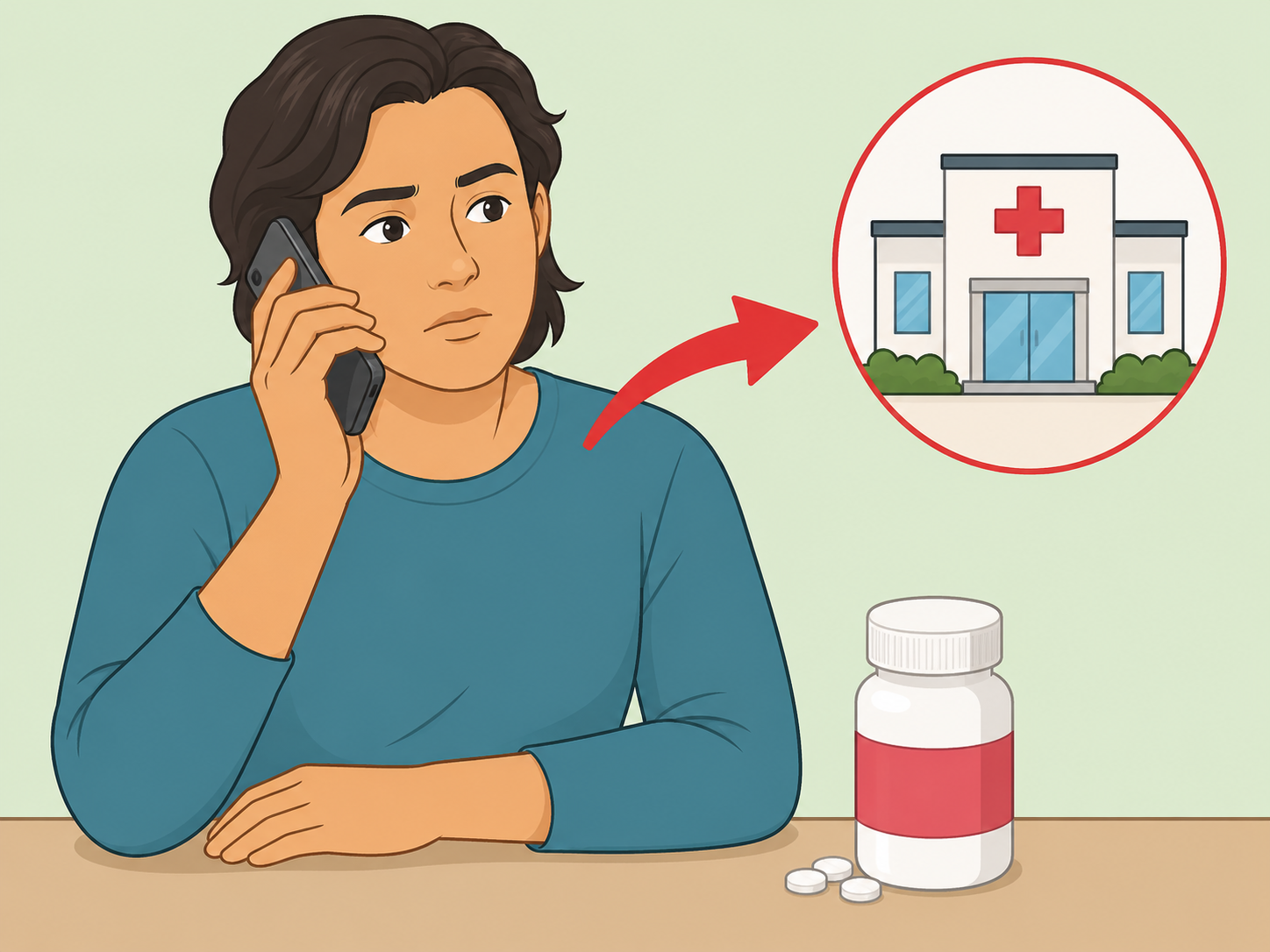
Call your doctor or an urgent care service right away for severe muscle symptoms with fever or dark urine, yellowing skin or eyes, pale stool, severe stomach pain, chest pain, allergic swelling, trouble breathing, unusual bleeding or bruising, or any severe new symptom. For non-urgent symptoms that bother you or do not go away, the NHS advises speaking with a pharmacist or doctor while continuing the medicine unless you are told to stop.
Summary
The bottom line: atorvastatin helps lower cardiovascular risk, but new muscle, liver, allergy, blood sugar, memory, stomach, sleep, or interaction-related symptoms are worth tracking and discussing. Keep taking it as directed unless your clinician gives different instructions, and seek urgent help for severe warning signs.
Frequently Asked Questions
- Should I stop atorvastatin if I think it is causing side effects?
Do not stop or change atorvastatin on your own. Call your doctor or pharmacist, and seek urgent help right away for severe symptoms such as trouble breathing, chest pain, severe muscle symptoms with dark urine, or yellowing skin or eyes.
- Are muscle aches always caused by atorvastatin?
No. Muscle aches can have many causes, including exercise, illness, thyroid problems, and other medicines. Because rare statin-related muscle injury can be serious, report unexplained muscle pain, tenderness, weakness, fever, or dark urine promptly.
- Can atorvastatin affect blood sugar?
Yes, statins can slightly raise blood sugar in some people, especially those already at higher risk for diabetes. For many people, the heart and stroke prevention benefits still outweigh that small risk, so discuss monitoring rather than stopping the medicine.
- Can I drink grapefruit juice while taking atorvastatin?
Ask your doctor or pharmacist. Grapefruit can interact with some medicines, including atorvastatin, and larger amounts may increase side effect risk.
- What mild side effects should I track?
Track symptoms such as headache, dizziness, nausea, diarrhea, constipation, indigestion, gas, joint pain, sleep problems, runny or blocked nose, nosebleeds, memory changes, or confusion. Call your care team if they are severe, persistent, or affecting daily life.
- What should I bring to a medication review?
Bring your atorvastatin bottle, dose, start date, symptom notes, and a full list of prescription medicines, over-the-counter products, vitamins, supplements, and herbal remedies. This helps your clinician check for interactions and decide whether labs or a medication change are needed.
References
Reliable references aided in composing and refining this content.
- https://medlineplus.gov/druginfo/meds/a600045.html
- https://www.mayoclinic.org/diseases-conditions/high-blood-cholesterol/in-depth/statin-side-effects/art-20046013
- https://www.nhs.uk/medicines/atorvastatin
- https://my.clevelandclinic.org/health/drugs/19081-atorvastatin-tablets
- https://www.fda.gov/consumers/consumer-updates/grapefruit-juice-and-some-drugs-dont-mix