
 Pin it
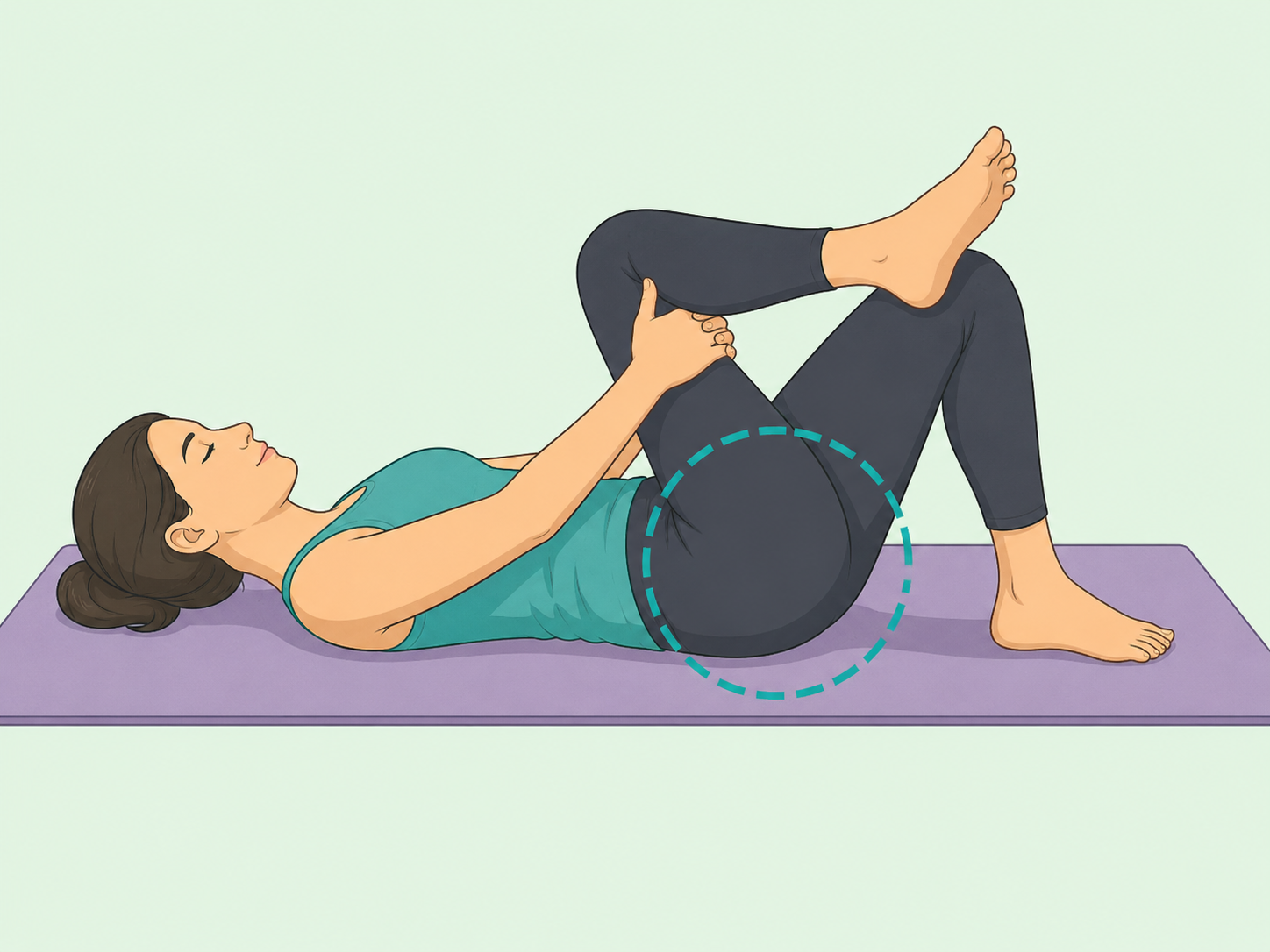
Piriformis syndrome can cause deep buttock pain and sciatic-type symptoms when the piriformis muscle irritates the nearby sciatic nerve. Gentle stretching and hip strengthening may help some people feel better, especially when symptoms are mild and not linked to an injury. This guide shows safe, simple movements to try and explains when to get medical help.
Check your symptoms before you stretch
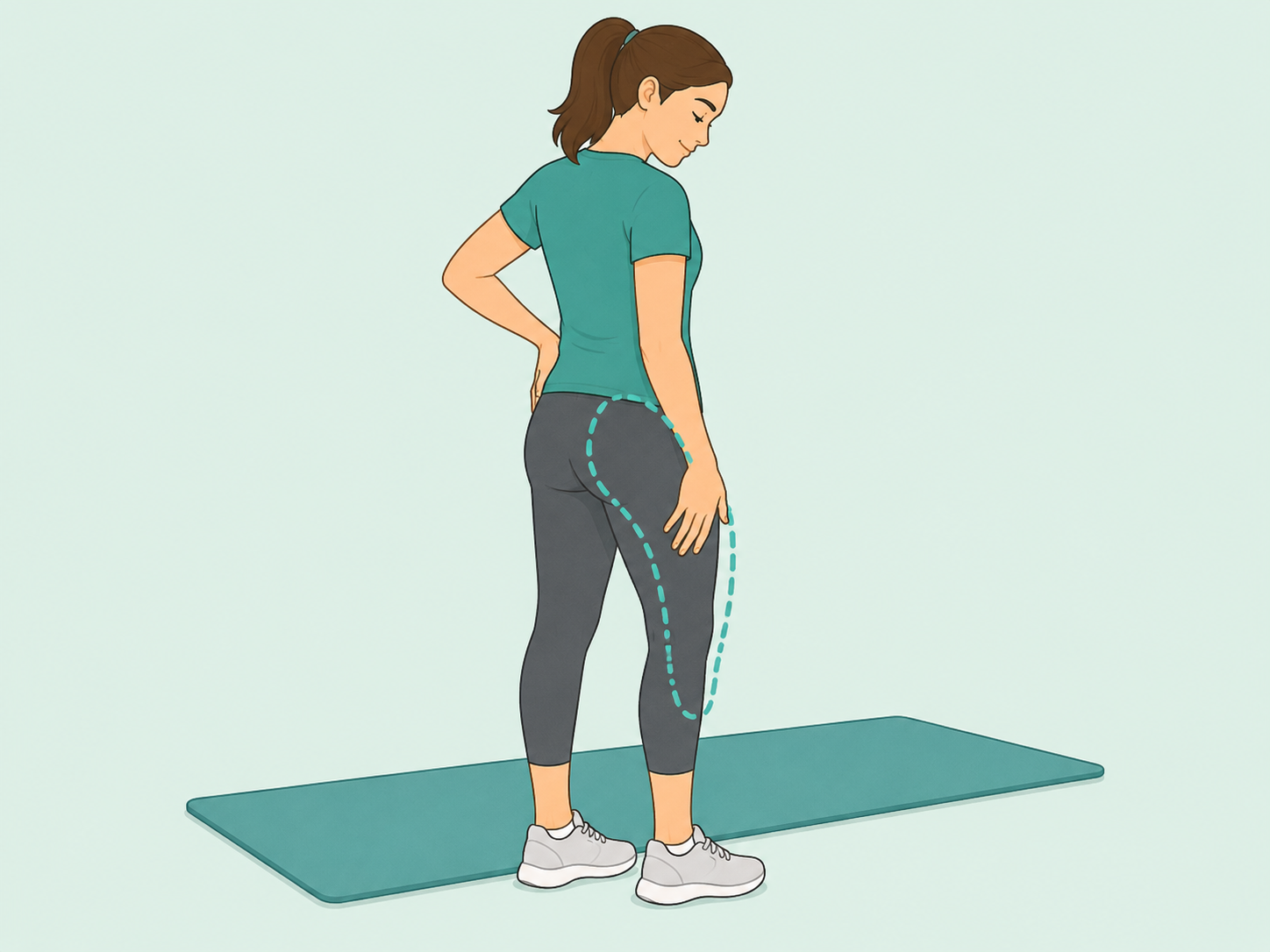
Piriformis syndrome can cause buttock pain or numbness that may travel down the back of the leg when the piriformis muscle irritates the sciatic nerve, according to MedlinePlus. Because disk problems, arthritis, hamstring injuries, and other conditions can feel similar, Cleveland Clinic notes that diagnosis often means ruling out other causes. Use these stretches as gentle self-care, not as a way to diagnose yourself.
Warm up with easy movement first
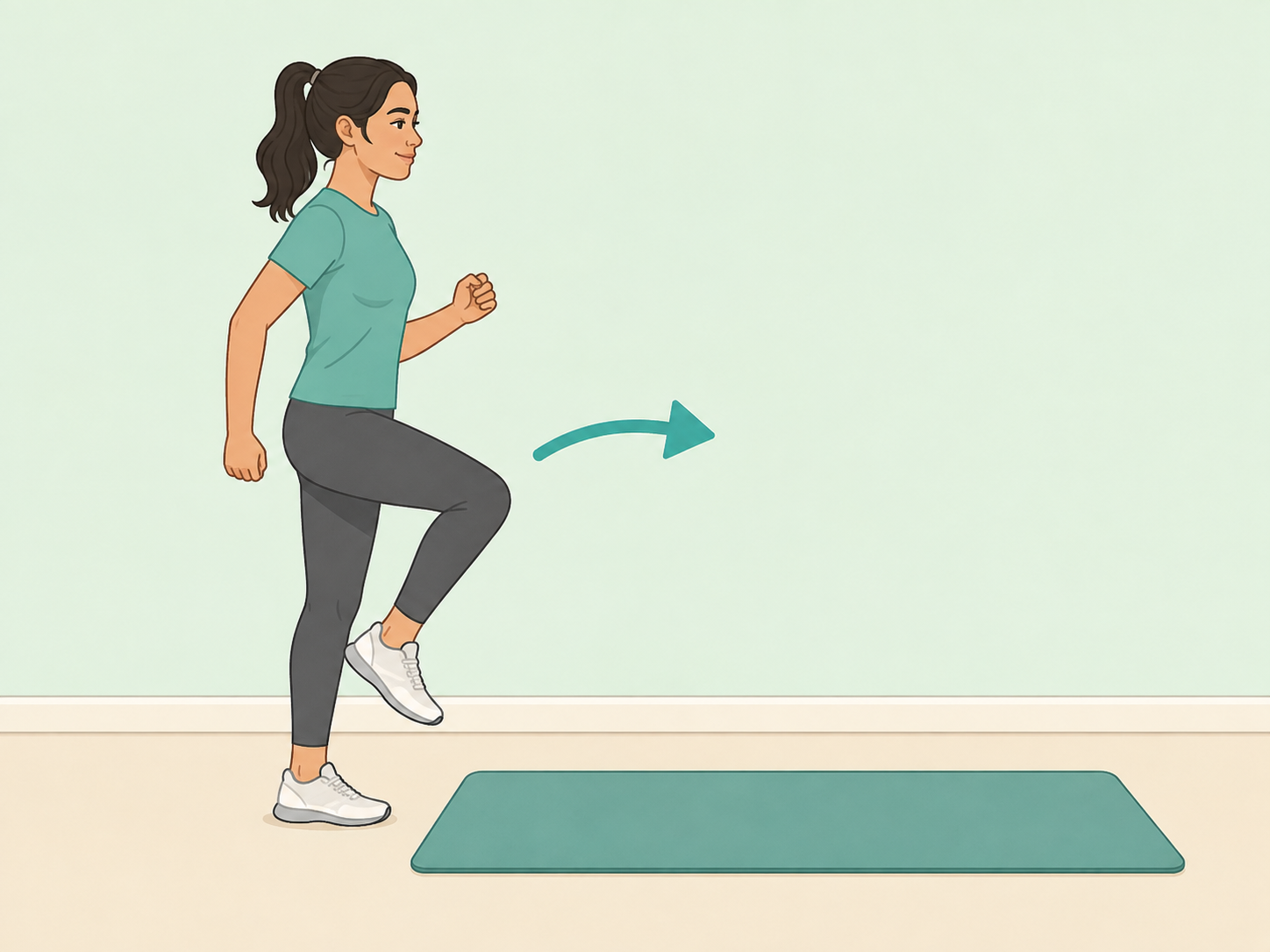
Before stretching, do 5 to 10 minutes of easy walking or another low-impact movement, a warm-up approach recommended in the AAOS hip conditioning program. Move slowly and keep the effort comfortable. If sitting makes symptoms worse, stand up and walk briefly before starting.
Pull one knee toward the opposite shoulder
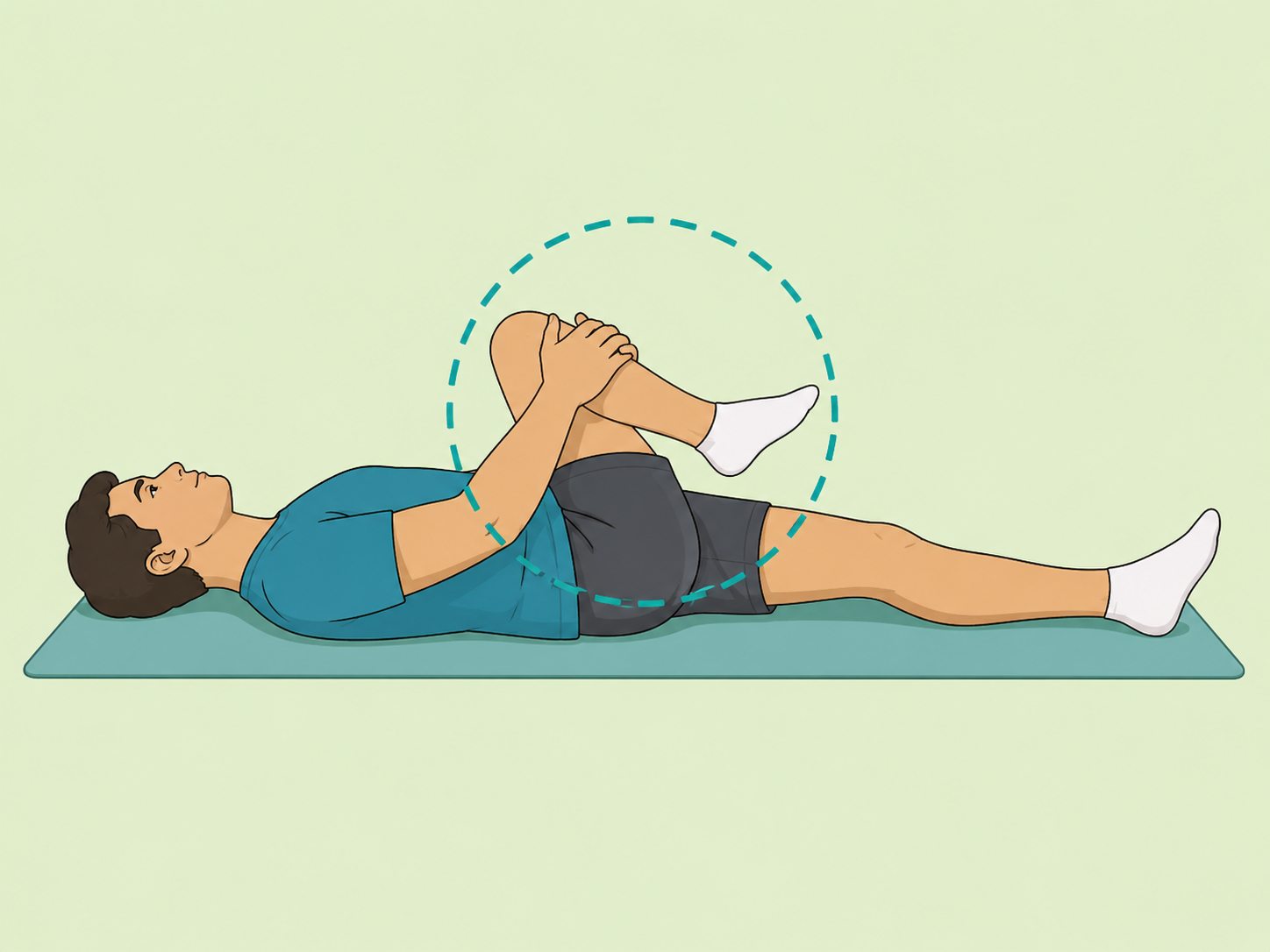
Lie on your back with both legs relaxed, then bend one knee and gently draw it across your body toward the opposite shoulder. Stop when you feel a stretch deep in the buttock, not sharp pain. This knee-to-shoulder piriformis stretch is one of the movements described by Cleveland Clinic.
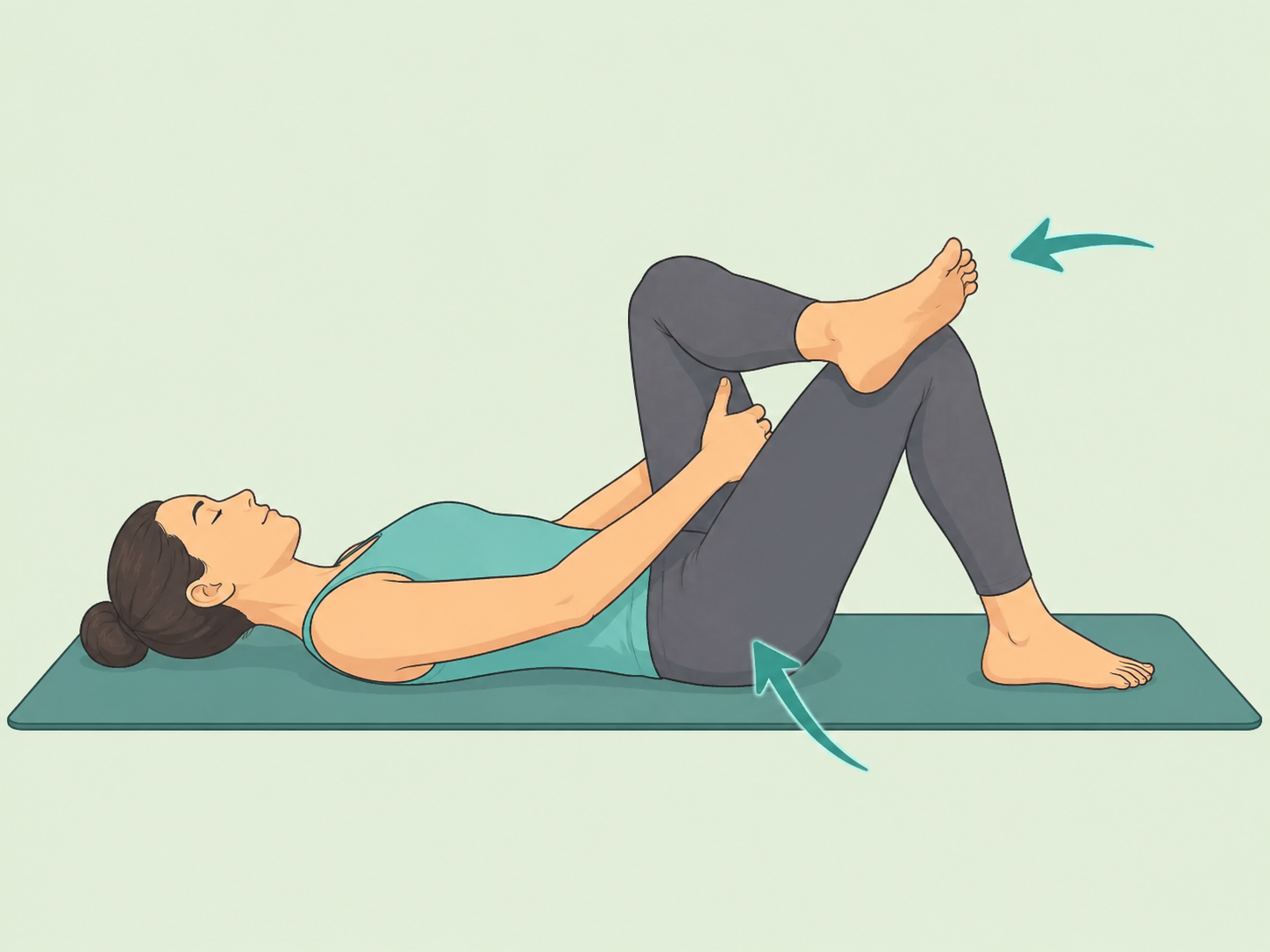
Try the lying figure-four stretch
Lie on your back with both knees bent, cross one ankle over the opposite knee, and gently pull the uncrossed thigh toward your chest. Keep your neck and shoulders relaxed while the crossed knee opens away from you. This ankle-over-knee position targets the piriformis and buttock area, and similar hip stretches are shown by Cambridge University Hospitals NHS.
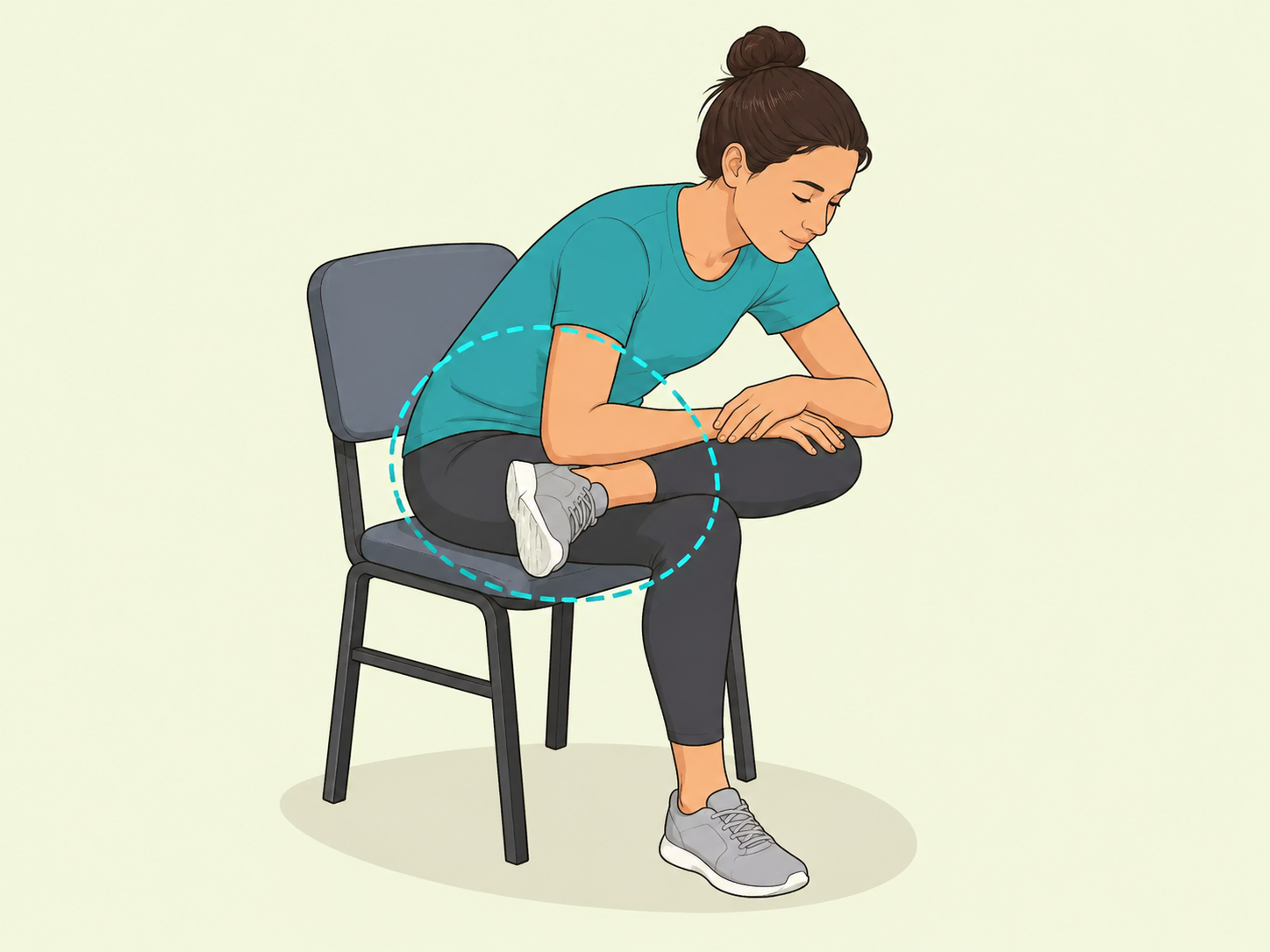
Use a seated figure-four stretch during the day
Sit on a sturdy chair with both feet on the floor, cross one ankle over the opposite knee, and lean forward from your hips with your back straight. You should feel the stretch in the buttock of the crossed leg. The University of Michigan back care guide describes a seated piriformis stretch and advises stopping if pain worsens or spreads.
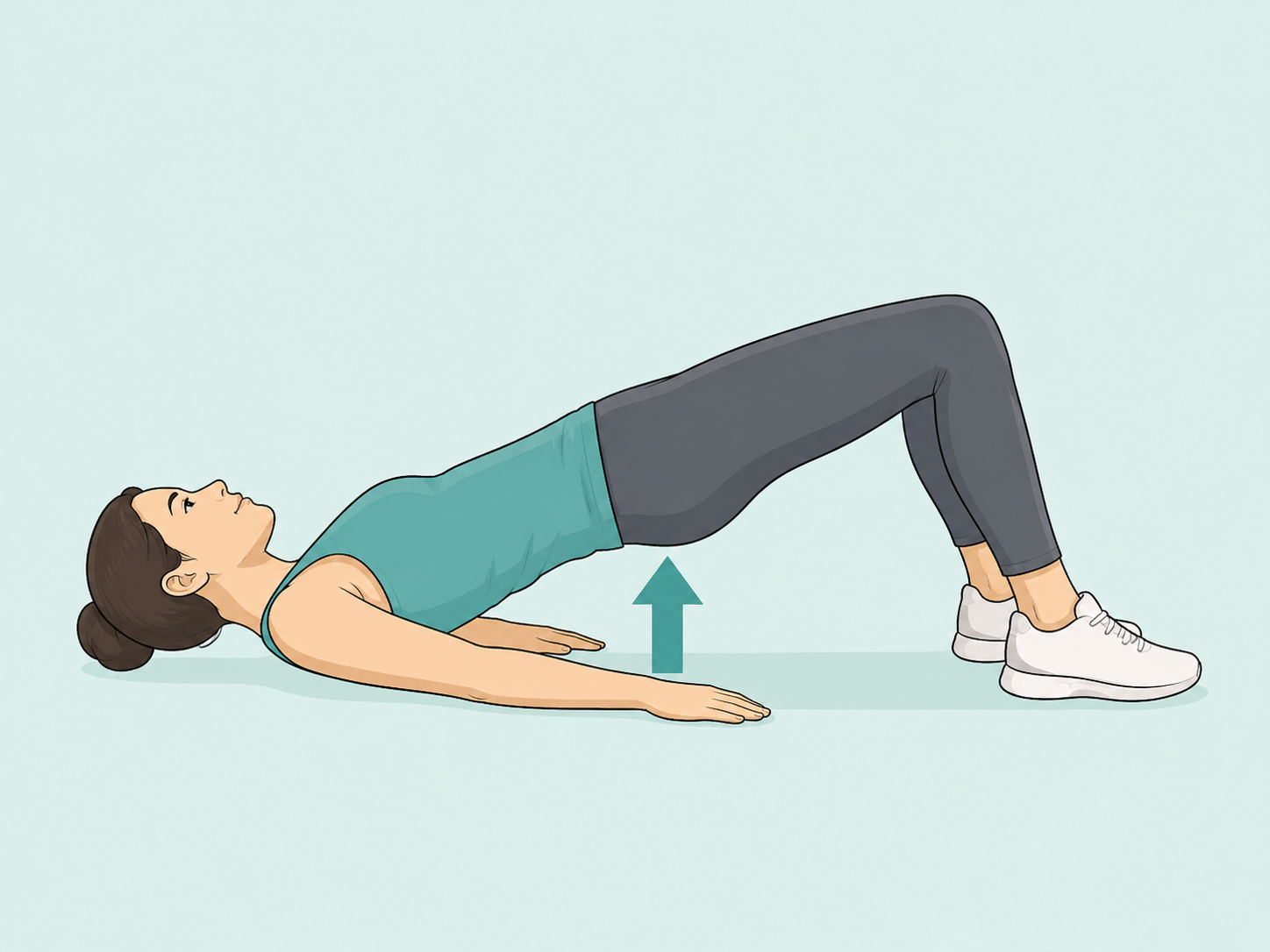
Add bridges for gentle hip support
Lie on your back with knees bent and feet flat, tighten your stomach lightly, and lift your hips until your body forms a gentle line from shoulders to knees. Lower slowly and keep the motion controlled. Strengthening muscles around the hip can support the joint, and Cleveland Clinic includes bridges among exercises for piriformis syndrome.
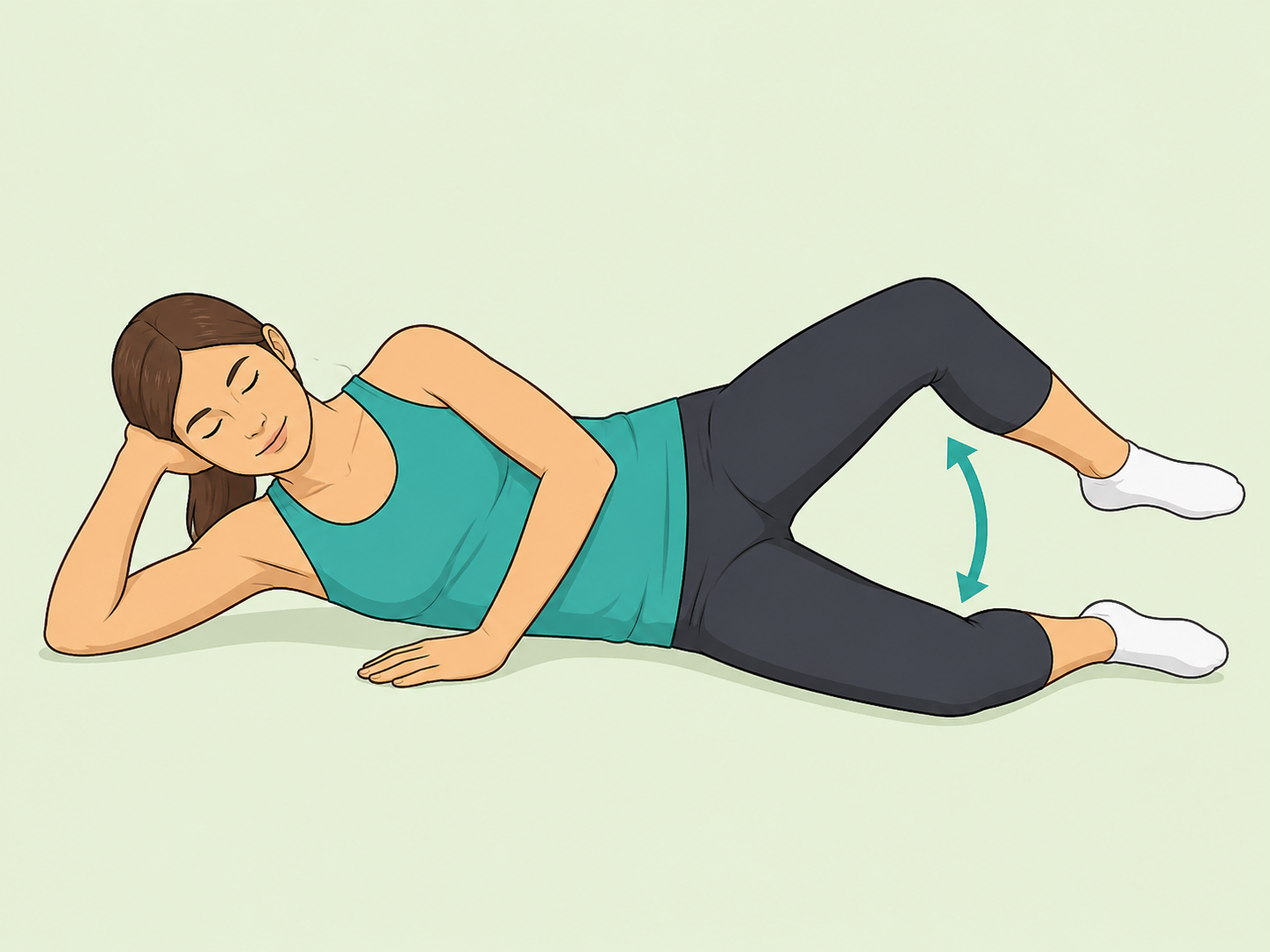
Practice clamshells for side-hip strength
Lie on your side with knees bent and feet stacked, then keep your feet together while lifting the top knee a small distance. Lower slowly without rolling your pelvis backward. Hip and buttock strengthening exercises such as clams can help support the area, as outlined by East Cheshire NHS Trust.
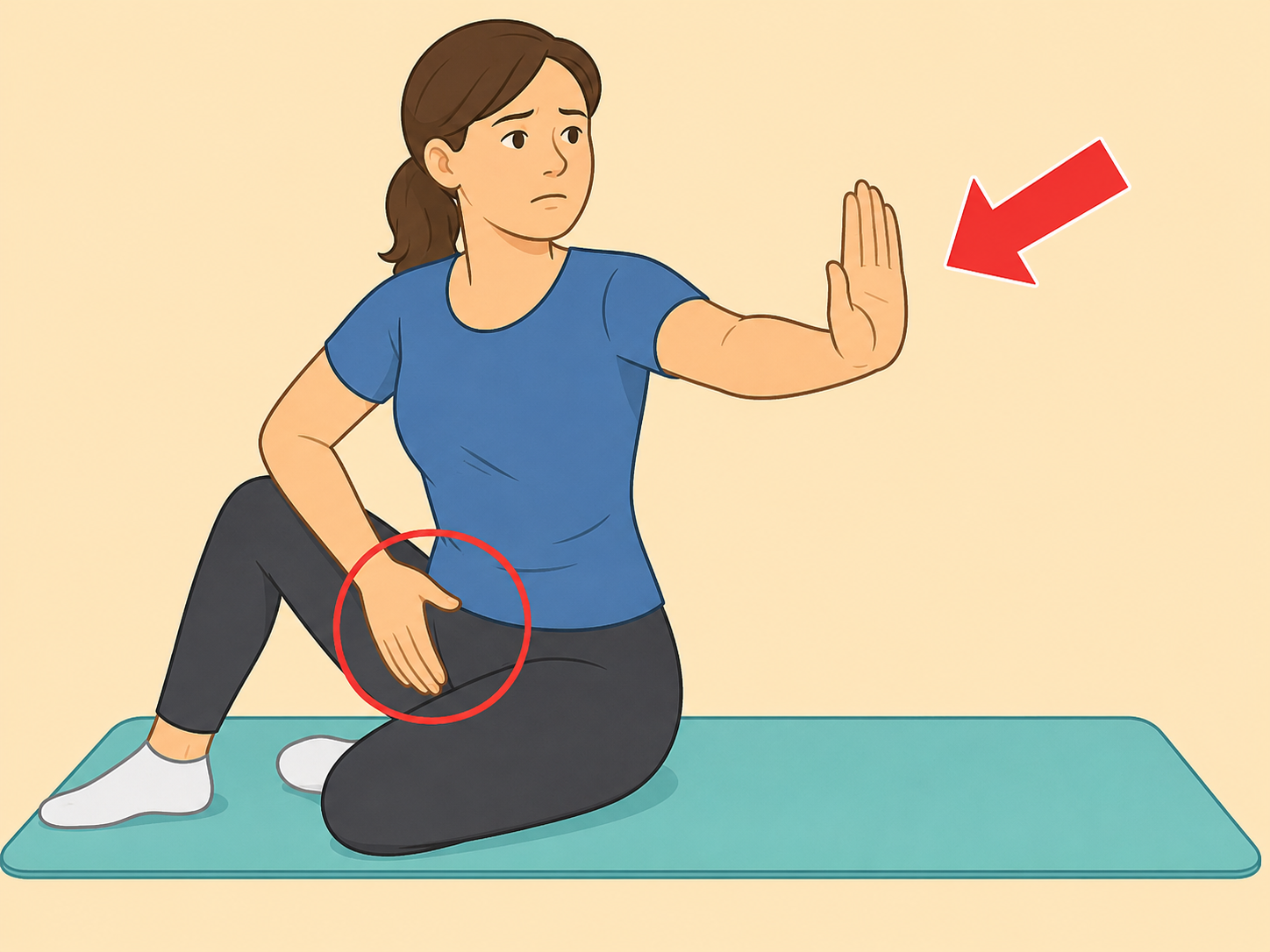
Stop and get help when symptoms are not improving
Stop any stretch or exercise that causes sharp pain, spreading symptoms, or pain that stays worse afterward. MedlinePlus recommends contacting a provider if pain lasts longer than a few weeks or starts after an accident, and getting urgent help for sudden severe back or leg pain with weakness or numbness, trouble controlling the foot, or loss of bowel or bladder control. A clinician or physical therapist can check whether piriformis syndrome is really the source and guide the right plan.
Summary
The bottom line: warm up, stretch gently, add light hip strengthening, and avoid pushing through pain. Piriformis symptoms can mimic other conditions, so get medical care if pain persists, spreads, or comes with weakness, numbness, or bladder or bowel changes.
Frequently Asked Questions
- How often should I do piriformis stretches?
- Many rehab programs use gentle daily stretching, but the right schedule depends on your symptoms and health history. Start conservatively and follow a clinician's instructions if you have been given a plan.
- Should piriformis stretches hurt?
- No. A stretch may feel firm or mildly uncomfortable, but sharp pain, spreading pain, or symptoms that stay worse afterward are reasons to stop and reassess.
- Can stretching cure piriformis syndrome?
- Stretching may help relax a tight piriformis and reduce irritation for some people, but it is not a guaranteed cure. Persistent or severe symptoms need a medical evaluation because other back, hip, or nerve problems can feel similar.
- Is walking good for piriformis syndrome?
- Walking can be a useful low-impact warm-up and may be easier on the hips than activities that trigger symptoms. Stop or modify any activity that clearly worsens your pain.
- Can I do these stretches if I have sciatica?
- Sciatic-type symptoms can come from several causes, including back conditions. If pain travels down your leg, or you have numbness, weakness, or symptoms after an injury, check with a healthcare professional before relying on home stretches.
- When should I see a doctor for piriformis pain?
- Seek medical advice if pain lasts more than a few weeks, follows an accident, or comes with severe back or leg pain, muscle weakness, foot control problems, numbness, or bladder or bowel changes.
References
Reliable references aided in composing and refining this content.
- https://health.clevelandclinic.org/piriformis-syndrome-stretches-exercises
- https://medlineplus.gov/ency/patientinstructions/000776.htm
- https://my.clevelandclinic.org/health/diseases/23495-piriformis-syndrome
- https://www.orthoinfo.org/recovery/hip-conditioning-program
- https://www.cuh.nhs.uk/patient-information/stretches-for-the-hip
- https://services.eastcheshire.nhs.uk/physiotherapy-service/self-help/hip-and-buttock-pain-physiotherapy-self-help
- https://hr.umich.edu/benefits-wellness/health-well-being/mhealthy/faculty-staff-well-being/health-conditions/back-pain-care/about-back-pain-self-care-practices/back-care-guide/stretching