
 Pin it
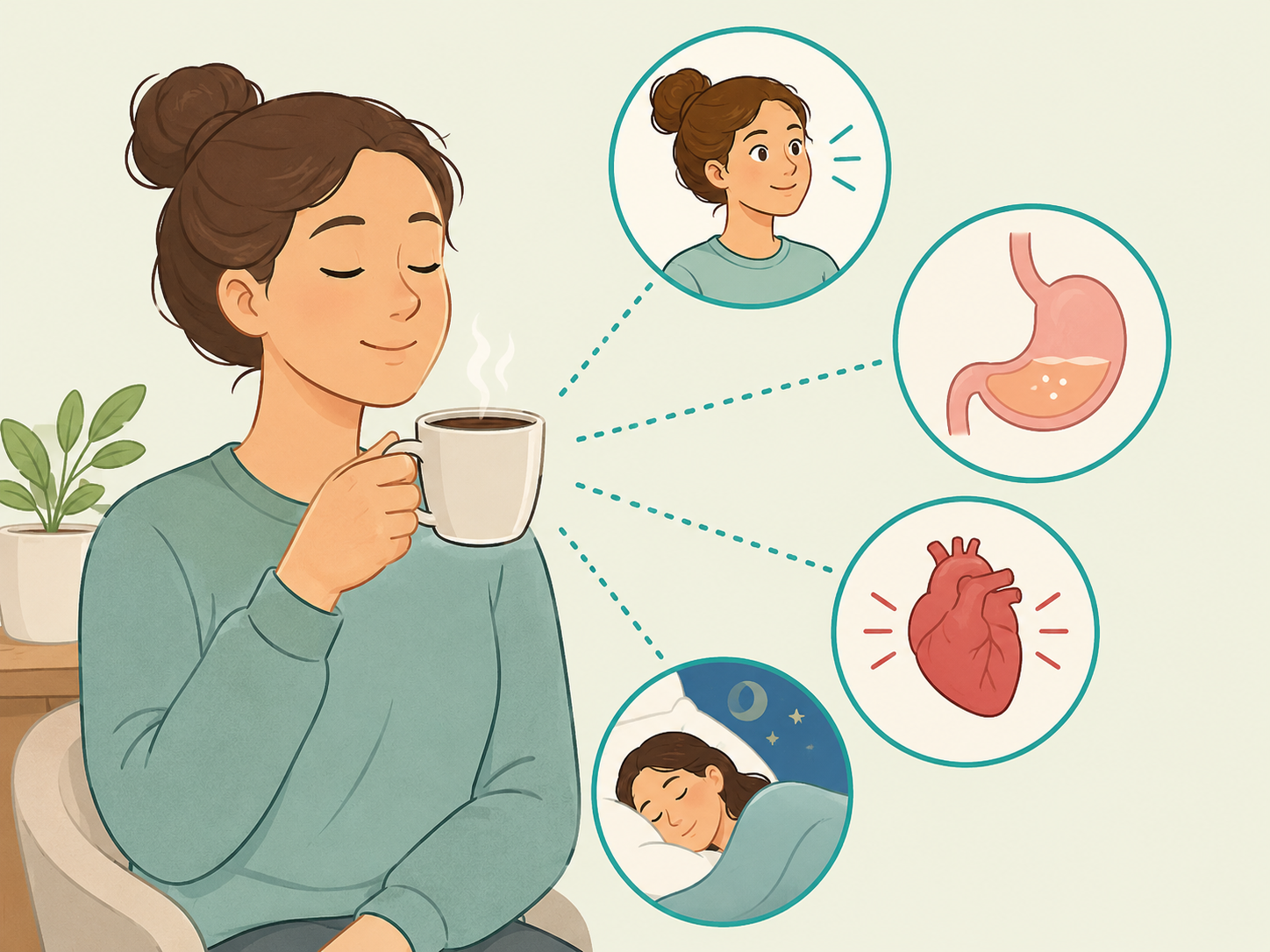
A morning cup of coffee can feel simple, but caffeine affects several body systems at once. This guide explains what commonly happens after you drink coffee, which effects are usually mild, and when it is smart to cut back or ask a health professional. It is written for everyday awareness, not for diagnosing or treating any condition.
Notice the alertness boost
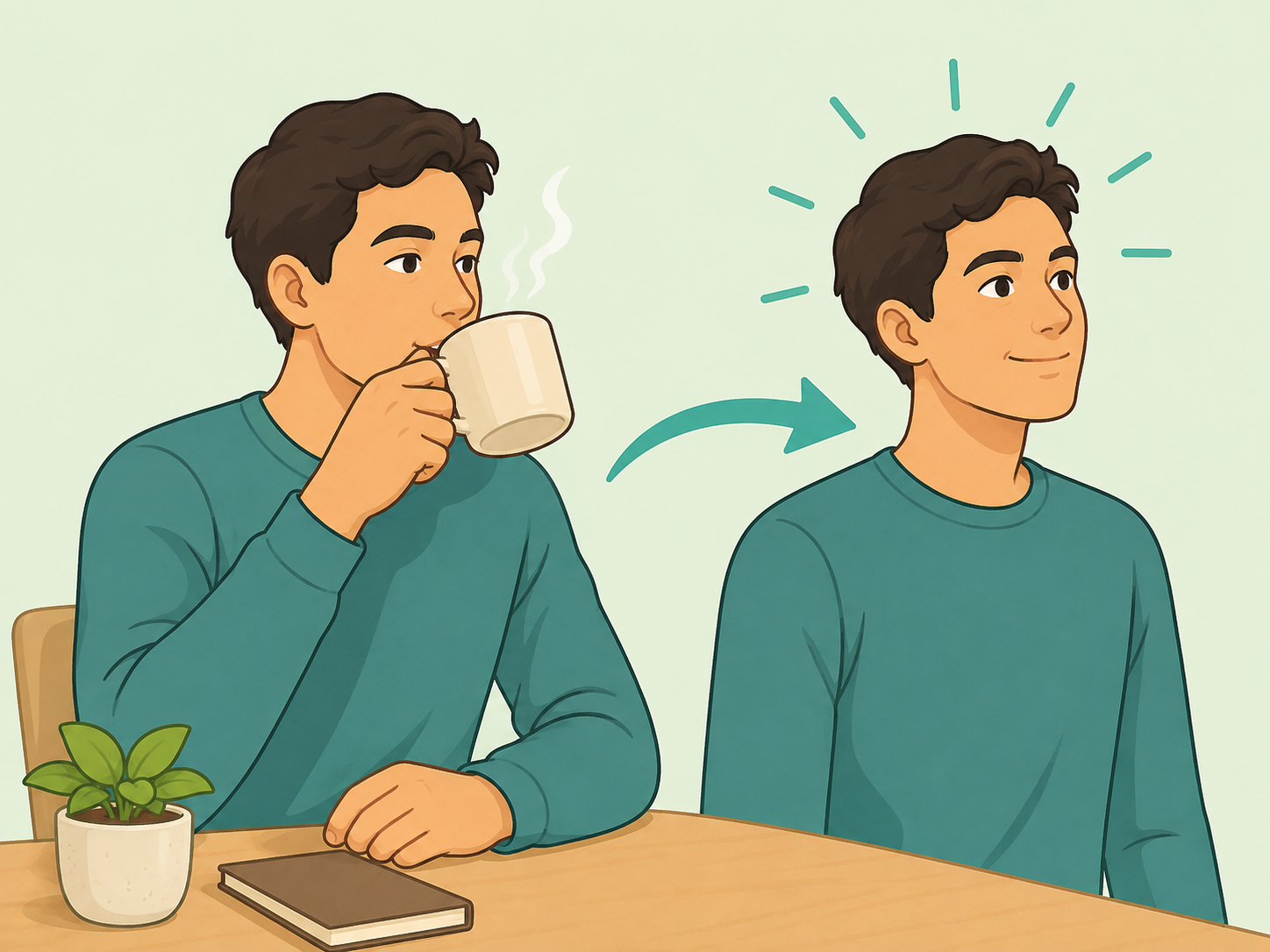
Caffeine stimulates the central nervous system, which is why coffee can make you feel more awake and focused. MedlinePlus explains that caffeine reaches peak levels in the blood within about an hour, so the morning lift is not just in your imagination.
Expect your body to react beyond your brain
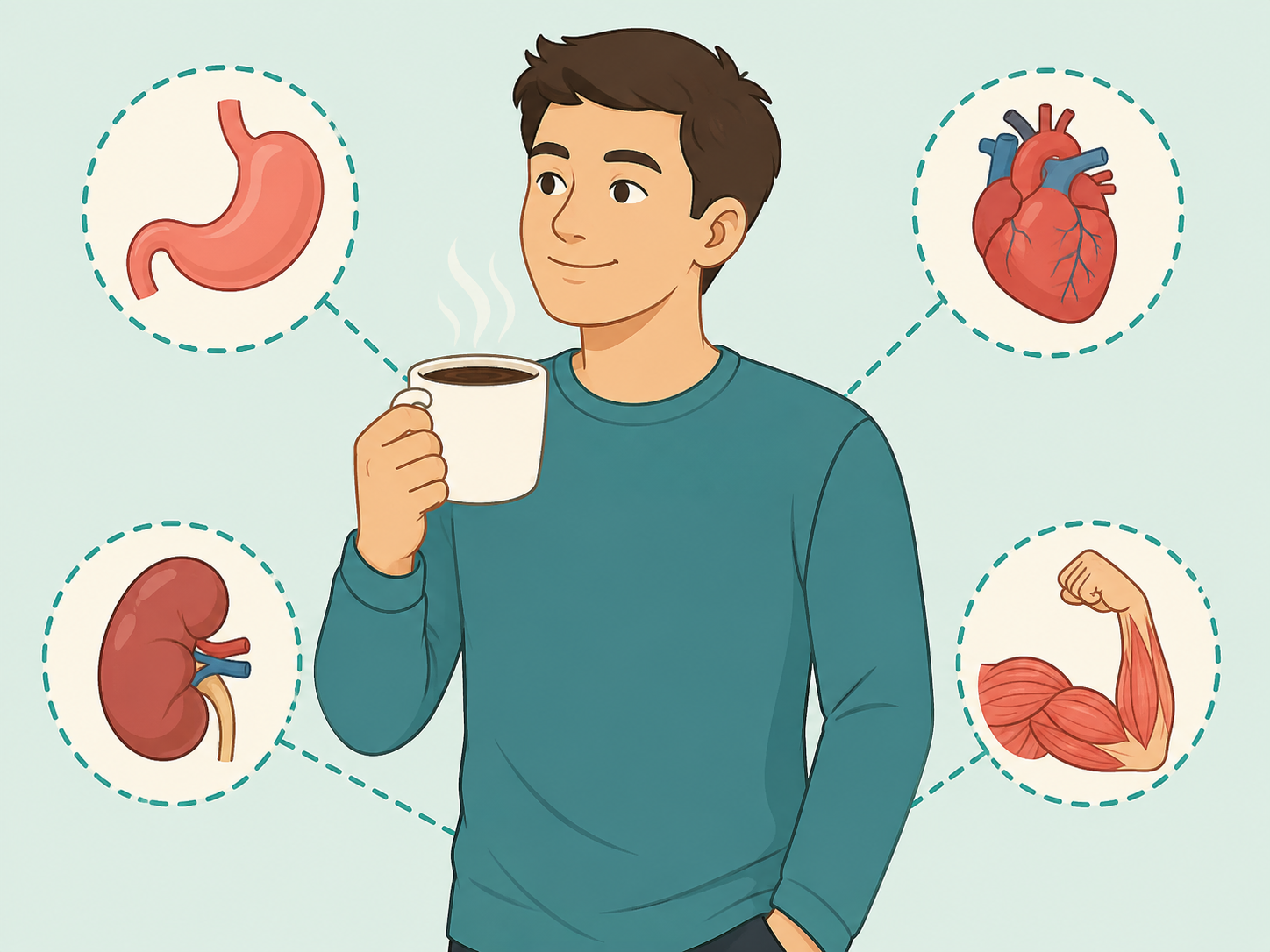
Coffee can also affect the stomach, kidneys, heart, and muscles. Cleveland Clinic notes that caffeine may raise alertness, stimulate digestion, increase urination, and cause jitters or stomach symptoms in some people.
Count your total caffeine for the day
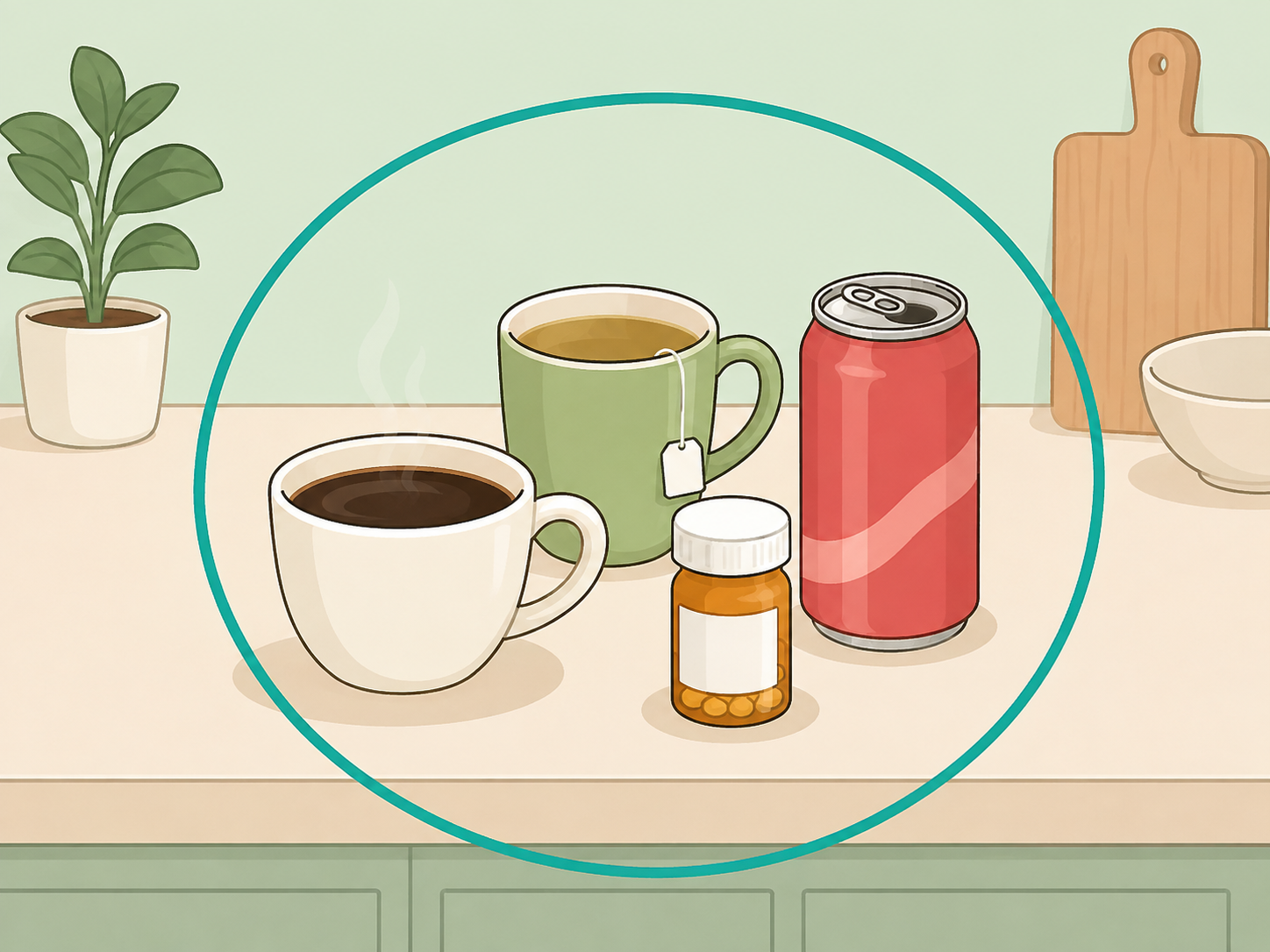
A single morning coffee is only one part of your daily caffeine intake, especially if you also drink tea, soda, energy drinks, or take certain medicines. The FDA says 400 mg of caffeine a day is not generally associated with negative effects for most adults, but sensitivity varies widely.
Watch for sleep disruption
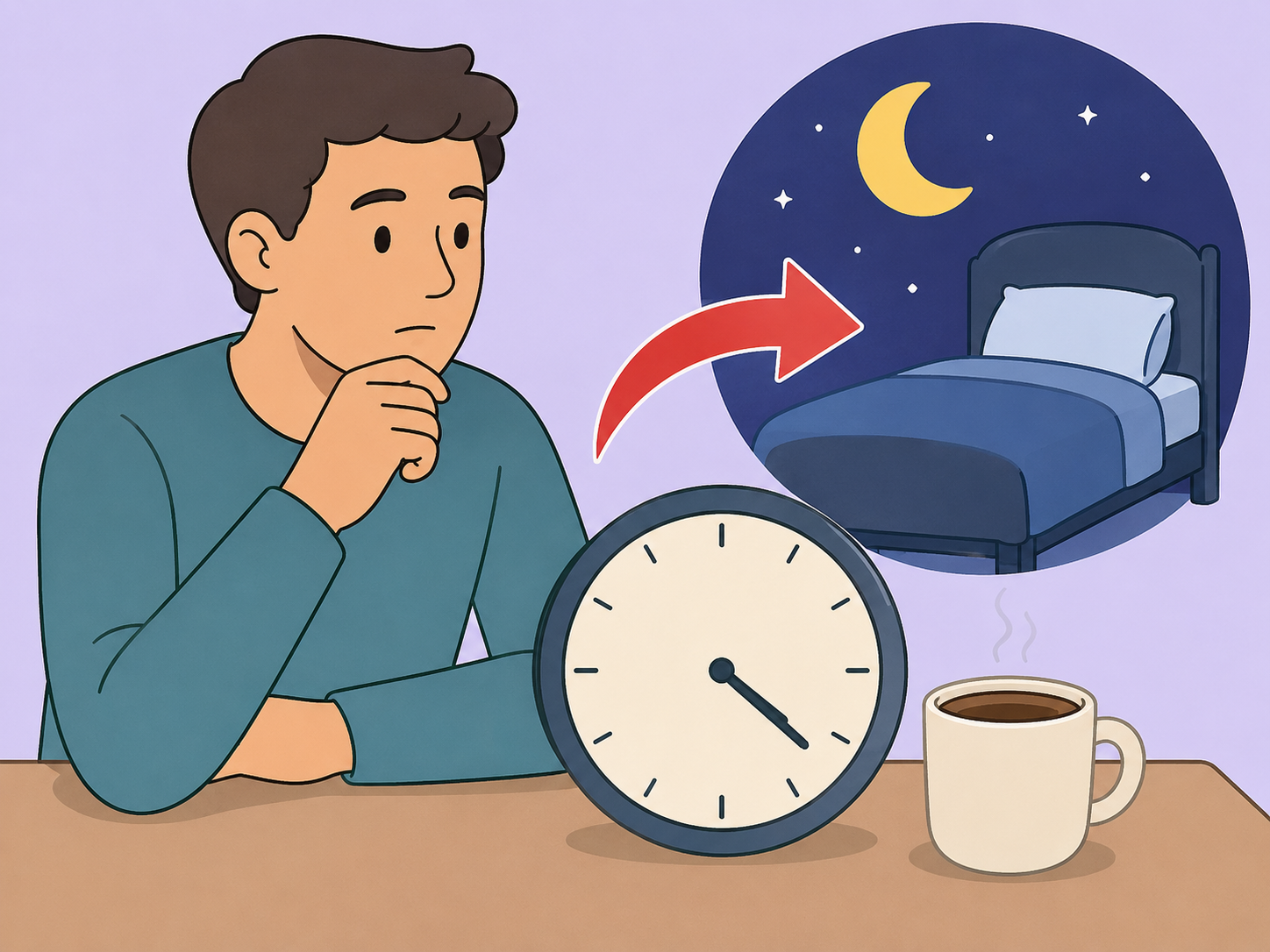
Morning coffee is less likely to disturb sleep than late-day coffee, but caffeine can stay active for hours. Cleveland Clinic reports that caffeine half-life can vary from about 2 to 10 hours, so afternoon or evening cups may keep some people awake.
Pay attention to heart and blood pressure symptoms
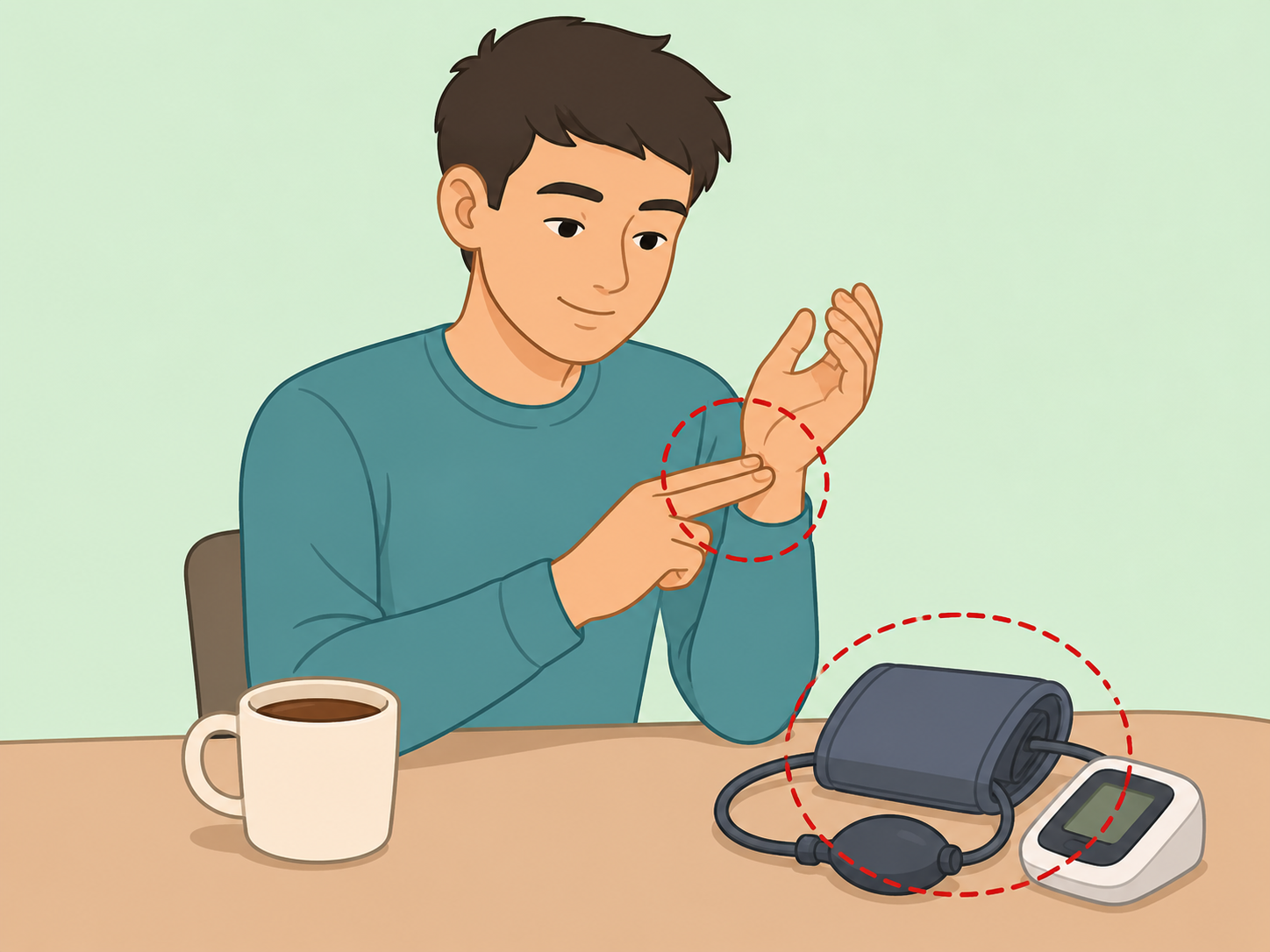
Caffeine can temporarily affect heart rate and blood pressure, and some people notice palpitations, shakiness, or a wired feeling. The American Heart Association says moderate coffee appears safe for the heart for many people, but people with health conditions should check with a professional.
Keep the coffee itself simple
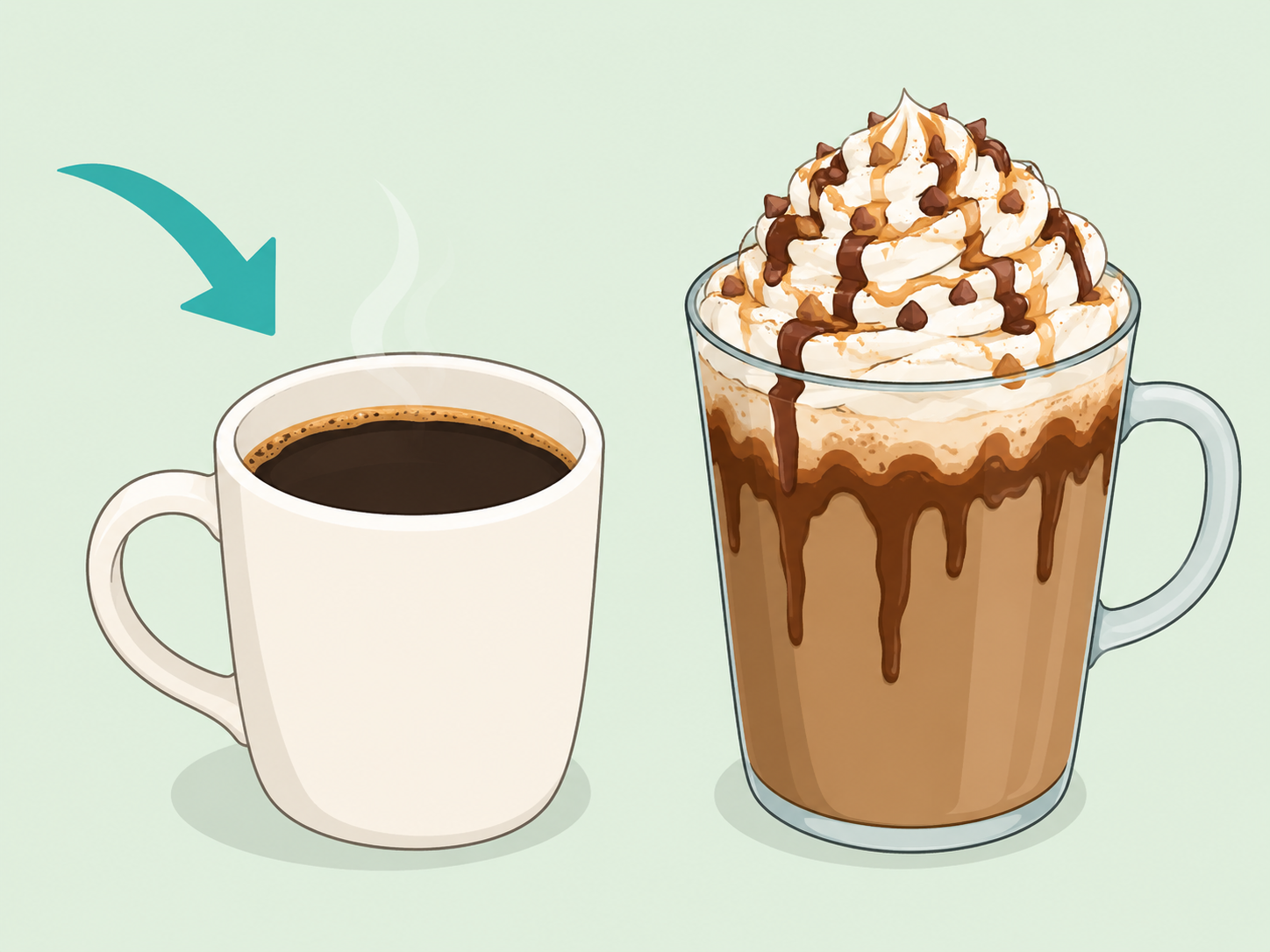
Black coffee and lightly dressed coffee are different from sweetened coffee drinks with lots of syrup, cream, or added sugar. Mayo Clinic describes daily coffee as generally okay for many people, but the overall habit includes what you add to it and how much you drink.
Limit caffeine if you are pregnant, breastfeeding, or sensitive
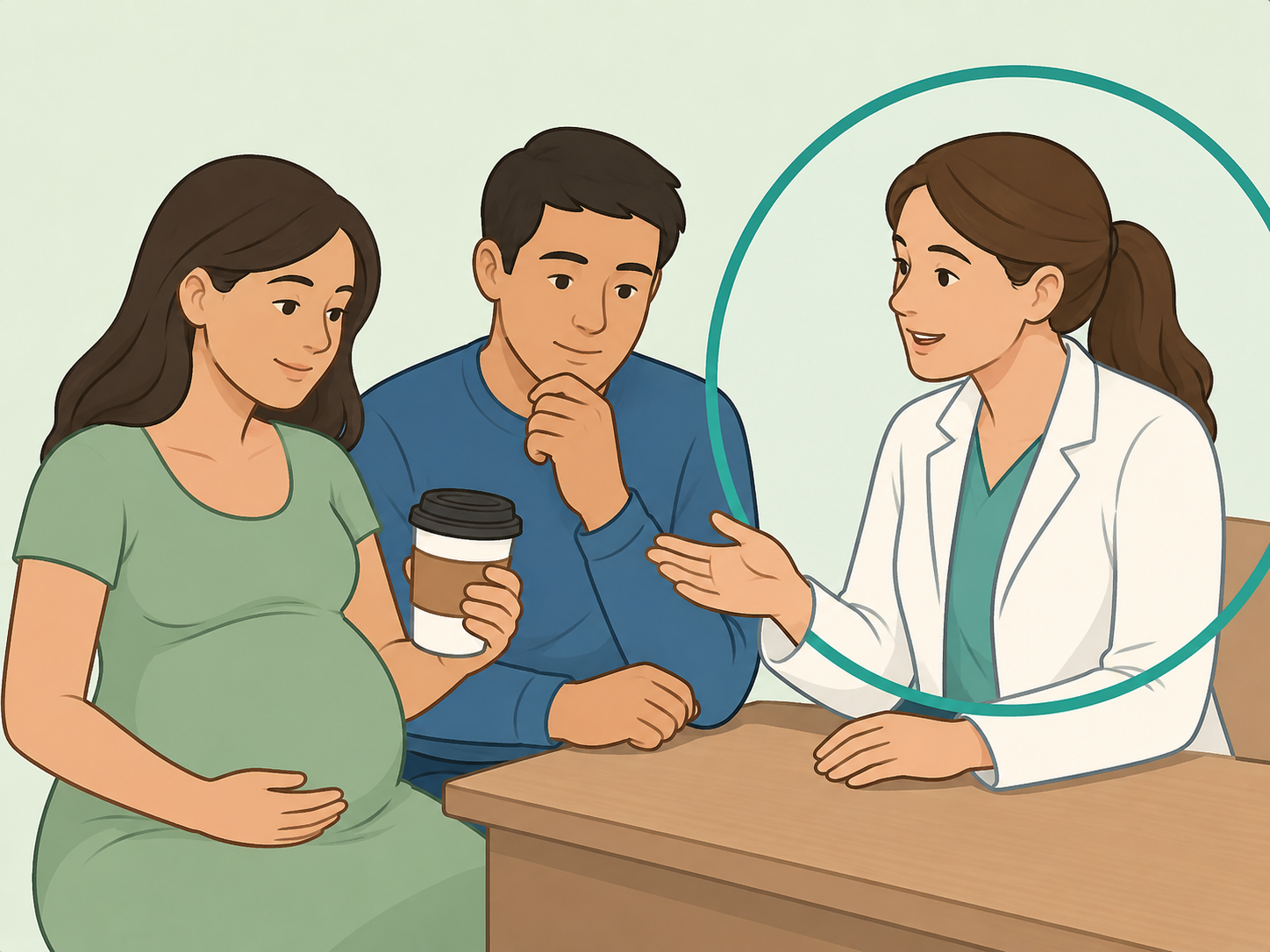
Pregnancy, breastfeeding, some medicines, anxiety symptoms, heart conditions, and high blood pressure can change what amount of caffeine is appropriate. ACOG says moderate caffeine consumption under 200 mg per day during pregnancy does not appear to be a major contributor to miscarriage or preterm birth, but personal guidance is still important.
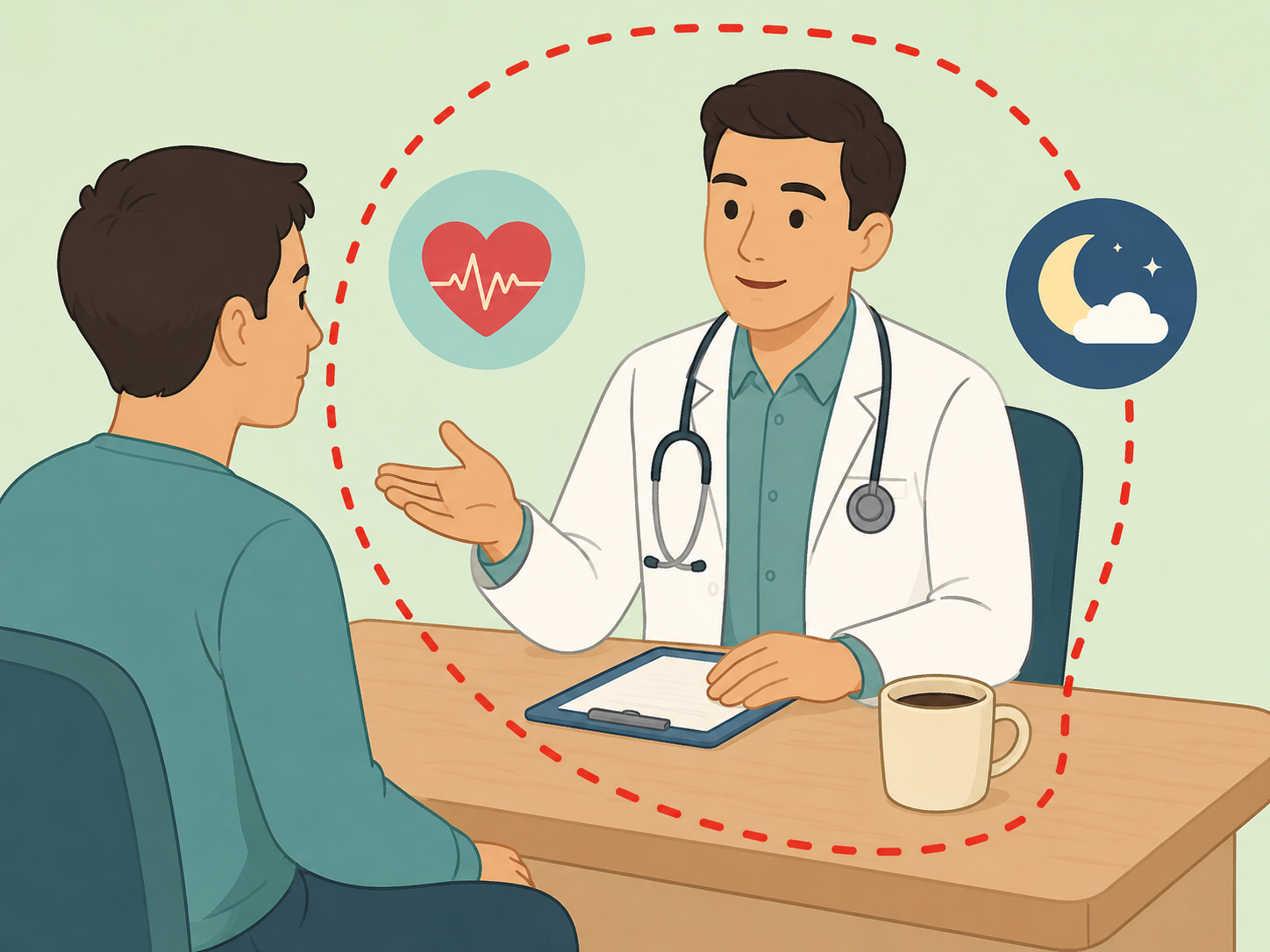
See a doctor if coffee triggers concerning symptoms
Talk to a doctor or qualified health professional if coffee seems linked with chest pain, fainting, severe anxiety, persistent insomnia, frequent palpitations, worsening reflux, very high blood pressure, or symptoms that worry you. Mayo Clinic advises cutting back or seeking guidance when caffeine causes unwanted effects or may interact with medicines or conditions.
Summary
The bottom line: morning coffee can be part of a healthy routine for many adults, especially in moderate amounts. Pay attention to your own sleep, stomach, mood, heart symptoms, medications, and pregnancy or breastfeeding status, and get medical advice if coffee seems to trigger concerning symptoms.
Frequently Asked Questions
- Is it bad to drink coffee every morning?
- For many healthy adults, moderate daily coffee is not automatically bad. The main issue is how much caffeine you get, how sensitive you are to it, and whether it worsens sleep, anxiety, reflux, palpitations, blood pressure, or other symptoms.
- How soon does coffee start working?
- Caffeine is absorbed fairly quickly. Many people notice effects within about 15 to 60 minutes, although the exact timing depends on the person, the drink, food intake, and caffeine sensitivity.
- Can morning coffee make anxiety worse?
- Yes, it can for some people. Caffeine is a stimulant, and too much may cause jitteriness, nervousness, irritability, or a racing heartbeat, especially in people who are sensitive to it.
- Does coffee dehydrate you?
- Coffee can make you urinate more because caffeine has a diuretic effect, but coffee also contains water. The bigger concern is drinking coffee all day while neglecting plain water or ignoring signs that you are overdoing caffeine.
- Should I drink coffee before breakfast?
- Some people tolerate coffee on an empty stomach, while others notice nausea, stomach upset, or heartburn. If coffee bothers your stomach, try having it with food, drinking less, or choosing a lower-caffeine option.
- When should I stop drinking coffee for the day?
- If coffee affects your sleep, avoid it in the afternoon and evening. Caffeine can last for hours, and people vary widely in how quickly they clear it from the body.
References
Reliable references aided in composing and refining this content.
- https://www.mayoclinic.org/healthy-lifestyle/nutrition-and-healthy-eating/expert-answers/coffee-and-health/faq-20058339?p=1
- https://medlineplus.gov/caffeine.html
- https://www.mayoclinic.org/healthy-lifestyle/nutrition-and-healthy-eating/in-depth/caffeine/art-20045678?sf208476334=1
- https://www.fda.gov/consumers/consumer-updates/spilling-beans-how-much-caffeine-too-much
- https://health.clevelandclinic.org/what-caffeine-does-to-your-body
- https://health.clevelandclinic.org/best-time-to-drink-coffee
- https://www.heart.org/en/healthy-living/healthy-eating/eat-smart/nutrition-basics/caffeine-and-heart-disease
- https://www.acog.org/clinical/clinical-guidance/committee-opinion/articles/2010/08/moderate-caffeine-consumption-during-pregnancy