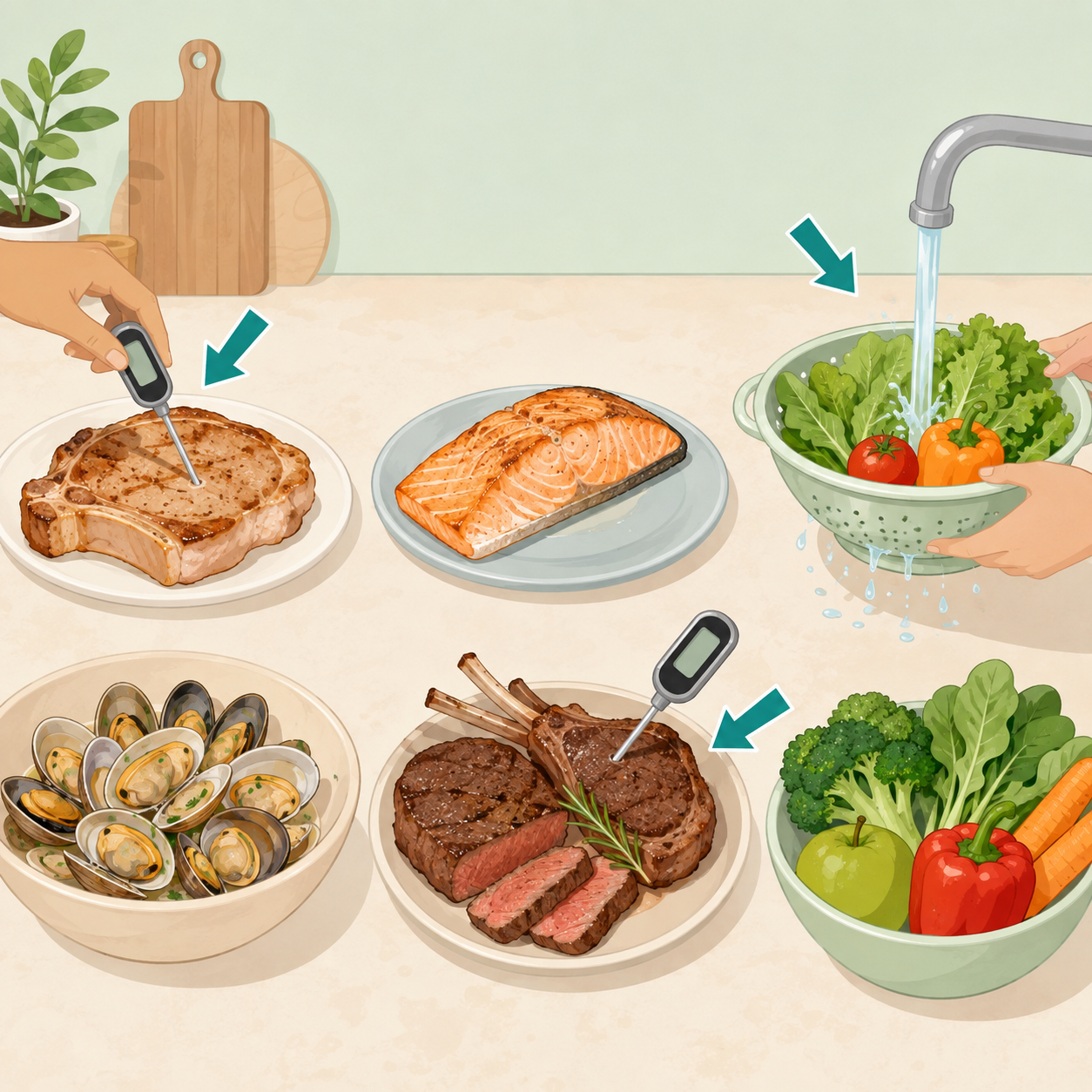
Five everyday food groups can carry parasite risks when they are raw, undercooked, or poorly washed. Here is how to prepare them more safely.
9 results in this collection.
Updated on October 14, 2026
Five everyday food groups can carry parasite risks when they are raw, undercooked, or poorly washed. Here is how to prepare them more safely.
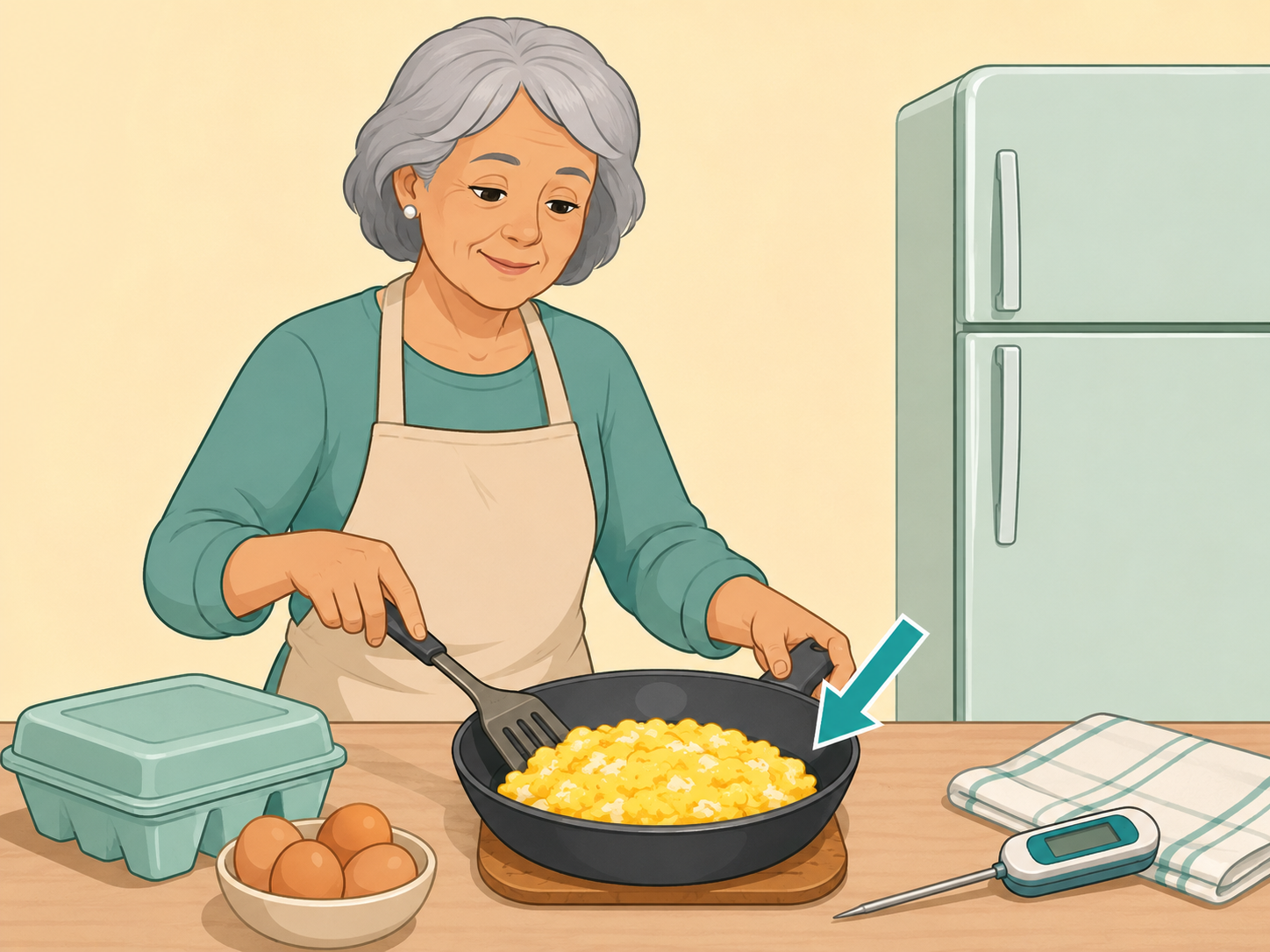
Eggs can fit into many healthy diets, but older adults need to be extra careful with storage, cooking, and runny yolks.
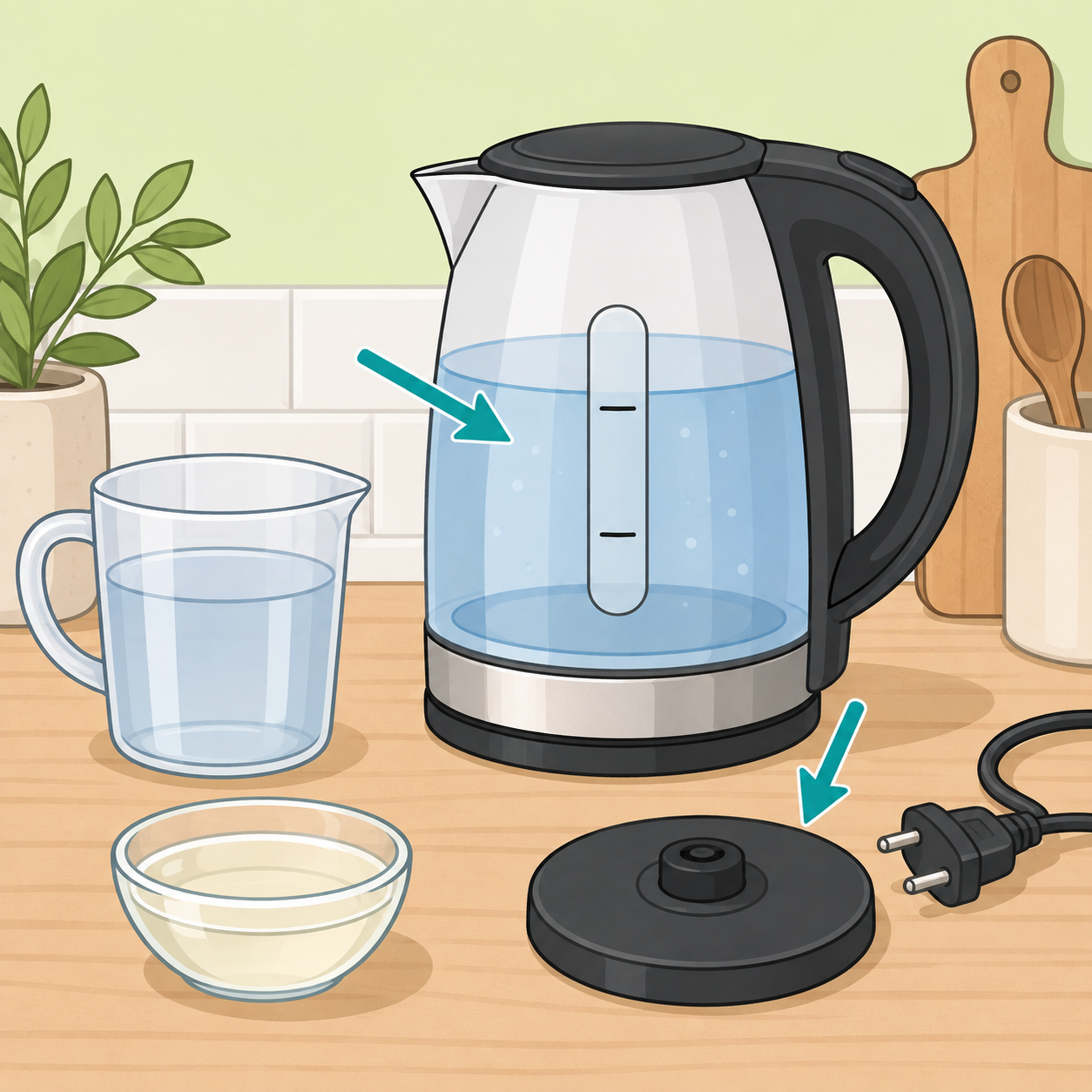
Use an electric kettle safely by measuring water, respecting the fill lines, keeping the base dry, pouring carefully, and cleaning scale regularly.
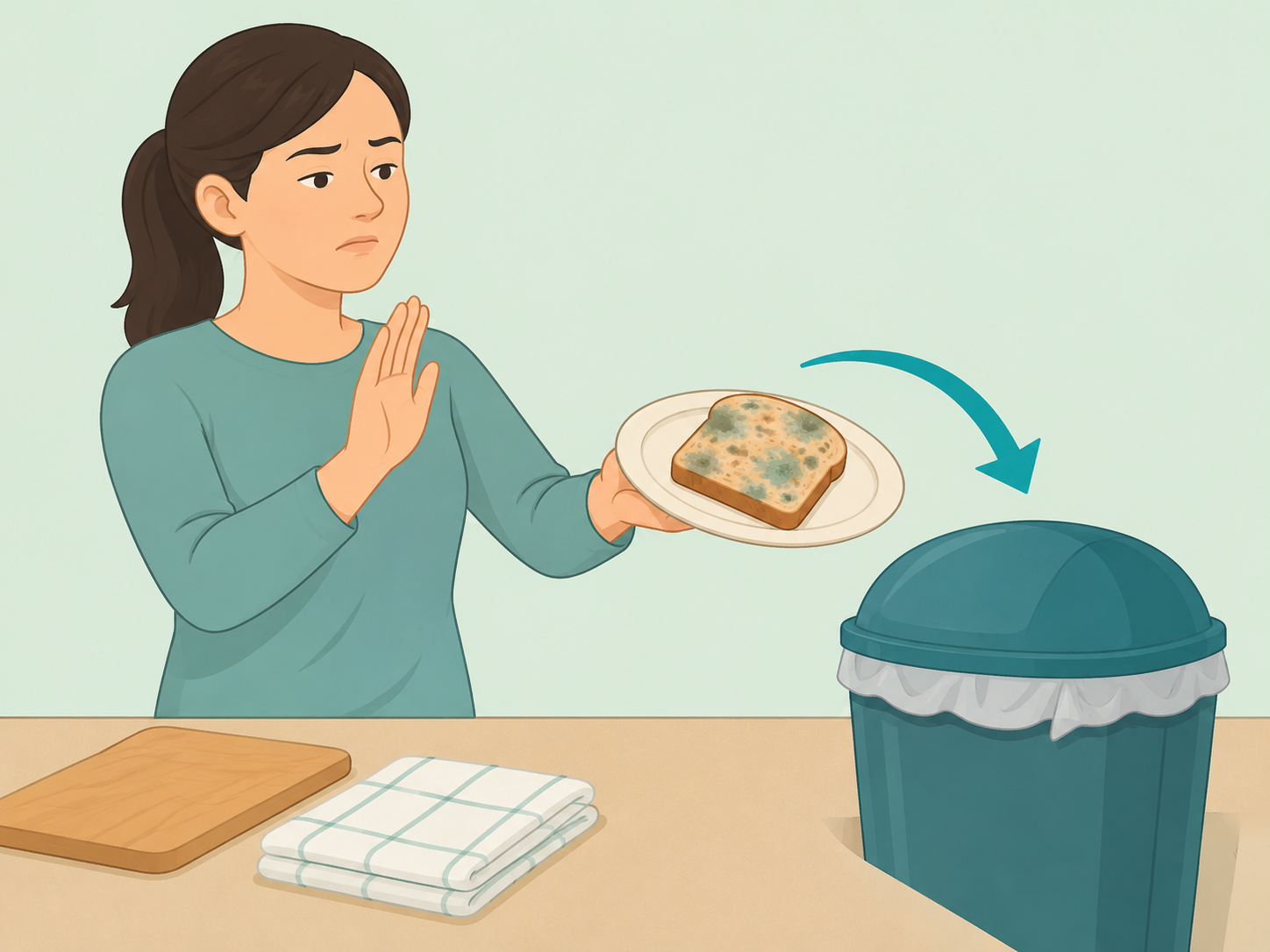
Moldy food is not something to taste-test. Learn when to discard it, when firm foods may be trimmed, and how to prevent foodborne illness.
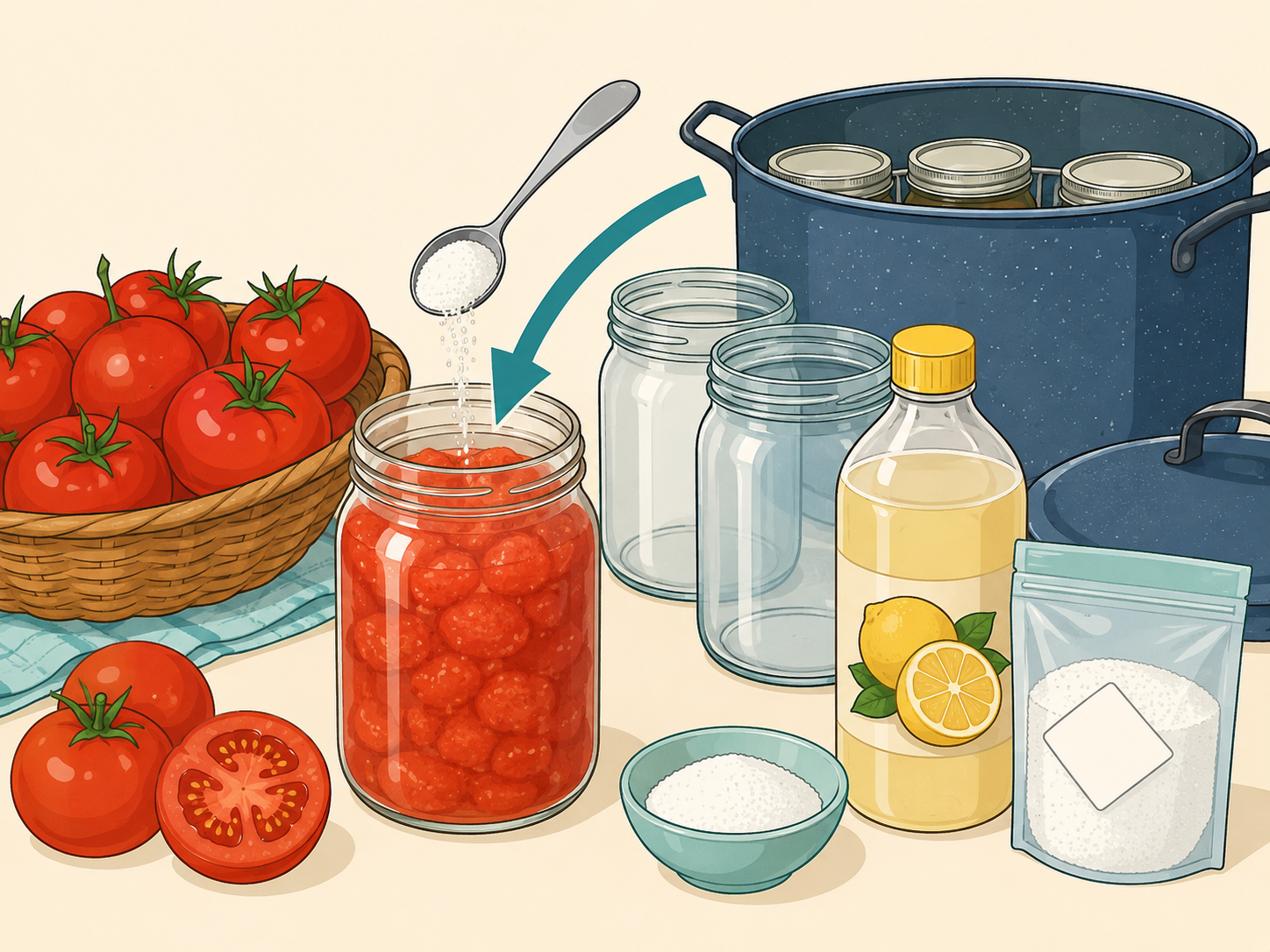
Preserve tomatoes in their own juice for winter while following tested canning safety steps.
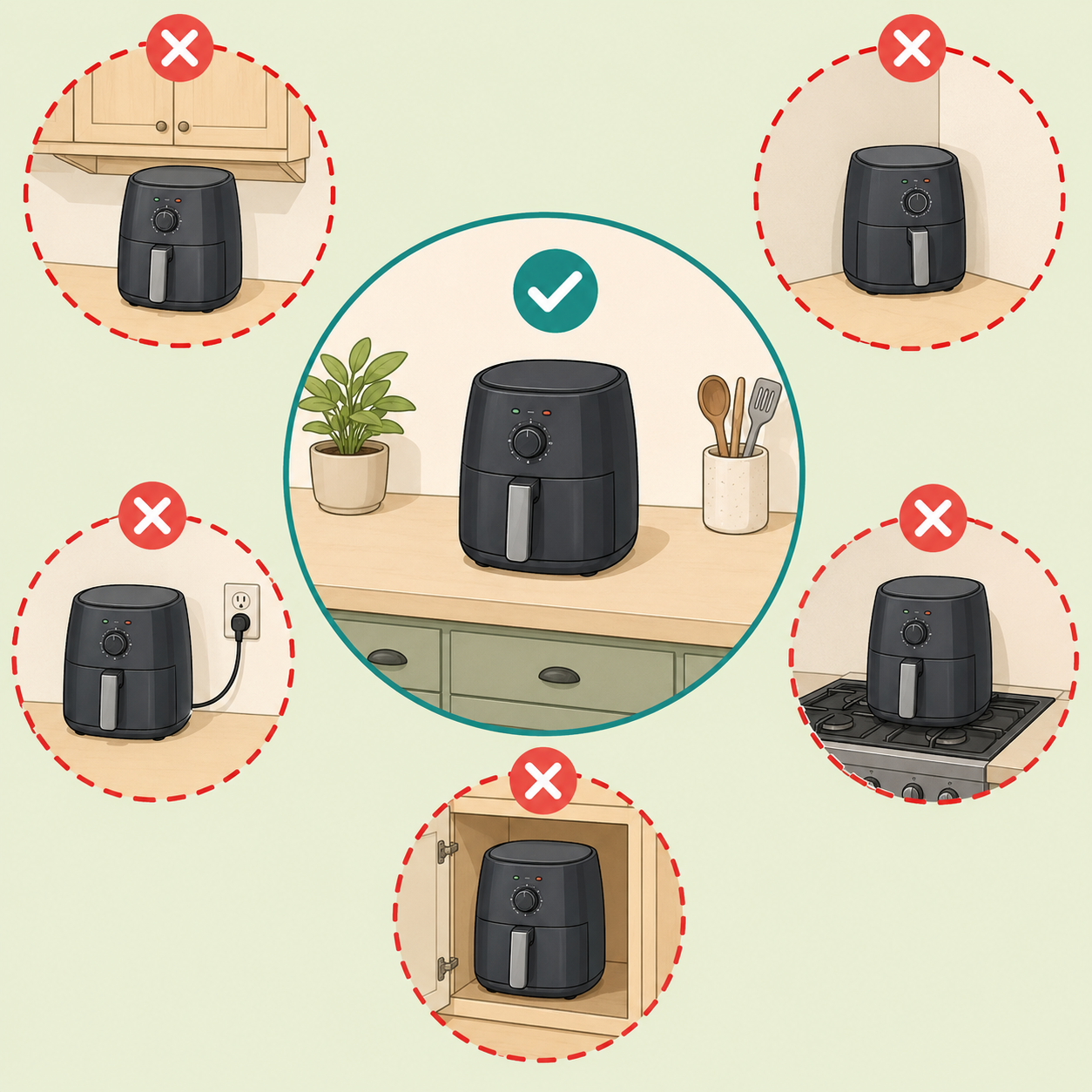
Keep your air fryer away from the riskiest indoor spots: tight spaces, walls, outlets, stovetops, water, and counter edges.
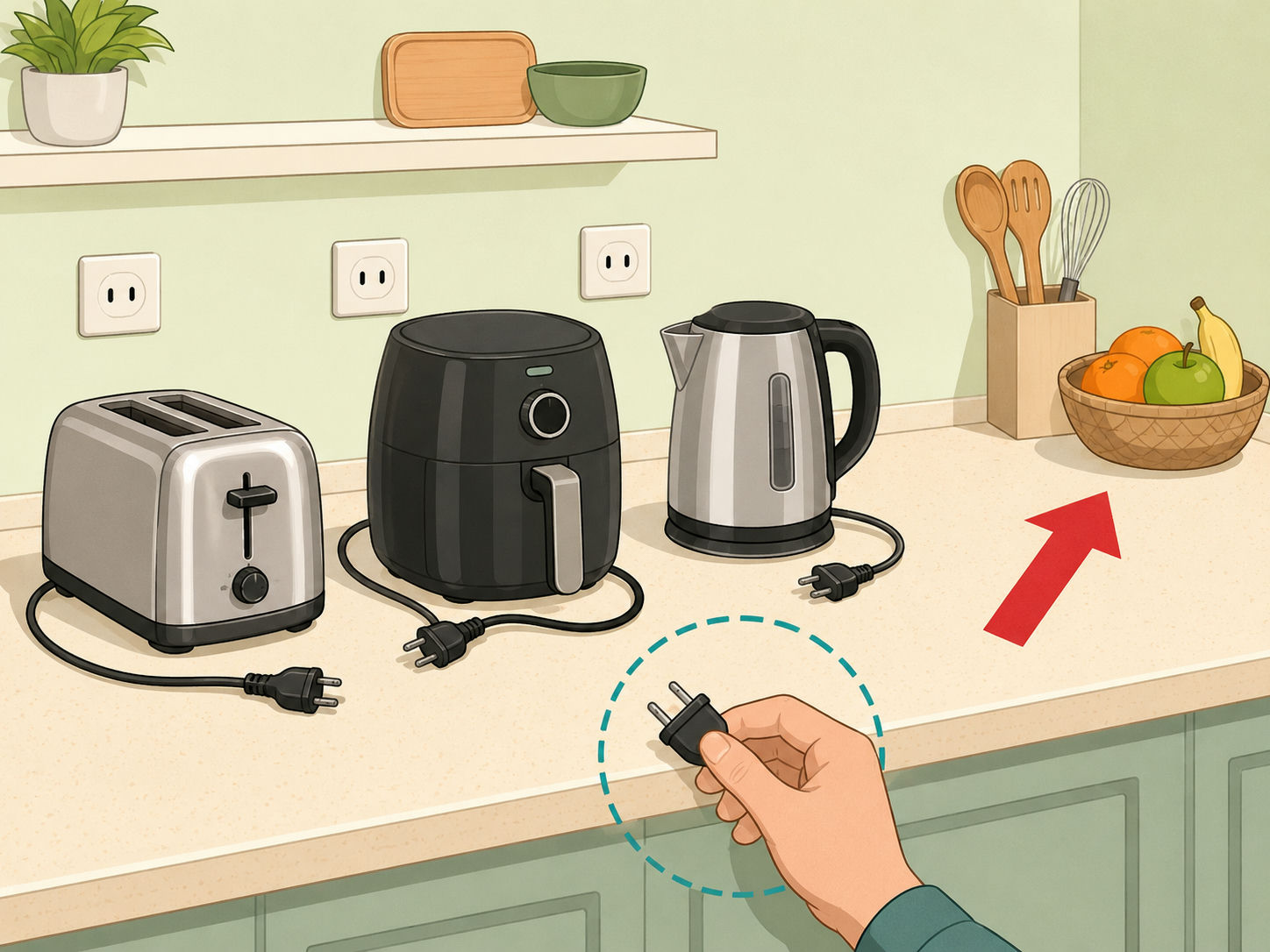
Small heat-producing kitchen appliances are safer when they are unplugged, clean, and kept away from clutter between uses.
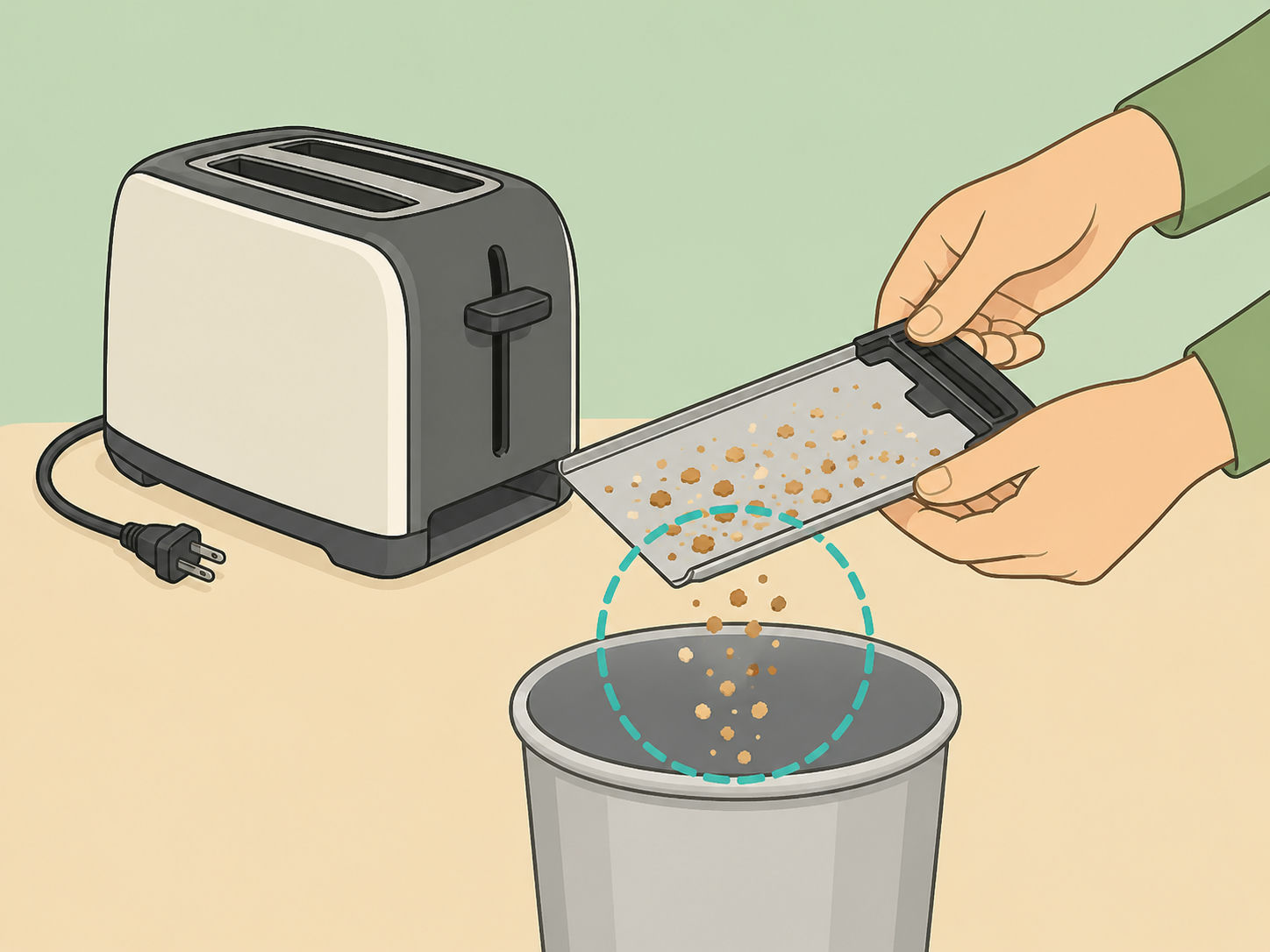
A simple toaster safety checklist for summer: unplug it after use, clean crumbs, check cords, avoid overloaded outlets, and keep alarms working.
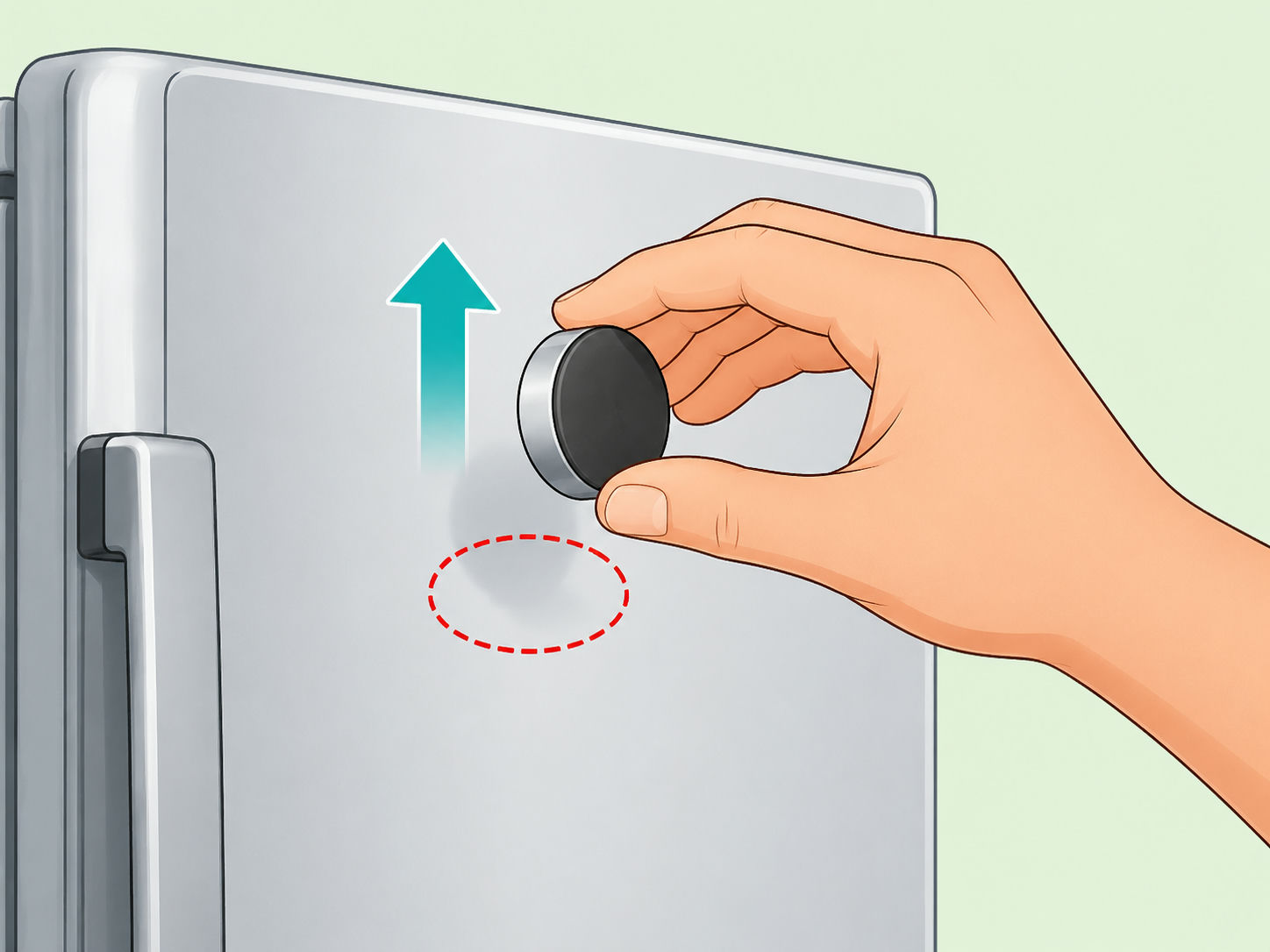
Sort your fridge magnets safely, remove the risky ones, and focus on the refrigerator habits that actually matter.