
 Pin it
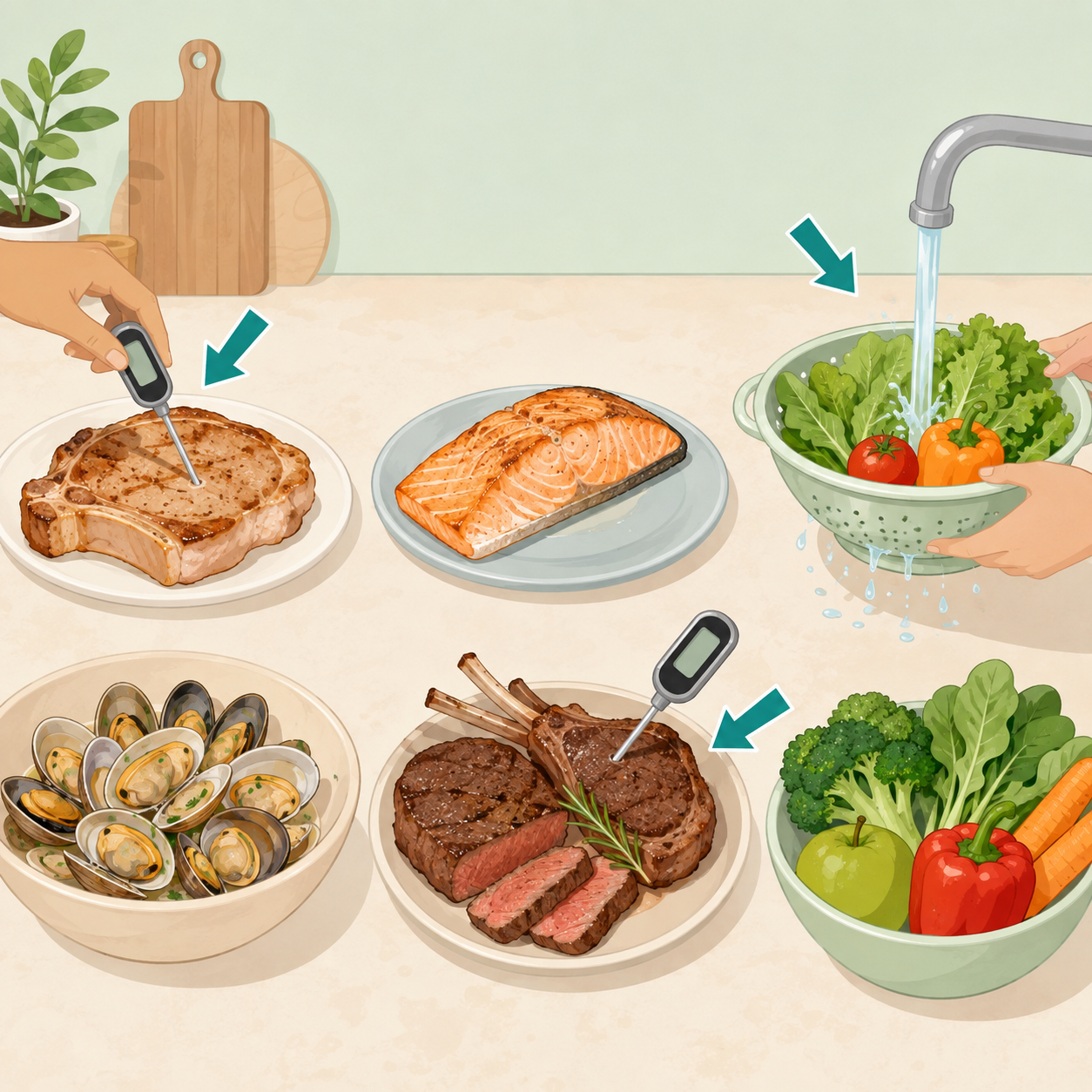
Some common foods can carry parasites if they are eaten raw, undercooked, or contaminated during preparation. This guide covers five food groups that deserve extra care: pork and wild game, fish and squid, shellfish, beef or lamb, and fresh produce. These steps focus on practical kitchen habits that reduce risk without guessing or relying on appearance alone.
Learn which five foods need extra care
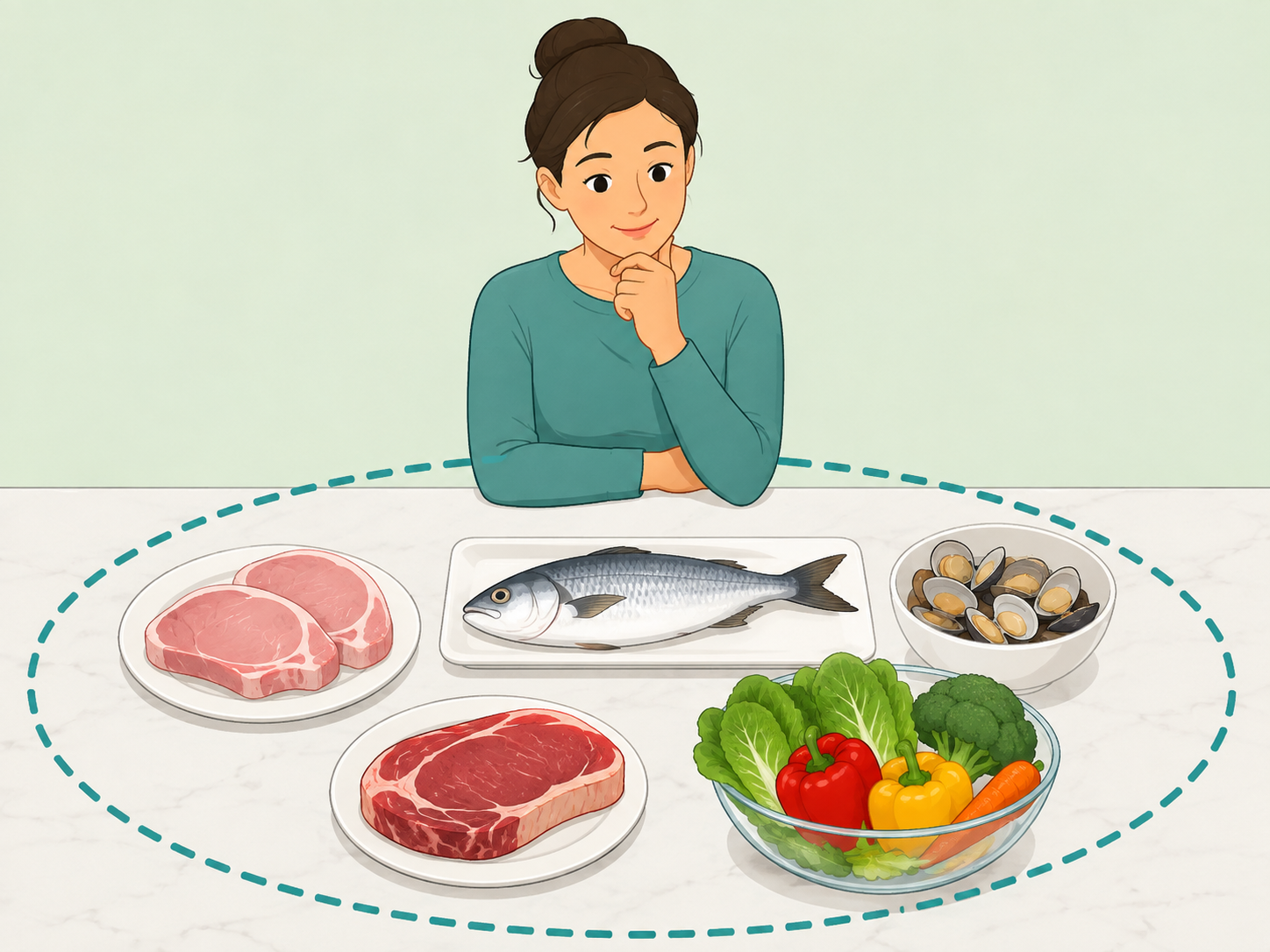
Focus on foods most likely to be risky when raw, undercooked, or poorly washed: pork and wild game, fish and squid, shellfish, beef or lamb, and fresh produce. The CDC lists foodborne parasites that can spread through undercooked fish, undercooked meat, raw aquatic plants, and contaminated raw vegetables. Treat these foods as manageable kitchen-safety risks, not as foods you always need to avoid.
Cook pork and wild game with a thermometer
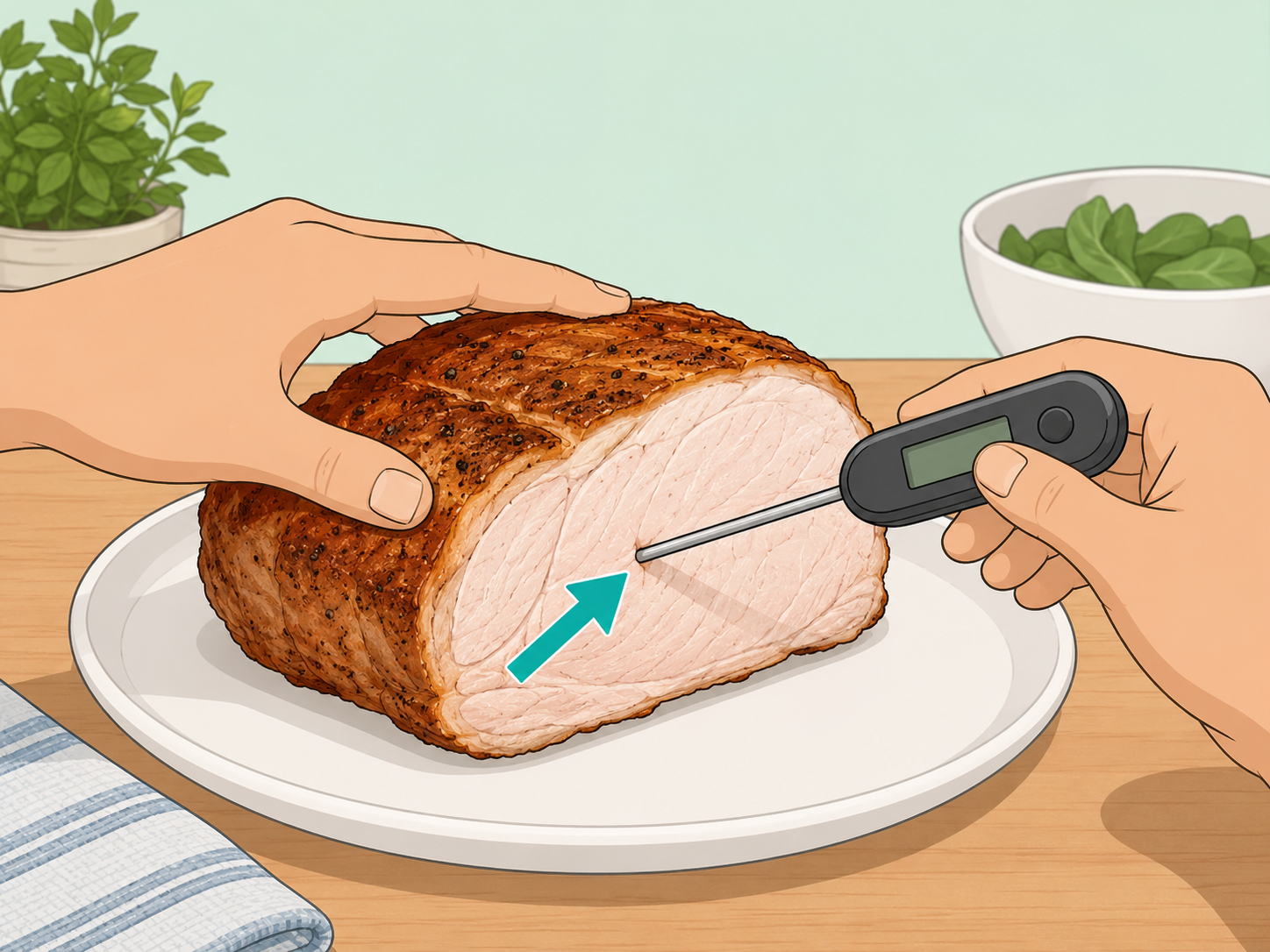
Use a food thermometer instead of judging pork or wild game by color, because appearance does not prove that meat is safe. The CDC says cooking meat to safe internal temperatures is the best way to prevent trichinellosis, and that curing, drying, smoking, or microwaving alone may not reliably kill Trichinella. Be especially careful with wild game, homemade sausage, and jerky made from noncommercial meat.
Cook fish and squid unless they were properly frozen for raw use
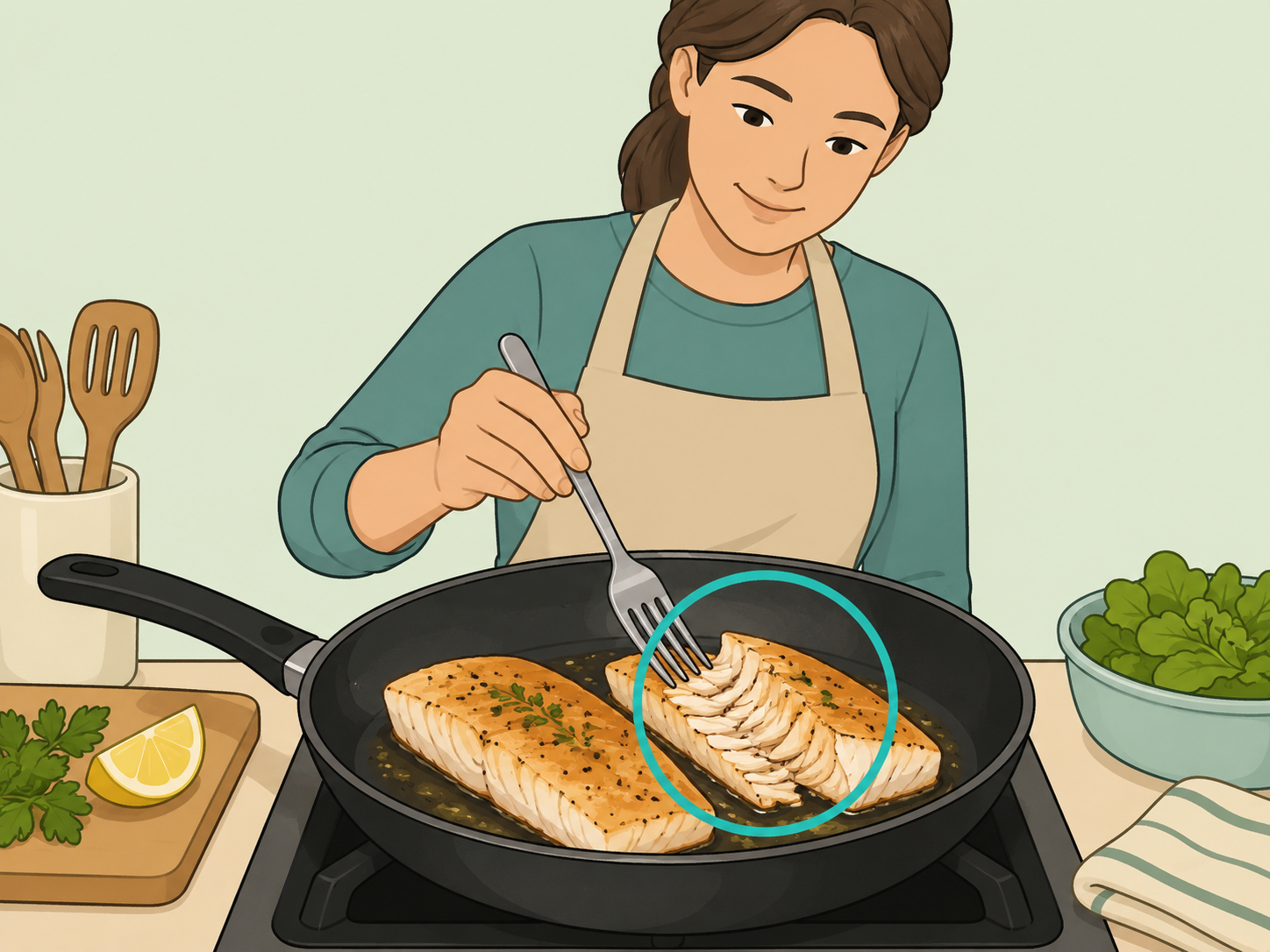
Raw or undercooked fish and squid can carry Anisakis larvae, and the CDC says anisakiasis risk comes from eating raw or undercooked fish or squid. Cook finfish to 145°F, or until the flesh is opaque and separates easily with a fork. If you choose sushi, ceviche, or other raw-style fish, use seafood that was handled and frozen for parasite control by a reputable supplier.
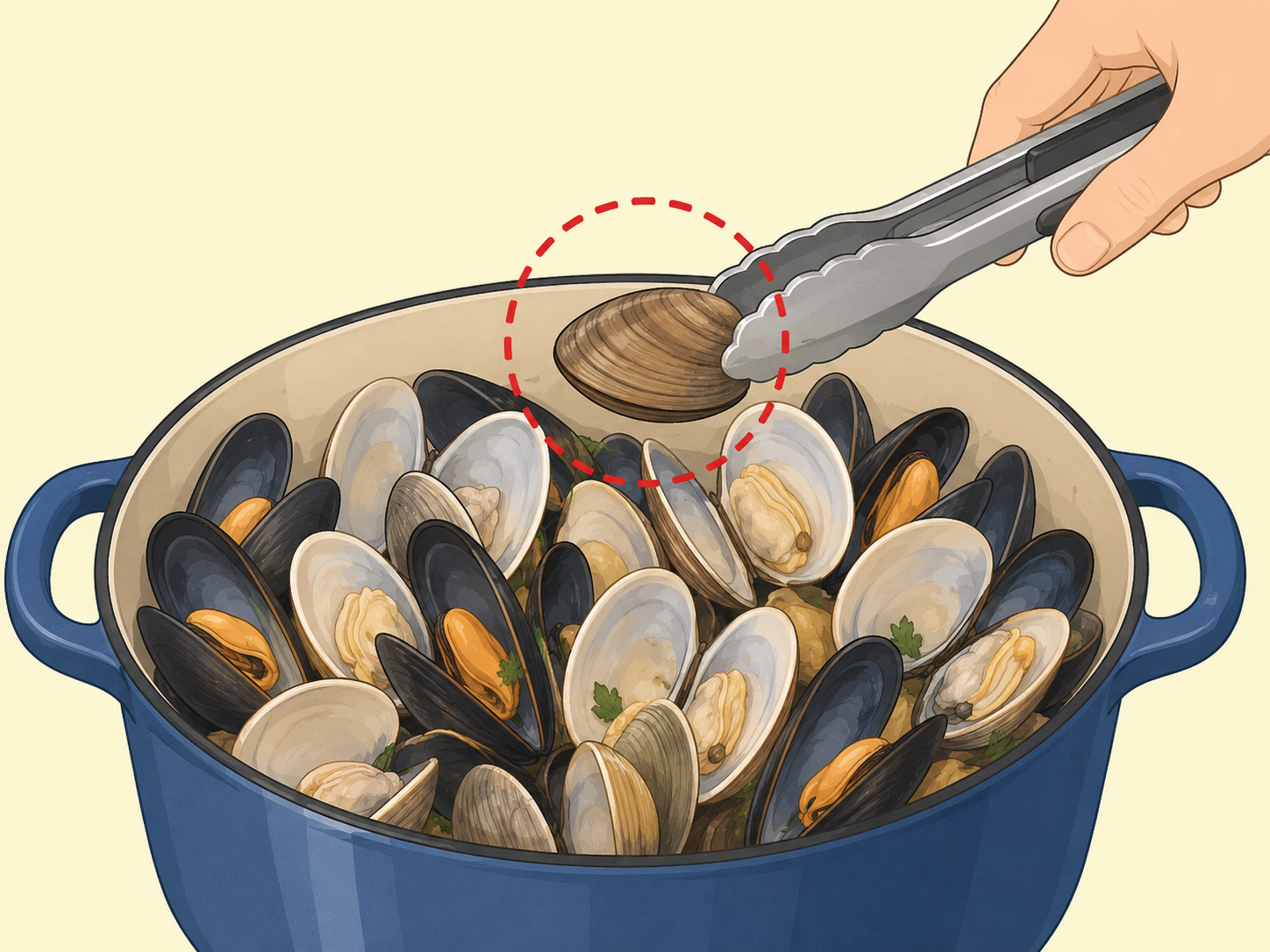
Cook shellfish thoroughly and skip raw oysters if you are higher risk
Shellfish such as oysters, clams, and mussels can carry germs and may also be linked with parasite concerns when eaten raw. The FDA advises that seafood is safest when cooked thoroughly, with shellfish cooked until shells open or the flesh is firm and opaque. Throw away clams, mussels, or oysters that do not open during cooking.
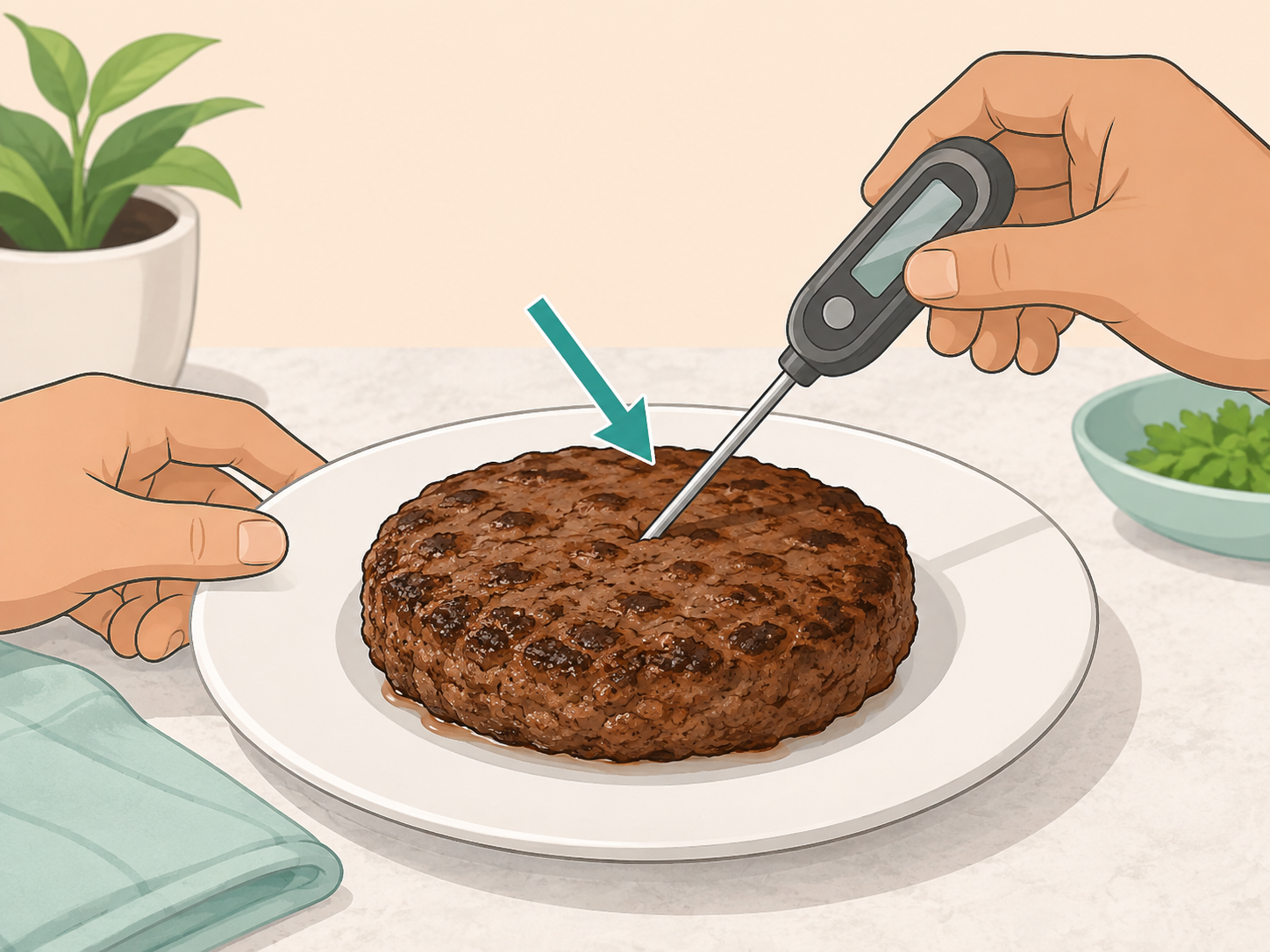
Prepare beef, lamb, and venison to safe temperatures
Undercooked beef, lamb, and venison can be a source of Toxoplasma exposure, especially when the meat is rare or cross-contaminates other foods. The CDC recommends using a thermometer and cooking meat to safe internal temperatures, including at least 145°F for whole cuts with a rest time and 160°F for ground meat. Do not taste meat before it has finished cooking.
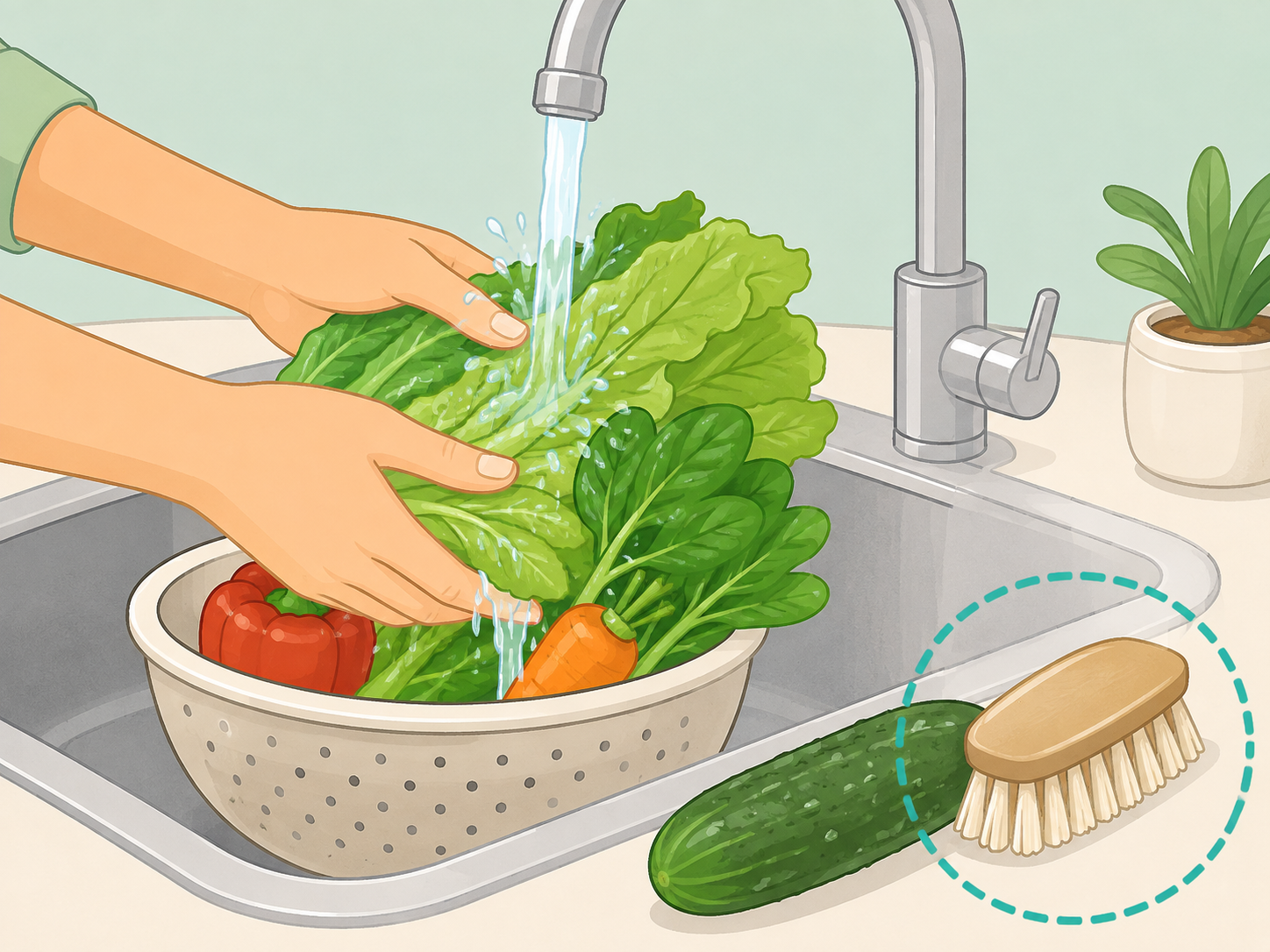
Wash fruits, vegetables, and herbs under running water
Fresh produce can become contaminated before it reaches your kitchen, so wash fruits, vegetables, and herbs under running water before eating, cutting, or cooking. CDC guidance for preventing cyclosporiasis recommends washing produce thoroughly, scrubbing firm produce with a clean brush, cutting away damaged areas, and refrigerating cut produce within 2 hours. For people at higher risk, cooked produce is the safer option.
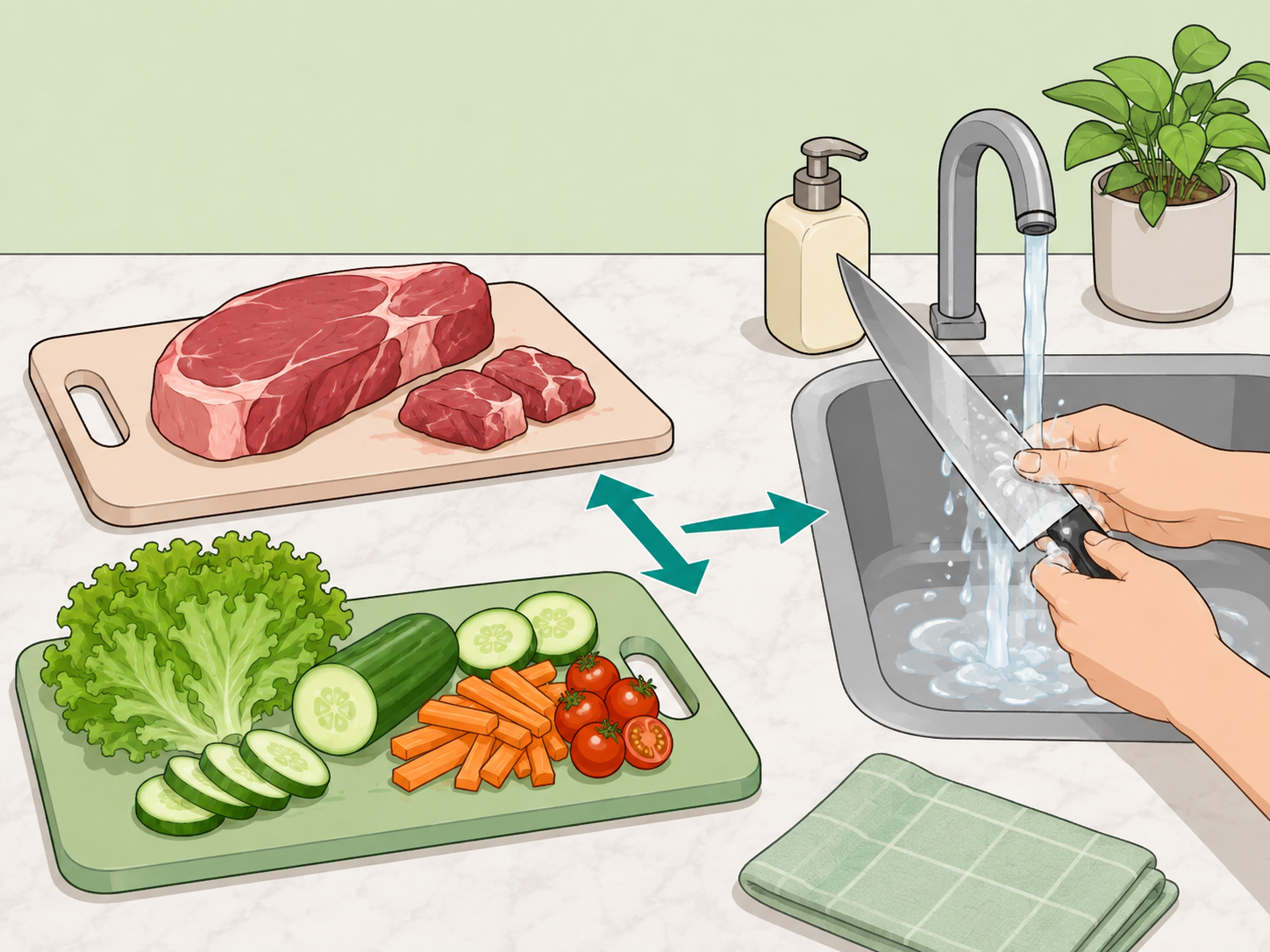
Keep raw foods away from ready-to-eat foods
Parasites and other germs can move from raw meat, seafood, or unwashed produce onto cutting boards, utensils, counters, and hands. The CDC advises choosing properly cooked foods and washed produce, and following clean, separate, cook, and chill habits. Use separate boards when possible, wash hands with soap and water, and clean surfaces with hot, soapy water after raw foods touch them.
See a doctor for severe or lasting symptoms
Get medical advice if you develop severe symptoms after a risky meal, especially bloody diarrhea, diarrhea lasting more than 3 days, fever over 102°F, repeated vomiting, or signs of dehydration. The CDC lists these as warning signs of severe food poisoning. Pregnant people, young children, older adults, and people with weakened immune systems should be more cautious and seek care sooner.
Summary
The bottom line: parasite risk is much lower when you cook meat and seafood thoroughly, wash produce carefully, keep raw foods away from ready-to-eat foods, and get medical help for severe or persistent symptoms.
Frequently Asked Questions
- Which common foods can contain parasites if they are not prepared safely?
Foods that need extra care include raw or undercooked fish and squid, shellfish, pork or wild game, beef or lamb, and unwashed fruits, vegetables, or herbs. The CDC notes that parasites can spread through undercooked fish, undercooked meat, and contaminated raw vegetables.
- Does freezing kill parasites in food?
Freezing can reduce some parasite risks, especially in fish prepared for raw-style dishes, but it is not a cure-all. The CDC says some Trichinella species in wild game can be freeze-resistant, so proper cooking is still the safer approach.
- Is sushi safe to eat?
Sushi made with raw fish carries more risk than fully cooked seafood. The FDA says previously frozen fish can reduce parasite risk, but cooking seafood thoroughly is the safest route.
- Can washing produce remove every parasite?
Washing fruits and vegetables under running water helps reduce risk, but it cannot guarantee removal of every parasite. CDC guidance for Cyclospora says cooking can kill the parasite, which is why cooked produce is the safer choice for people at higher risk.
- Who should be especially careful with raw or undercooked foods?
Pregnant people, young children, adults 65 and older, and people with weakened immune systems have a higher risk of severe foodborne illness. These groups should be especially careful with raw seafood, undercooked meat, raw sprouts, and unwashed produce.
- When should I contact a doctor after eating a risky food?
Contact a healthcare professional for severe symptoms such as bloody diarrhea, diarrhea lasting more than 3 days, fever over 102°F, frequent vomiting, or signs of dehydration. Pregnant people should also call a doctor for fever or flu-like symptoms after a possible foodborne exposure.
References
Reliable references aided in composing and refining this content.
- https://www.cdc.gov/parasites/causes/index.html
- https://www.cdc.gov/food-safety/foods/safer-food-choices.html
- https://www.cdc.gov/trichinellosis/prevention/index.html
- https://www.cdc.gov/anisakiasis/about/index.html
- https://www.fda.gov/food/buy-store-serve-safe-food/selecting-and-serving-fresh-and-frozen-seafood-safely
- https://www.cdc.gov/toxoplasmosis/prevention/index.html
- https://www.cdc.gov/cyclosporiasis/prevention/index.html
- https://www.cdc.gov/food-safety/signs-symptoms/index.html