
 Pin it
A heartbreaking story about new parents can leave any family asking what they can do differently. This guide focuses on practical baby-safety habits, ways to handle crying and stress, and when to ask for medical or mental health help. It is written for exhausted caregivers who love their baby and need simple steps they can actually follow.
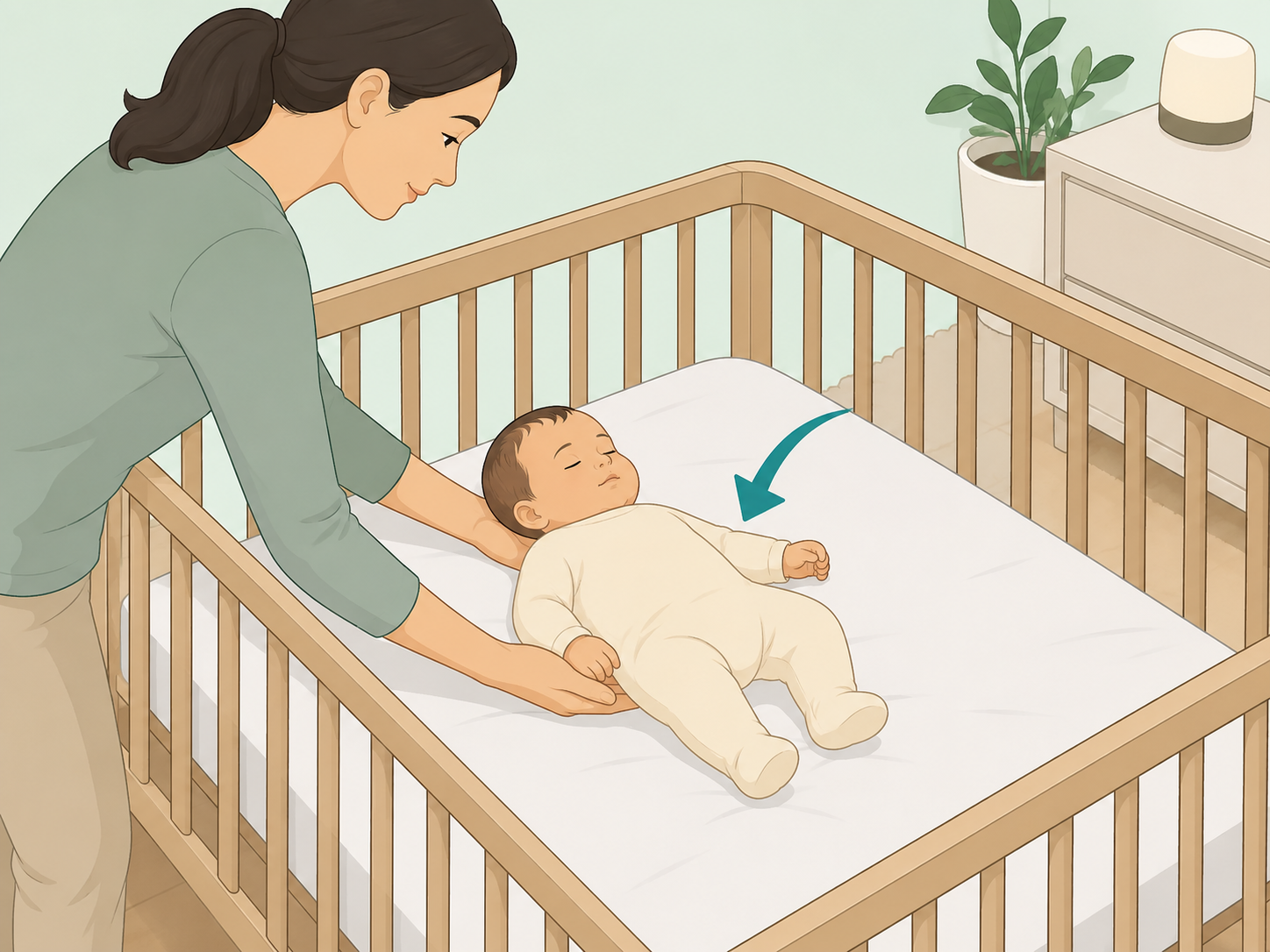
Put your baby on their back in an empty, flat sleep space
Place your baby on their back for every nap and night sleep. Use a firm, flat mattress in a crib, bassinet, portable crib, or play yard with only a fitted sheet, because AAP safe sleep guidance says pillows, blankets, bumpers, and toys can raise the risk of suffocation or strangulation. If your baby has a medical condition, ask your pediatrician what sleep position is safest.
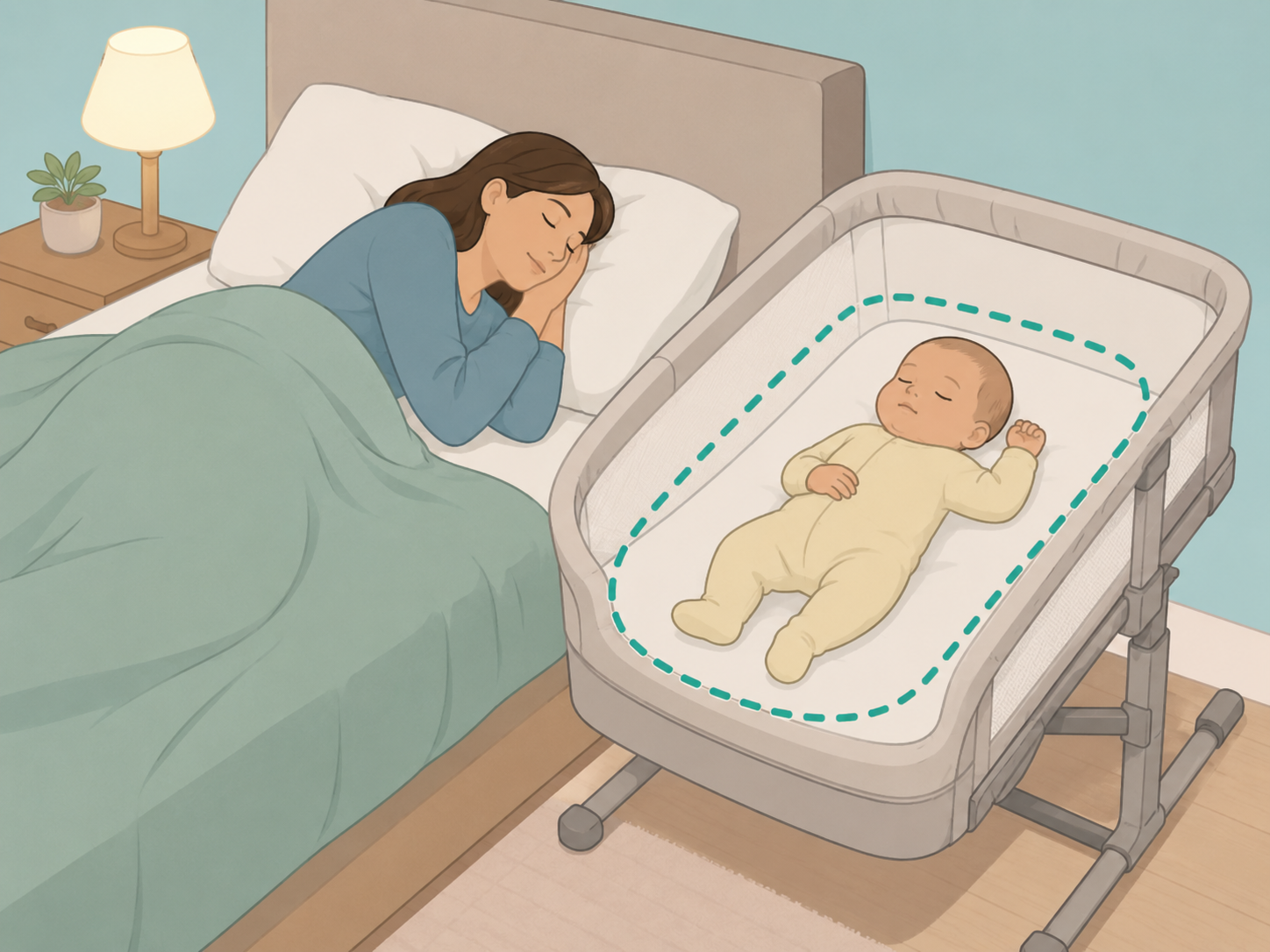
Keep the sleep space near your bed but separate
Set the crib or bassinet in your room, close enough that you can reach and check on your baby. Room sharing without bed sharing is recommended in safe-sleep guidance, while NICHD Safe to Sleep emphasizes a separate sleep area designed for babies. Avoid couches, armchairs, adult beds, and soft surfaces for sleep.
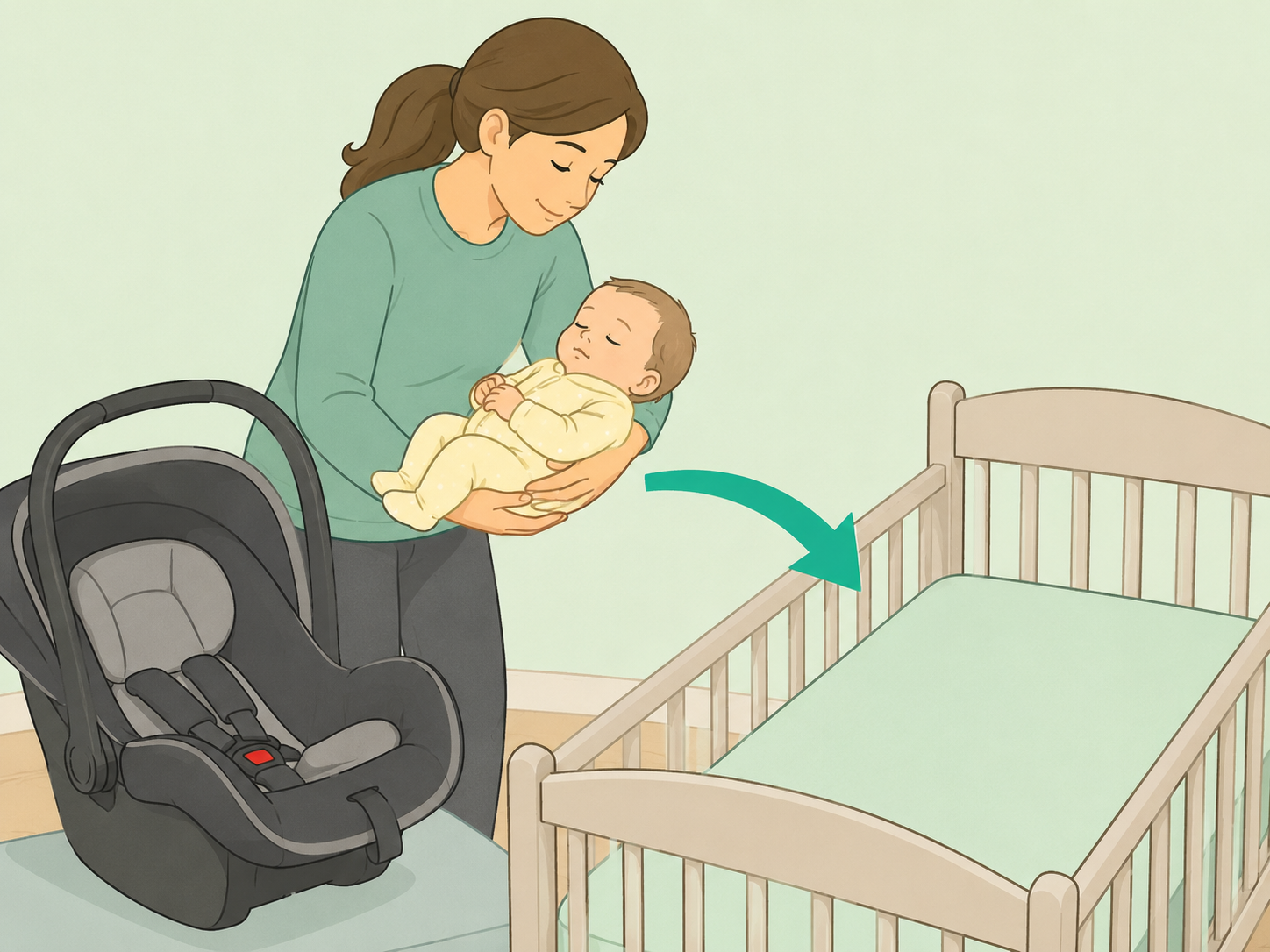
Move a sleeping baby out of seats and swings
If your baby falls asleep in a car seat, stroller, swing, sling, or carrier, move them to a firm, flat sleep surface as soon as you can safely do so. The NHS crying-baby guidance gives the same advice after a drive. This habit helps you separate travel, soothing, and sleep safety.
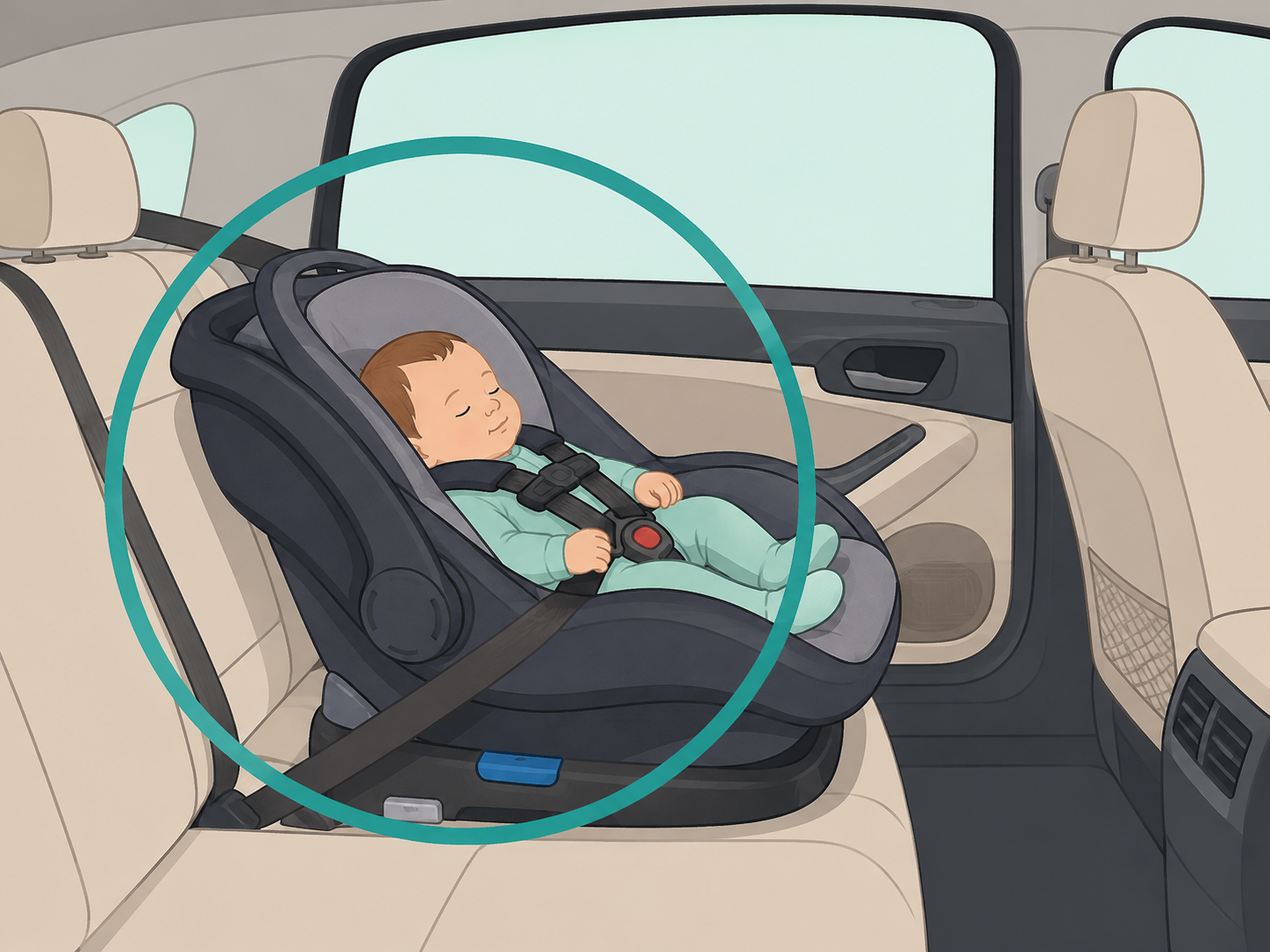
Buckle your baby rear-facing for every ride
Use a rear-facing car seat in the back seat every time your baby rides in a vehicle. The CDC recommends keeping children rear-facing until they reach the maximum height or weight limit for their seat, and never placing a rear-facing seat in front of an active front air bag. Check both the car-seat manual and your vehicle manual for installation details.
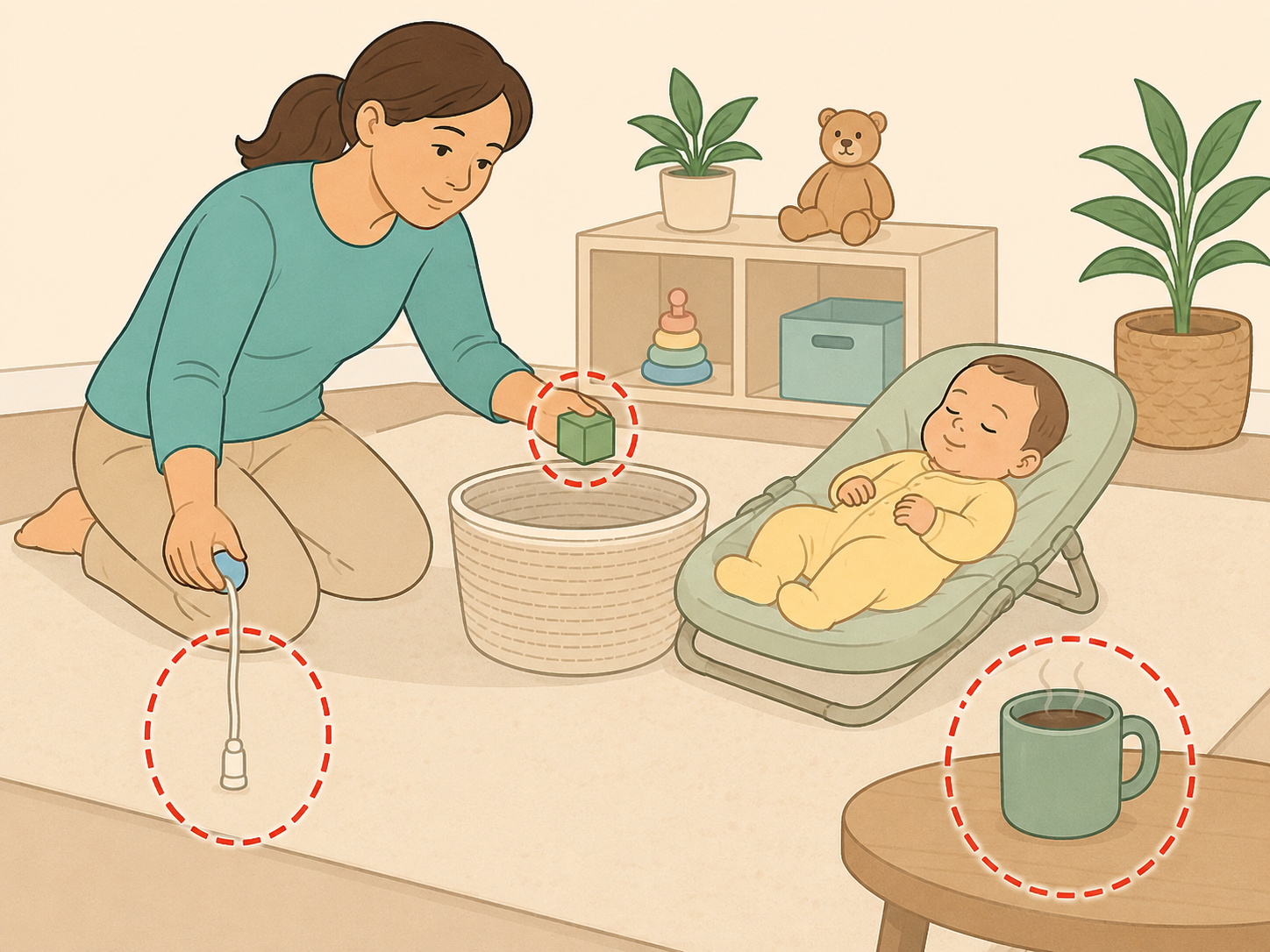
Clear choking, burn, and bath hazards before they happen
Scan the rooms where your baby sleeps, eats, and plays for small objects, plastic bags, loose cords, hot drinks, cleaning products, and sharp items. MedlinePlus advises keeping small toy parts, coins, popcorn, grapes, and nuts away from infants and toddlers in its home safety guidance. During baths, stay within arm's reach and never leave a baby alone around water, even briefly, as noted in MedlinePlus infant bathing guidance.
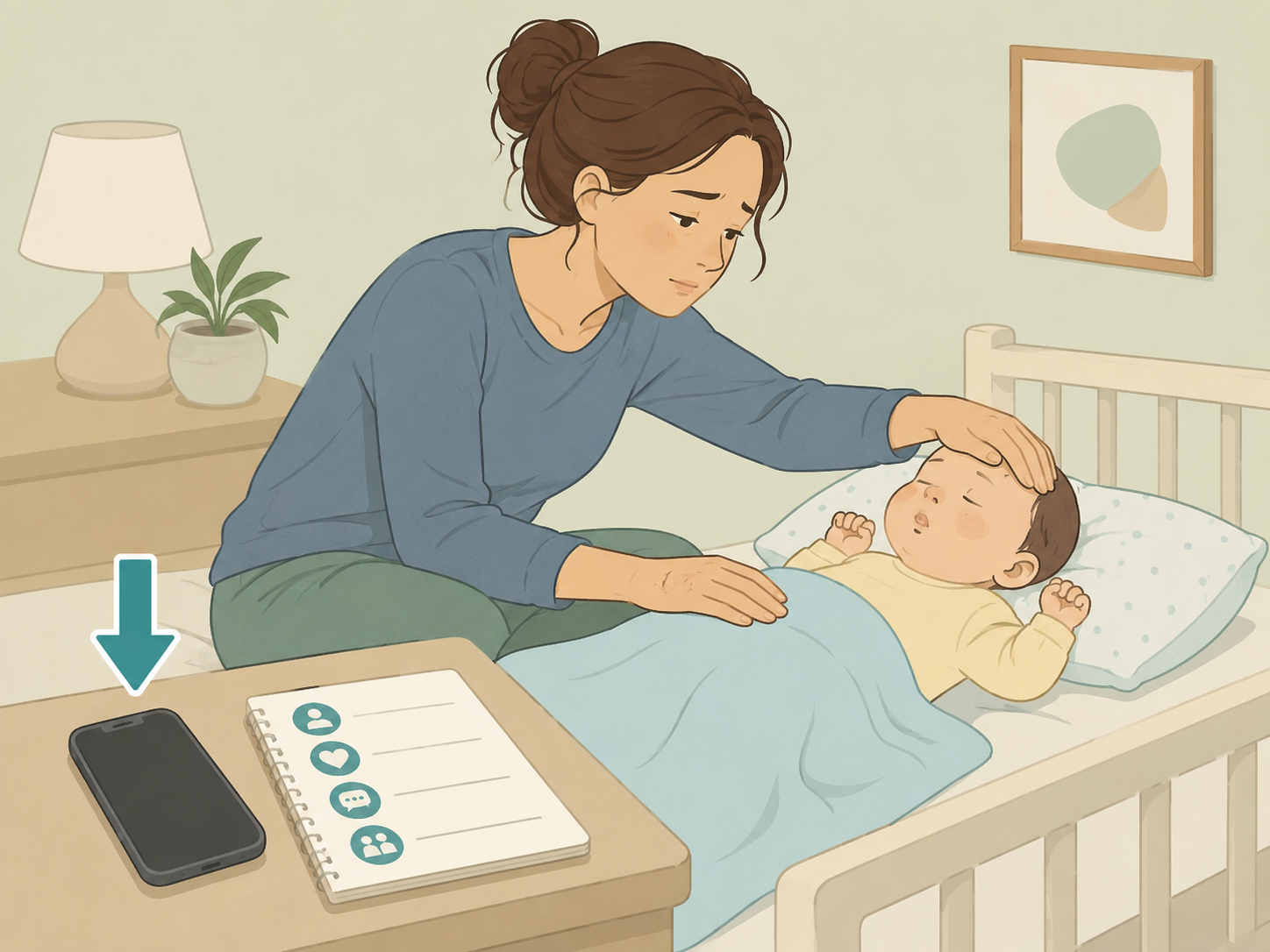
Make a crying plan before exhaustion hits
Write down a short plan for hard crying spells: check hunger, diaper, temperature, tiredness, and comfort first, then try gentle holding, soft talking, a walk, or quiet background sound. The NHS explains that all babies cry and that some crying can be hard to soothe. Add two people you can call when you need a break, even if they can only stay on the phone.
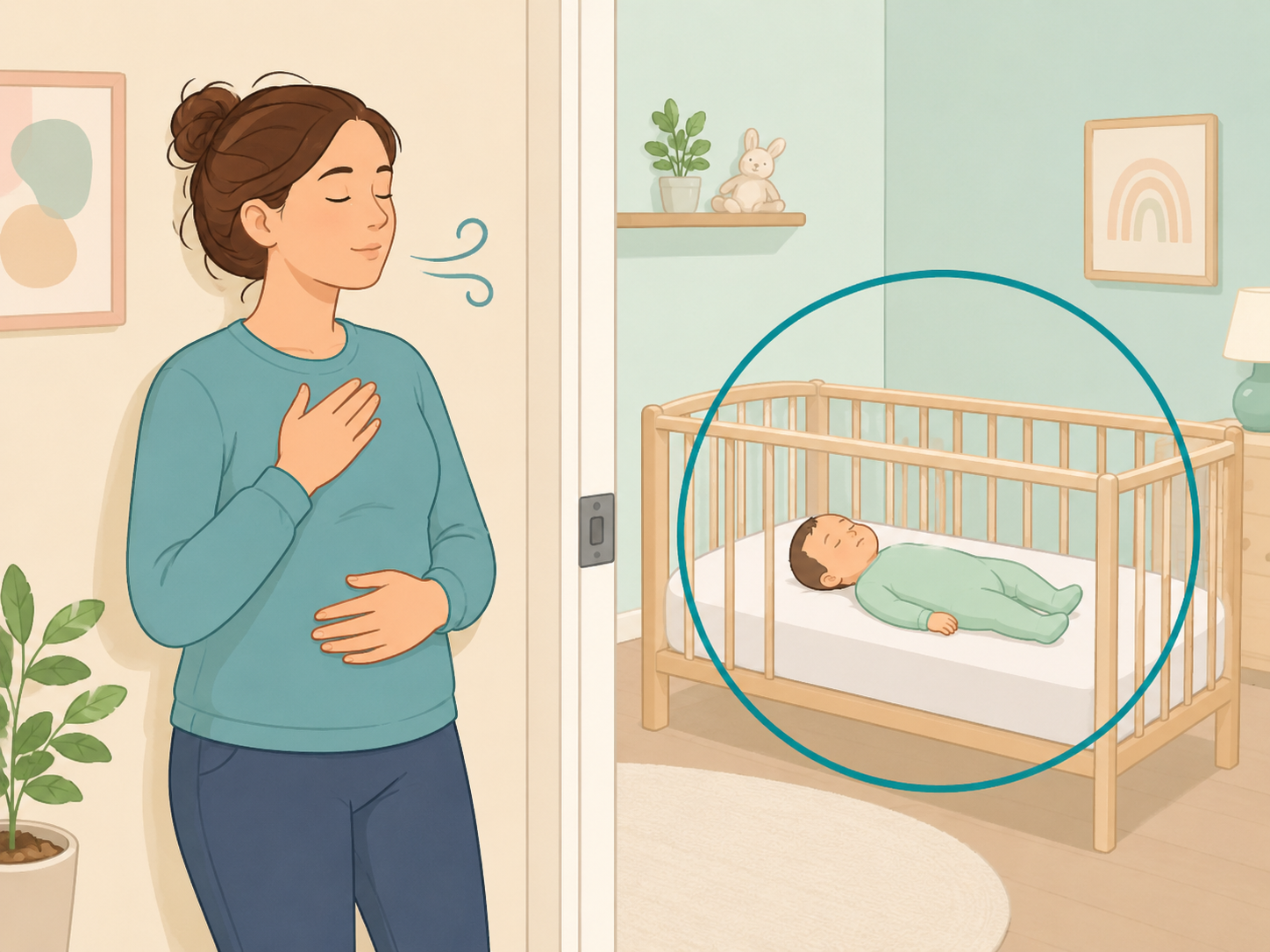
Set your baby down safely when anger rises
If you feel angry, panicked, or close to losing control, place your baby on their back in a crib, bassinet, or other safe sleep space and step into another room for a few minutes. The CDC says abusive head trauma can happen when a caregiver becomes frustrated by crying, and MedlinePlus advises putting the baby in a crib, leaving the room, calming down, and calling someone for support. Return when you feel steady enough to care gently.
Contact a doctor or urgent help when symptoms worry you
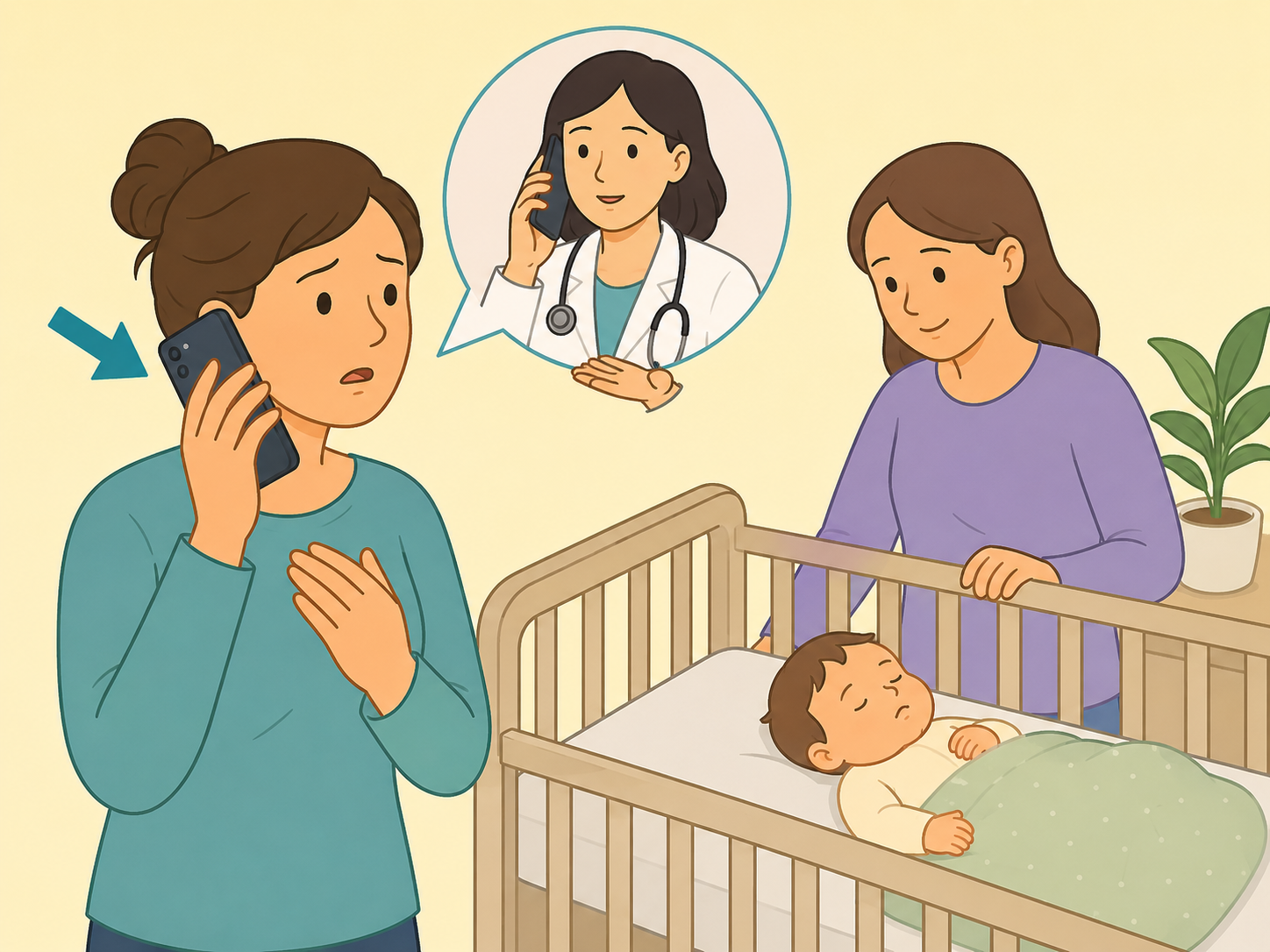
Call your baby's doctor if crying seems unusual, your baby is difficult to wake, feeding poorly, breathing abnormally, vomiting repeatedly, or your instincts say something is wrong. For the parent, Mayo Clinic advises contacting a health care provider when depression symptoms do not fade after two weeks, get worse, make daily care hard, or include thoughts of harming yourself or your baby. Get immediate emergency help if anyone may be in danger.
Share the safety plan with every caregiver
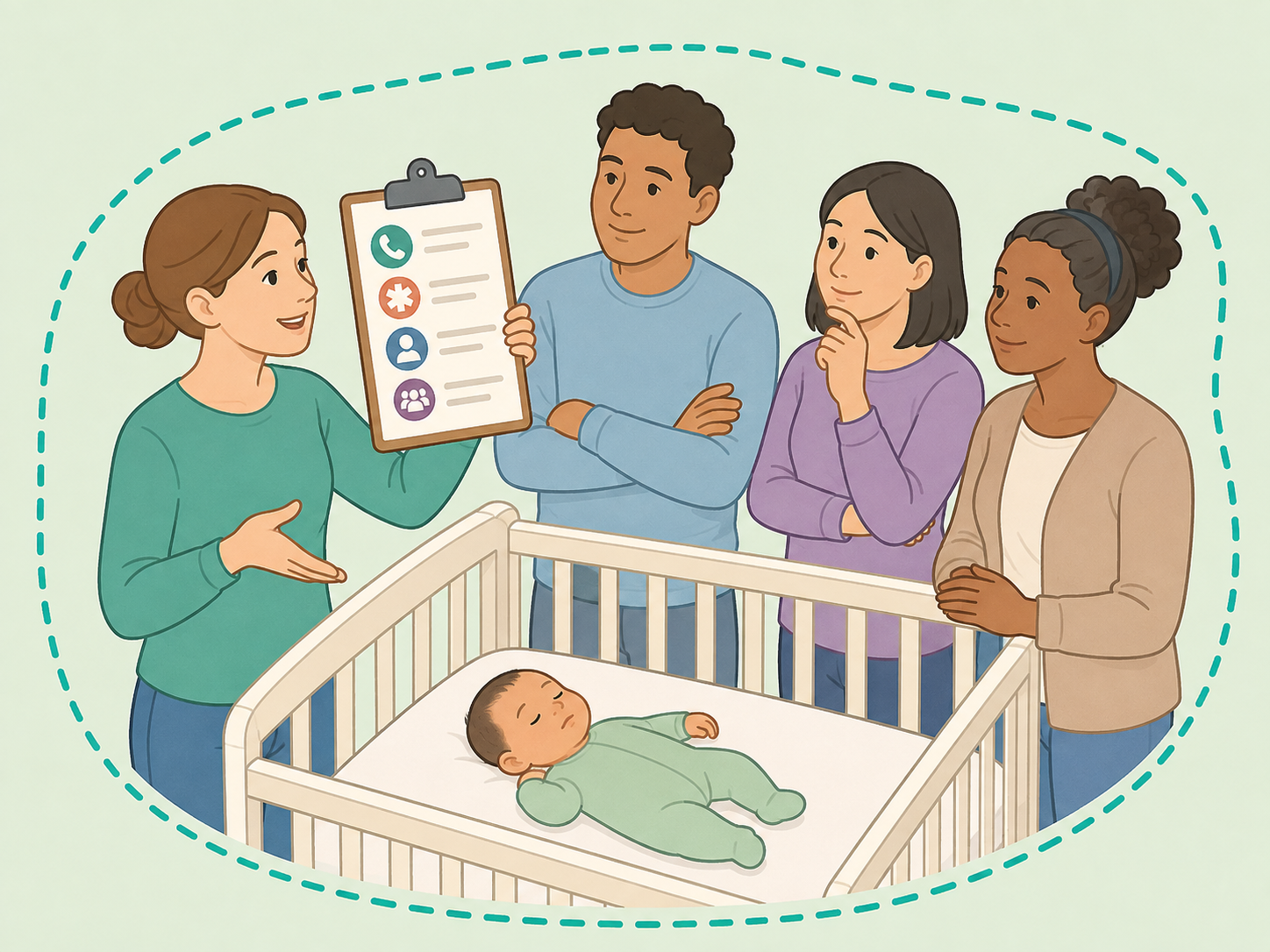
Before anyone watches your baby, show them the sleep space, car seat, emergency contacts, and crying plan. The CDC notes that parents and caregivers help babies thrive through safety, nurturing, and loving attention in its positive parenting tips for infants. Family love is practical: everyone follows the same rules so one tired person is never carrying the whole load alone.
Summary
The bottom line: baby safety works best when it is simple, repeated, and shared by every caregiver. A safe sleep space, a correct car seat, a prepared crying plan, and early support for overwhelmed parents are all acts of family love.
Frequently Asked Questions
- What is the safest place for a baby to sleep?
- A baby should sleep on their back in their own firm, flat sleep space with only a fitted sheet. Keep pillows, blankets, bumpers, and toys out of the sleep area, as explained in AAP safe sleep guidance.
- Is it okay to let my baby cry while I calm down?
- Yes, if the baby is placed safely on their back in a crib, bassinet, or pram and you check back soon. The NHS advises taking a short break when crying makes you feel unable to cope.
- What should I do if I feel like I might hurt myself or my baby?
- Put the baby in a safe place, step away, and get urgent help from another adult or emergency services right away. Mayo Clinic says thoughts of harming yourself or your baby need immediate help.
- Can my baby keep sleeping in a car seat after a drive?
- If your baby falls asleep in a car seat, move them to a firm, flat sleep surface as soon as possible when you are not traveling. Car seats are for travel safety, not routine sleep.
- How do I get relatives or babysitters to follow baby-safety rules?
- Keep the rules short and visible: back to sleep, empty crib, rear-facing car seat, never shake, and call you if overwhelmed. Ask every caregiver to show you how they would place the baby to sleep and buckle the car seat.
- When should crying be checked by a doctor?
- Call a doctor or qualified health professional if crying feels unusual, your baby cannot be comforted, feeding changes, breathing worries you, or your instincts say something is wrong. Seek urgent care for emergency symptoms.
References
Reliable references aided in composing and refining this content.
- https://www.healthychildren.org/English/ages-stages/baby/sleep/pages/Preventing-SIDS.aspx
- https://safetosleep.nichd.nih.gov/safe-sleep
- https://www.cdc.gov/child-passenger-safety/prevention/index.html
- https://medlineplus.gov/ency/patientinstructions/000389.htm
- https://www.medlineplus.gov/ency/patientinstructions/000020.htm
- https://www.nhs.uk/baby/caring-for-a-newborn/soothing-a-crying-baby
- https://www.cdc.gov/child-abuse-neglect/about/about-abusive-head-trauma.html?CDC_AAref_Val=https://www.cdc.gov/violenceprevention/childabuseandneglect/abusive-head-trauma.html
- https://www.mayoclinic.org/diseases-conditions/postpartum-depression/symptoms-causes/syc-20376617