
 Pin it
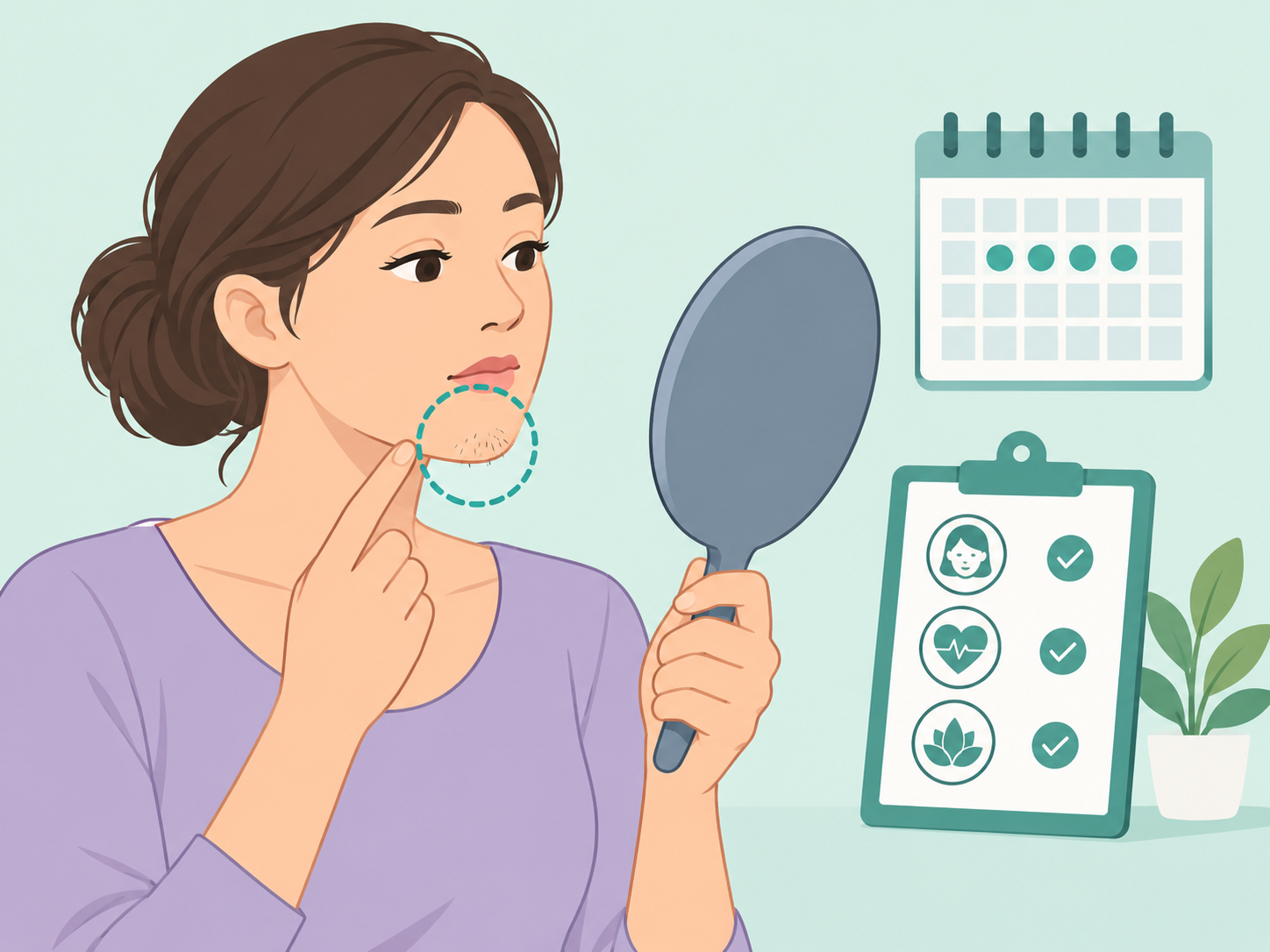
Many women notice more chin hair with age, and a few stray hairs are usually not a medical emergency. However, coarse, dark, sudden, or rapidly increasing facial hair can sometimes be a sign of hirsutism or another hormone-related change. This guide explains what to watch for, how to track changes, and when to ask a doctor for help.
Notice whether the hair is fine or coarse
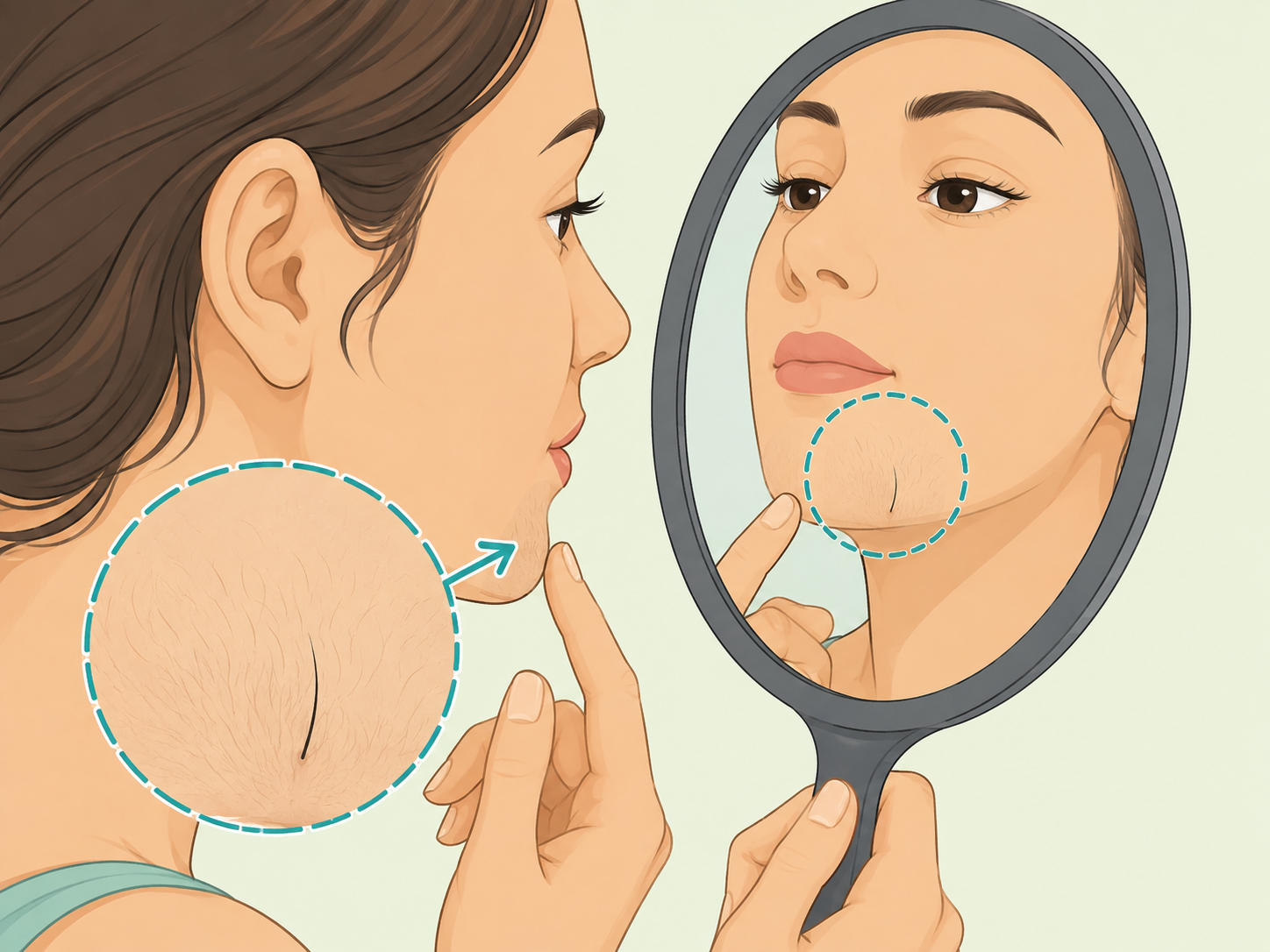
Start by looking at the texture and color. Fine, soft facial hair is common, while hirsutism usually means dark or coarse hair in areas where women typically have finer hair, such as the chin, upper lip, chest, or back.
Track how quickly the hair is changing
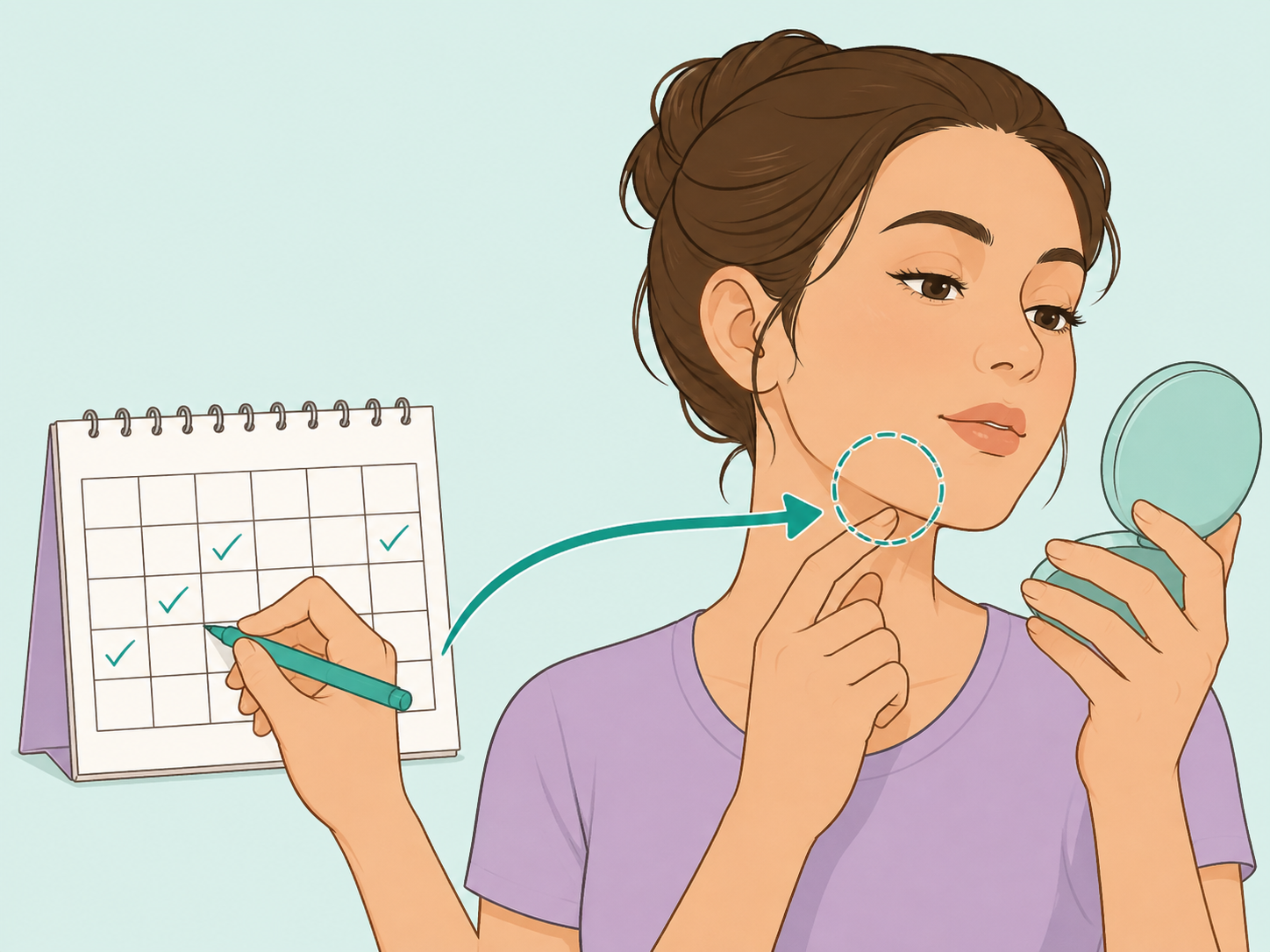
Make a simple note of when you first noticed the hair and whether it is increasing over weeks or months. The NHS advises seeing a GP for thick, dark facial or body hair, especially if it appears with other symptoms or starts suddenly.
Look for period changes or acne
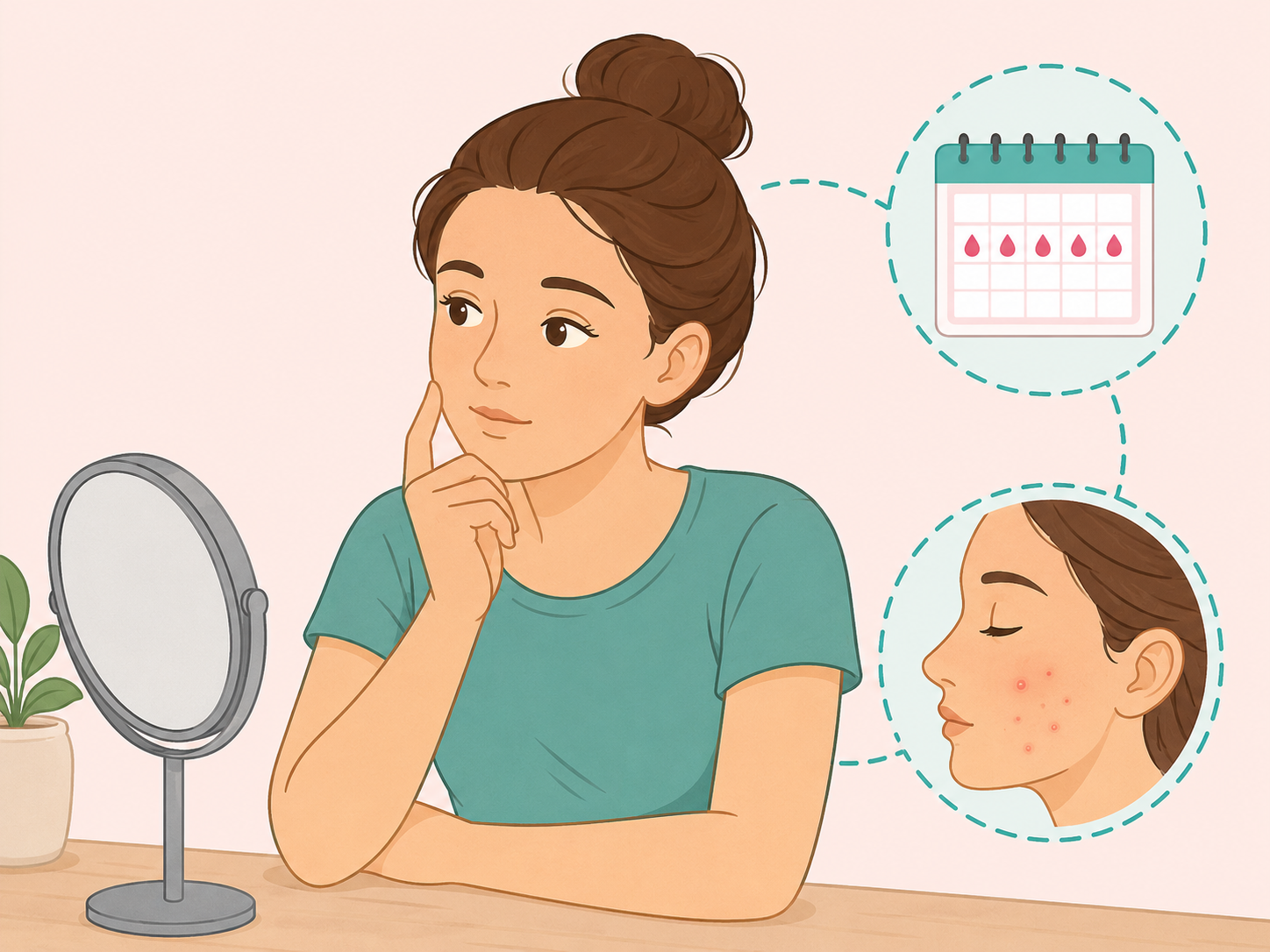
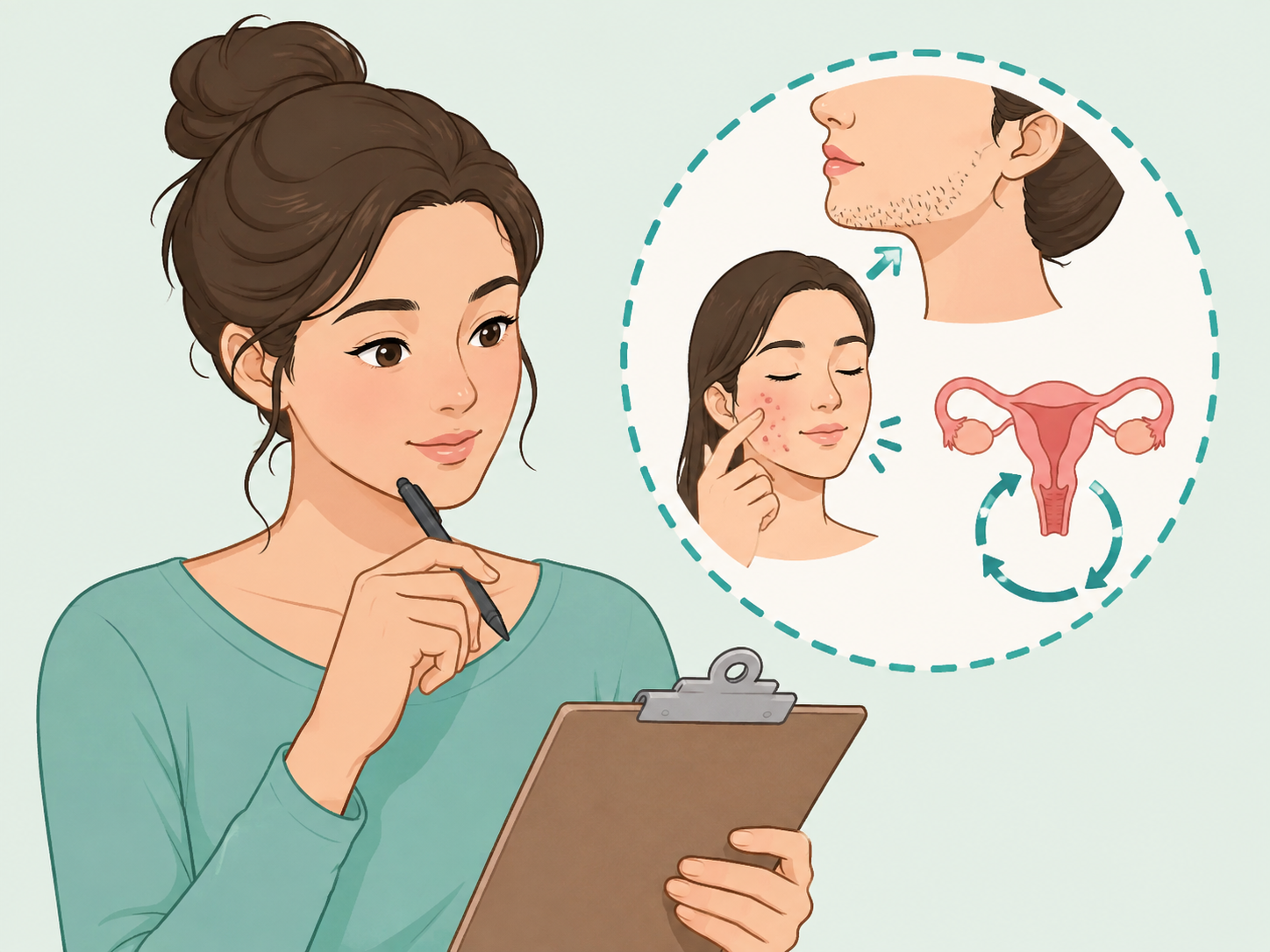
Pay attention to irregular periods, missed periods, new acne, scalp hair thinning, or trouble with weight changes. MedlinePlus notes that unwanted hair linked with hormone conditions such as PCOS may appear alongside acne and menstrual changes.
Consider whether PCOS symptoms fit the pattern
PCOS can raise androgen levels, which may lead to excess hair growth, acne, and changes in ovulation. MedlinePlus Genetics explains that many people with PCOS have excess androgens, but chin hair alone is not enough to diagnose it.

Review medicines and supplements with care
Some medicines and hormone products can contribute to unwanted hair growth. Mayo Clinic lists possible triggers including testosterone, danazol, minoxidil, DHEA, and some other medicines, so bring a full medication and supplement list to your appointment.
Ask about hormone testing if the pattern is new
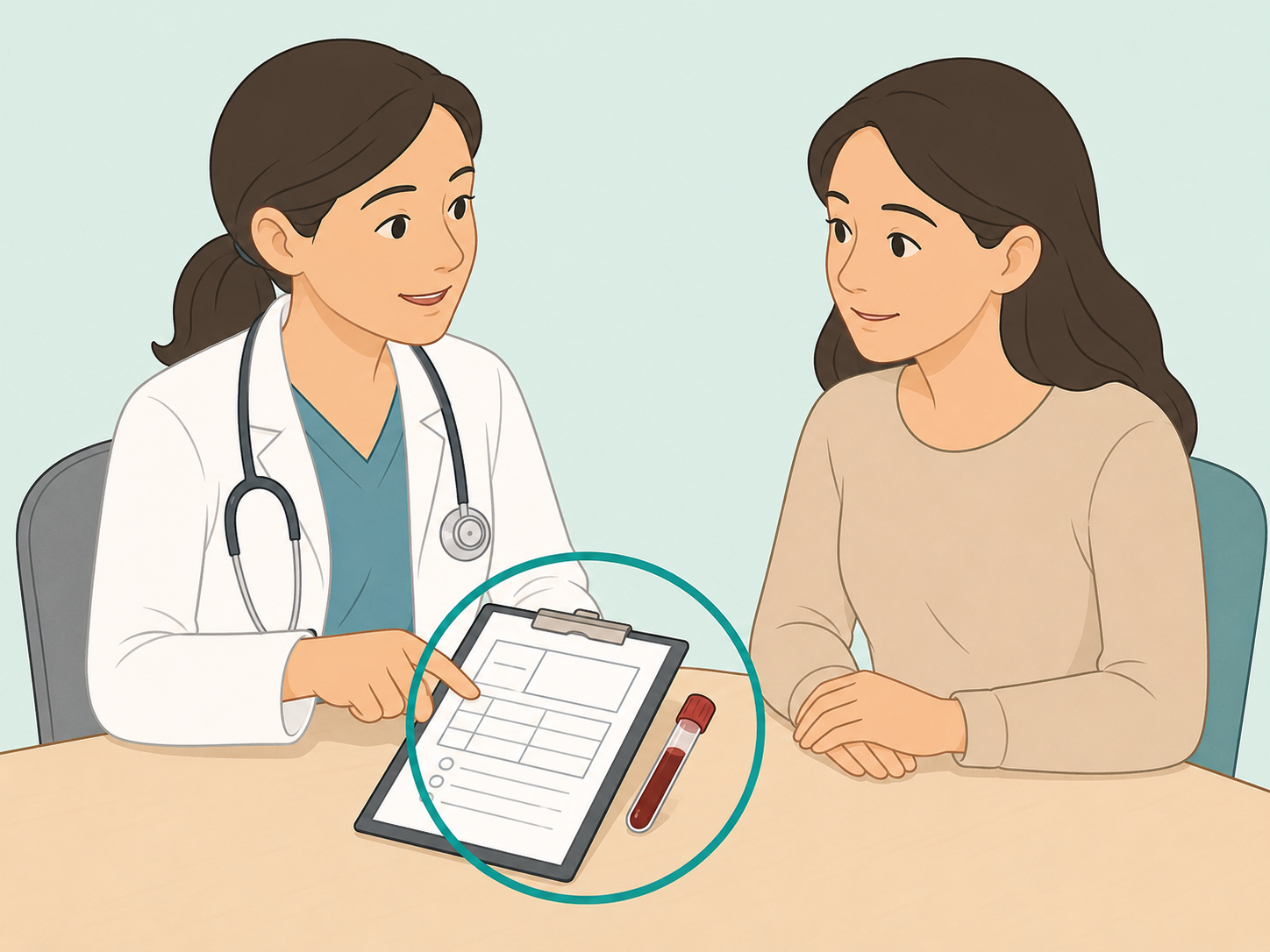
If the hair is coarse, increasing, or linked with other symptoms, a clinician may check your history, examine the hair pattern, and order blood tests. Cleveland Clinic says evaluation may include hormone blood tests and, in some cases, imaging to look at the ovaries or adrenal glands.
Choose gentle hair removal while you wait
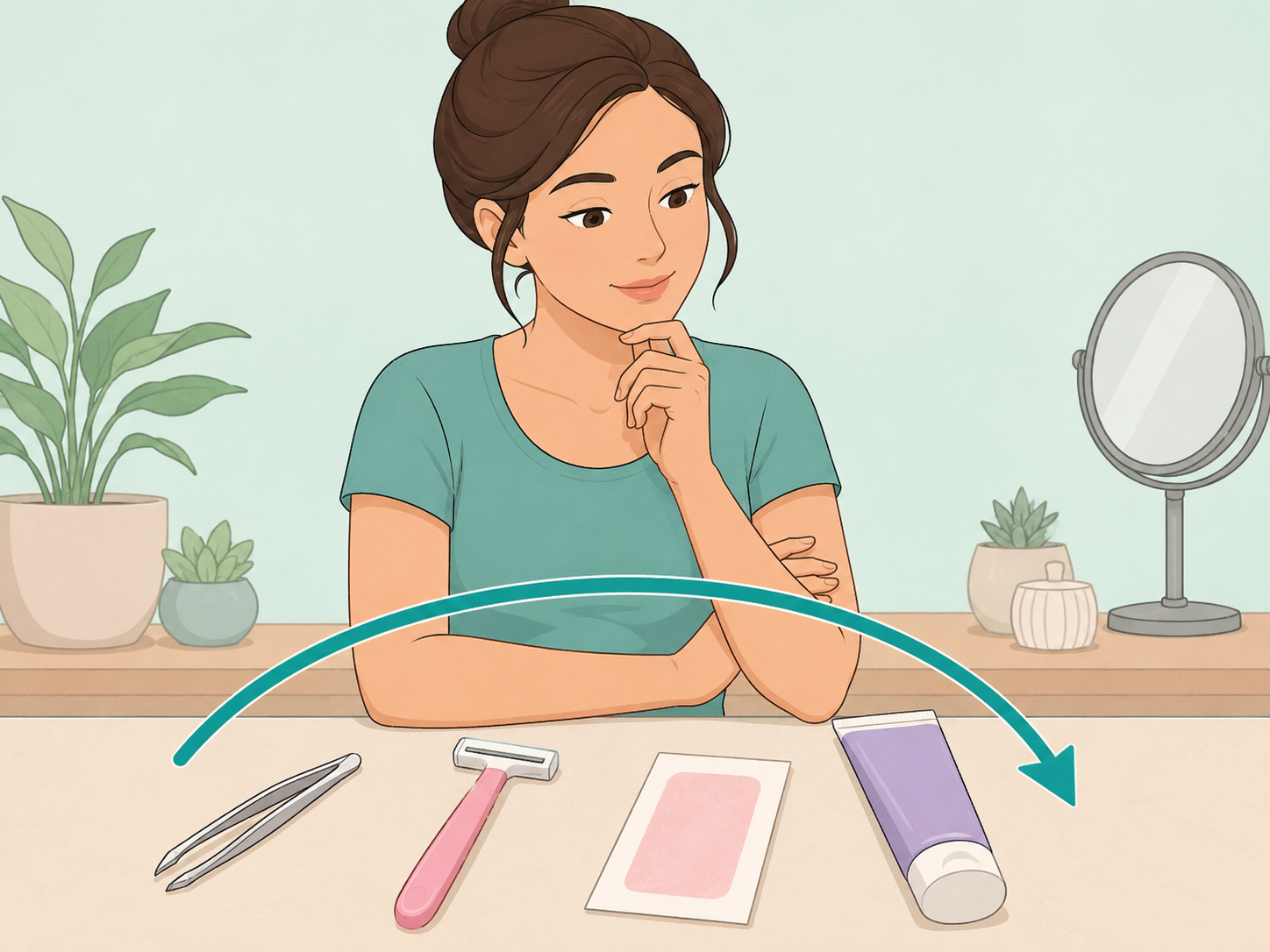
It is fine to remove hair if you want to, as long as your skin tolerates the method. The American Academy of Dermatology explains that shaving, waxing, depilatories, laser hair removal, and electrolysis are all options, but each has different risks such as irritation, burns, or ingrown hairs.
See a doctor for sudden or severe changes
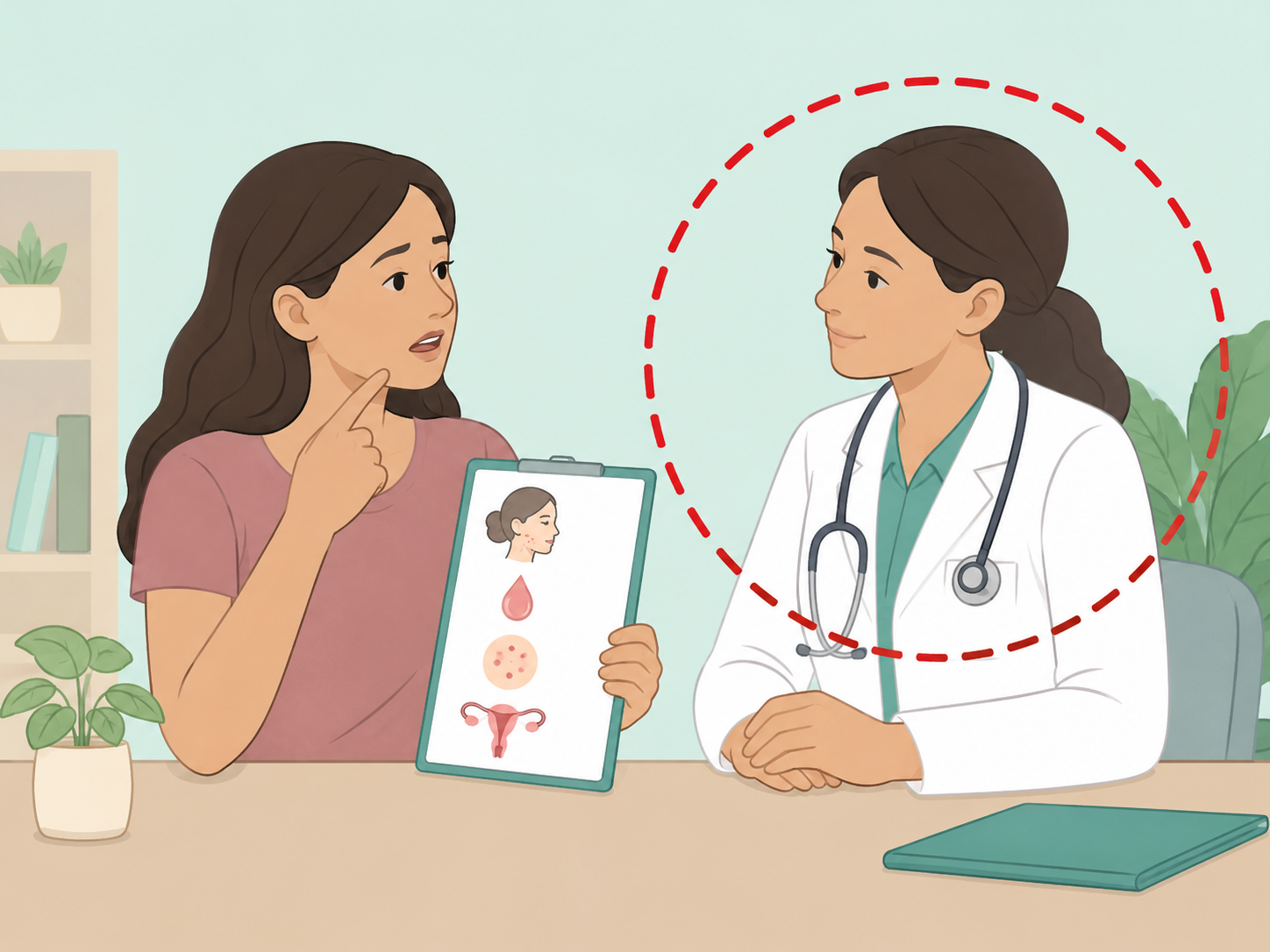
Make an appointment if chin hair becomes thick and dark, spreads to new areas, or bothers you emotionally. Seek more urgent medical advice if new hair growth starts suddenly or comes with signs such as a deeper voice, rapid muscle changes, or other masculinizing symptoms, which MedlinePlus lists as reasons to contact a provider.
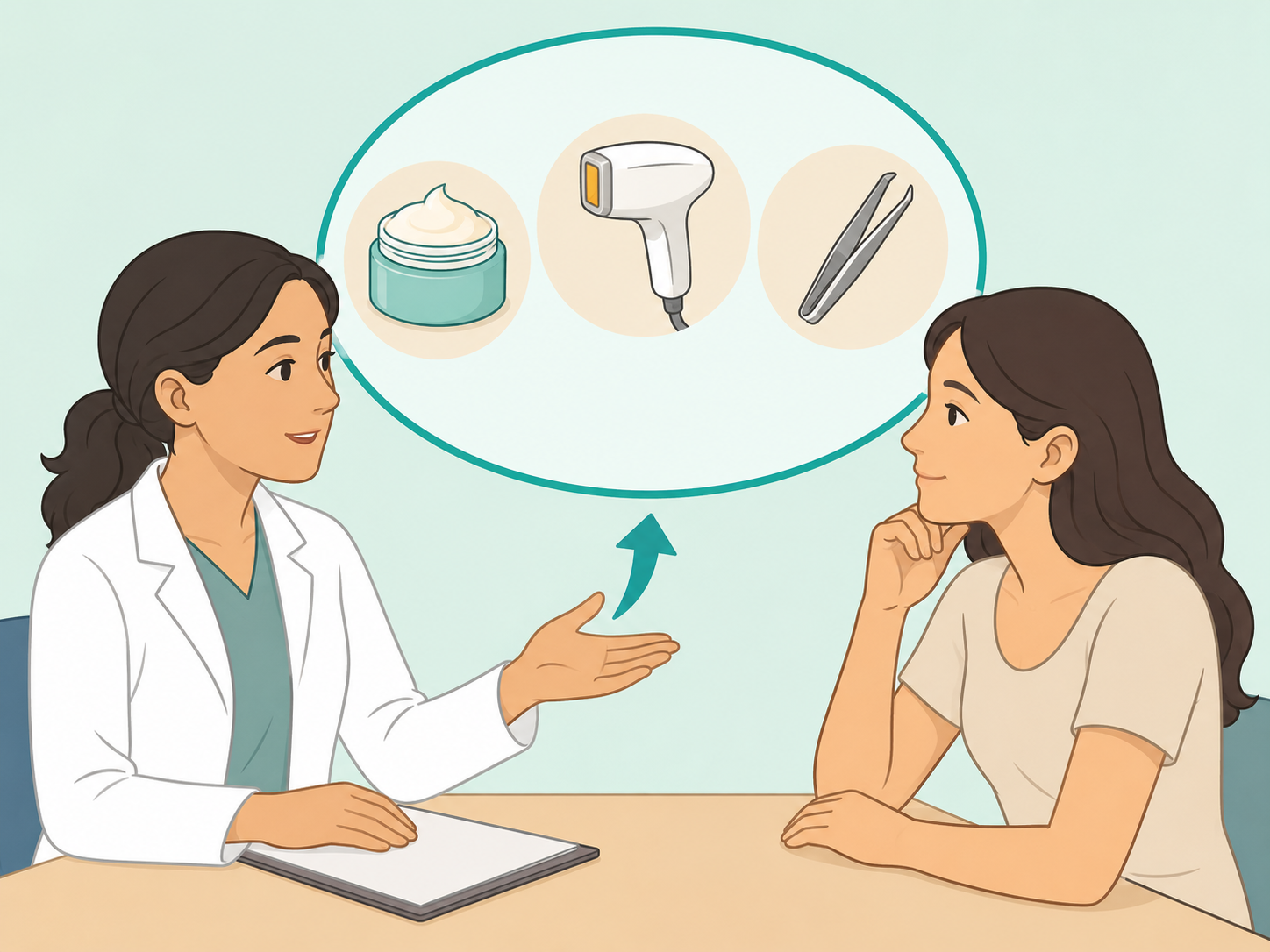
Discuss treatment options without expecting instant results
If a hormone-related cause is found, treatment depends on your age, symptoms, pregnancy plans, and medical history. NICHD notes that PCOS-related unwanted facial hair may be managed with options such as temporary hair removal, prescription cream, electrolysis, laser, or hormone-directed treatments under medical guidance.
Summary
The bottom line: chin hair is common, but sudden, coarse, spreading, or symptom-linked growth deserves attention. Track what changes, avoid diagnosing yourself, and ask a qualified health professional if the pattern worries you.
Frequently Asked Questions
- Is it normal for women to grow chin hair?
Yes. Many women have fine facial hair, and some notice more of it with age, especially after menopause. Coarse, dark, or rapidly increasing hair is more worth discussing with a health professional.
- Does plucking chin hair make it grow back thicker?
No. Plucking does not change the follicle into a thicker hair producer. It can irritate skin or cause ingrown hairs, so use clean tools and stop if the area becomes inflamed.
- Can chin hair be a sign of PCOS?
It can be. PCOS is commonly linked with higher androgen levels and may also cause irregular periods, acne, scalp hair thinning, and difficulty with ovulation. Only a clinician can evaluate whether PCOS is the cause.
- When is chin hair more concerning?
Get checked if coarse, dark hair starts suddenly, spreads quickly, or appears with symptoms like irregular periods, new acne, a deeper voice, scalp hair loss, or increased muscle mass.
- What tests might a doctor order for unwanted facial hair?
Depending on your symptoms, a doctor may review your medicines, examine the hair pattern, and order blood tests for hormones. Imaging may be used if symptoms suggest an ovarian or adrenal cause.
- What are safe ways to remove chin hair?
Common options include shaving, trimming, tweezing, waxing, depilatory creams, laser hair removal, and electrolysis. Choose based on your skin sensitivity, hair color, budget, and whether you want temporary or longer-lasting results.
References
Reliable references aided in composing and refining this content.
- https://www.mayoclinic.org/diseases-conditions/hirsutism/symptoms-causes/syc-20354935
- https://medlineplus.gov/ency/article/007622.htm
- https://www.nhs.uk/symptoms/hirsutism
- https://my.clevelandclinic.org/health/diseases/14523-hirsutism
- https://medlineplus.gov/genetics/condition/polycystic-ovary-syndrome
- https://www.aad.org/public/everyday-care/skin-care-basics/hair/remove-unwanted-hair
- https://www.nichd.nih.gov/health/topics/pcos/conditioninfo/treatments