
 Pin it
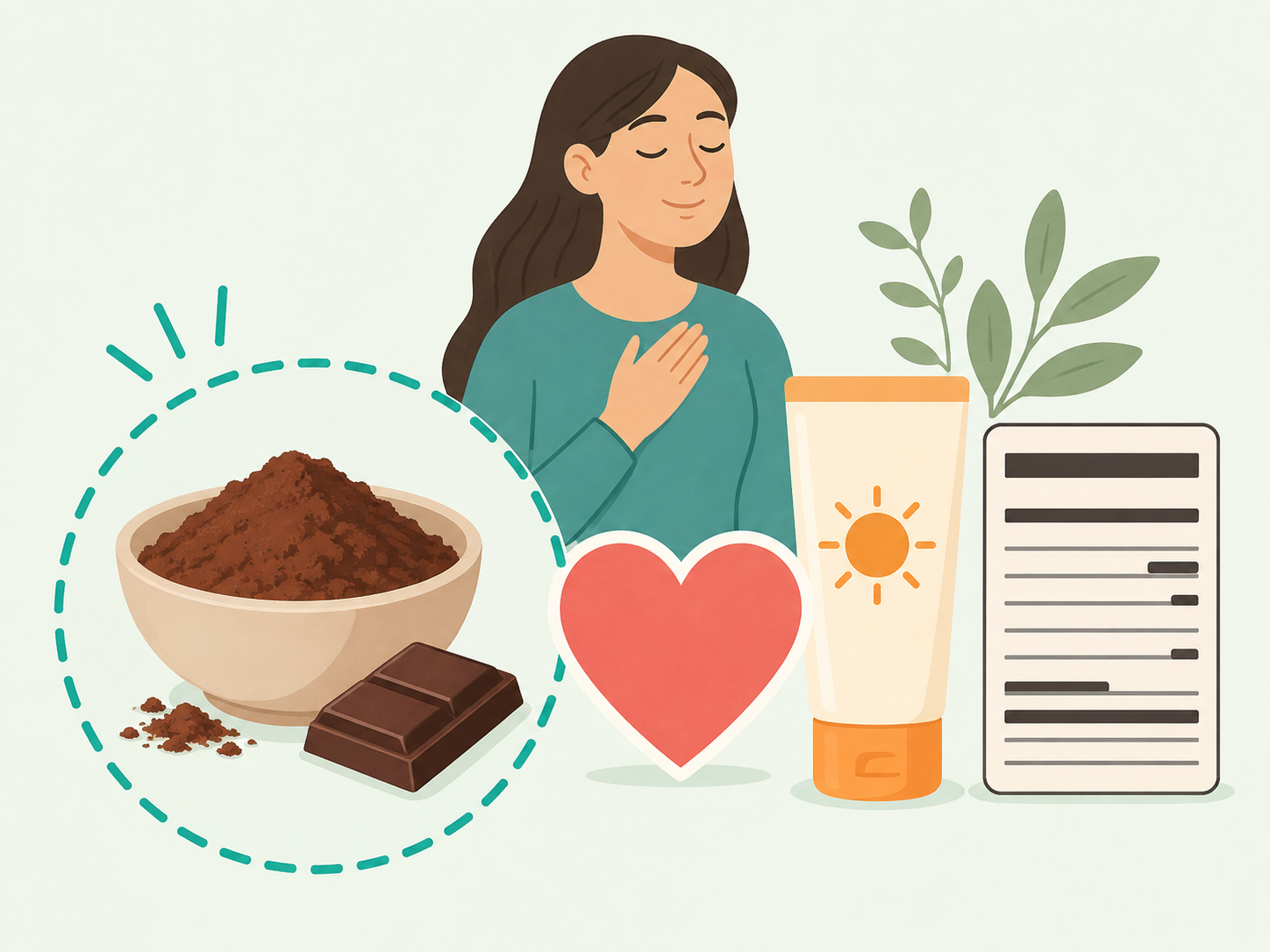
Cacao powder and dark chocolate contain cocoa solids, including flavanols, that have been studied for possible heart, blood flow, mood, and skin benefits. The evidence is strongest for modest wellness support, not cures or dramatic beauty results. This guide shows how to choose and use them safely while avoiding common risks.
Choose unsweetened cacao or higher-cacao dark chocolate
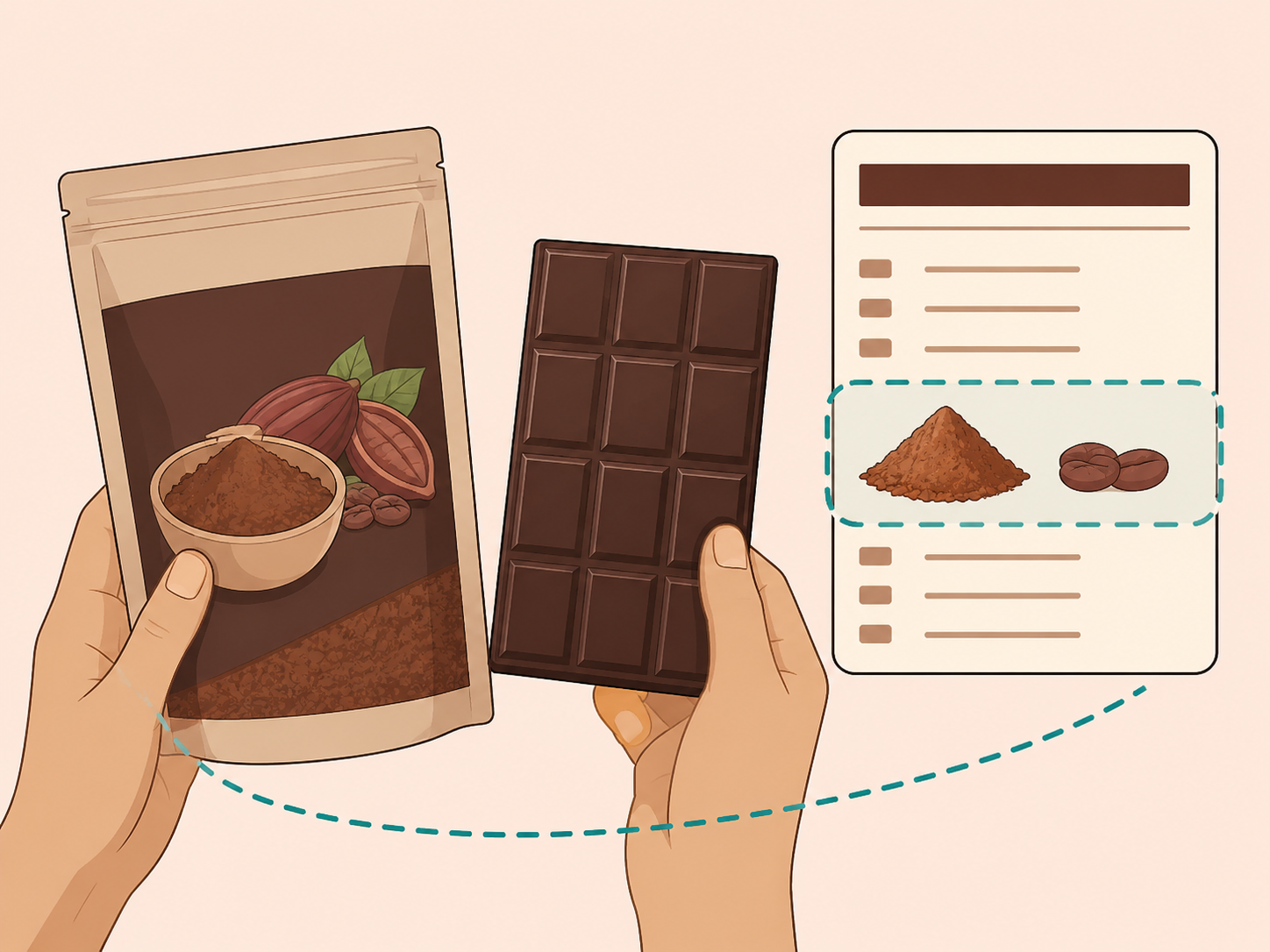
Look for unsweetened cacao or cocoa powder, or a dark chocolate bar with a higher cacao percentage and cocoa listed near the front of the ingredient list. Dark chocolate contains more cacao solids than milk chocolate, and cacao solids are where many studied flavanols are found, according to Cleveland Clinic and the American Heart Association.
Keep the serving small
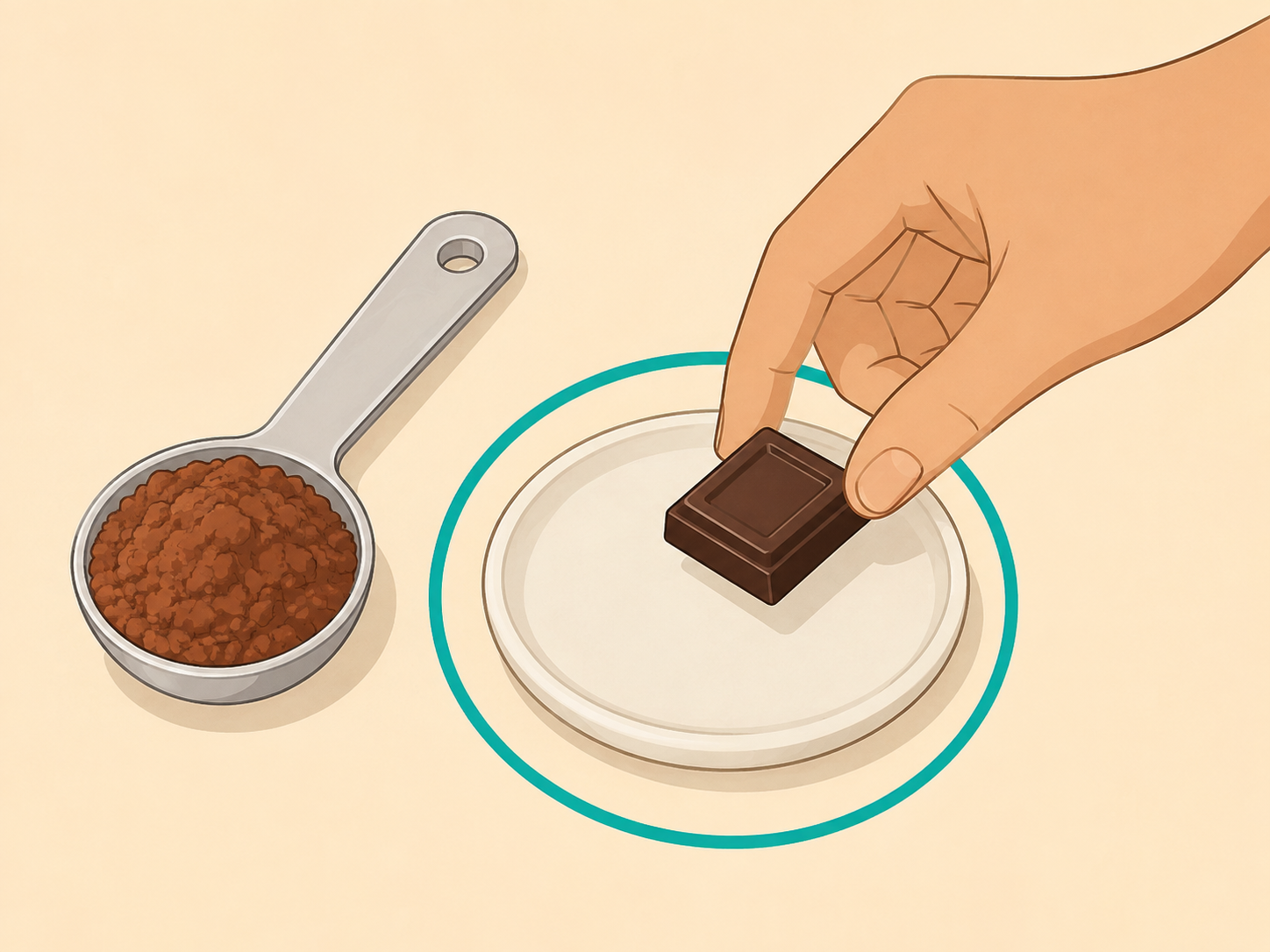
Use cacao and dark chocolate as a small add-on, not a large daily dessert. Cleveland Clinic notes that dark chocolate is still calorie dense and recommends moderation, with a typical serving around 1 to 2 ounces for people who choose to eat it.
Choose low-sugar ways to eat it
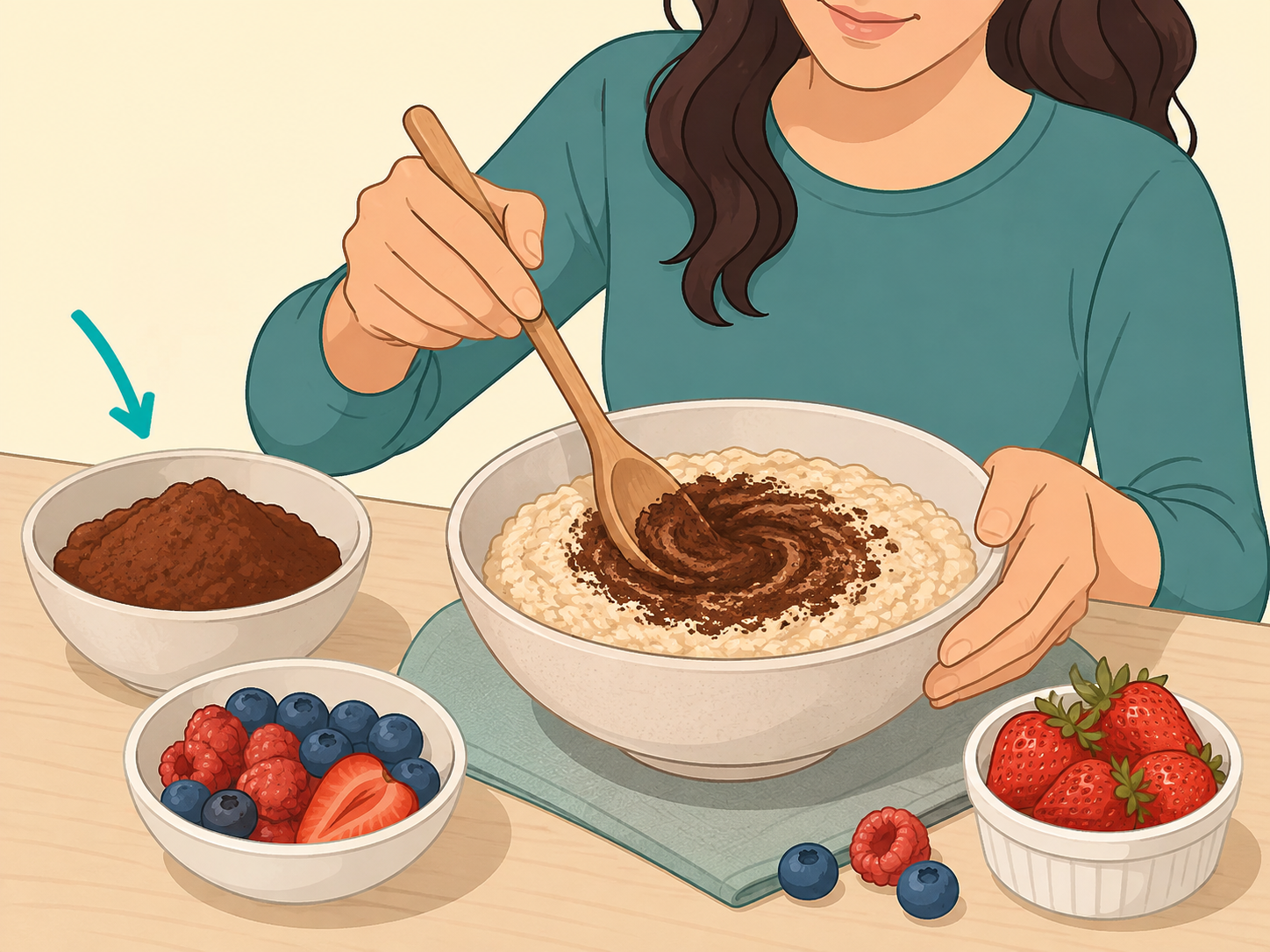
Check the nutrition label for added sugar, saturated fat, and serving size before buying. The American Heart Association cautions that chocolate can be part of an overall healthy diet, but people should eat it because they enjoy it in moderation, not because they expect guaranteed health effects.
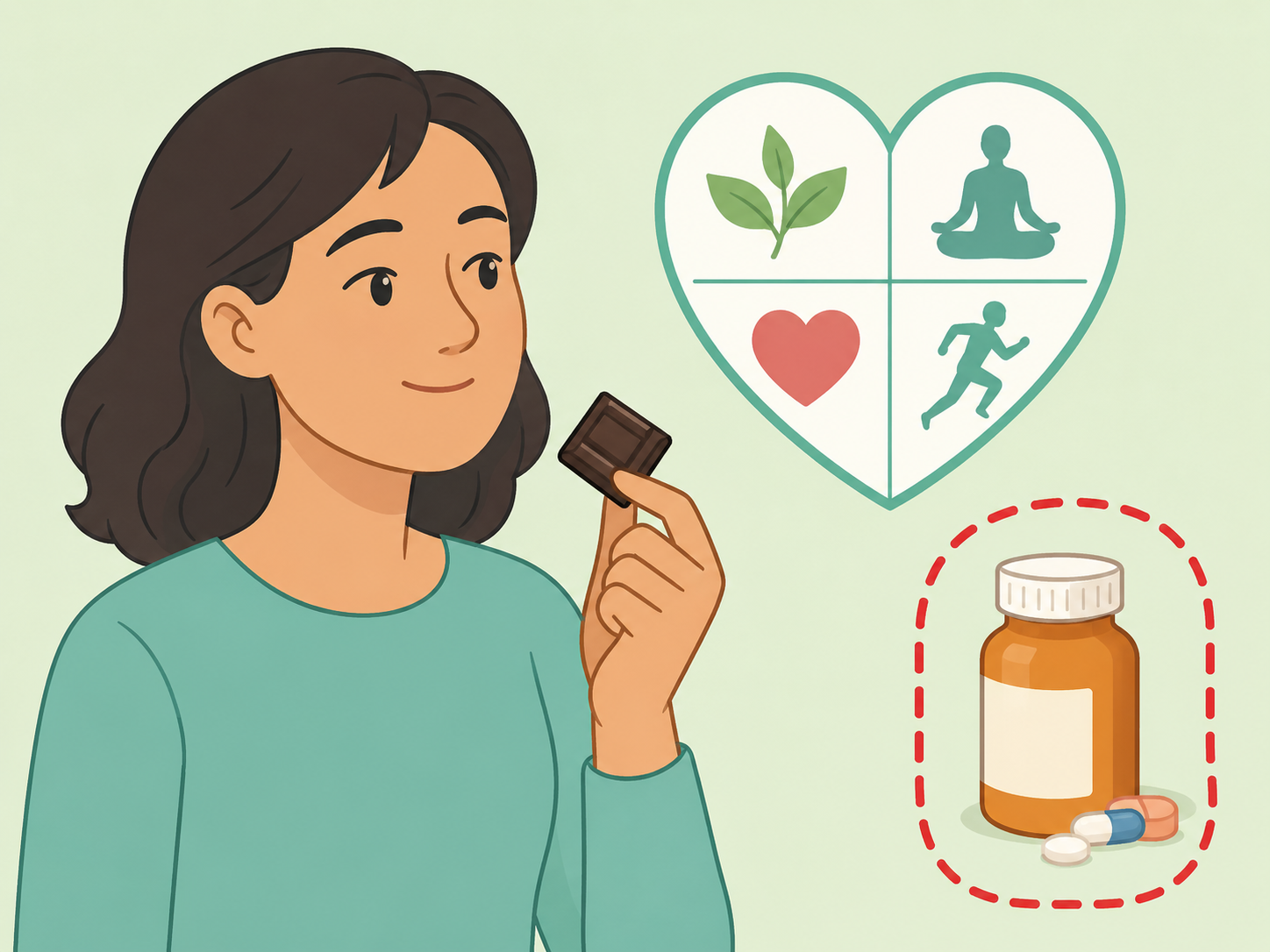
Use it as heart support, not heart medicine
Cocoa flavanols may support blood vessel function, but they should not replace blood pressure medicine, cholesterol treatment, exercise, or a heart-healthy eating plan. In the large COSMOS randomized trial, cocoa extract did not significantly reduce total cardiovascular events, although some secondary results suggested possible benefit and more research is needed.
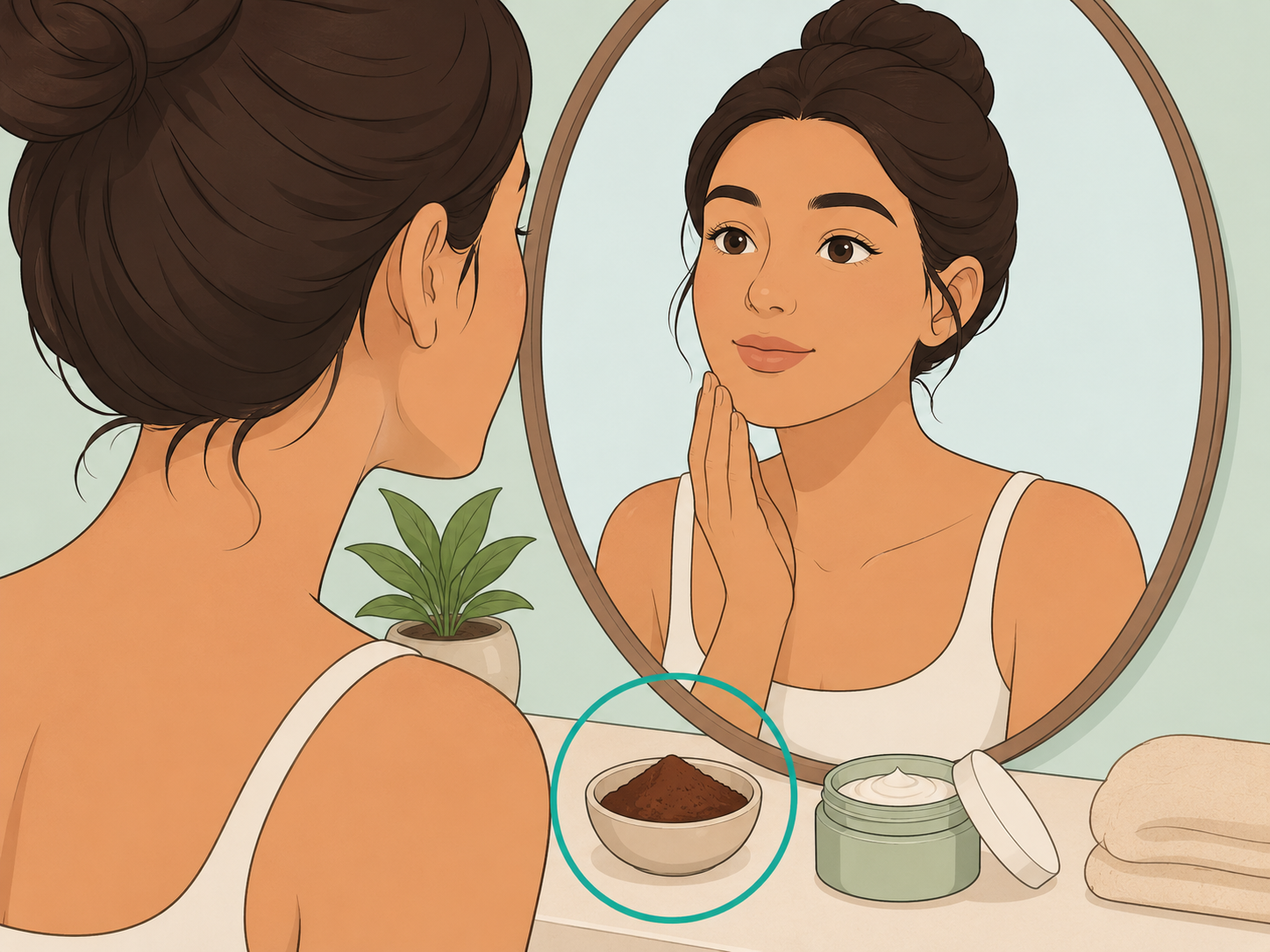
Treat skin and glow claims carefully
Some beauty-related research is promising but limited. A randomized trial in photo-aged women found that high-flavanol cocoa supplementation improved wrinkle and elasticity measures, but it did not significantly improve skin hydration or barrier integrity.
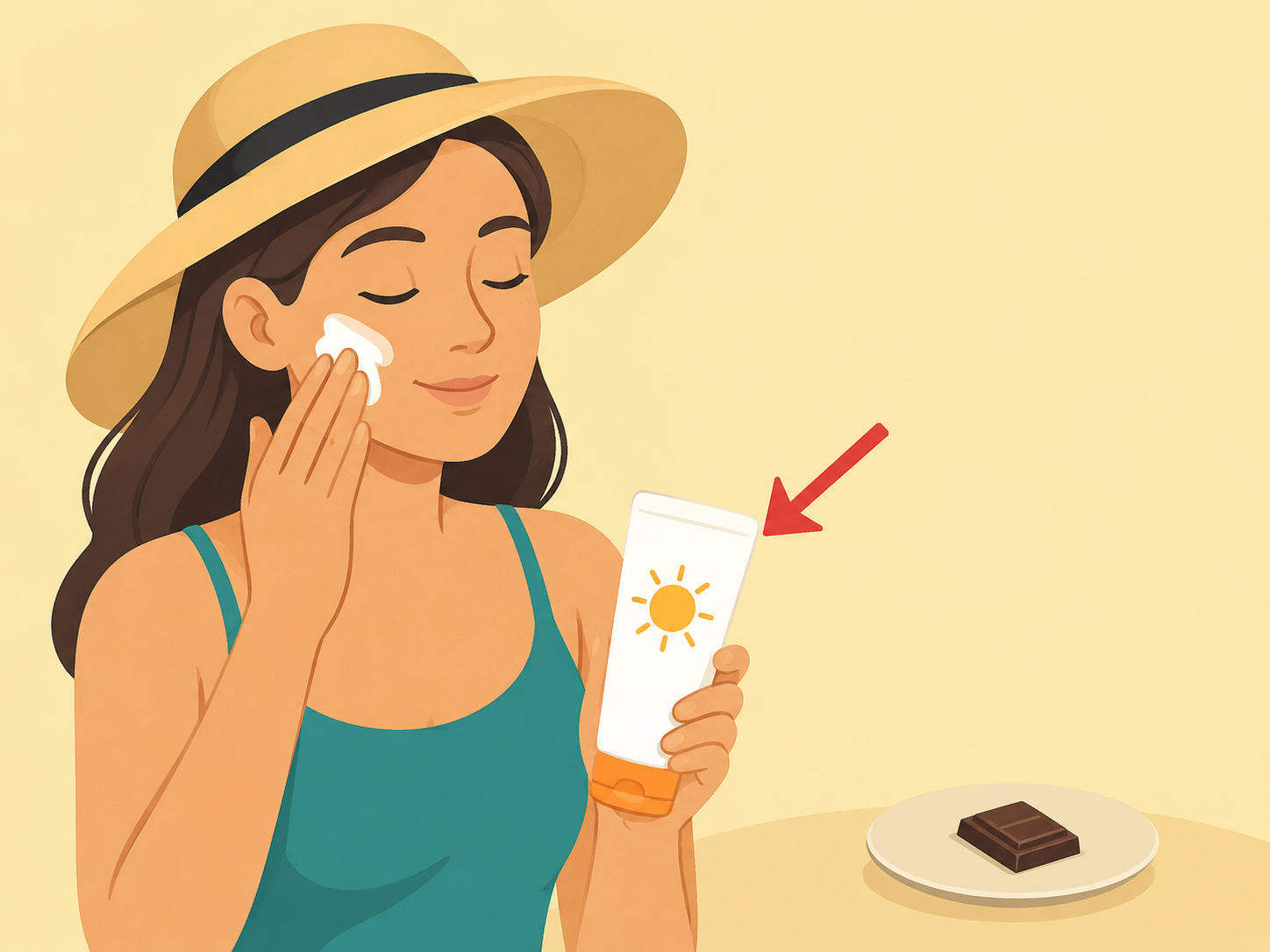
Keep sun protection separate
Do not use cacao, dark chocolate, or cocoa supplements as sun protection. For UV protection, the American Academy of Dermatology recommends choosing a broad-spectrum, water-resistant sunscreen with SPF 30 or higher, along with shade and protective clothing.
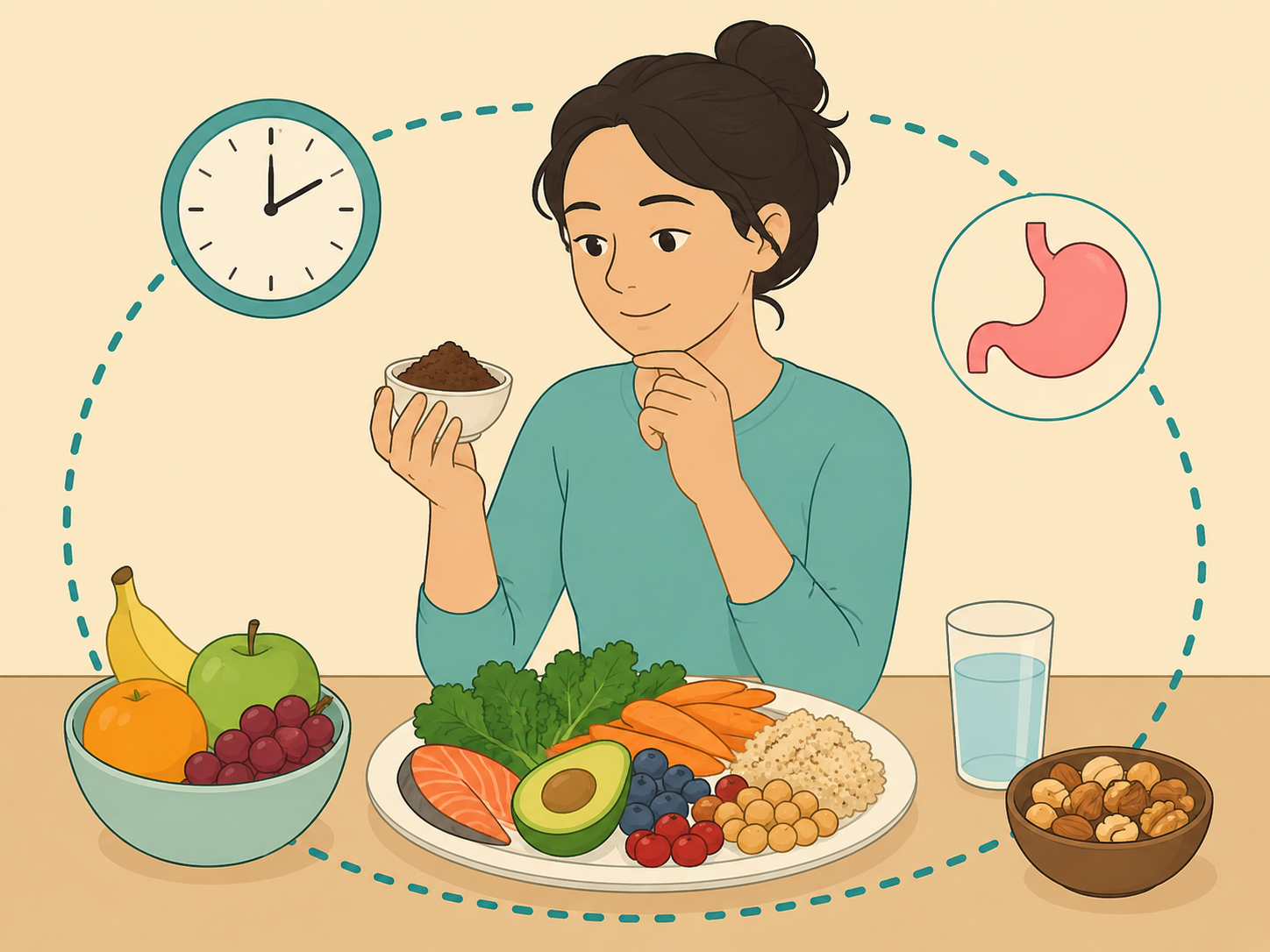
Watch caffeine and contaminant exposure
Cacao and chocolate products naturally contain caffeine, which can worsen sleep problems, anxiety, reflux, high blood pressure, or irregular heart rhythms in some people, according to MedlinePlus. The FDA also notes that cadmium levels in chocolate can vary by growing area and cocoa solids, so a varied diet helps limit exposure from any one food.

Ask a doctor when health conditions are involved
Talk to a doctor or registered dietitian before using cocoa supplements, eating dark chocolate daily for a health goal, or making changes if you have diabetes, kidney disease, reflux, migraines, pregnancy, a heart rhythm problem, or prescribed medication. Seek medical care promptly for chest pain, fainting, severe palpitations, allergic symptoms, or any new symptom that worries you.
Summary
The bottom line: cacao powder and dark chocolate can fit into a healthy routine when you choose higher-cacao, lower-sugar options and keep portions modest. Enjoy them as food, not as treatment, and use proven skin protection and medical care when needed.
Frequently Asked Questions
- Is cacao powder healthier than dark chocolate?
Unsweetened cacao or cocoa powder can be easier to use with less added sugar and fat than many chocolate bars. Dark chocolate can still fit, but the percentage of cacao and the sugar content matter.
- Can dark chocolate improve skin?
Some studies suggest high-flavanol cocoa may modestly support skin elasticity or photo-aging markers, but results are not strong enough to treat wrinkles or replace skin care. A 24-week randomized trial found improvements in wrinkles and elasticity, but not hydration or barrier function.
- How much dark chocolate should I eat?
There is no medical dose of dark chocolate for beauty or health. Cleveland Clinic describes a common serving as about 1 to 2 ounces, but also stresses moderation because dark chocolate is calorie dense.
- Does chocolate replace sunscreen?
No. Even if cocoa flavanols are being studied for skin effects, they do not replace sunscreen, shade, hats, or protective clothing. The American Academy of Dermatology recommends broad-spectrum, water-resistant SPF 30 or higher for exposed skin.
- Who should limit cacao powder or dark chocolate?
People who are sensitive to caffeine, have reflux, sleep problems, anxiety, irregular heart rhythms, migraines, or pregnancy-related caffeine limits should be cautious and ask a clinician. Cacao and chocolate products naturally contain caffeine.
- Are cacao supplements better than chocolate?
Not necessarily. Some large trials used standardized cocoa extract, which is different from ordinary chocolate bars, and results have been mixed. Talk to a doctor before using supplements, especially if you take medicines or have a medical condition.
References
Reliable references aided in composing and refining this content.
- https://health.clevelandclinic.org/dark-chocolate-health-benefits
- https://www.heart.org/en/news/2019/02/12/are-there-health-benefits-from-chocolate
- https://pubmed.ncbi.nlm.nih.gov/35294962
- https://pubmed.ncbi.nlm.nih.gov/26581682
- https://www.aad.org/public/everyday-care/sun-protection/shade-clothing-sunscreen/choosing-right-sunscreen
- https://medlineplus.gov/caffeine.html
- https://www.fda.gov/food/environmental-contaminants-food/cadmium-food-and-foodwares