
 Pin it
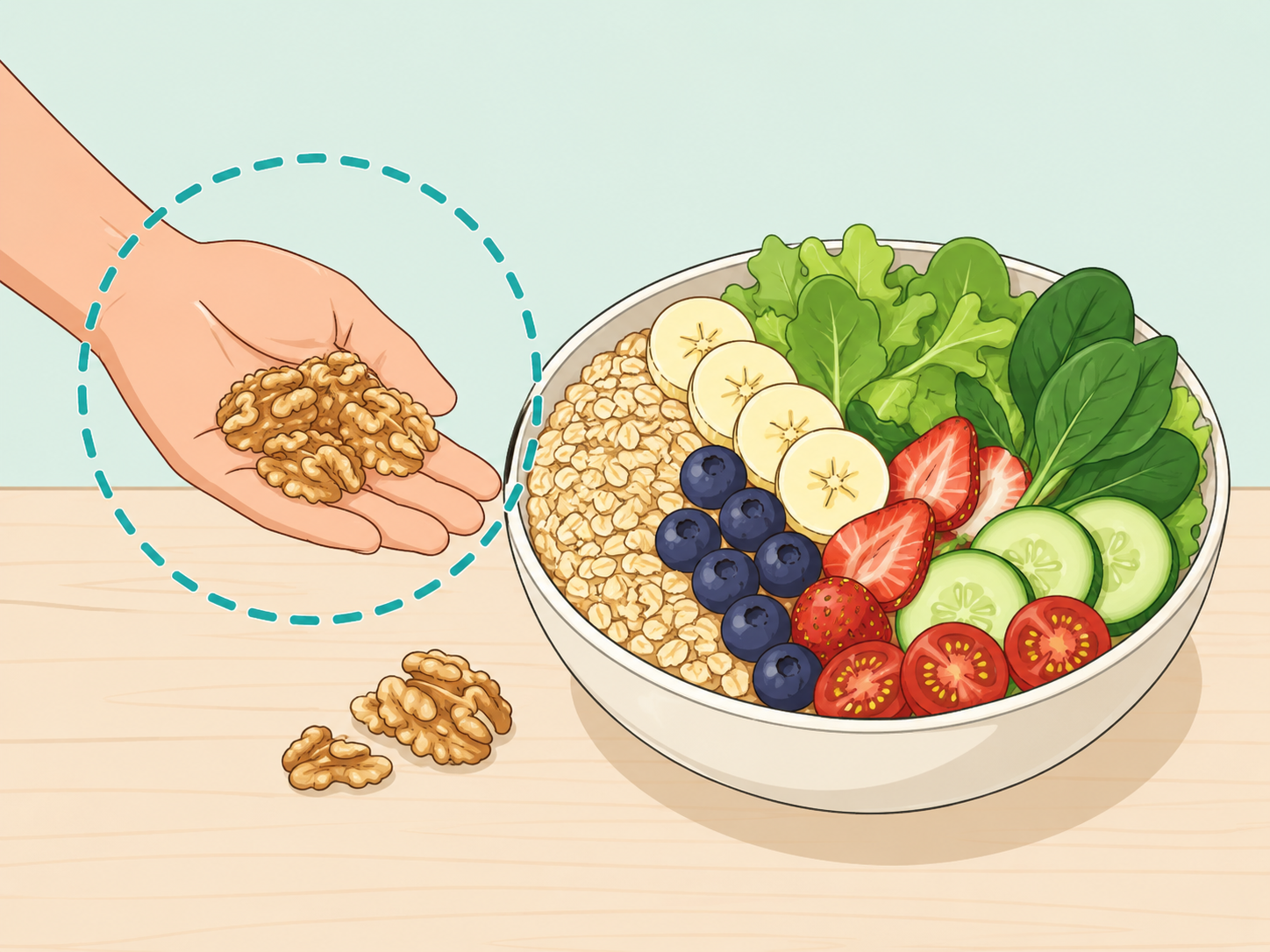
Walnuts are rich in unsaturated fats, plant omega-3 ALA, fiber, and antioxidants, which makes them a practical food to include in a balanced diet. The best-supported benefits are for heart health and blood lipids, while skin and gut benefits should be viewed as supportive rather than dramatic. This guide explains how much to eat, how to choose them, and when to get medical advice.
Measure a small daily portion
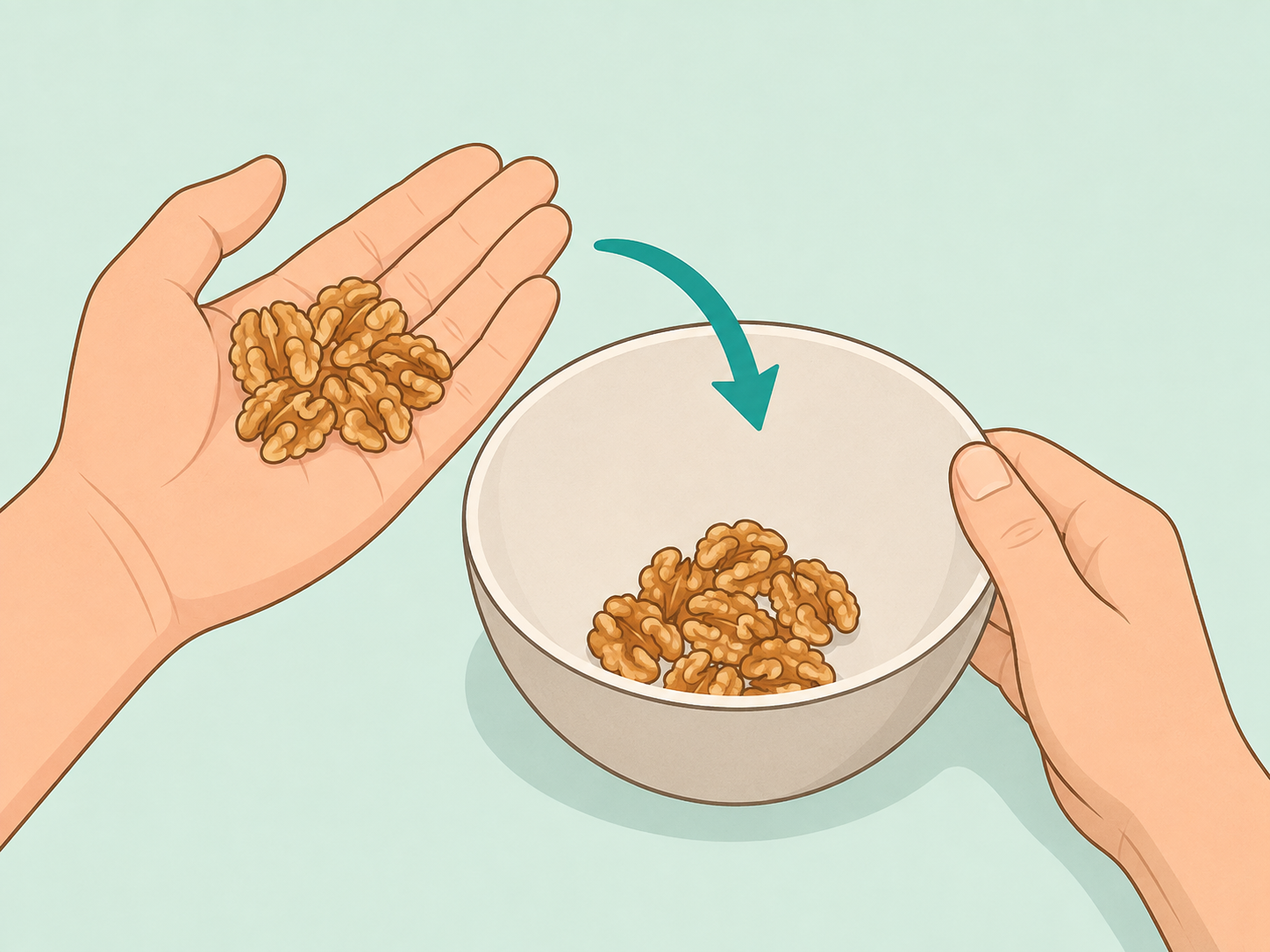
Start with about 1 ounce of walnuts, which is roughly 12 to 14 halves or a small handful, because Cleveland Clinic lists this serving at about 185 calories. The American Heart Association also describes a serving of whole nuts as a small handful or 1 ounce. Measure it once so you know what your usual handful looks like.
Use walnuts to replace less nutritious snacks
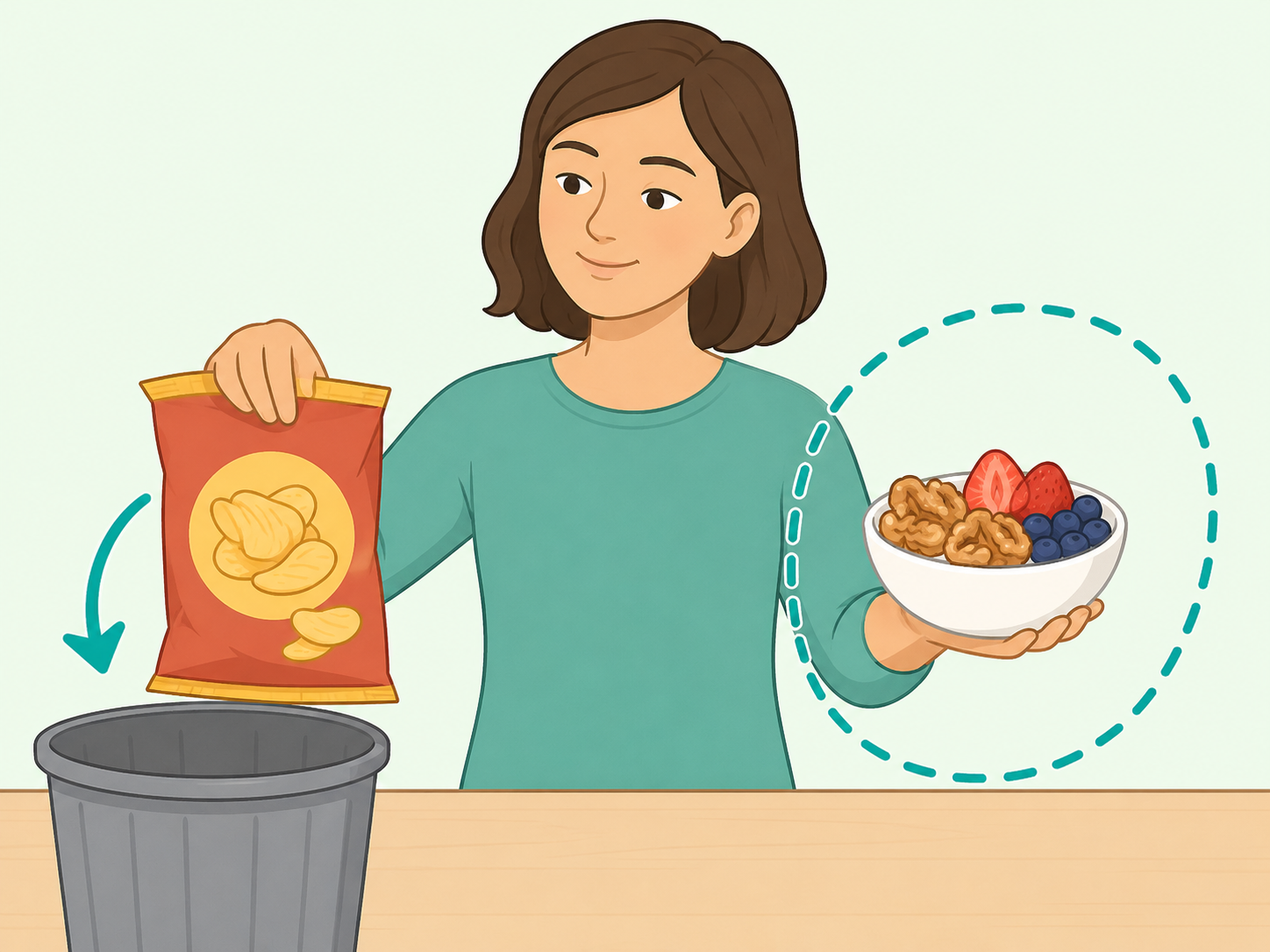
Walnuts work best when they replace chips, sweets, or heavily processed snacks rather than simply adding extra calories to your day. Harvard Health notes that the benefit may be greater when walnuts replace less healthy foods in the diet, not when they are added on top of an already full intake. Try swapping a snack for walnuts with fruit or adding them to a meal that already includes whole grains or vegetables.
Choose unsalted plain walnuts most often
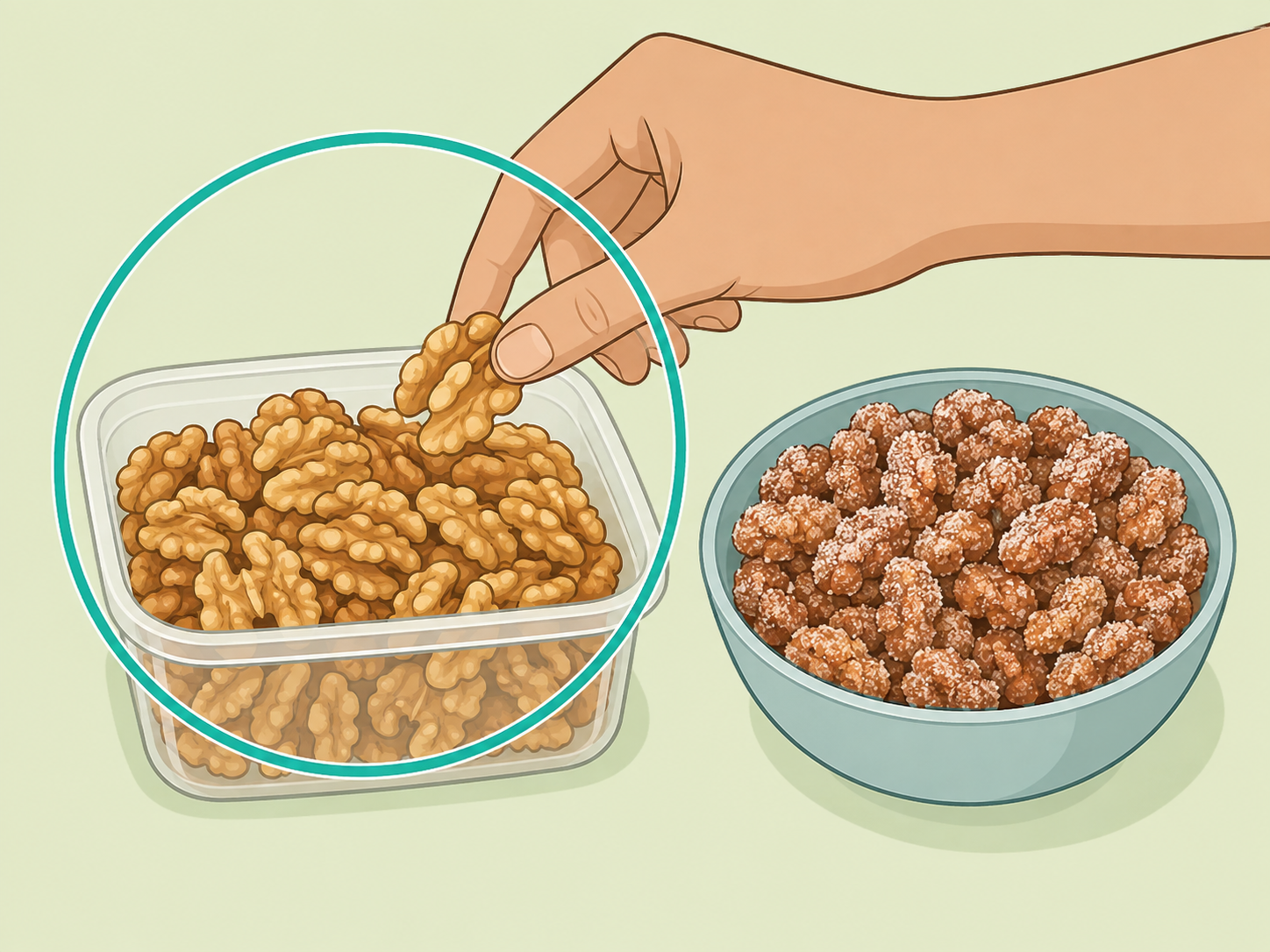
Pick raw, unsalted, or dry-roasted walnuts to keep the focus on the nut itself. The American Heart Association recommends a small handful of unsalted nuts and seeds as a source of good fats, energy, protein, and fiber. Limit candied, salted, or chocolate-covered walnuts to occasional treats.
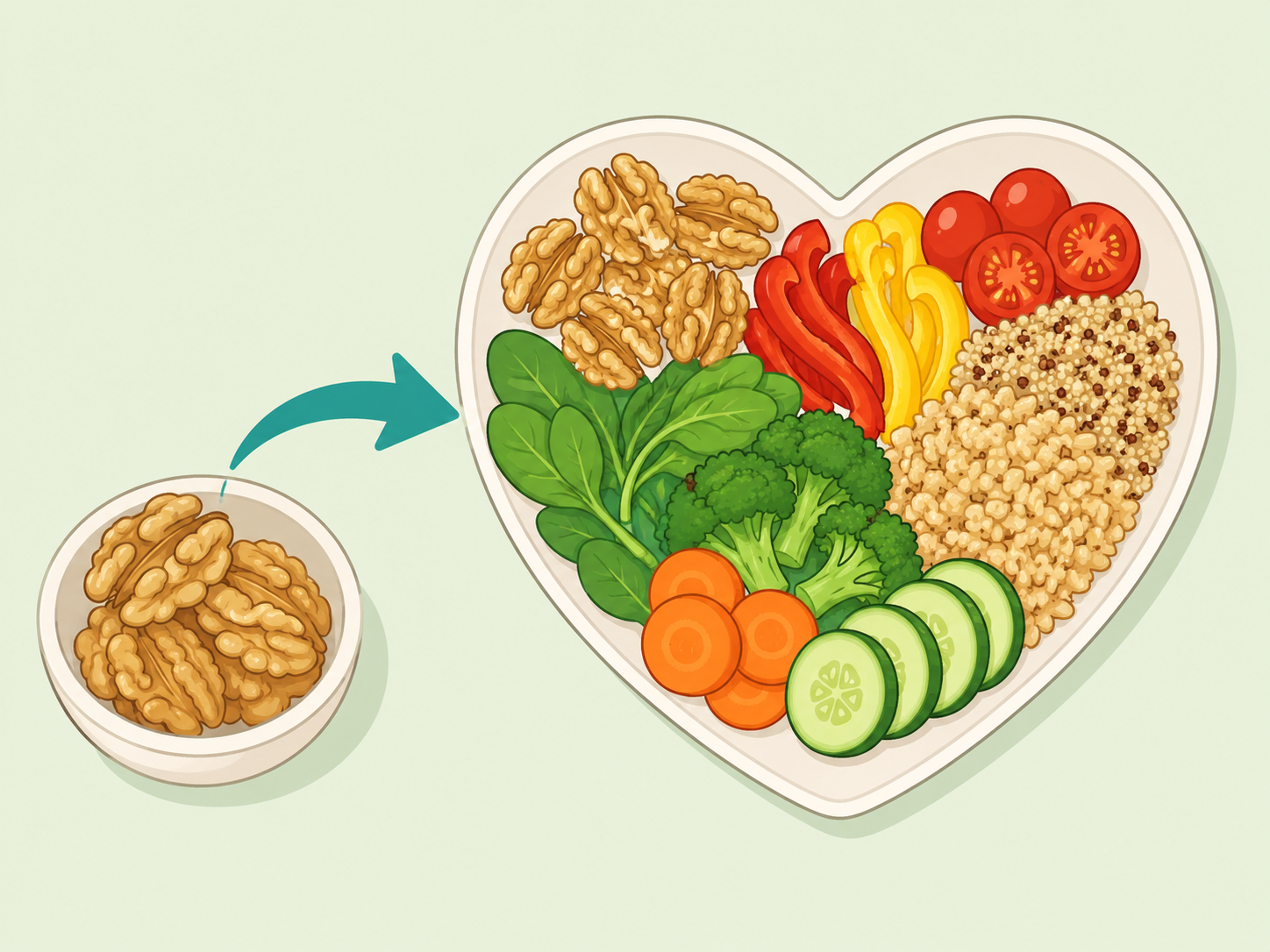
Treat the heart benefits as the strongest evidence
The best-supported walnut research is about blood fats and heart health. A Harvard Health summary of walnut studies reports modest improvements in LDL cholesterol and other blood lipid markers, and Cleveland Clinic describes similar evidence. Think of walnuts as one useful part of a heart-healthy pattern, not as a stand-alone fix.
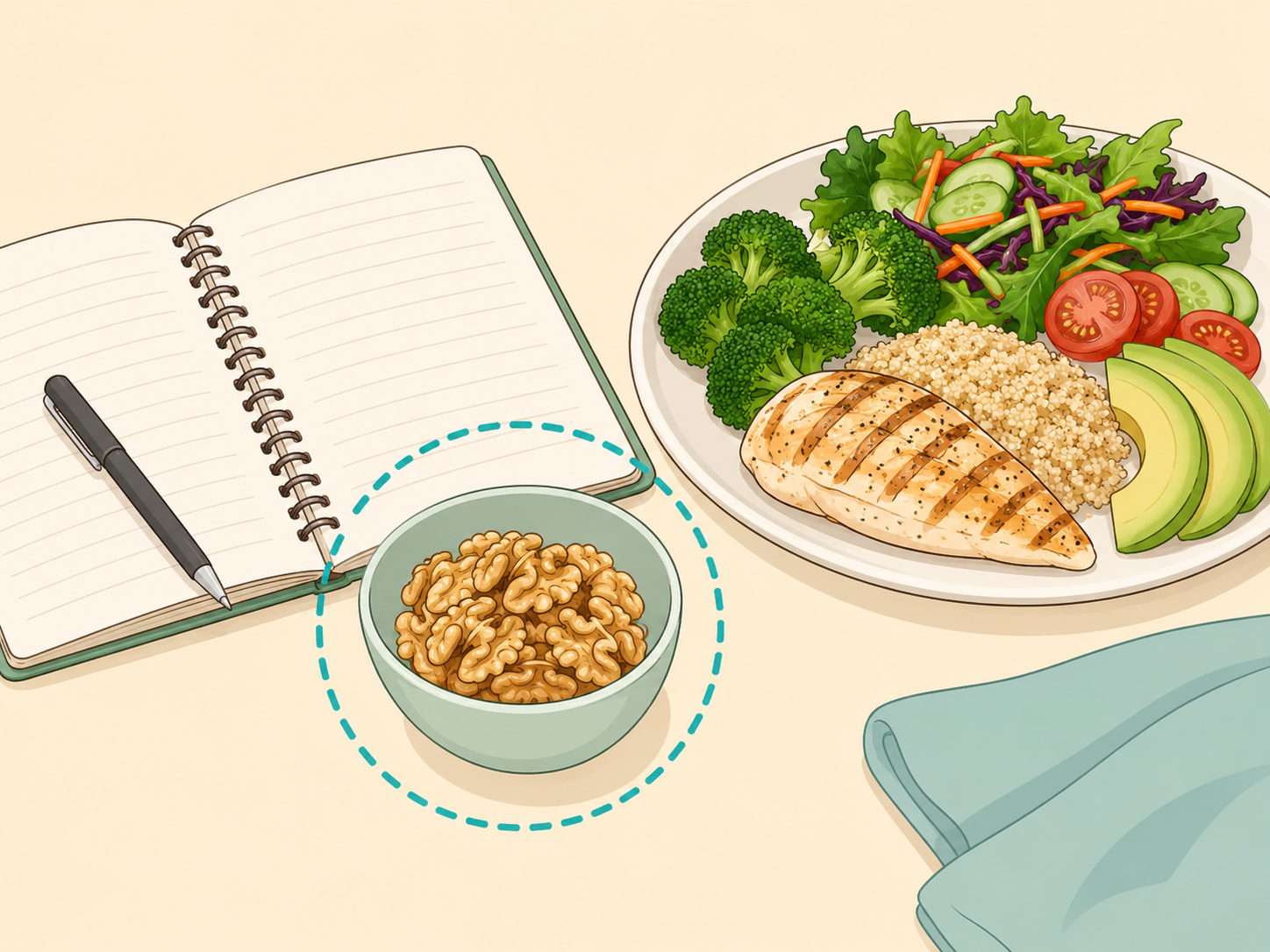
Count walnuts as a healthy fat, not a low-calorie food
Walnuts are nutrient-dense, but they are also calorie-dense. Cleveland Clinic notes that one serving has about 18 grams of fat, mostly unsaturated fat, plus fiber and protein, so the portion matters. If weight management is one of your goals, keep walnuts measured and use them in place of another calorie source.
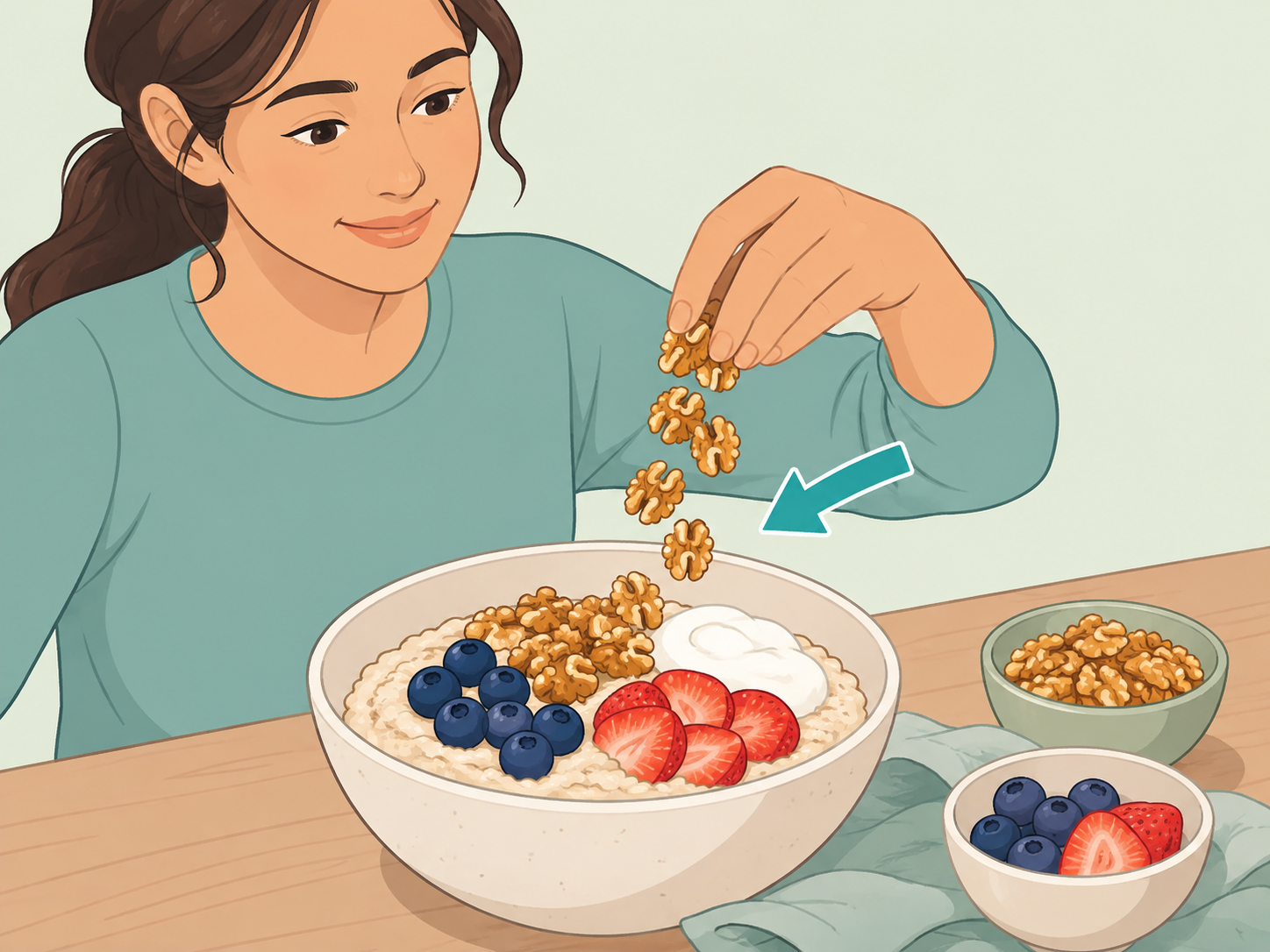
Include them in balanced meals for omega-3 ALA
Walnuts provide alpha-linolenic acid, or ALA, a plant form of omega-3 fat; NIH NCCIH explains that ALA is found in walnuts and some plant oils and seeds. Use walnuts on oatmeal, yogurt, salads, roasted vegetables, or whole-grain dishes to make the portion satisfying. Keep eating a variety of foods, since seafood provides different omega-3 fats, EPA and DHA.
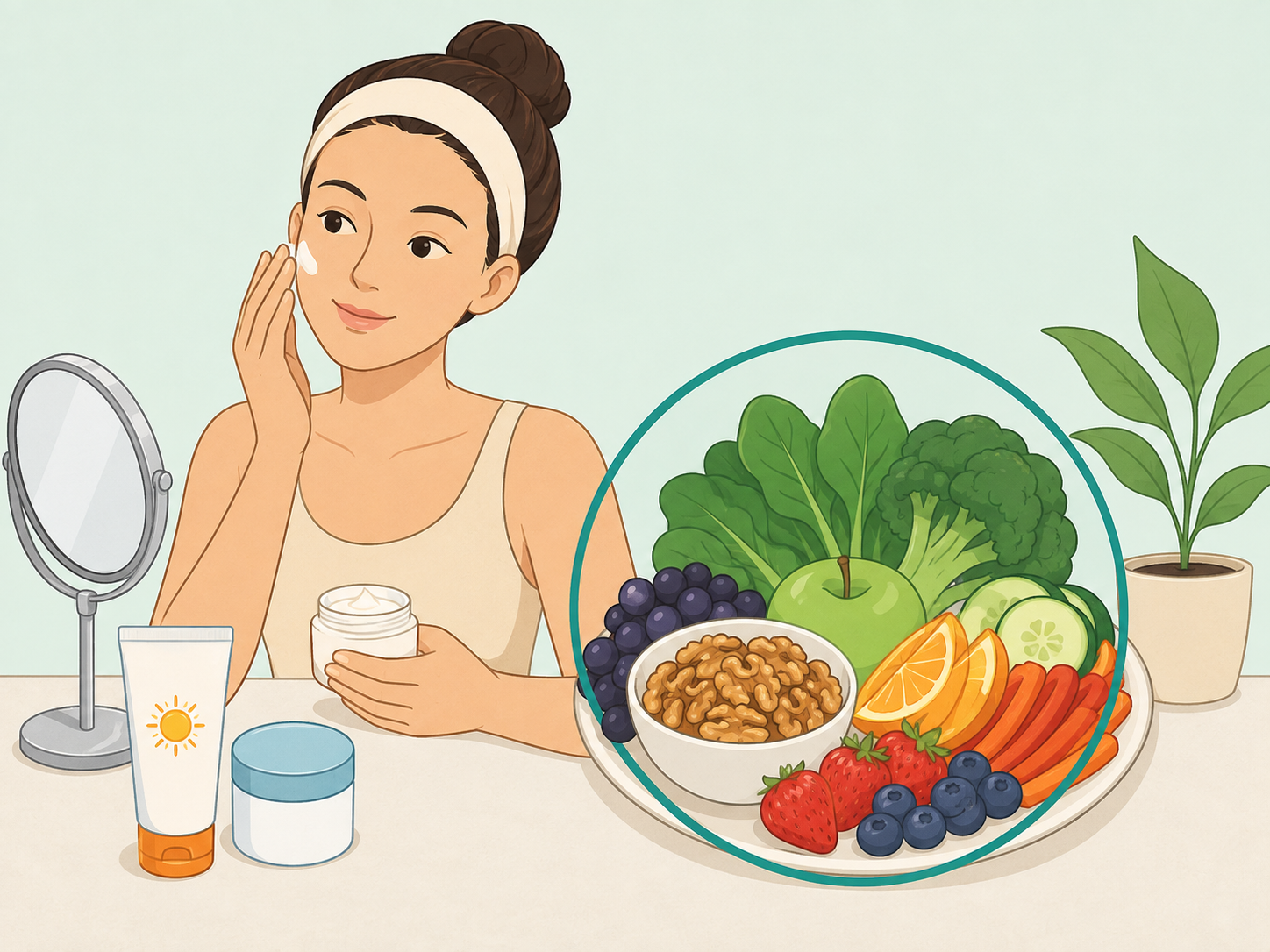
Be realistic about beauty and skin claims
Walnuts can support overall nutrition, but they do not directly erase wrinkles, clear acne, or replace skin care. The American Academy of Dermatology says healthy adults should generally get skin-supporting nutrients from a balanced diet and discuss supplements with a doctor when needed. For skin health, pair good nutrition with sunscreen, gentle skin care, and medical care for persistent problems.
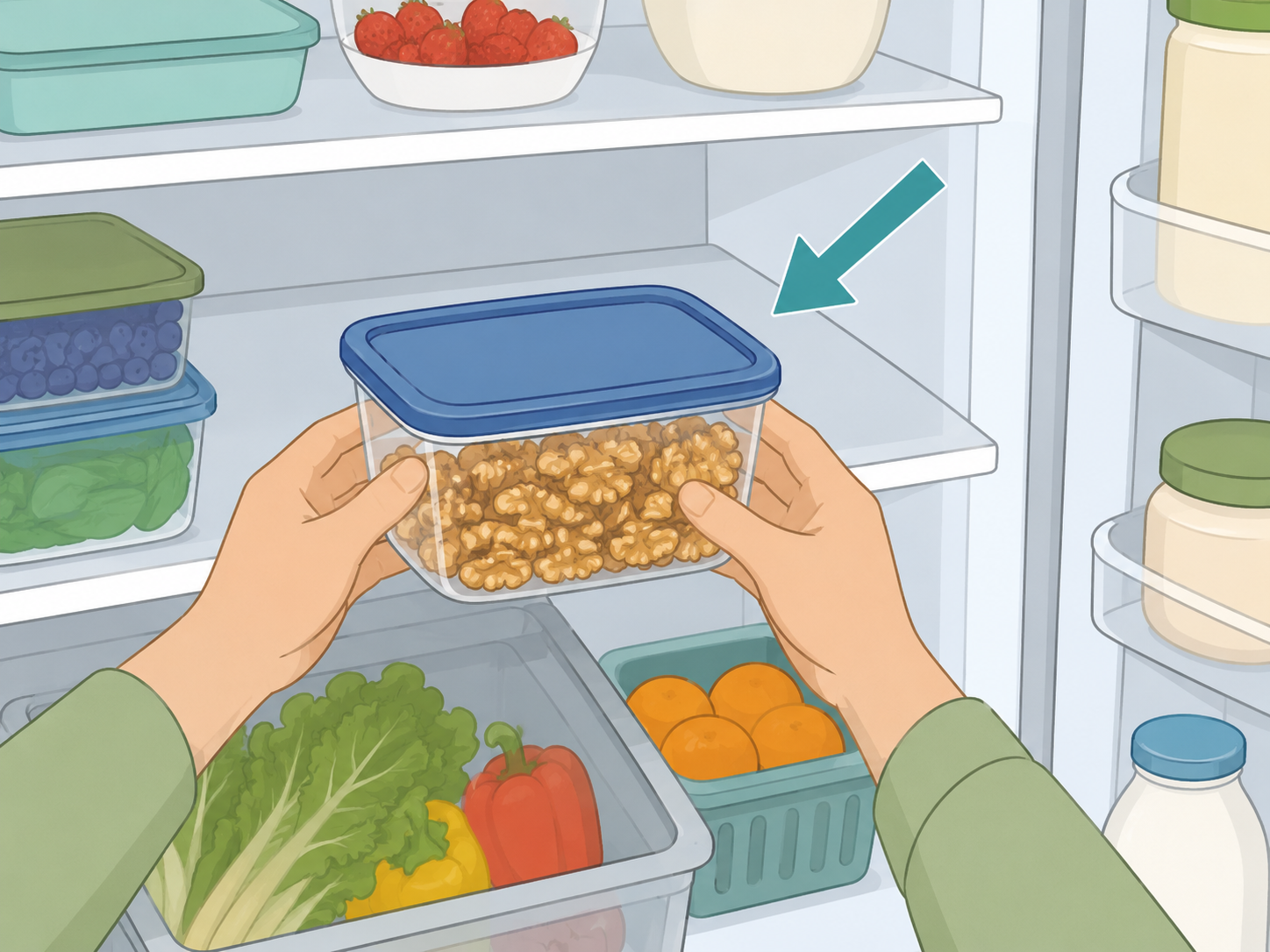
Store walnuts cold and check for spoilage
Walnuts can turn rancid because of their fat content, so store opened packages in the refrigerator or freezer. The American Heart Association advises refrigerating nuts and checking for an unpleasant smell or bitter taste before using them. Discard walnuts that smell paint-like, sour, or stale.
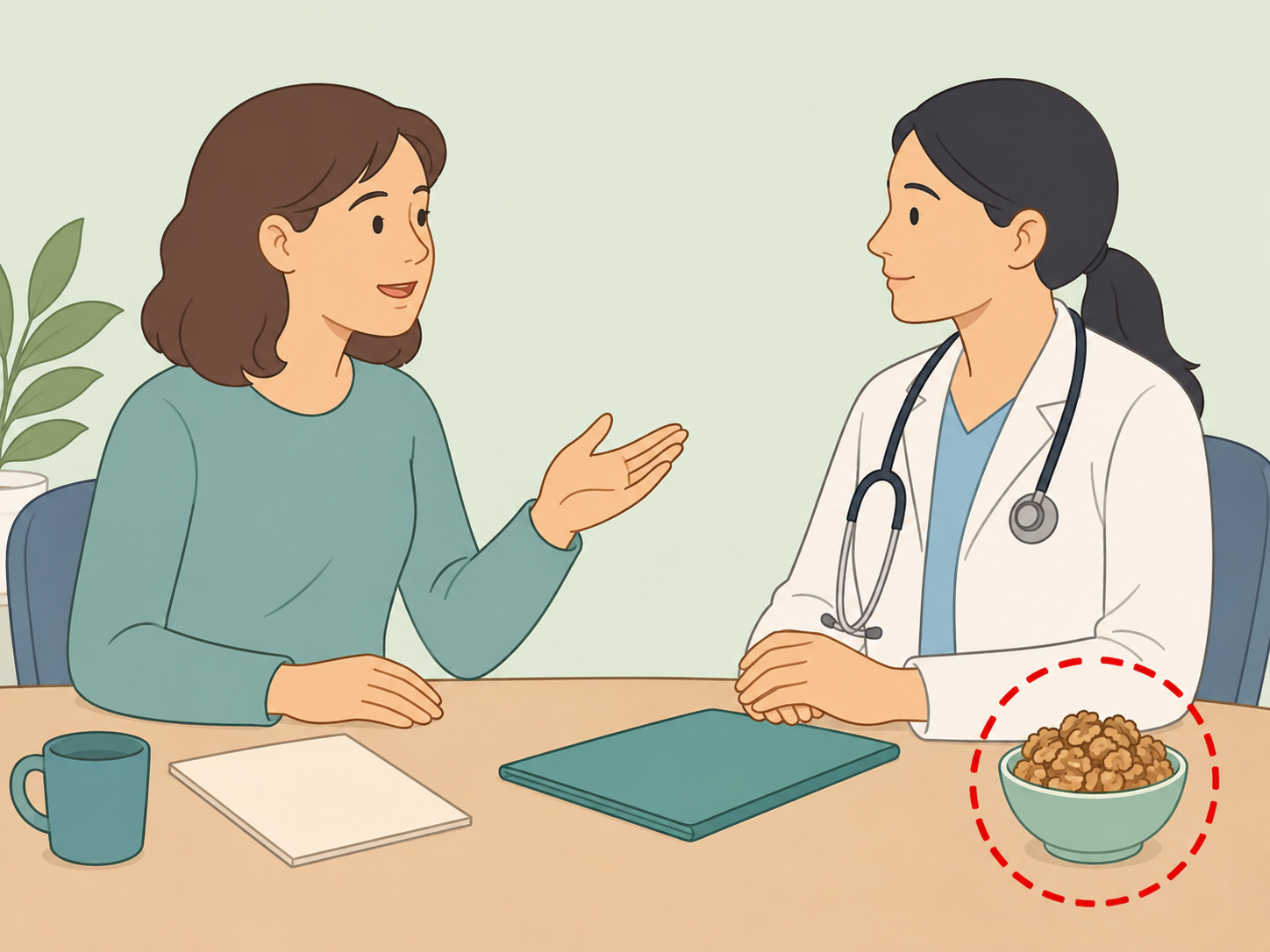
Talk to a doctor when allergies or health conditions apply
If you have high cholesterol, diabetes, heart disease, kidney disease, or take cholesterol-lowering medicine, ask a clinician how walnuts fit your plan instead of changing treatment on your own. MedlinePlus explains that high cholesterol care can involve diet, activity, weight management, and medicine depending on the person. If walnuts cause hives, vomiting, swelling, trouble breathing, chest tightness, or faintness, follow Cleveland Clinic allergy guidance and seek urgent help for severe symptoms.
Summary
The bottom line: walnuts are a nutrient-dense food, not a treatment. A small unsalted handful can support a heart-healthy eating pattern when it replaces less nutritious foods and fits your calorie needs.
Frequently Asked Questions
- How many walnuts should I eat a day?
For most adults, a practical portion is about 1 ounce, or roughly 12 to 14 walnut halves. Your right amount may be smaller or larger depending on your calorie needs, medical history, and overall diet.
- Can walnuts lower cholesterol?
Walnuts may help modestly improve blood lipids when included in a healthy eating pattern. Research summarized by Harvard Health and Cleveland Clinic links walnut-enriched diets with lower total cholesterol, LDL cholesterol, and triglycerides, but walnuts are not a replacement for prescribed cholesterol treatment.
- Are walnuts good for skin and hair?
Walnuts provide nutrients found in healthy eating patterns, including unsaturated fat and some omega-3 ALA. The American Academy of Dermatology advises healthy adults to meet skin, hair, and nail nutrient needs mainly through a balanced diet rather than relying on beauty supplements.
- Is it better to eat walnuts raw or roasted?
Raw, dry-roasted, and lightly toasted walnuts can all fit a healthy diet. Choose unsalted versions most often, and avoid candy-coated walnuts or products with a lot of added sugar or sodium.
- What is the best time to eat walnuts?
There is no required time. Use walnuts where they help you eat consistently, such as on oatmeal, in yogurt, over salads, or as a measured snack between meals.
- Who should avoid walnuts?
People with a walnut or tree nut allergy should avoid walnuts unless a qualified clinician says otherwise. Anyone with severe allergy symptoms such as throat swelling, trouble breathing, chest tightness, or faintness should seek emergency care.
References
Reliable references aided in composing and refining this content.
- https://health.clevelandclinic.org/health-benefits-of-walnuts
- https://www.heart.org/en/healthy-living/healthy-eating/eat-smart/fats/go-nuts-but-just-a-little
- https://www.heart.org/en/healthy-living/healthy-eating/eat-smart/nutrition-basics/suggested-servings-from-each-food-group
- https://www.health.harvard.edu/blog/walnuts-a-worthy-addition-to-your-daily-diet-202111172640
- https://www.nccih.nih.gov/health/omega3-supplements-what-you-need-to-know
- https://medlineplus.gov/howtolowercholesterolwithdiet.html
- https://my.clevelandclinic.org/health/diseases/tree-nut-allergy
- https://www.aad.org/public/everyday-care/skin-care-secrets/routine/supplements-for-your-skin