
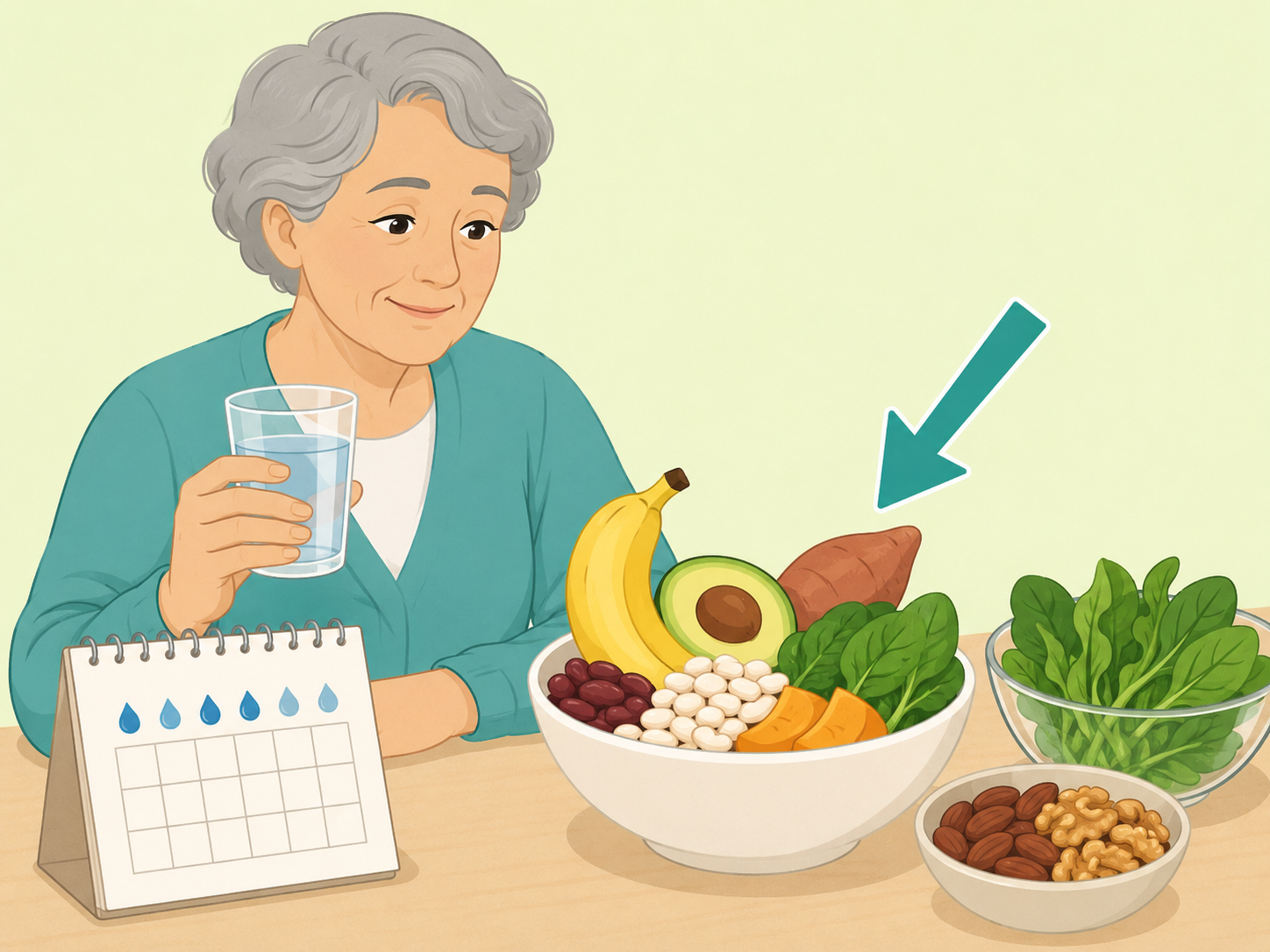
 Pin it
Claims about adding one mineral to water for perfect circulation can sound simple, but circulation and hydration are more complicated than that. Older adults do need enough fluids, and minerals such as potassium and magnesium matter for normal body function. This guide explains how to hydrate safely, when electrolytes may help, and when to get medical advice.
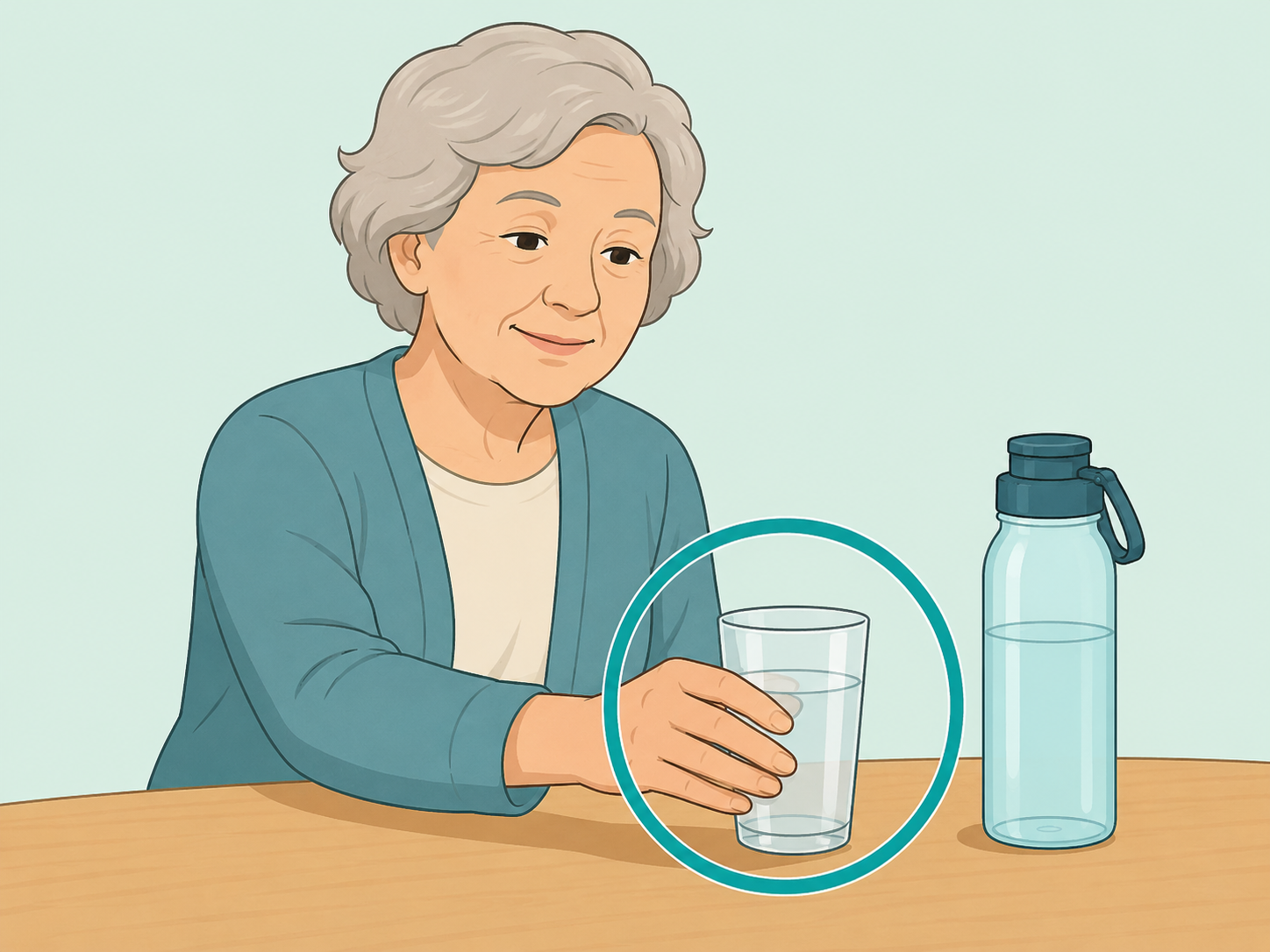
Use water as your main everyday drink
Plain water still counts and is usually the safest starting point for daily hydration. The CDC says water helps prevent dehydration and supports normal body functions, while MedlinePlus notes that some older adults lose their sense of thirst. Keep water visible and sip steadily instead of waiting until you feel very thirsty.
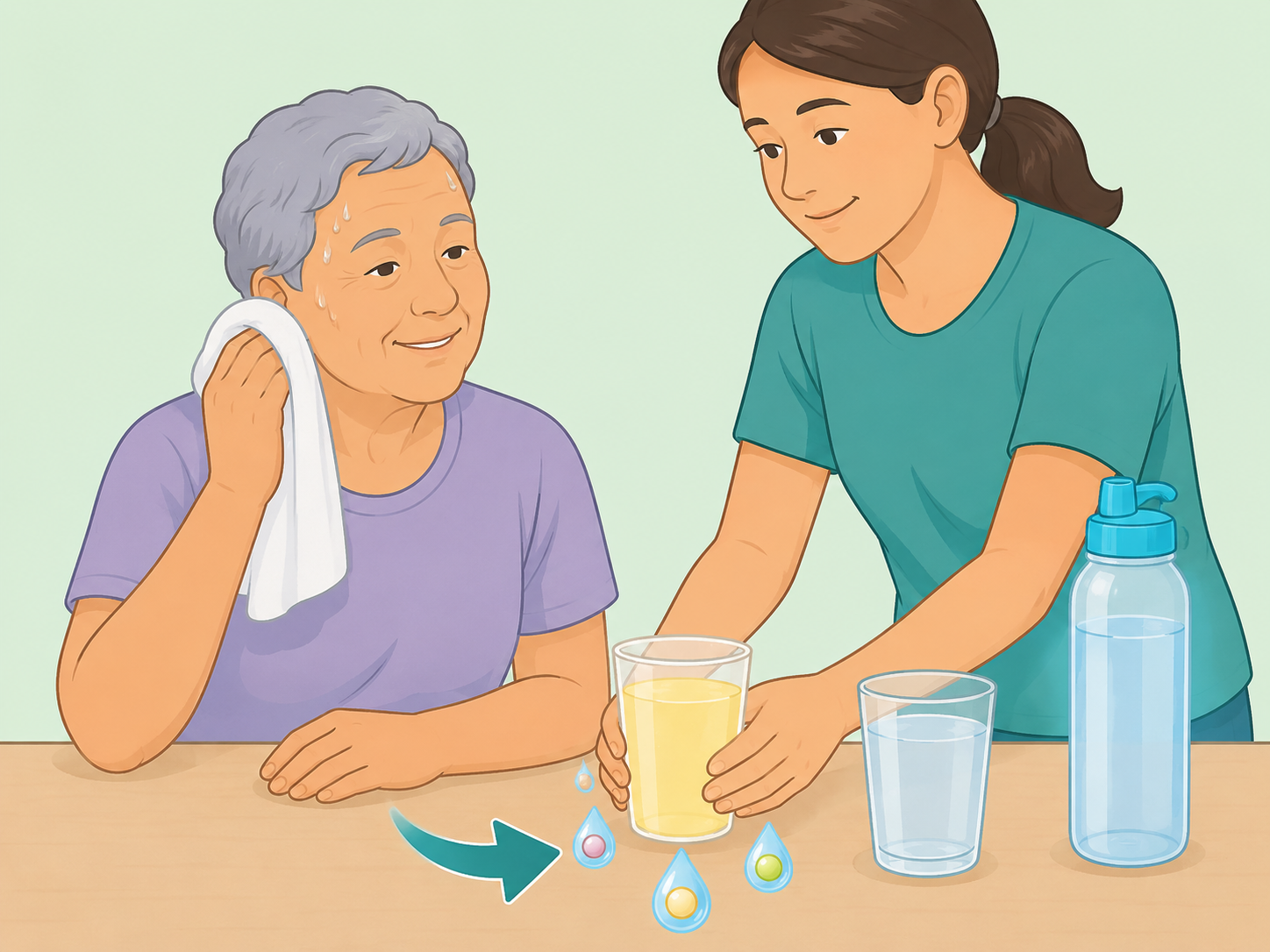
Recognize when electrolytes matter
Electrolytes are minerals, including sodium and potassium, that help the body manage fluid balance. MedlinePlus explains that dehydration treatment may involve replacing both fluids and electrolytes, especially when minerals are lost through sweating, vomiting, diarrhea, or fever. On ordinary days, you may not need anything added to water.
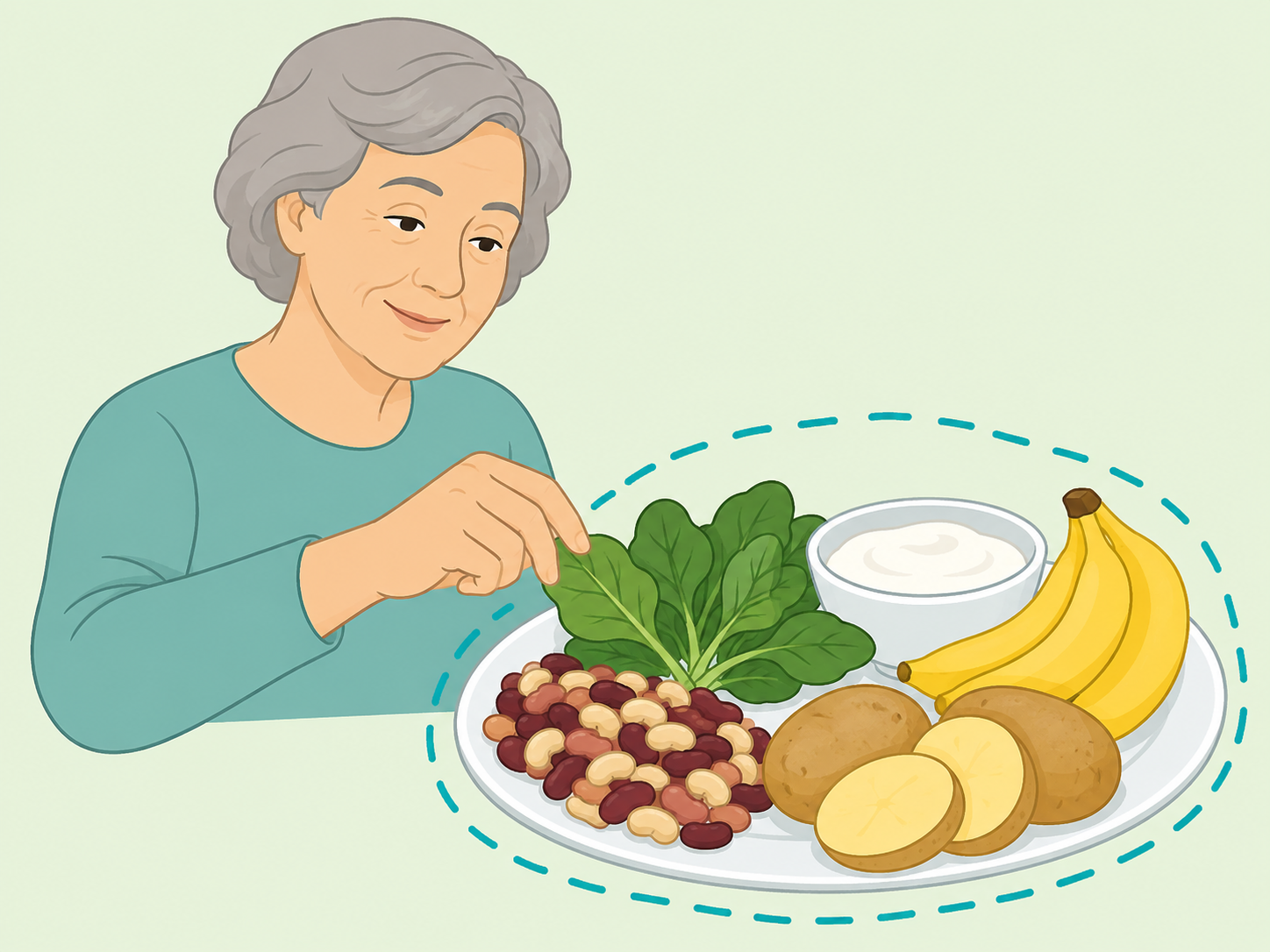
Choose potassium from foods first
Potassium is often the mineral people mean when they talk about circulation, but it is safest to think of it as part of a whole eating pattern. The American Heart Association says potassium-rich foods can help control blood pressure by countering sodium and relaxing blood vessel walls. Try foods such as potatoes, beans, leafy greens, yogurt, bananas, tomatoes, and fish instead of mixing powders into drinks.
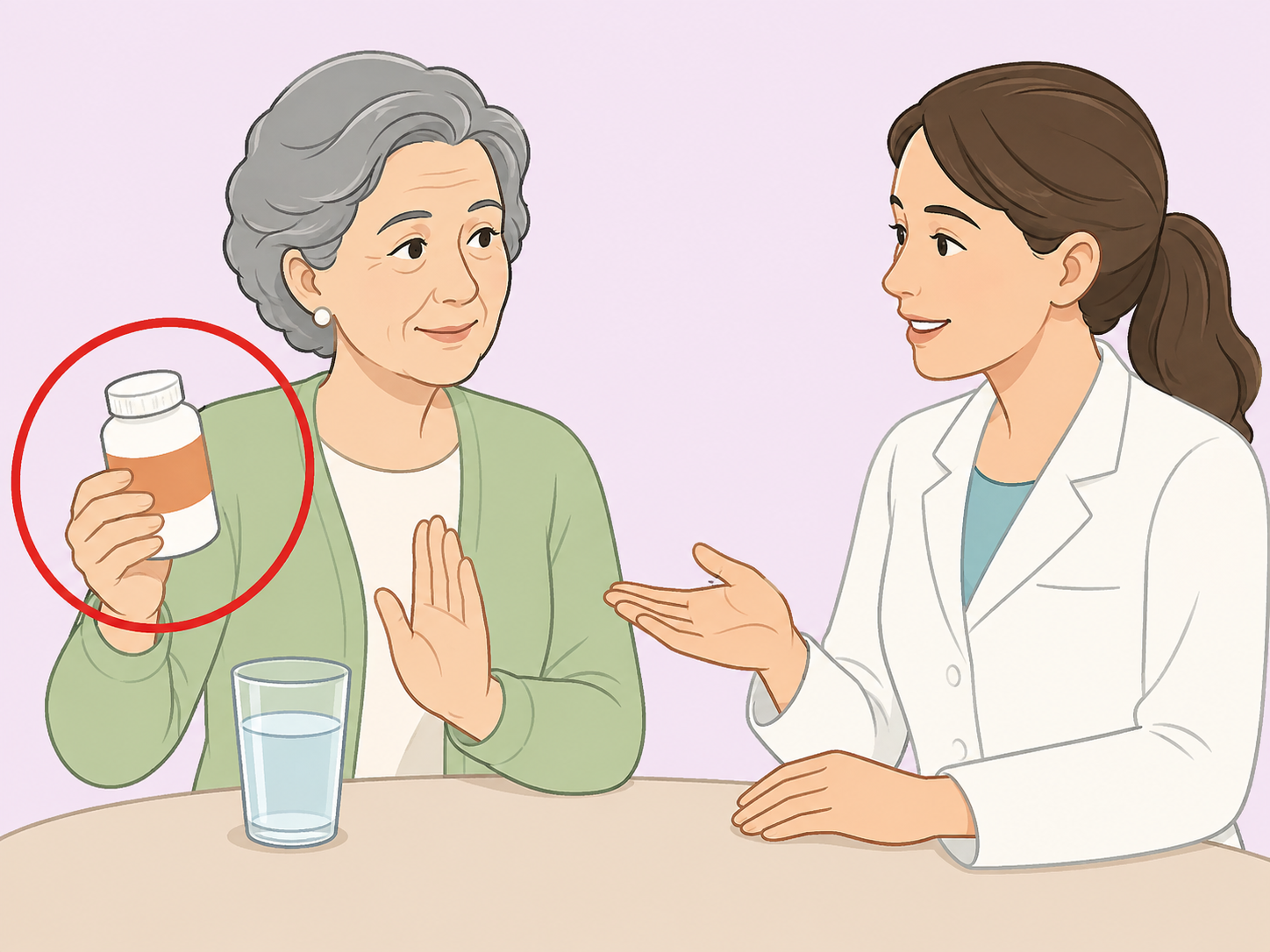
Avoid potassium powders unless your doctor approves
Do not add potassium chloride, potassium drops, or salt substitutes to water just because a social post recommends it. The NIH warns that potassium guidance may not apply to people with kidney problems or medicines that impair potassium excretion. This is especially important after 65, when kidney function and medication use are more likely to affect potassium levels.
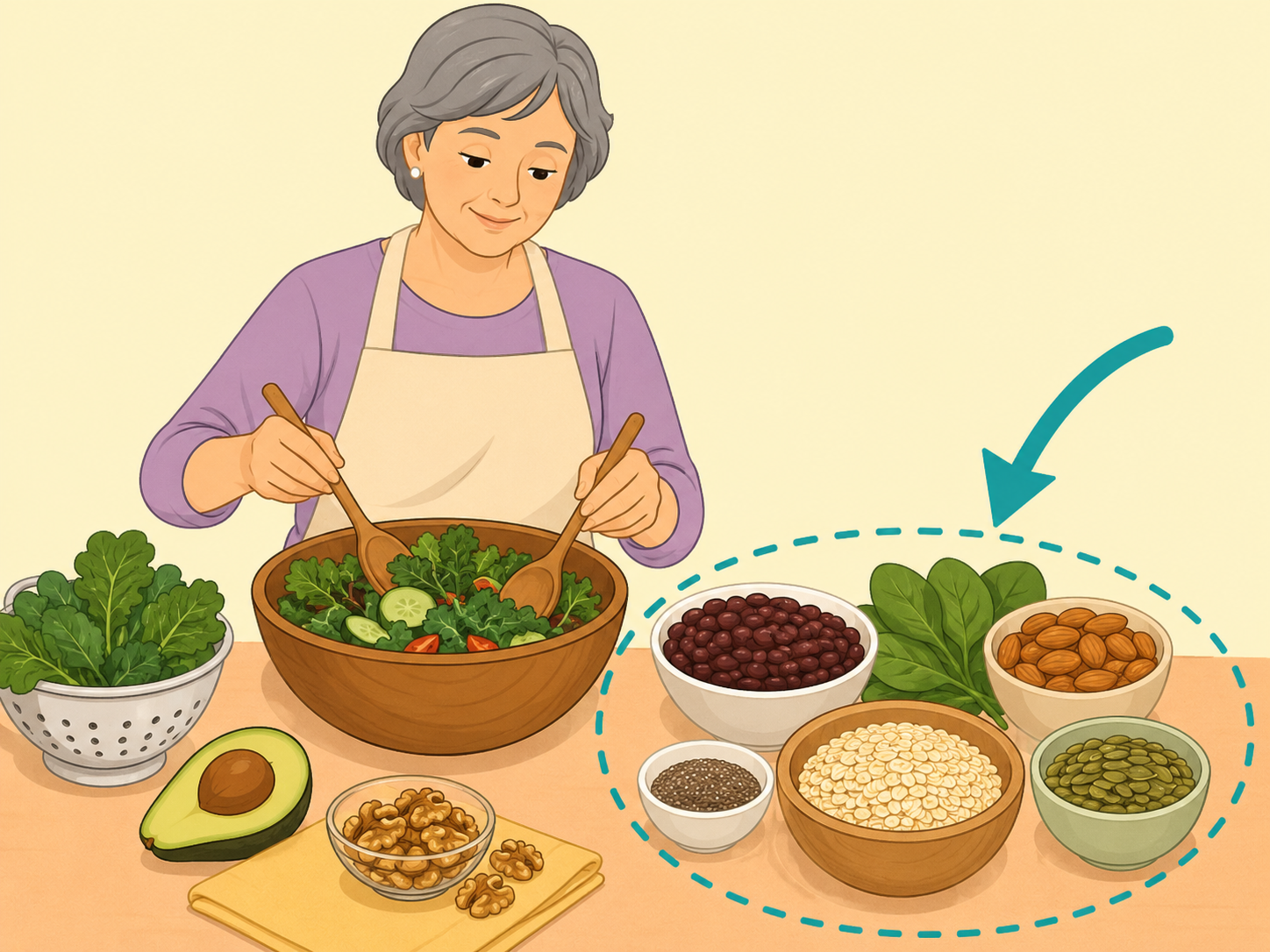
Get magnesium from balanced meals
Magnesium helps with muscle and nerve function, blood pressure regulation, and normal heart rhythm, according to the NIH magnesium fact sheet. Good food sources include green leafy vegetables, legumes, nuts, seeds, and whole grains. Mineral water can contain magnesium, but the amount varies by source and brand, so it should not replace a balanced diet.
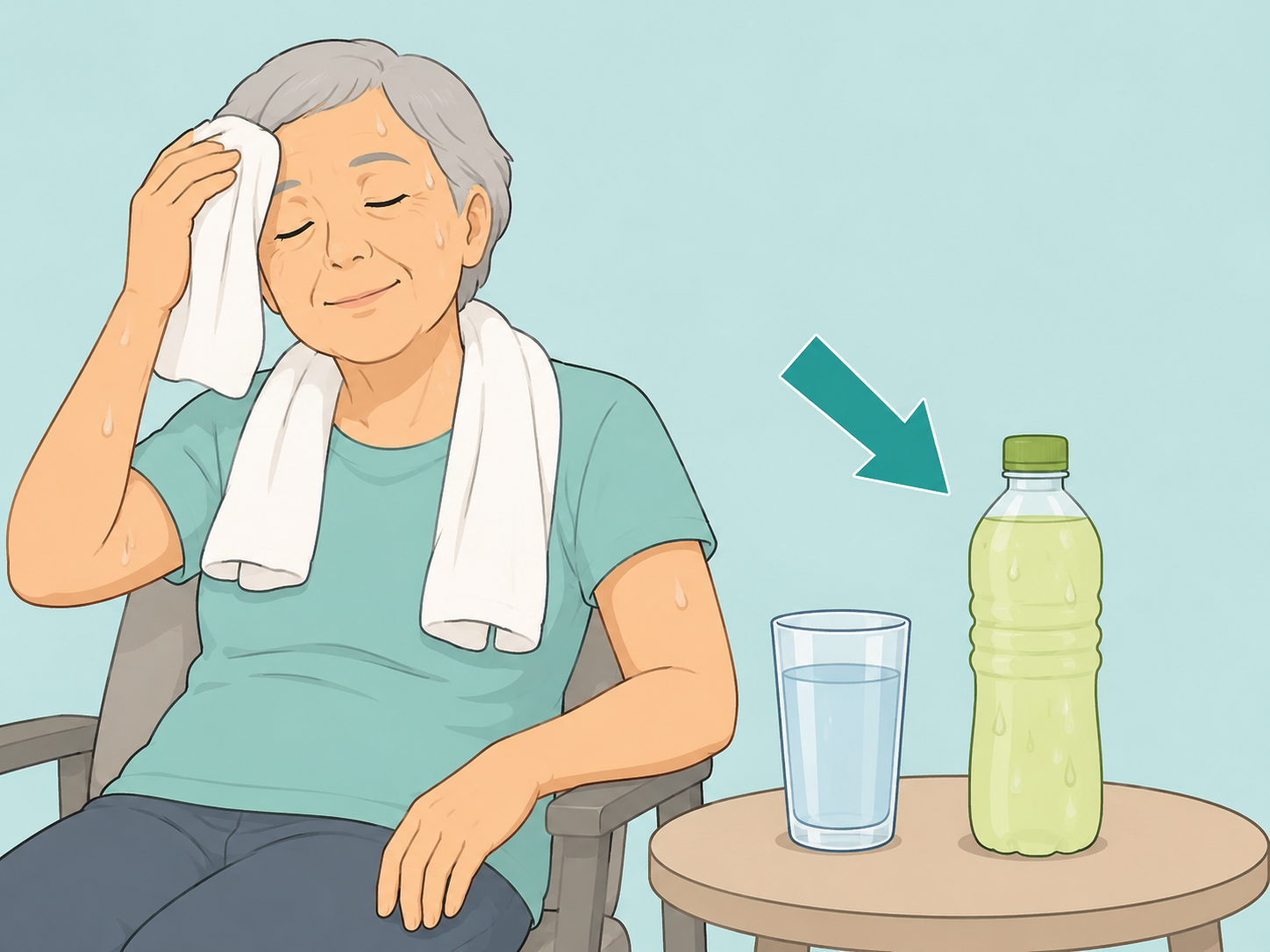
Use electrolyte drinks only during higher fluid loss
Consider an oral rehydration drink or low-sugar electrolyte drink when you are sweating heavily, sick with vomiting or diarrhea, or spending time in hot weather. MedlinePlus recommends extra fluids in hot weather and illness, but also notes that some sports drinks contain a lot of sugar. If your doctor limits your fluids, follow that plan and ask what to do during heat or illness.
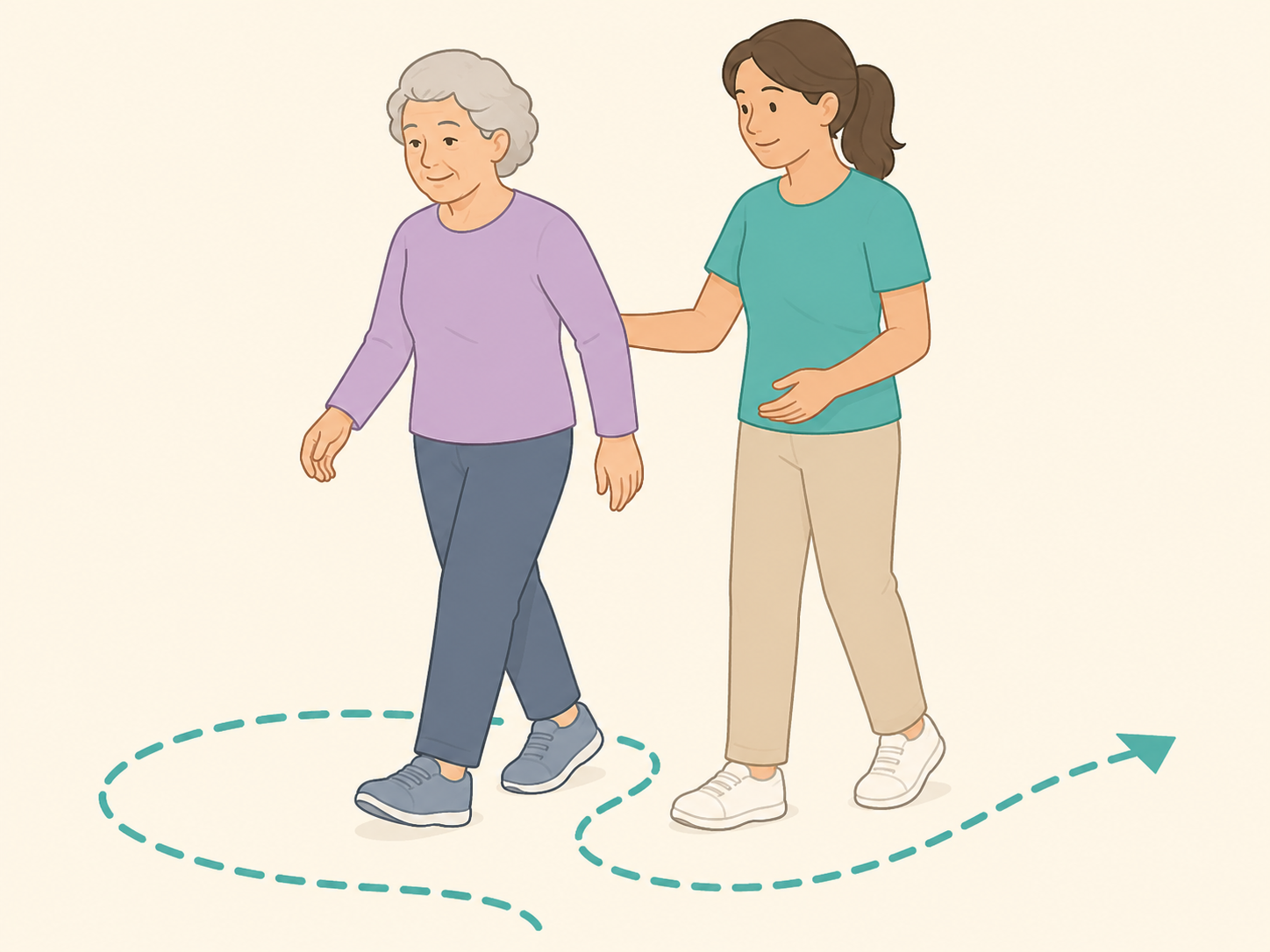
Keep your circulation moving safely
Hydration helps, but movement is one of the most reliable daily habits for circulation and heart health. The CDC recommends that adults 65 and older include aerobic activity, muscle-strengthening activity, and balance work each week. If you have been inactive, start with short walks or chair exercises and increase gradually.
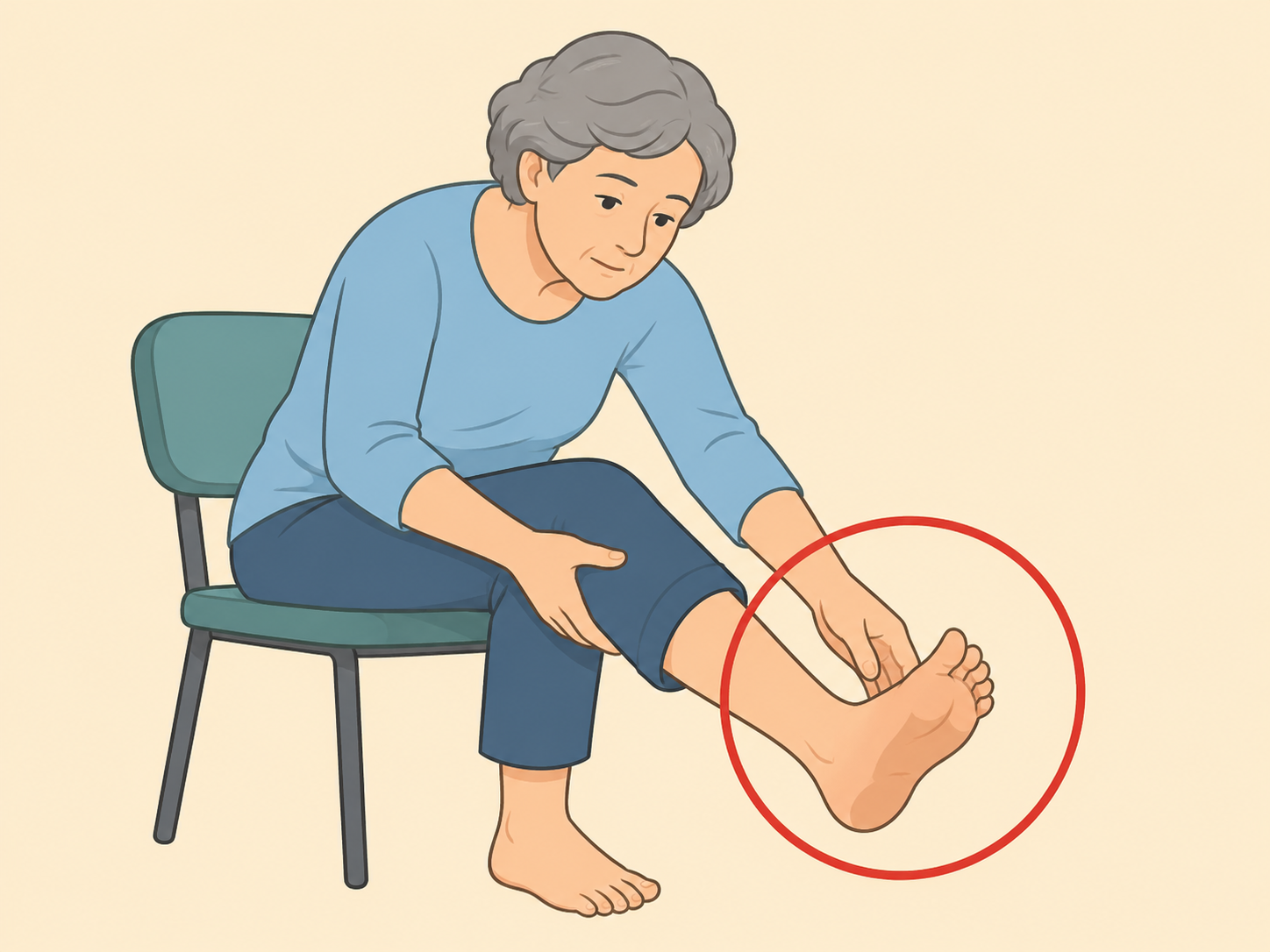
Watch your legs and feet for circulation warning signs
Poor circulation symptoms deserve medical attention instead of home remedies. Mayo Clinic lists peripheral artery disease signs such as leg pain when walking, coldness in one lower leg or foot, numbness, weak pulses, shiny skin, color changes, and sores that do not heal. Make an appointment if you notice these signs, especially if they are new or worsening.

Ask a clinician before changing fluids or supplements
Talk with a doctor, pharmacist, or registered dietitian before making mineral drinks a daily habit. This is especially important if you take diuretics, blood pressure medicine, heart medicine, laxatives, or proton pump inhibitors, or if you have kidney, heart, or diabetes-related concerns. A clinician can review your medicines and decide whether blood tests for electrolytes or kidney function are needed.
Summary
The bottom line: drink enough fluids, get minerals mostly from balanced meals, and be careful with potassium powders, salt substitutes, and supplements after 65. Healthy circulation also depends on movement, heart health, and prompt care for warning signs.
Frequently Asked Questions
- What mineral should seniors add to water for circulation?
- There is no single mineral that creates perfect circulation. Potassium and magnesium are important nutrients, but older adults should usually get them from food and should ask a health professional before using supplements or potassium salt substitutes.
- Is potassium good for blood circulation?
- Potassium can support healthy blood pressure as part of an overall heart-healthy eating pattern. Too much potassium can be dangerous for people with kidney disease or certain medications, so do not add potassium powder or potassium salt substitute to water unless your clinician says it is safe.
- Are electrolyte drinks better than plain water for seniors?
- For everyday sipping, plain water is often enough. Electrolyte drinks may be useful after heavy sweating, vomiting, diarrhea, or heat exposure, but many products contain sugar or minerals that may not fit every medical condition.
- Can magnesium improve circulation?
- Magnesium supports normal muscle, nerve, and heart rhythm functions, but it is not a treatment for circulation problems. Choose magnesium-rich foods such as leafy greens, beans, nuts, seeds, and whole grains unless your doctor recommends otherwise.
- How much water should an older adult drink each day?
- Fluid needs vary by health conditions, medications, activity level, and weather. Ask your health professional for a personal target, especially if you have heart failure, kidney disease, swelling, or take water pills.
- When should a senior get medical help for dehydration or circulation symptoms?
- Seek urgent help for confusion, fainting, no urination, rapid heartbeat, rapid breathing, or symptoms that worsen. Make a medical appointment for leg pain while walking, coldness in one foot, numbness, weak pulses, or foot sores that do not heal.
References
Reliable references aided in composing and refining this content.
- https://www.cdc.gov/healthy-weight-growth/water-healthy-drinks/index.html
- https://medlineplus.gov/dehydration.html
- https://medlineplus.gov/nutritionforolderadults.html
- https://www.heart.org/en/healthy-living/healthy-eating/eat-smart/sodium/potassium
- https://ods.od.nih.gov/factsheets/potassium-healthprofessional
- https://ods.od.nih.gov/factsheets/magnesium-HealthProfessional
- https://www.cdc.gov/physical-activity-basics/guidelines/older-adults.html
- https://www.mayoclinic.org/diseases-conditions/peripheral-artery-disease/symptoms-causes/syc-20350557?p=1