
 Pin it
When several people suddenly stop contact after dating someone close to you, it is reasonable to feel uneasy. This guide explains how to respond calmly, protect other people from risk, and decide when to involve trusted support or authorities. It does not help you investigate a crime on your own or prove anyone guilty.
Treat the pattern as a safety concern
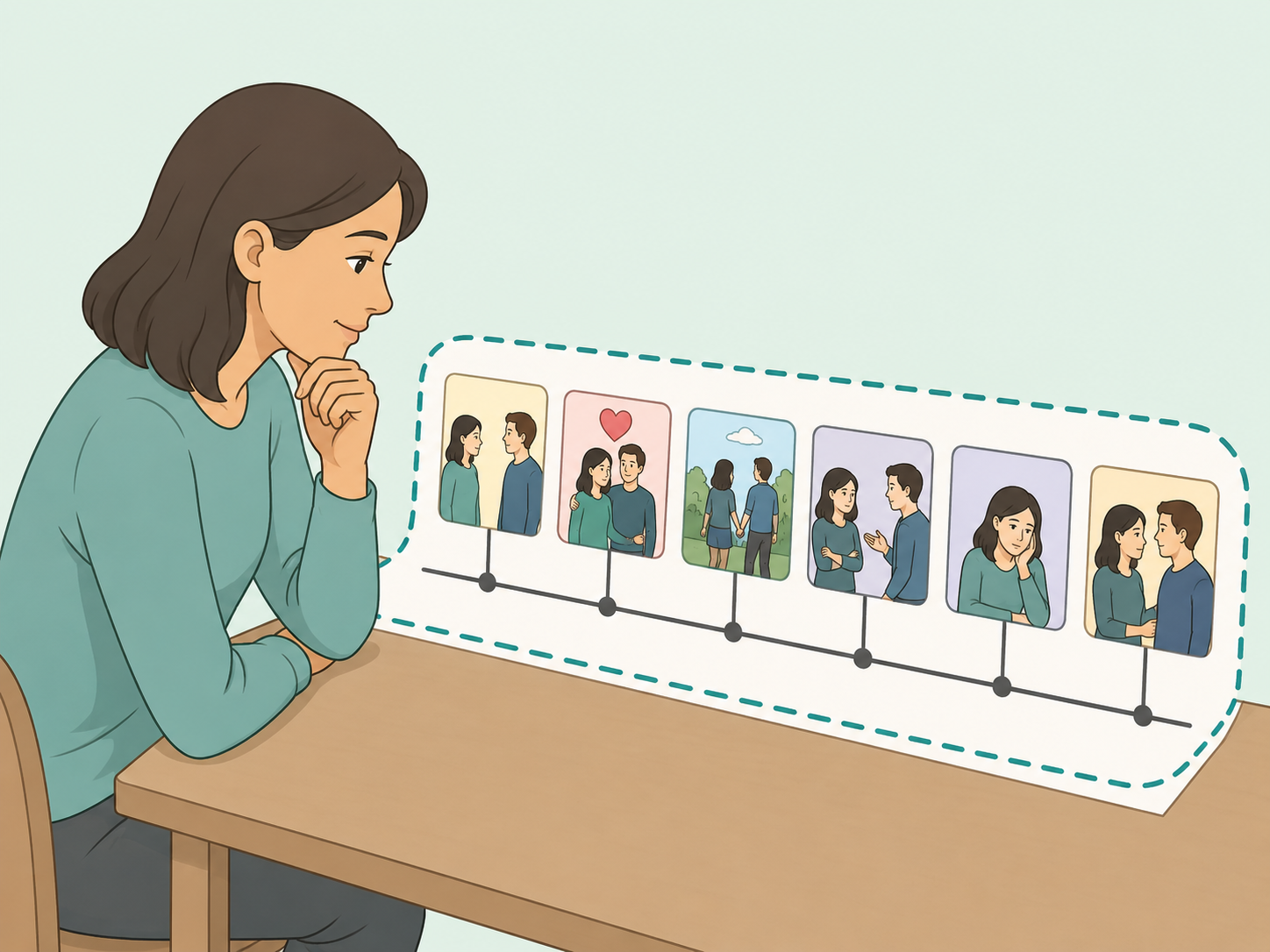
Notice the facts without jumping straight to a diagnosis or accusation. Intimate partner violence can include physical violence, sexual violence, stalking, and psychological aggression, according to the CDC's overview of intimate partner violence. A repeated pattern of people abruptly cutting contact deserves careful attention, especially if anyone seemed afraid, controlled, injured, or pressured.
Check for immediate danger first
If someone is missing, threatened, injured, or possibly being held against their will, do not wait to investigate on your own. USAGov advises calling 911 in an emergency and contacting the local law enforcement agency where the incident is happening. Give clear facts, not theories.
Do not send a friend to test him
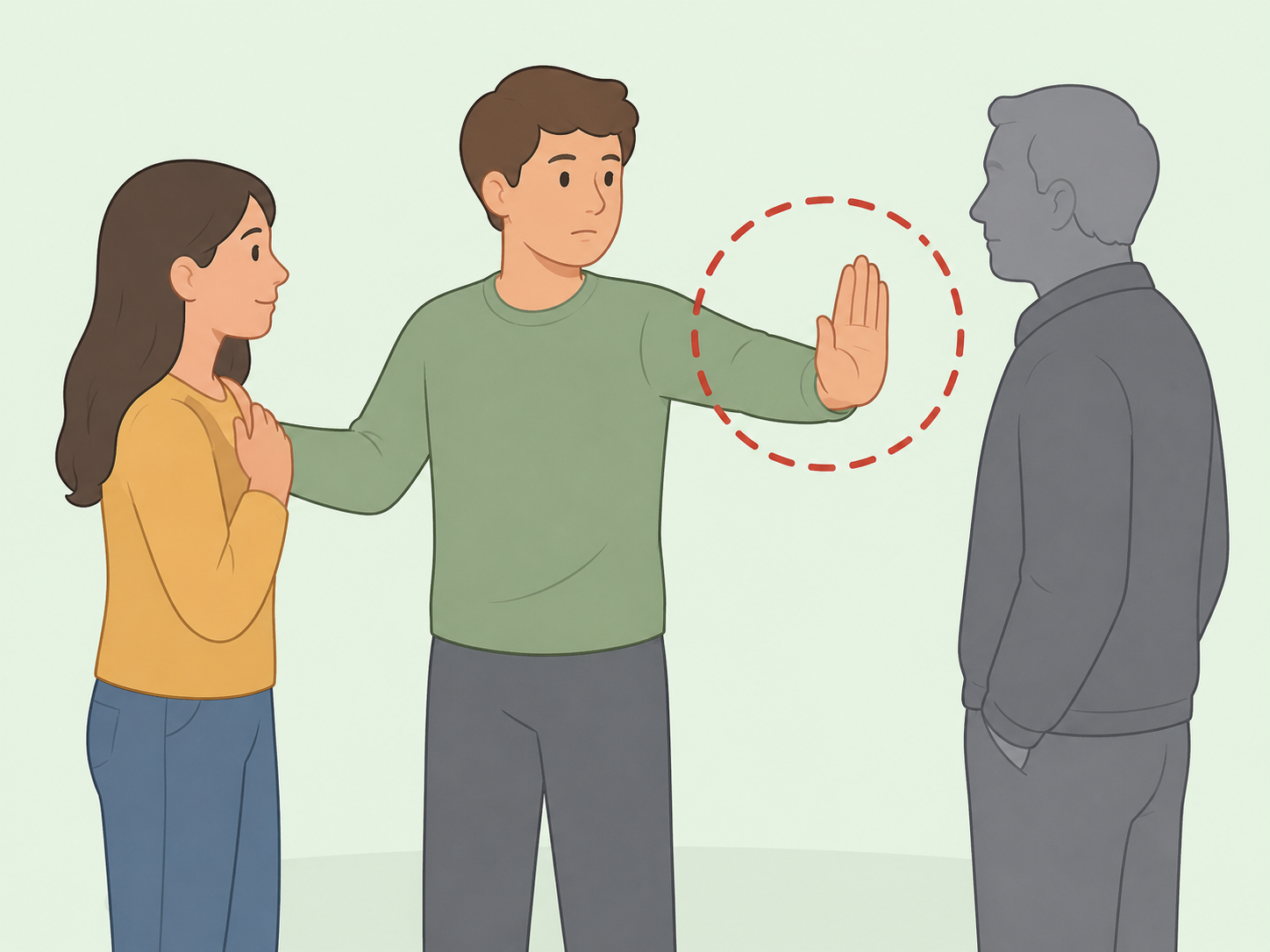
Using a friend as bait can expose them to harm and may interfere with any later report. MedlinePlus recommends prioritizing safety, talking to someone trusted, saving evidence, and making a safety plan when intimate partner violence is a concern, not creating a confrontation or trap. If you are worried enough to test the situation, you are worried enough to seek safer guidance first.
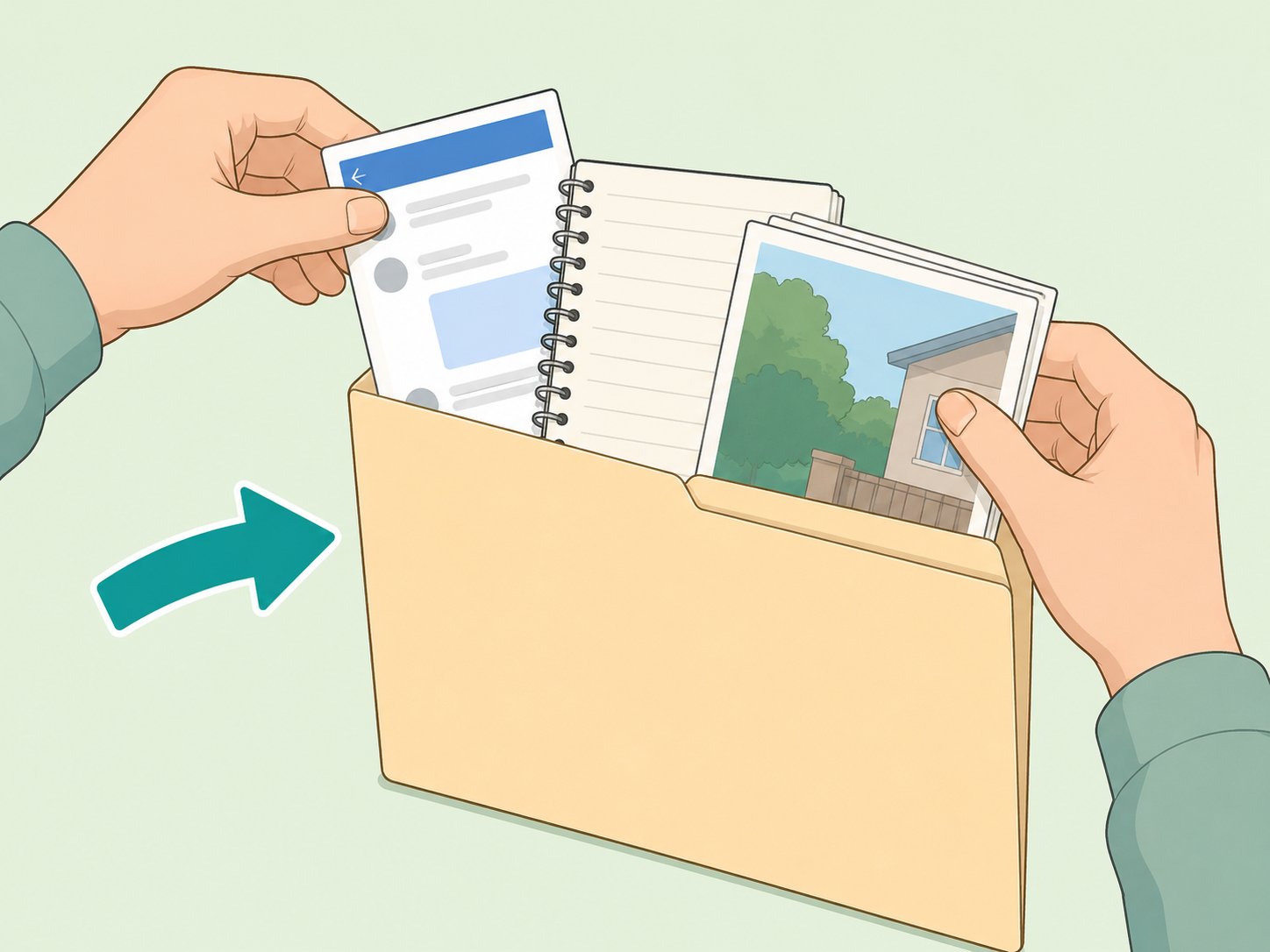
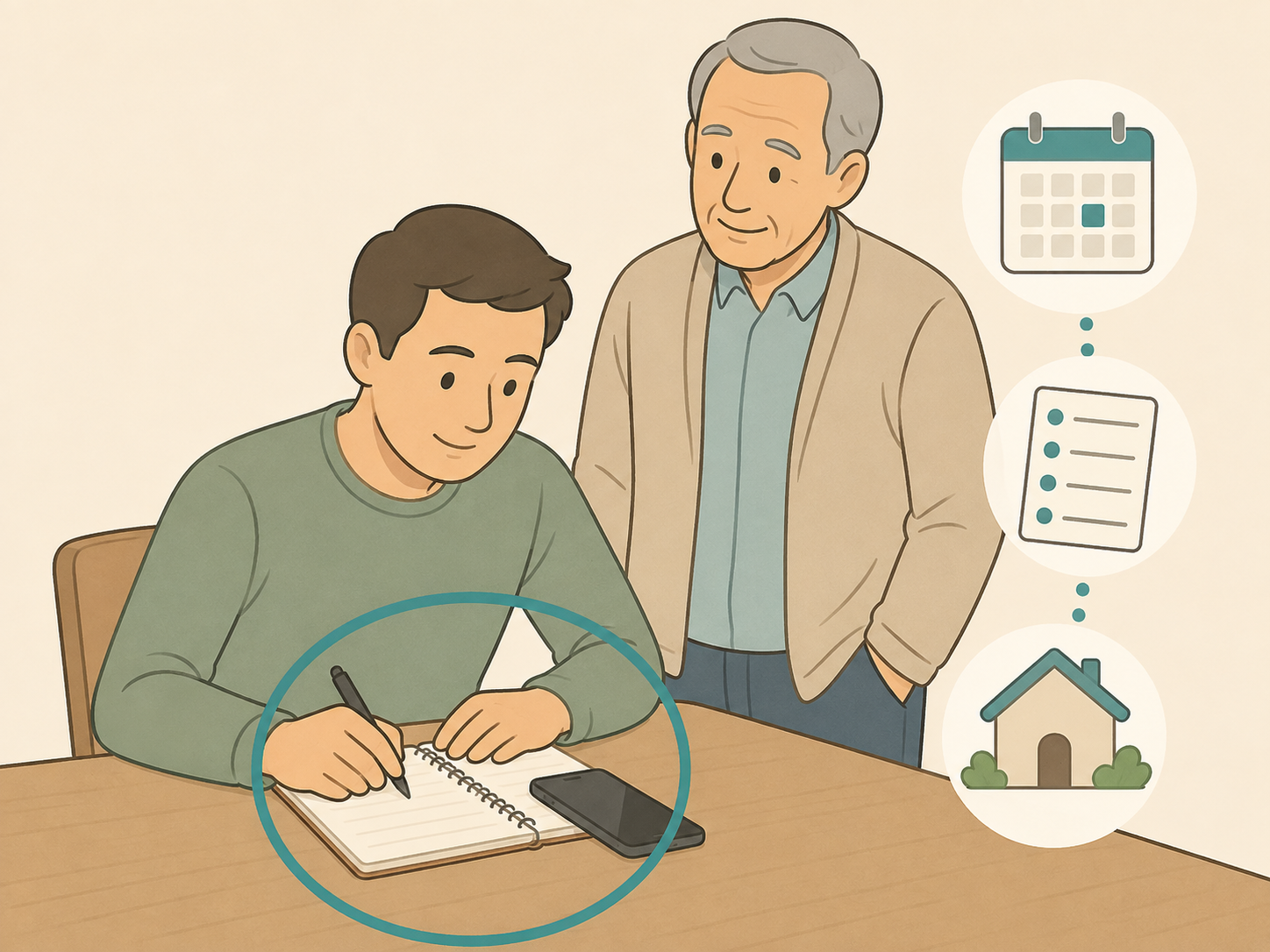
Write down only what you can verify
Create a dated timeline with names, last known contact, messages, concerning comments, and any witnesses. MedlinePlus advises keeping evidence of abuse, such as threatening texts or photos of injuries, in a place the suspected abuser cannot access. Keep speculation separate from facts so your notes are useful if you speak with authorities.
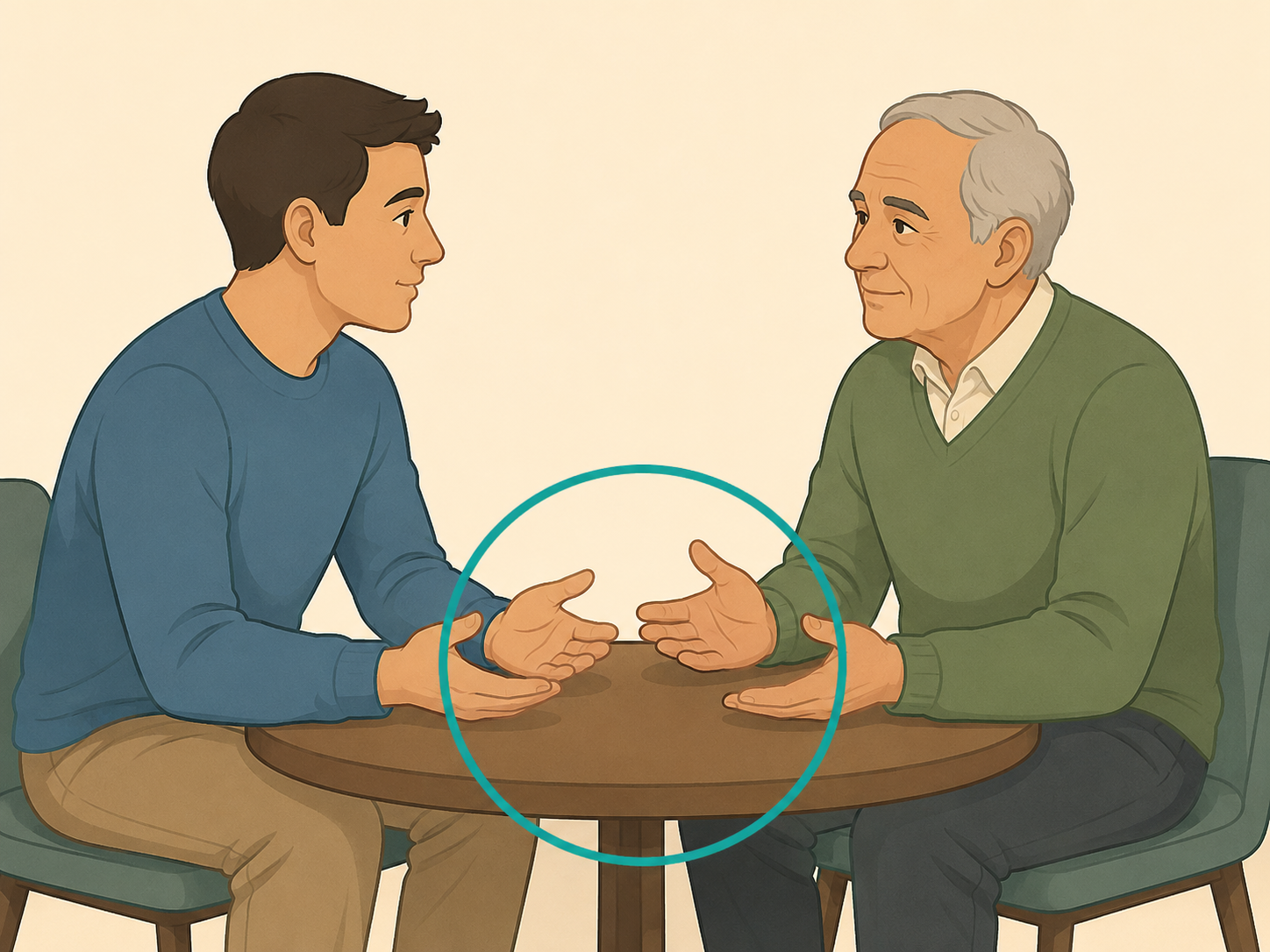
Talk with your father privately if it feels safe
Choose a calm time when no one else is present, and ask open questions about the relationships rather than accusing him. The CDC notes that older adults can be harmed by caregivers or trusted people, and preventing harm includes listening and checking in with older adults who may have limited support. If he reacts with threats, intimidation, or rage, end the conversation and move to outside help.
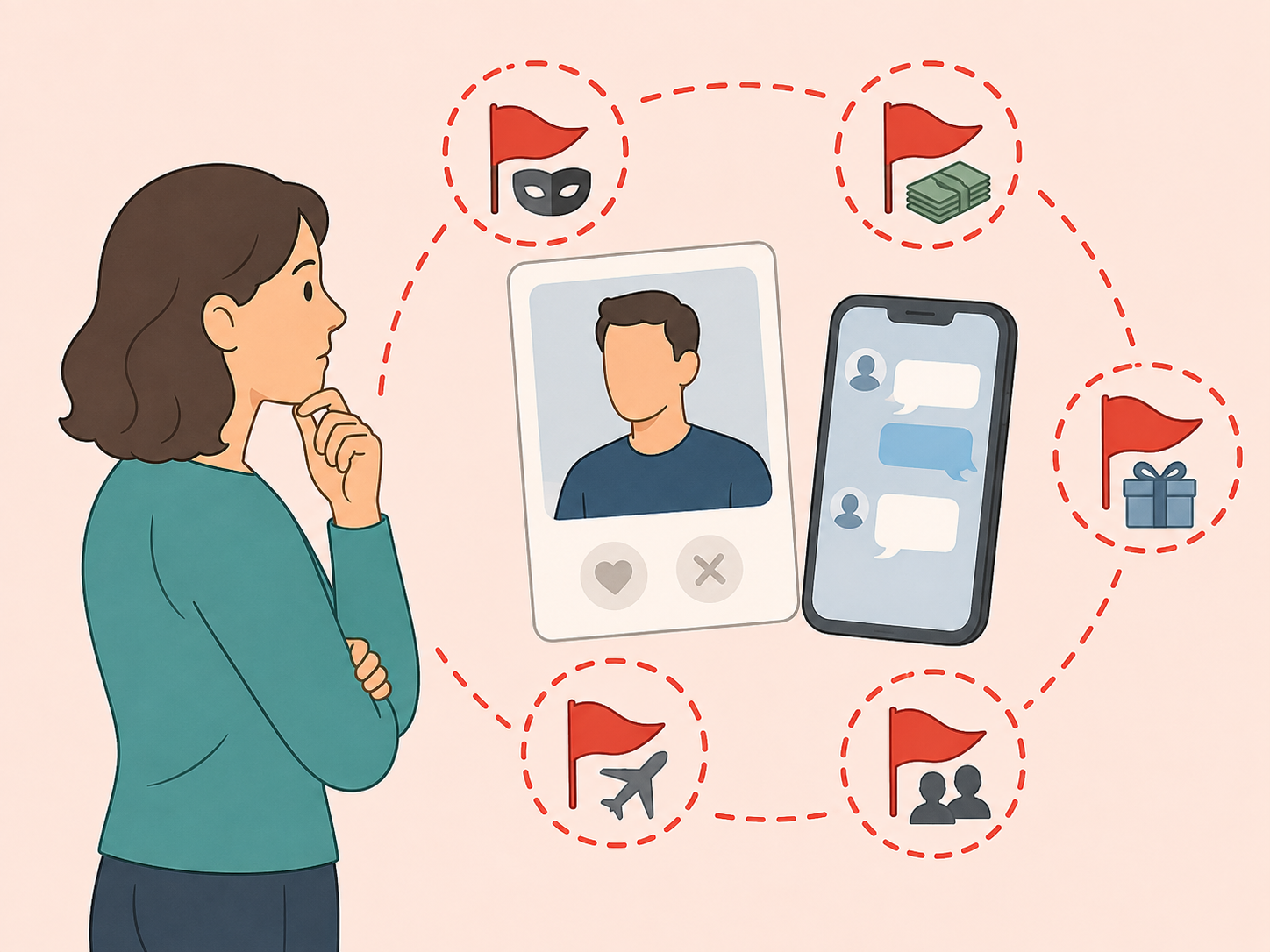
Look for relationship red flags around the dates
Pay attention if a date seemed isolated, afraid, monitored, financially pressured, or suddenly unable to speak freely. The Office on Women's Health lists warning signs such as controlling where someone goes, checking phones without permission, humiliating them, destroying belongings, and threats to hurt the person or loved ones. Those signs matter even if no physical injury is visible.
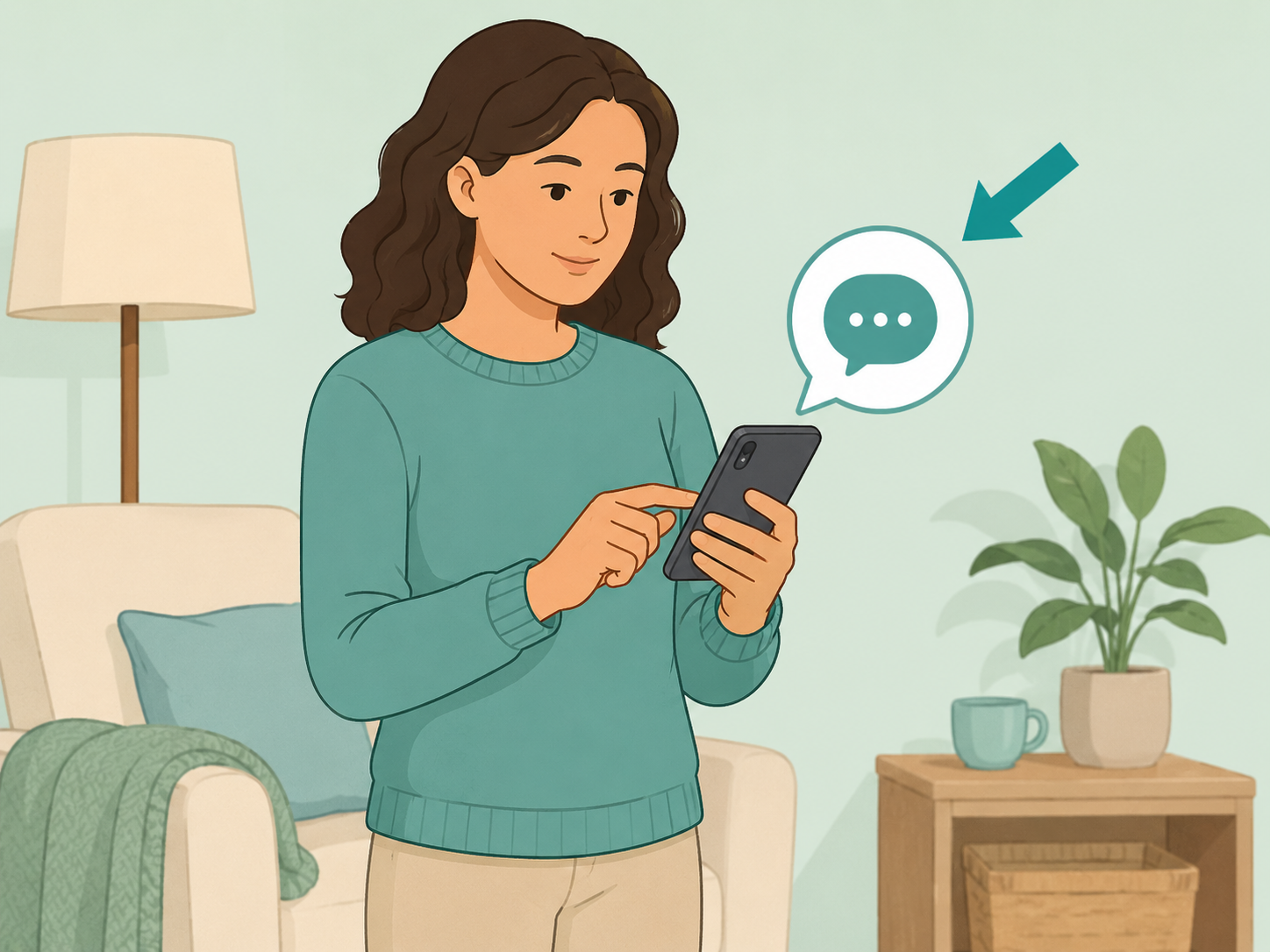
Reach out to the missing or silent person carefully
If you have a safe, respectful way to contact someone, send one brief message that does not reveal your suspicions to anyone else. Ask whether they are safe and whether they want help, then stop if they do not respond. Avoid repeated messages, public posts, or contacting their workplace unless authorities or the person asks you to.
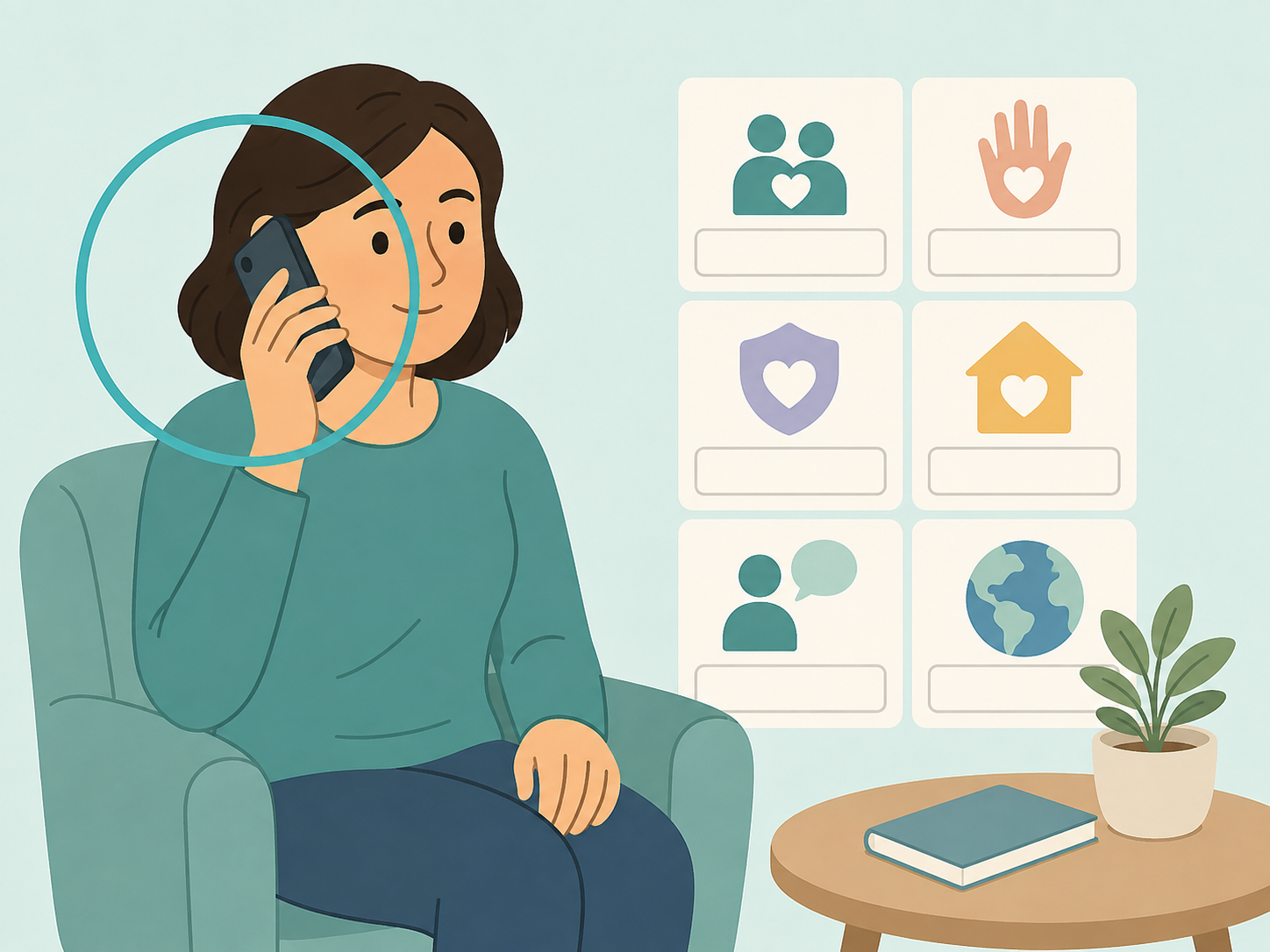
Ask support services before confronting anyone
If domestic abuse may be involved, the Office on Women's Health recommends safety planning and talking with trained support before leaving or escalating a dangerous relationship. You can also use CDC information on older person abuse to understand abuse, neglect, and financial exploitation risks for adults age 60 and older. If your father may be vulnerable or exploited, contact Adult Protective Services or the Eldercare Locator for local guidance.
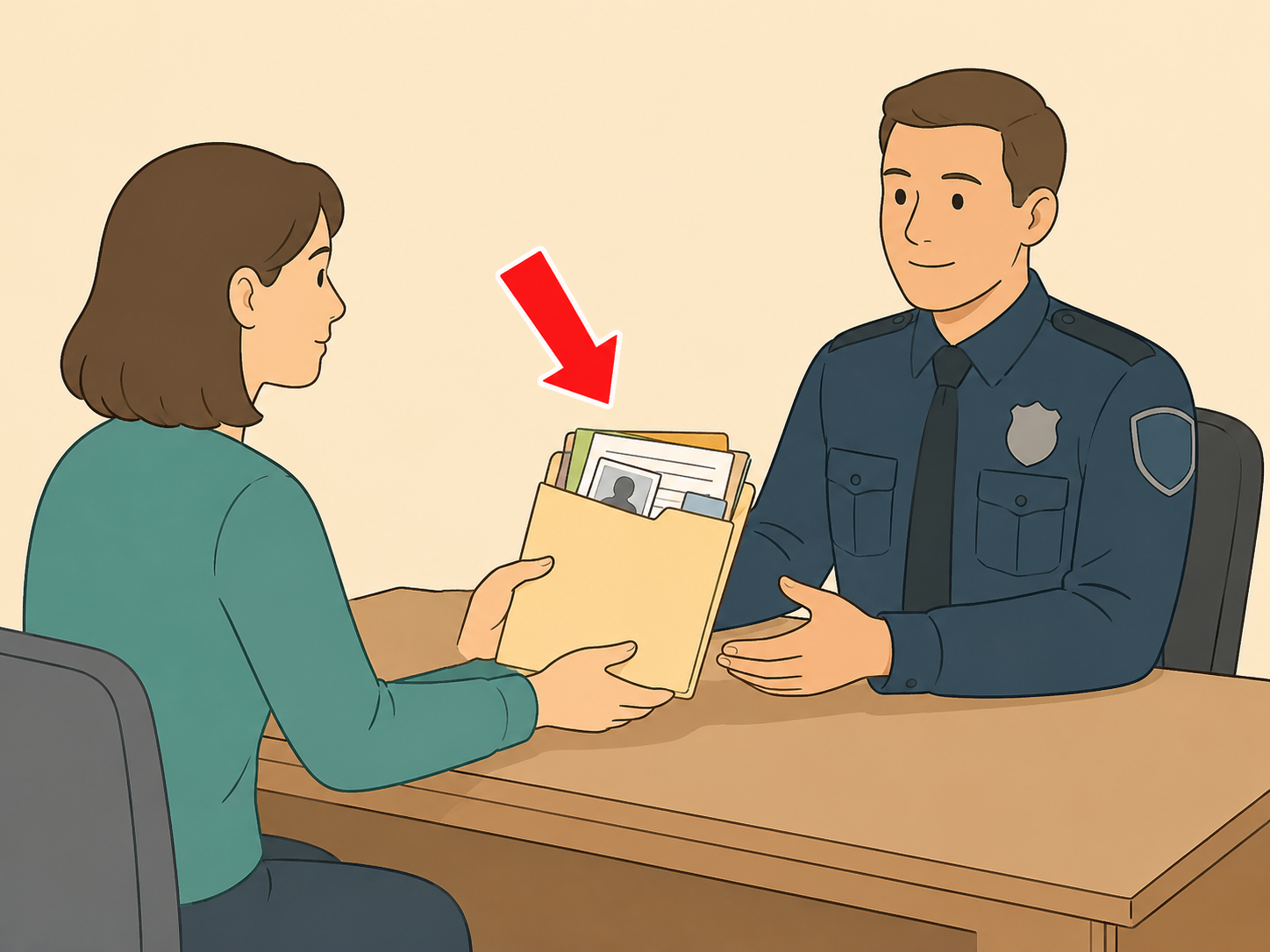
Report suspected crime or missing-person concerns promptly
Call local law enforcement if a person has disappeared under suspicious circumstances, if there are threats, or if you believe someone may be unsafe. NamUs explains that a missing-person case in its system requires an active missing-person report with law enforcement, and public entries are vetted before publication. Share your timeline, contact details, screenshots, and why the disappearance seems unusual.
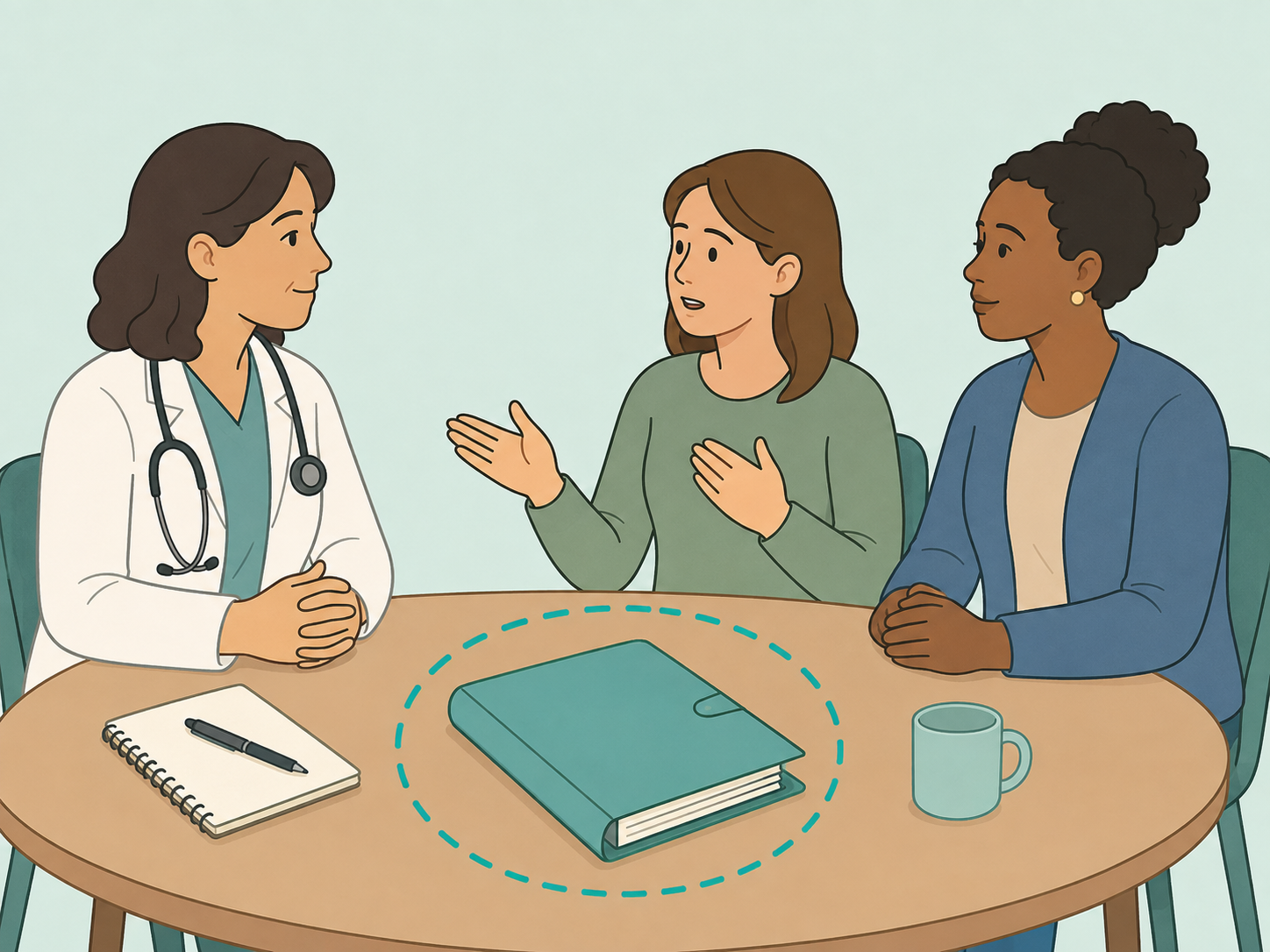
Seek medical, legal, or crisis help when harm is possible
If someone has been injured or sexually assaulted, encourage urgent medical care when it is safe to do so; the Office on Women's Health says immediate danger should be treated as an emergency. A domestic violence advocate, victim services office, lawyer, or local court can explain safety planning, protective orders, and reporting options. Keep supporting the person without pressuring them to disclose more than they are ready to share.
Summary
The bottom line: do not use a friend to test a situation that might be unsafe. Write down what you know, keep conversations calm and private, protect anyone who may be at risk, and contact emergency services, local law enforcement, or a qualified support organization when the facts suggest danger.
Frequently Asked Questions
- Should I ask a friend to date my parent to see what happens?
- No. If you think someone may be unsafe, do not put another person in the situation as a test. Use documentation, private conversations, and appropriate support or reporting channels instead.
- What if the people my parent dated simply blocked everyone?
- That can happen, and it does not prove wrongdoing. Treat it as one possible explanation while you write down verifiable facts, avoid accusations, and look for signs of immediate danger.
- When should I call 911?
- Call 911 if someone is in immediate danger, has been threatened, is injured, or has disappeared under circumstances that make you fear for their safety.
- Can I report concerns if I do not have proof?
- Yes. You can contact local law enforcement with specific facts, dates, names, messages, and reasons for concern. Avoid exaggerating or guessing; let trained authorities decide what action is appropriate.
- How do I talk to my father without making things worse?
- Choose a private, calm moment if it feels safe. Use specific observations, ask open questions, and avoid labels like criminal or dangerous unless there is a clear immediate threat.
- What if my parent is being manipulated or abused?
- Older adults can experience emotional, physical, sexual, neglect, or financial abuse. If you suspect abuse, contact Adult Protective Services, the Eldercare Locator, local law enforcement, or a qualified support organization.
References
Reliable references aided in composing and refining this content.
- https://www.cdc.gov/intimate-partner-violence/about
- https://medlineplus.gov/intimatepartnerviolence.html
- https://womenshealth.gov/relationships-and-safety/domestic-violence/signs-domestic-violence
- https://womenshealth.gov/relationships-and-safety/domestic-violence/leaving-abusive-relationship
- https://www.usa.gov/report-crime
- https://namus.nij.ojp.gov/frequently-asked-questions
- https://www.cdc.gov/elder-abuse/about/index.html