
 Pin it
Bananas are a nutritious fruit, but dramatic claims about eating 2 to 3 every night should be treated carefully. This guide shows how to fit bananas into an evening routine without overdoing calories, carbohydrates, potassium, or bedtime digestion. It also explains when to be more cautious, especially if you have diabetes, kidney disease, reflux, or take certain medicines.
Question dramatic before-and-after claims
Treat stories about a 59-year-old man changing his body by eating 2 to 3 bananas nightly as anecdotes, not proof. Bananas are nutritious, but reputable nutrition guidance describes them as one food within a balanced pattern, not a body-transforming treatment. A medium banana has calories, carbohydrates, fiber, potassium, vitamin B6, magnesium, and vitamin C, according to Cleveland Clinic's banana nutrition overview.
Start with one banana instead of several
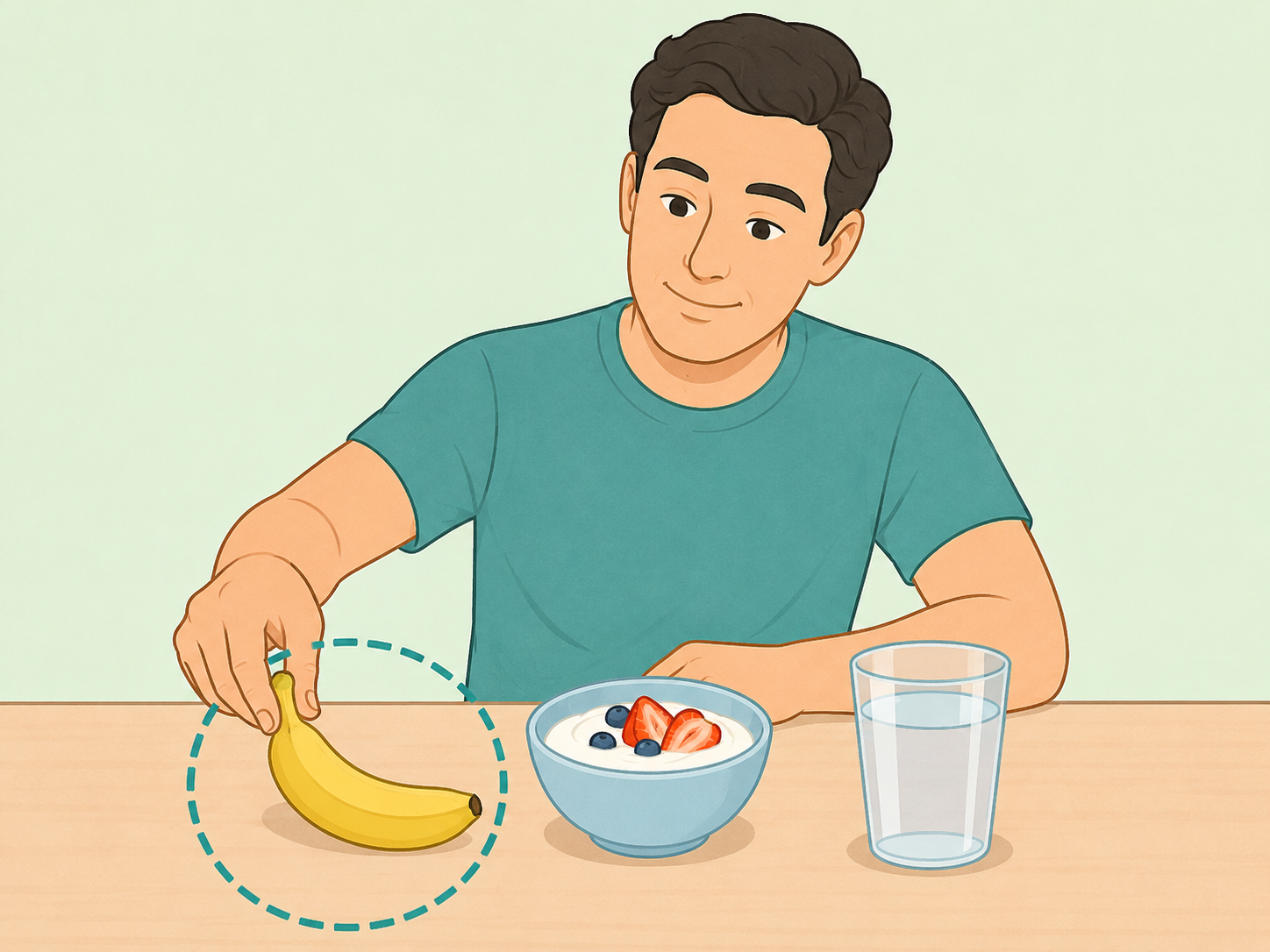
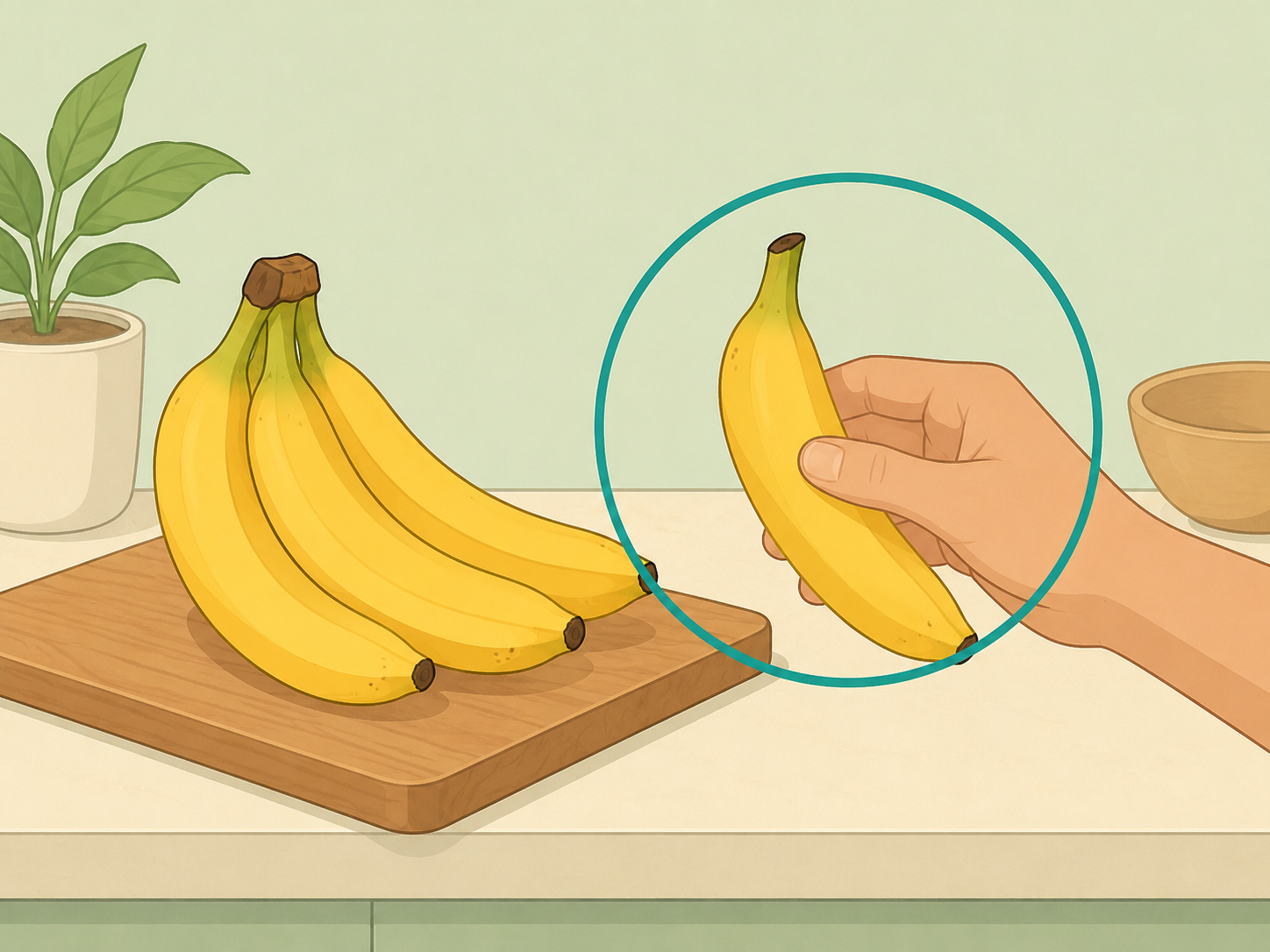
If you want an evening banana habit, begin with one small or medium banana and notice how you feel. Eating 2 to 3 every night may crowd out other fruits, vegetables, protein foods, and whole grains. A modest portion keeps the habit easier to fit into your daily nutrition goals.
Count the carbohydrates and potassium
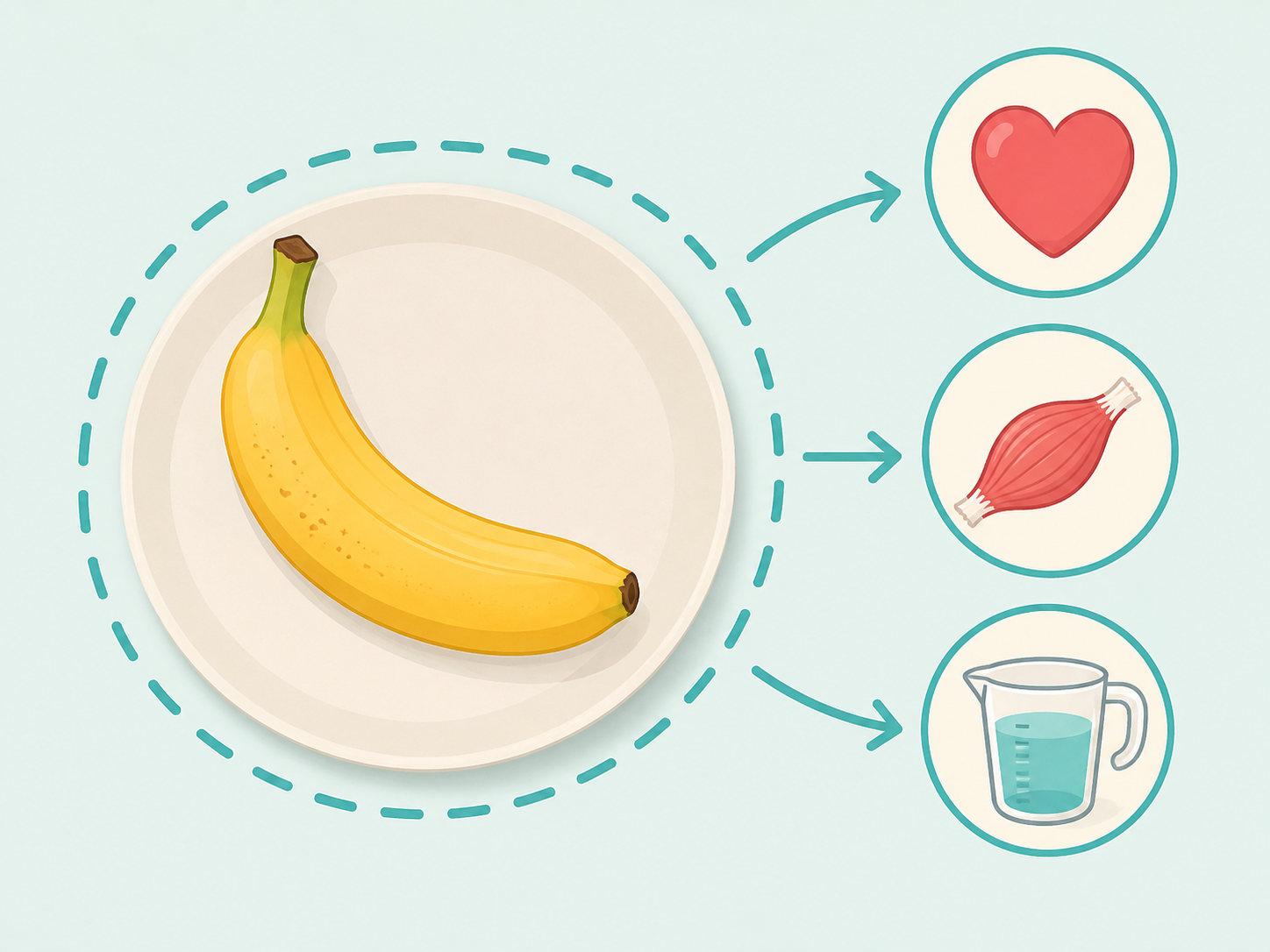
Bananas contain natural sugar and starch, so they still count toward your carbohydrate intake. They are also a meaningful potassium source, and MedlinePlus notes that potassium supports heart, muscle, and nerve function. If you are already eating many potassium-rich foods, adding several bananas daily may be more than you need.
Pair your banana with protein or healthy fat
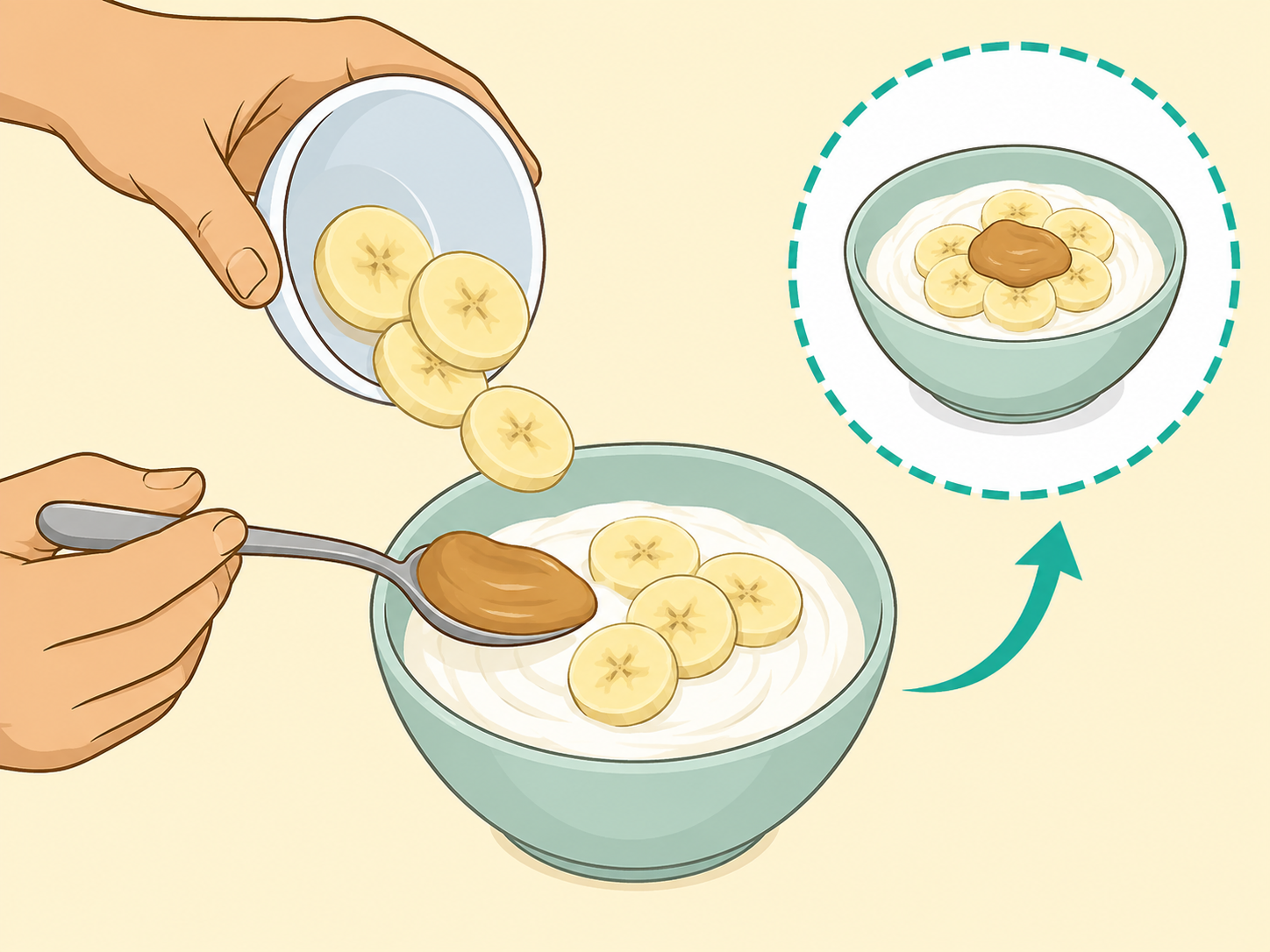
Eat banana slices with plain Greek yogurt, nut butter, cottage cheese, or a small handful of nuts if the banana alone leaves you hungry. Cleveland Clinic suggests pairing bananas with protein for more staying power, which can make an evening snack feel more balanced. Keep add-ons measured so the snack does not quietly become a large meal.
Eat it early enough to protect sleep
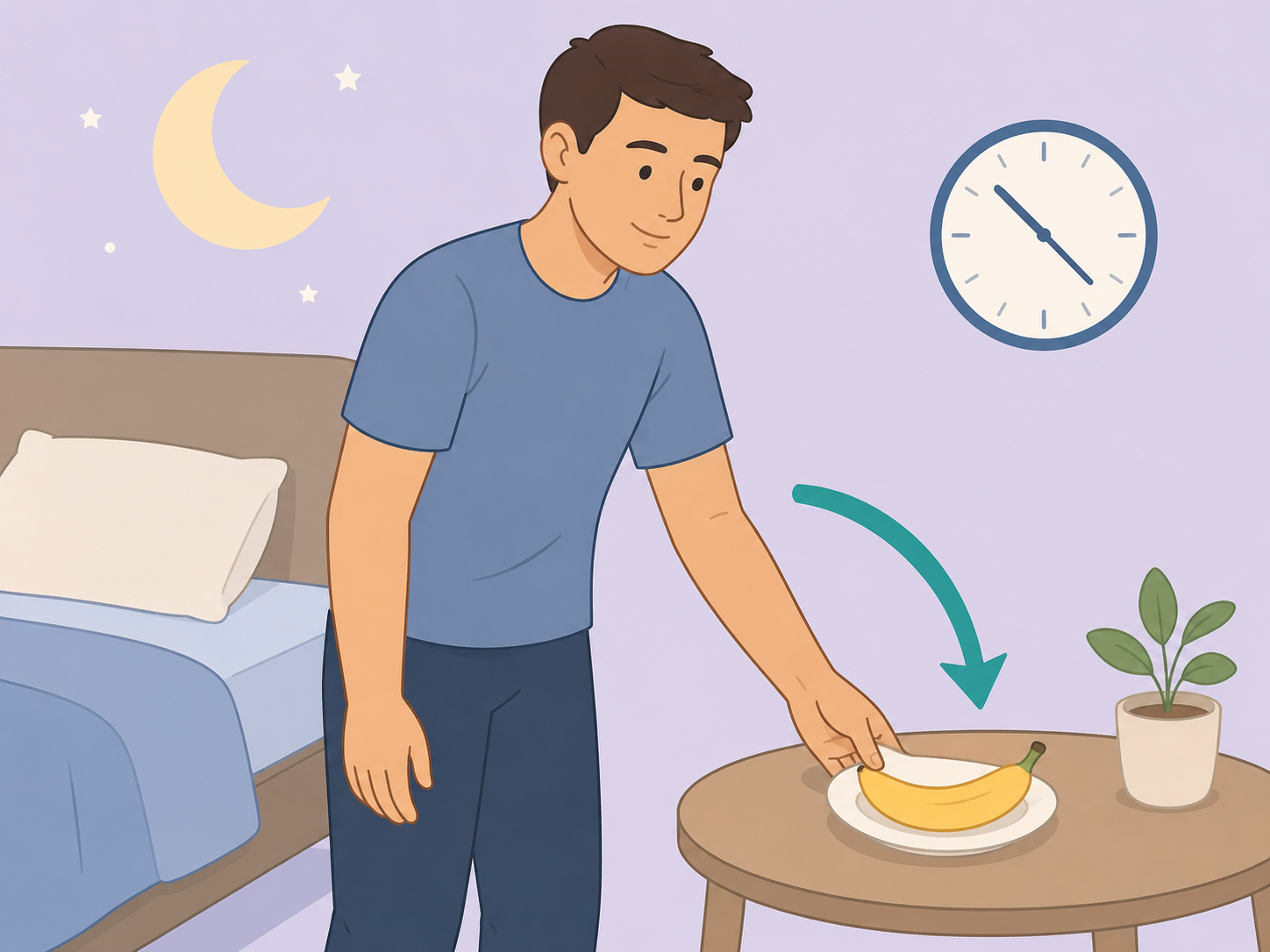
Have your snack at least a few hours before lying down if you are prone to fullness, bloating, or reflux. The CDC recommends avoiding large meals before bedtime, and Mayo Clinic advises waiting before lying down when reflux is a problem. If you only need a small bite, keep it light and avoid turning it into a late-night eating routine.
Adjust the portion if you have diabetes
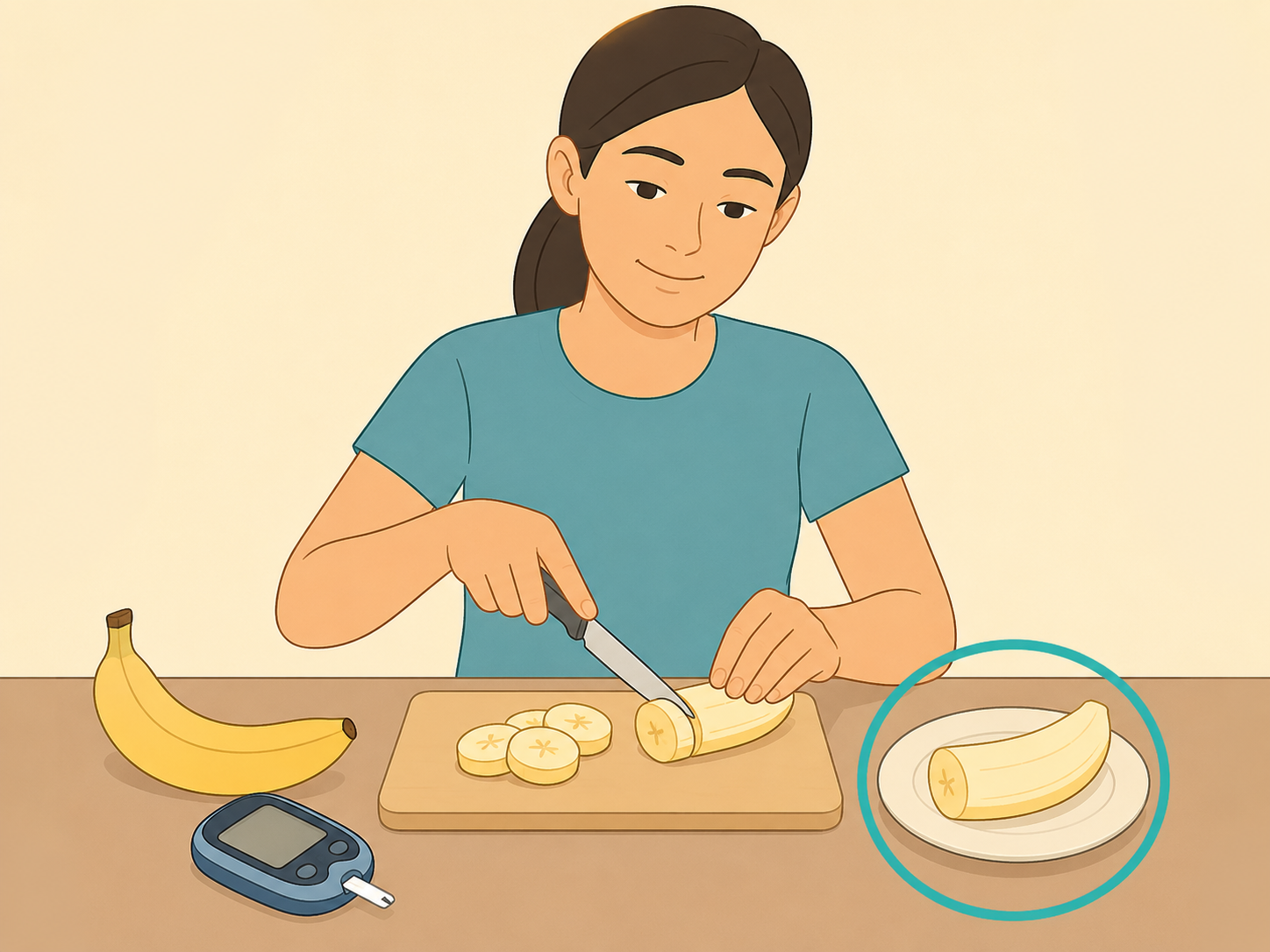
If you have diabetes or prediabetes, include bananas in the same way you include other carbohydrate foods: by portion and meal plan. Mayo Clinic explains that the total carbohydrate amount affects blood sugar more than whether the carbohydrate comes from fruit. Consider half a banana, a smaller banana, or pairing it with protein if your glucose readings rise more than expected.
Avoid extra bananas if potassium is restricted
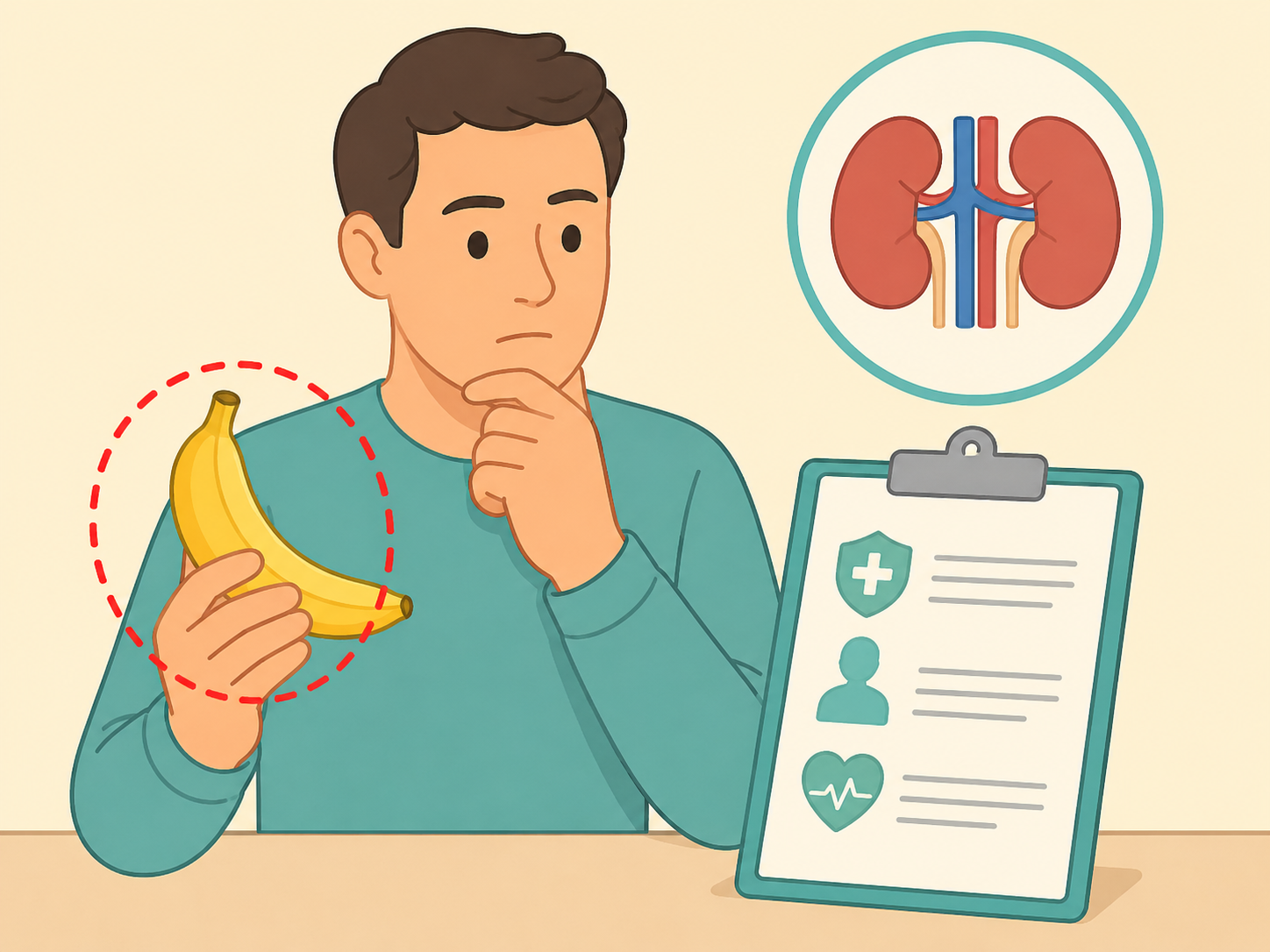
Do not increase bananas if you have kidney disease, high potassium, or a potassium-restricted diet unless your clinician says it is safe. MedlinePlus warns that people with kidney problems may need to limit potassium-rich foods, including bananas. This is especially important if you take medicines that can affect potassium levels.
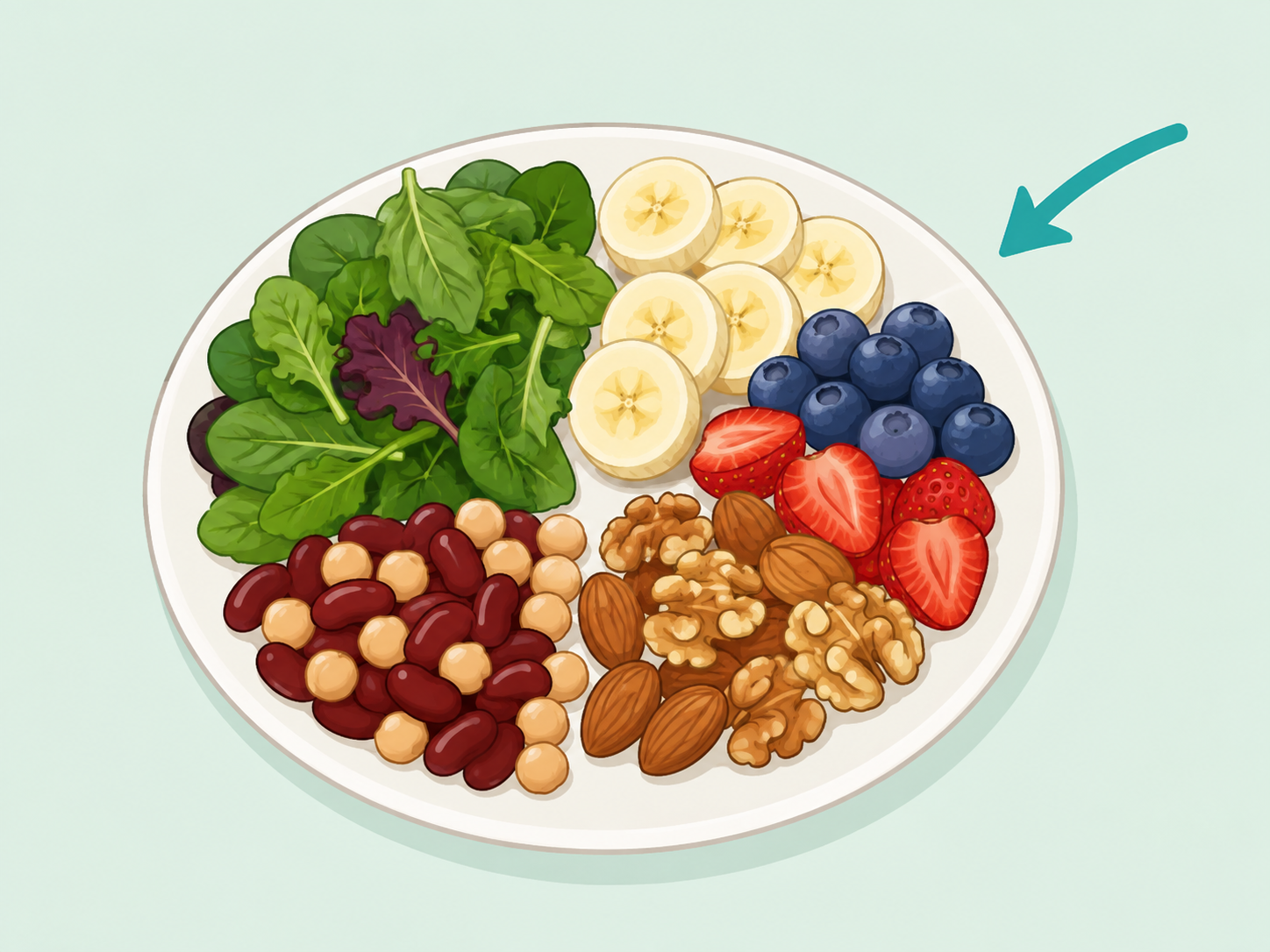
Support skin with your whole diet
For beauty and skin wellness, use bananas as one part of a varied diet rather than a shortcut. The American Academy of Dermatology says healthy adults should generally aim to meet skin-related nutrient needs through a balanced diet, and food sources are usually preferred over unnecessary supplements. Vitamin C helps the body make collagen, according to the NIH Office of Dietary Supplements, but bananas provide only part of what a skin-supporting diet should include.
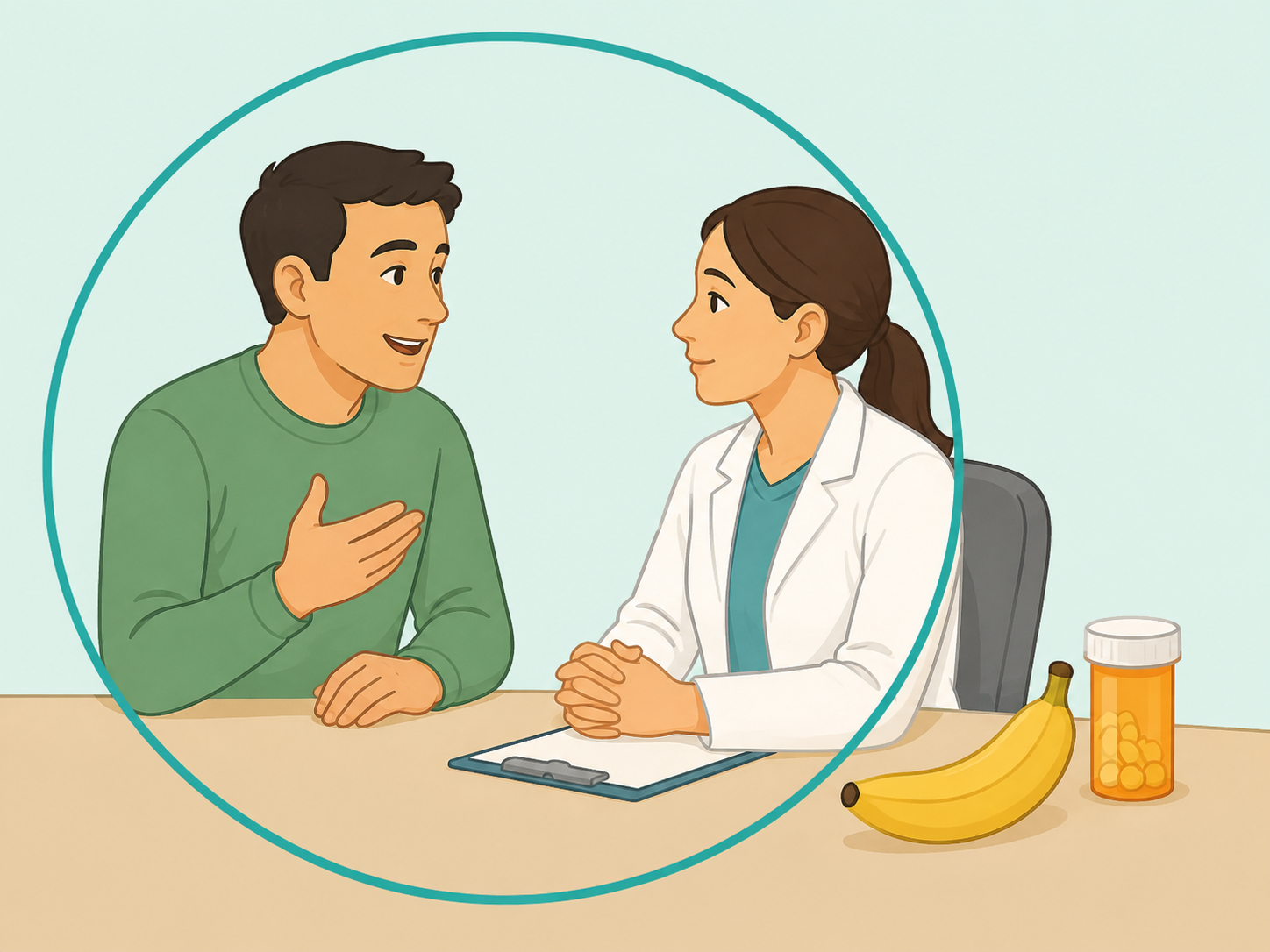
See a doctor if symptoms or risks show up
Talk to a doctor, registered dietitian, or qualified health professional before making a major nightly diet change if you have kidney disease, diabetes, heart disease, reflux, unexplained swelling, muscle weakness, palpitations, or new digestive symptoms. Mayo Clinic notes that reflux symptoms may improve with timing and lifestyle changes, but persistent or worsening symptoms deserve medical guidance. Never stop or change prescribed medication because of a food trend.
Summary
The bottom line: a banana at night can be a practical snack, but it should fit your total diet, health conditions, and sleep routine. Keep the portion modest, avoid late heavy eating, and ask a clinician for personal advice if potassium, blood sugar, or digestive symptoms are a concern.
Frequently Asked Questions
- Is it healthy to eat bananas at night?
- For many adults, one banana can be a healthy evening snack if it fits their usual meals and does not worsen reflux or blood sugar. The timing and portion matter more than the fact that it is night.
- Should I eat 2 to 3 bananas every night?
- Not automatically. Two to three bananas can add a significant amount of calories, carbohydrates, and potassium, so it is better to start with one and see how it fits your overall diet.
- Can bananas improve skin or make someone look younger?
- Bananas contain nutrients, but no single food can reliably change your skin or reverse aging. Skin health is better supported by a balanced diet, sun protection, sleep, hydration, and appropriate skin care.
- Are bananas safe for people with diabetes?
- Many people with diabetes can include fruit, but portions and total carbohydrates matter. If you monitor blood sugar, check how bananas affect you and follow the plan you made with your health care team.
- Who should avoid eating extra bananas?
- People with kidney disease, high potassium levels, or medicines that affect potassium should ask a clinician or dietitian before adding extra bananas. Bananas are potassium-rich, which can be unsafe for some medical conditions.
- Can a banana before bed cause heartburn?
- A banana is not a common reflux trigger for everyone, but eating too close to bedtime can worsen reflux in some people. If you notice heartburn, eat earlier, reduce the portion, or choose a different snack.
References
Reliable references aided in composing and refining this content.
- https://health.clevelandclinic.org/benefits-of-bananas?slug=benefits-of-bananas
- https://www.medlineplus.gov/ency/article/002413.htm
- https://www.cdc.gov/sleep/about
- https://www.mayoclinic.org/diseases-conditions/gerd/diagnosis-treatment/drc-20361959
- https://www.mayoclinic.org/diseases-conditions/diabetes/expert-answers/diabetes/faq-20057835
- https://www.aad.org/public/everyday-care/skin-care-secrets/routine/supplements-for-your-skin
- https://ods.od.nih.gov/factsheets/VitaminC-HealthProfessional/?uid=009d3277a2b1bs16