
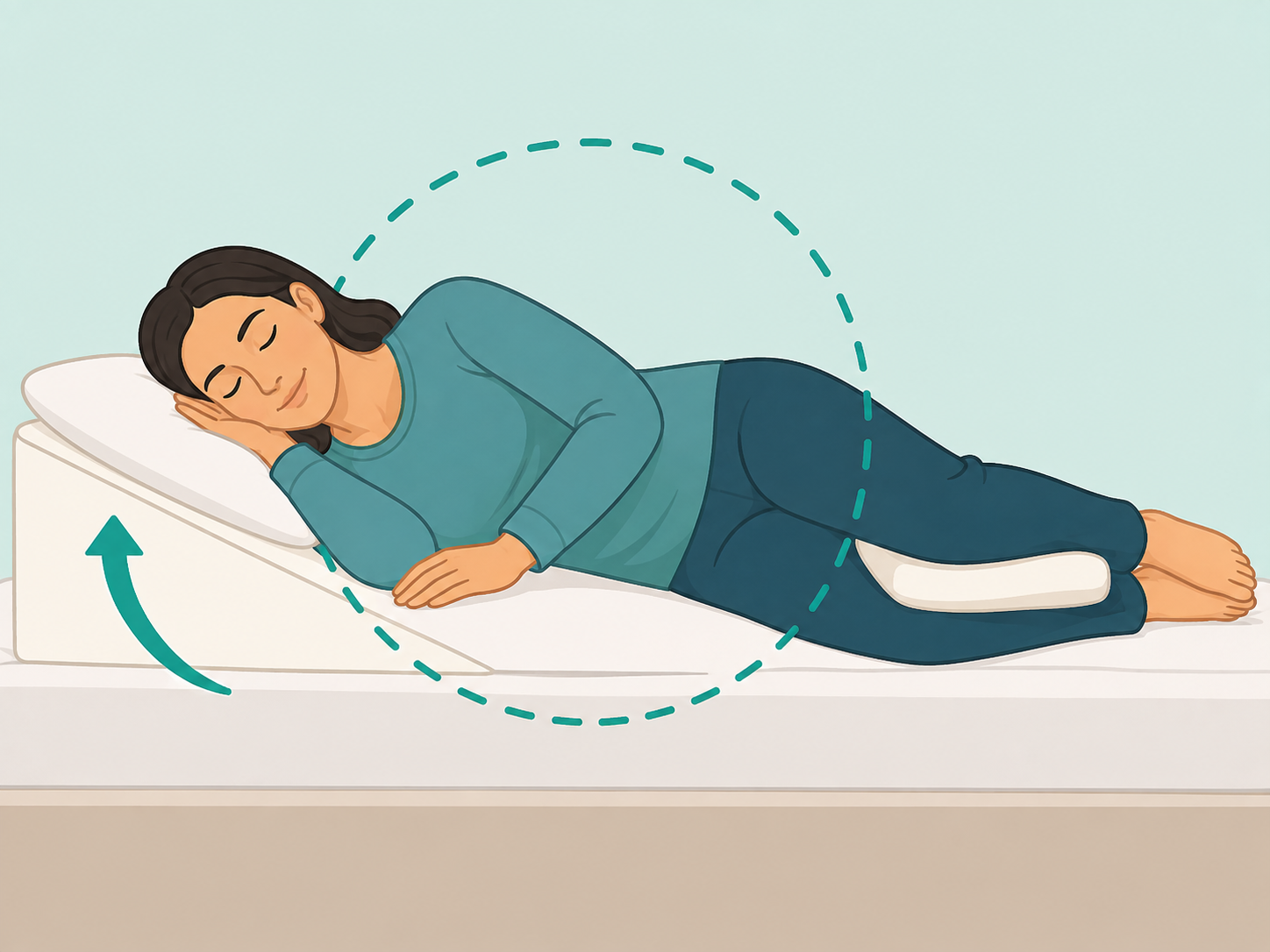
 Pin it
Acid reflux can feel worse at night because lying down makes it easier for stomach contents to move toward the esophagus. Sleeping position is not a cure, but trusted medical sources suggest that left-side sleeping, upper-body elevation, and better meal timing may help some people reduce nighttime symptoms. This guide explains practical, conservative steps to try and when to talk to a health professional.
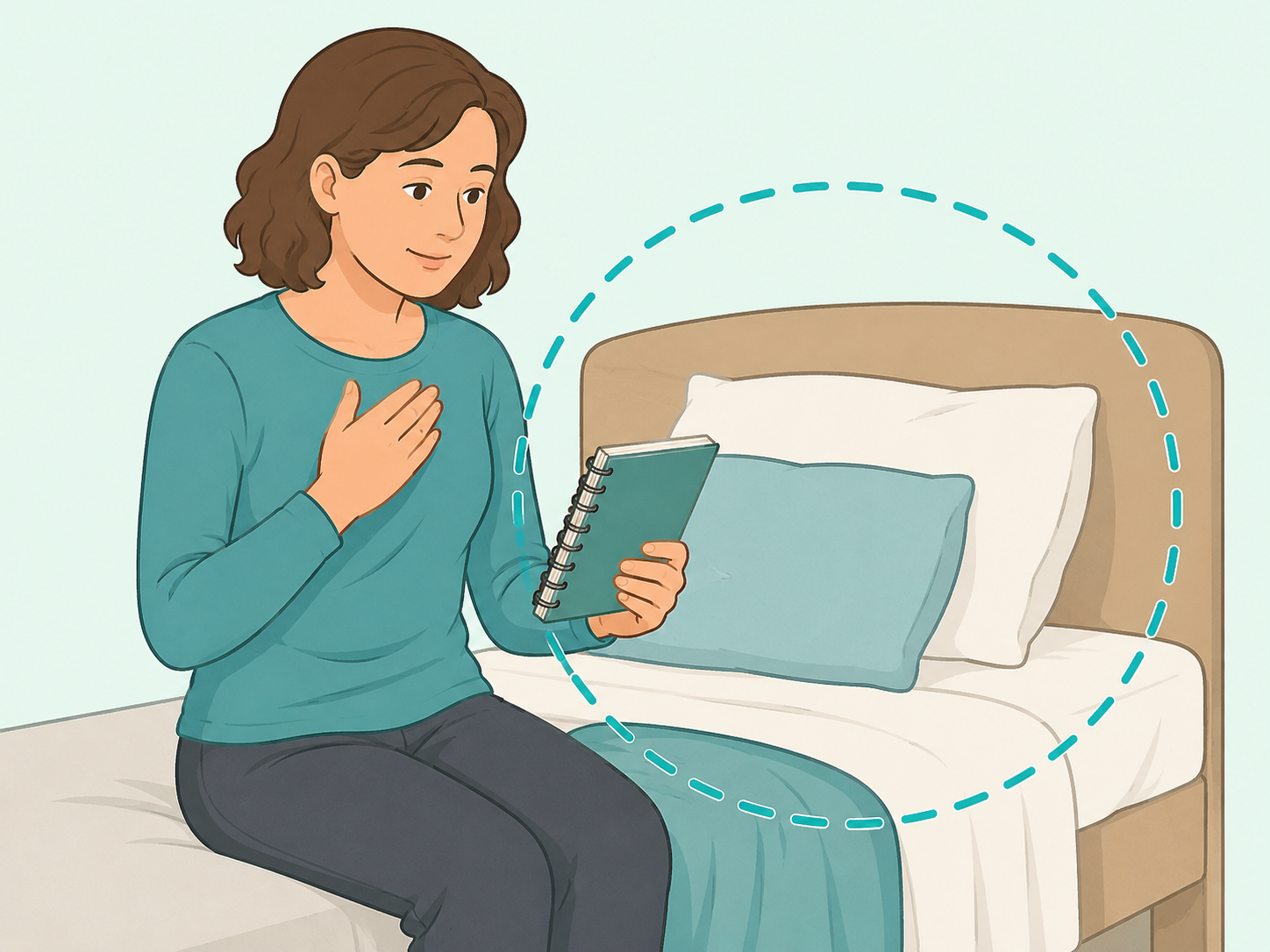
Notice whether reflux flares when you lie down
Acid reflux happens when stomach contents move back up into the esophagus, and MedlinePlus explains that frequent symptoms may be GERD. Symptoms are often worse after eating or lying down, according to the NHS guide to heartburn and acid reflux. Keep a short note of your bedtime, last meal, sleep position, and symptoms for a week so you can spot patterns.
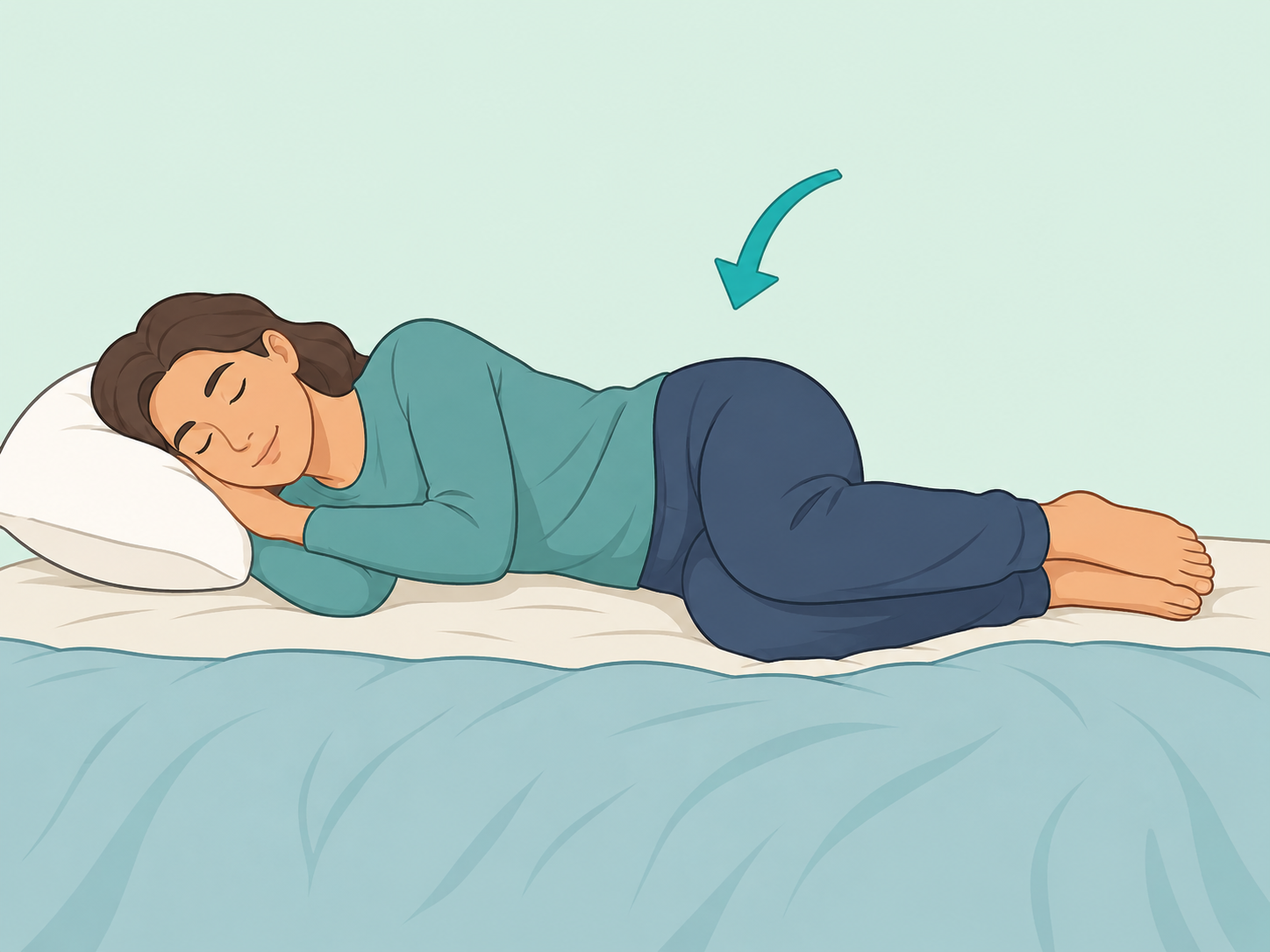
Start the night on your left side
When you go to bed, try beginning on your left side instead of your right side or flat on your back. Mayo Clinic recommends starting on the left side to make reflux less likely, and a clinical sleep-position study found shorter nighttime acid exposure and faster acid clearance in the left-side position. If shoulder, hip, or pregnancy-related discomfort makes this hard, ask a clinician what position is safest for you.
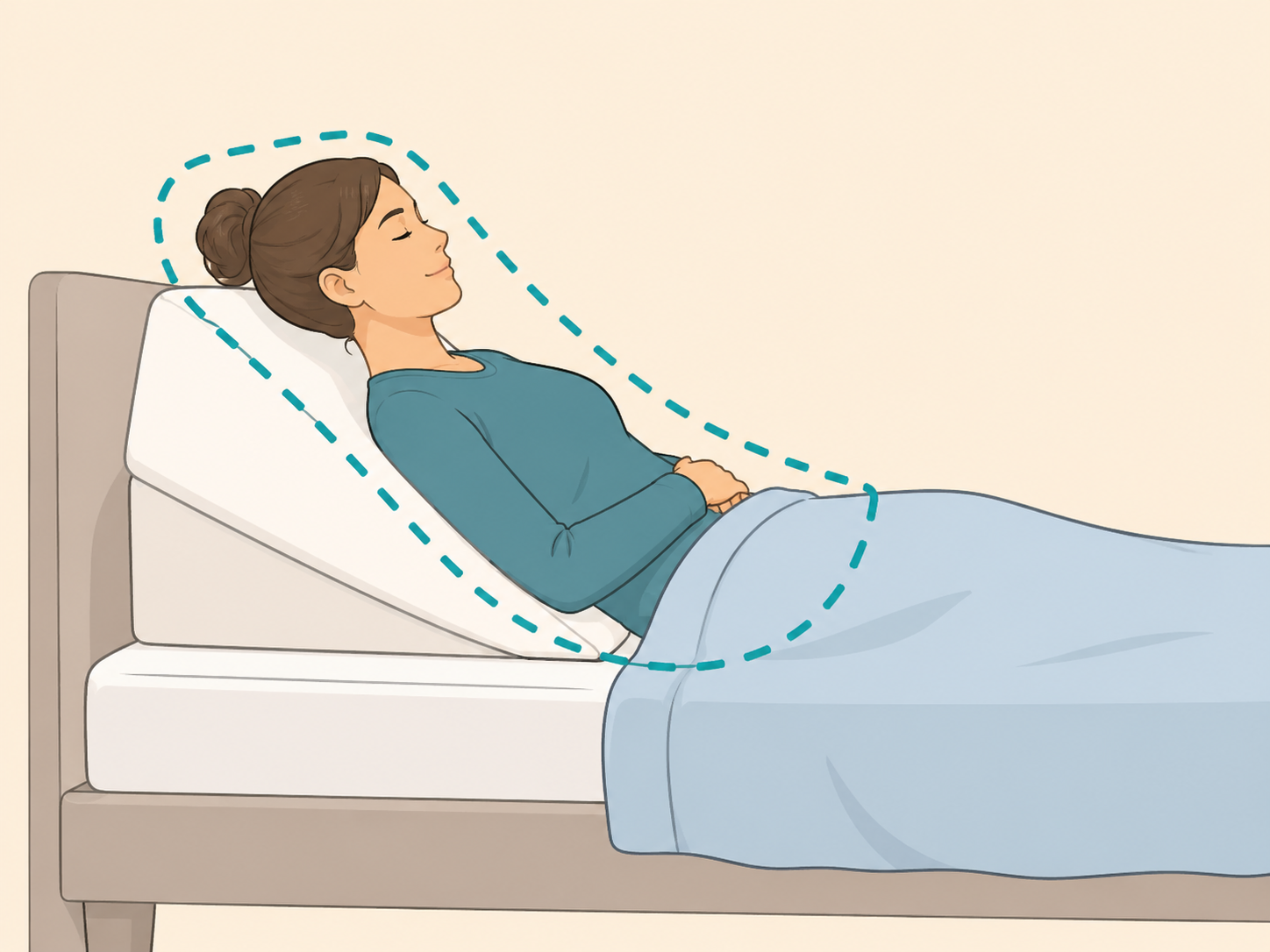
Raise your upper body from the waist up
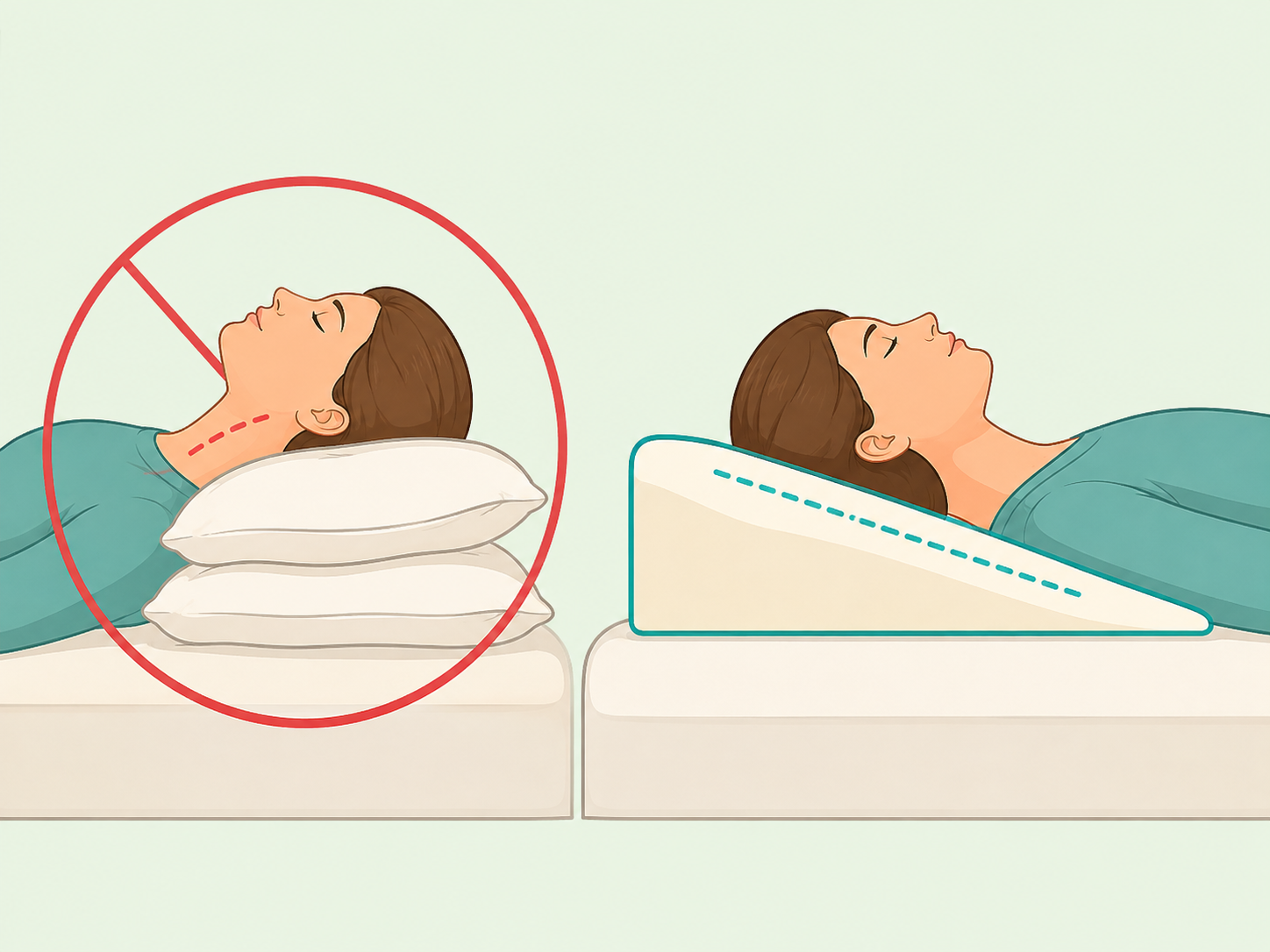
If reflux regularly wakes you, elevate your upper body rather than just your head. Mayo Clinic suggests raising the head of the bed 6 to 9 inches, while the NHS describes raising the chest and head above the waist by about 10 to 20 cm. Bed risers or a long foam wedge can help keep the slope steady through the night.
Skip stacked pillows as your main fix
Stacking extra pillows under your head usually does not create the same reflux-friendly angle. The NHS warns that extra pillows can increase belly pressure, and Mayo Clinic notes that extra pillows are not effective for regular nighttime heartburn. Use support that lifts your torso evenly so your stomach stays lower than your chest.
Finish dinner at least 3 hours before bed
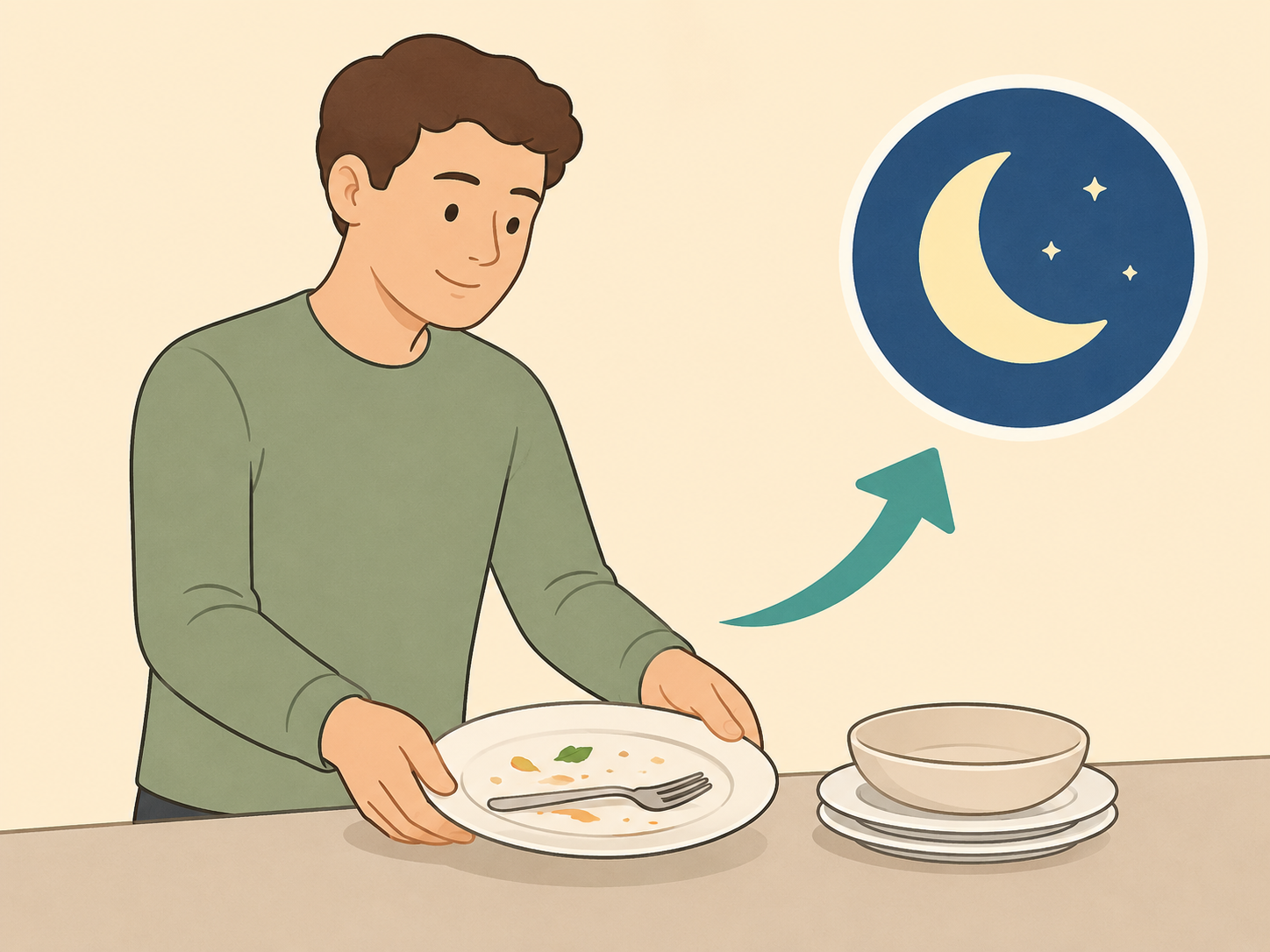
Give your stomach time to empty before you lie down. The National Institute of Diabetes and Digestive and Kidney Diseases says eating at least 3 hours before lying down may improve symptoms for people with nighttime GERD, and the NHS advises avoiding food within 3 to 4 hours of bed. If you need an evening snack, keep it small and note whether it affects your symptoms.
Keep evening meals small and track triggers
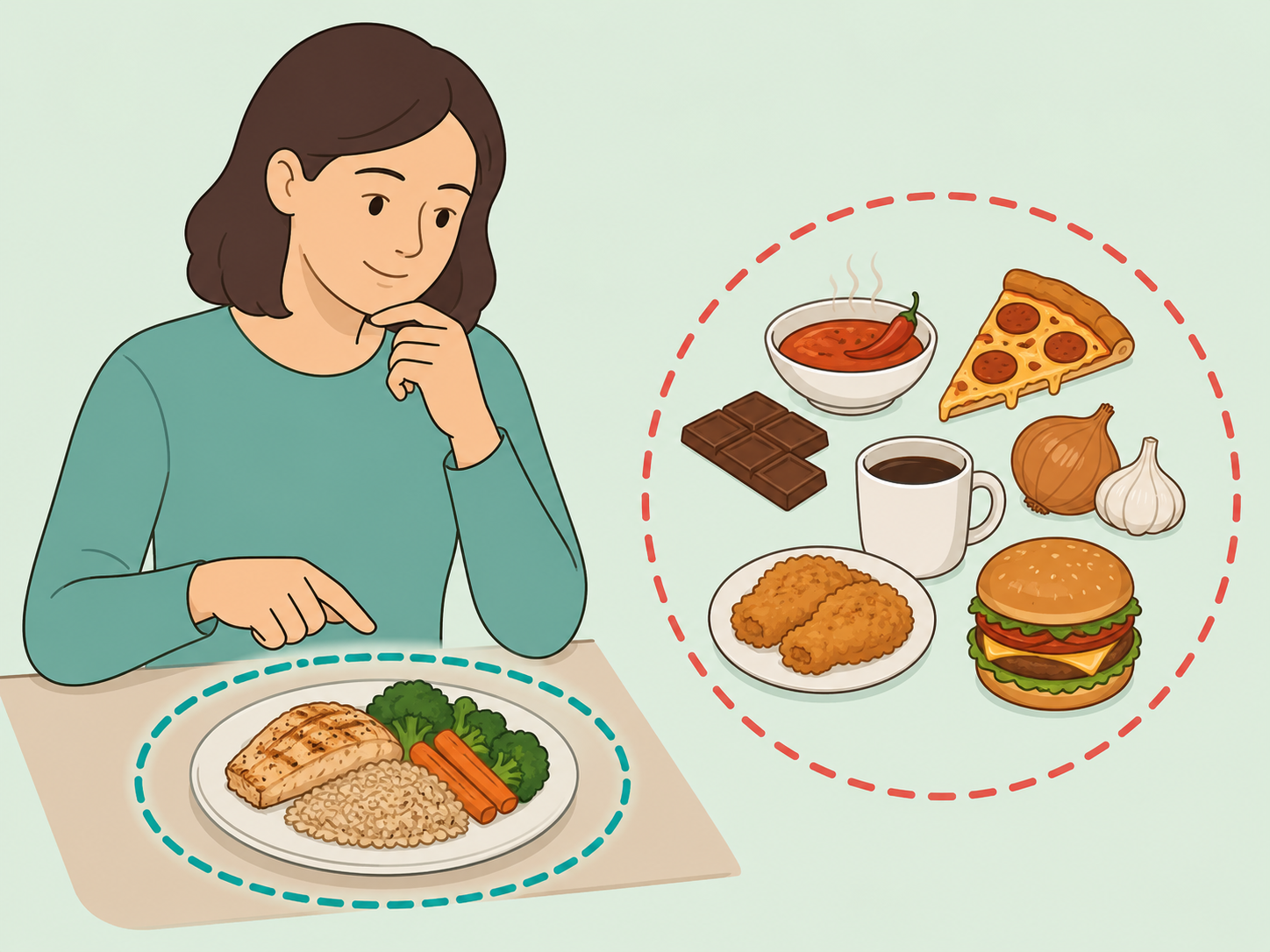
Large or fatty meals can make nighttime symptoms more likely for some people. Commonly linked triggers include acidic foods, alcohol, chocolate, coffee or other caffeine sources, high-fat foods, mint, and spicy foods, according to NIDDK diet guidance for GERD. Track your own triggers instead of cutting out many foods at once, and discuss major diet changes with a health professional.
Loosen pressure around your waist
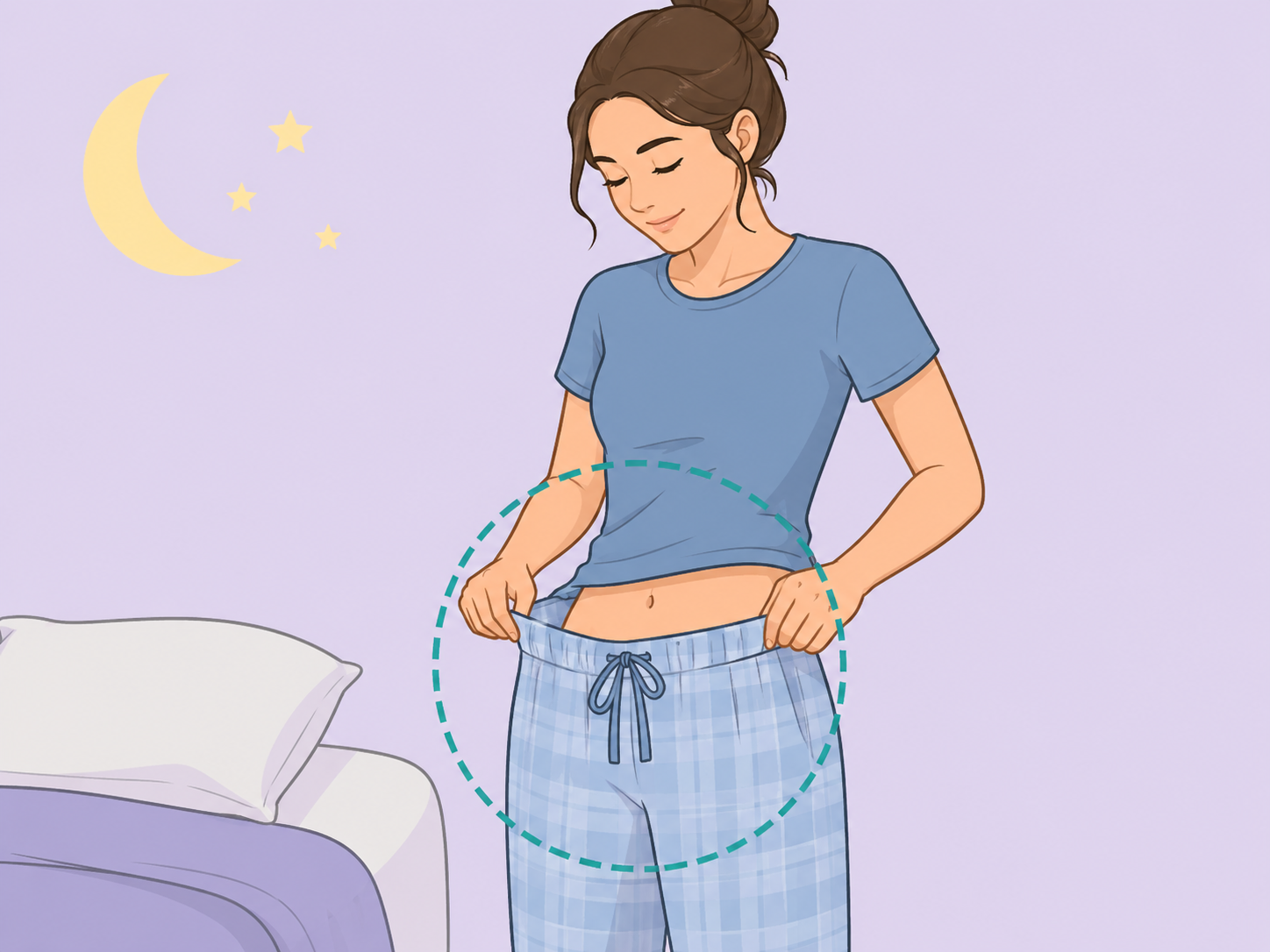
Before bed, change out of tight waistbands, shapewear, or clothing that presses on your abdomen. Cleveland Clinic lists avoiding tight clothing as one habit that may ease reflux, and the NHS gives similar self-care advice. Less abdominal pressure can make your sleep-position changes more comfortable and easier to maintain.
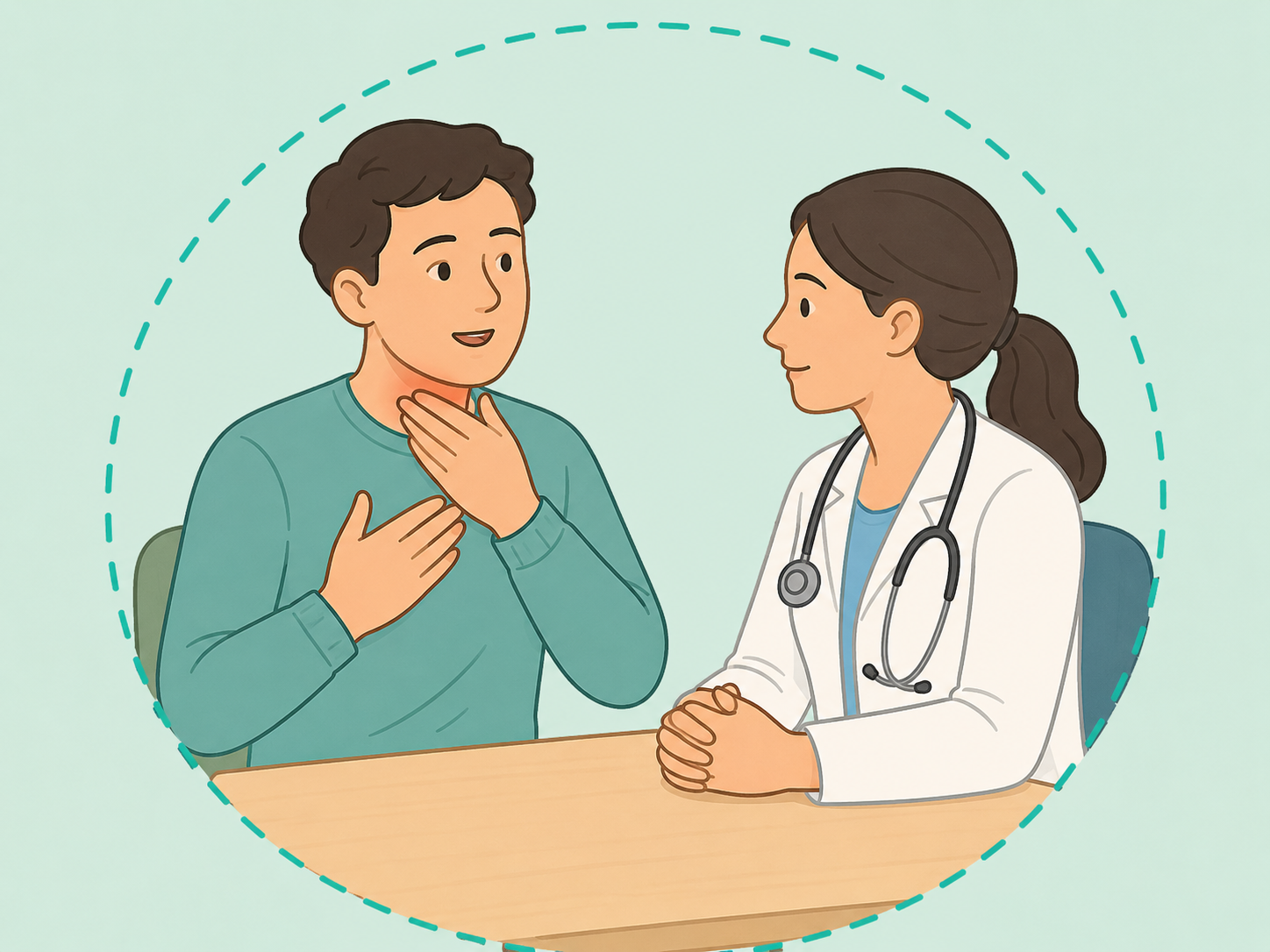
Seek medical help for persistent or serious symptoms
Do not treat frequent nighttime reflux as only a sleep-position problem. NIDDK advises seeing a doctor if you think you have GERD, if symptoms do not improve with over-the-counter medicines or lifestyle changes, or if you have trouble swallowing, persistent vomiting, bleeding signs, unexplained weight loss, or chest pain. Get urgent help for chest pain with shortness of breath or pain spreading to the jaw or arm, which MedlinePlus notes can signal a heart problem.
Summary
The bottom line: sleeping on your left side, raising your upper body, and avoiding late or heavy meals may make nighttime reflux less likely. If symptoms happen often, disrupt sleep, or come with warning signs, get medical care instead of relying on position changes alone.
Frequently Asked Questions
- Is sleeping on the left side really better for acid reflux?
- It may help some people. Medical sources and clinical studies link left-side sleeping with less nighttime acid exposure than right-side or back sleeping, but it is not a guaranteed fix for everyone.
- Is it bad to sleep on my right side if I have reflux?
- Right-side sleeping may worsen reflux for some people, especially at night. If you notice more burning, sour taste, coughing, or regurgitation on your right side, try starting on your left side instead.
- How high should I raise my bed for reflux?
- Many medical sources suggest raising the upper body about 6 to 9 inches, or roughly 10 to 20 cm. Use bed risers or a wedge that supports you from the waist or mid-back upward.
- Do extra pillows help acid reflux?
- Usually not as well as a wedge or bed elevation. Extra pillows can bend your neck or middle and may increase pressure on your abdomen, which can make reflux worse for some people.
- How long should I wait after eating before lying down?
- A common recommendation is to wait at least 2 to 3 hours, and some guidance suggests 3 to 4 hours before bed. If nighttime reflux is frequent, make dinner earlier and keep late snacks small or avoid them.
- When should I see a doctor about nighttime reflux?
- See a doctor if symptoms happen often, interfere with sleep, do not improve with lifestyle changes or over-the-counter medicine, or come with trouble swallowing, vomiting, unexplained weight loss, black stools, or chest pain.
References
Reliable references aided in composing and refining this content.
- https://www.mayoclinic.org/diseases-conditions/gerd/diagnosis-treatment/drc-20361959?p=1
- https://medlineplus.gov/gerd.html
- https://www.niddk.nih.gov/health-information/digestive-diseases/acid-reflux-ger-gerd-adults/symptoms-causes
- https://www.niddk.nih.gov/health-information/digestive-diseases/acid-reflux-ger-gerd-adults/eating-diet-nutrition
- https://www.nhs.uk/conditions/heartburn-and-acid-reflux
- https://my.clevelandclinic.org/health/diseases/17019-acid-reflux-gerd
- https://pubmed.ncbi.nlm.nih.gov/34928874