
 Pin it
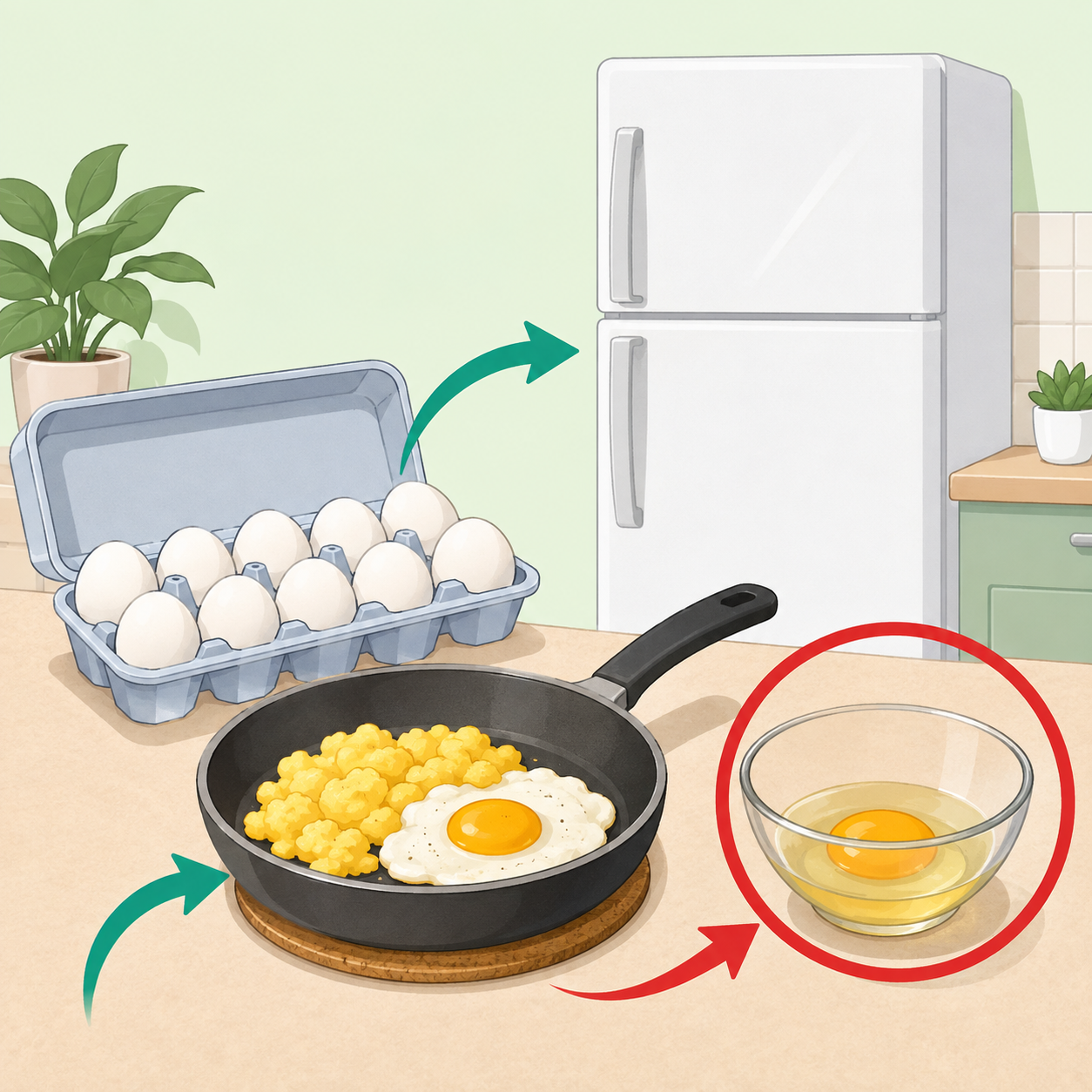
Eggs are a nutritious everyday food, but some ways of buying, storing, cooking, and serving them can increase the risk of foodborne illness. The main safety concern is Salmonella, especially for young children, older adults, pregnant people, and anyone with a weakened immune system. This guide separates realistic egg-safety steps from fear-based claims.
Keep the real risk in perspective
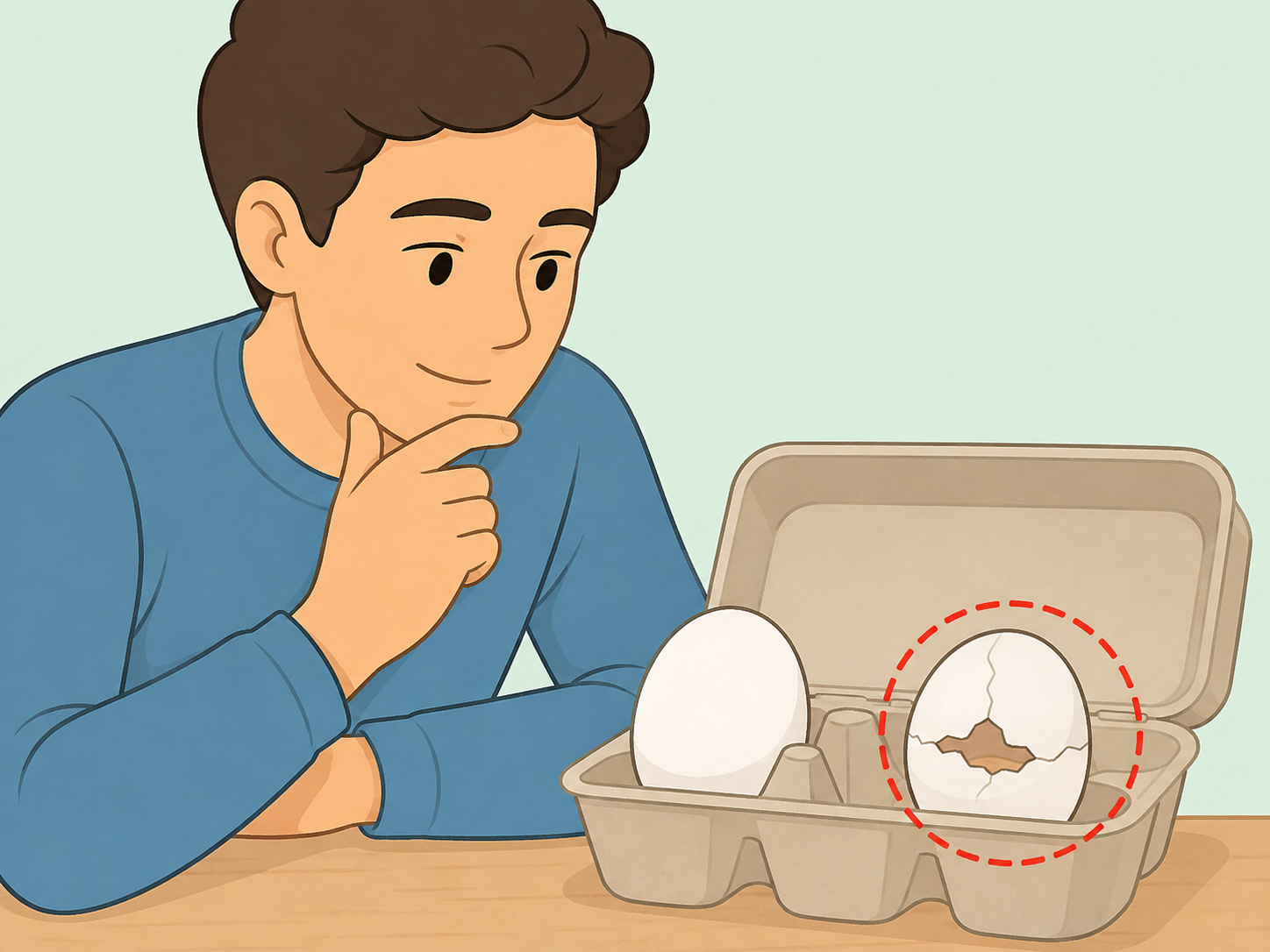
Eating eggs is not automatically dangerous, but fresh shell eggs can sometimes contain Salmonella, even when they look clean. The goal is not to fear eggs, but to handle them like the perishable food they are.
Buy refrigerated, clean, uncracked eggs
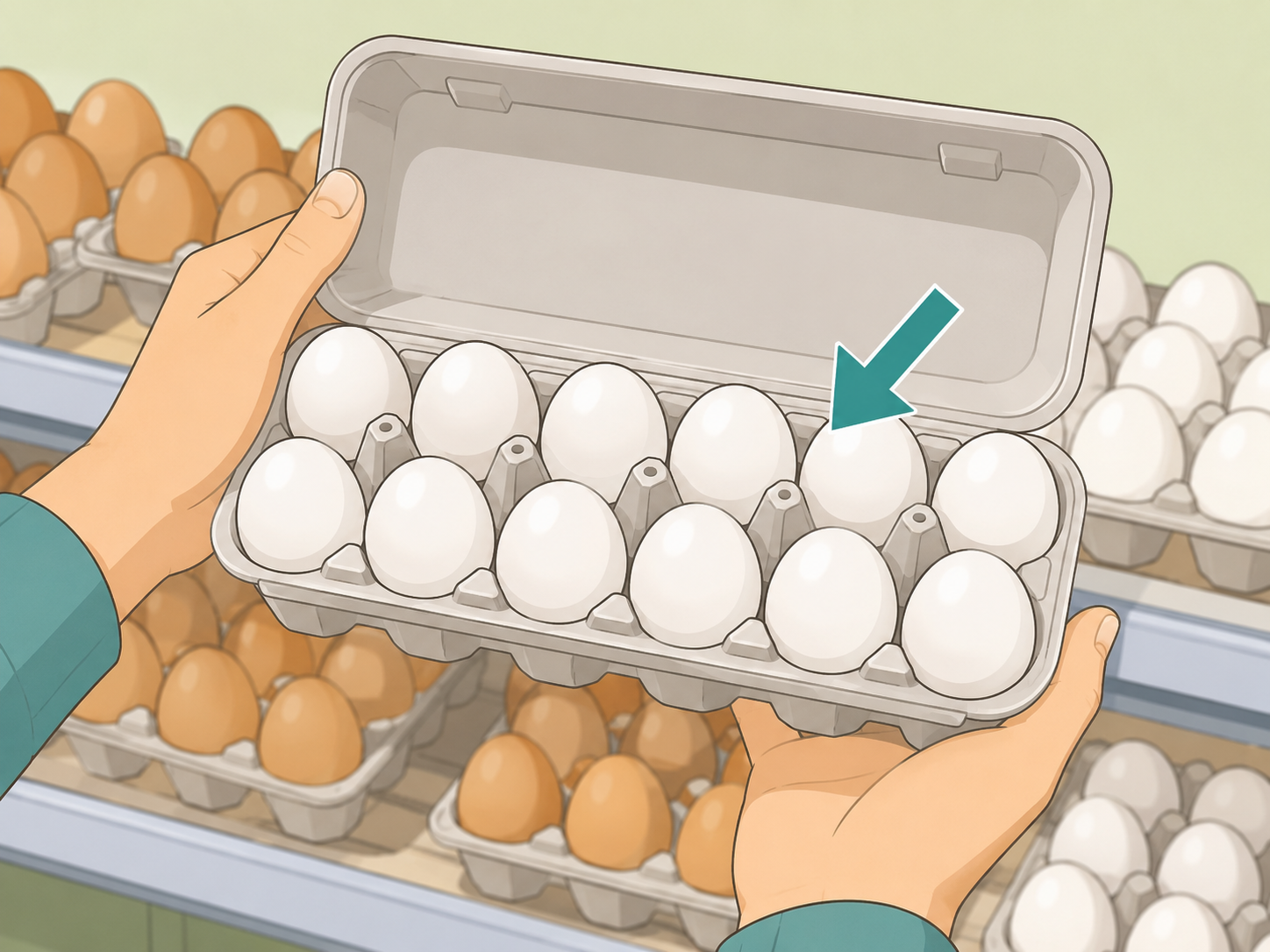
Choose eggs only from a refrigerated case, and open the carton before buying to check that the shells are clean and not cracked. The FDA advises avoiding cracked eggs because bacteria can enter more easily through damaged shells.
Refrigerate eggs promptly
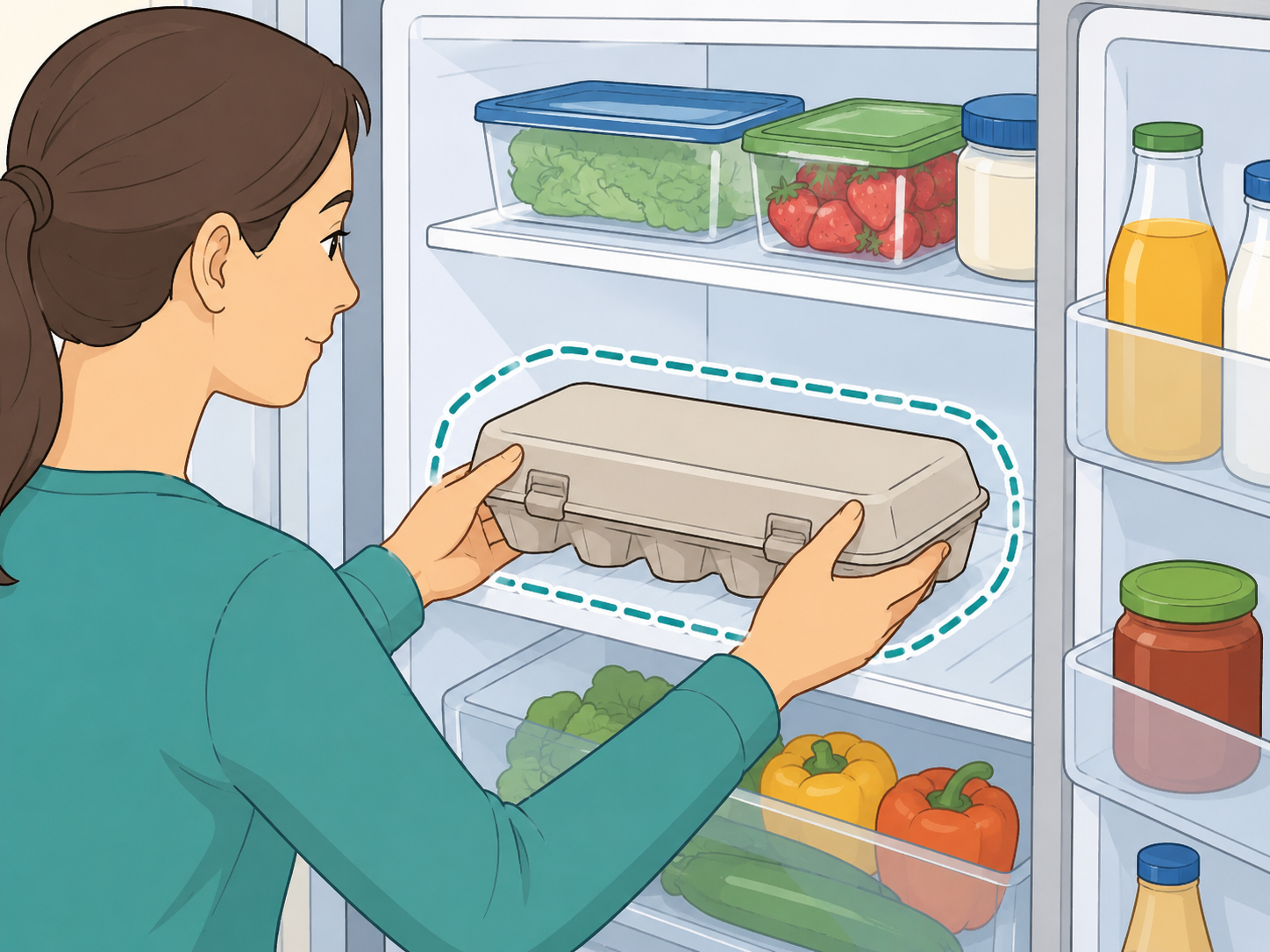
Put eggs in a clean refrigerator at 40°F or below as soon as you get home. For best quality, the FDA recommends storing eggs in their original carton and using them within 3 weeks.
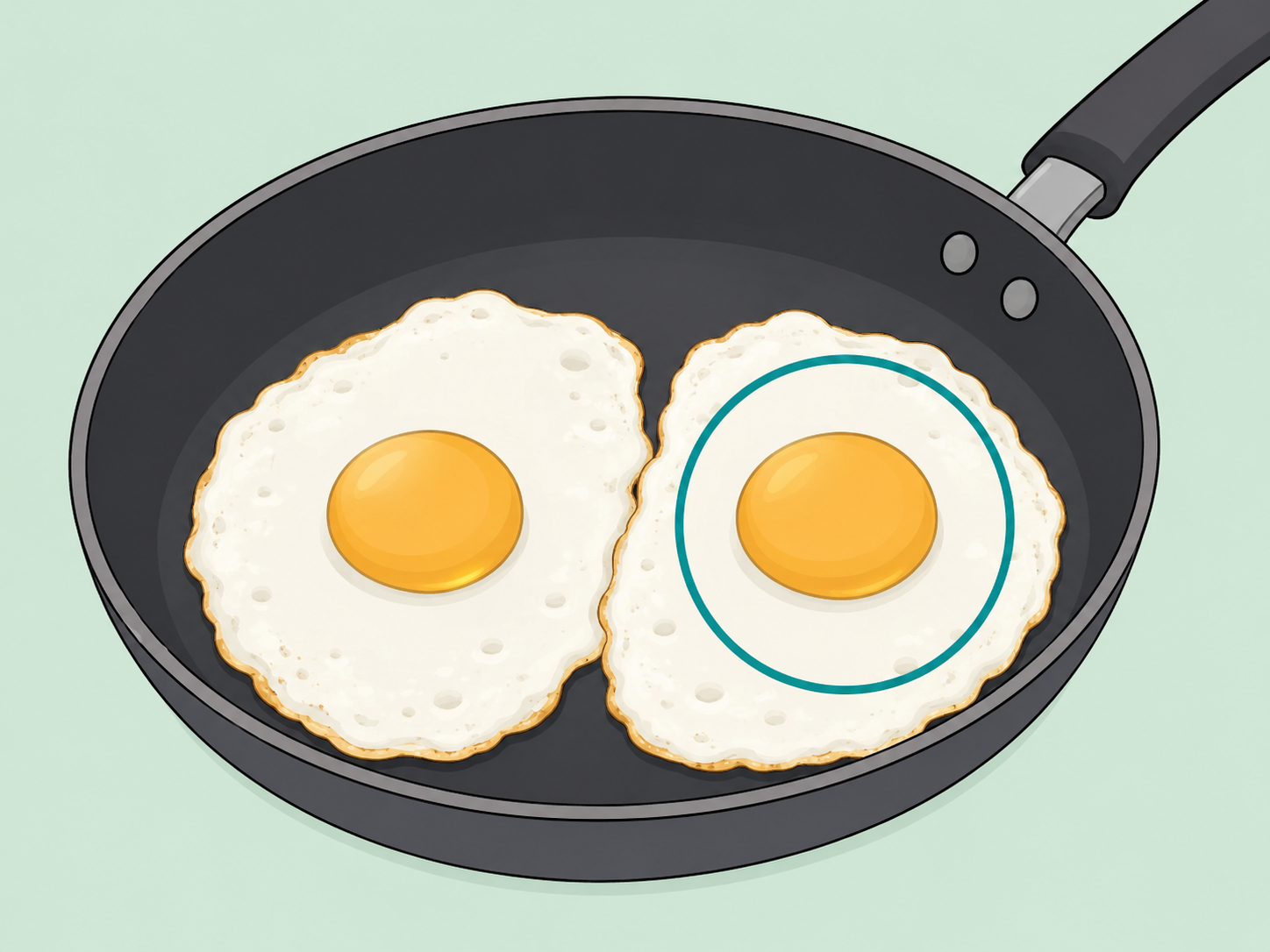
Cook eggs until the whites and yolks are firm
For everyday safety, cook eggs until both the white and yolk are firm, and avoid serving scrambled eggs while they are still runny. The CDC lists fully cooked eggs and egg dishes cooked to safe temperatures as safer choices than raw or undercooked eggs.
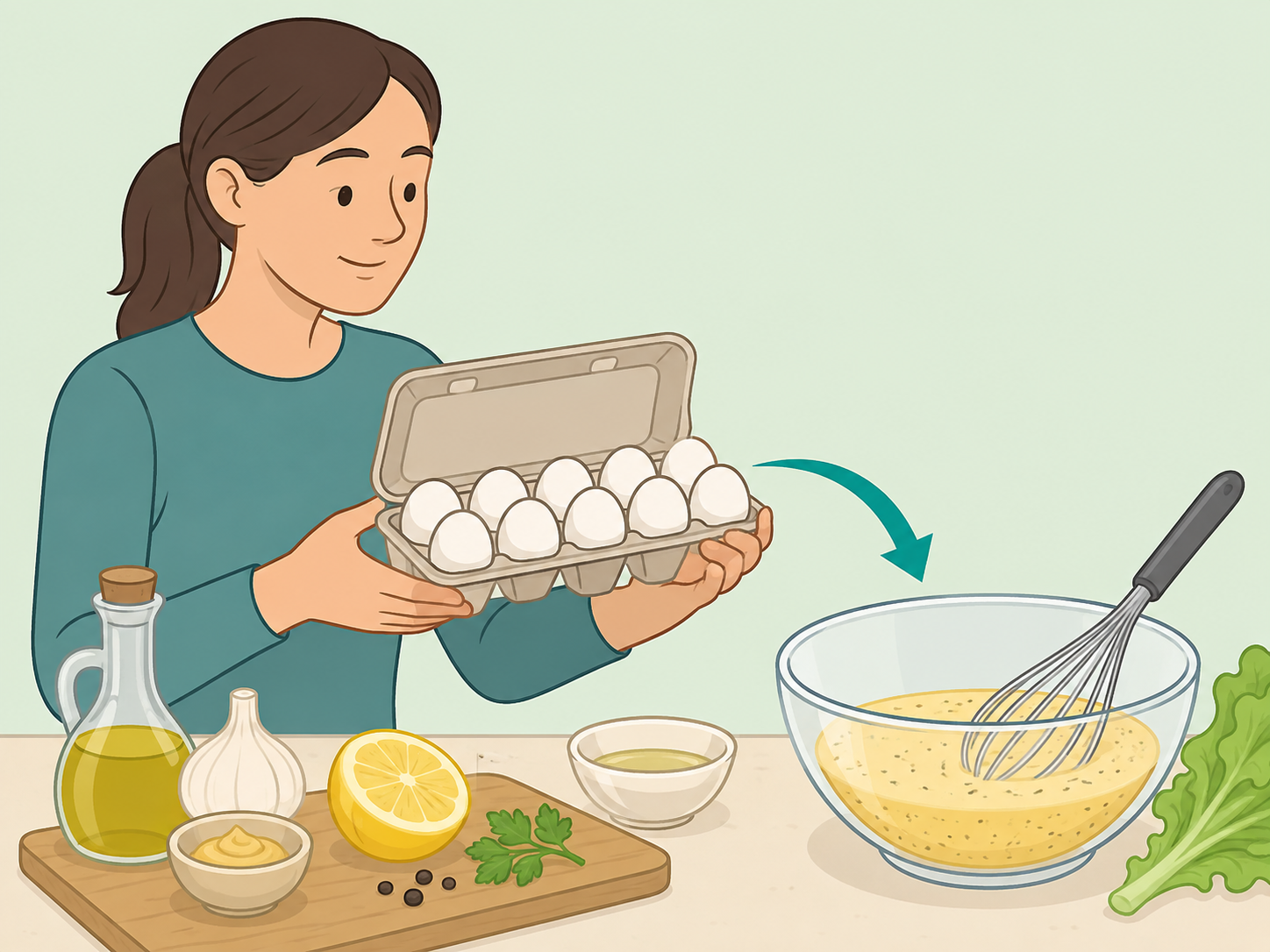
Use pasteurized eggs for raw or lightly cooked dishes
If a dish will stay raw or only lightly cooked, such as homemade Caesar dressing, mousse, mayonnaise, or eggnog, use pasteurized shell eggs or pasteurized egg products. This follows FDA guidance for recipes that call for raw or undercooked eggs.
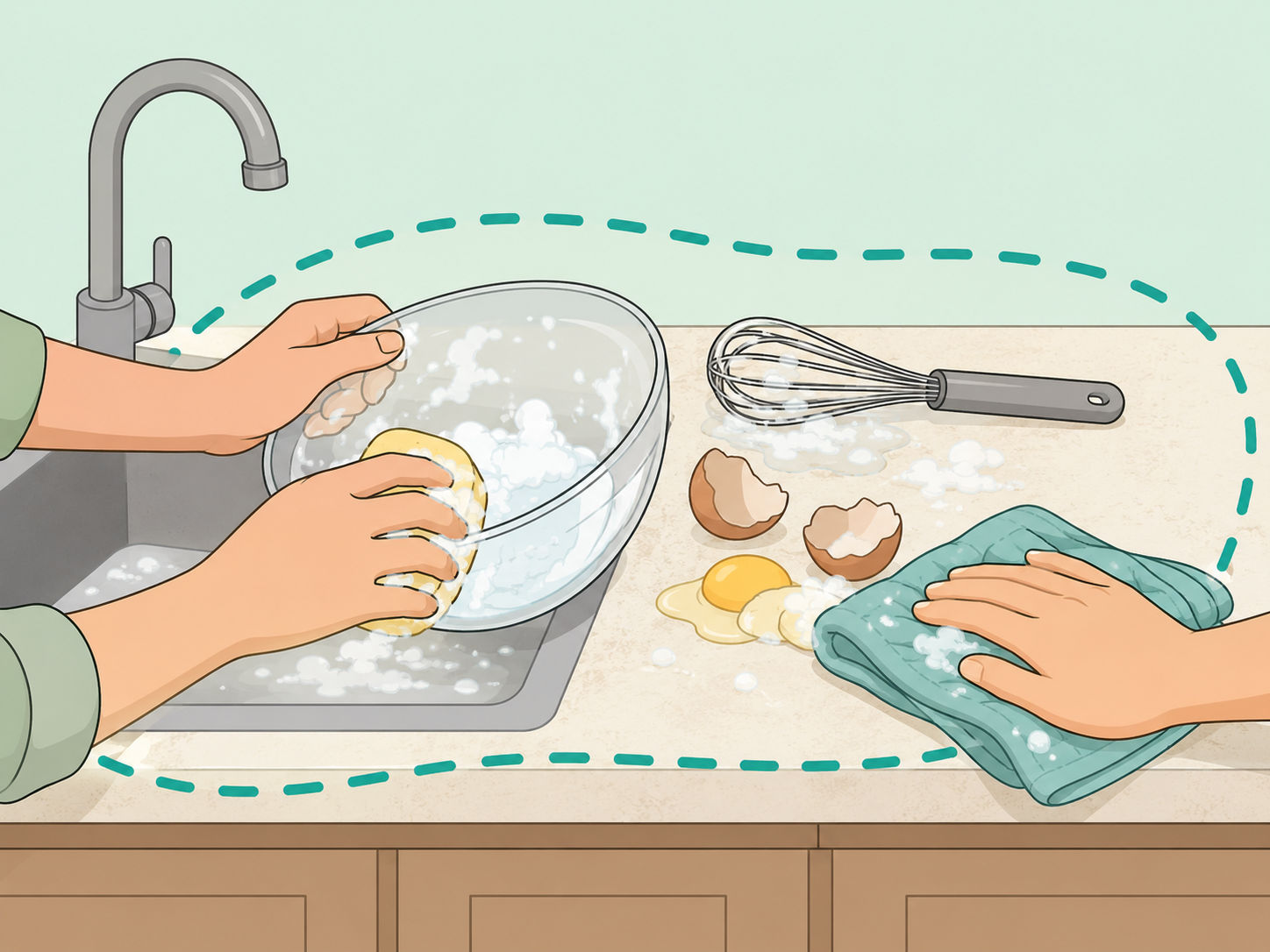
Wash hands, utensils, and surfaces after raw eggs
Raw egg can spread bacteria to hands, bowls, counters, and utensils. Wash with hot, soapy water before and after handling raw eggs, and keep raw egg mixtures away from foods that are already ready to eat, as advised in FDA egg-preparation guidance.
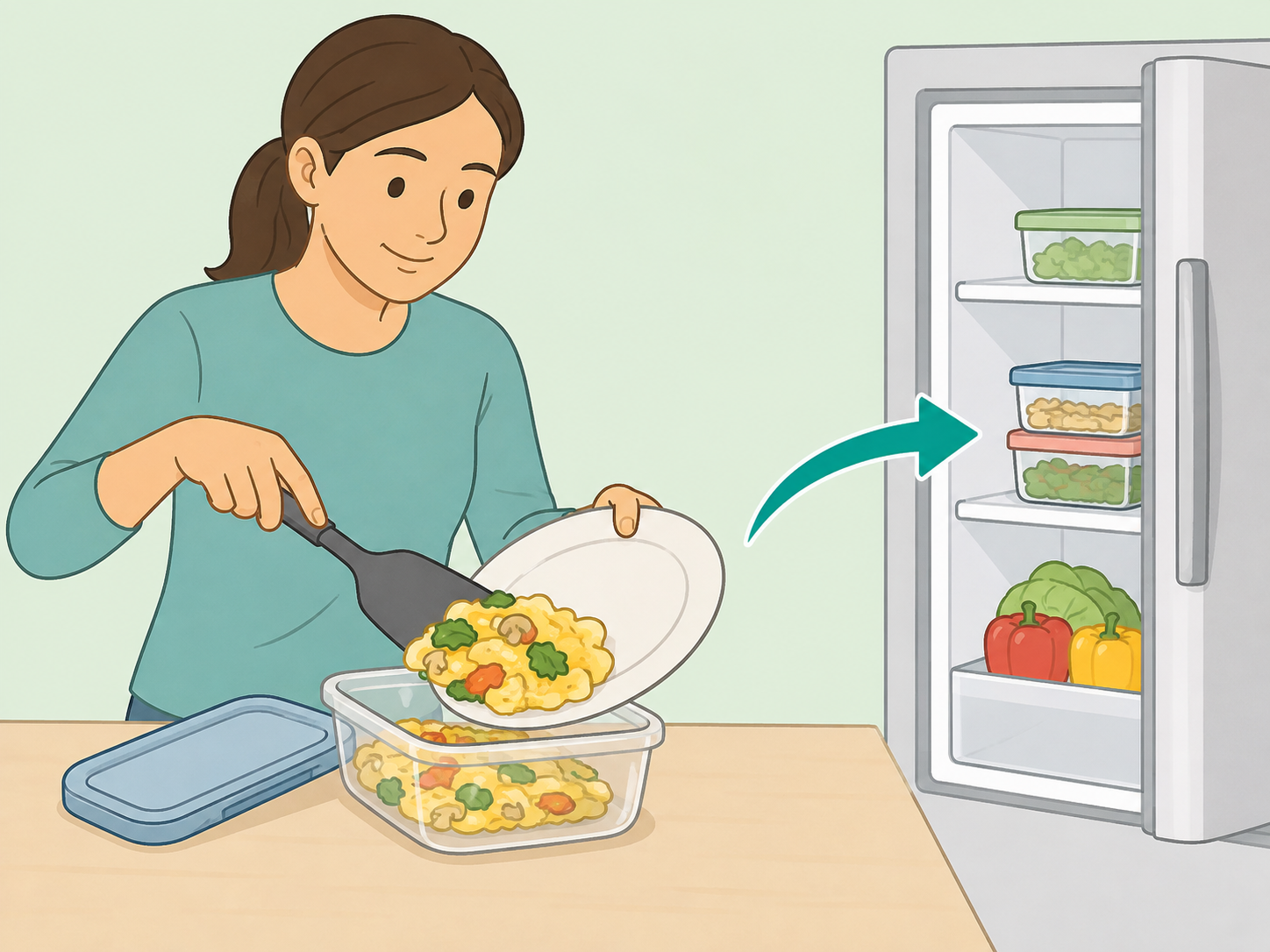
Serve cooked egg dishes promptly
Serve cooked eggs and egg dishes soon after cooking, or refrigerate them for later. The FDA says not to leave cooked eggs or egg dishes out for more than 2 hours, or more than 1 hour when temperatures are above 90°F.
Put cholesterol claims in context
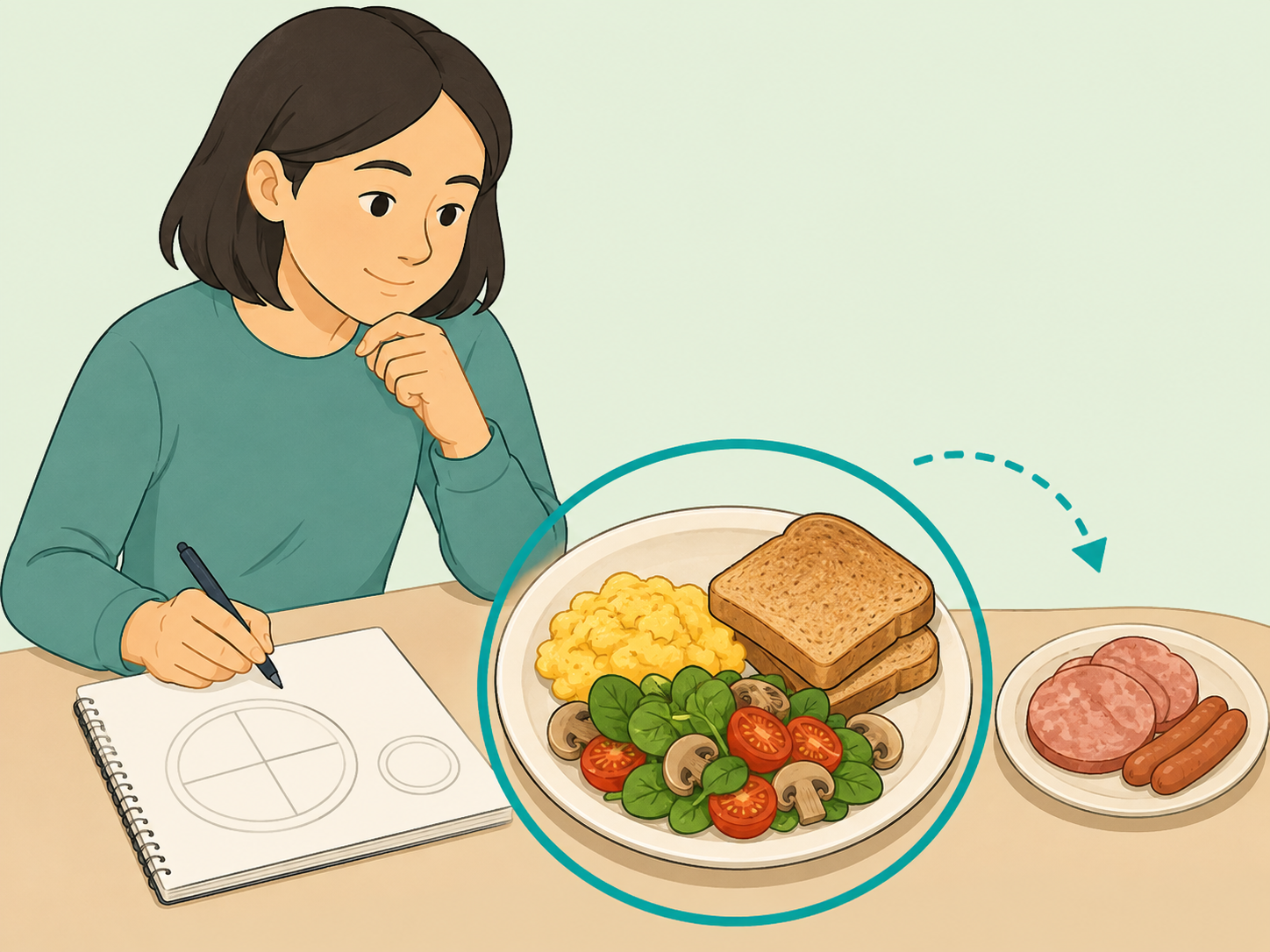
Egg yolks contain cholesterol, but that does not mean eggs are automatically bad for your heart. Mayo Clinic says most healthy people can eat up to seven eggs a week without increasing heart disease risk, while people with diabetes, high cholesterol, or heart disease should ask a clinician what fits their diet.
Balance eggs with the rest of your meal
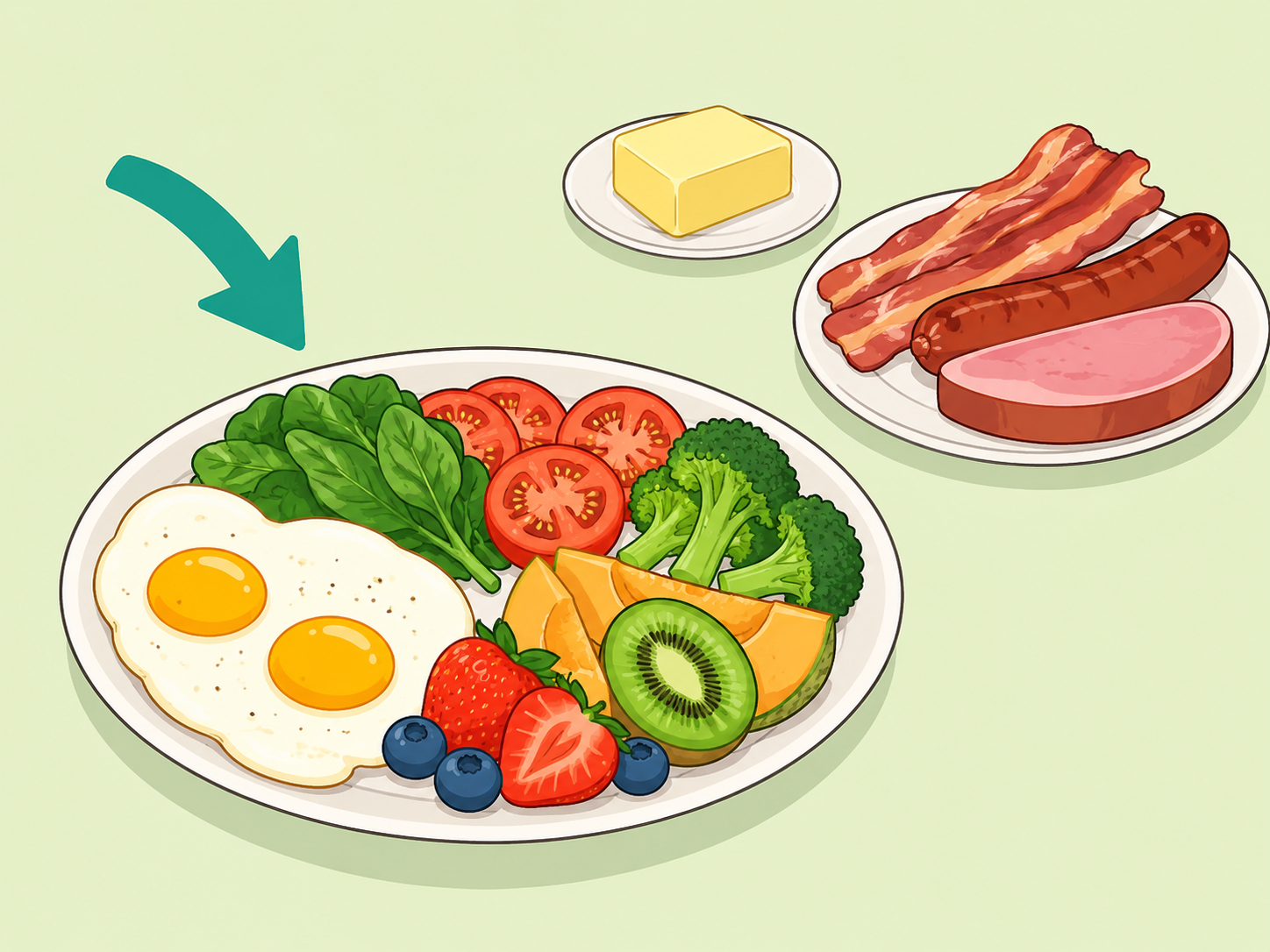
How you prepare eggs matters because butter, bacon, sausage, and cheese can add saturated fat and sodium. For a heart-healthier pattern, Mayo Clinic lists eggs among lower-fat protein options while advising people to limit fatty meats, processed meats, and fried foods.
Know when to seek medical help
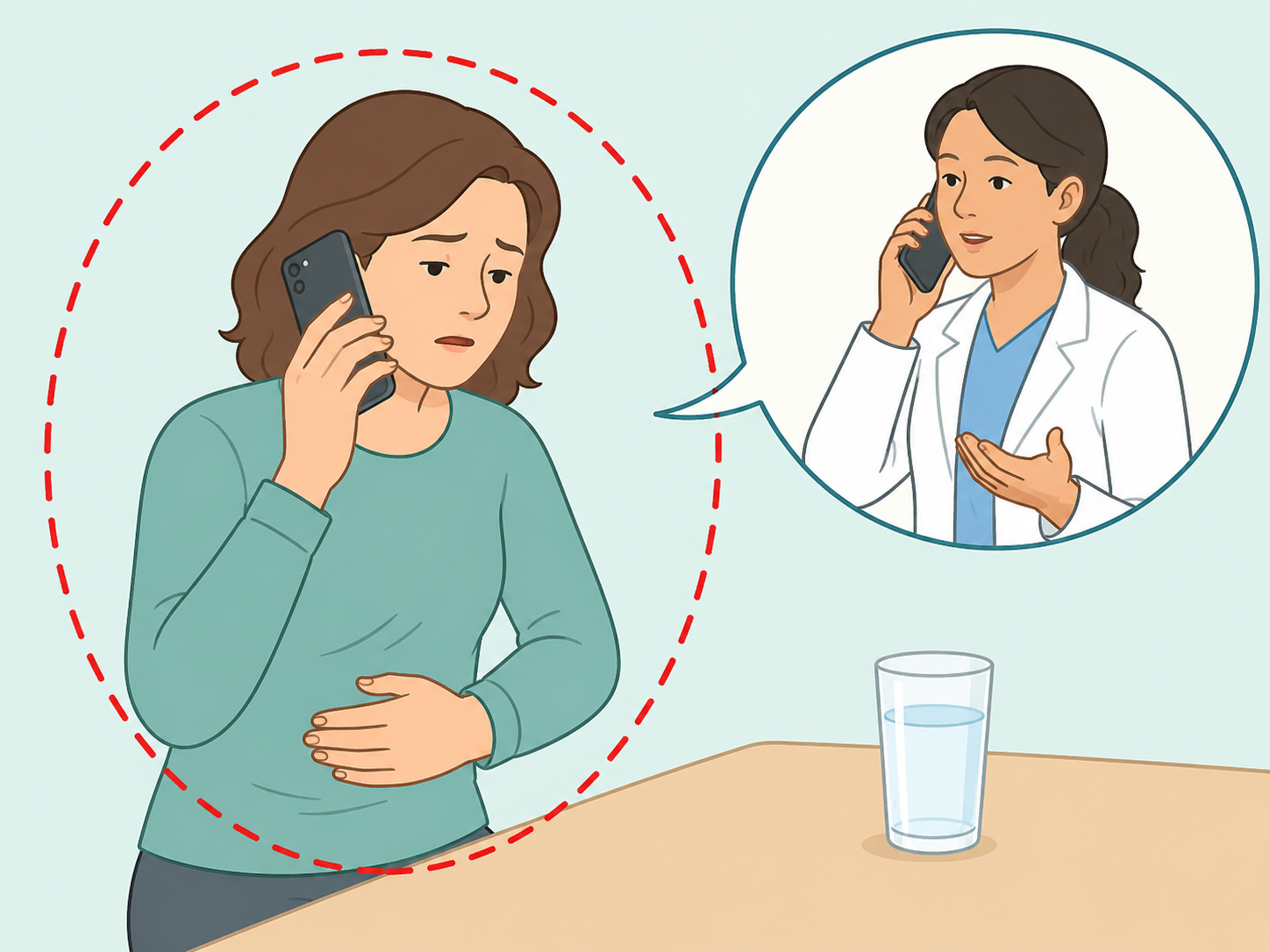
Food poisoning can cause diarrhea, stomach cramps, nausea, vomiting, and fever, and Salmonella symptoms often start hours to days after exposure. Contact a doctor for bloody diarrhea, fever over 102°F, vomiting that prevents fluids, dehydration, or symptoms lasting more than a few days; MedlinePlus also notes that Salmonella can be more serious for infants, older adults, and people with chronic health problems.
Summary
The bottom line: eggs are usually safe when they are refrigerated, kept clean, cooked properly, and served promptly. The real danger is not eating eggs in general, but treating raw or lightly cooked eggs as if they cannot carry germs.
Frequently Asked Questions
- Are eggs dangerous to eat?
Eggs are not dangerous by default. The risk rises when eggs are raw, undercooked, cracked, left warm too long, or handled in a way that spreads bacteria from raw egg to ready-to-eat food.
- Is it safe to eat runny eggs?
Runny eggs carry more risk than eggs cooked until the white and yolk are firm. People at higher risk for severe foodborne illness should choose fully cooked eggs or pasteurized eggs.
- Can I use raw eggs in homemade dressing or desserts?
Use pasteurized shell eggs or pasteurized egg products for foods that will not be cooked thoroughly, such as Caesar dressing, homemade mayonnaise, mousse, or eggnog.
- How long do hard-boiled eggs last?
The FDA recommends using hard-cooked eggs, whether peeled or still in the shell, within 1 week after cooking when they have been refrigerated properly.
- Do eggs raise cholesterol?
Egg yolks contain dietary cholesterol, but Mayo Clinic notes that saturated fat and trans fat often affect blood cholesterol more strongly than dietary cholesterol alone. Your personal limit depends on your overall diet and health history.
- When should I call a doctor after eating eggs?
Seek medical advice if you have severe symptoms such as bloody diarrhea, diarrhea lasting more than 3 days, fever over 102°F, repeated vomiting, signs of dehydration, or fever and flu-like symptoms during pregnancy.
References
Reliable references aided in composing and refining this content.
- https://www.fda.gov/food/buy-store-serve-safe-food/what-you-need-know-about-egg-safety
- https://www.cdc.gov/food-safety/foods/safer-food-choices.html
- https://www.cdc.gov/salmonella/signs-symptoms/index.html
- https://medlineplus.gov/salmonellainfections.html
- https://www.mayoclinic.org/diseases-conditions/high-blood-cholesterol/expert-answers/cholesterol/faq-20058468
- https://www.mayoclinic.org/diseases-conditions/heart-disease/in-depth/heart-healthy-diet/art-20047702