
 Pin it
Stories about people ignoring symptoms can be frightening, but the useful lesson is simple: notice changes that are unusual for you and do not wait for them to become severe. Cancer warning signs vary by type, and many symptoms are caused by conditions that are not cancer. This guide explains what to watch for, how to track it, and when to get medical help.

Notice symptoms that persist for more than a couple of weeks
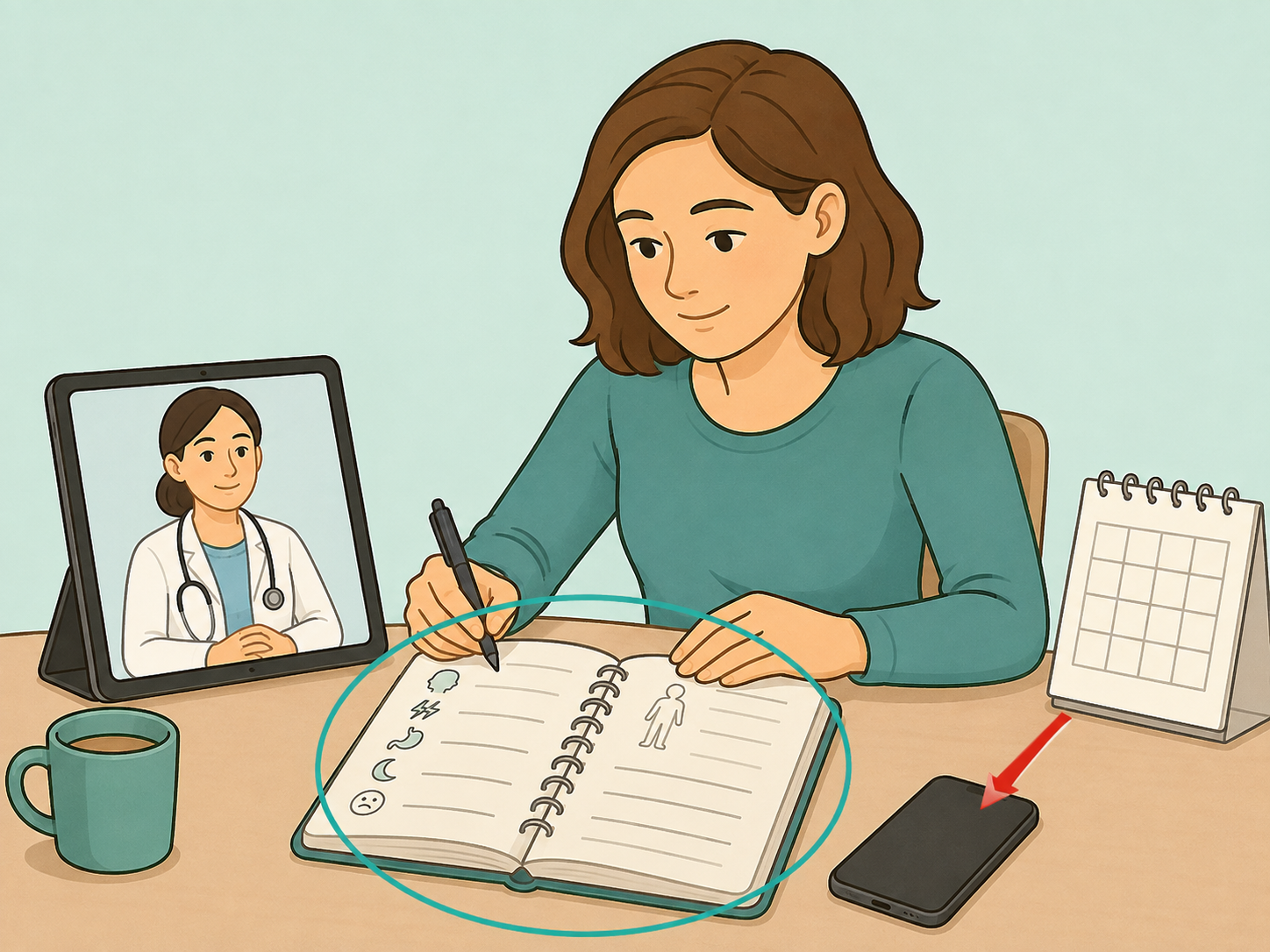
Do not try to diagnose yourself from one symptom, because many cancer-like symptoms are more often caused by other problems. The important pattern is persistence, worsening, or a change that is clearly unusual for you. If a symptom does not improve after a couple of weeks, make a medical appointment instead of waiting for it to become painful.
Take recurring night sweats seriously
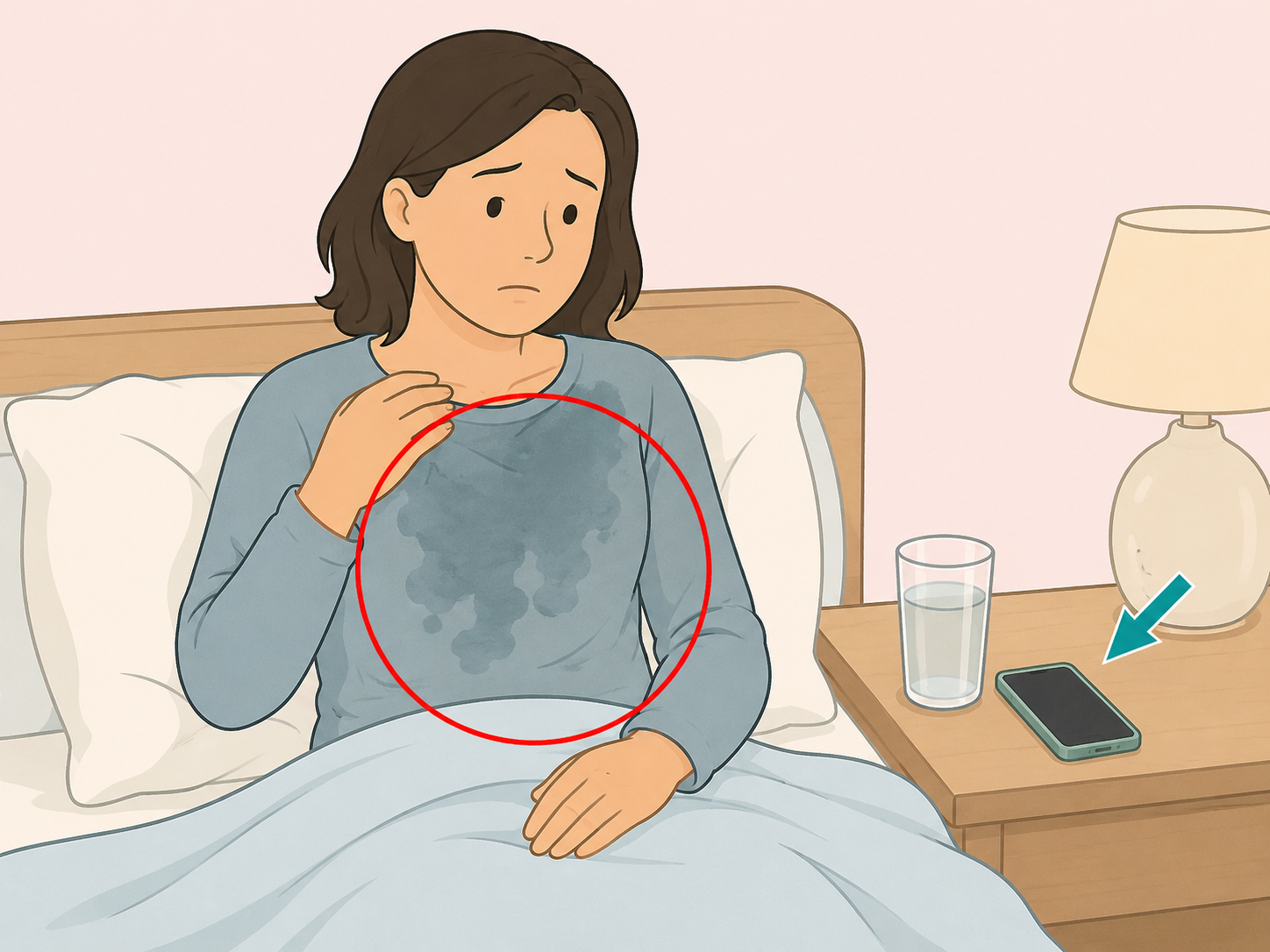
Night sweats can come from many causes, but sweating heavily at night or having a long-lasting or recurring high temperature is listed by the NHS among possible cancer symptoms. Pay special attention if the sweating is new, soaking, repeated, or paired with weight loss, fever, swollen lumps, or unusual tiredness. A doctor can help look for common causes as well as serious ones.
Pay attention to unexplained weight or appetite changes
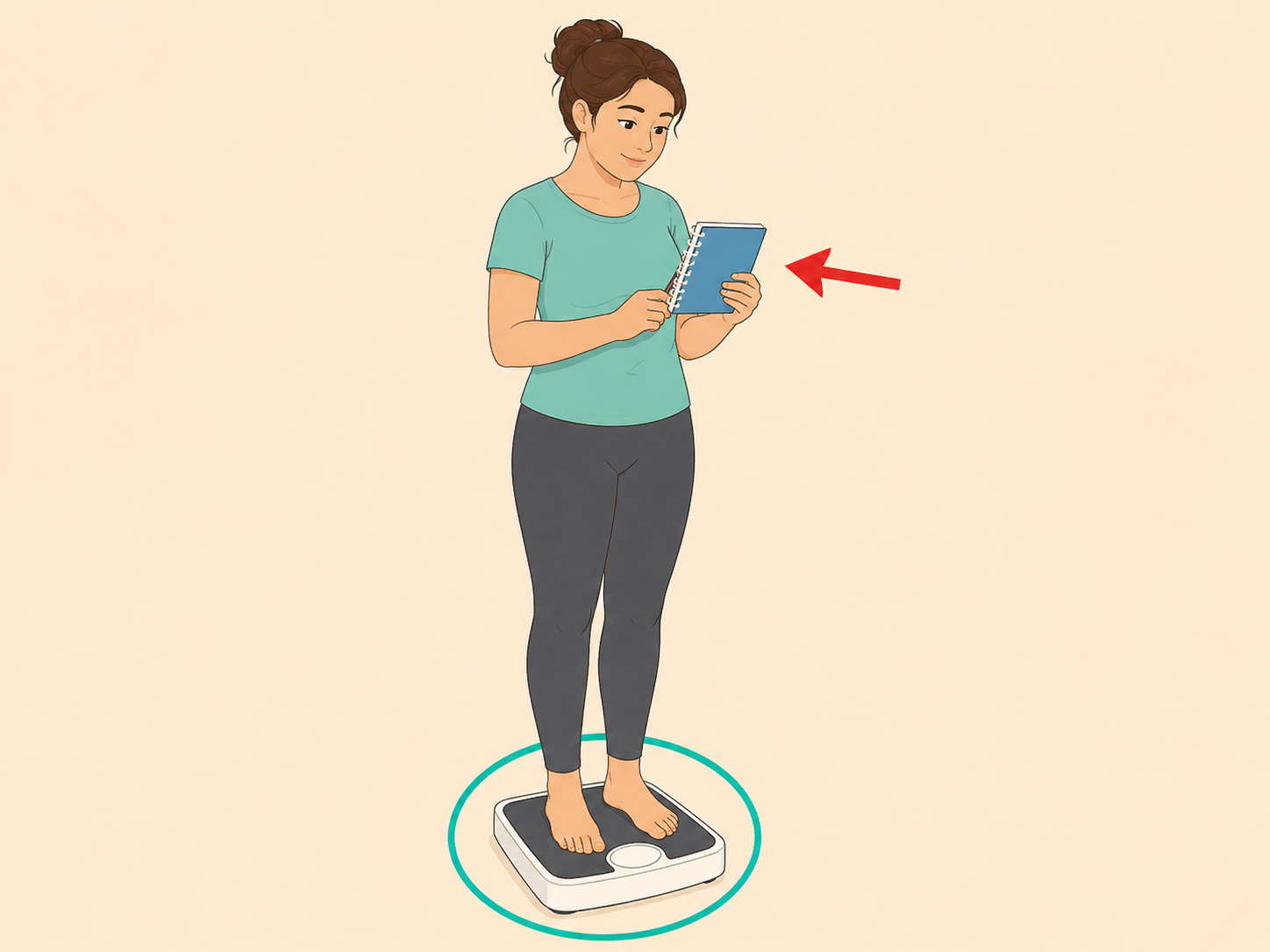
Losing weight without trying deserves attention, especially if it is more than 5% of your body weight over 6 to 12 months, according to Mayo Clinic guidance on unexplained weight loss. Appetite loss, feeling full quickly, or weight gain or loss with no clear reason can also be part of a broader symptom pattern. Write down approximate weight changes and any changes in eating so your doctor has useful details.
Check for new lumps or swollen areas
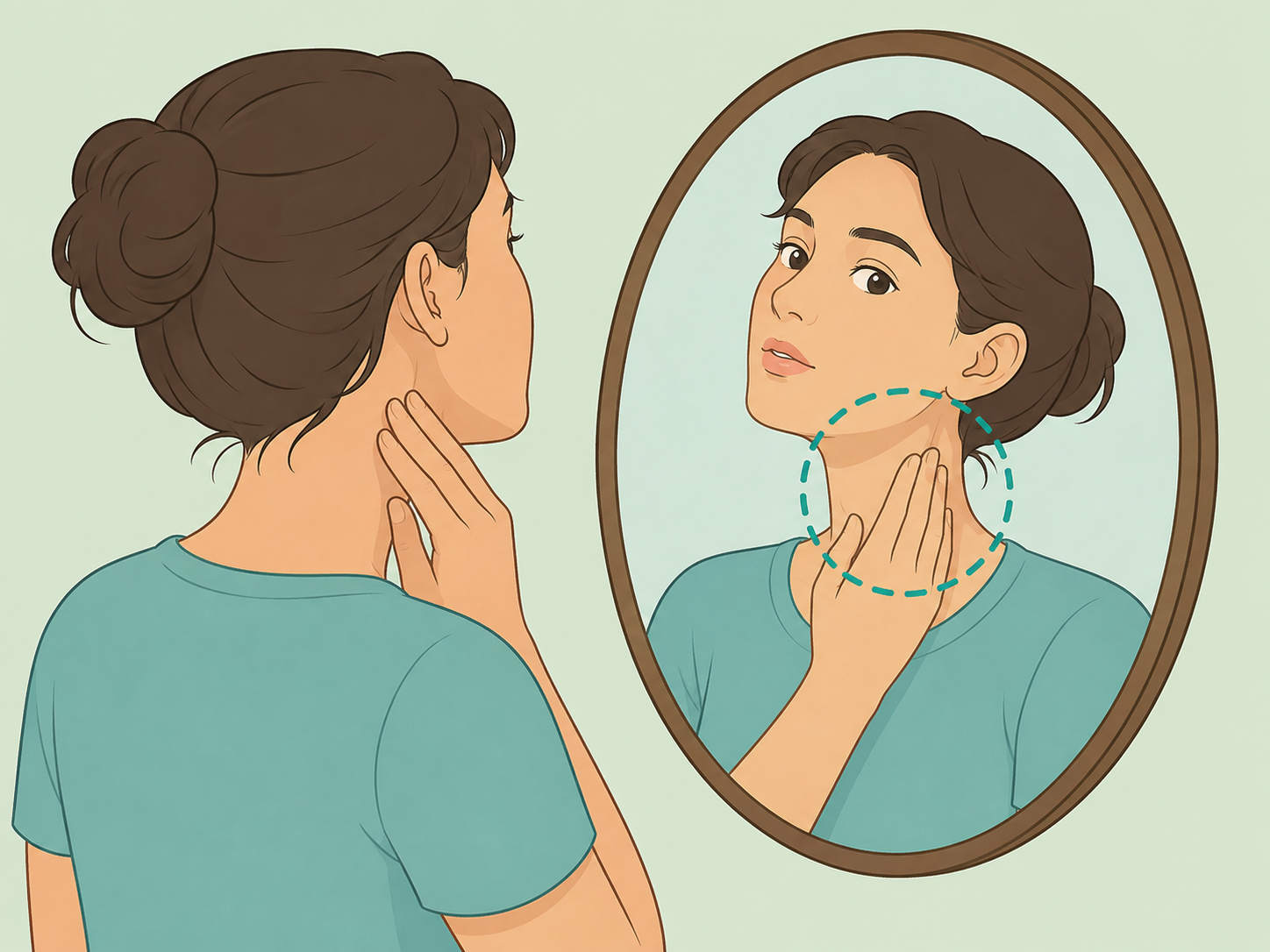
A new lump, thickened area, or swelling in places such as the neck, underarm, breast, abdomen, or groin should be checked if it does not go away. Mayo Clinic lists a lump or thickening under the skin among general signs that can be associated with cancer, though many lumps are benign or infection-related. Do not squeeze or repeatedly press the area; note its size, tenderness, and how long it has been there.
Do not ignore unusual bleeding or bowel and bladder changes
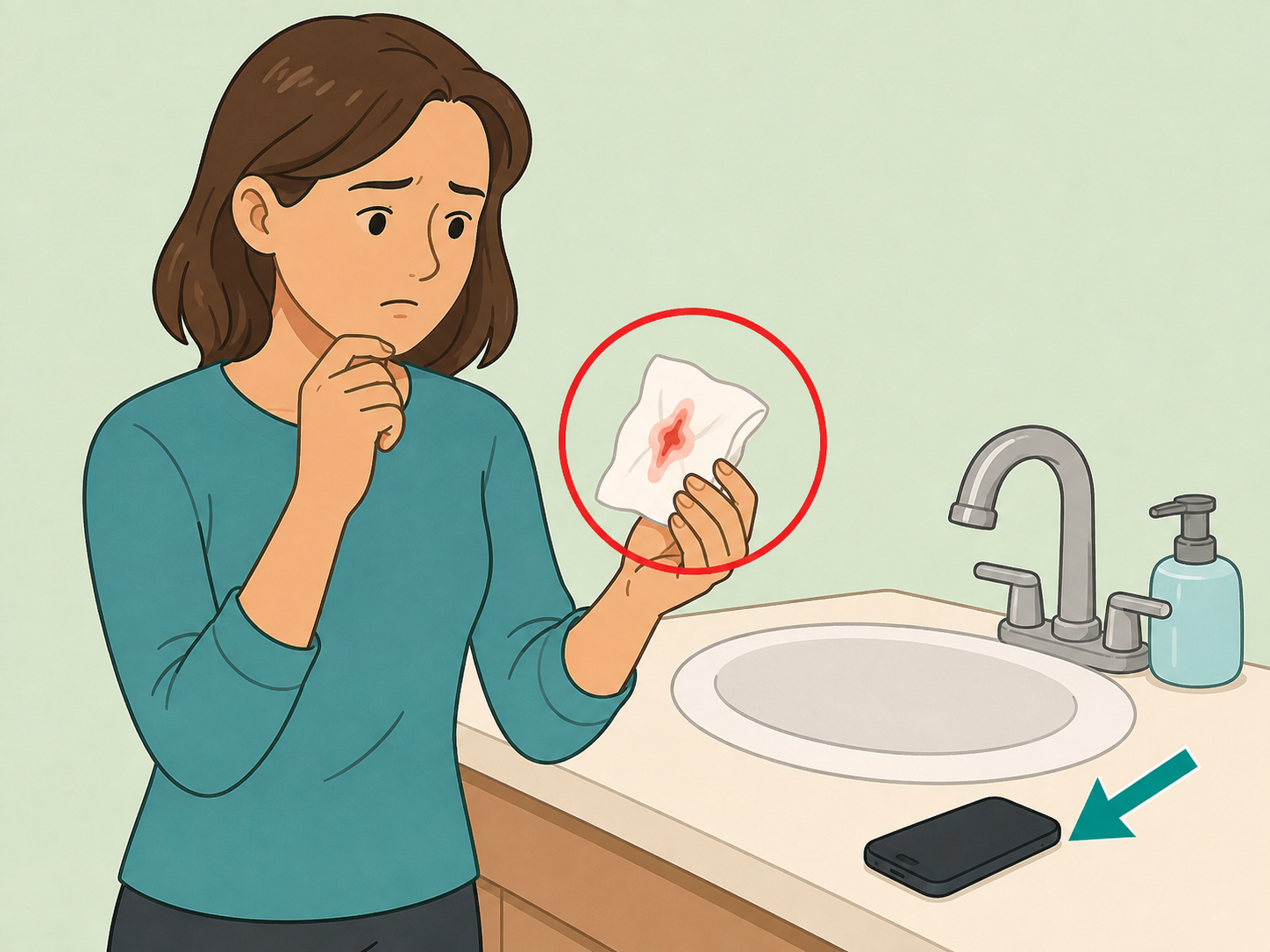
Unusual bleeding, blood in stool or urine, unexplained bruising, ongoing constipation or diarrhea, or changes in urination should be discussed with a health professional. The American Cancer Society includes unusual bleeding and bowel or bladder changes among common symptoms that should be evaluated. These signs can have many causes, but they are not symptoms to hide or wait out for months.
Watch cough, hoarseness, swallowing trouble, or pain that does not go away
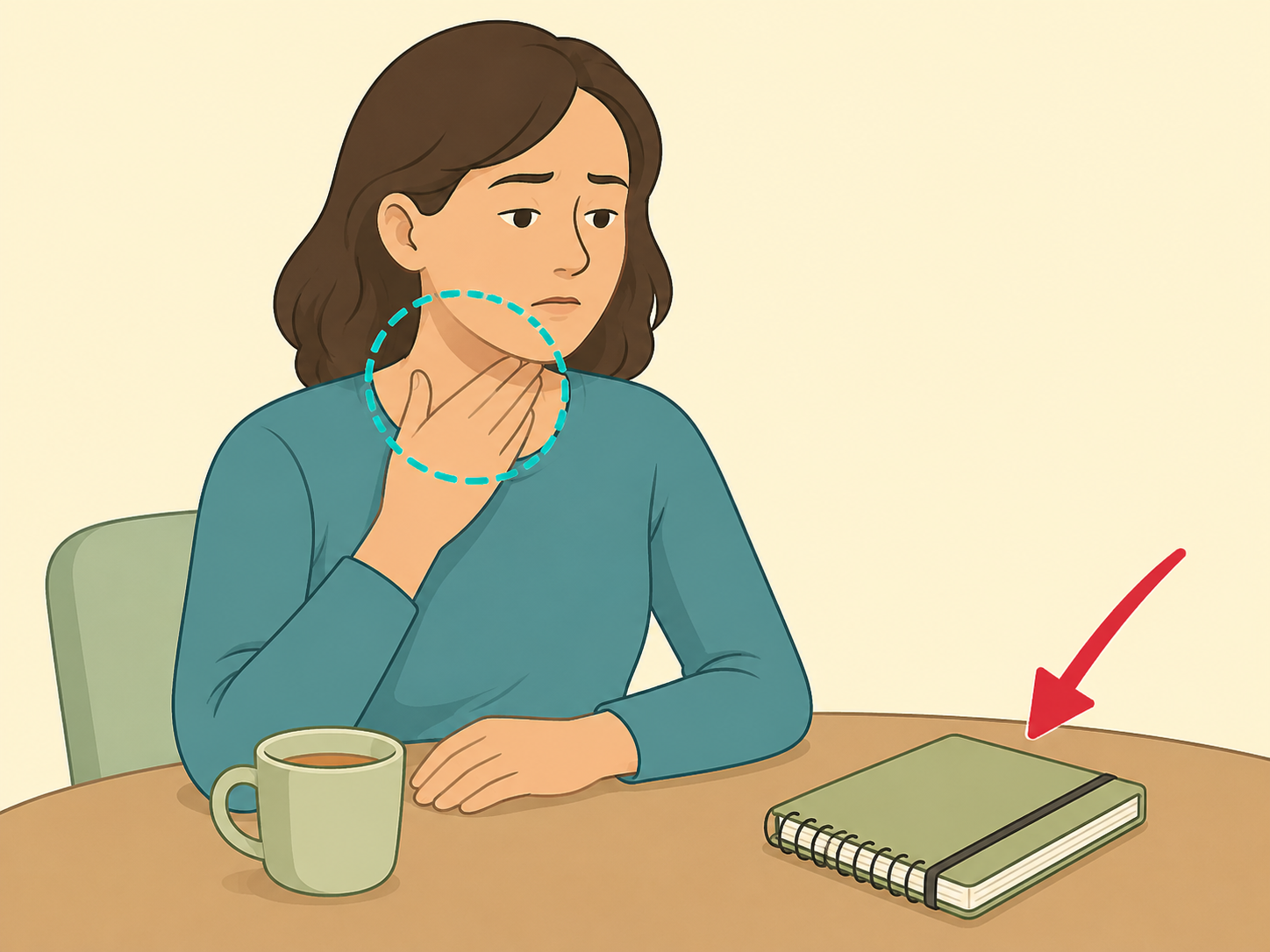
A cough or hoarseness that lingers, trouble swallowing, persistent indigestion, trouble breathing, or unexplained pain can be a reason to seek care. The National Cancer Institute lists cough, hoarseness, eating problems, and lasting fatigue among symptoms that may need evaluation when they continue. Call sooner if symptoms are severe, rapidly worsening, or affect breathing, eating, or daily function.
Look over your skin, moles, and nails
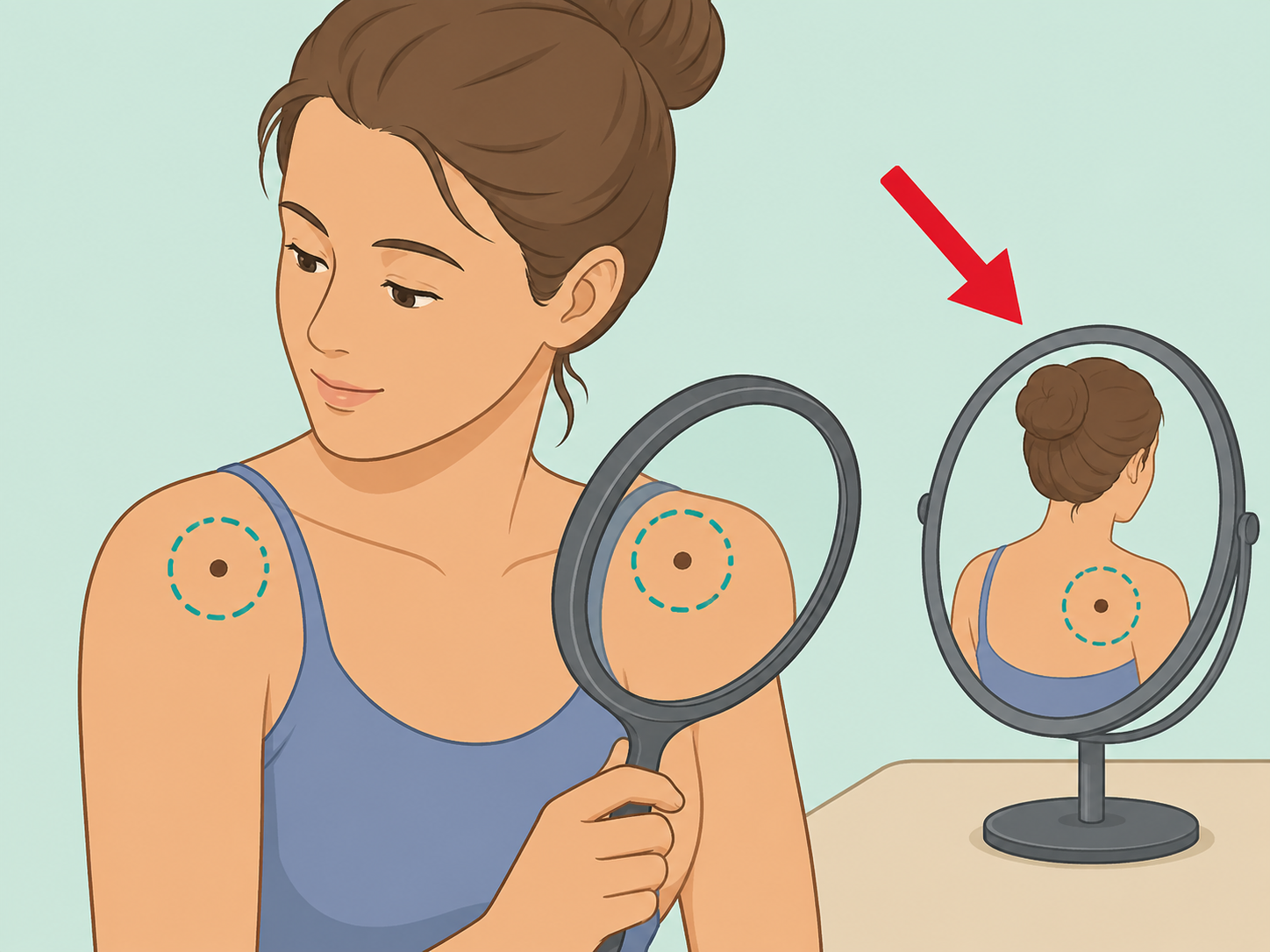
Check your skin regularly for a new growth, a sore that does not heal, a changing mole, or a spot that is changing, bleeding, itching, or becoming uneven. The CDC explains that a change in the skin is the most common sign of skin cancer and recommends knowing melanoma warning features such as asymmetry, irregular borders, uneven color, larger size, and evolution over time. Include hard-to-see areas such as the scalp, soles, between toes, and under nails.
See a doctor when symptoms persist or worry you
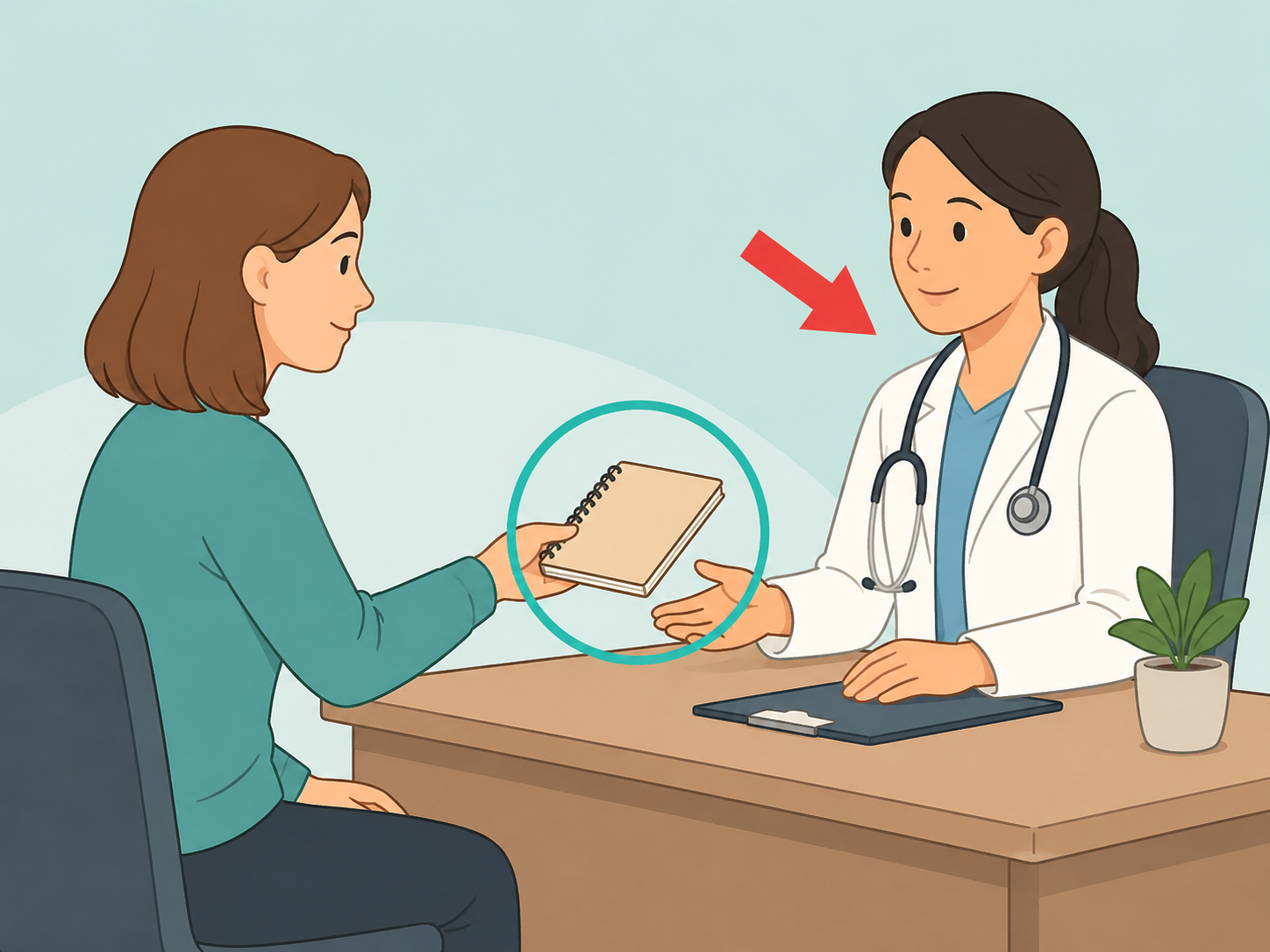
Make an appointment if a symptom lasts, returns, gets worse, or simply concerns you. If a symptom or screening result suggests cancer, the National Cancer Institute says a doctor may use medical history, physical examination, lab tests, imaging, or biopsy to find the cause. Bring a short symptom log, photos of visible changes, medication lists, and any family history that may be relevant.

Keep recommended cancer screenings up to date
Screening is different from checking a symptom: it looks for cancer before symptoms appear. The CDC notes that recommended screening can help find breast, cervical, colorectal, and lung cancers early in the right groups. Ask your doctor which screenings fit your age, sex, personal history, family history, and smoking history.
Summary
The bottom line: do not panic over one mild symptom, but do take persistent, unexplained, or worsening changes seriously. Track what you notice, keep recommended screenings current, and contact a doctor when something lasts, returns, or worries you.
Frequently Asked Questions
- Are night sweats always a cancer symptom?
- No. Night sweats can happen for many reasons, including infections, medications, hormones, and sleep environment. They deserve medical attention if they are new, persistent, unexplained, soaking, or paired with symptoms such as fever, weight loss, swollen lumps, or unusual fatigue.
- What two nighttime symptoms should I not ignore?
- Two nighttime symptoms that are often mentioned in cancer-awareness discussions are persistent night sweats and fever that keeps coming back or has no clear cause. These symptoms do not mean you have cancer, but they are worth discussing with a doctor if they continue.
- How long should I wait before calling a doctor?
- If a symptom lasts for a couple of weeks, gets worse, keeps returning, or worries you, make an appointment. Do not wait for pain, because some cancers may not cause pain early on.
- Can young adults get cancer?
- Yes. Cancer is more common with age, but it can occur at any age. Younger people should still take persistent, unexplained body changes seriously.
- Should I ask for a full-body cancer scan?
- Ask a doctor what evaluation fits your symptoms and risk factors. Broad testing is not always helpful and can cause false alarms, while targeted history, examination, lab tests, imaging, or biopsy may be more appropriate.
- What information should I bring to an appointment?
- Bring a short symptom log with when the symptom started, how often it happens, whether it is changing, related symptoms, medicines or supplements, recent illnesses, weight changes, and family history of cancer if known.
References
Reliable references aided in composing and refining this content.
- https://www.cancer.gov/about-cancer/diagnosis-staging/symptoms
- https://www.mayoclinic.org/diseases-conditions/cancer/symptoms-causes/syc-20370588
- https://www.mayoclinic.org/symptoms/unexplained-weight-loss/basics/causes/sym-20050700
- https://www.nhs.uk/conditions/cancer
- https://www.cdc.gov/skin-cancer/symptoms/index.html
- https://www.cdc.gov/cancer/prevention/screening.html
- https://www.cancer.gov/about-cancer/diagnosis-staging/diagnosis
- https://www.cancer.org/cancer/diagnosis-staging/signs-and-symptoms-of-cancer.html