
 Pin it
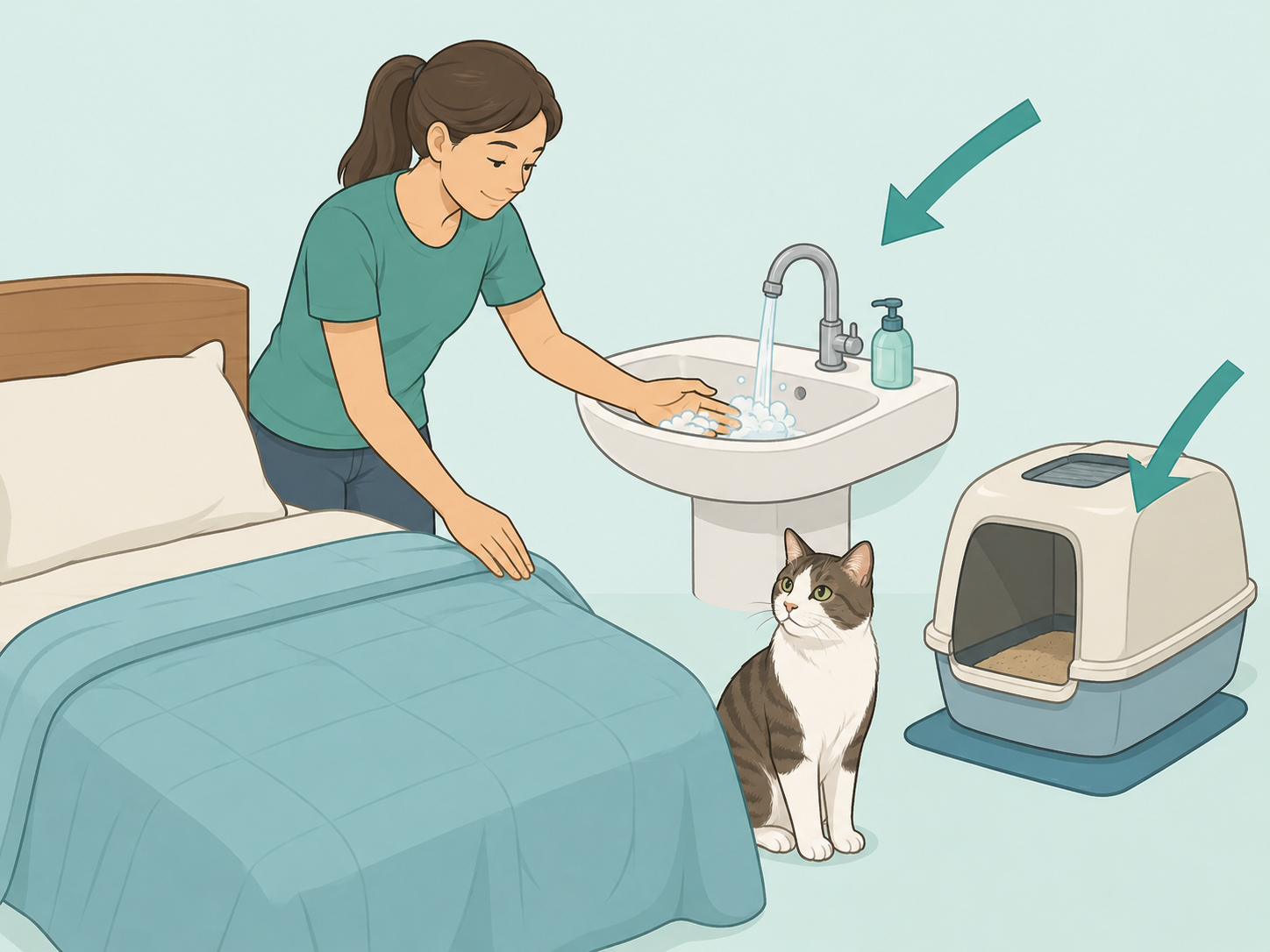
Sleeping with a cat can be comforting, but it is worth understanding the real health risks calmly. The main concern behind alarming headlines is toxoplasmosis, an infection that often causes no symptoms but can be serious during pregnancy or when the immune system is weakened. This guide explains how to reduce risk without panic.
Learn how toxoplasmosis actually spreads
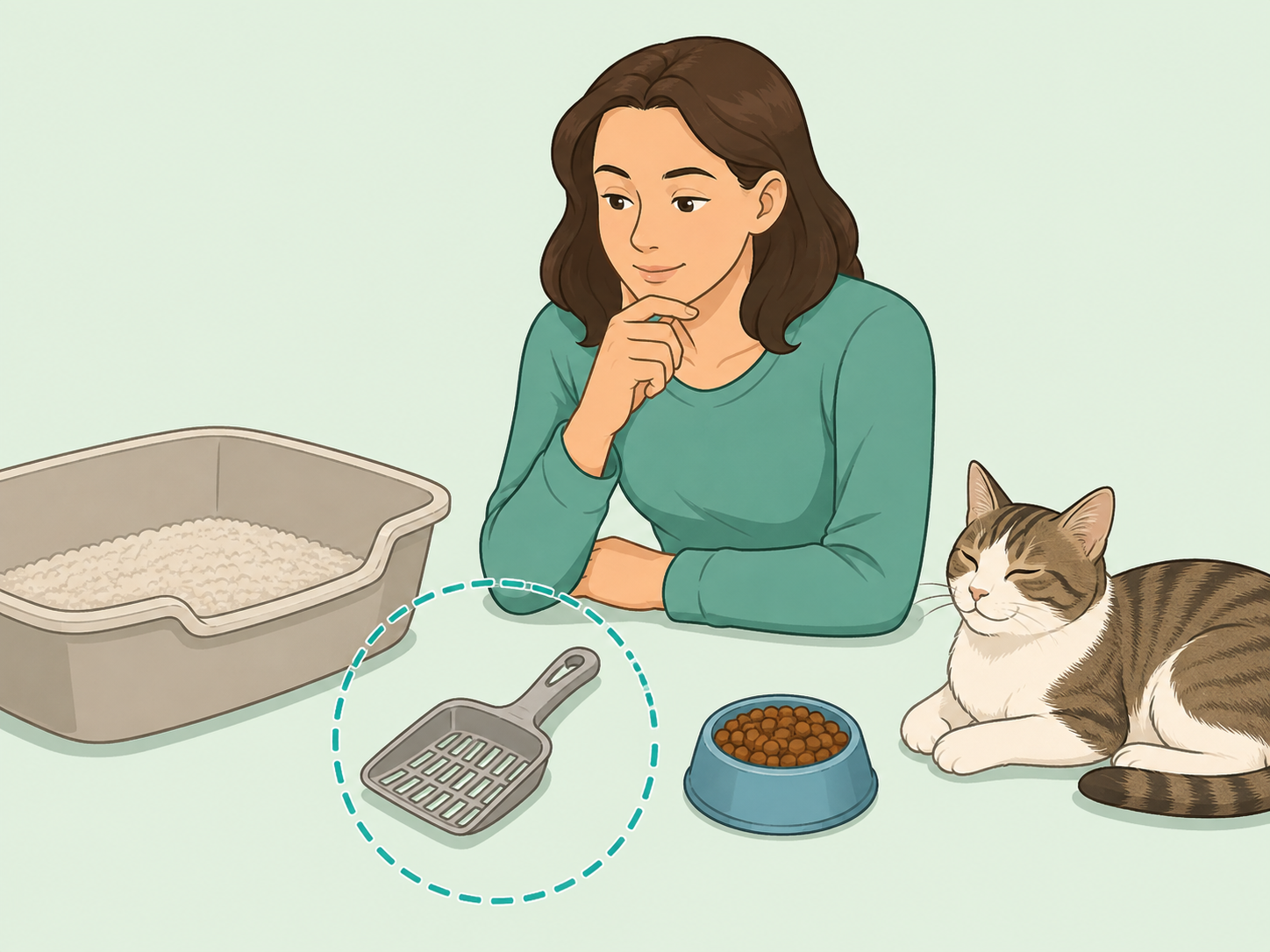
Toxoplasmosis is caused by the parasite Toxoplasma gondii, and the CDC explains that it spreads through contaminated cat feces, soil, water, or undercooked food. A cat sleeping beside you is not the main route by itself. The risk is higher when litter, fecal particles, outdoor soil, or poor hand hygiene get close to your face, food, or bedding.
Check your personal risk before sharing the bed
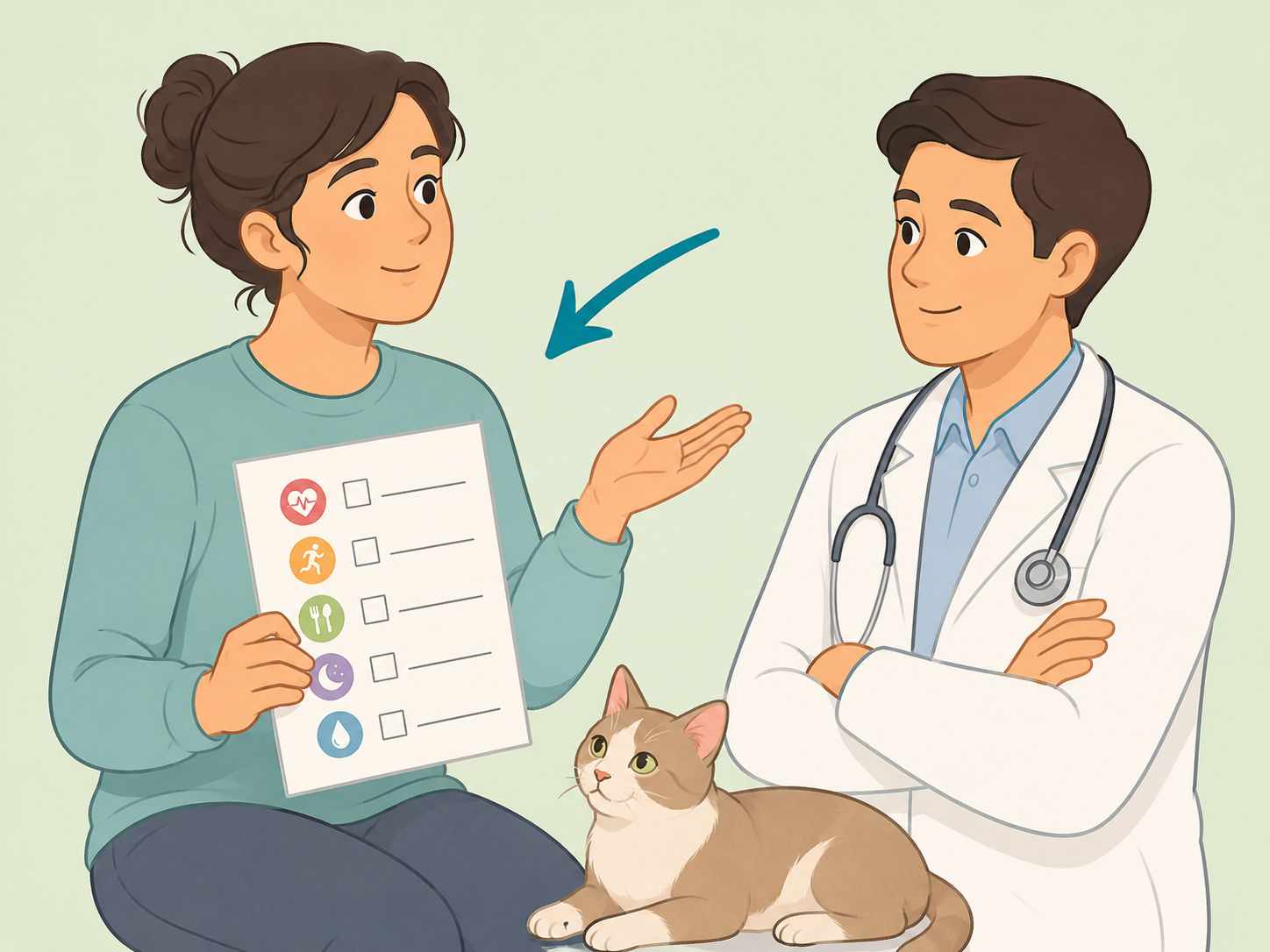
Most healthy people with toxoplasmosis have no symptoms or only mild illness, but pregnancy and immune suppression change the level of caution. The CDC lists pregnant people and immunocompromised people as higher-risk groups, and Cleveland Clinic notes that serious complications can occur in these groups. If you are pregnant, trying to conceive, receiving chemotherapy, living with HIV, have had a transplant, or take immune-suppressing medicine, ask a clinician whether bed sharing or litter care should change.
Keep litter and food areas out of the bedroom
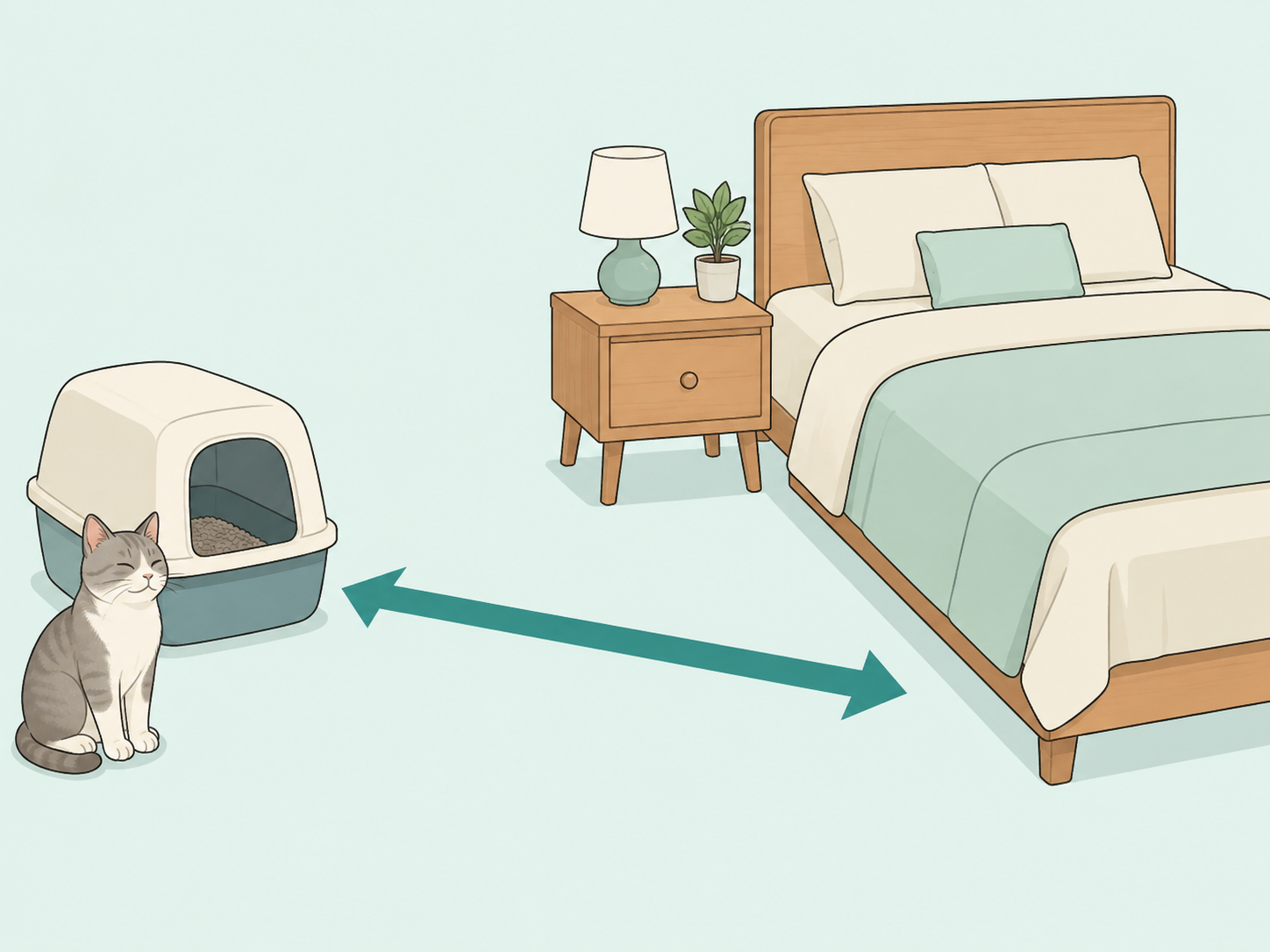
Do not keep the litter box near your bed, towels, vanity, makeup, toothbrushes, or snacks. The CDC recommends changing litter daily because Toxoplasma usually needs 1 to 5 days after shedding to become infectious. If you are higher risk, have someone else clean the box when possible, or wear disposable gloves and wash your hands afterward.
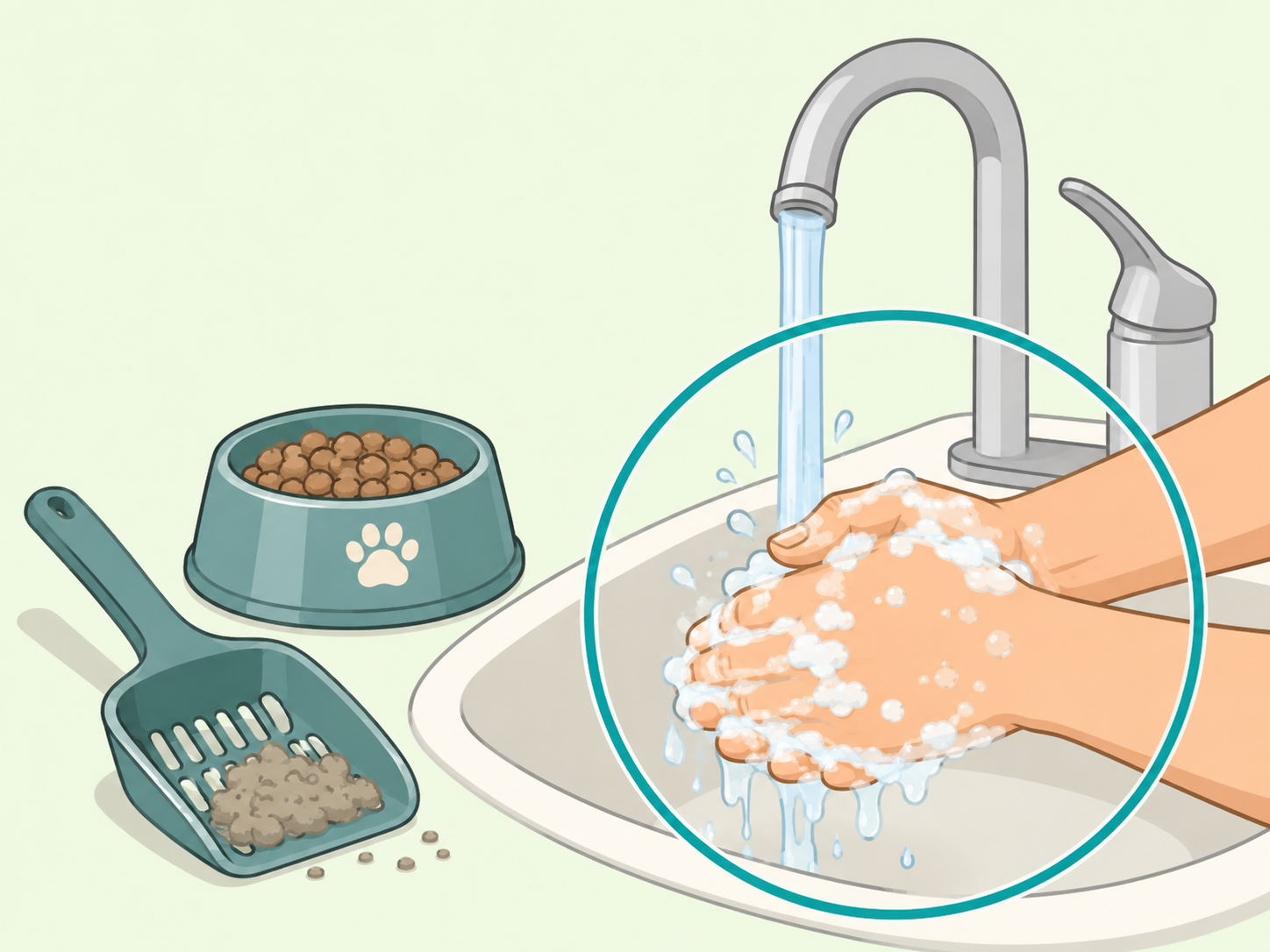
Wash your hands after litter, feeding, or saliva contact
Wash with soap and running water after scooping litter, touching food and water bowls, handling pet supplies, or contact with cat saliva or poop. The CDC advises handwashing after handling cats and before eating or drinking. This is especially important before touching your face, contact lenses, skincare products, or bedding.
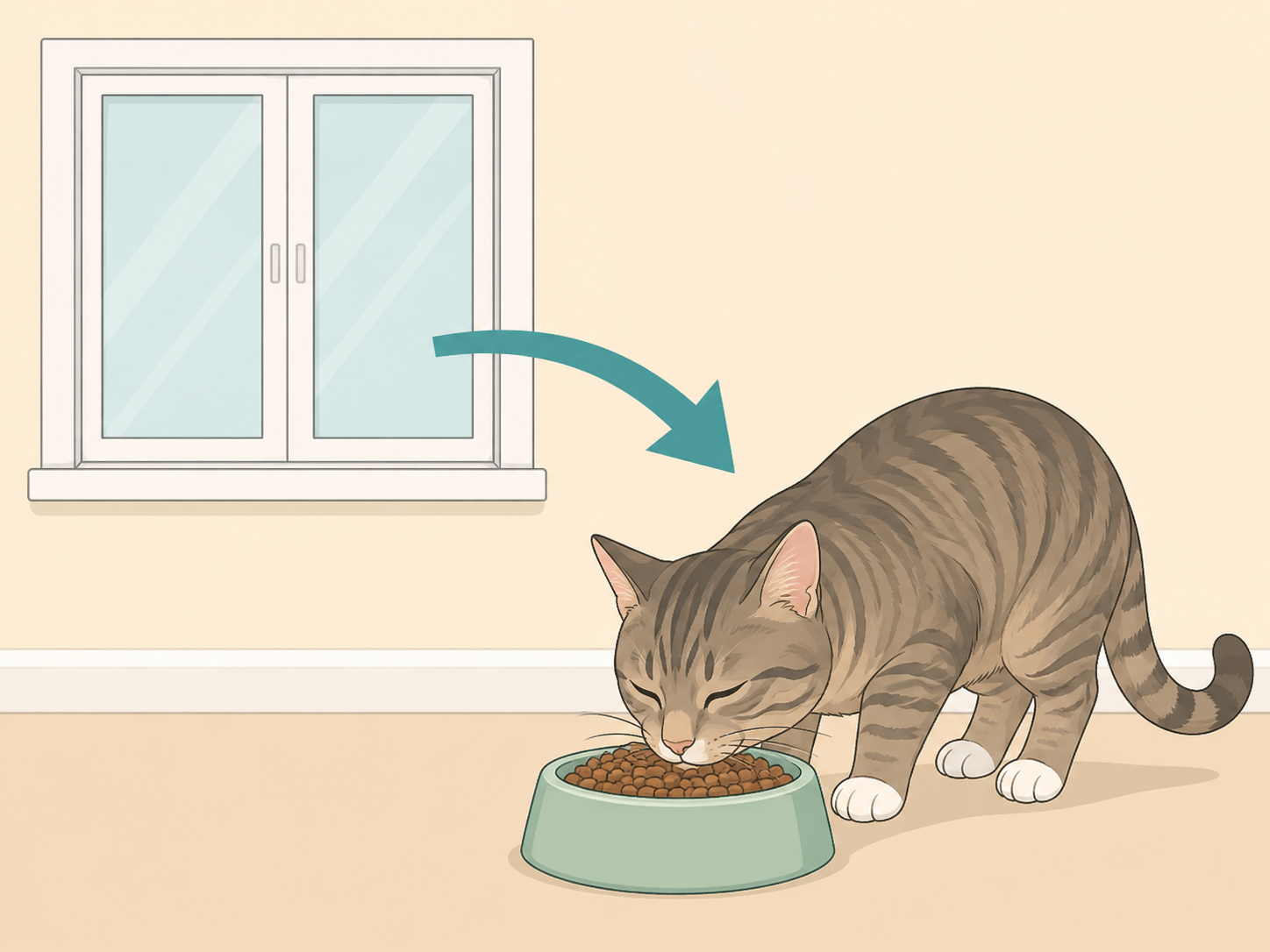
Keep your cat indoors and feed safe food
Cats can become infected after hunting infected rodents, birds, or other small animals. The CDC recommends keeping cats indoors and feeding commercial dry or canned food or well-cooked food, rather than raw or undercooked meat. Routine veterinary care also helps reduce fleas, ticks, and other infections that can affect people.
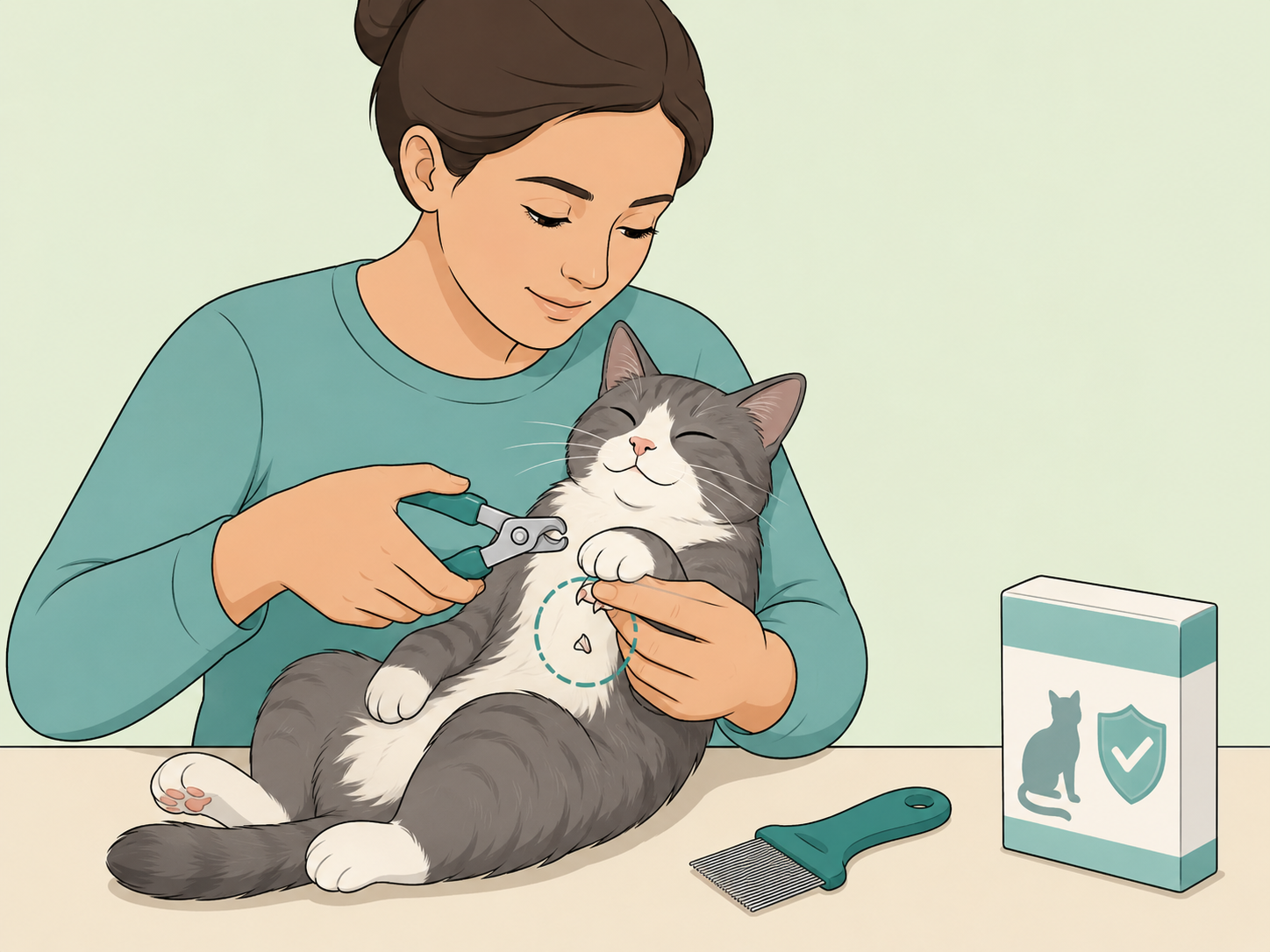
Prevent scratches, bites, and flea exposure
Avoid rough play in bed, trim your cat's nails regularly, and clean scratches right away with soap and water. The CDC says cat scratch disease is linked to Bartonella henselae bacteria and can follow scratches, bites, or licks to open wounds, especially from kittens. Ask your veterinarian about flea prevention, and never use flea or tick products on cats unless your vet says they are safe for cats.
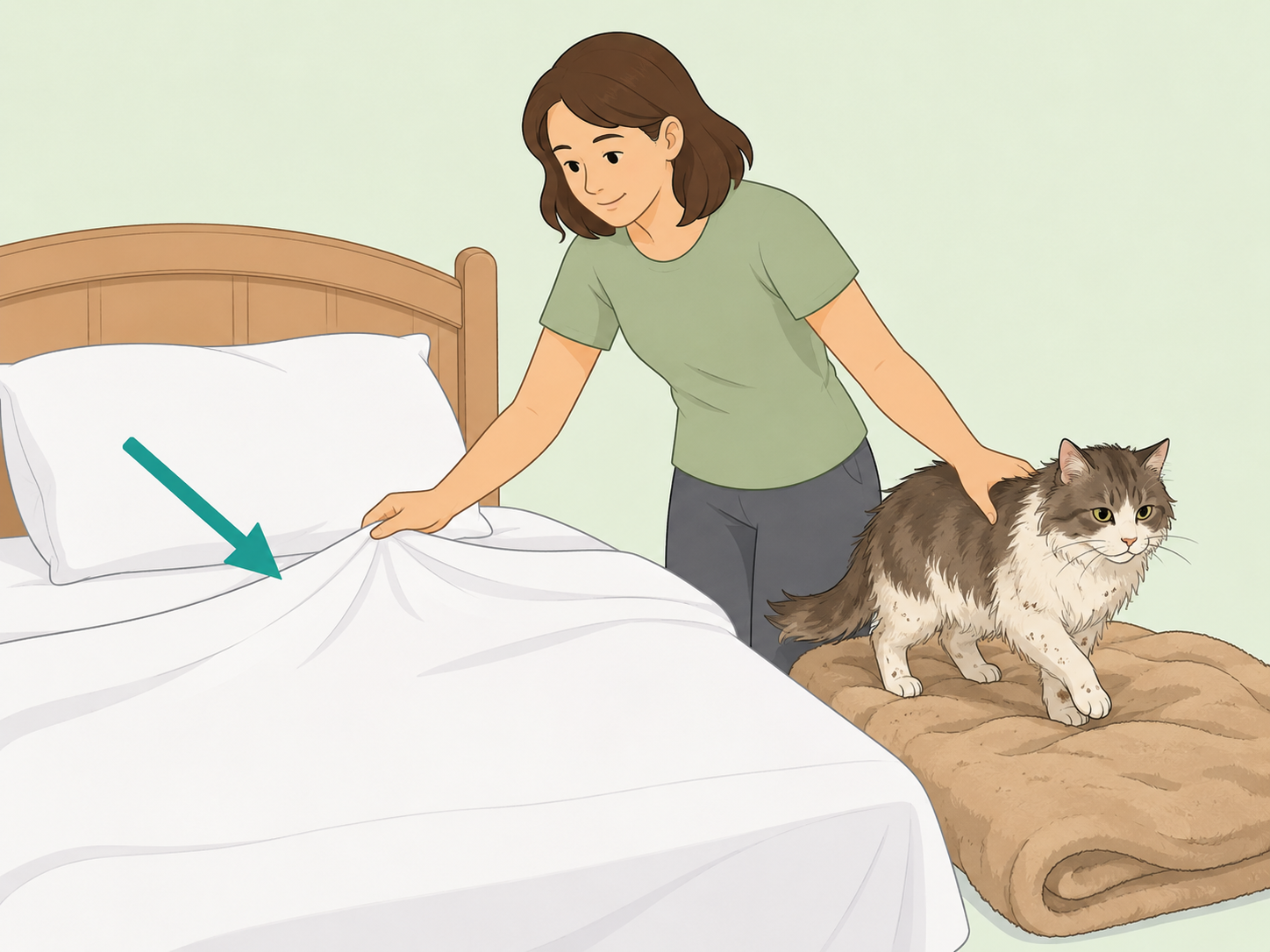
Keep bedding clean and pause bed sharing when your cat is sick
Wash sheets and pillowcases routinely, and keep your cat off pillows if it has diarrhea, feces on its fur, vomiting, sores, or signs of fleas. The CDC notes that cats can carry germs even when they look clean and recommends prompt cleanup and handwashing after urine, poop, or vomit. Call your veterinarian if your cat seems ill.
Watch for symptoms without diagnosing yourself
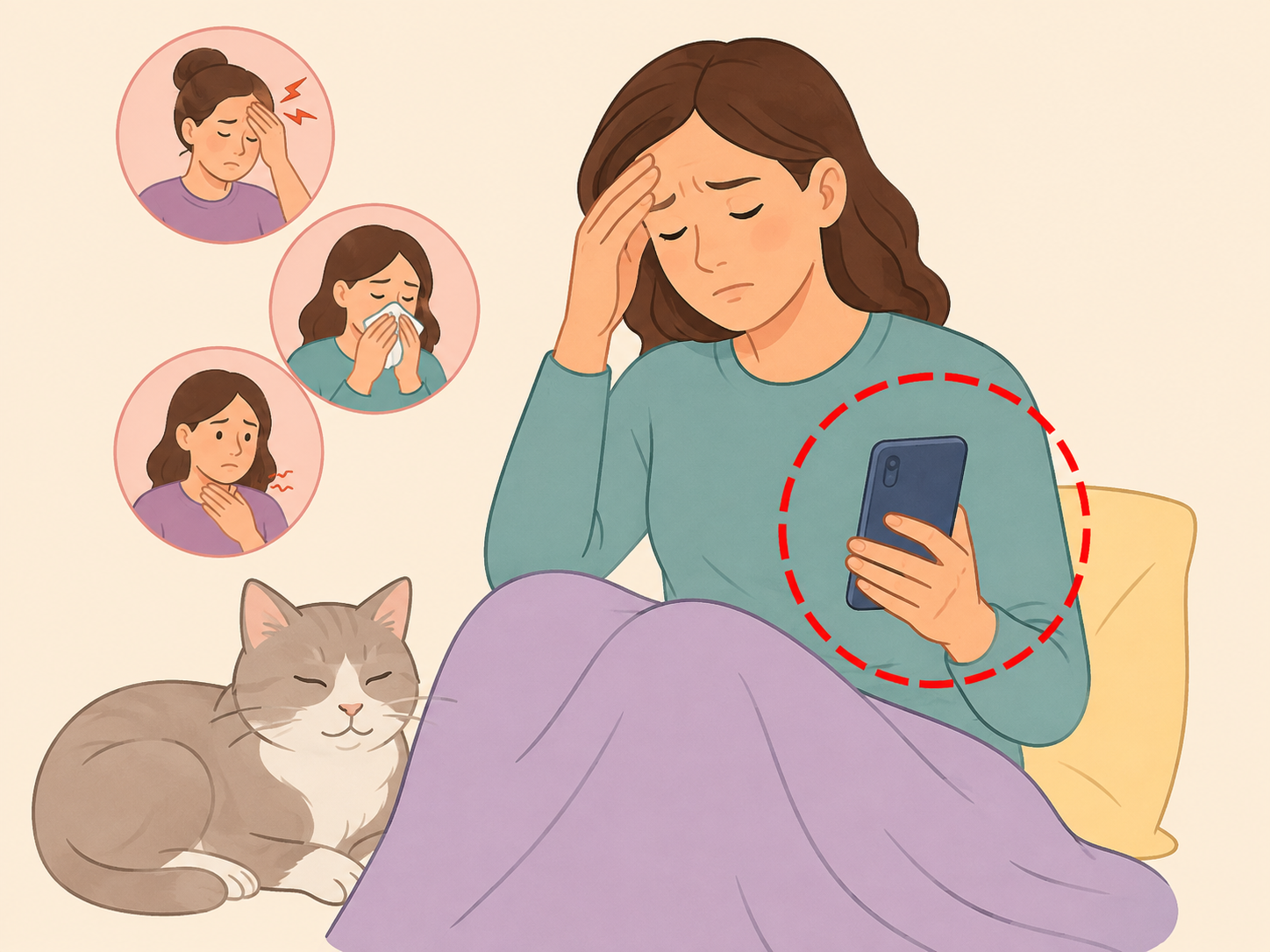
The CDC says most healthy people with toxoplasmosis do not know they have it, but possible symptoms include tender lymph nodes, muscle aches, and other flu-like symptoms. Eye symptoms can include blurred vision, pain, redness, or tearing. In people with weakened immune systems, symptoms such as fever, confusion, headache, seizures, nausea, or poor coordination need prompt medical attention.
Know when to see a doctor
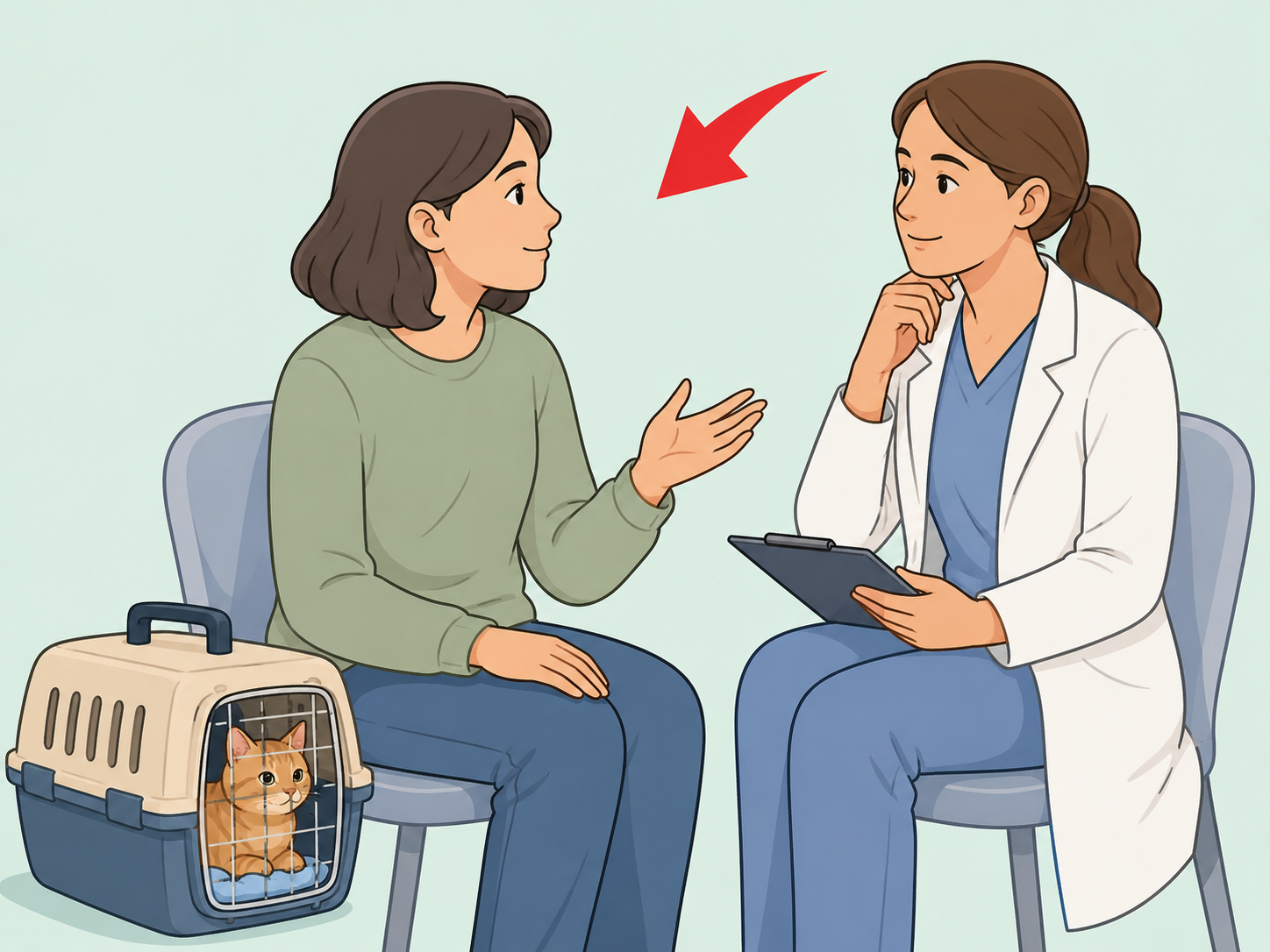
Talk to a healthcare professional if you are worried about exposure, are pregnant or planning pregnancy, have a weakened immune system, or develop symptoms after possible exposure. Mayo Clinic advises urgent care for blurred vision, confusion, or loss of coordination, especially with a weakened immune system. For a cat bite or scratch, seek care if the wound is serious, becomes red, painful, warm, or swollen, or the cat's rabies vaccination status is unknown.
Summary
The bottom line: sharing a bed with a healthy indoor cat is usually a hygiene decision, but toxoplasmosis risk deserves extra care for pregnant and immunocompromised people. Keep litter away from sleeping and grooming areas, wash your hands, feed your cat safely, prevent scratches, and ask a doctor about personal risk.
Frequently Asked Questions
- Is sleeping with my cat guaranteed to give me toxoplasmosis?
No. Toxoplasmosis usually spreads when someone accidentally swallows the parasite from contaminated cat feces, soil, water, or food, not simply because a cat lies beside them.
- What is the silent disease people talk about with cats?
The disease is usually toxoplasmosis. Many healthy people have no symptoms, but it can be serious for babies during pregnancy and for people with weakened immune systems.
- Should pregnant people get rid of their cat?
No. Health agencies generally focus on precautions: avoid changing litter if possible, wash hands well, keep cats indoors, avoid stray cats, and ask a healthcare professional about your own risk.
- Can toxoplasmosis spread from cat fur?
The main concern is contaminated feces, soil, water, or food. Still, avoid letting a cat with diarrhea, feces on its fur, or signs of illness sleep on your bedding or pillows.
- How often should I change the litter box?
Change the litter box daily. The CDC says the parasite from cat feces usually takes 1 to 5 days to become infectious, so daily cleaning lowers risk.
- What should I do after a cat scratch or bite?
Wash the wound with warm soapy water. Seek medical care if the wound is serious, becomes red, painful, warm, or swollen, or if you do not know whether the cat is vaccinated against rabies.
References
Reliable references aided in composing and refining this content.
- https://www.cdc.gov/toxoplasmosis/causes/index.html
- https://www.cdc.gov/toxoplasmosis/prevention/index.html
- https://www.cdc.gov/toxoplasmosis/risk-factors/index.html
- https://www.cdc.gov/toxoplasmosis/symptoms/index.html
- https://www.cdc.gov/healthy-pets/about/cats.html
- https://www.cdc.gov/bartonella/about/about-cat-scratch-disease.html
- https://my.clevelandclinic.org/health/diseases/toxoplasmosis
- https://www.mayoclinic.org/diseases-conditions/toxoplasmosis/symptoms-causes/syc-20356249