
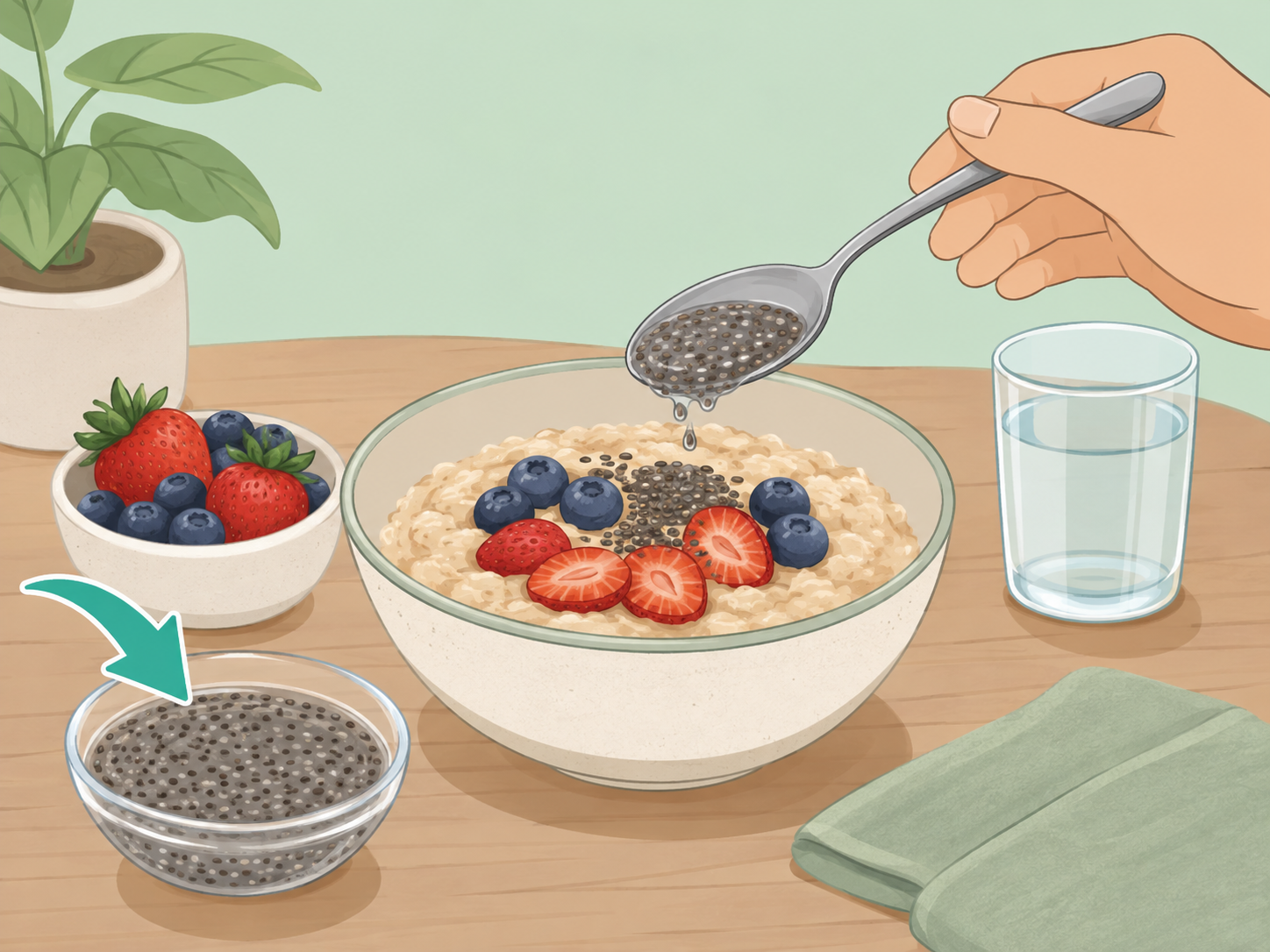
 Pin it
Chia seeds are often called a superfood, but the safest way to think about them is as a nutrient-dense seed that can support an overall healthy eating pattern. They provide fiber, plant-based omega-3 ALA, protein, and minerals, but they do not treat or cure health problems on their own. This guide shows how to add chia seeds safely while keeping skin and wellness claims realistic.
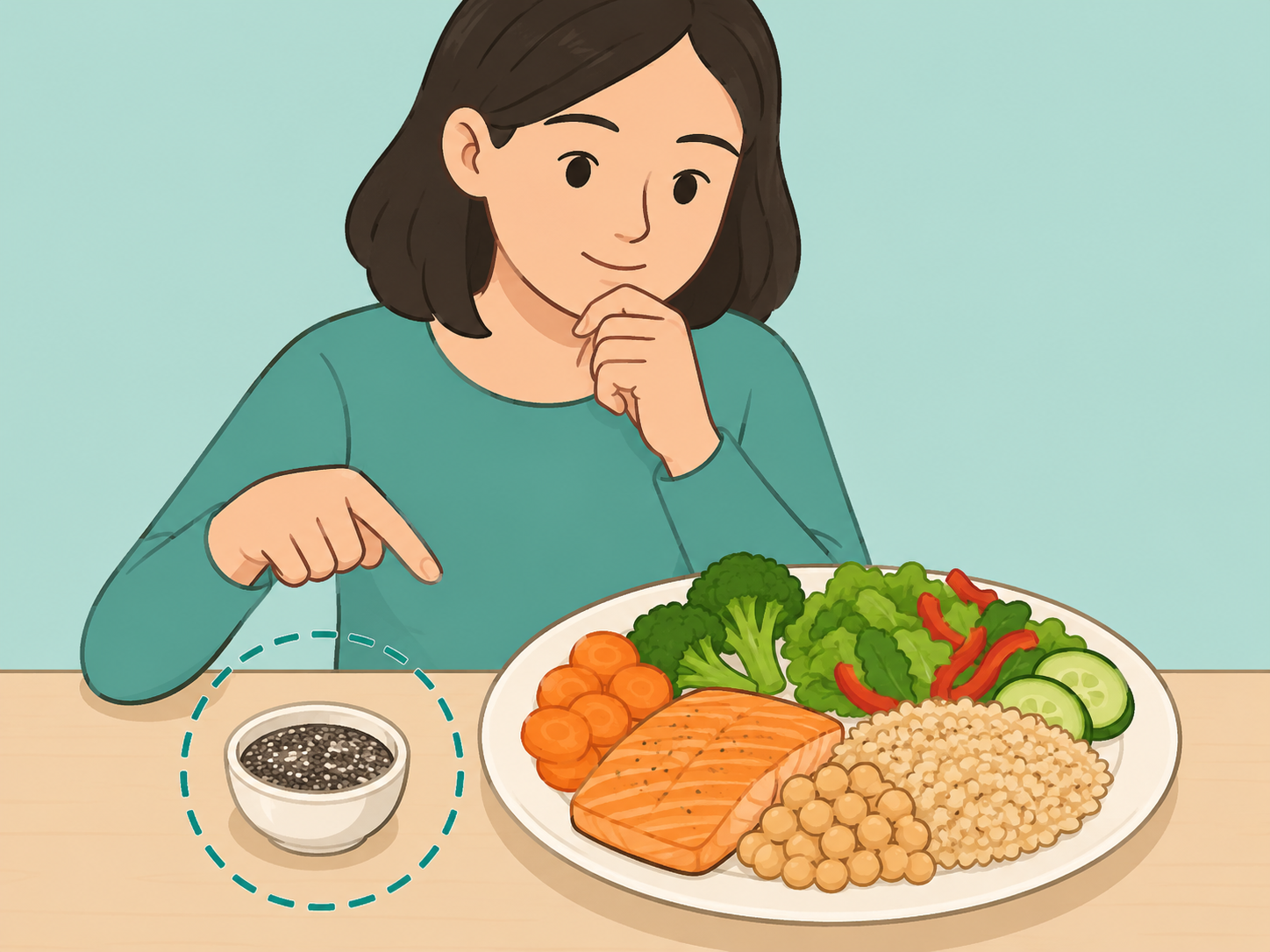
Treat chia seeds as a helpful add-in, not a cure
Start with realistic expectations: Harvard's Nutrition Source notes that "superfood" is not a regulated nutrition term and that chia seeds do not act like a magic bullet. Use them to improve the quality of meals you already eat, not to replace medication, medical care, sunscreen, acne treatment, or a balanced diet.
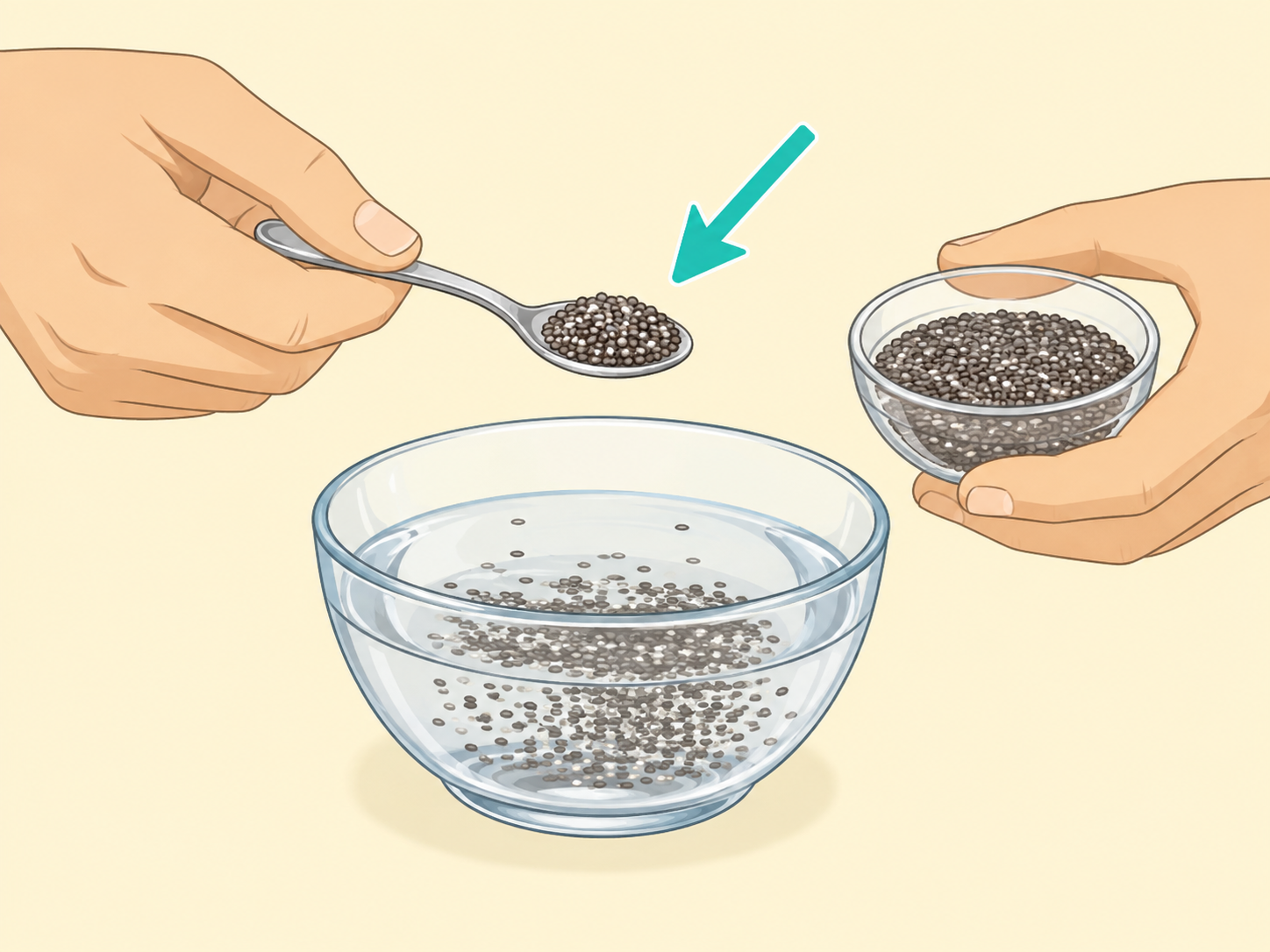
Start with a small hydrated serving
Chia seeds are high in fiber, so add them gradually and drink enough fluids. Cleveland Clinic describes 1 to 2 tablespoons as a common daily range for many adults, but beginners may do better starting smaller to avoid gas, bloating, or constipation.
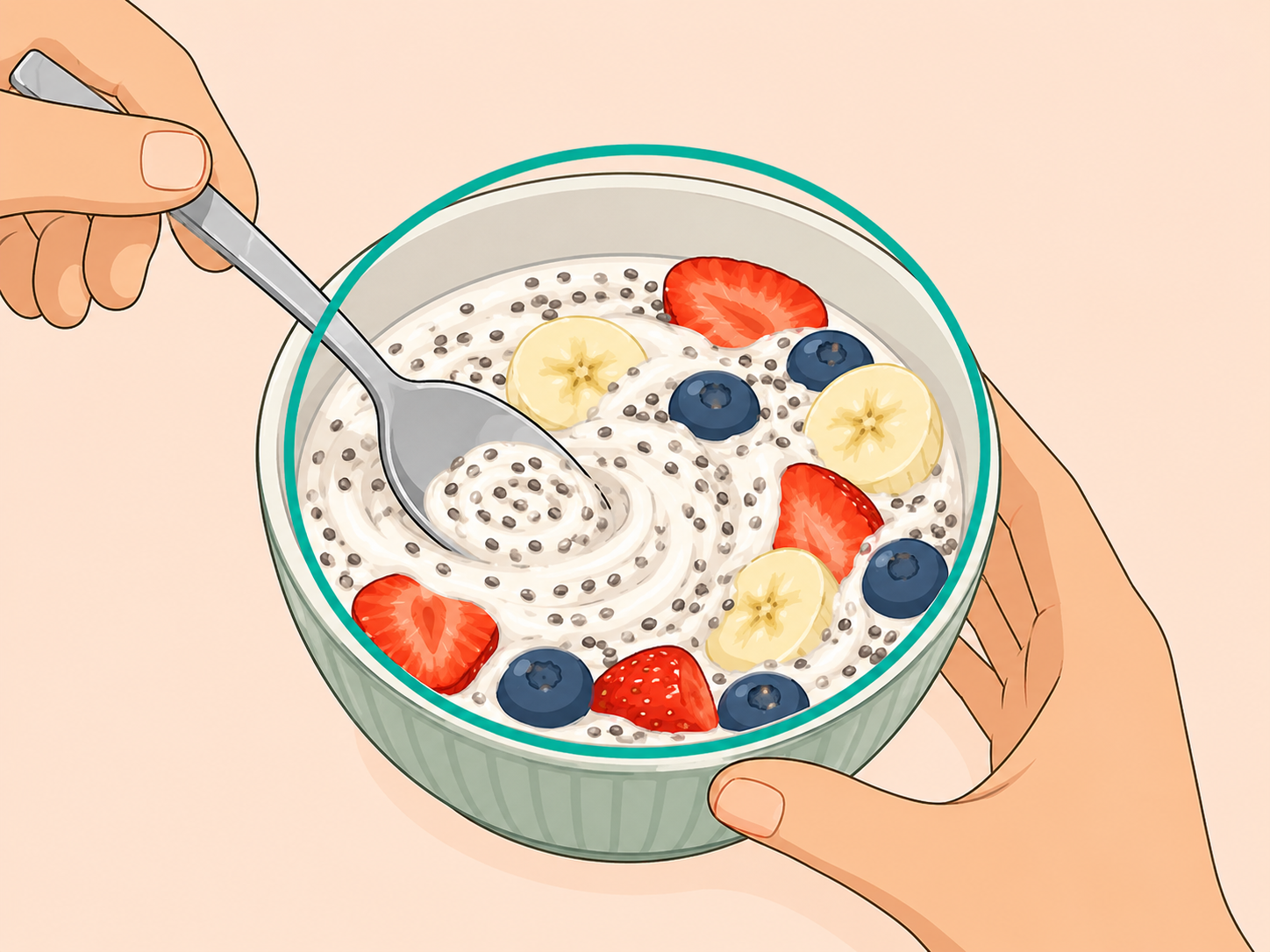
Mix chia into moist foods
Add chia seeds to oatmeal, yogurt, smoothies, soups, or chia pudding so they have time to soften. Because chia seeds expand when wet, Harvard's chia guidance advises against eating dry chia seeds by themselves, especially for people with swallowing or digestive problems.
Use them to raise fiber slowly
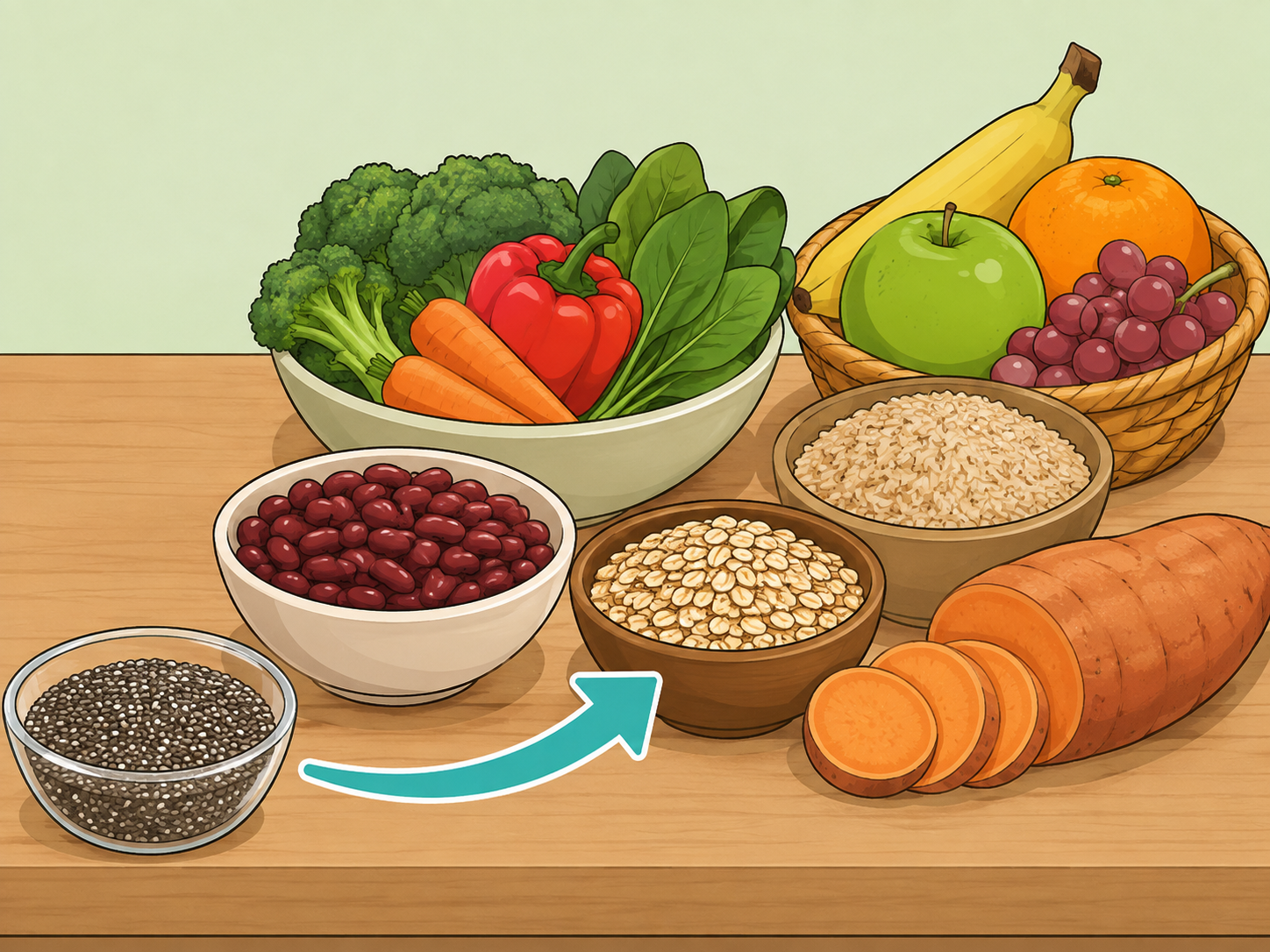
Fiber helps digestion, adds bulk to stool, and can help you feel full sooner, according to MedlinePlus. Chia can contribute to that goal, but it should sit alongside other fiber foods such as beans, vegetables, fruit, nuts, and whole grains.
Pair them with a heart-smart eating pattern
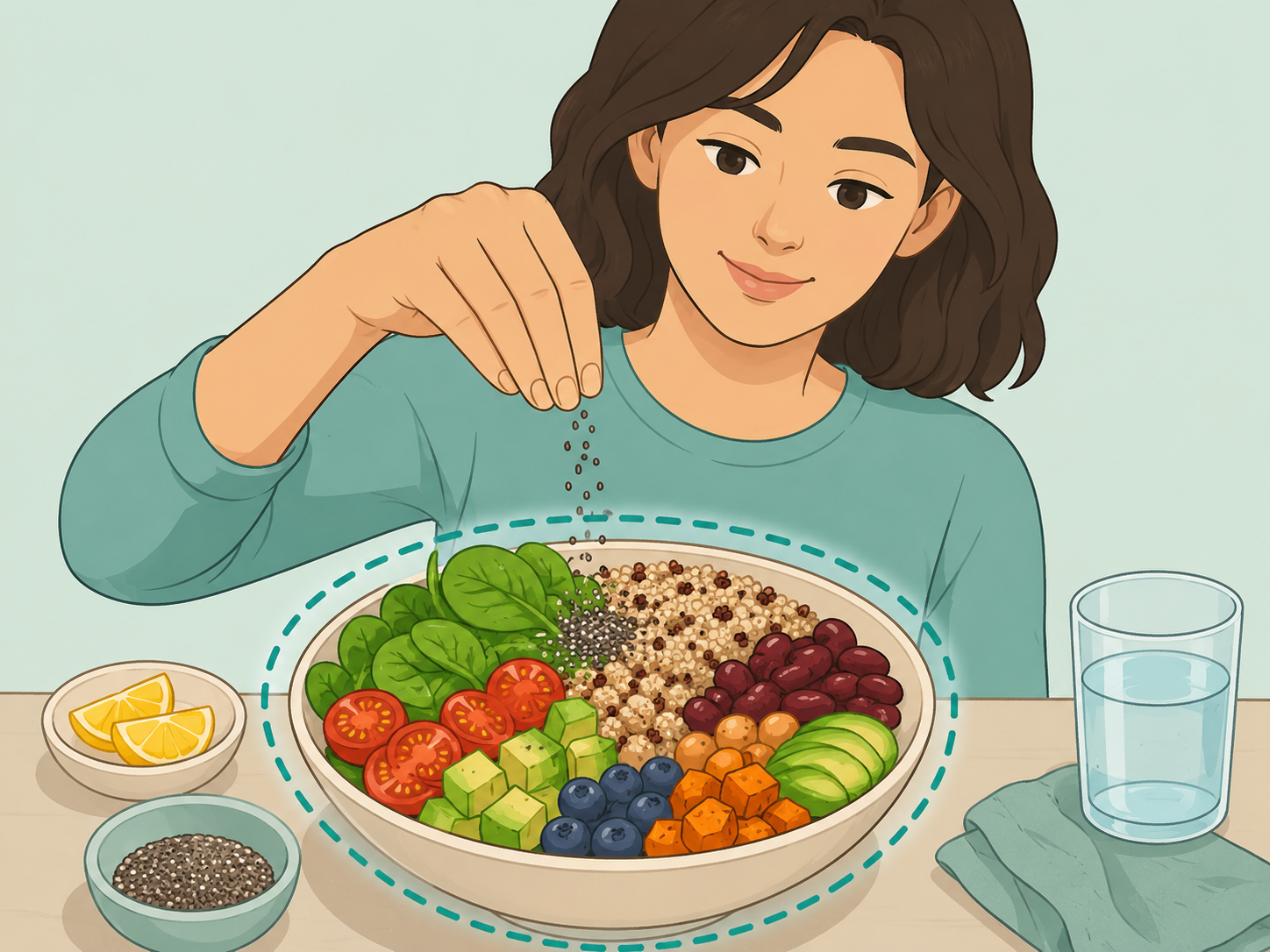
Chia seeds contain unsaturated fat and plant omega-3 ALA, but one food cannot carry heart health by itself. The American Heart Association recommends a pattern rich in fruits, vegetables, whole grains, and fiber-rich foods, so sprinkle chia into meals that already move you in that direction.
Understand what plant omega-3s can and cannot do
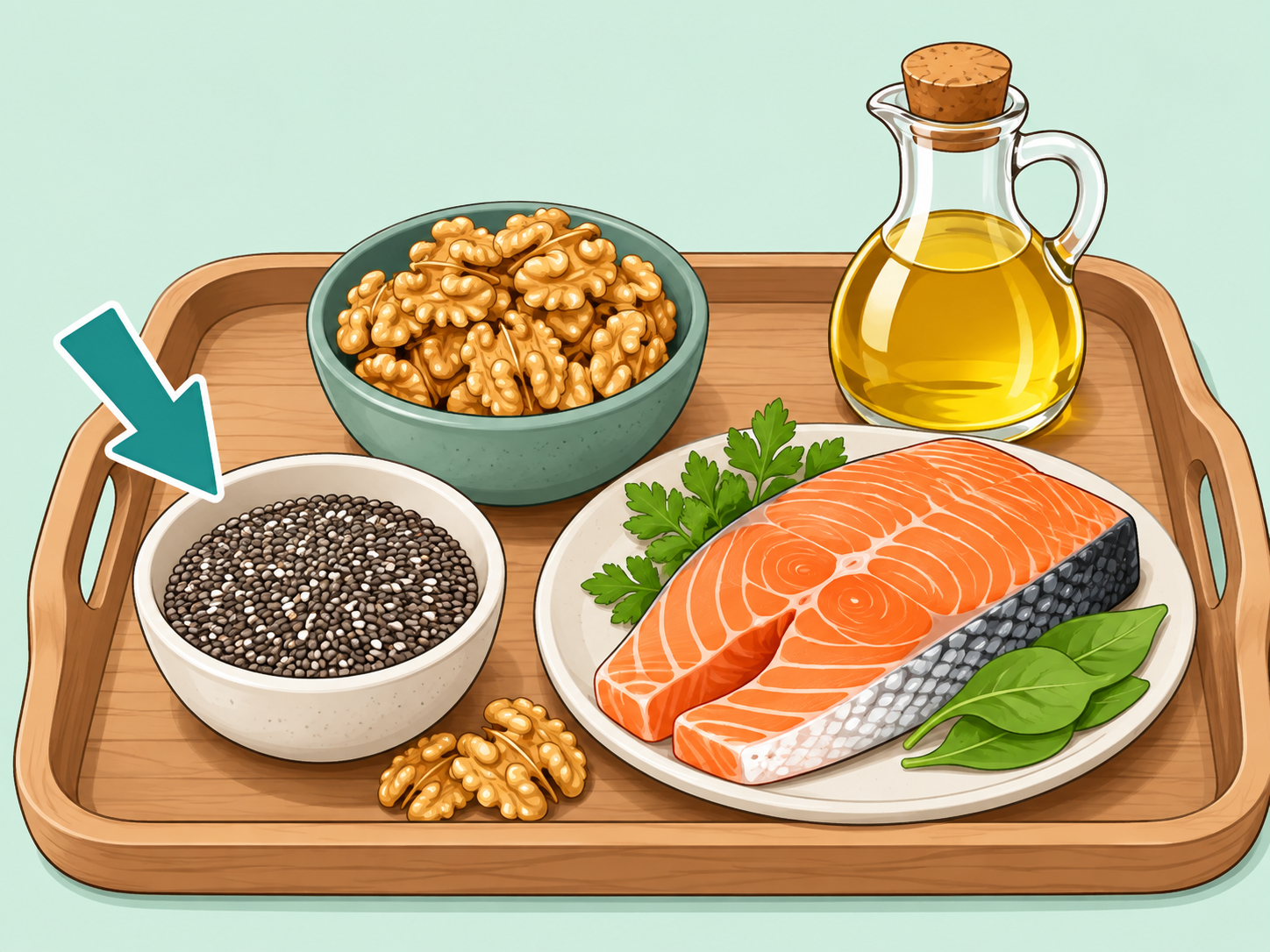
Chia seeds provide ALA, a plant form of omega-3 fatty acid. The NIH Office of Dietary Supplements explains that the body converts only small amounts of ALA into EPA and DHA, so chia is useful but not the same as eating seafood or taking a clinician-recommended supplement.
Keep beauty and skin claims modest
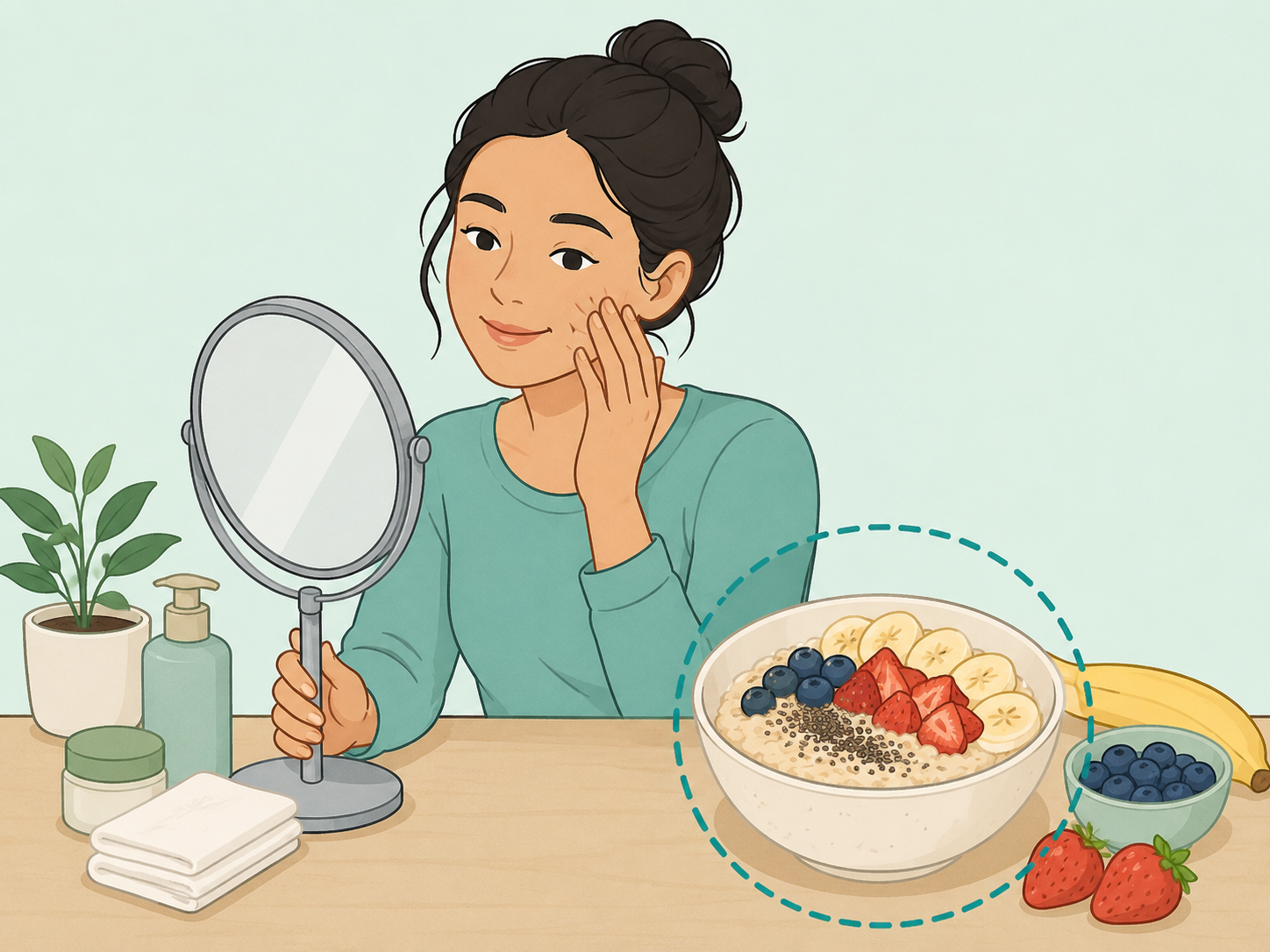
For skin, think nutrition support rather than visible overnight results. The American Academy of Dermatology says healthy adults should usually aim to get skin-supporting nutrients through a balanced diet, and chia can be one seed among many foods that help you do that.
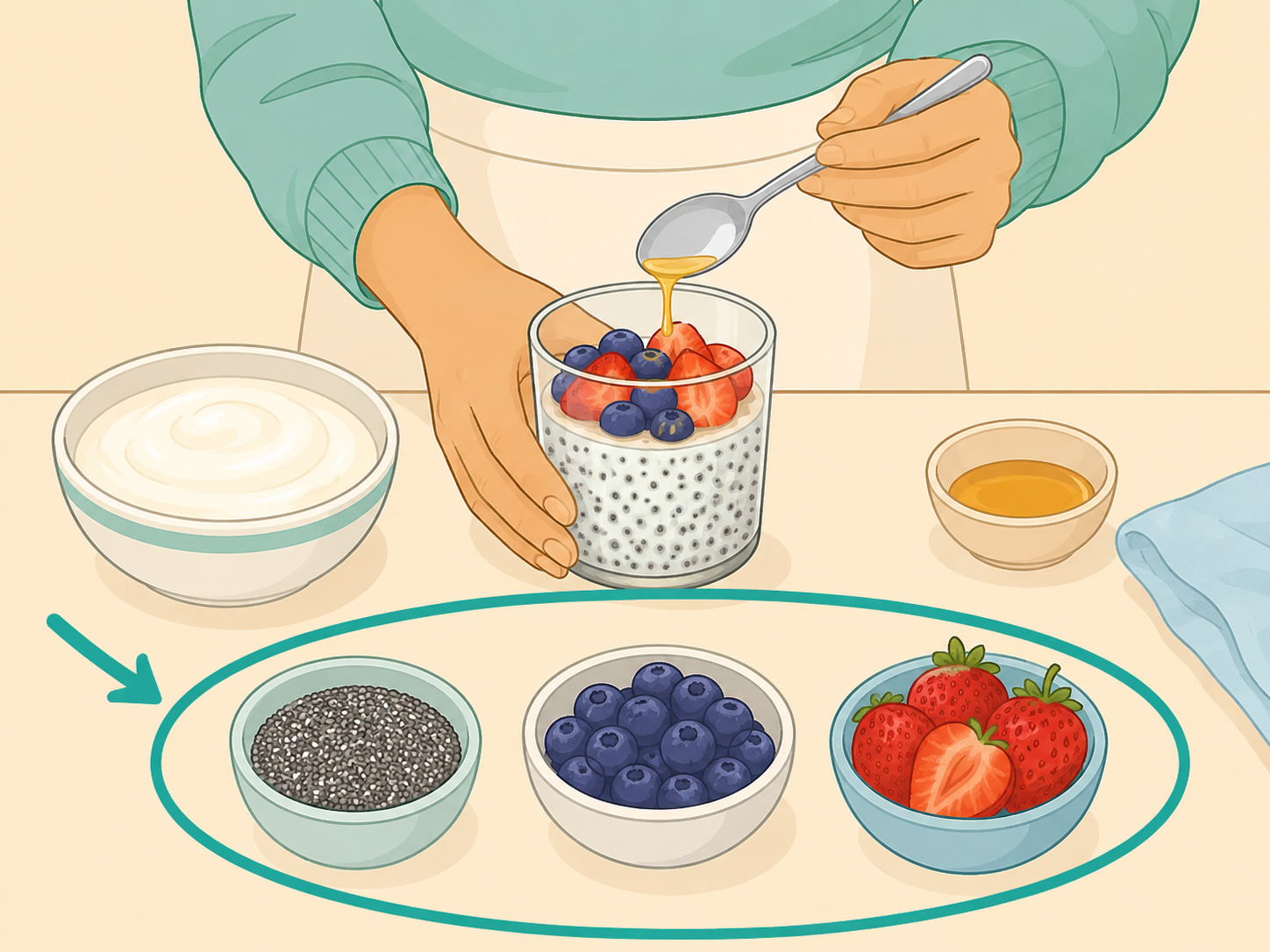
Choose simple preparations with little added sugar
Chia pudding and smoothies can be healthy or sugary depending on what you add. Use plain yogurt, milk or unsweetened plant milk, fruit, oats, cinnamon, or nuts, and keep sweeteners small so the chia supports the meal instead of turning it into dessert.
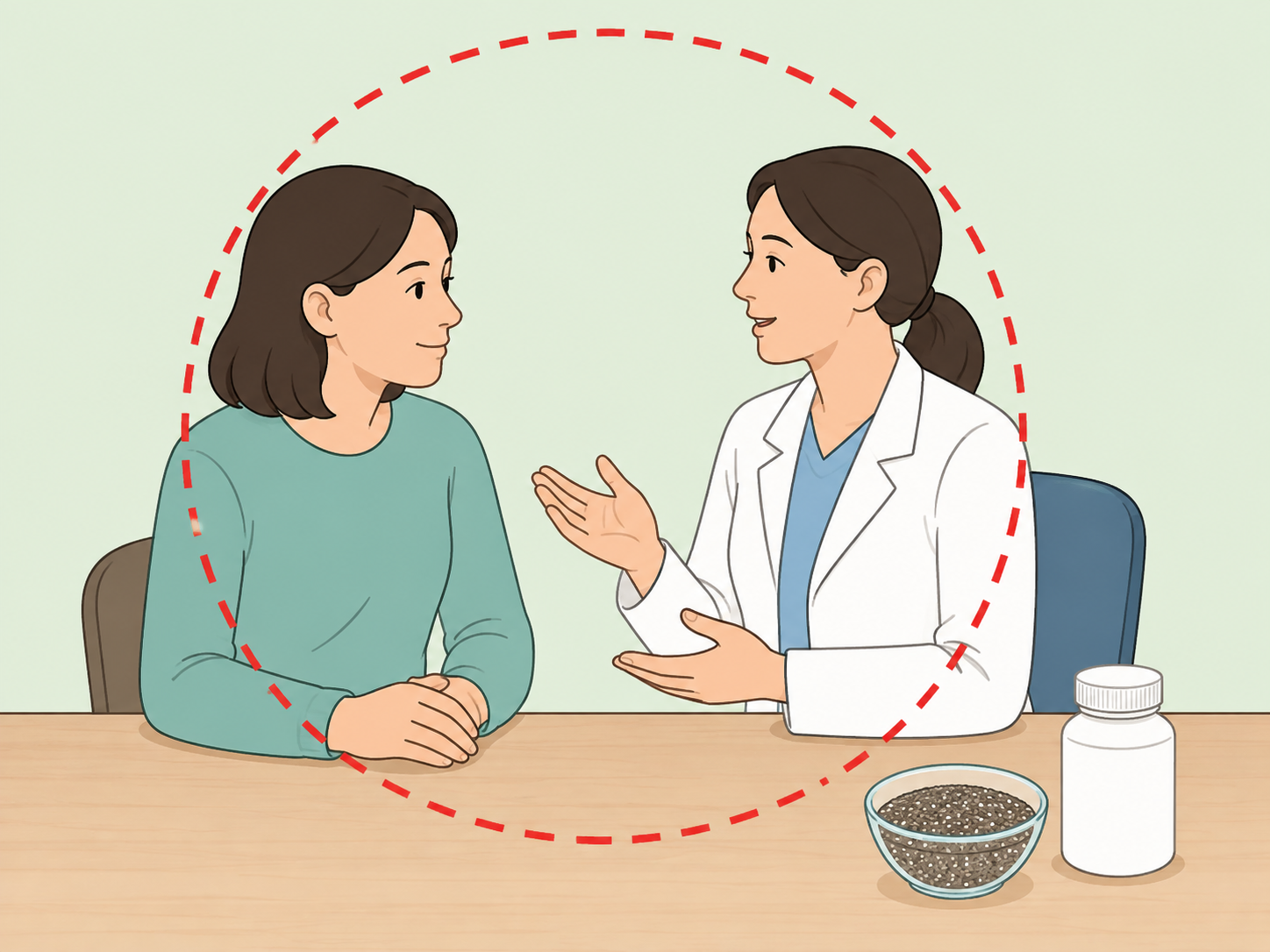
Talk to a doctor when symptoms or medicines matter
Seek medical advice if you have trouble swallowing, ongoing constipation, unexplained digestive symptoms, a food allergy concern, diabetes, heart disease, kidney disease, or a diet plan prescribed for a medical condition. Also ask a clinician before using chia as part of a major diet change, especially if you take medication or are trying to manage blood sugar, cholesterol, weight, or skin disease.
Summary
The bottom line: chia seeds can be a practical way to add fiber, plant omega-3 ALA, and texture to everyday meals. Start small, soak them or add them to moist foods, keep added sugar low, and talk with a health professional if you have symptoms, swallowing problems, digestive conditions, or questions about your own care.
Frequently Asked Questions
- Are chia seeds really a superfood?
They are nutrient-dense, but "superfood" is a marketing term, not a medical category. Chia seeds can add fiber, plant omega-3 ALA, protein, and minerals to meals, but they work best as part of a varied diet.
- Can chia seeds cure diabetes, heart disease, or skin problems?
No. Chia seeds do not cure medical conditions. Their fiber and unsaturated fats may fit into a heart-smart, balanced diet, but diagnosis and treatment should come from a qualified health professional.
- Should I soak chia seeds before eating them?
Yes, soaking them or mixing them into moist foods is the safer choice. Dry chia seeds absorb liquid and expand, which can be risky for people with swallowing problems.
- How much chia should beginners use?
Start with a small amount, such as a teaspoon or tablespoon mixed into moist food, and see how your digestion feels. Chia is high in fiber, so increasing too quickly can cause bloating, gas, or constipation.
- Are chia seeds good for skin?
Chia seeds contain nutrients found in healthy diets, including omega-3 ALA and minerals, but they are not a skin treatment. The American Academy of Dermatology recommends meeting most skin-supporting nutrient needs through a balanced diet unless a doctor identifies a deficiency.
- Who should be careful with chia seeds?
People with swallowing difficulties, significant digestive symptoms, food allergies, or medical conditions that require a special diet should ask a health professional before adding chia regularly.
References
Reliable references aided in composing and refining this content.
- https://nutritionsource.hsph.harvard.edu/food-features/chia-seeds
- https://health.clevelandclinic.org/benefits-of-chia-seeds?slug=benefits-of-chia-seeds
- https://medlineplus.gov/ency/article/002470.htm
- https://www.heart.org/en/healthy-living/healthy-eating/losing-weight/fiber-up
- https://ods.od.nih.gov/factsheets/Omega3FattyAcids%20-Consumer
- https://www.aad.org/public/everyday-care/skin-care-secrets/routine/supplements-for-your-skin